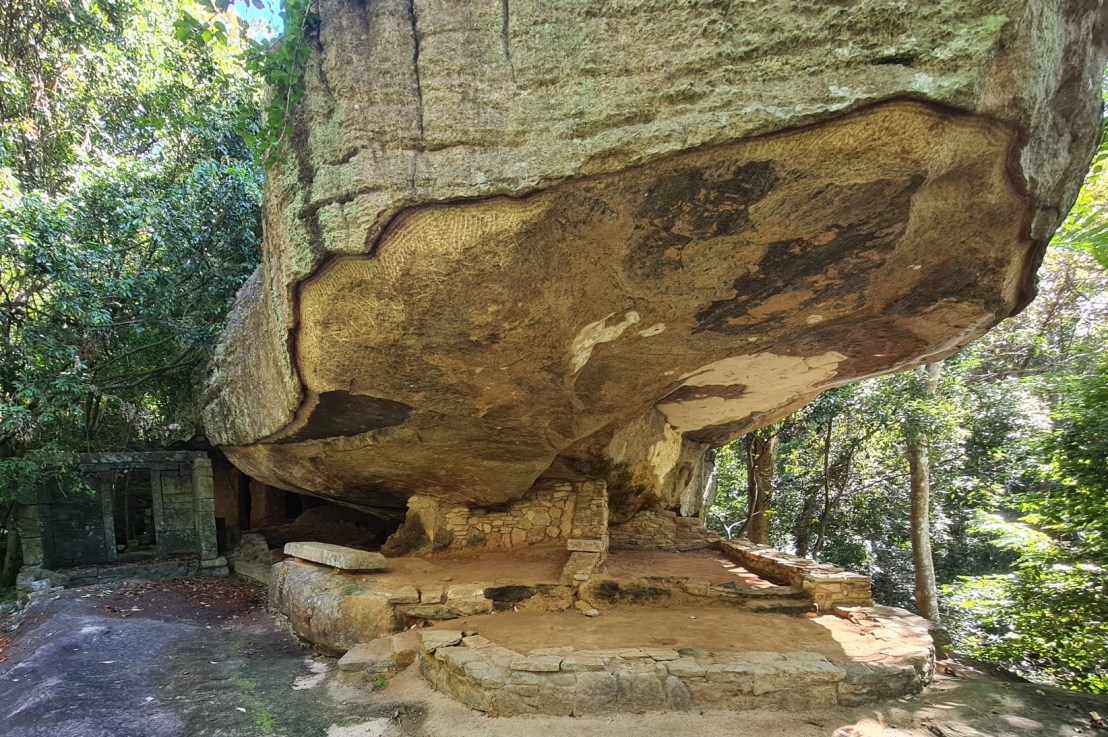
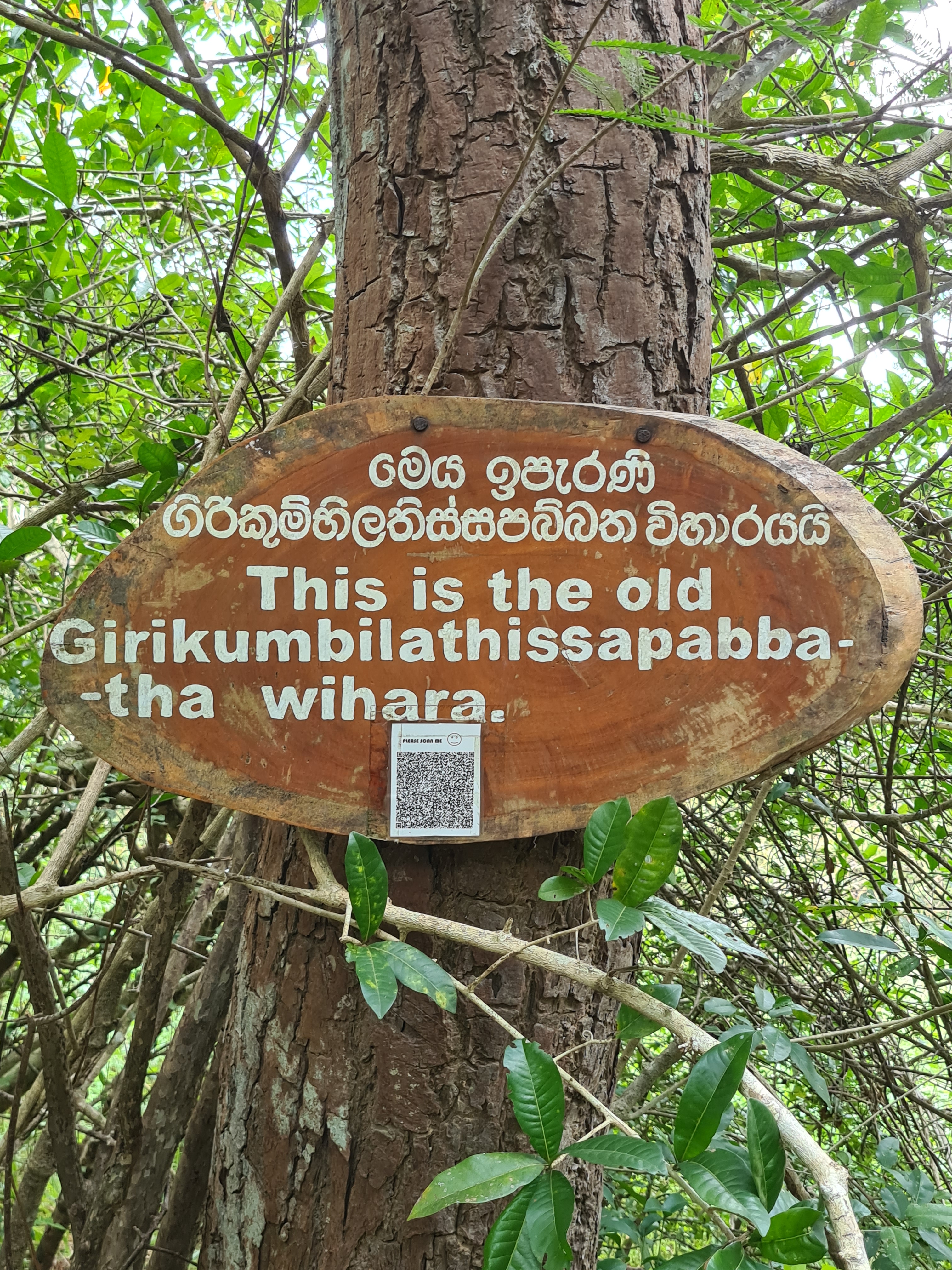
Rajagala thenna or Rassasgala is situated in the Ampara district, just 25 km from Ampara. The turn off is well marked off the Ampara Uhana Maha Oya high way. Google maps sometime shows a different turn off.
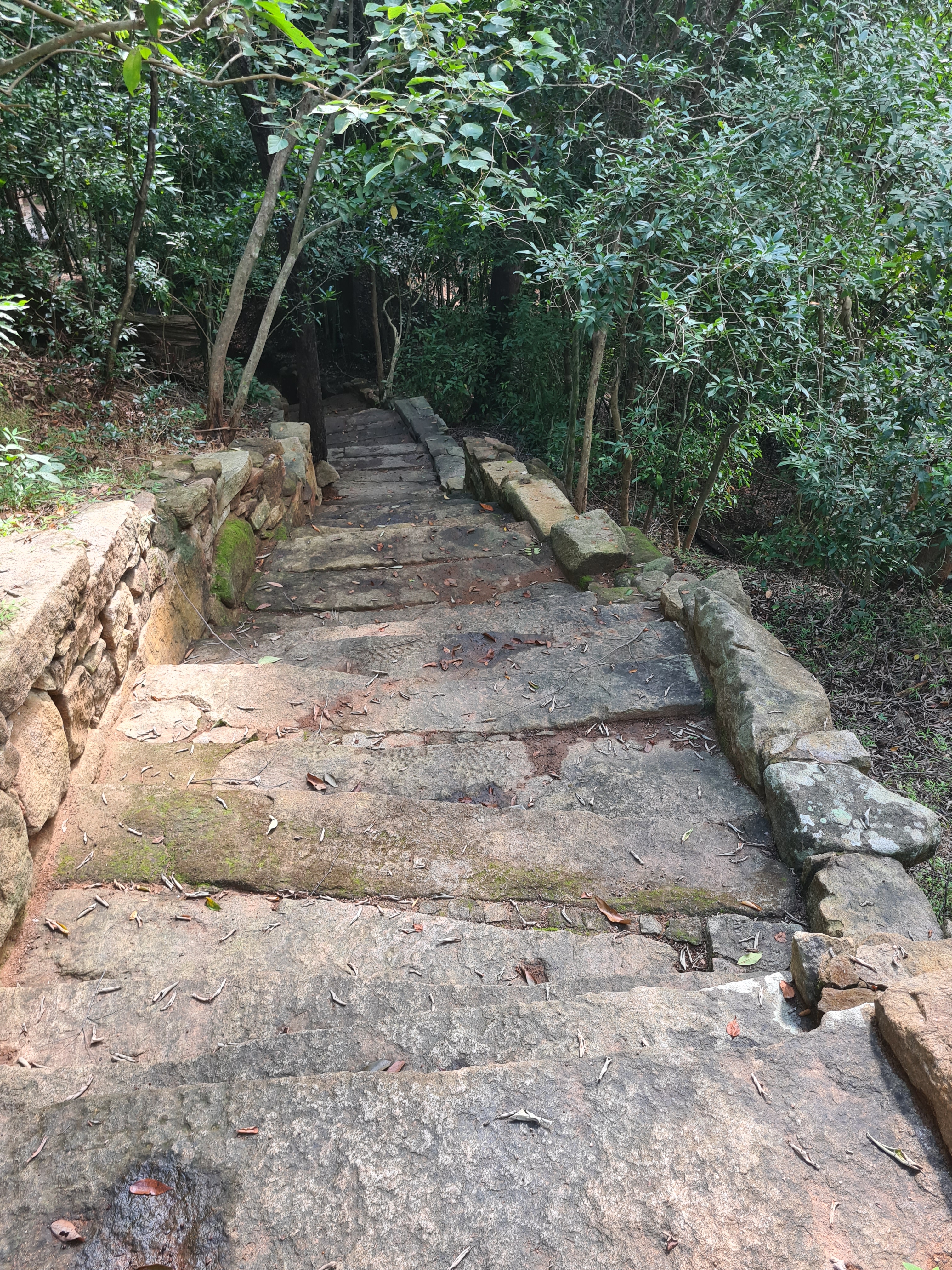
This is one of the most fascinating places I have visited. It is a must visit if you are in the Eastern province. Its easy to reach, the base site has a large car park, very clean and neat. The climb is a bit strenuous and takes about 45mins. Hence carry plenty of water and probably some energy foods like chocolates.There are two paths; the south path is just shy of 1km and is more gently sloping than the east path which is 1.4km and consists largely of steps. Both paths are well marked and clean. I suggest to climb up the south path and come down the east path. The trek is through the forest and very cool. I climbed at 1 pm on a hot day, but didn’t feel it inside the forest. At the site too one needs to climb further through the forest to see the cave complex.
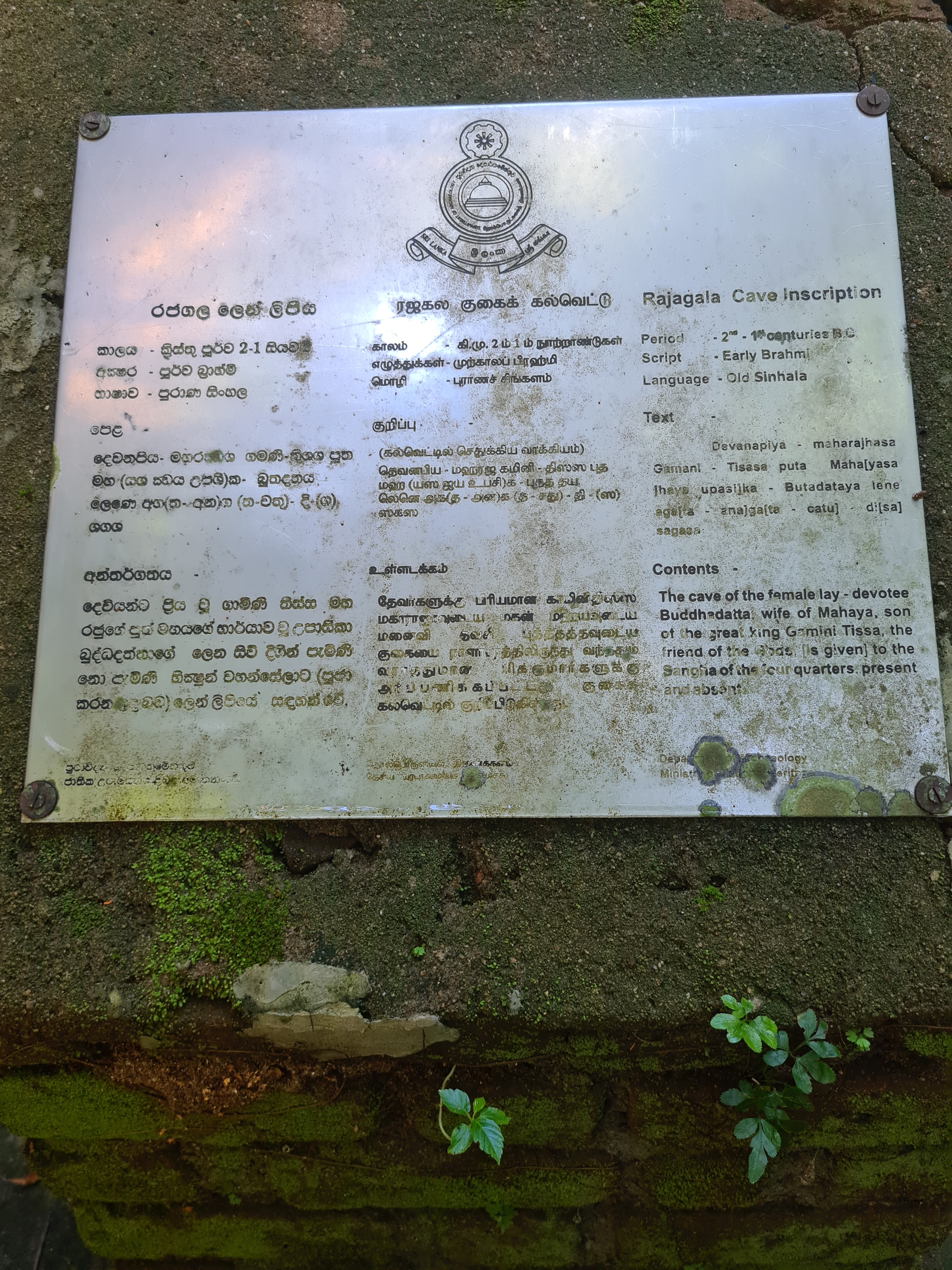
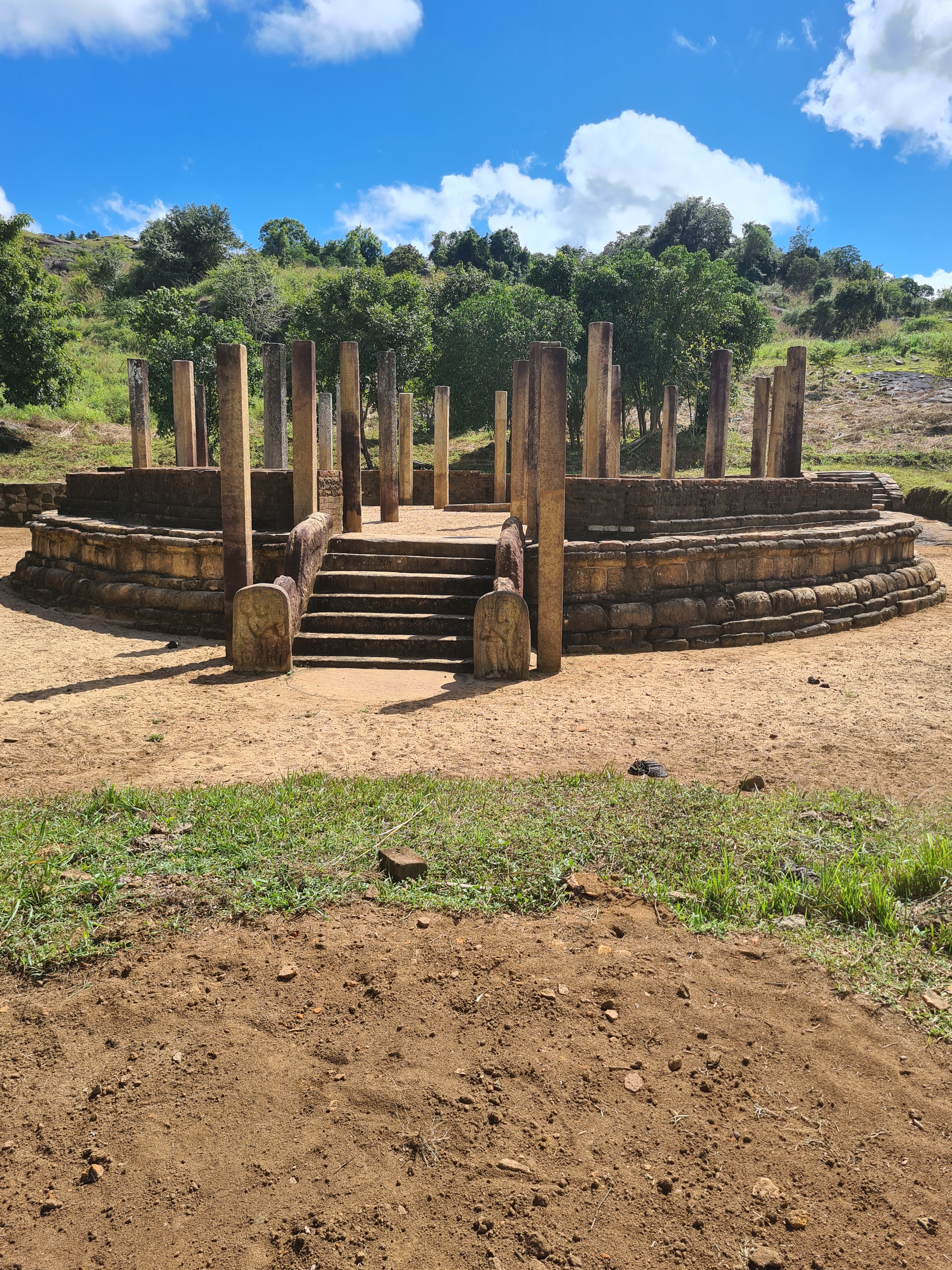
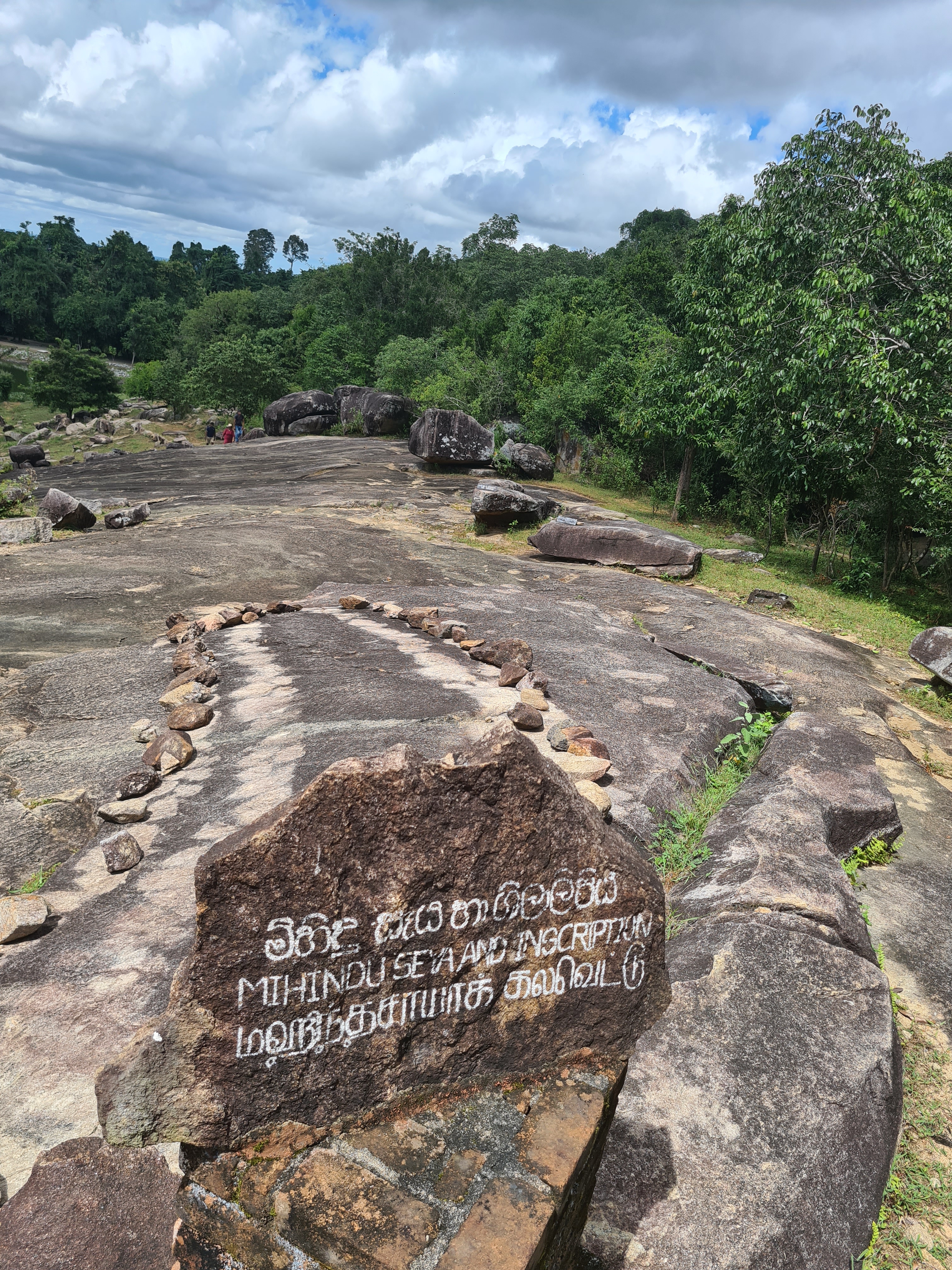
Both paths converge at the site of Arahat Mahinda thera, who is credited with embedding Buddhism in Sri Lankan culture in 2-3rd century BC. The stone inscription confirms the authencity of the site.
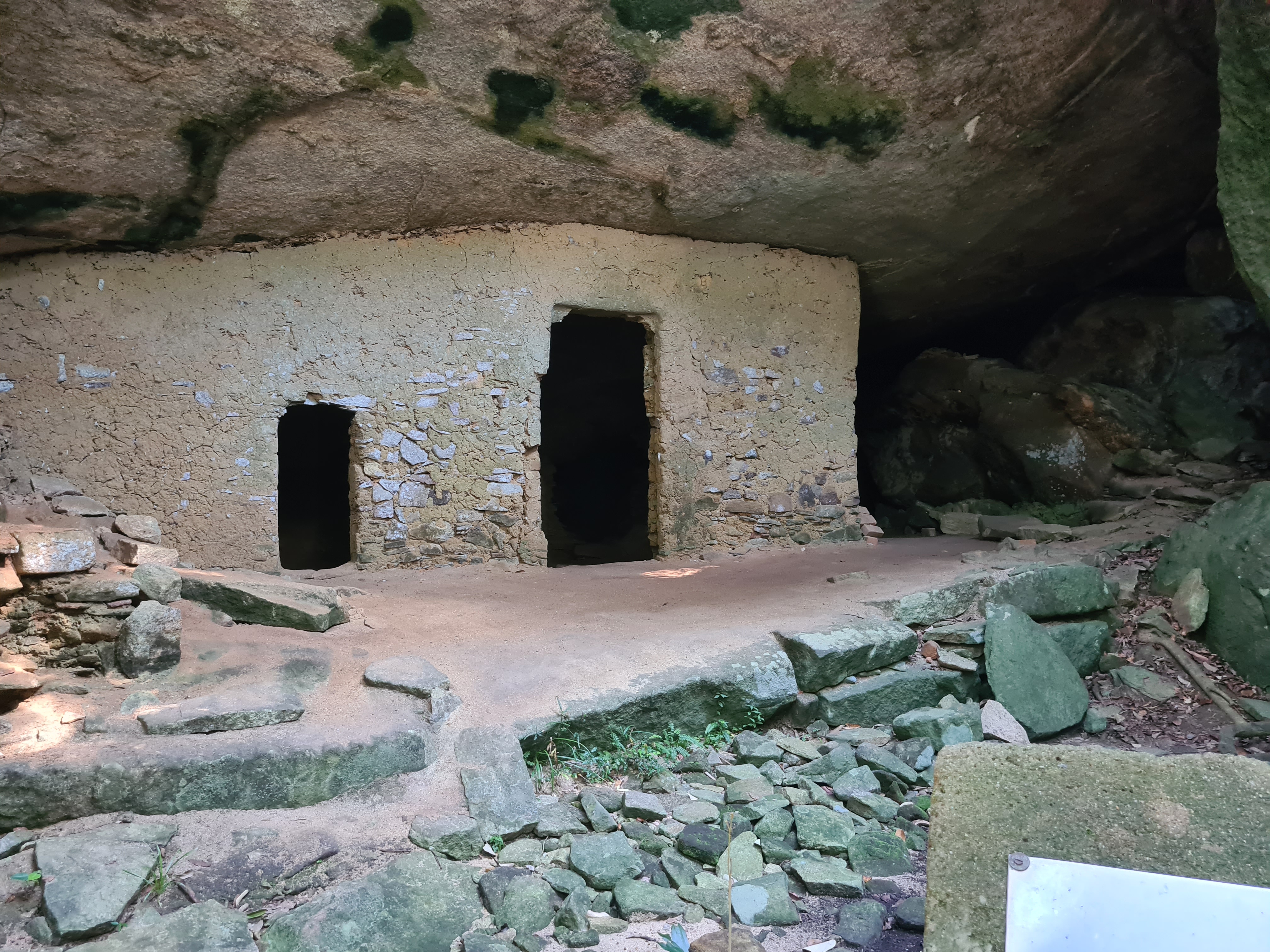
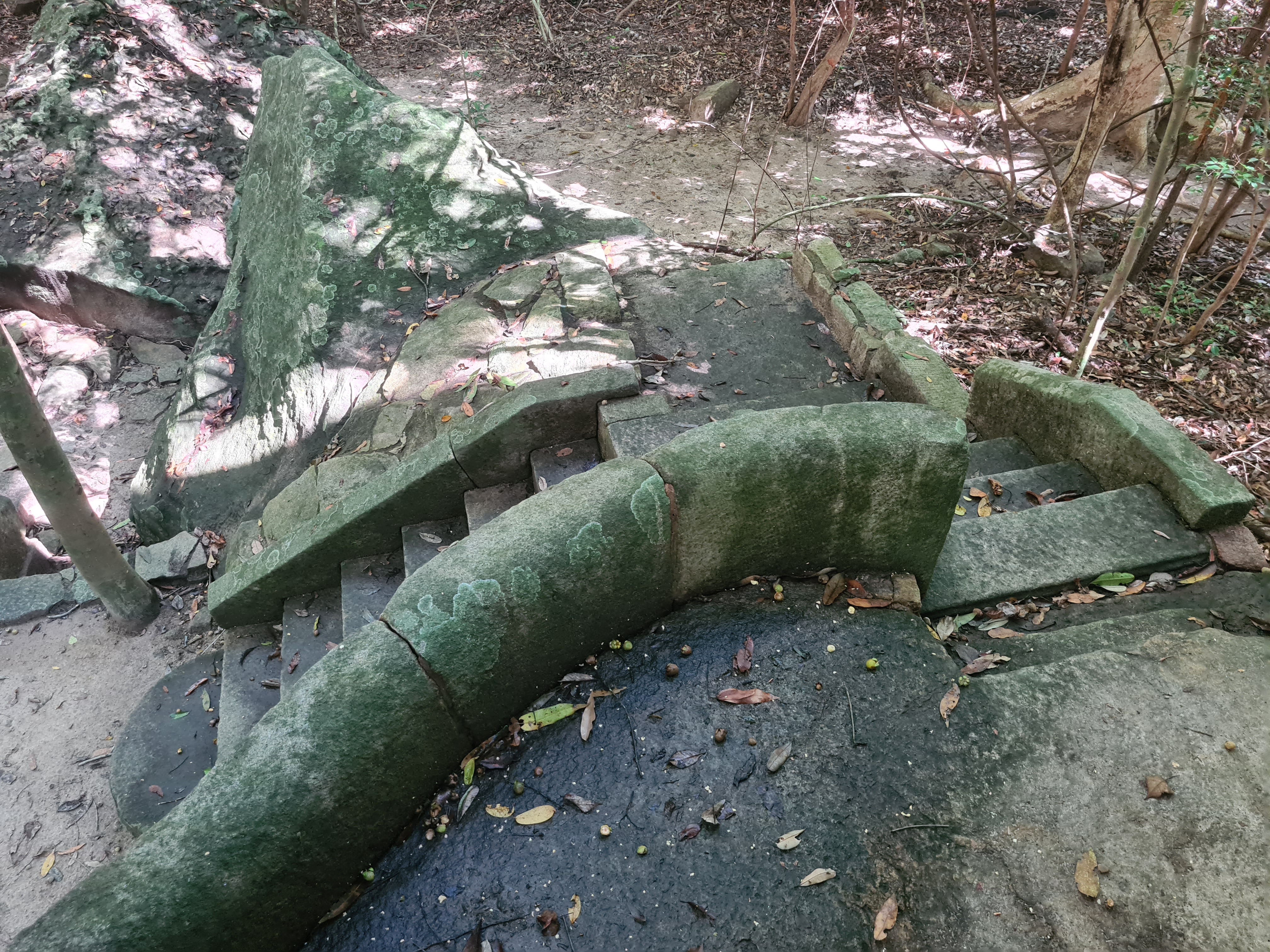
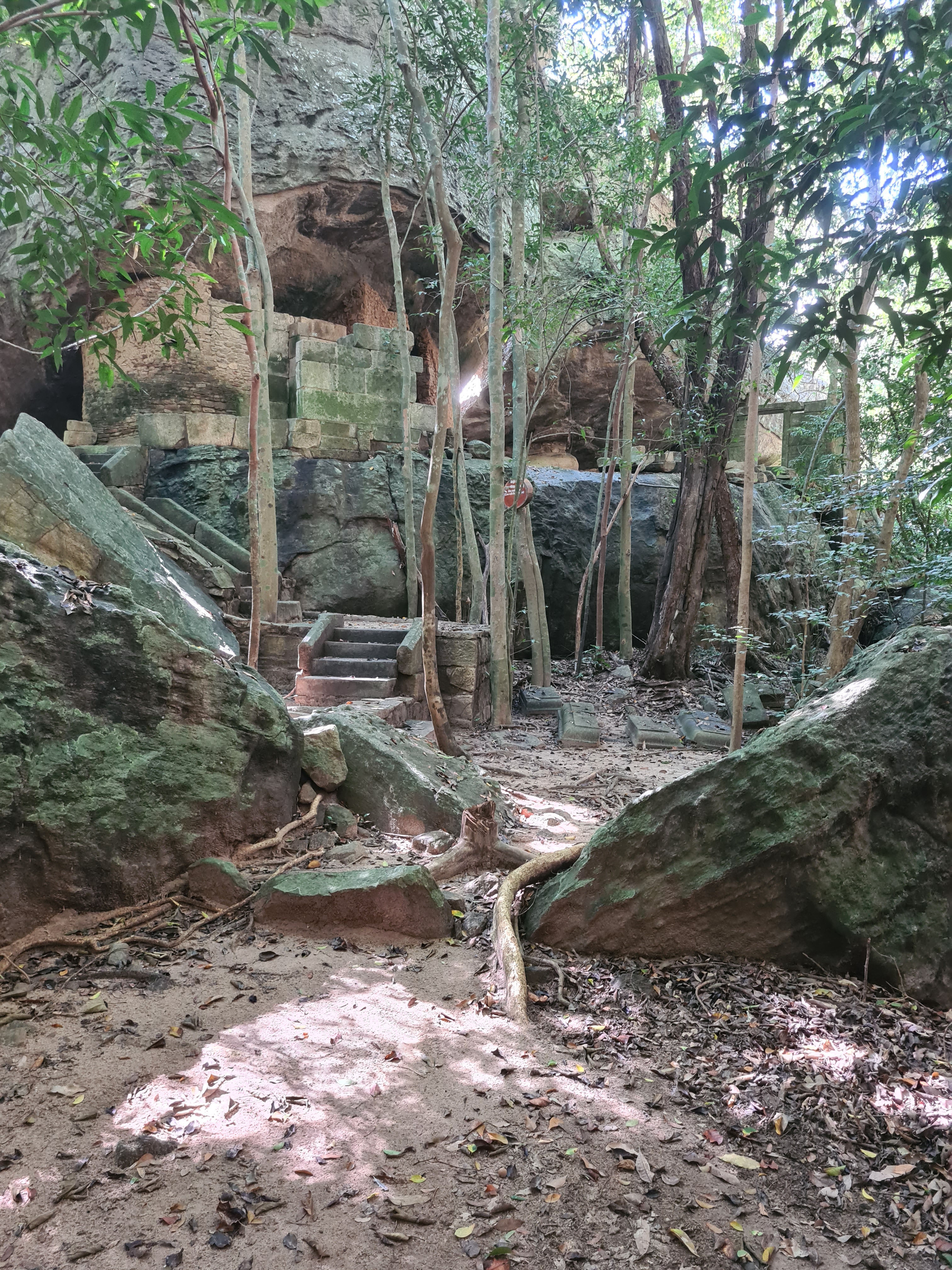
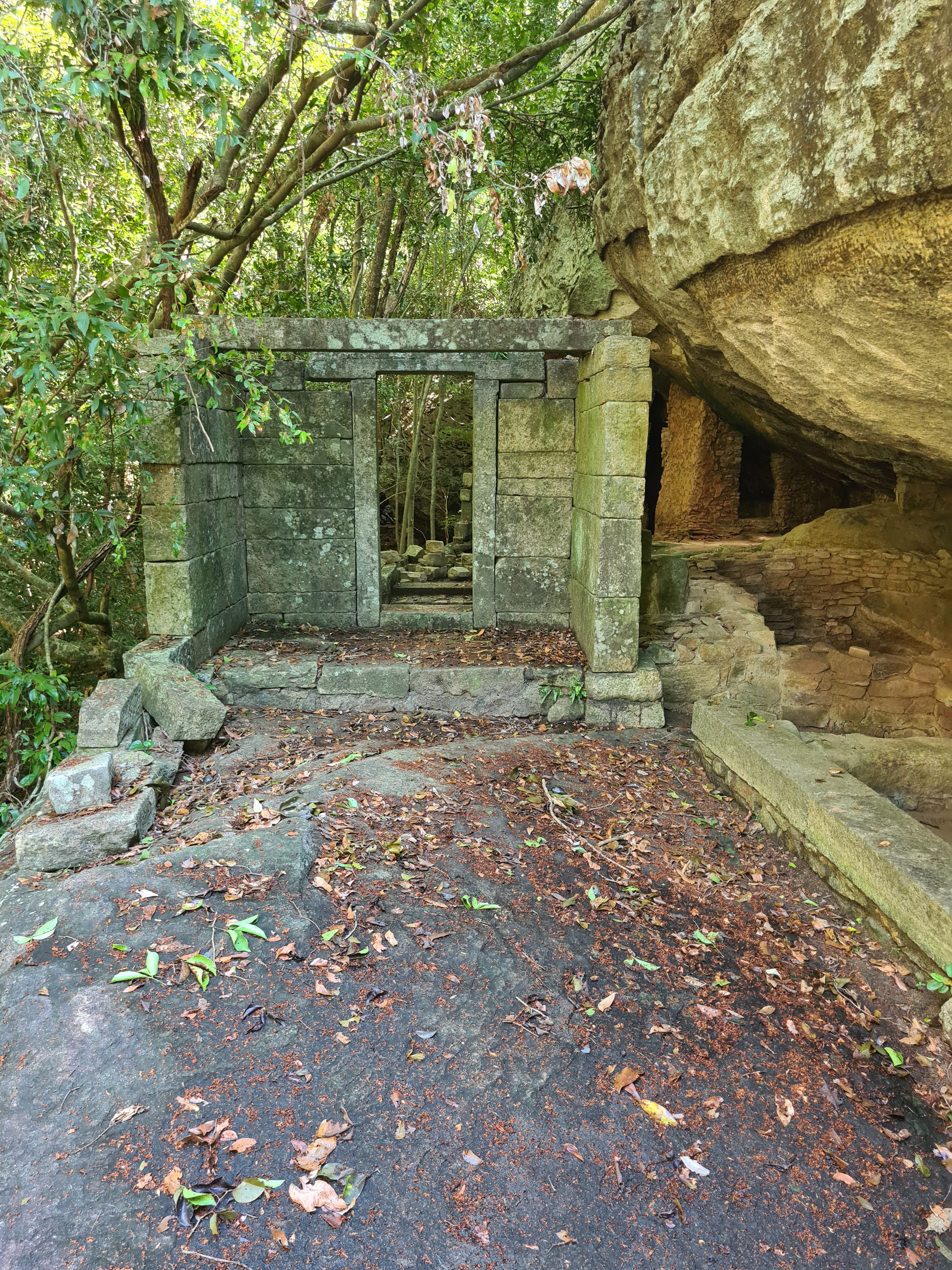
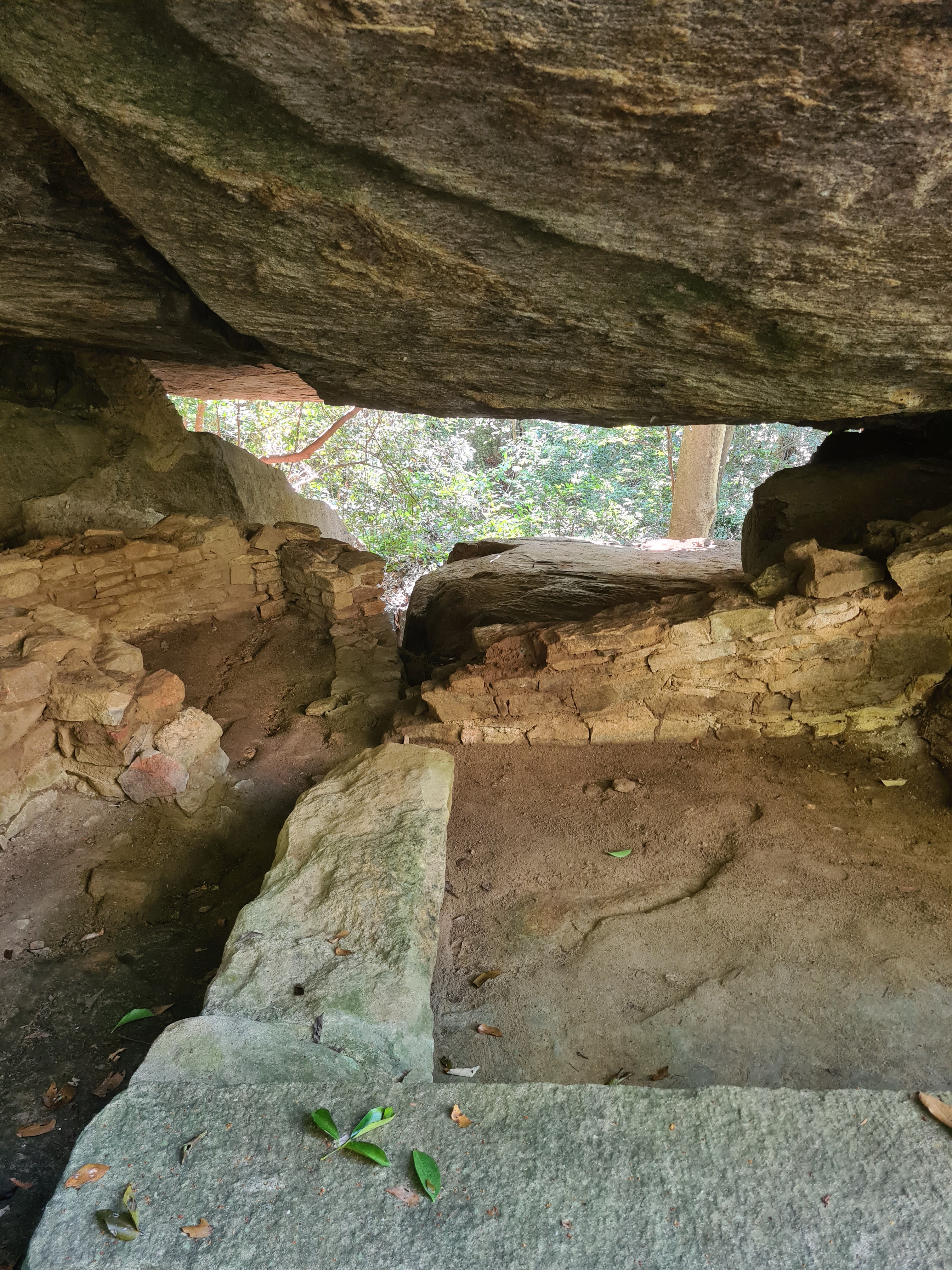
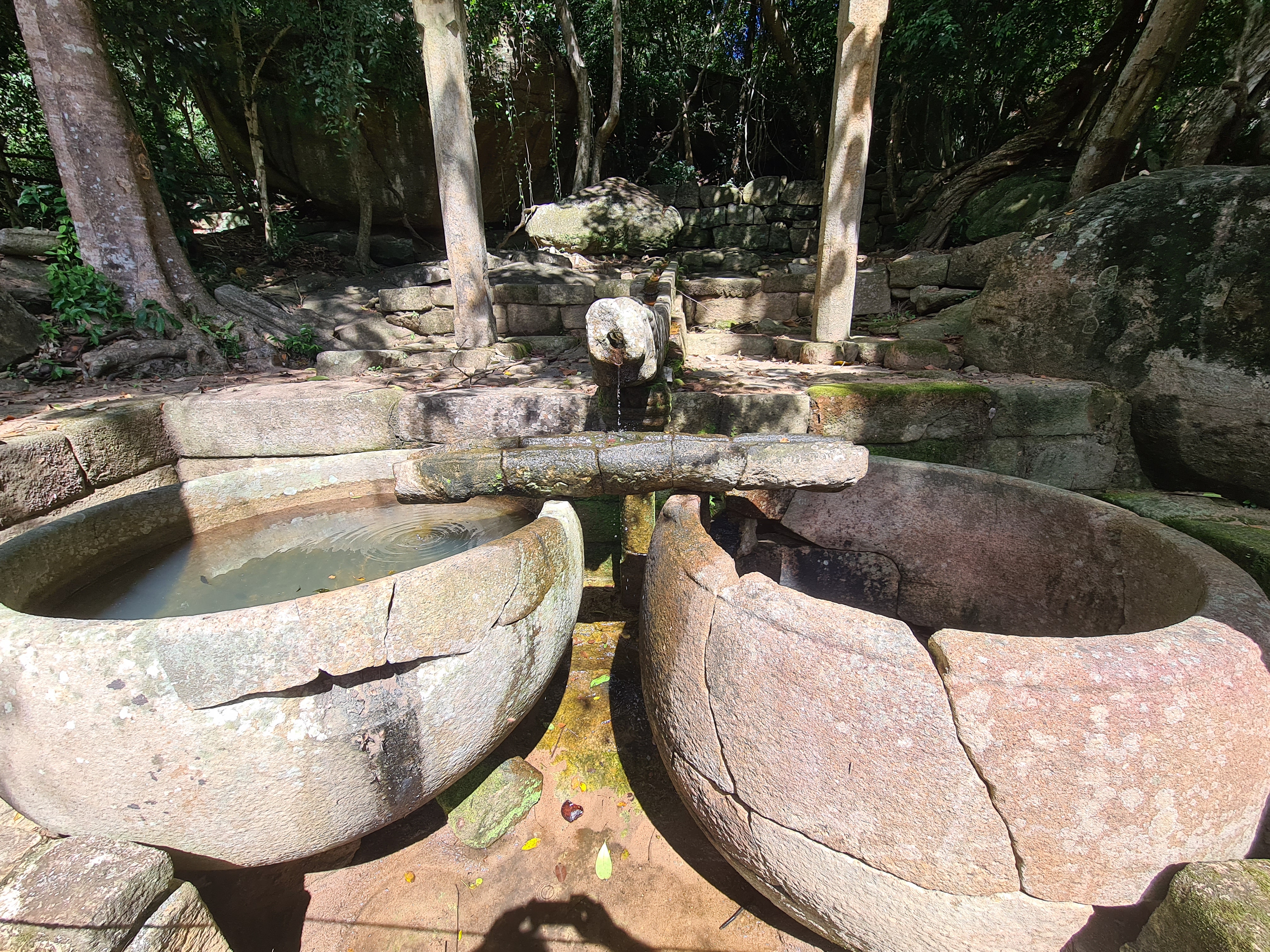
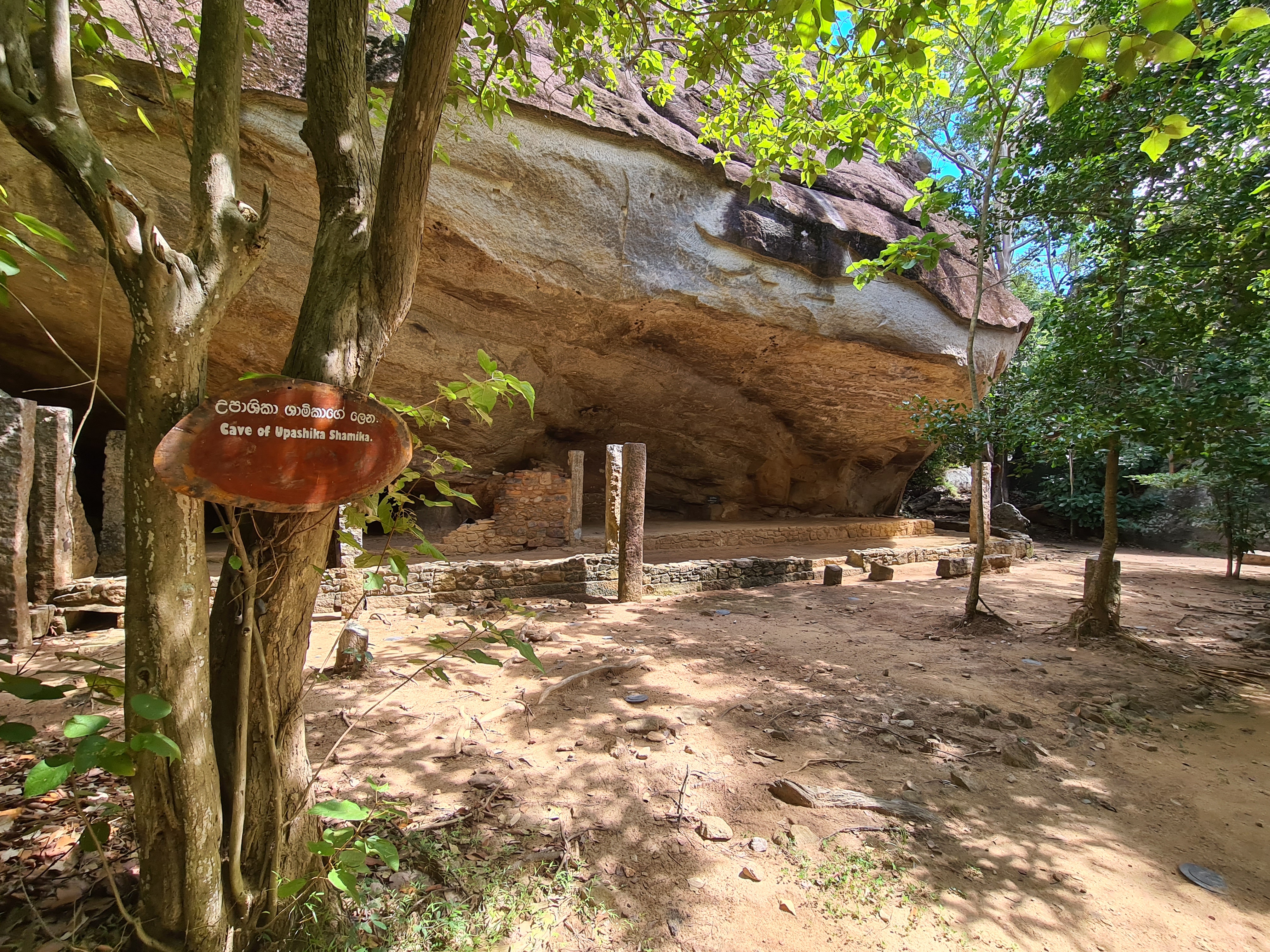
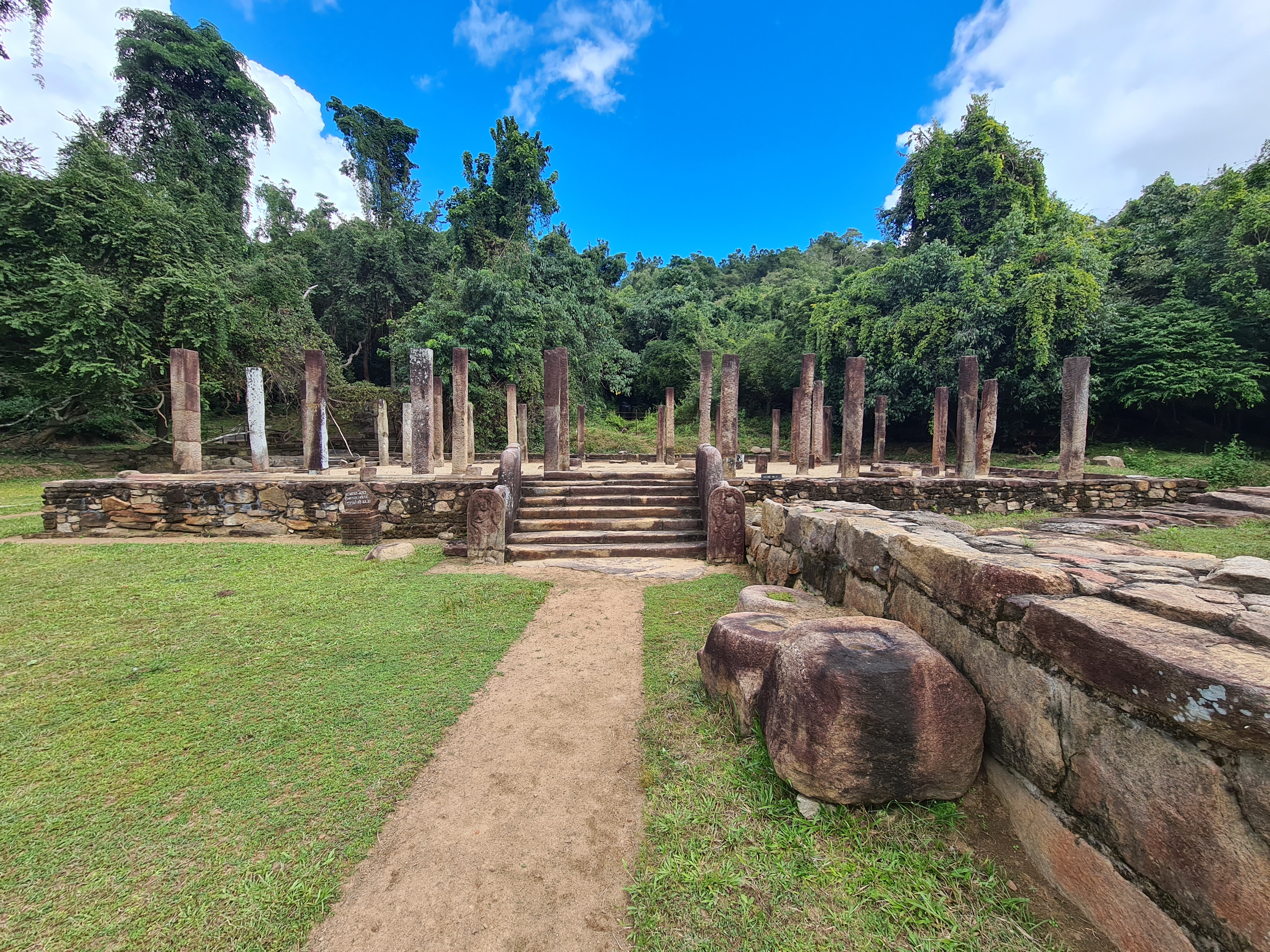
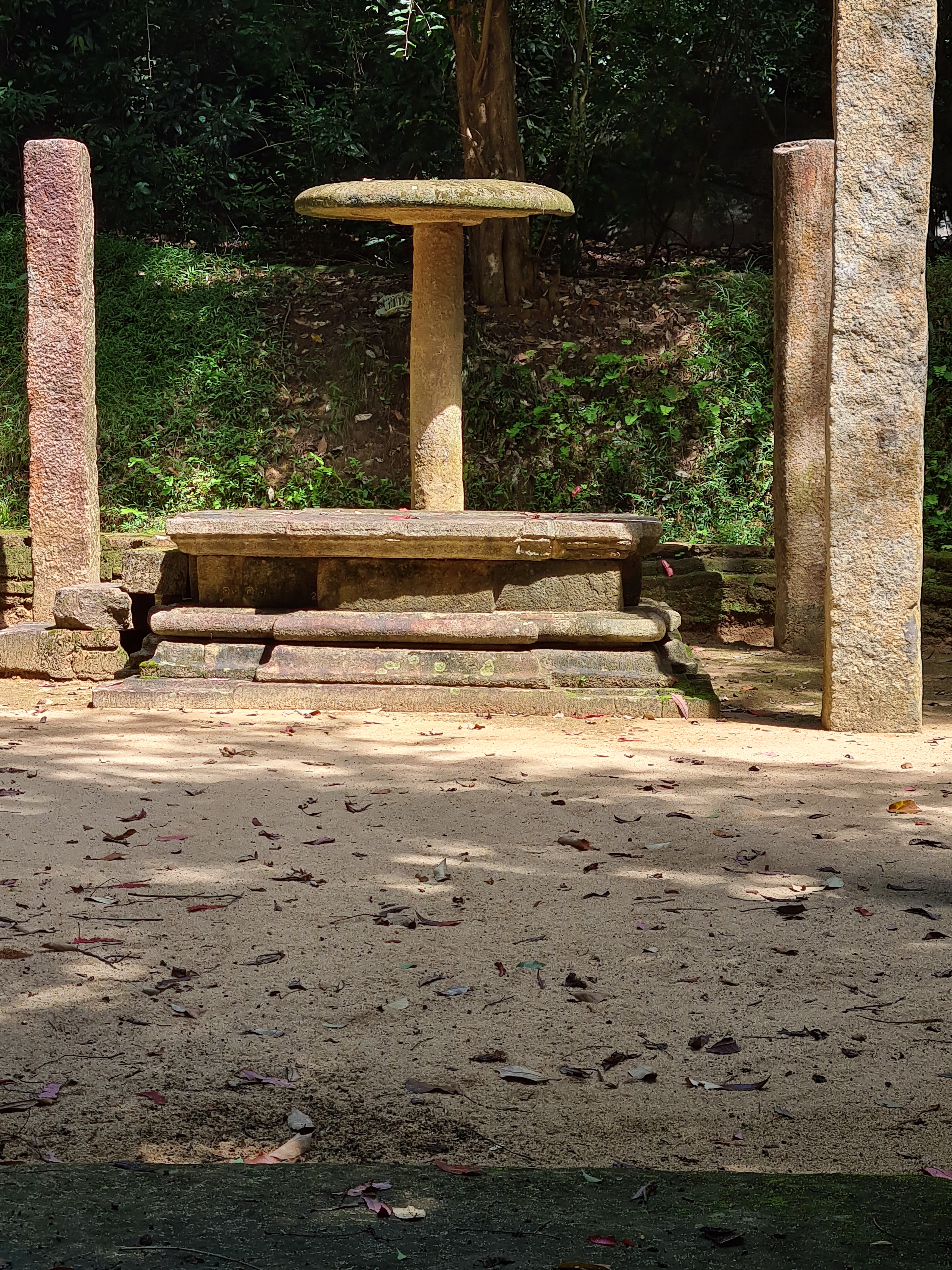
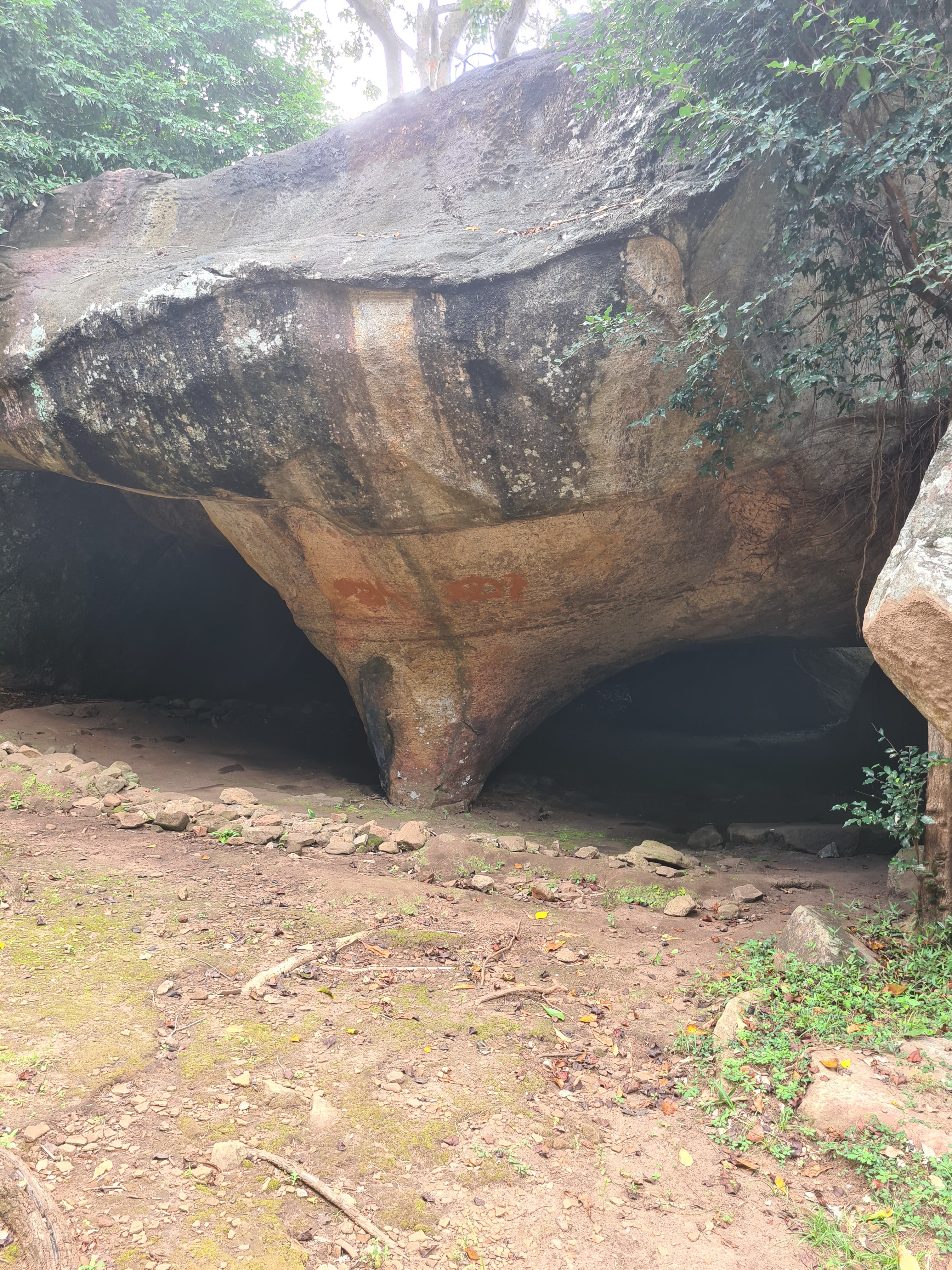
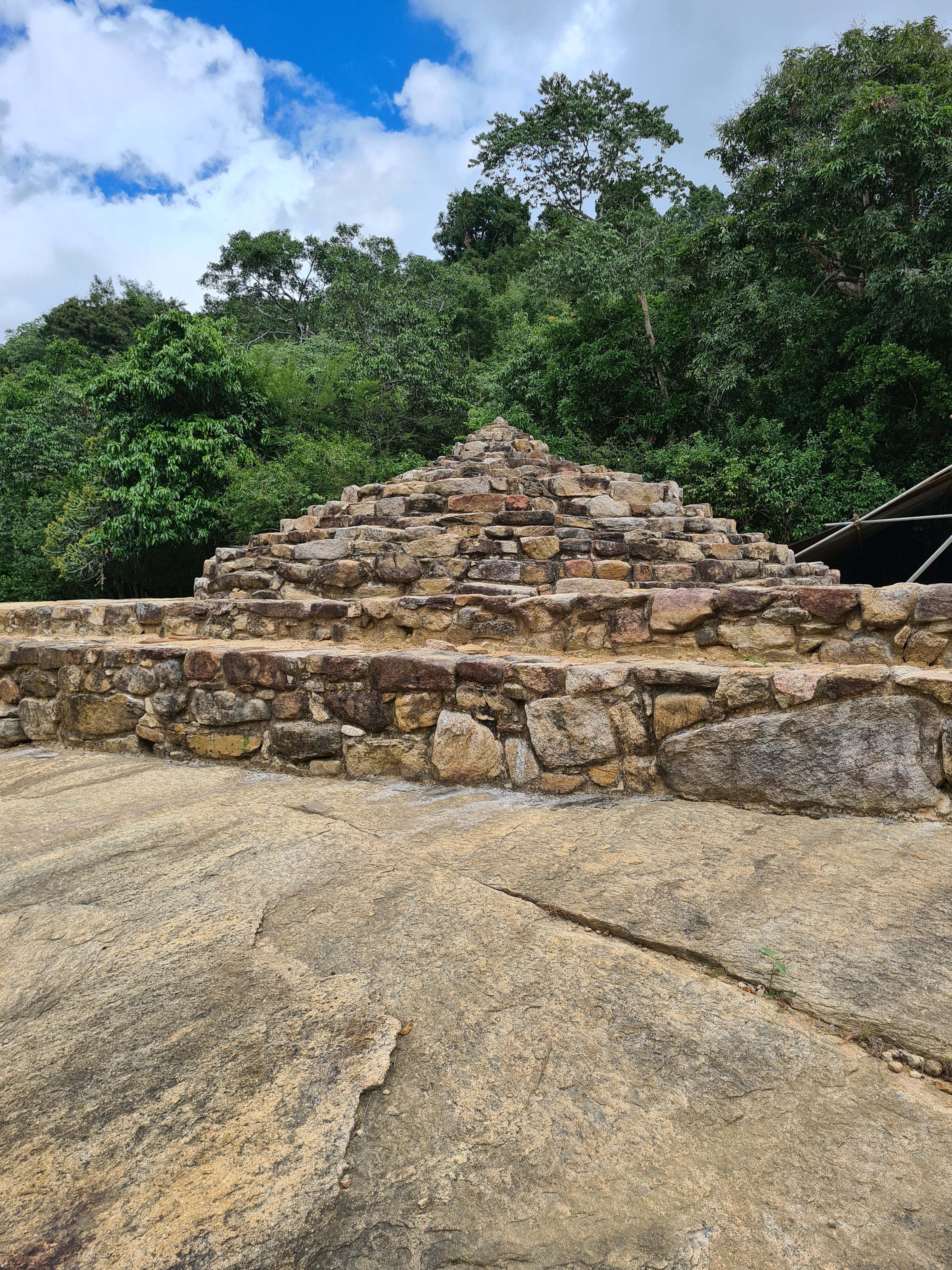
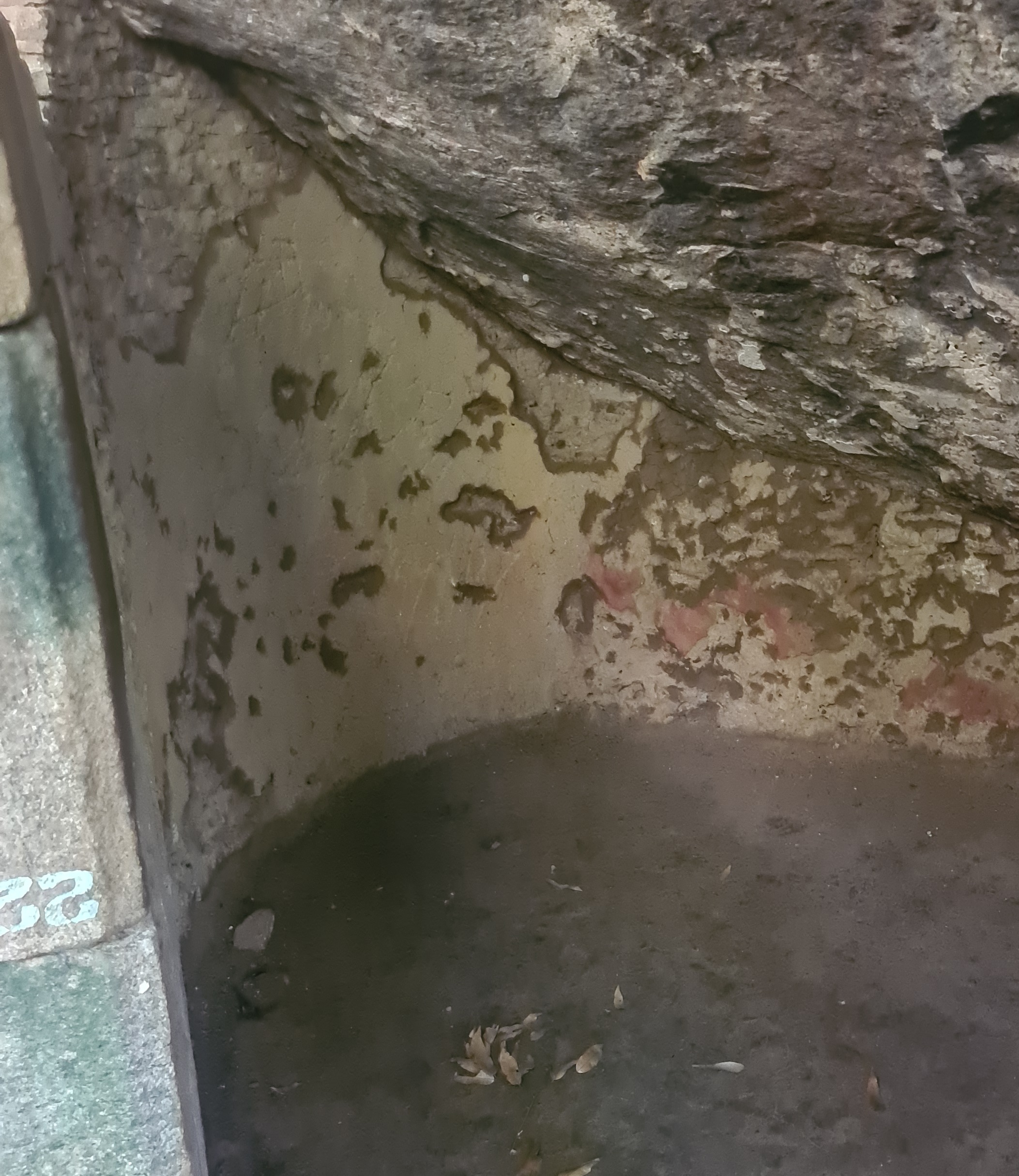
The site is a sprawling Buddhist community with its own lake for water fed by numerous water streams. The ruins here is reminiscent of those in Ritigala and even Anuradhapura or pollonaruwa. The site is better preseved than most othe places. The cave dwellings still has its coloured plaster on its walls. The stone architecture used in the caves reminds one of those found in Kaludiya Pokuna in Kandalama. The stone door frames, stairways with ballustrads still in place is fascinating. The stone bowls used to collect water brought vi’s stone conduits is seen only here. Another aspect thats seen here is that most caves have been used by lay female devotees.
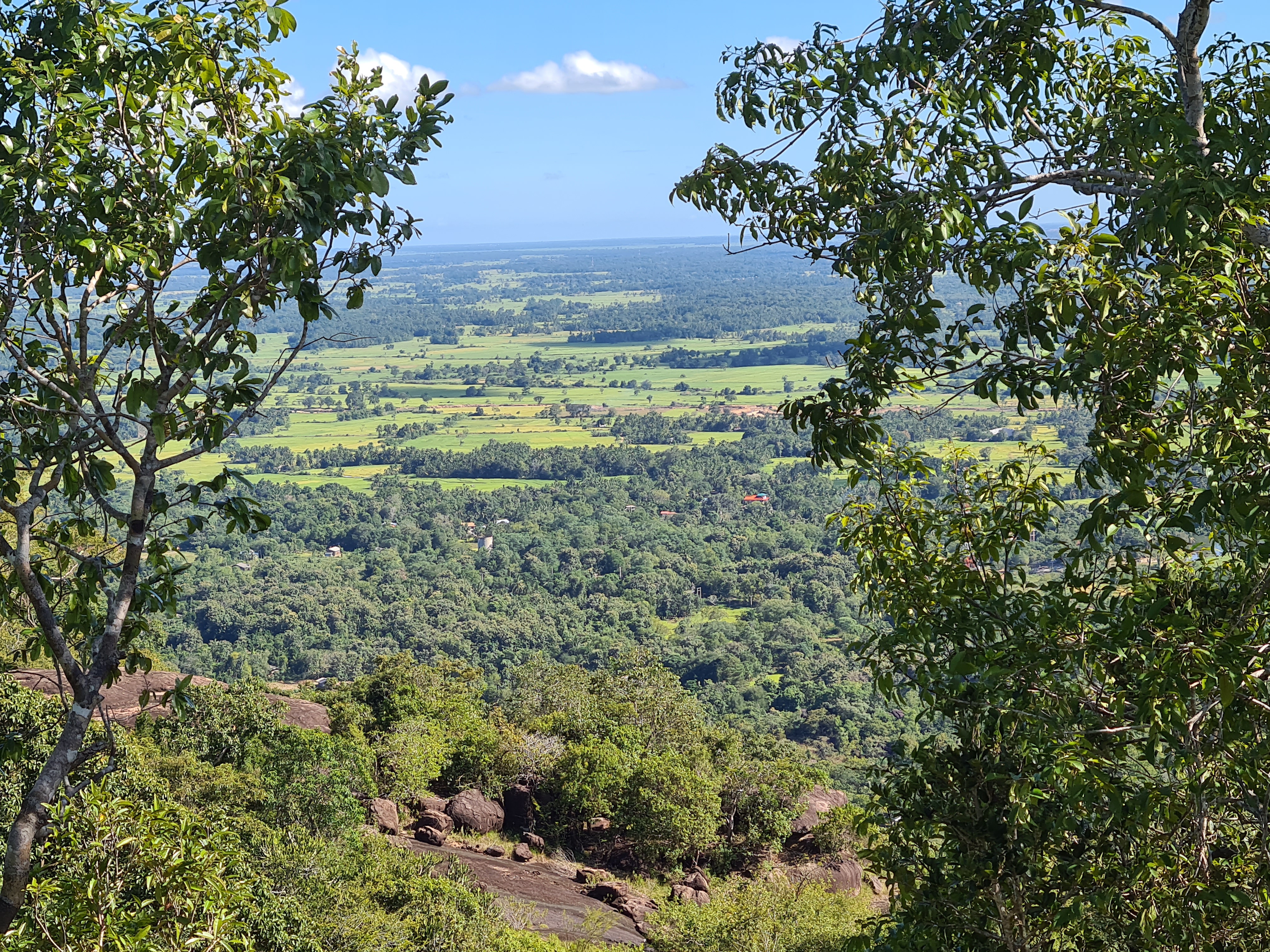
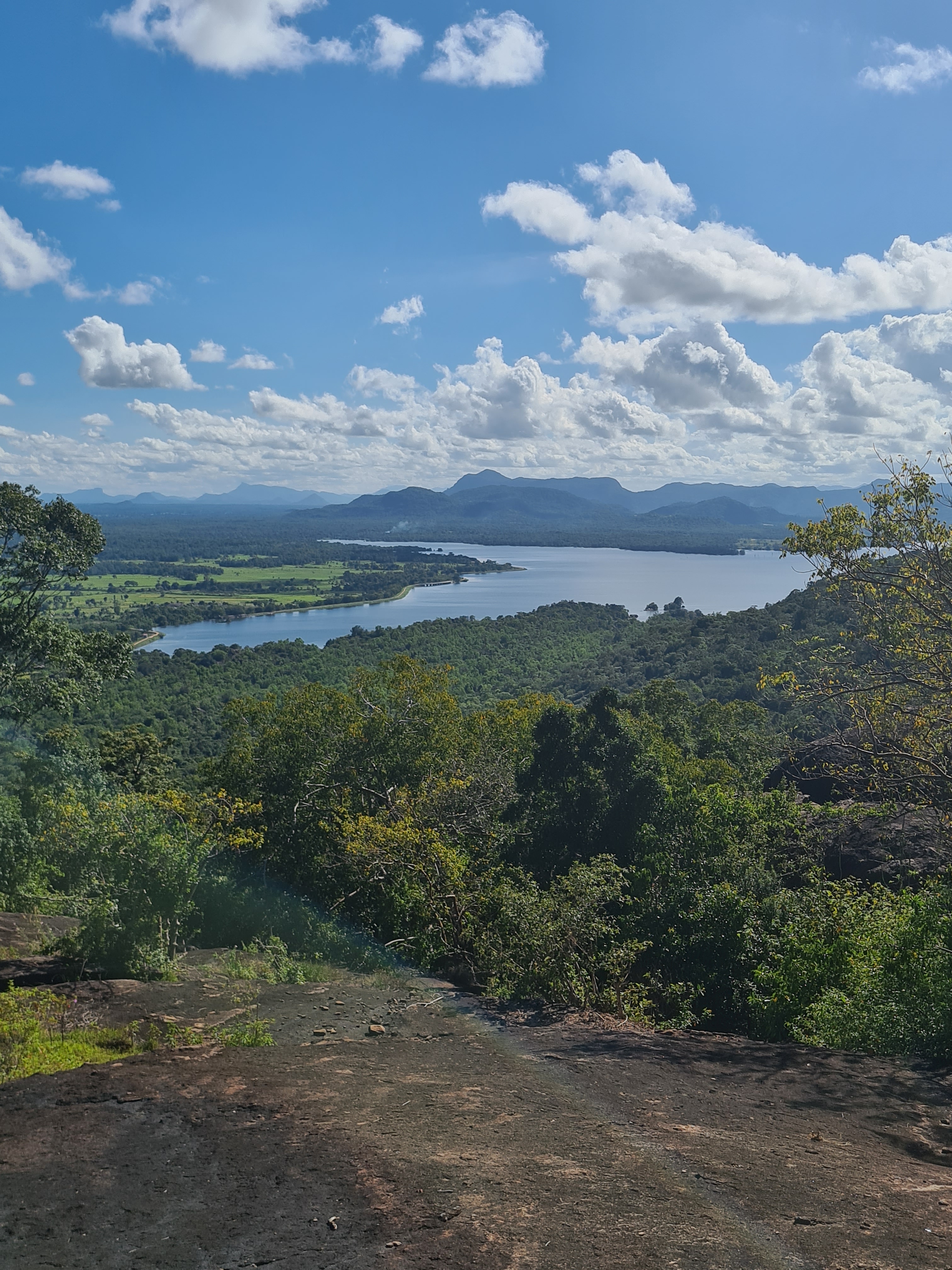
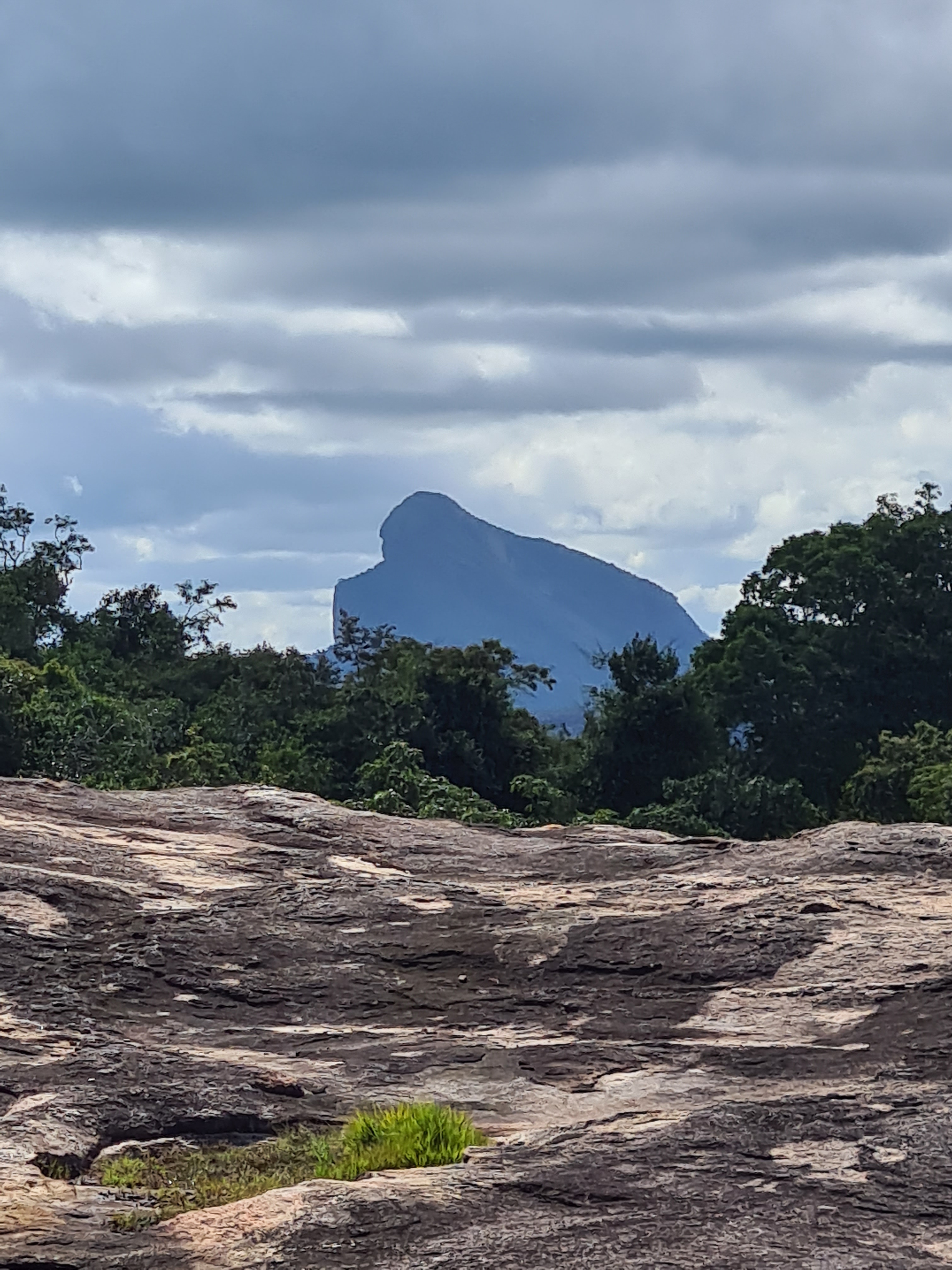
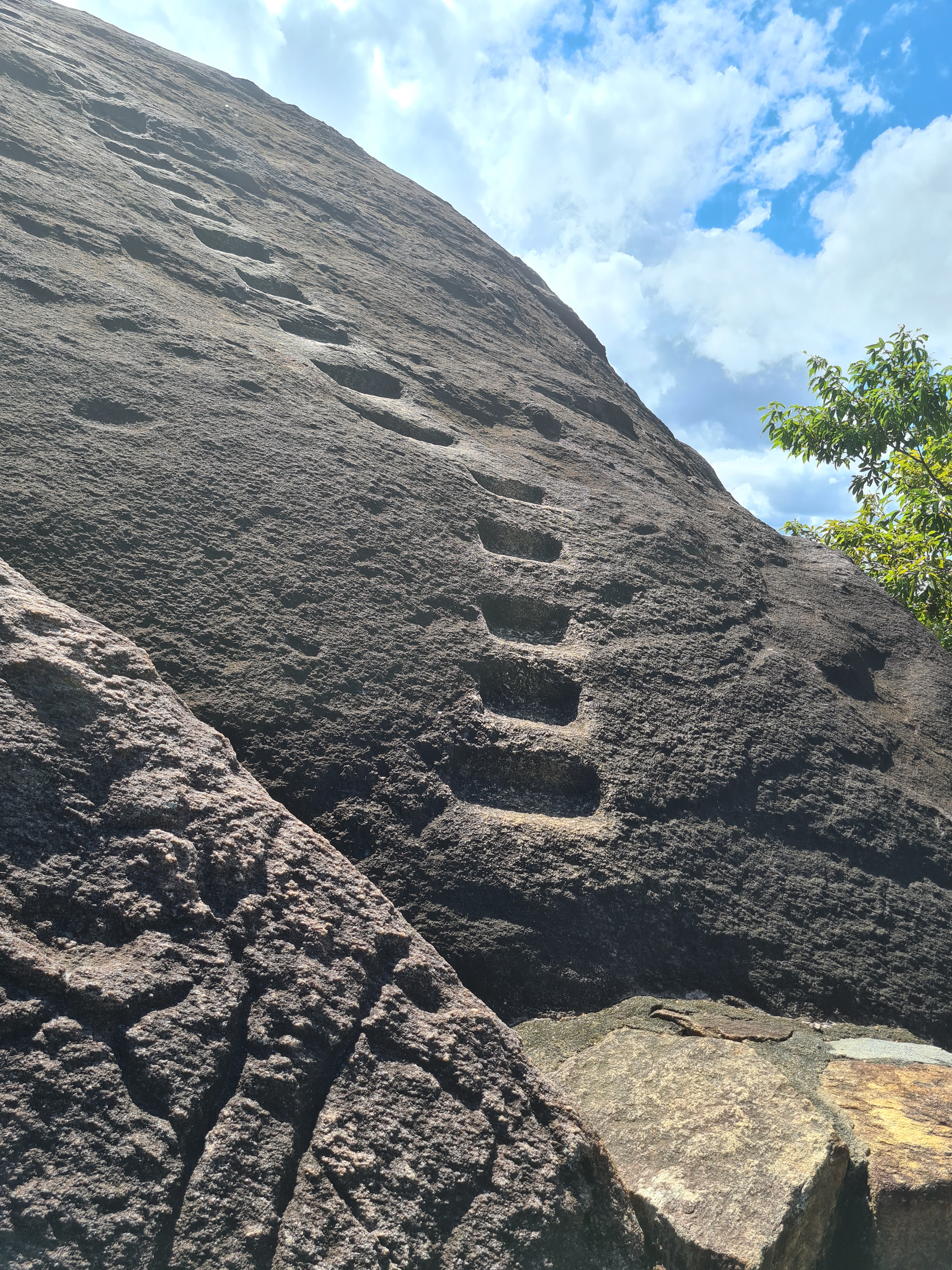
The large stairways leading to the top of the rock where you find further ruins of temple buildings also provides a breath taking panoramic view of the area right upto the east coast.
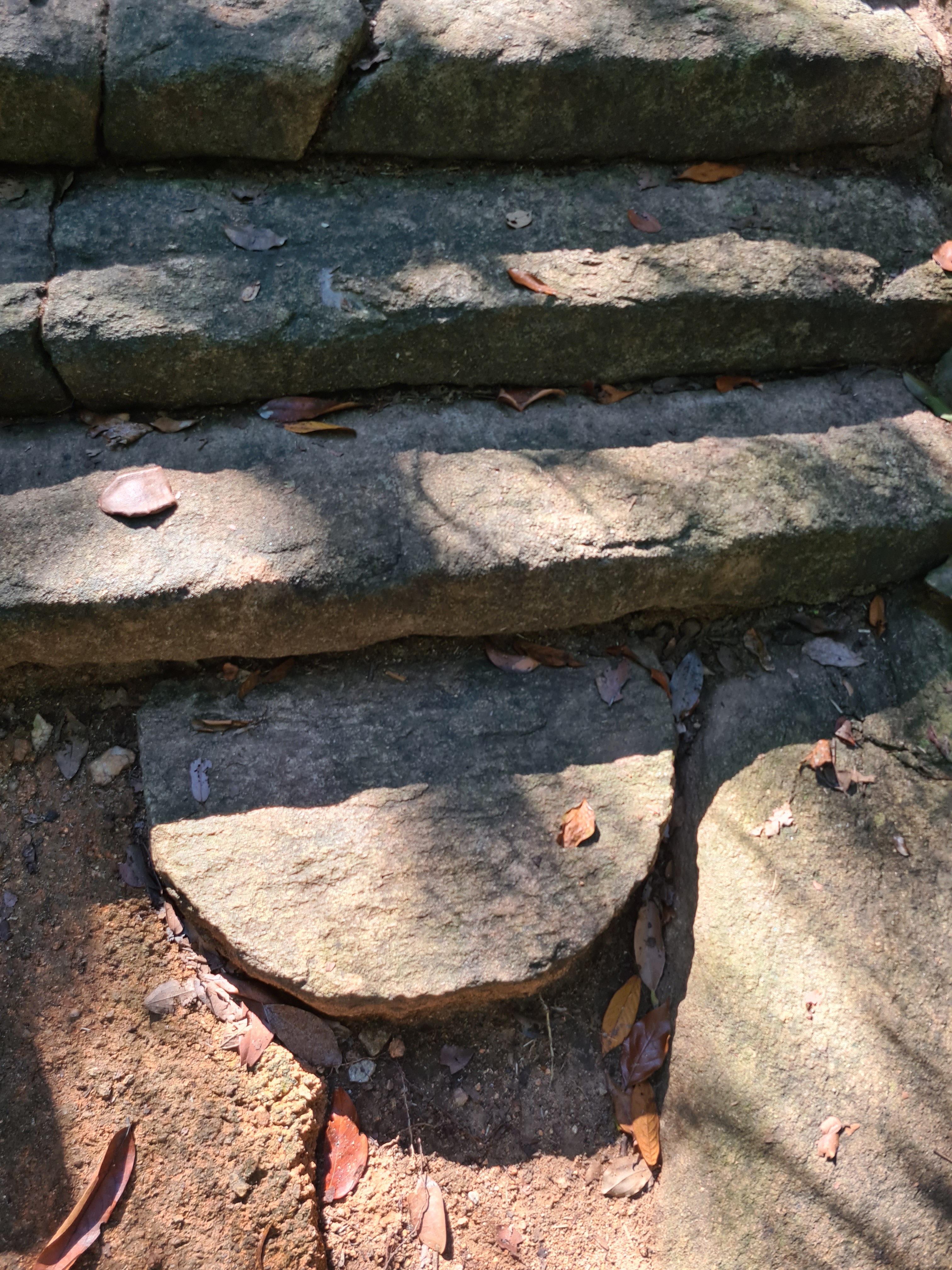
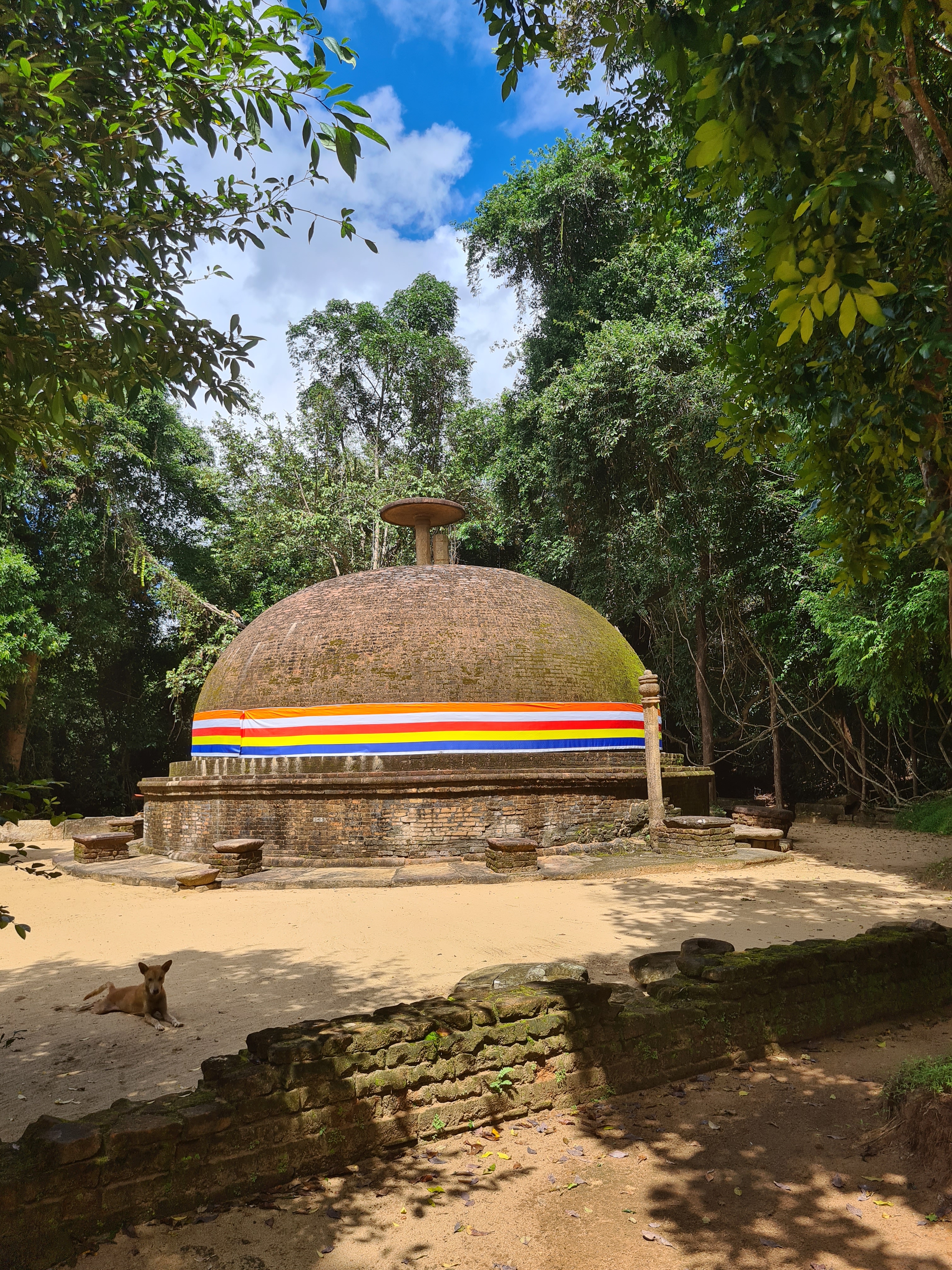
The east path which starts behind the stupa of Arahat Mahinda, leads one across large ponds on the rock and ruins of dagabos. The stair way down is invariably has a semi circular stepping stone.
 Urban Gypsy Sri Lanka