Category: Caves

Ritigala

Ritigala

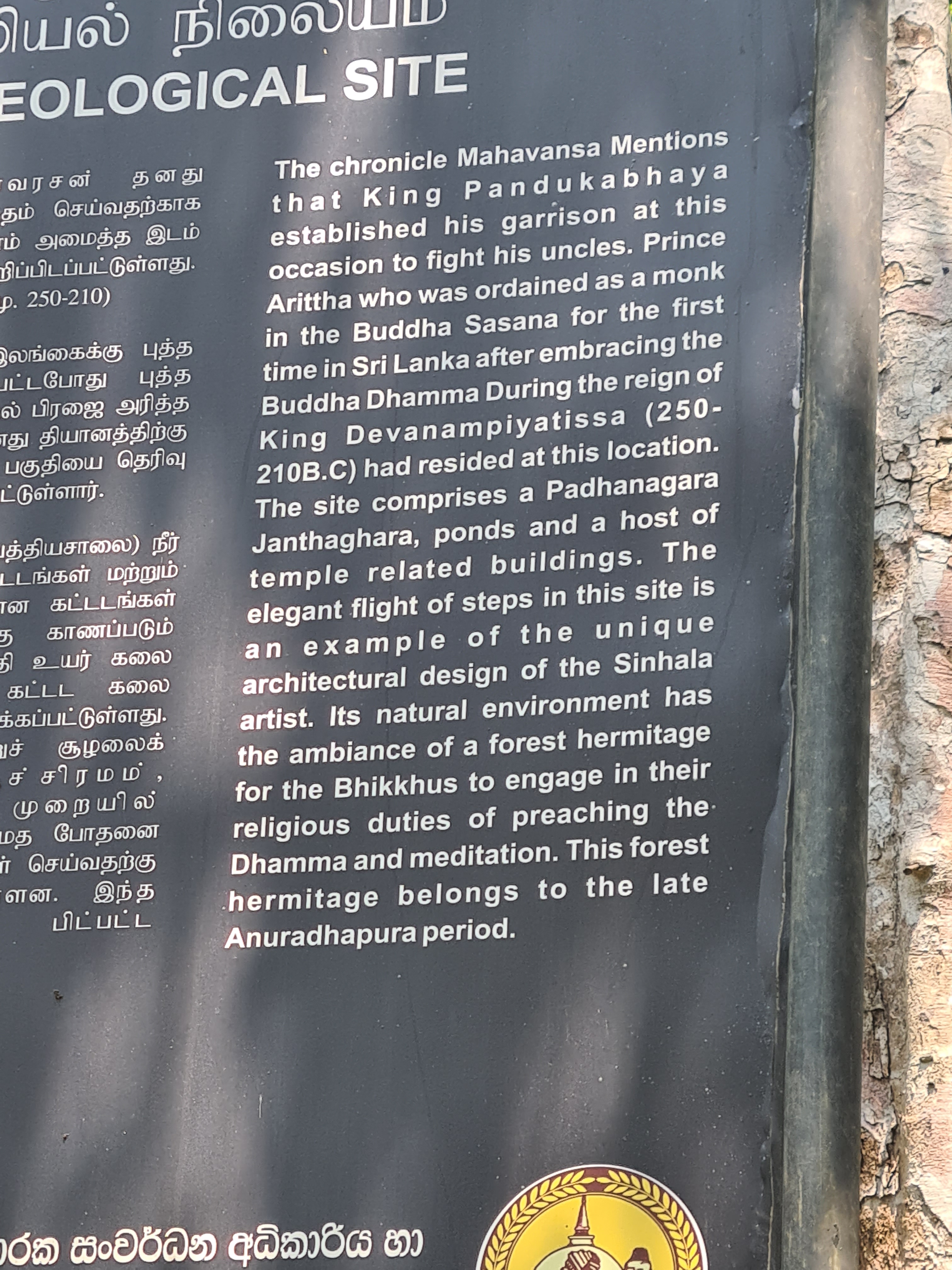
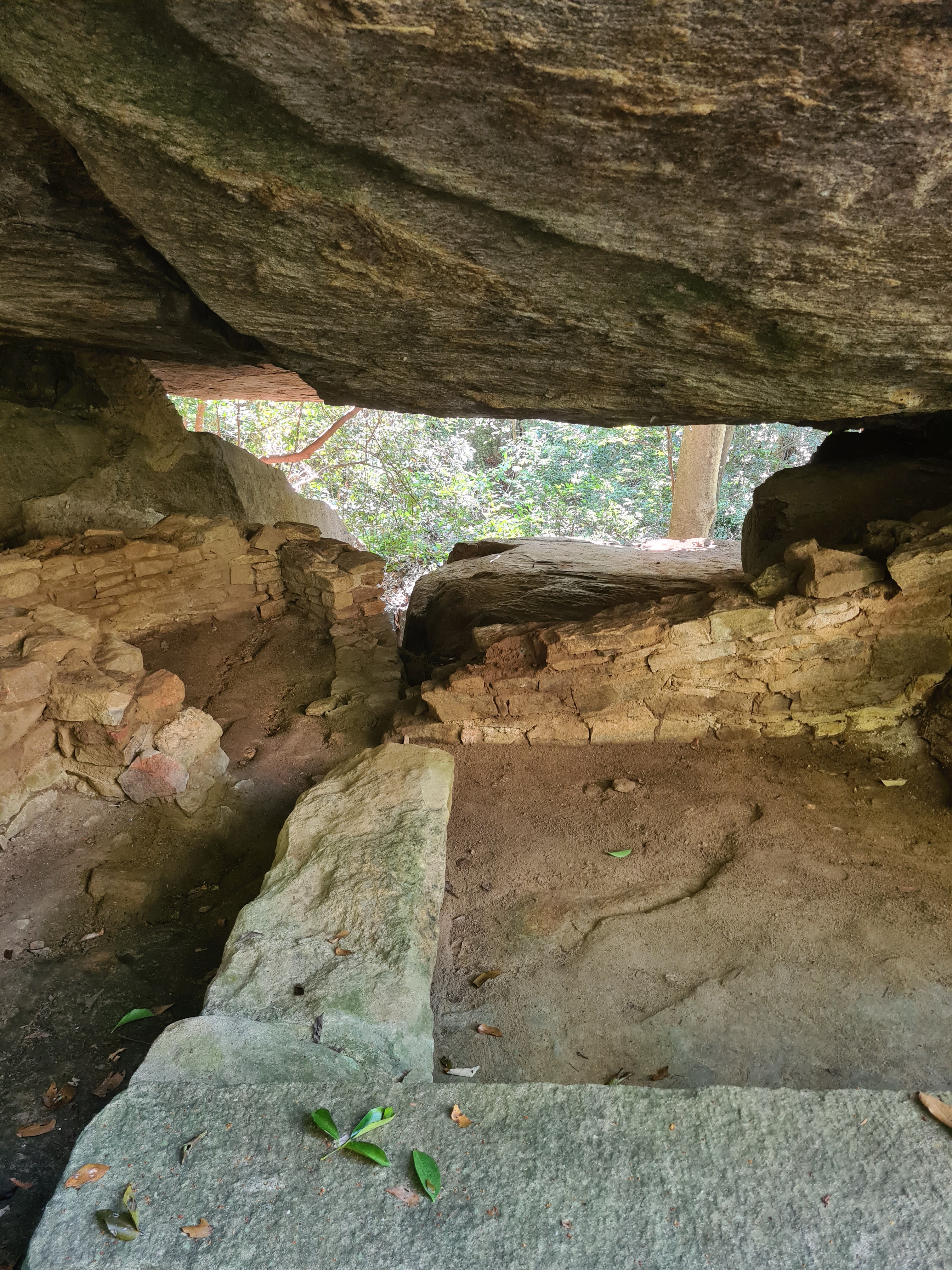
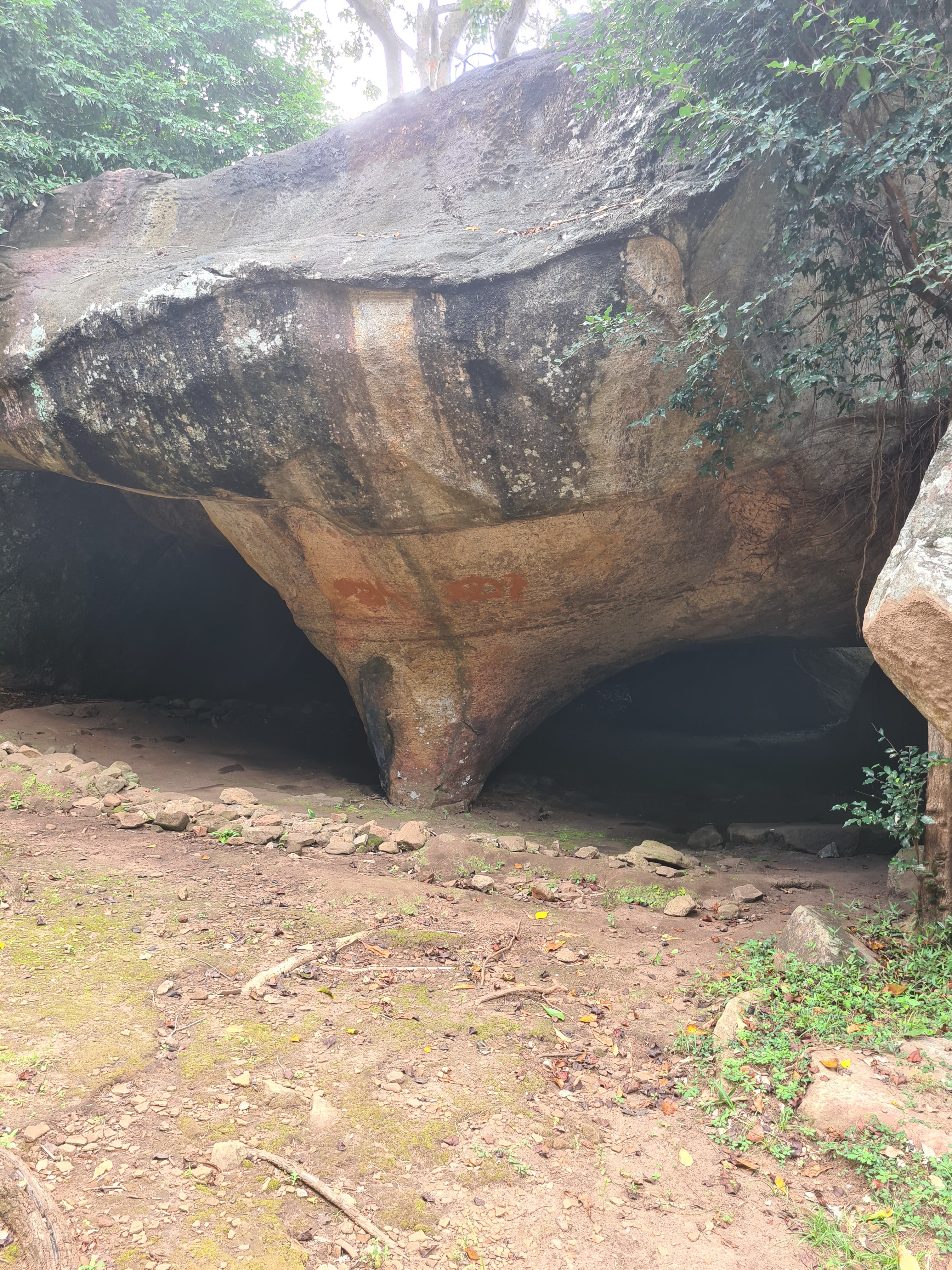
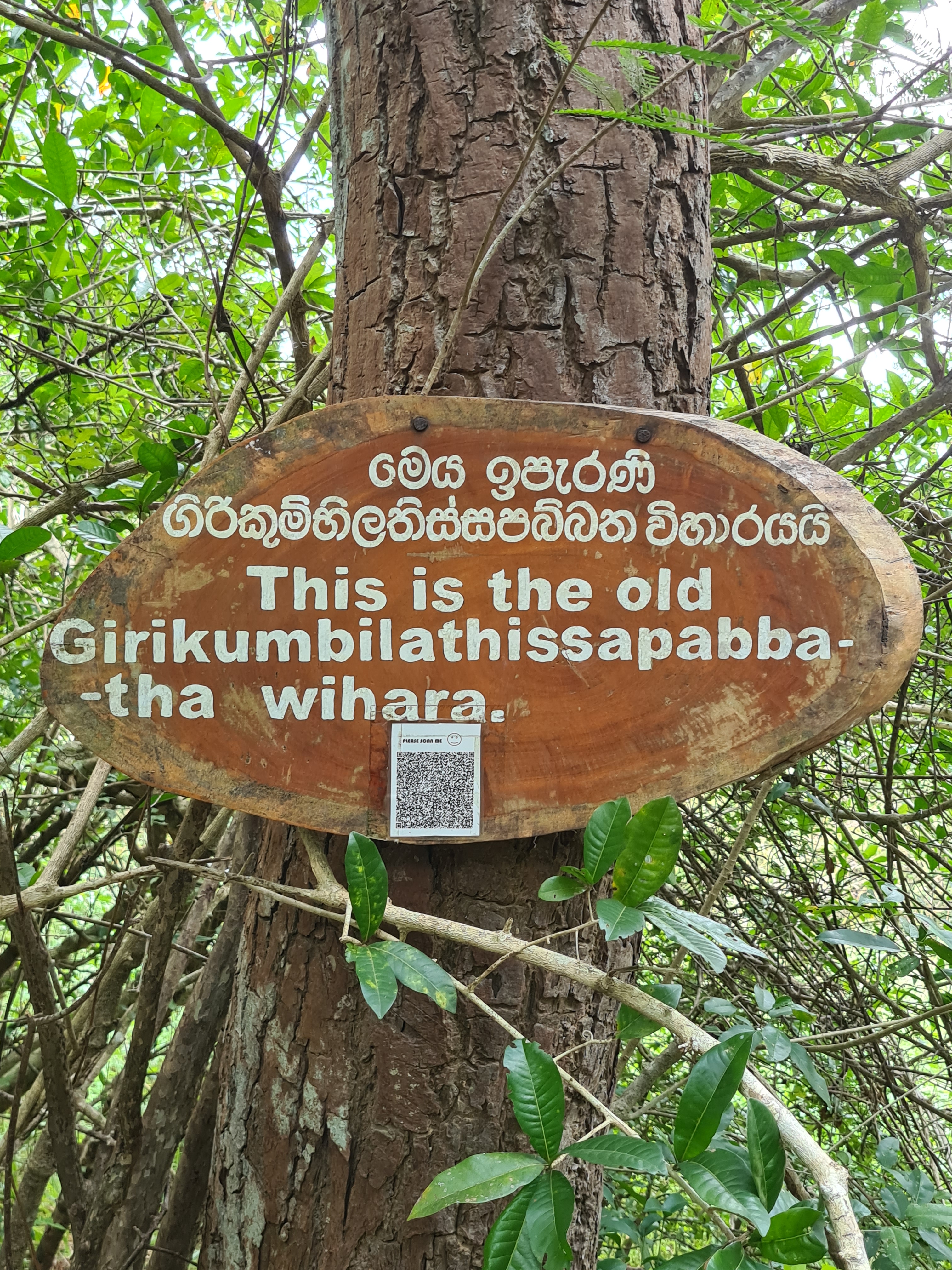
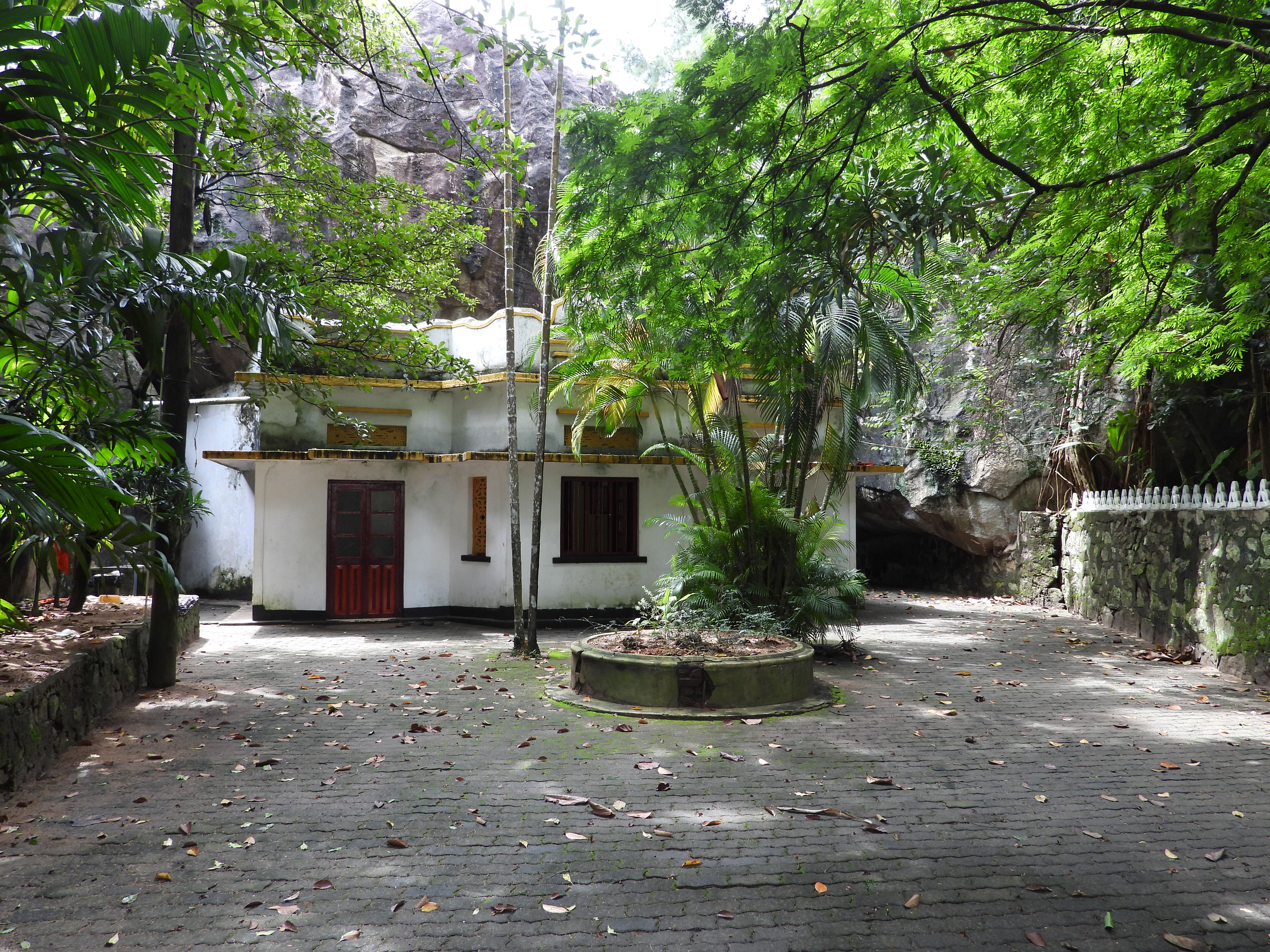
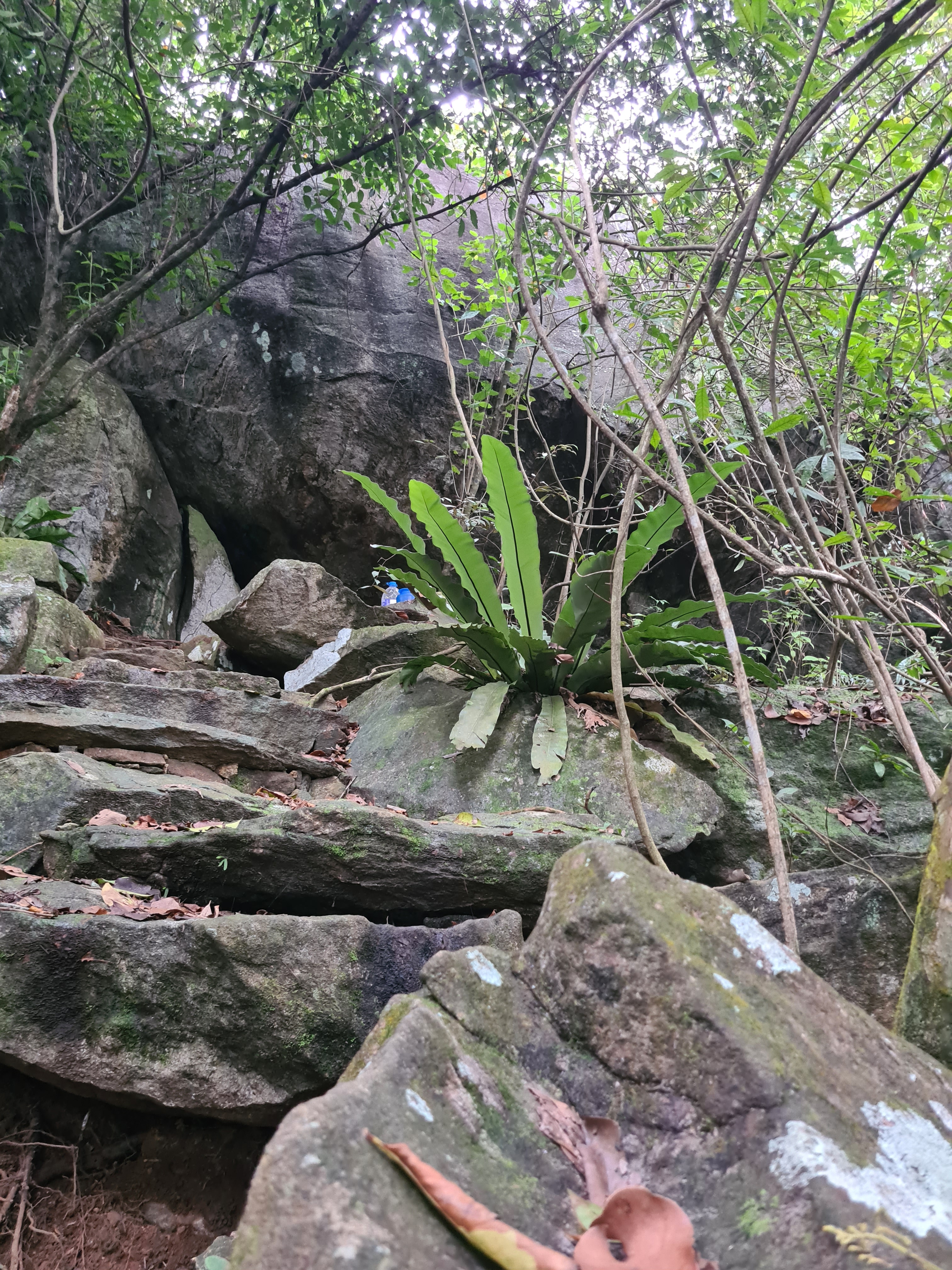
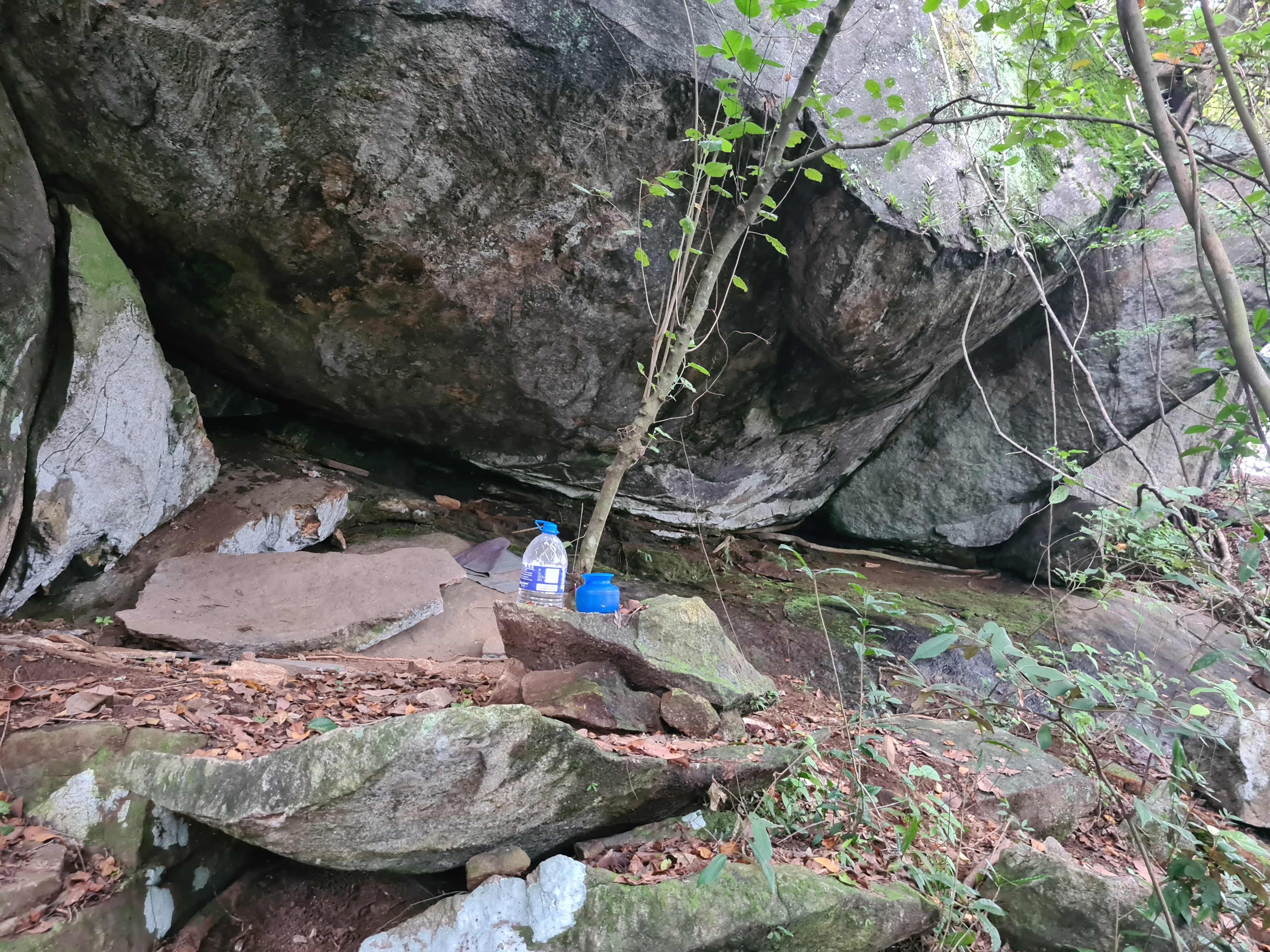
Dating back to the times prior to the arrival of King Vijaya in the country circa 500BC.shrouded in mystic lore, it is a mountain which has a strange appeal. It is one Iof the 3 Strict Nature Reserves in the country to protect its rich bio diversity. It has distinct climatic zones and vegetation that changes as one climbs up the hill. There is a noticeable change in climate with the higher levels vegetated with short shrubbery of the hill country laden with moss.

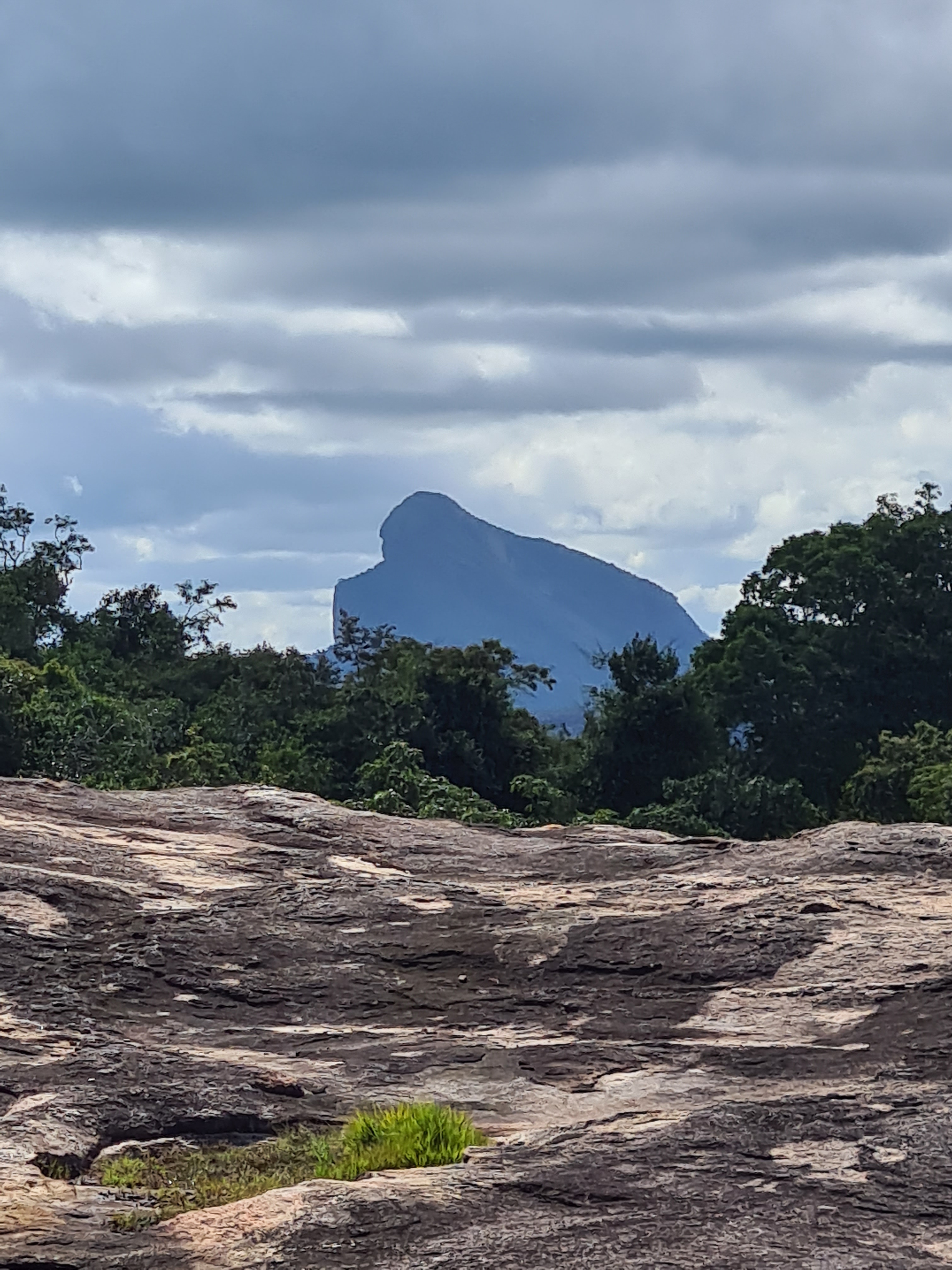
It is said to be fortress of one of the aboriginal clans of Sri Lanka, the Yakkas. This mountain is said to be the base of the first Sri Lankan born King Pandukabahaya who together with the Yaksha clan defeated his nine uncles to become King in Anuradhapura. This mountain is also said to be the place from which Hanuman, of the Ramayana tale, is said to have leaped back to South India some 3000 years BC. This is indeed the highest prominence between Sri Lanka and South India.

The mountain, which is about 765m tall is also called Arittha Pabbata, or Arritha rock in honor of the first Sri Lankan Arahant who is supposed to have made this his jungle retreat. The area is also home to the ancient Sri Lankan martial art Angampora.

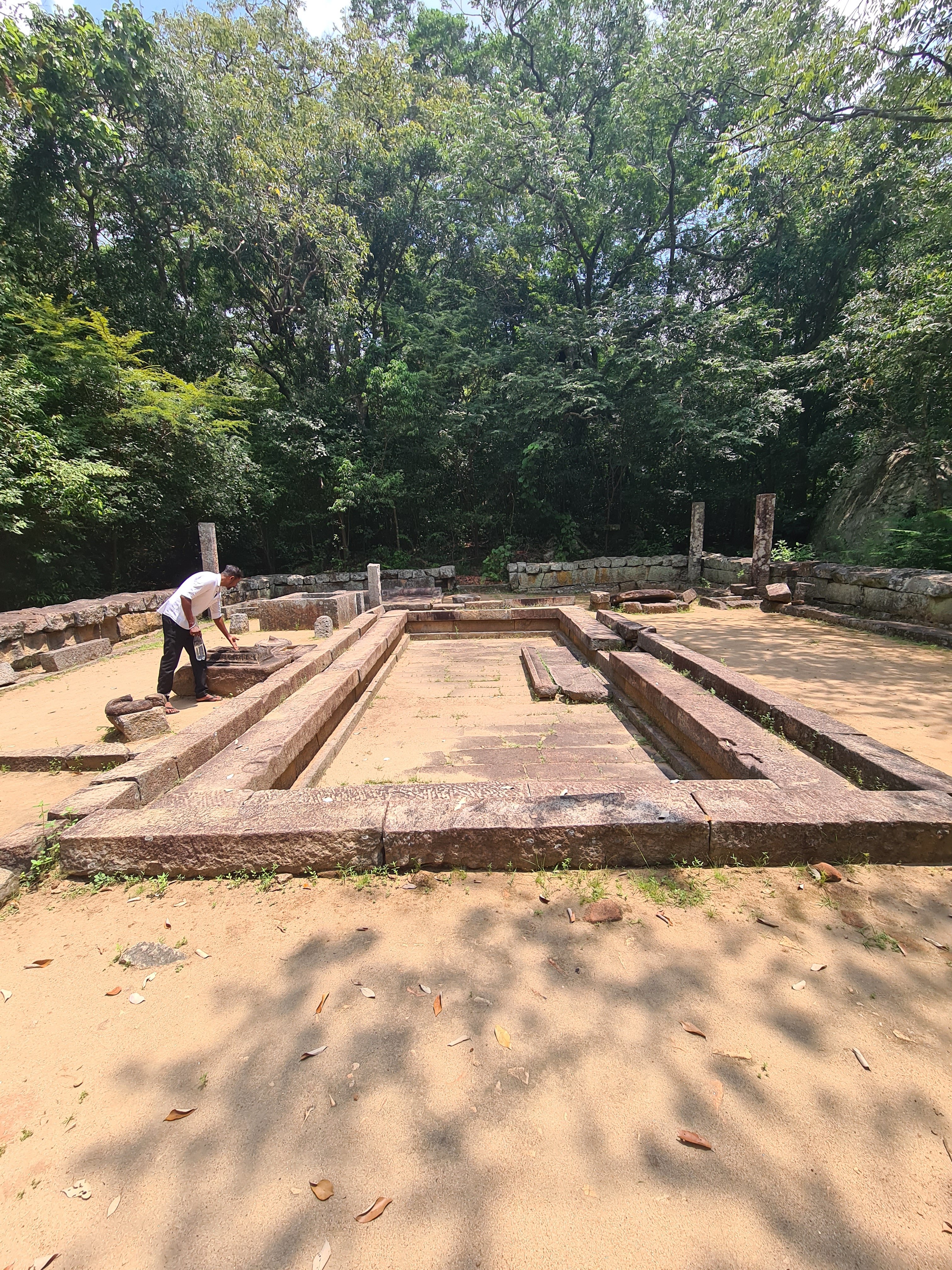
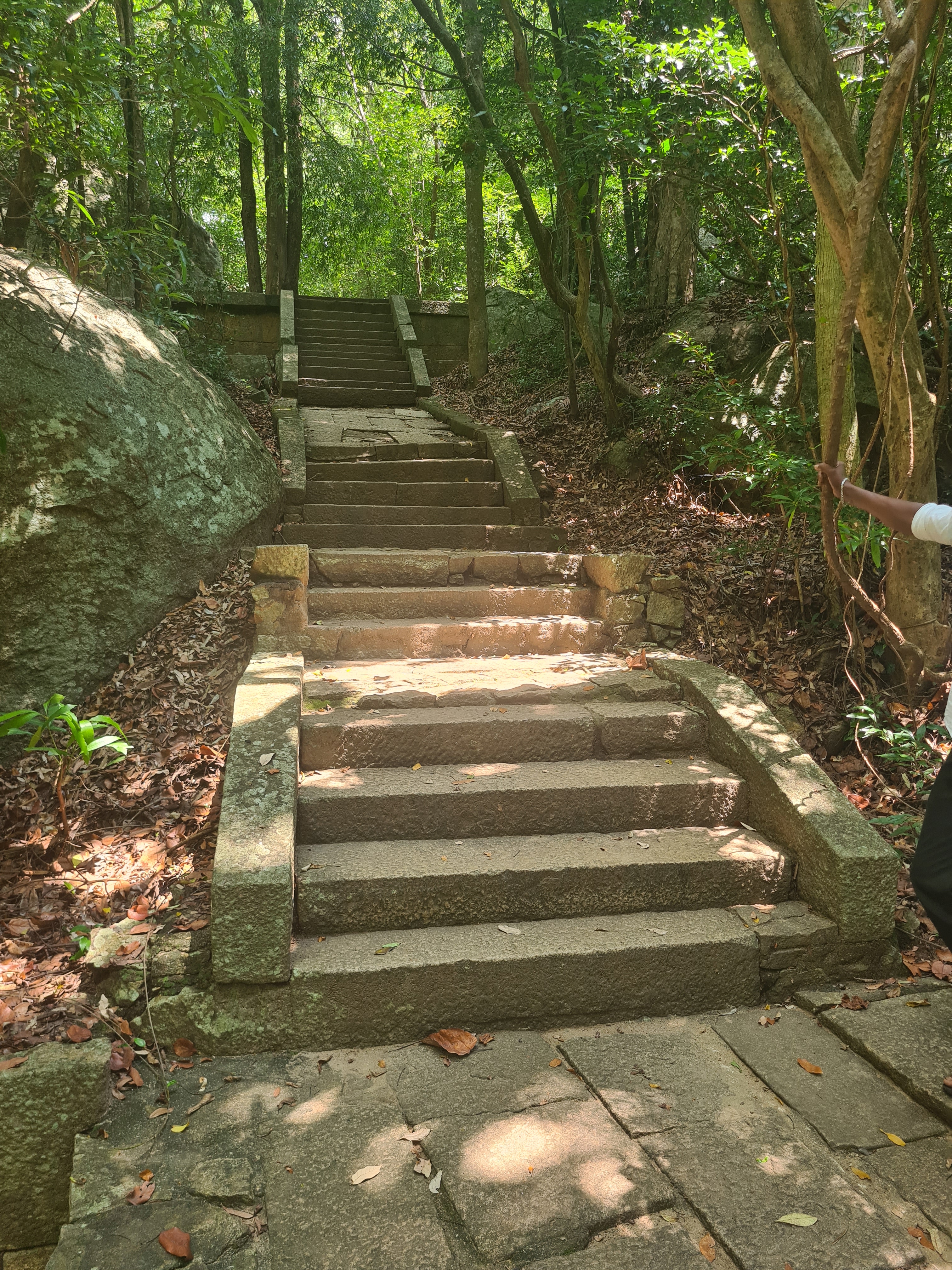
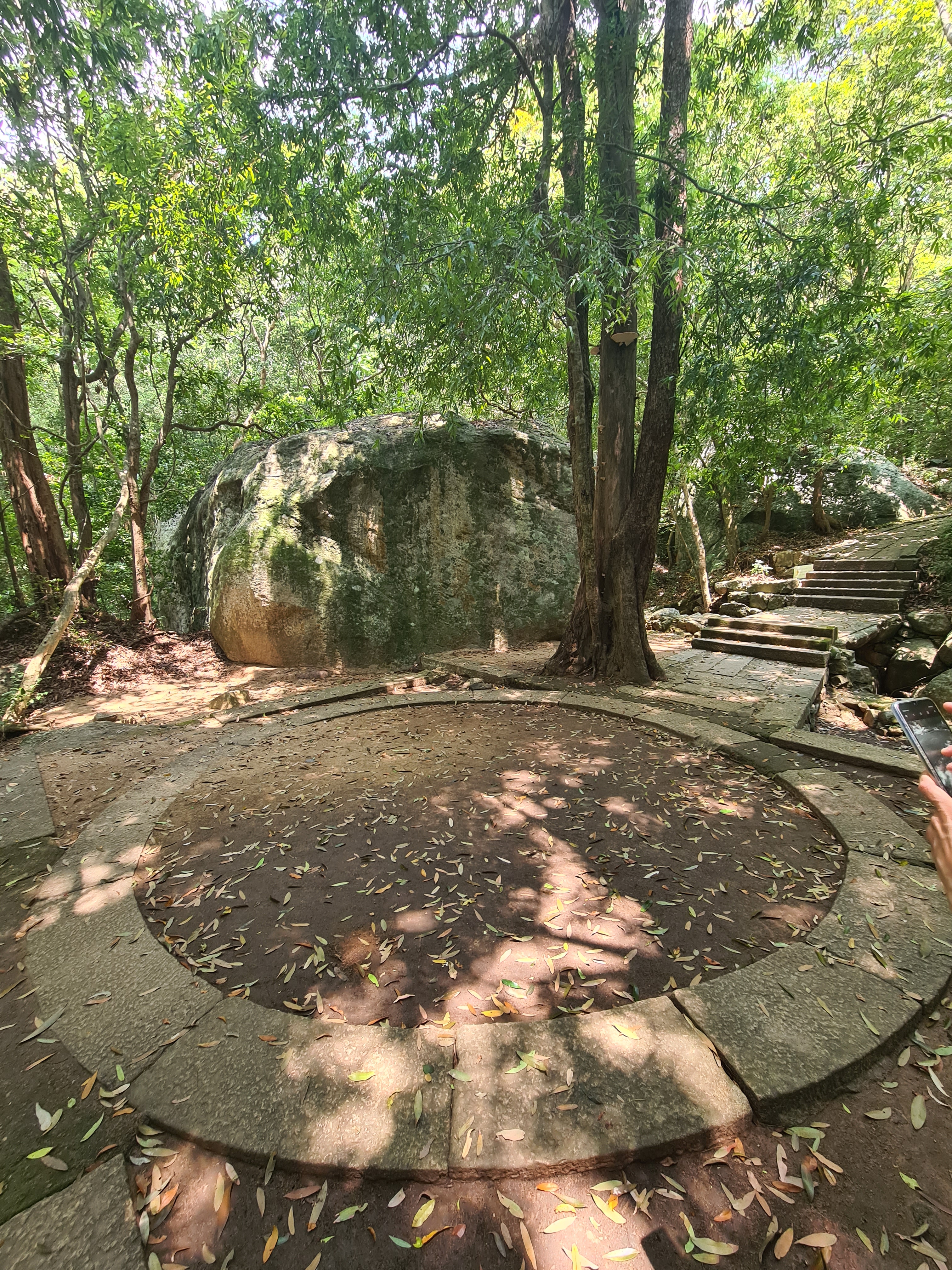
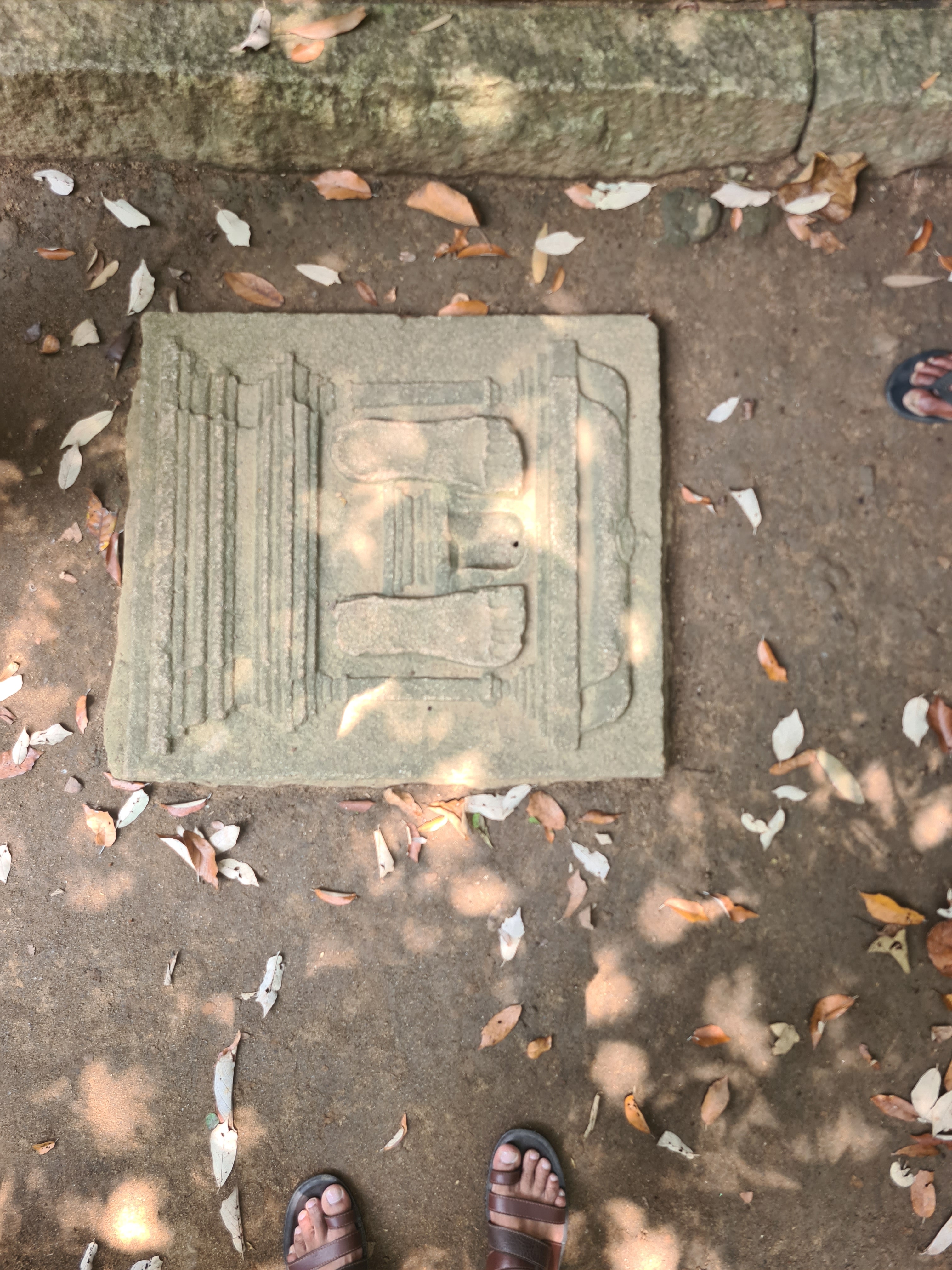
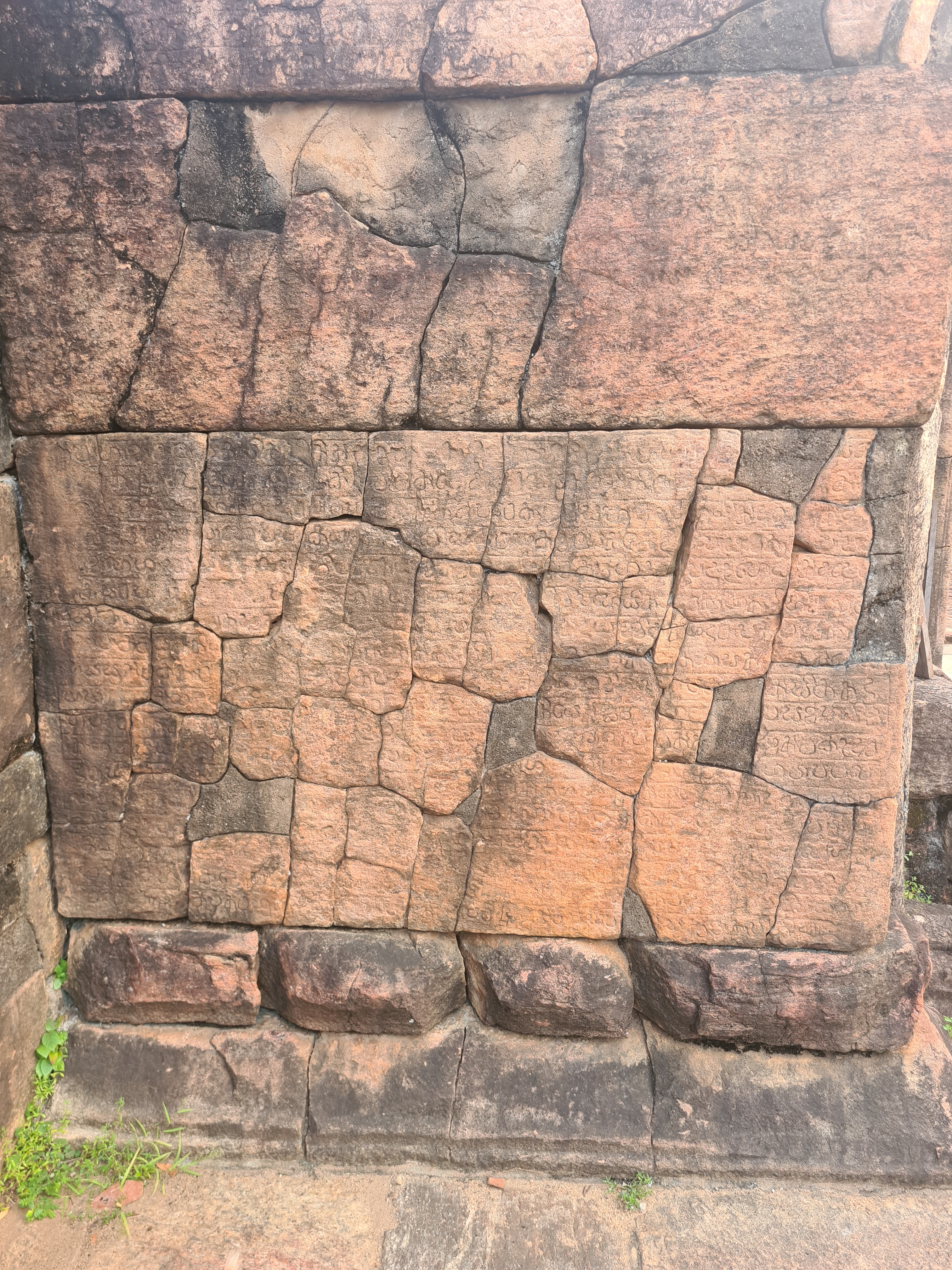
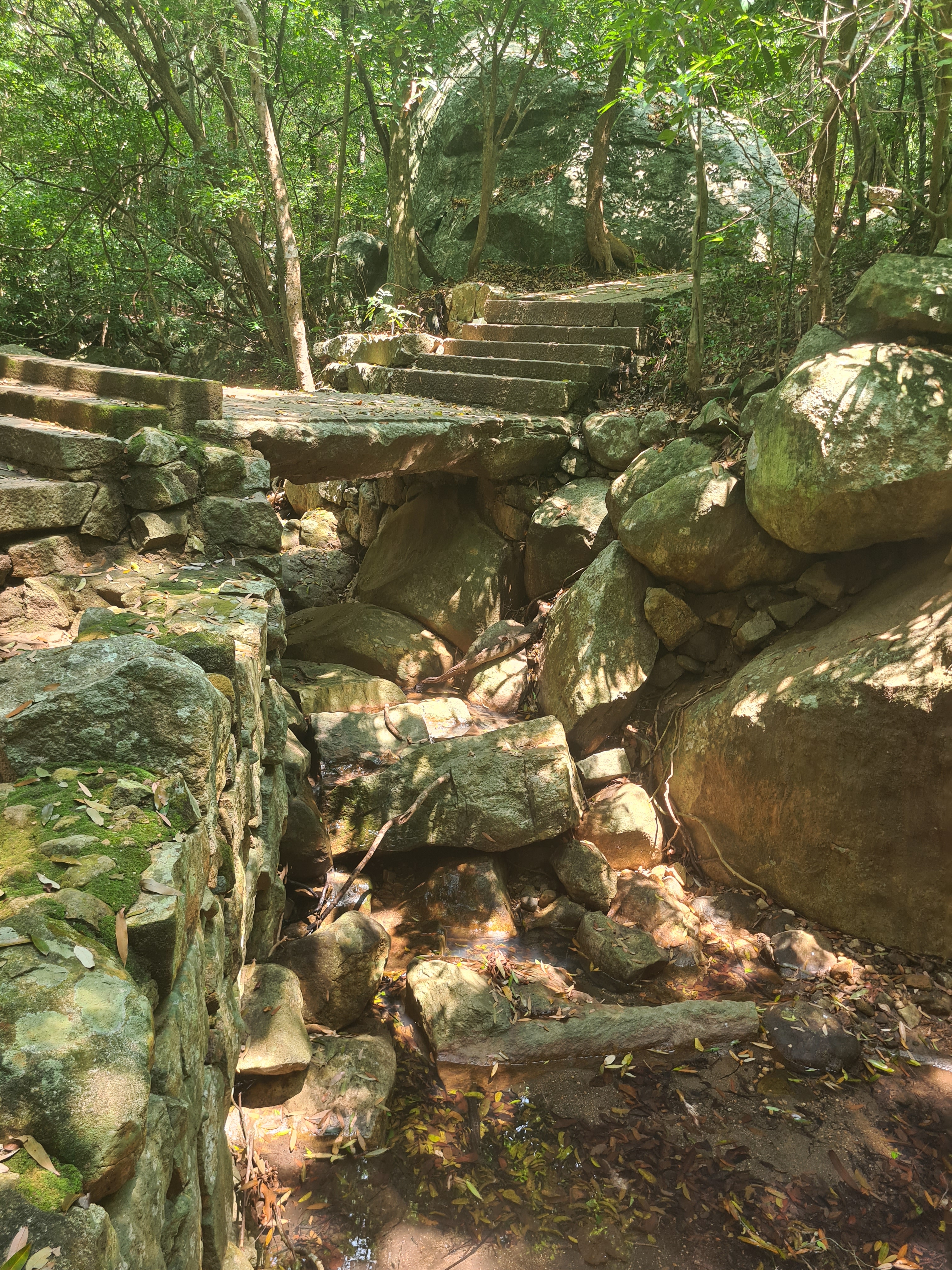
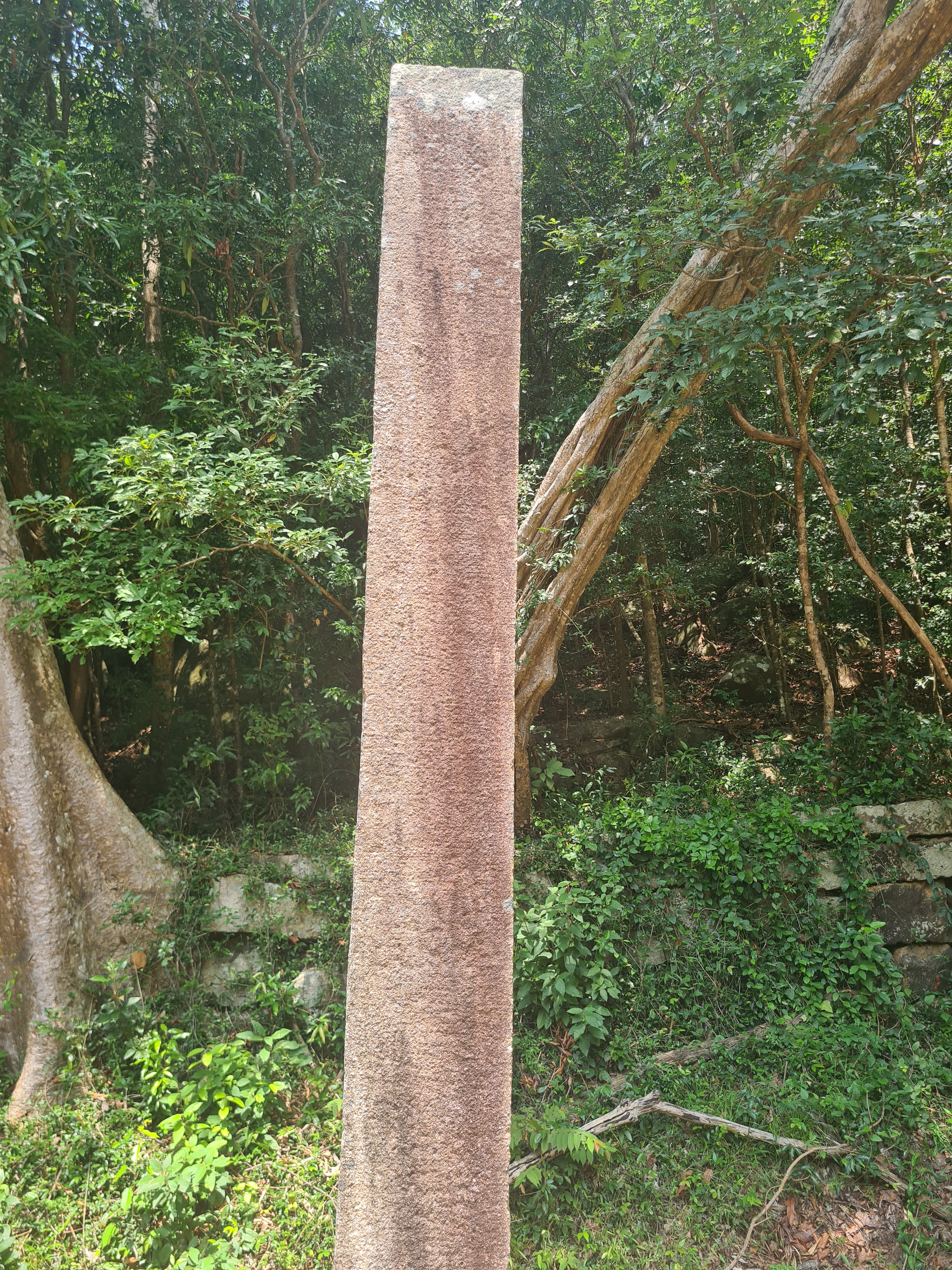
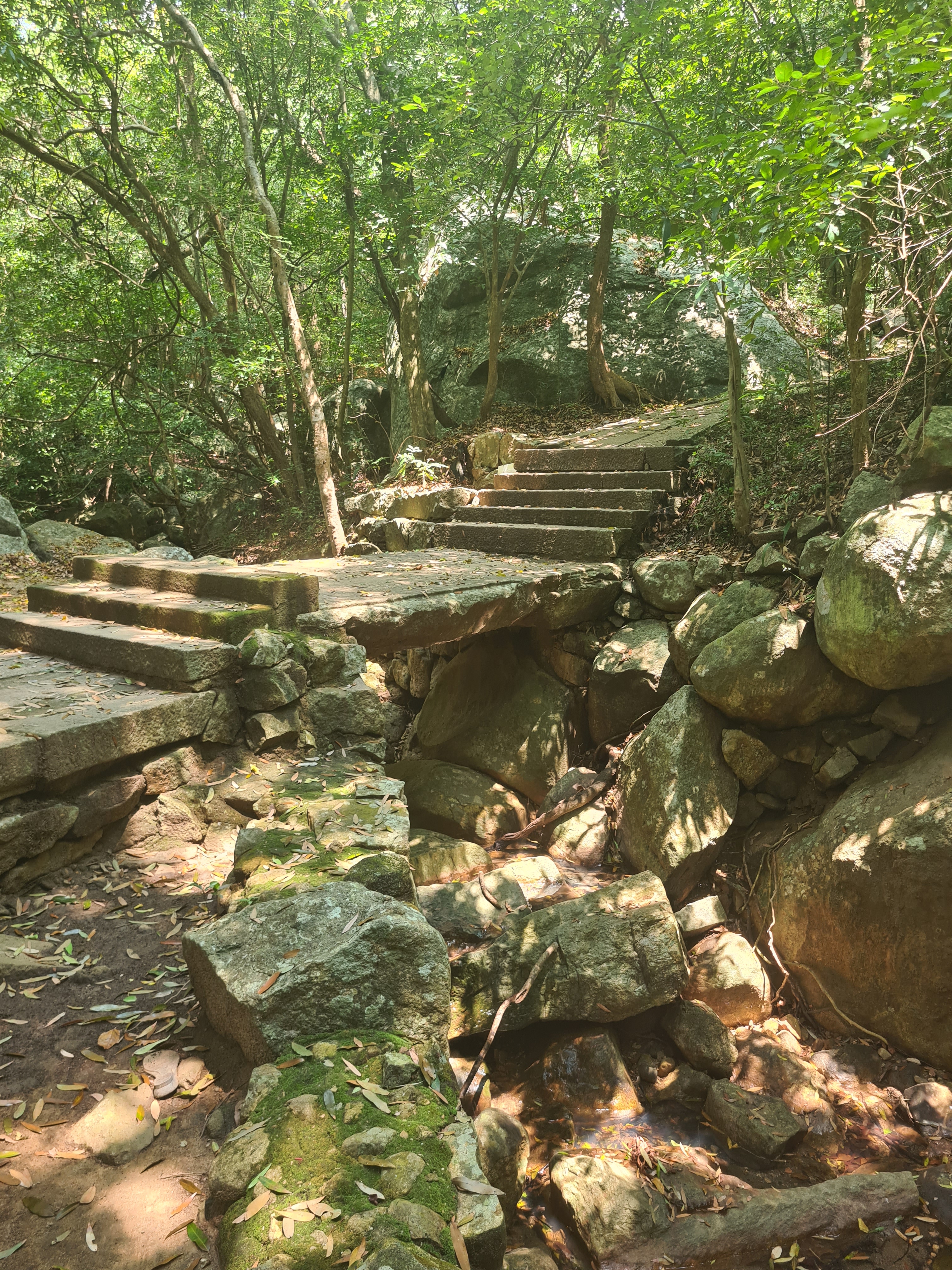
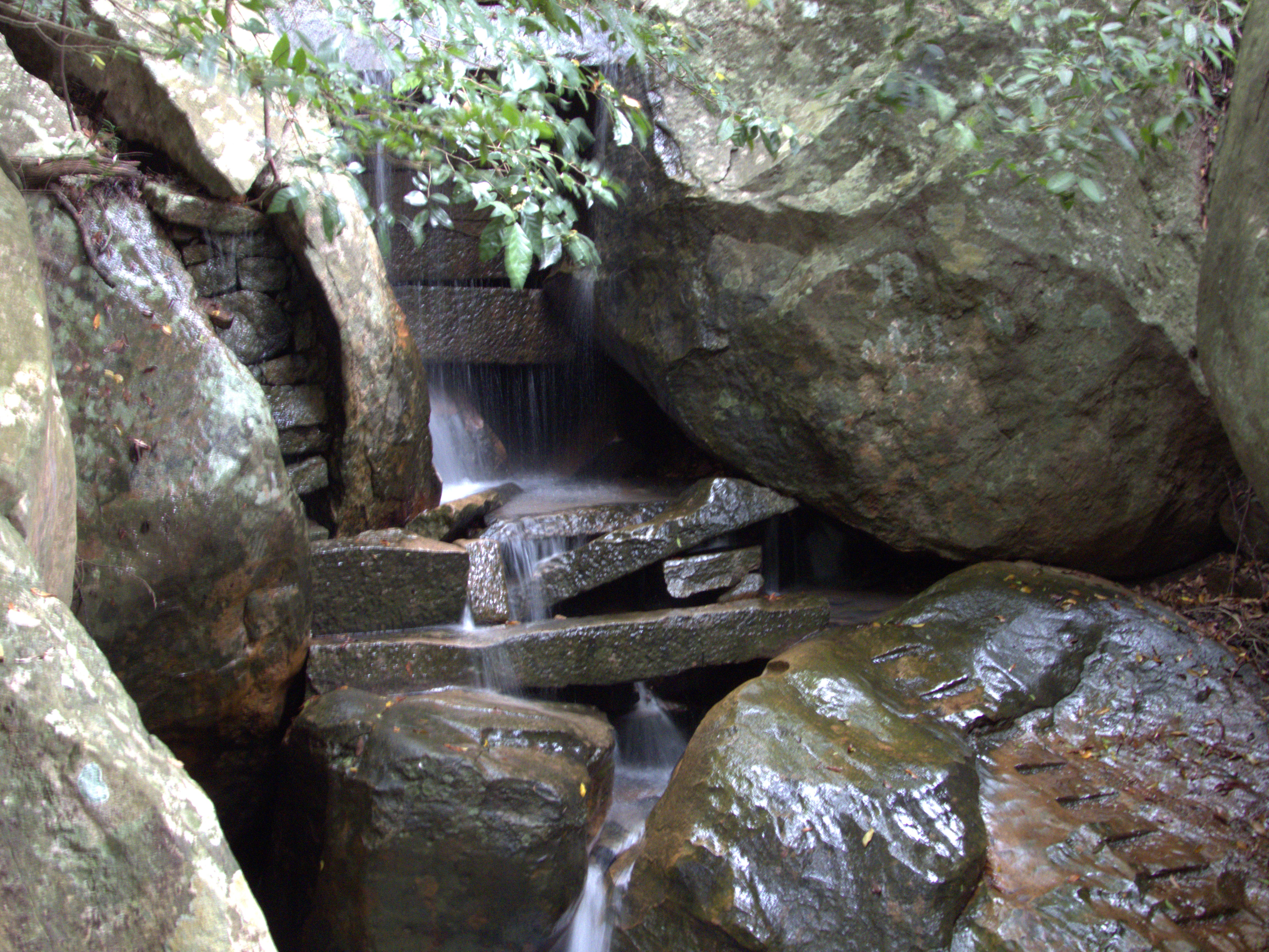
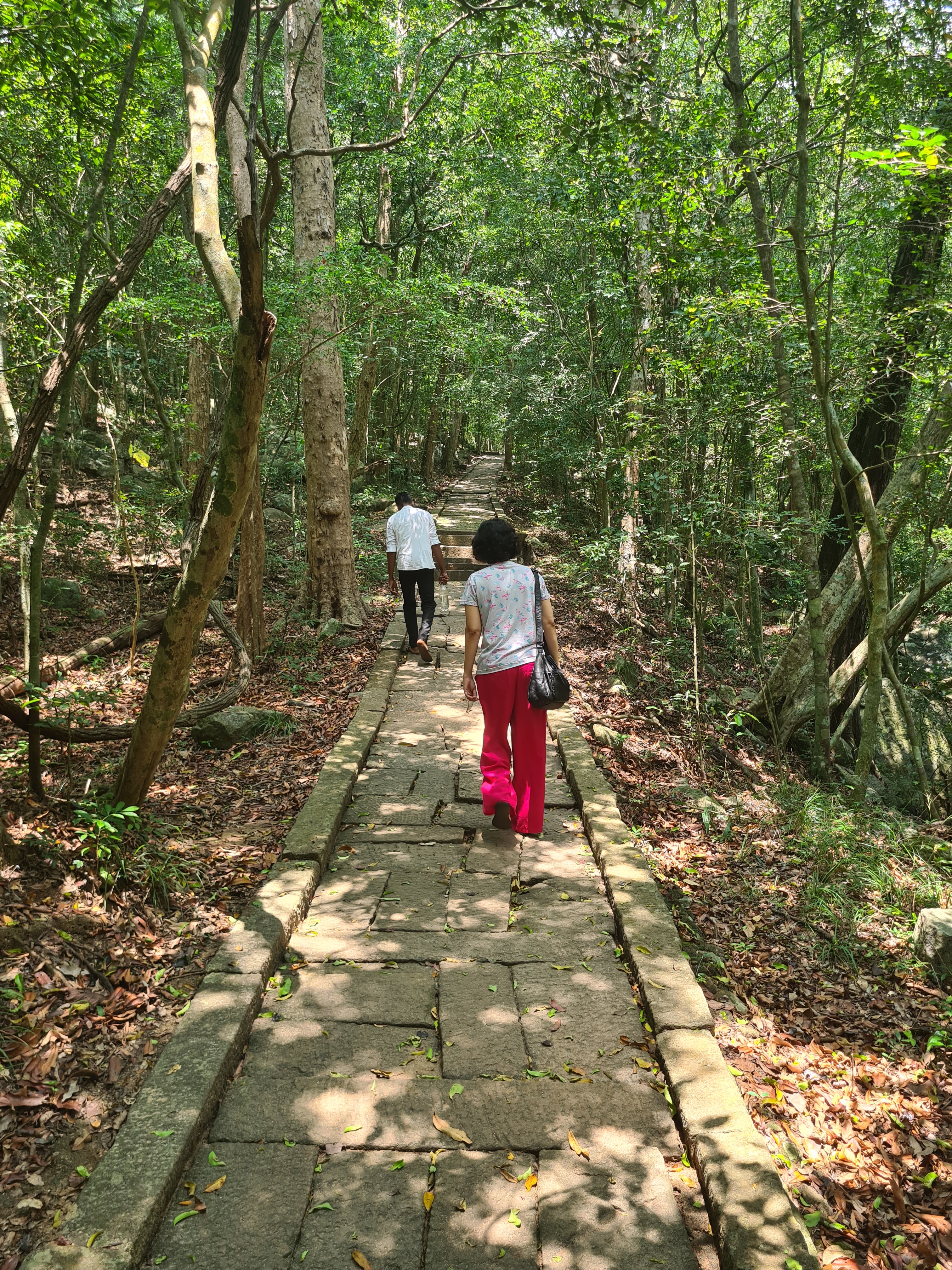
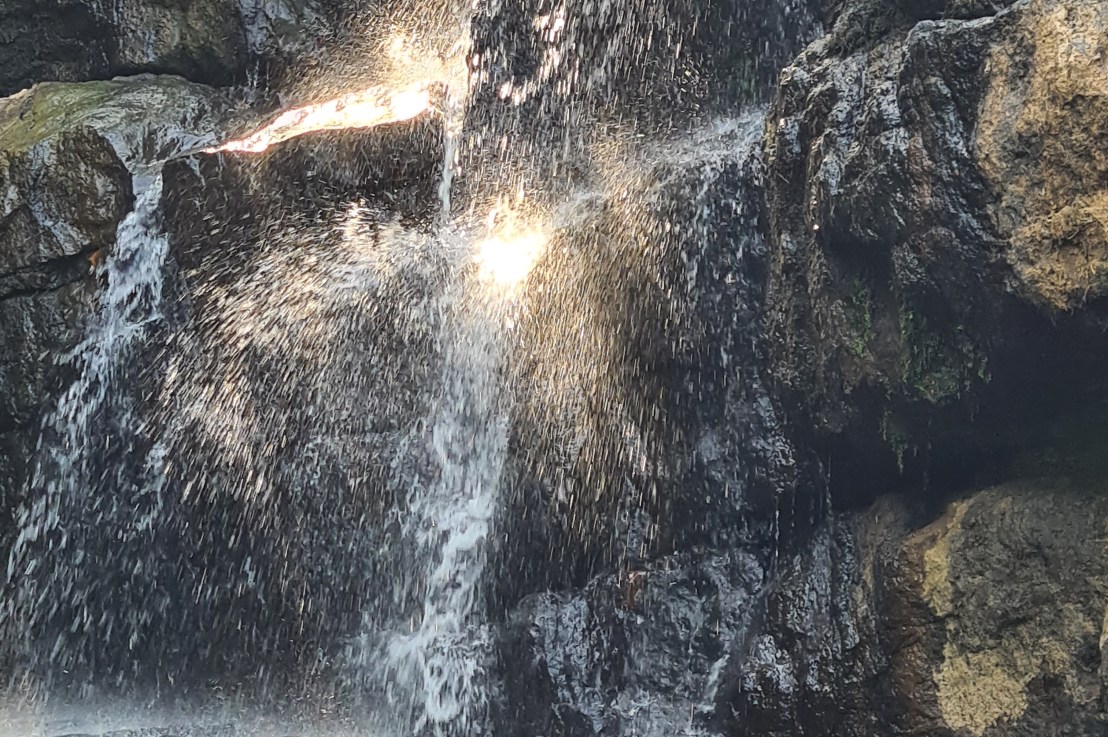
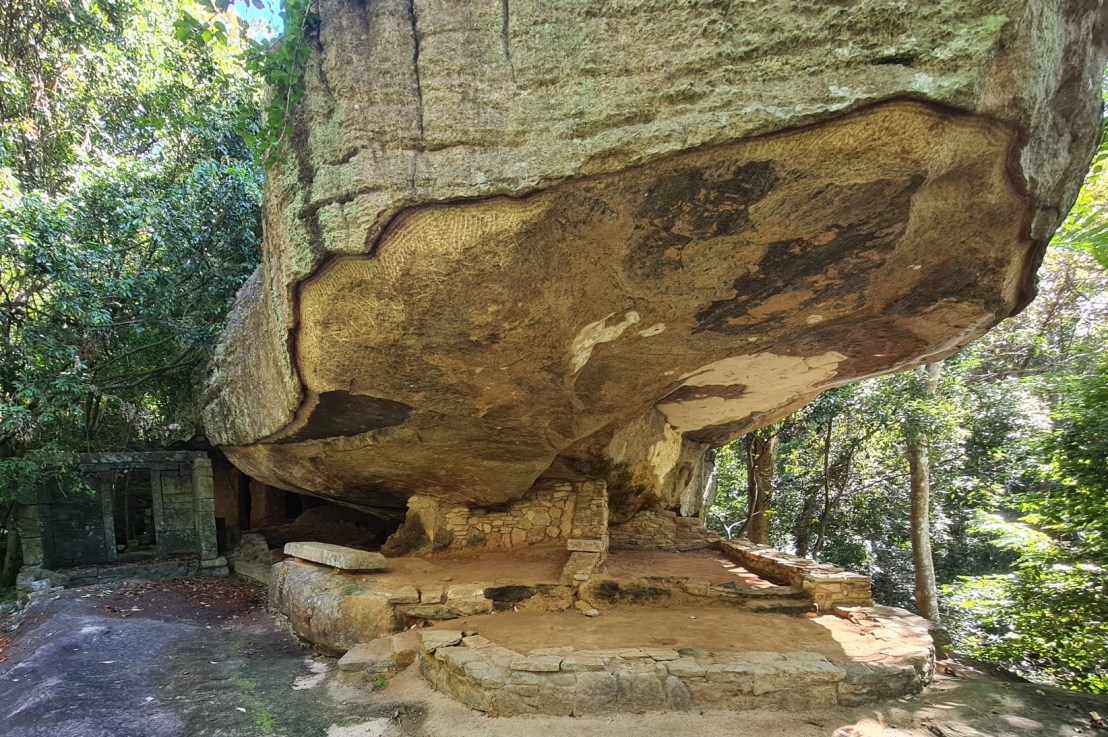
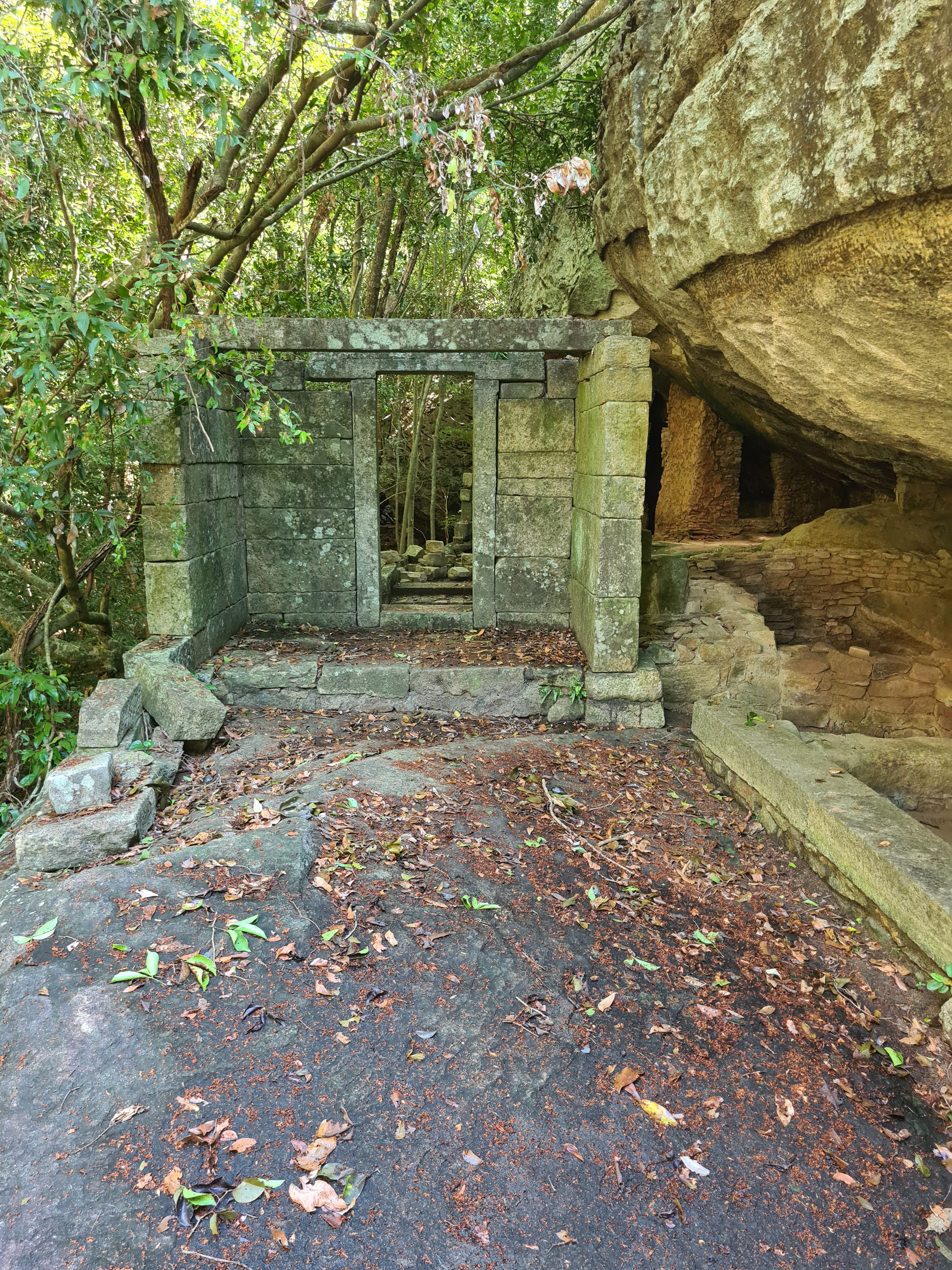
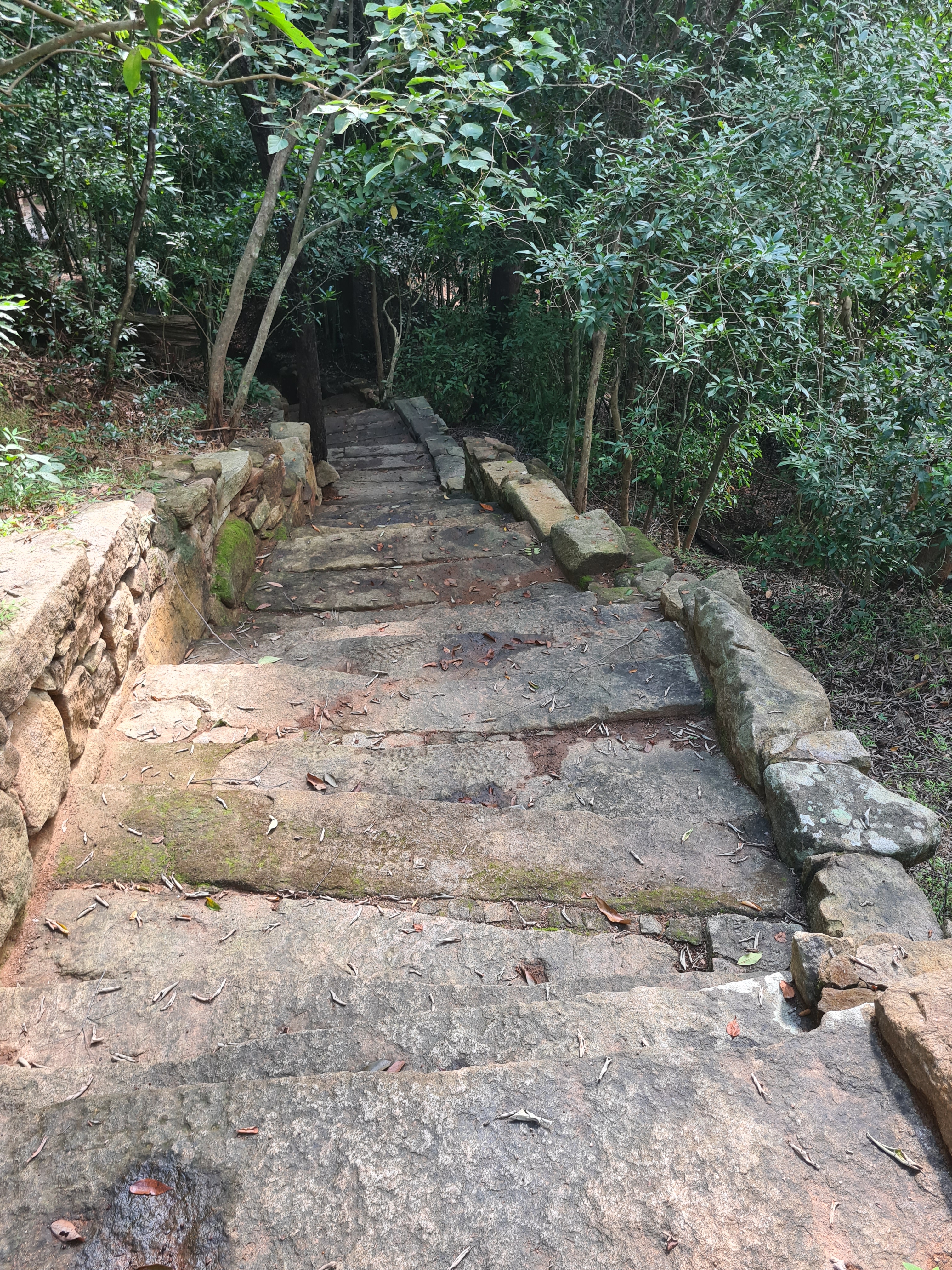
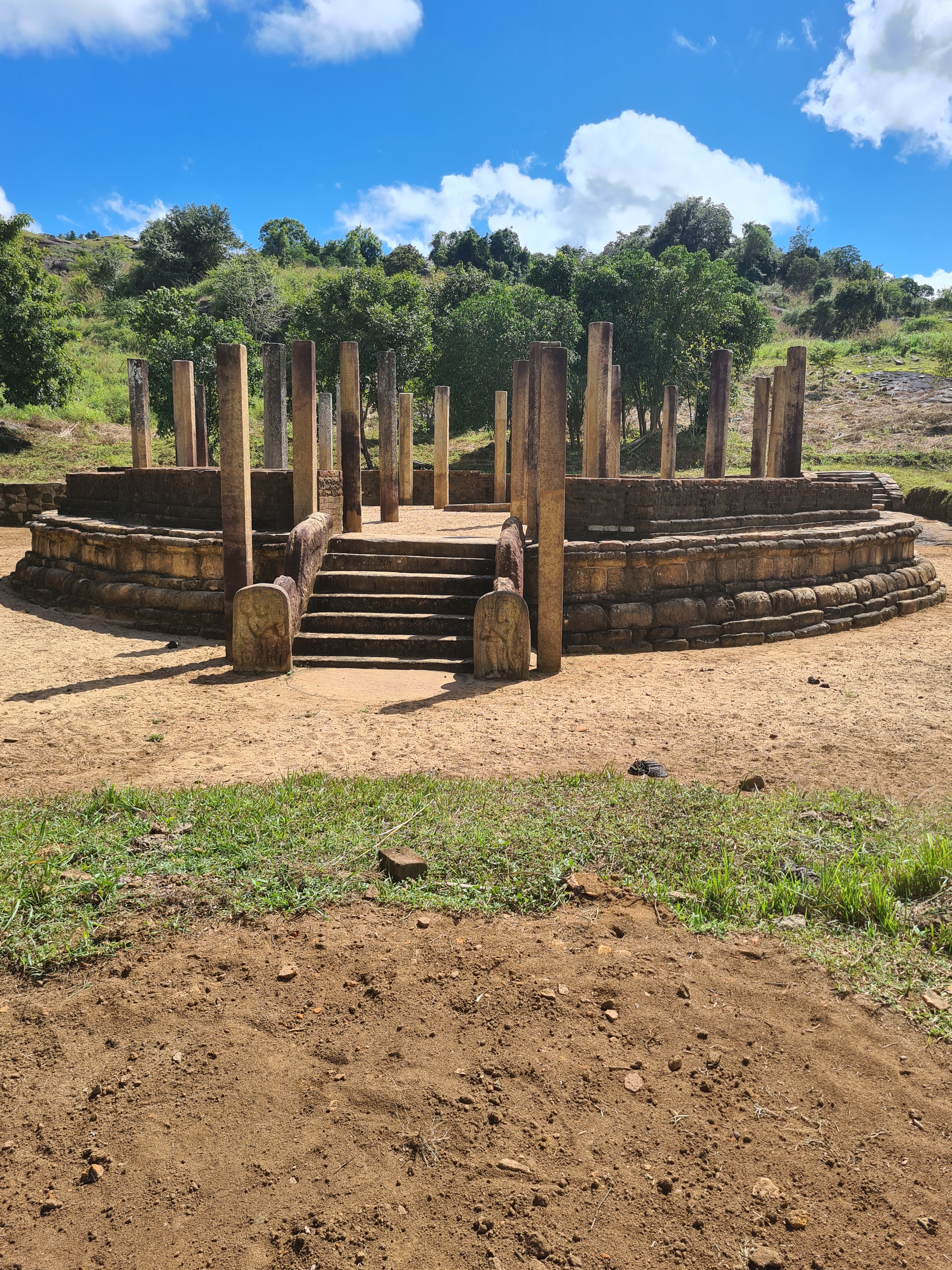
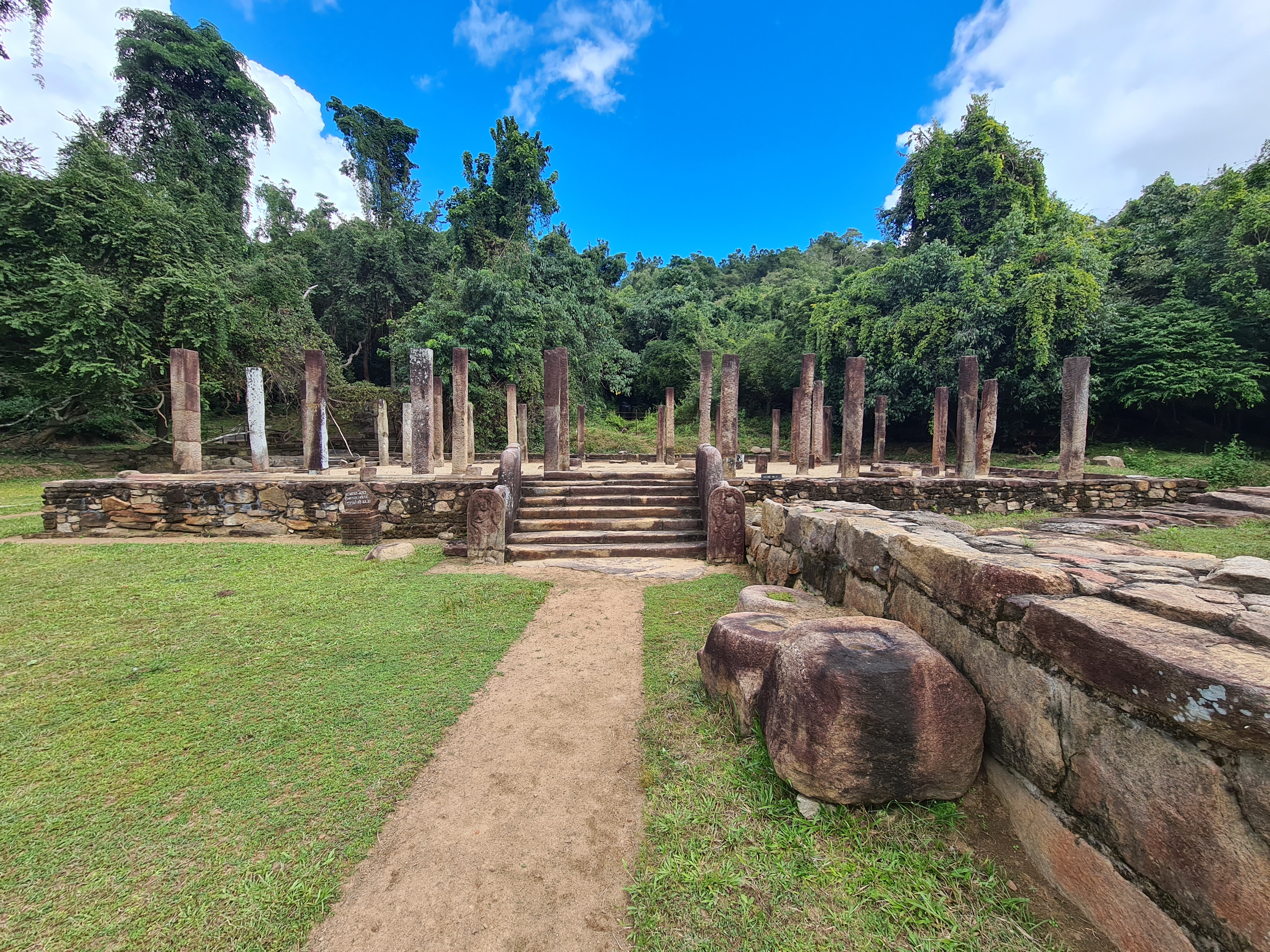
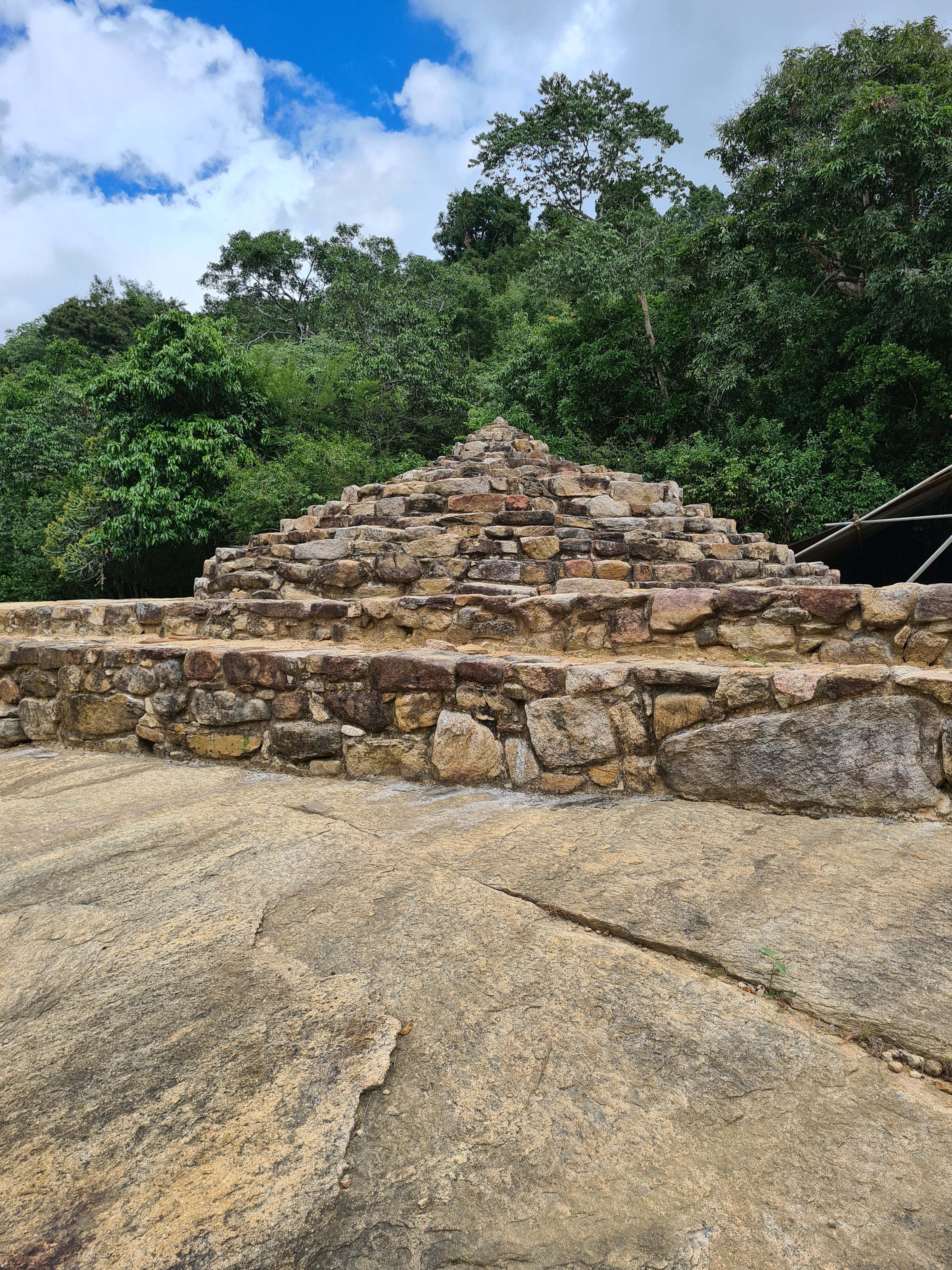
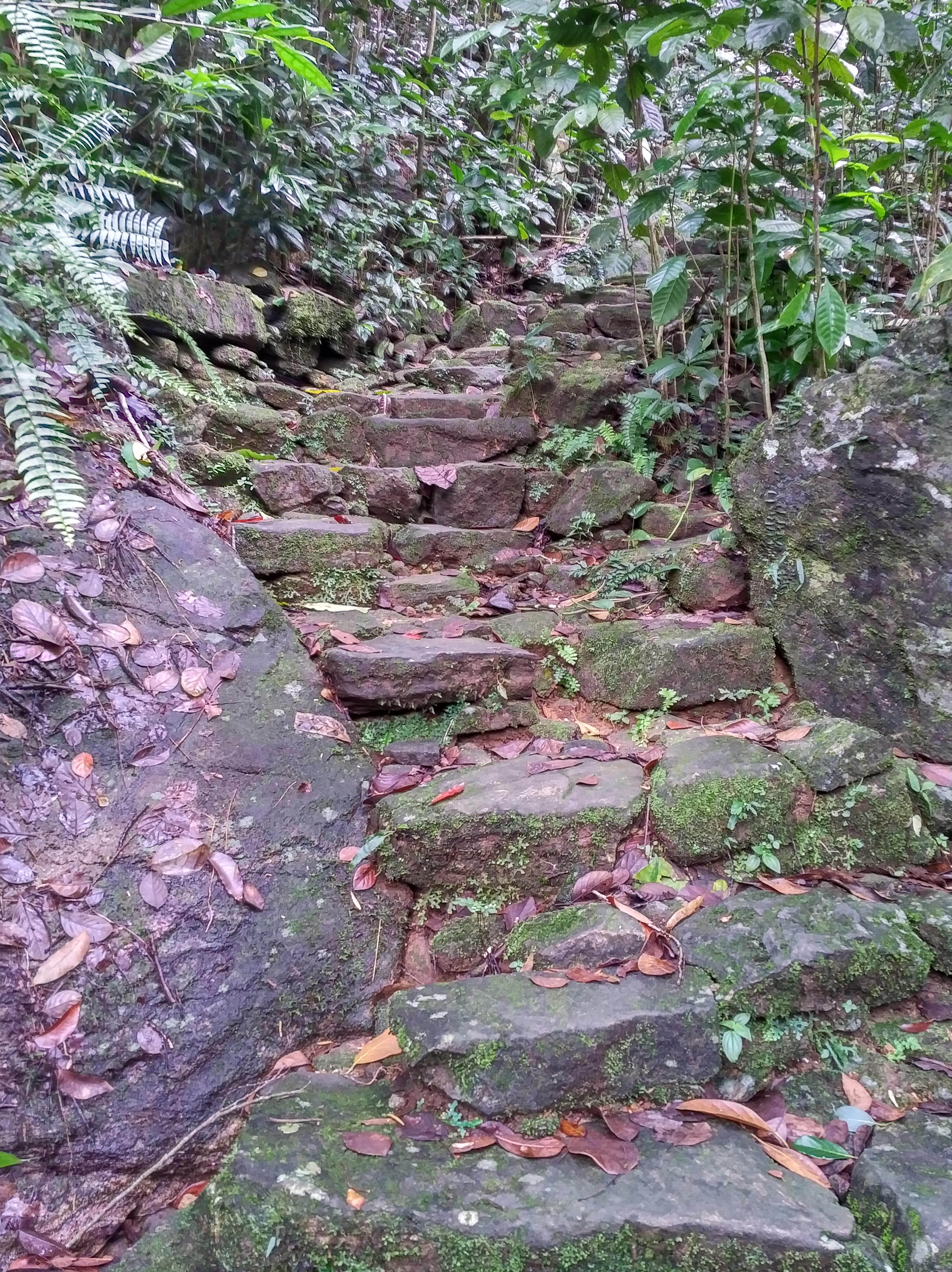
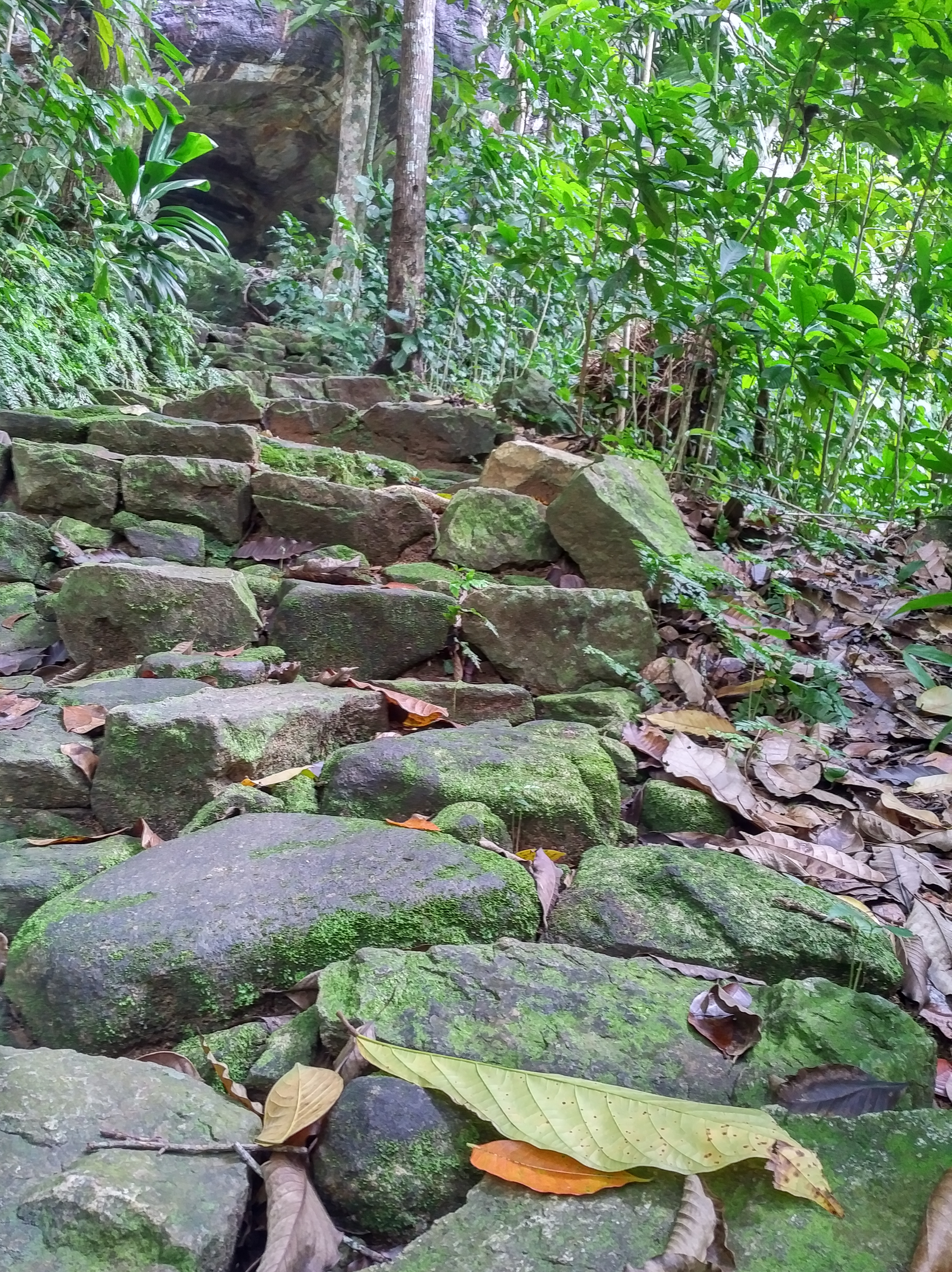
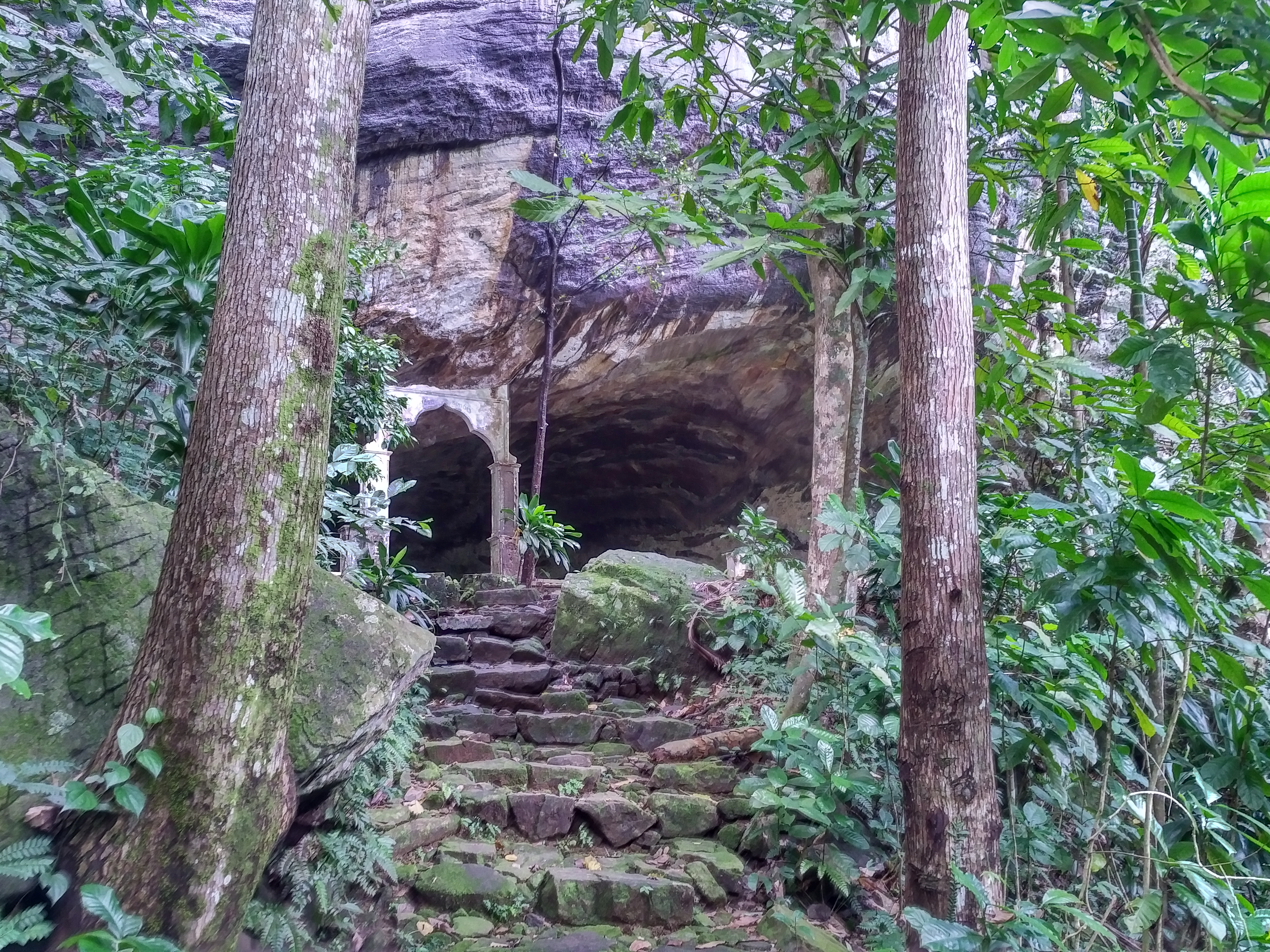
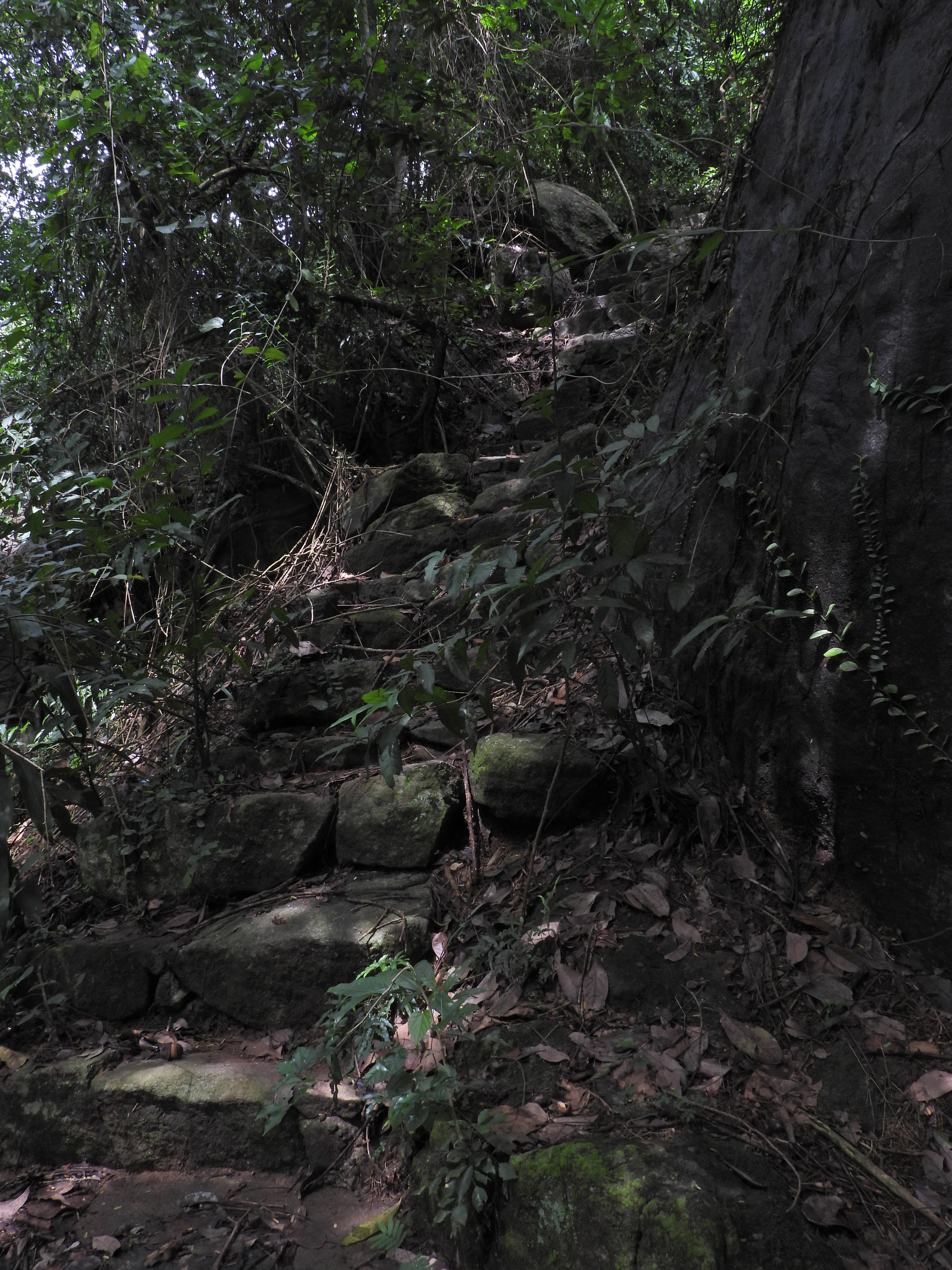
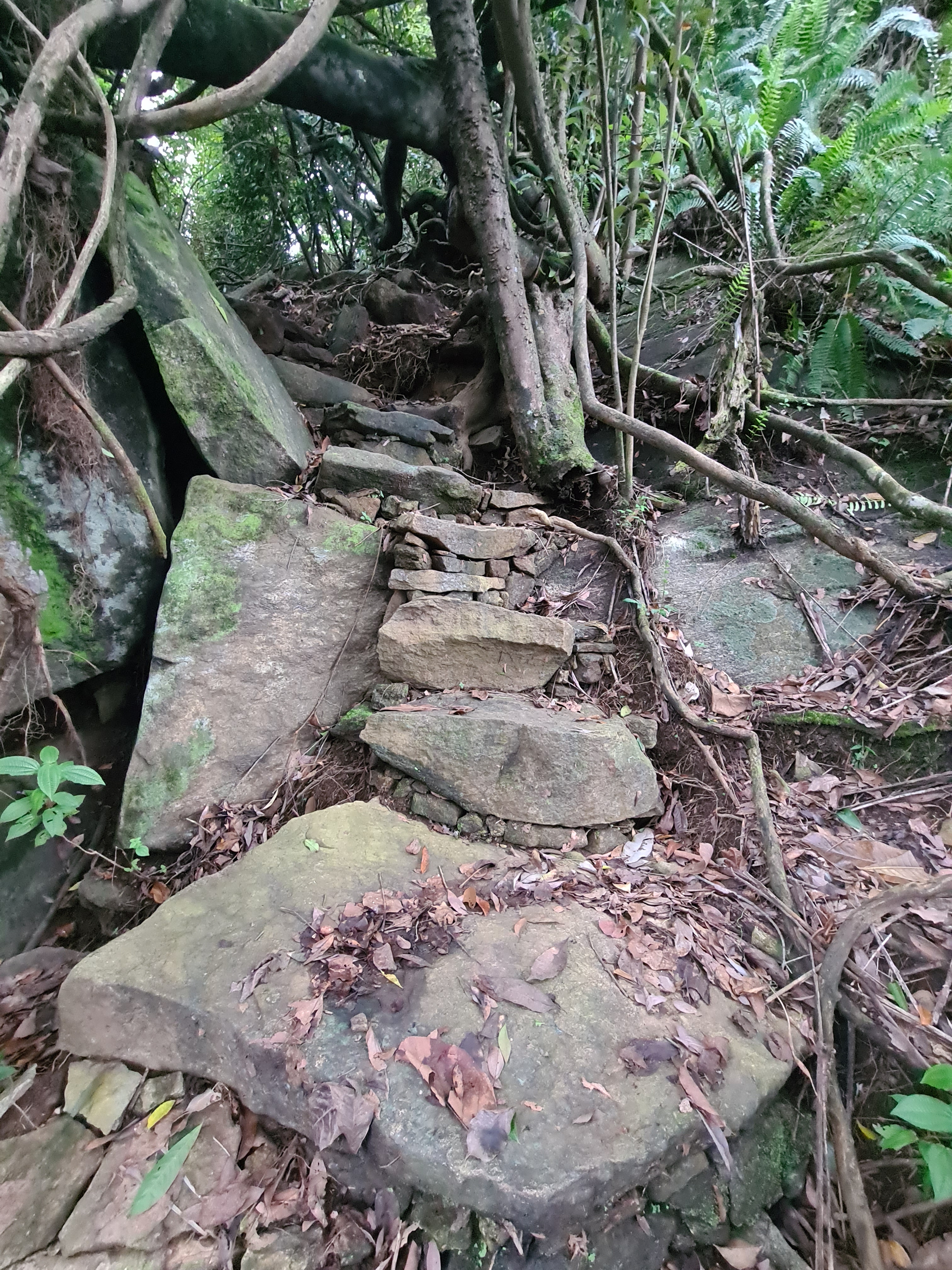
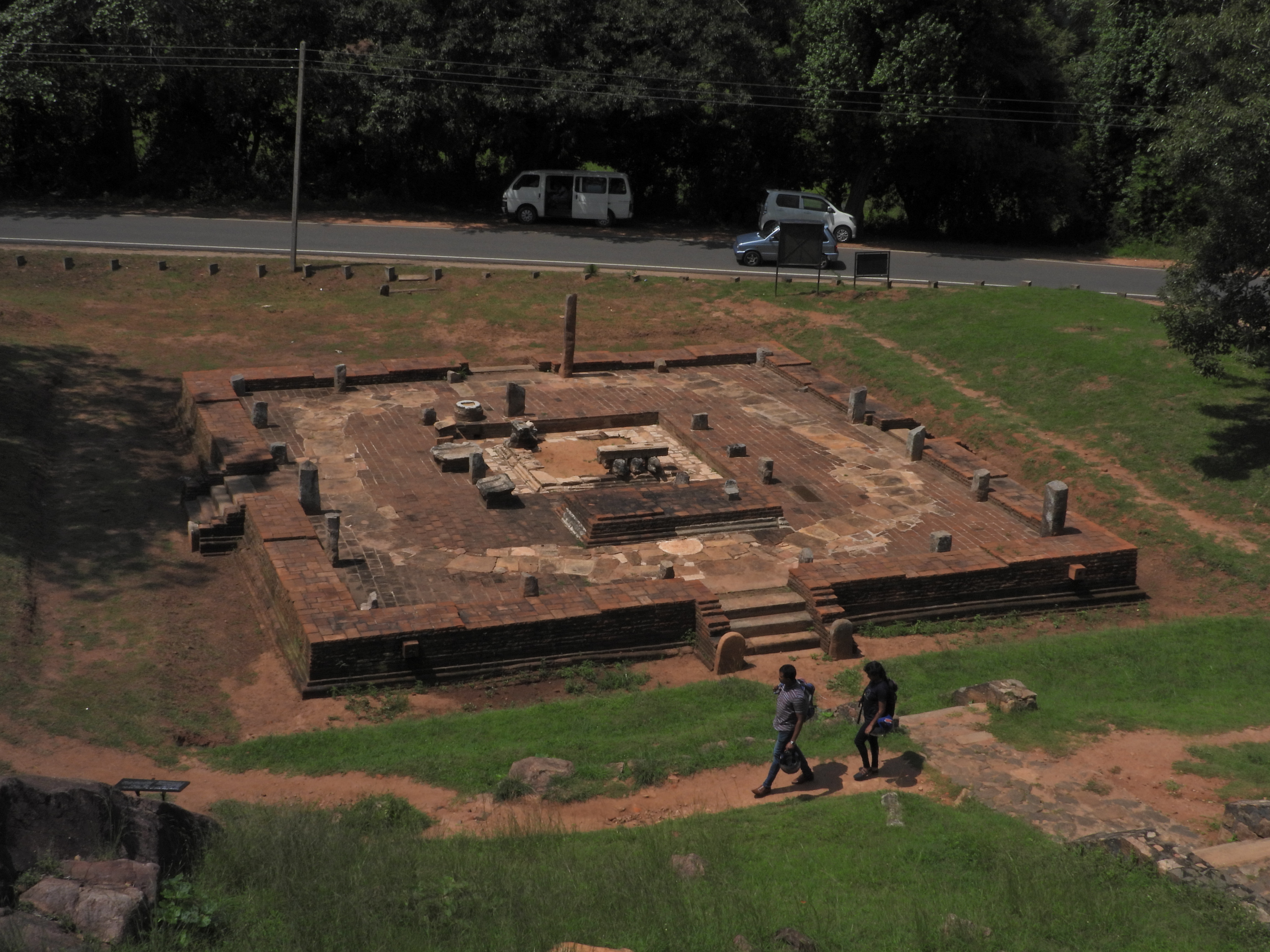
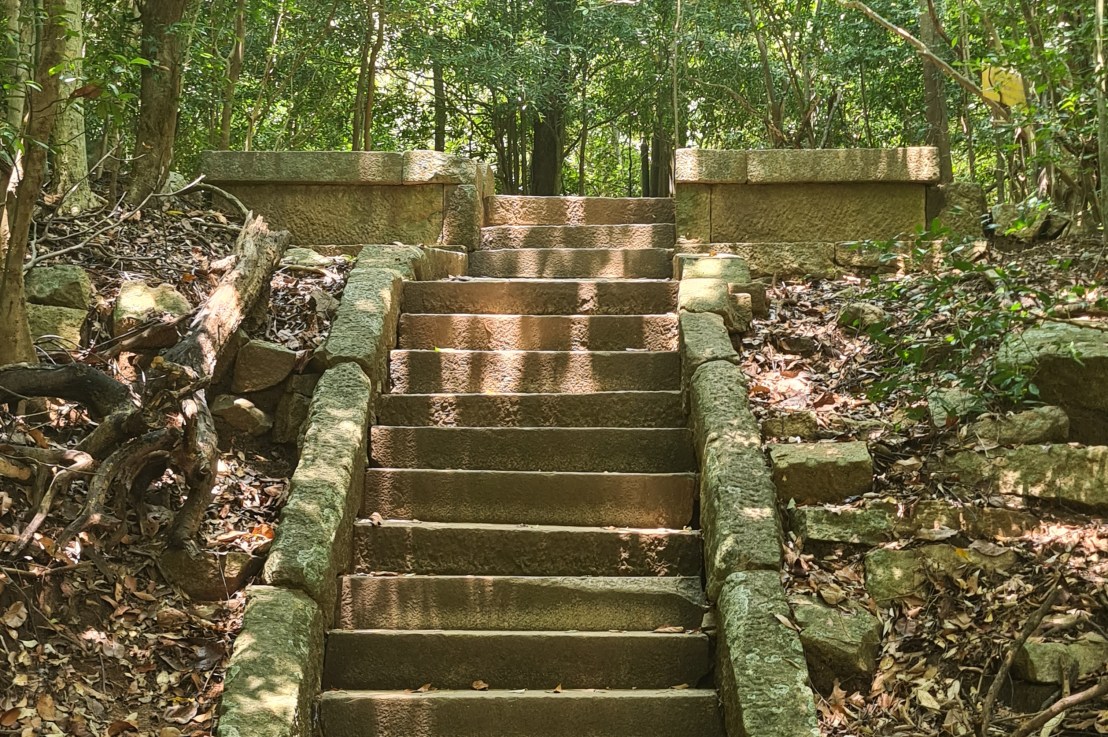
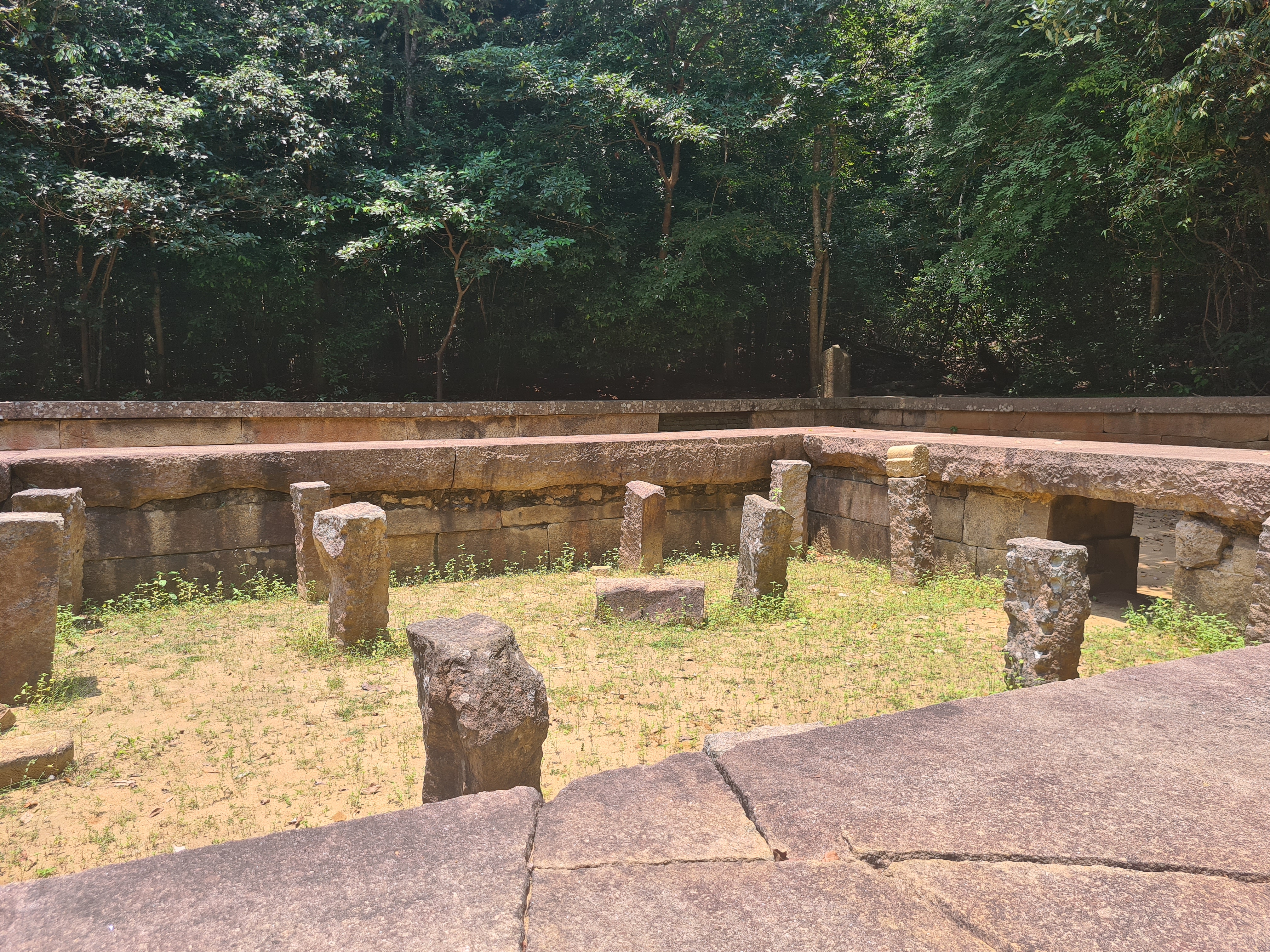
The ruins currently under restoration is thought to be that of a monastic retreat. At the start of the current trail is a gigantic man made pond thought to be the largest in Asia if not the world. Encompassing an area of 2.5 acres would have been a sight to see in its time. Currently this has been partly restored. Further down the trail, one is treated to exquisite stair ways the quality of pricision even todays technology would be hard pressed to deliver. The sharp edged stones and interlocking assembly speaks of a advanced technology lost to mankind now. The stone bridge which is to date sturdy as when it was set is engineering feat to behold. The Meandering stone laid path way up the hill is easy to climb due to gentle slope maintained. The path way has resting places at intervals to rest any weary feet. It is set in a circular fashion so that the monks can continue their walking meditation whilst resting and one such resting place has had water filled foot bath to soak ones feet. The carving of the stones in circular fashion is though provoking. The path leads to first of 2 buildings which is thought to have been surrounded by water with elevated floor boards. There are air inlets below the flow boards, which would have had a very cooling effect when air blows over the water. The area around these buildings and path way is littered with ruins of many other buildings. Off the path way is a man made waterfall, functioning even today. Made by blocking a water way with large carved stone slabs and the area below the water fall fashioned such that one could sit under the falling water or meditate. Stone steps carved in the rock enables one to climb to the sitting platform. The back of the waterfall and the surrounding is properly walled up to create a neat bathing pool.

The ruins of the library building gives a fine view far into the surroundings and is also where a 2nd stone bridge can be seen. The ruins includes the remains of a herbal spa with a oil bath, massage bed and plumbing which can is akin to what we use today.

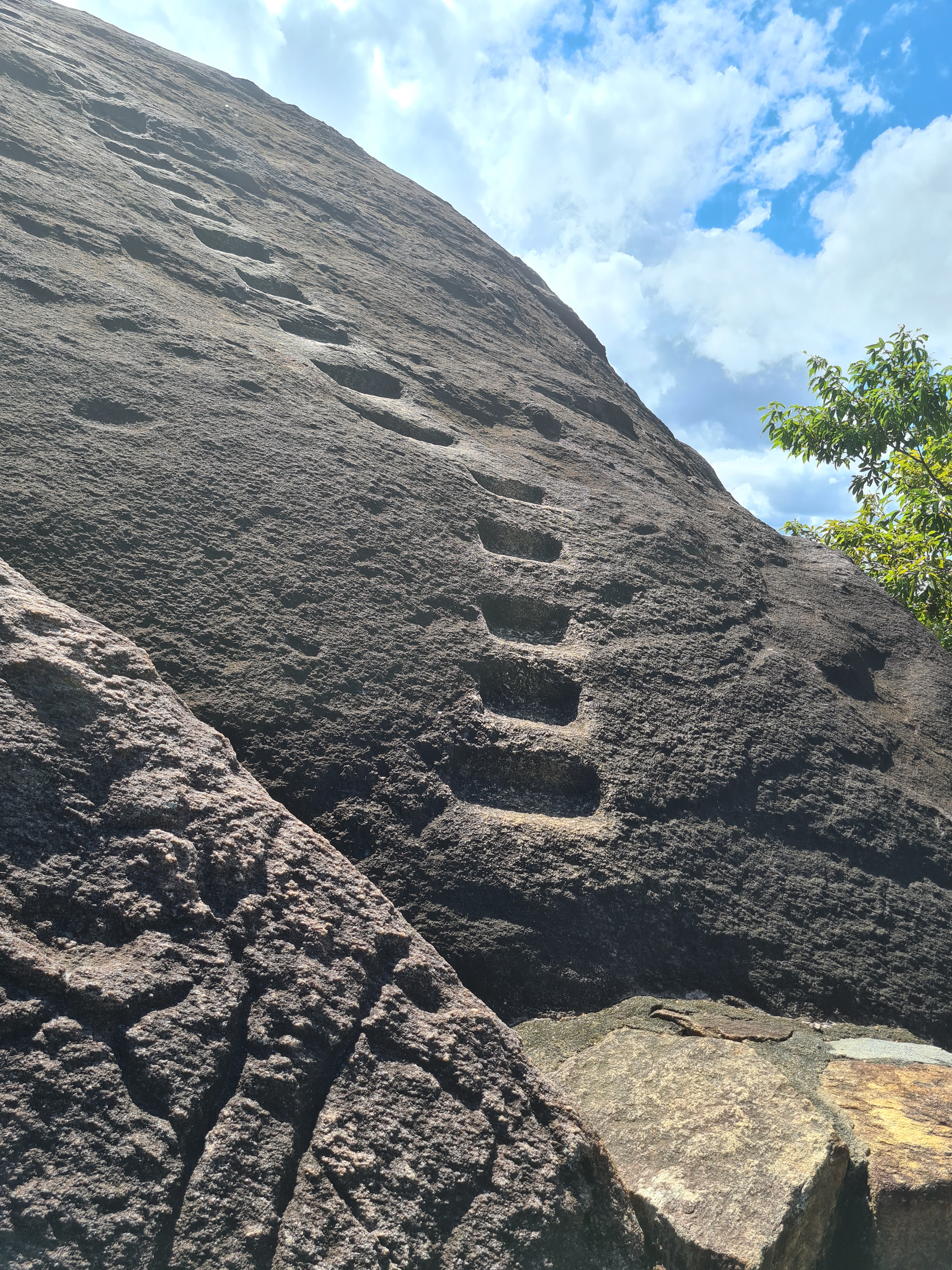
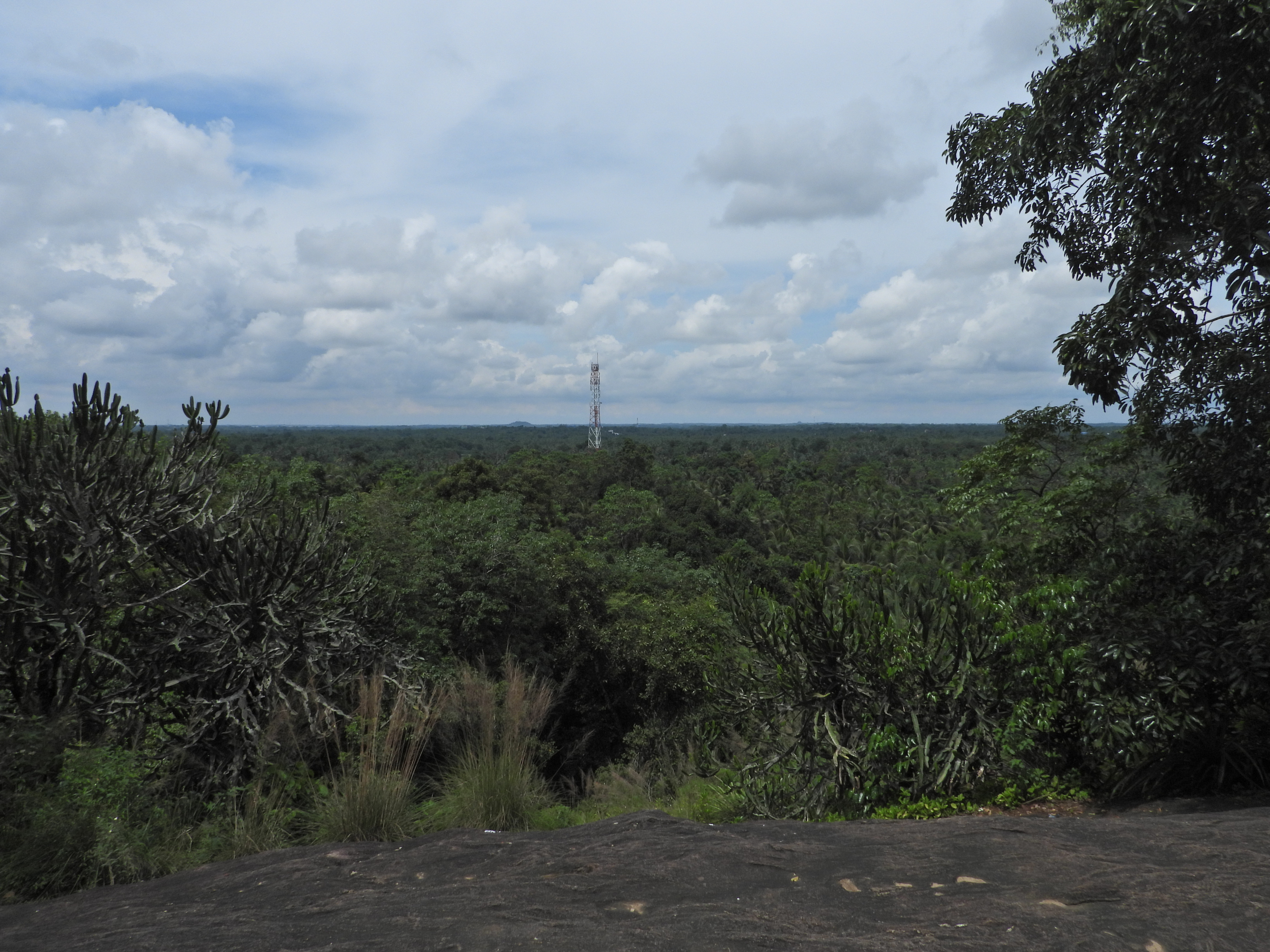
The mountain is littered with caves and a climb to the top, which requires special clearance, one can see remains of ancient stair ways carved into the rock. At the summit is a ruin of a structure, probably a look out point with a very sturdy foundation which is all that remains. The view from the top give a 360 degree view of the surrounding area including a view of Pidurangala, Sigiriya and the stupas at Anuradhapura.

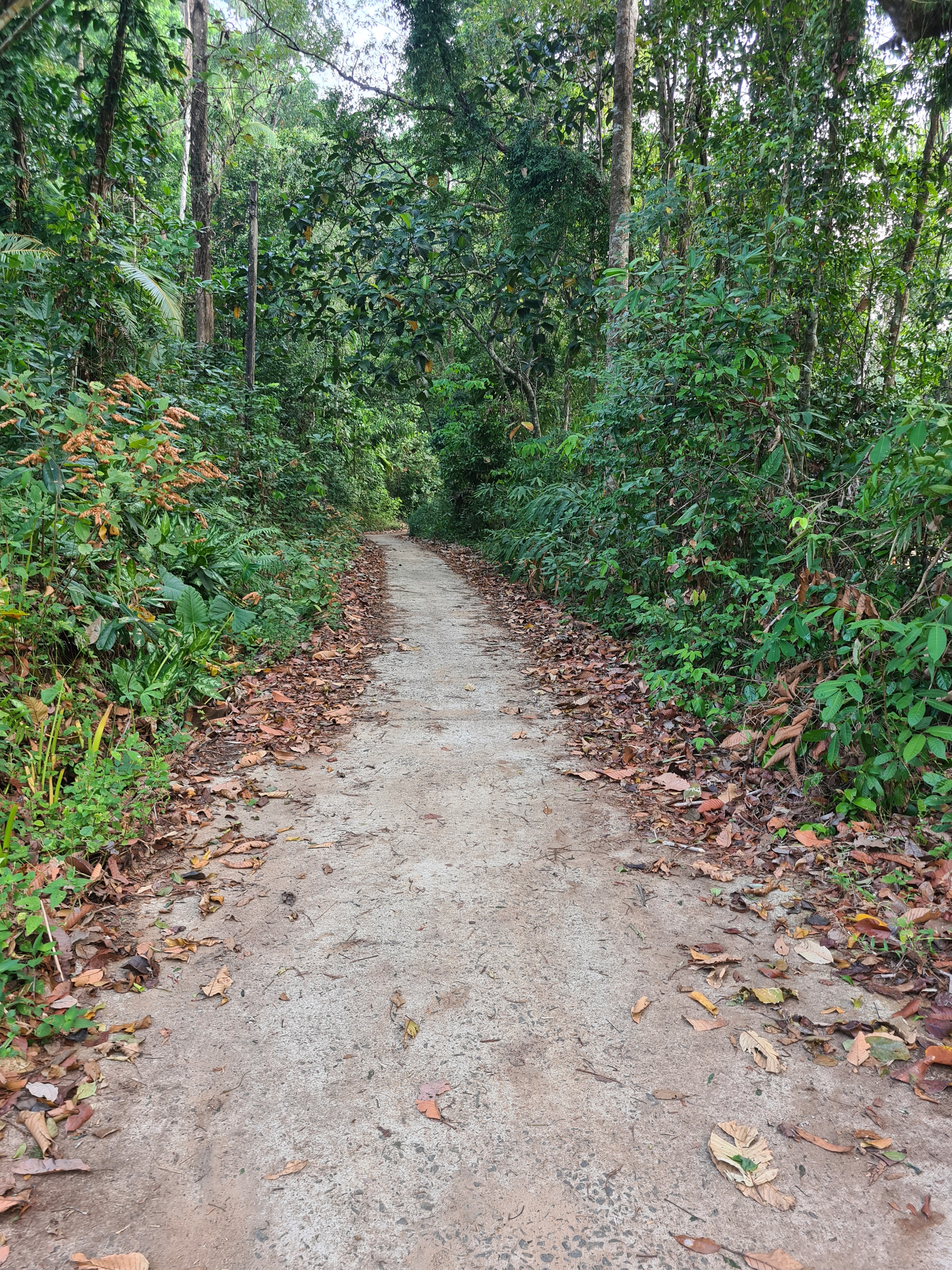
The area allowed for visitors extends to about 2 Km into the mountain and is an easy climb. The whole walk through the ruins is shrouded by jungle canopy which keeps even the noon sun out, making it a somewhat cool climb.

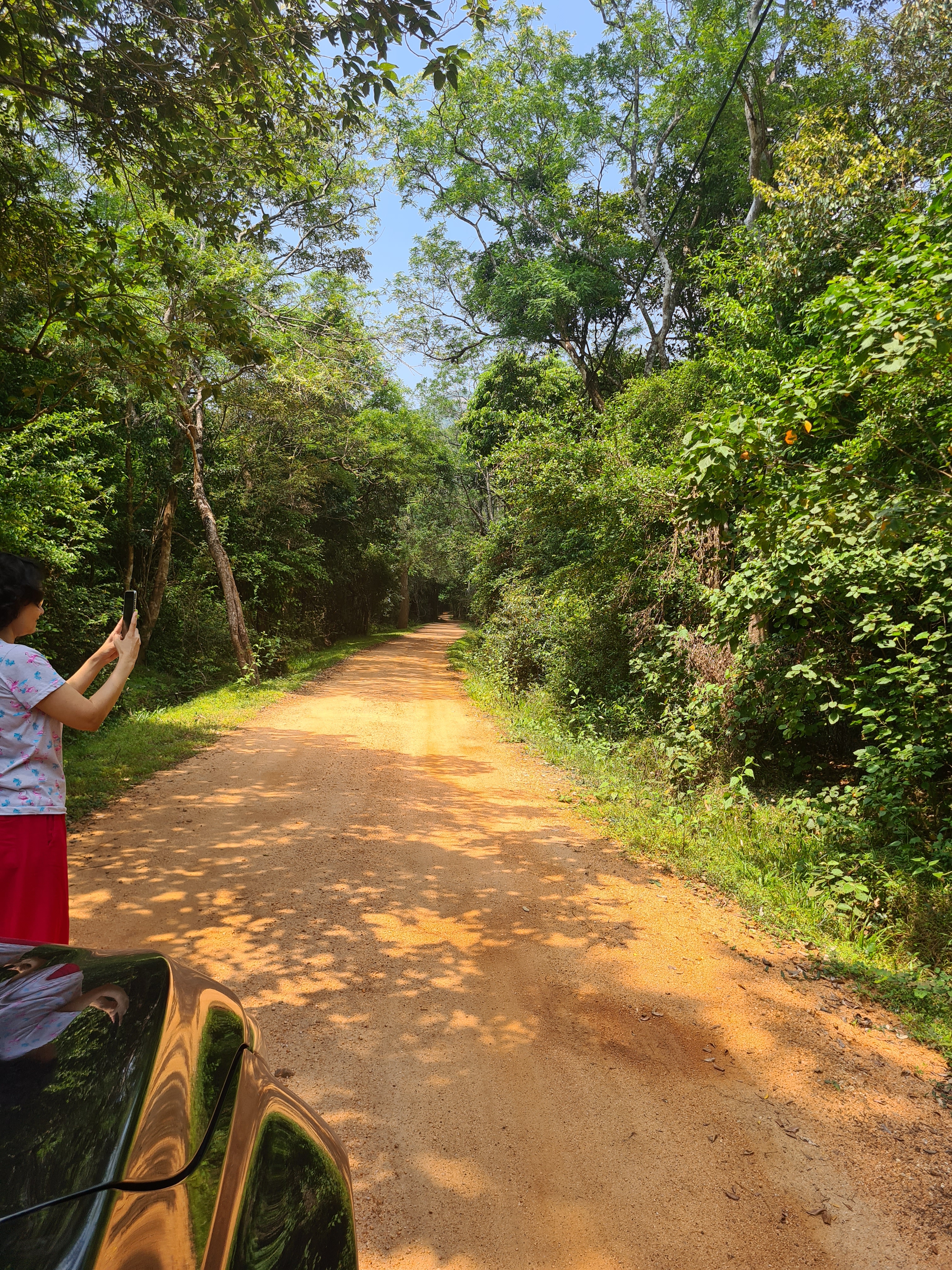
The Site is easily reached via the Habarana / Anuradhapura road. The turn of is marked by a small archaeological department sign board. This road is motorable by a normal saloon car, though the road is not very good. A further turn off to the right at a sign board which says Ritigal is the road to the entrance. A museum and office buildings have been erected here. The drive from this turn off is about 2 Km through a thick jungle which one should do with the shutters down to listen to the jungle sounds. At particular times of the years, the whole road is engulfed by butterflies.
Mulkirigala aka Mulgirigala Raja Maha Viharaya

Mulkirigala aka Mulgirigala Raja Maha Viharaya

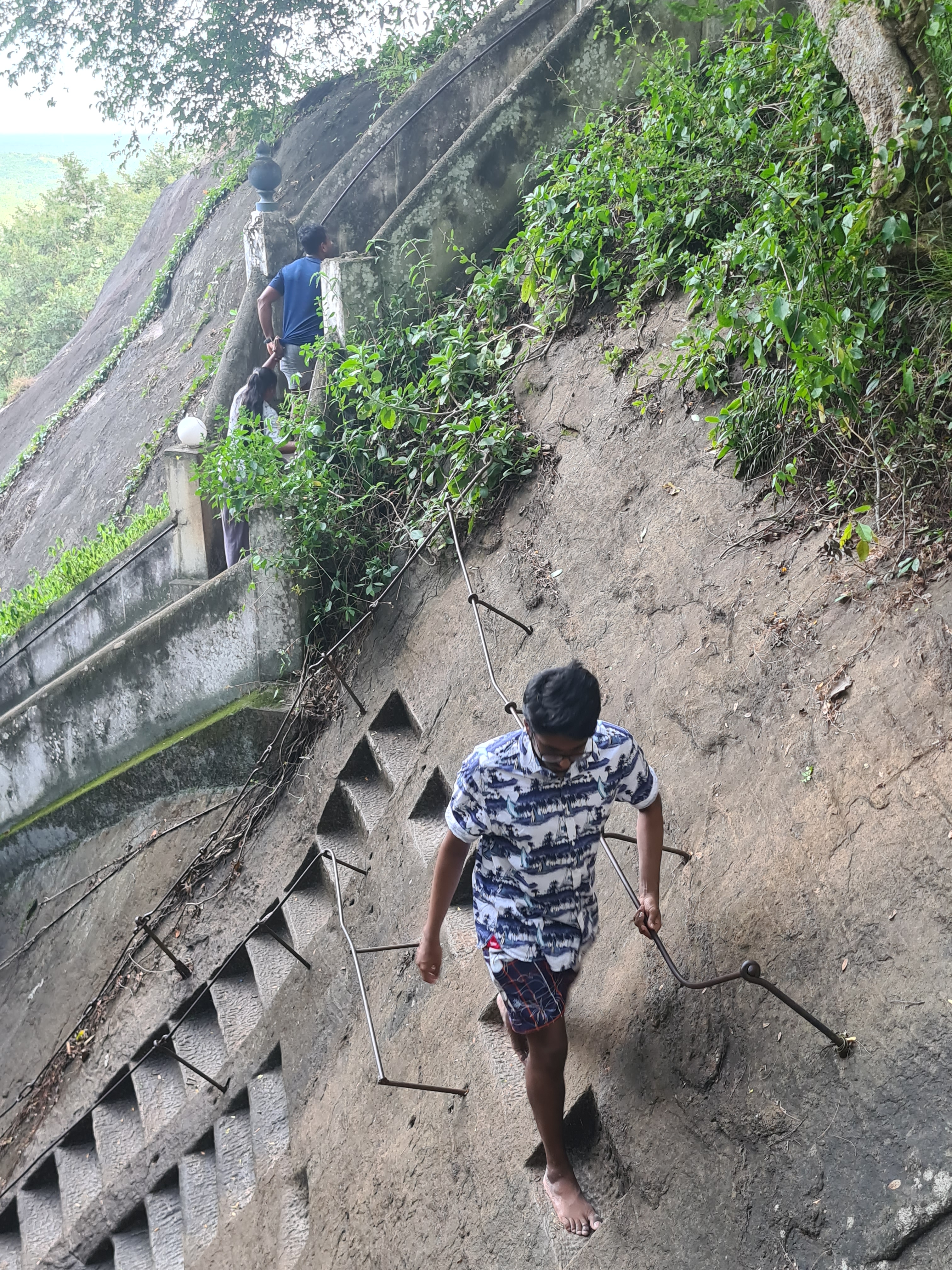
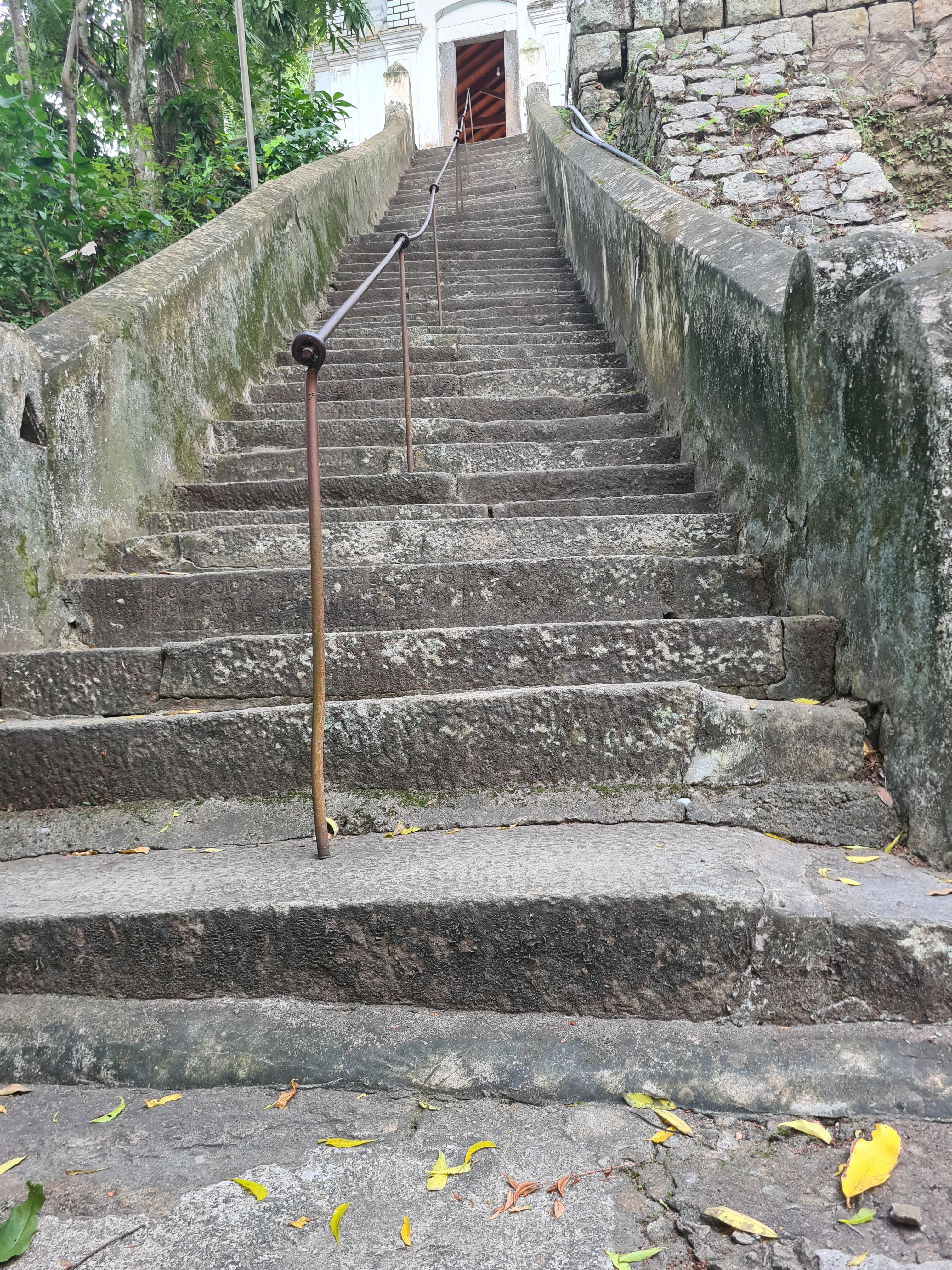
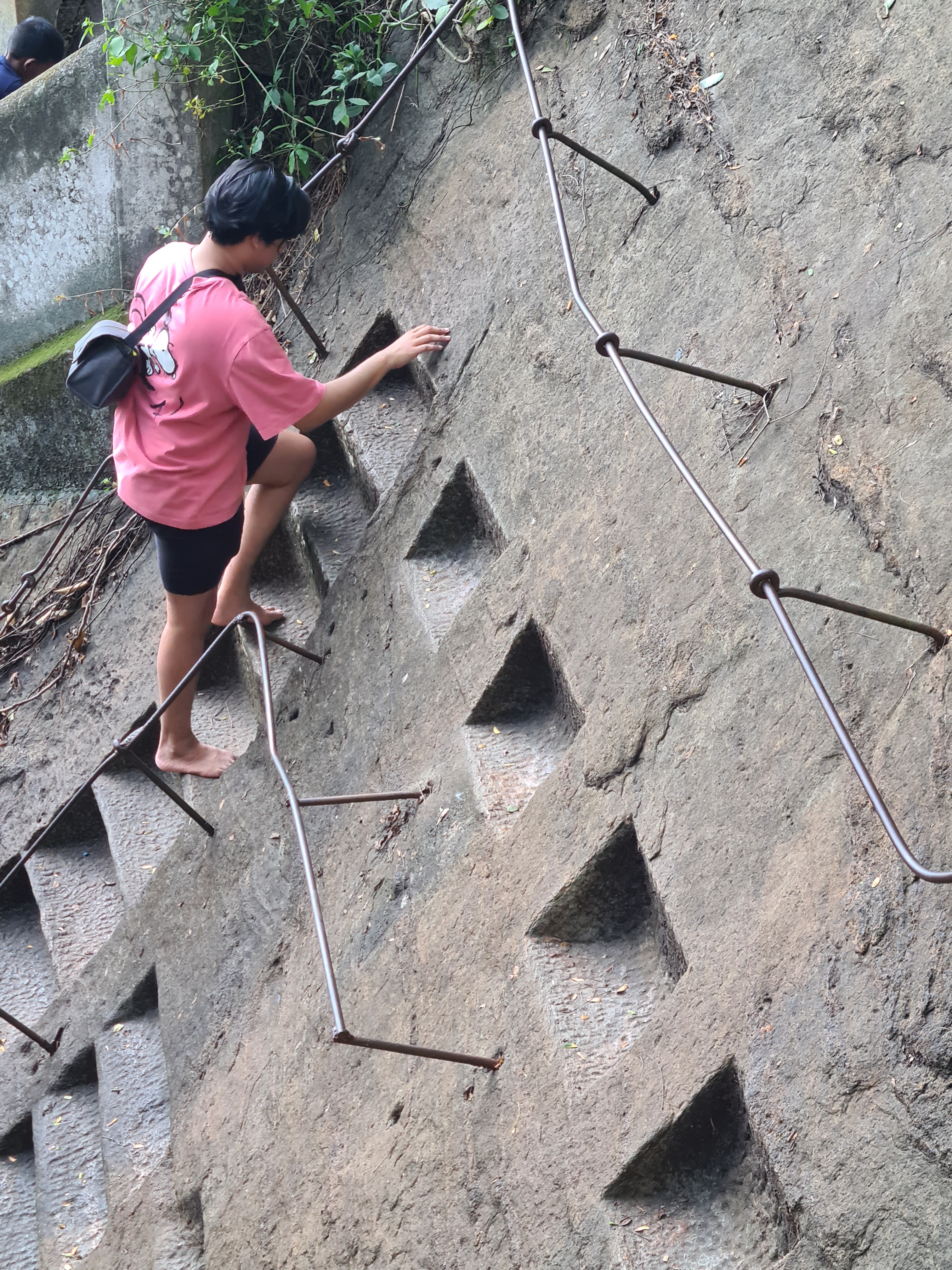
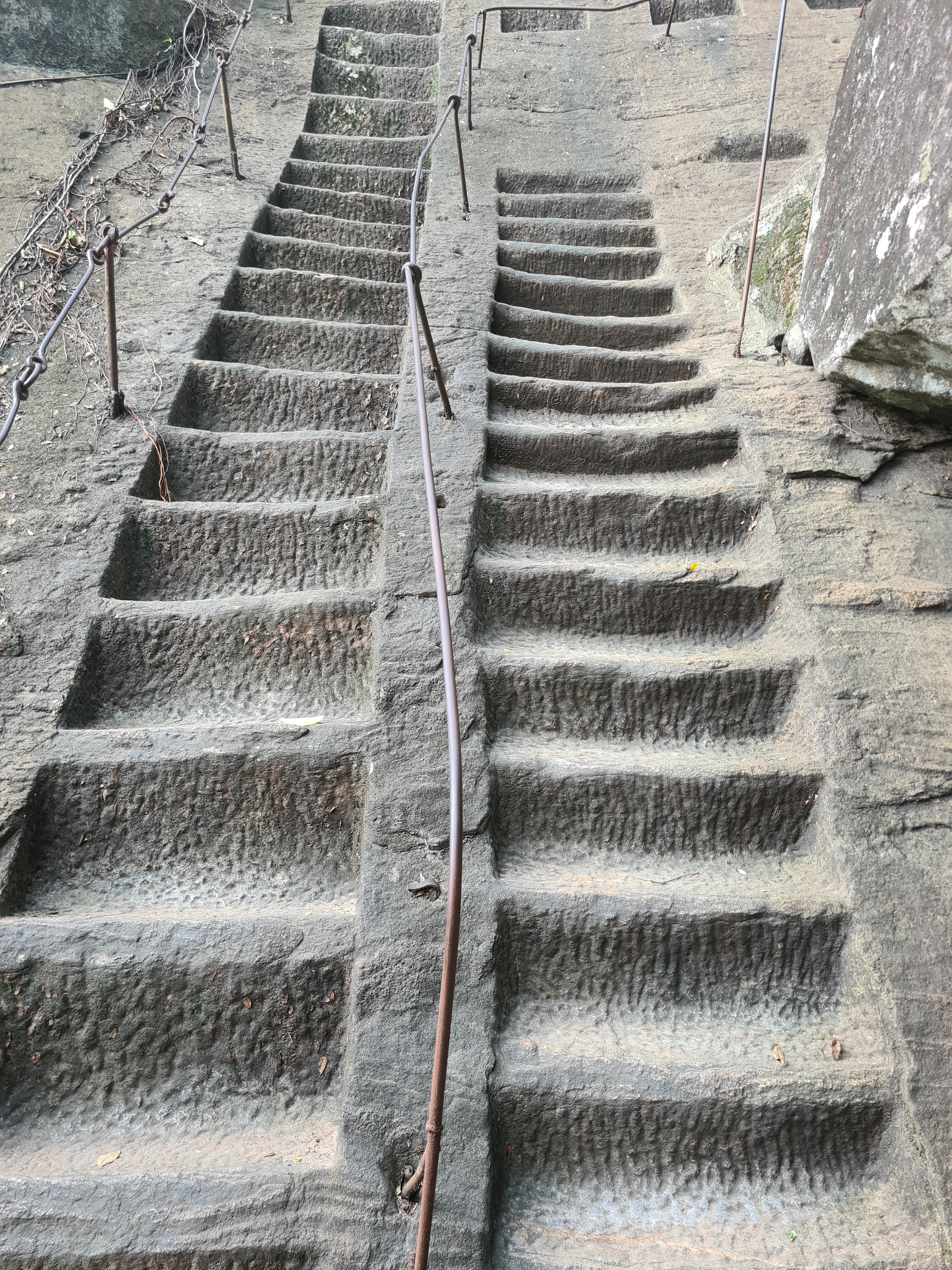
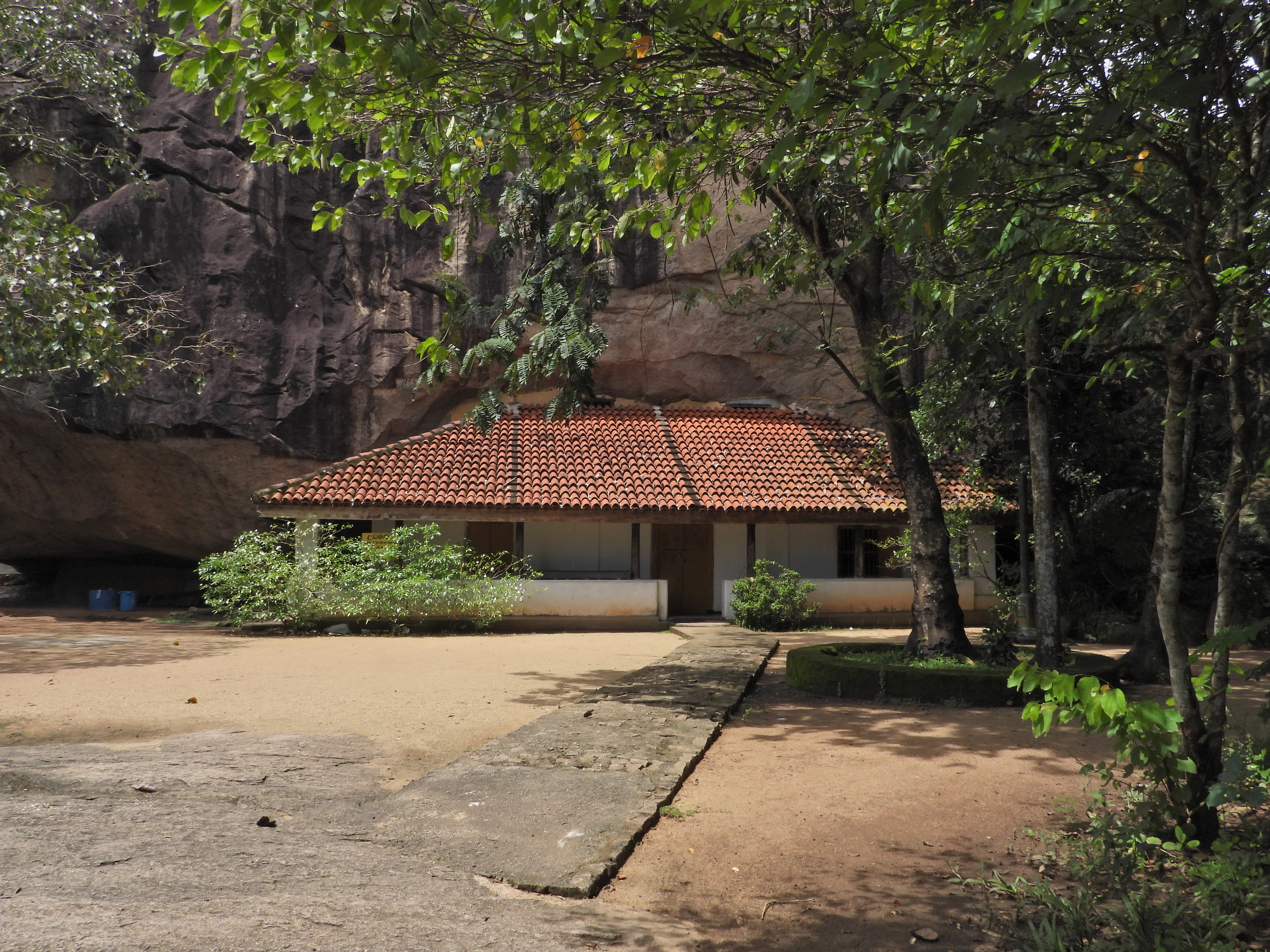
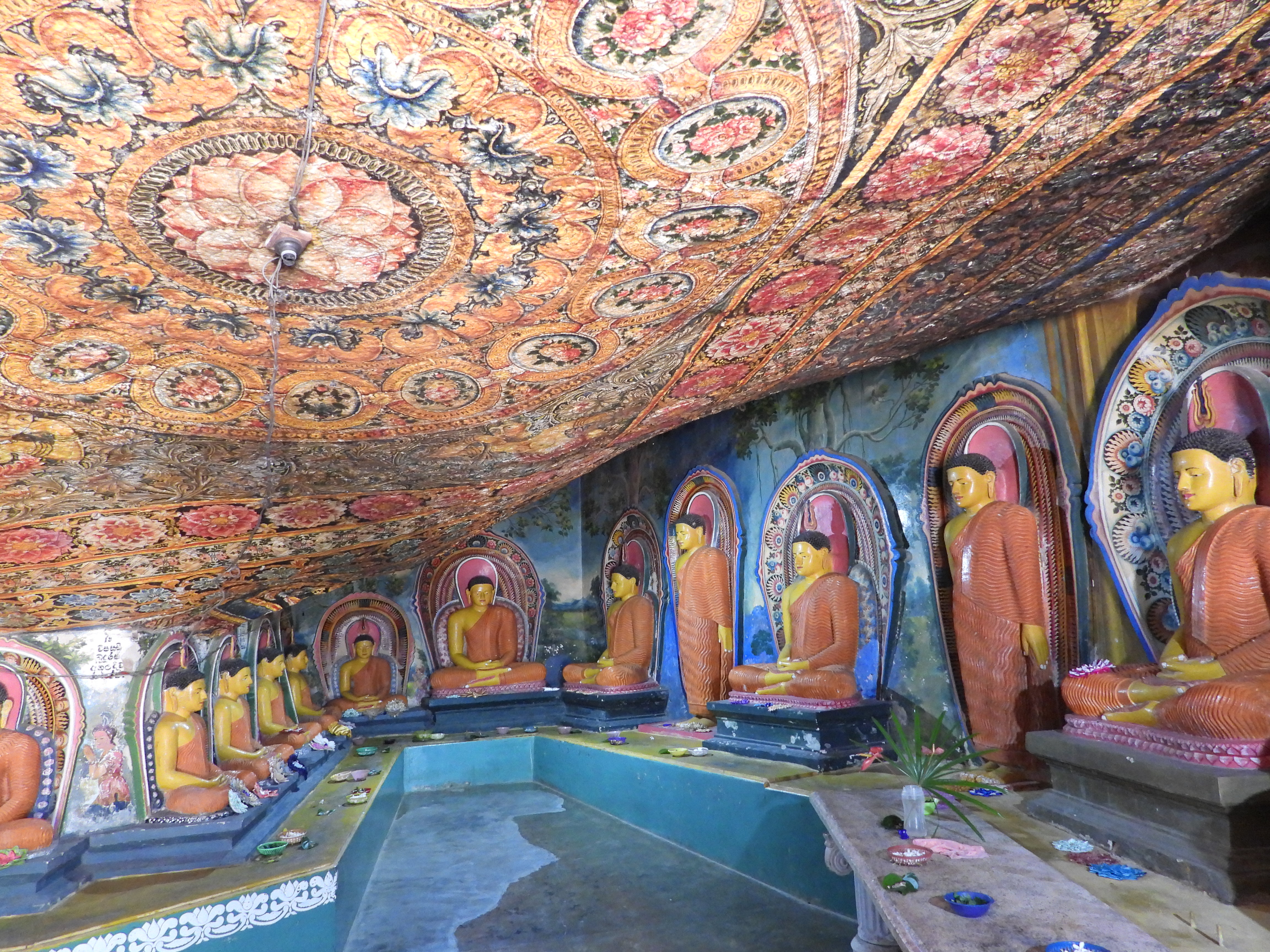
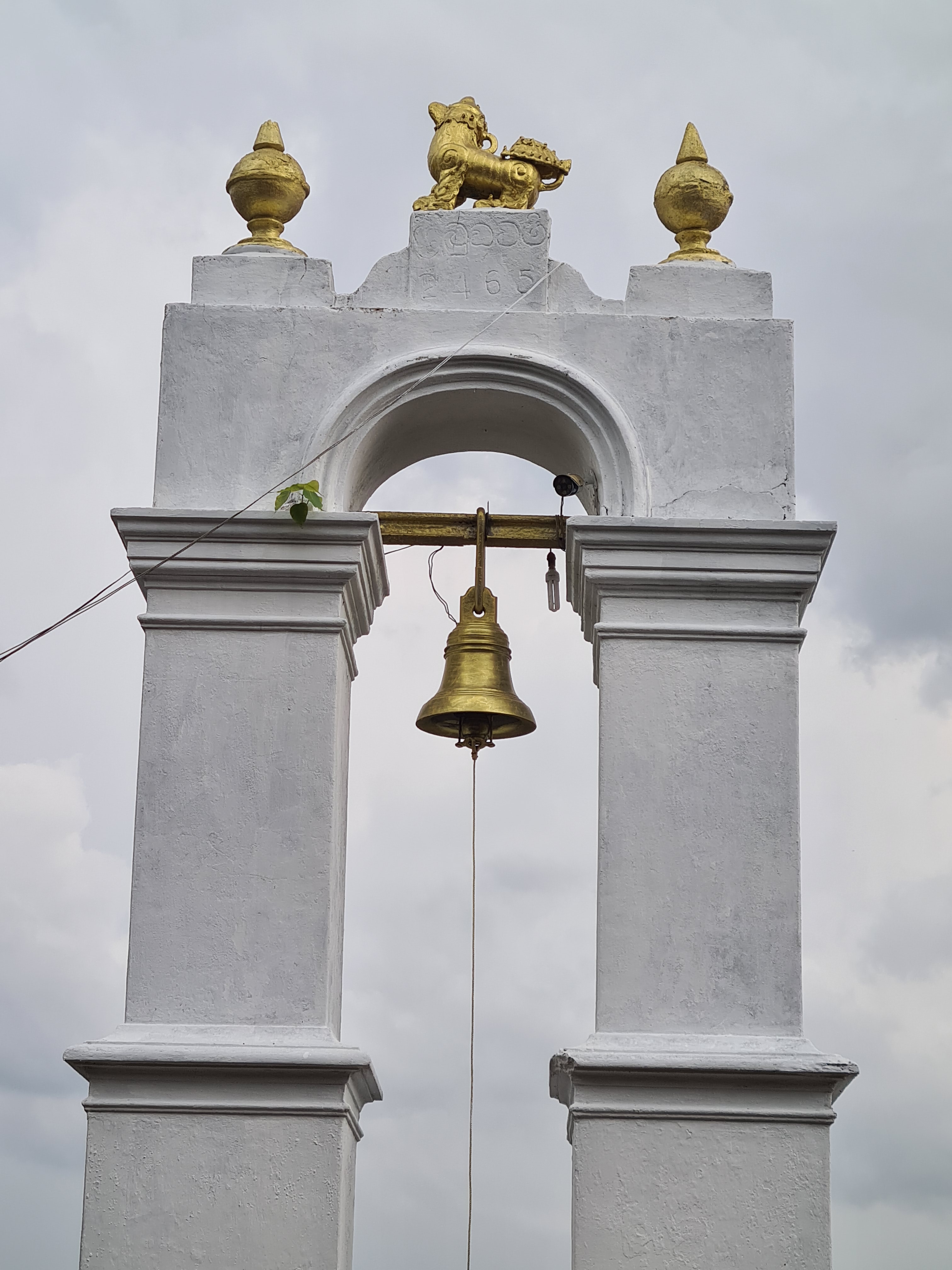
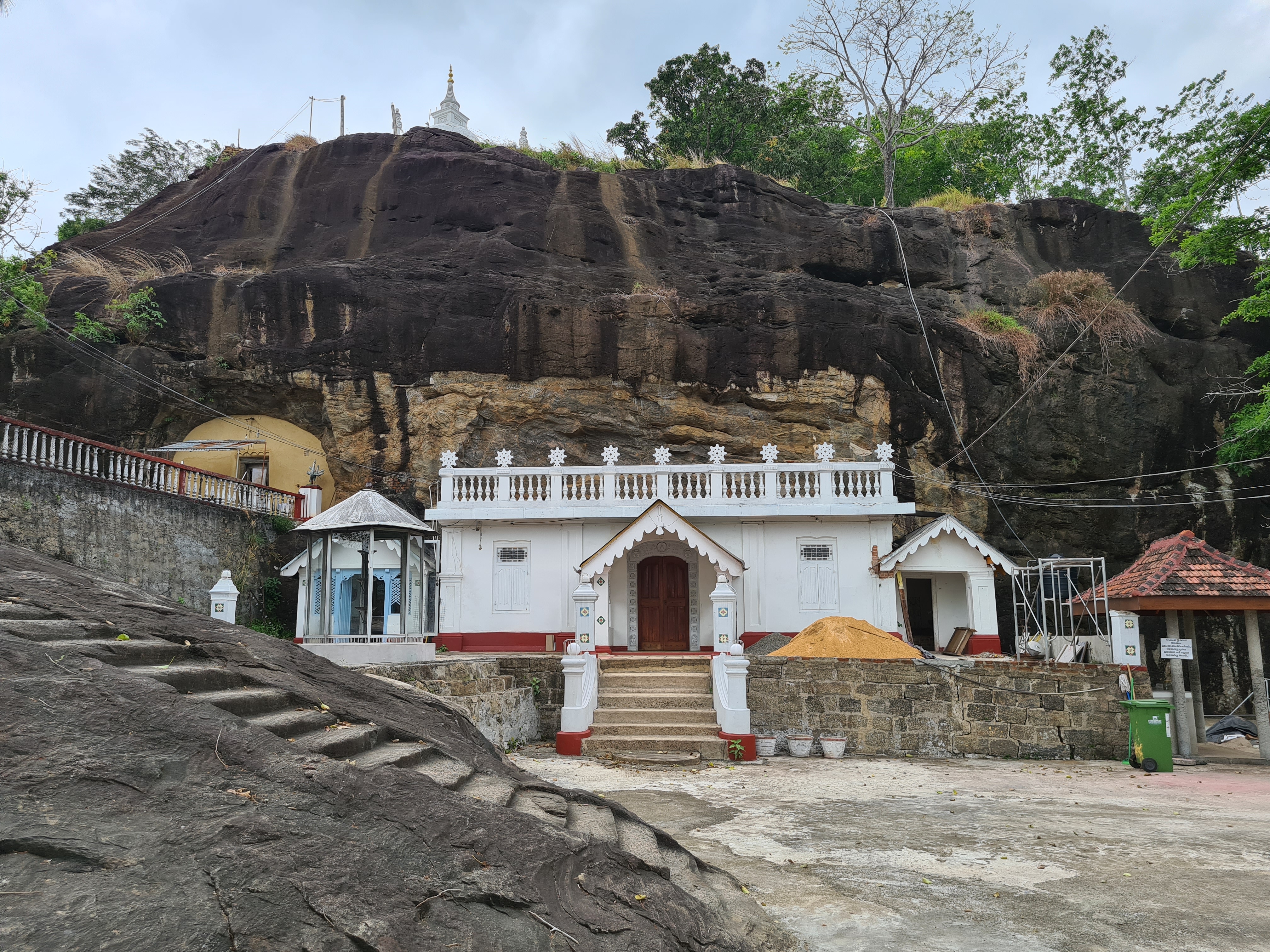
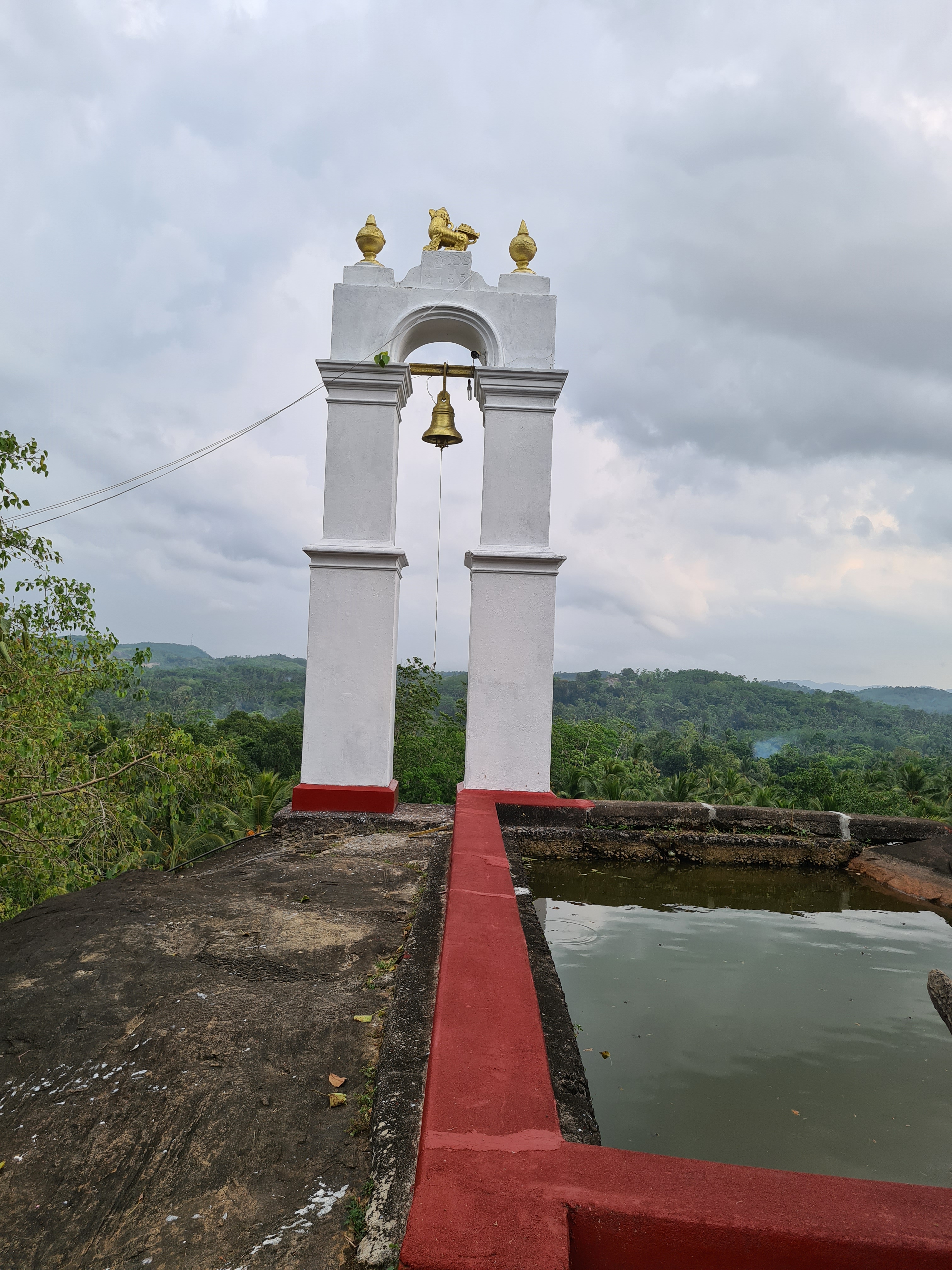
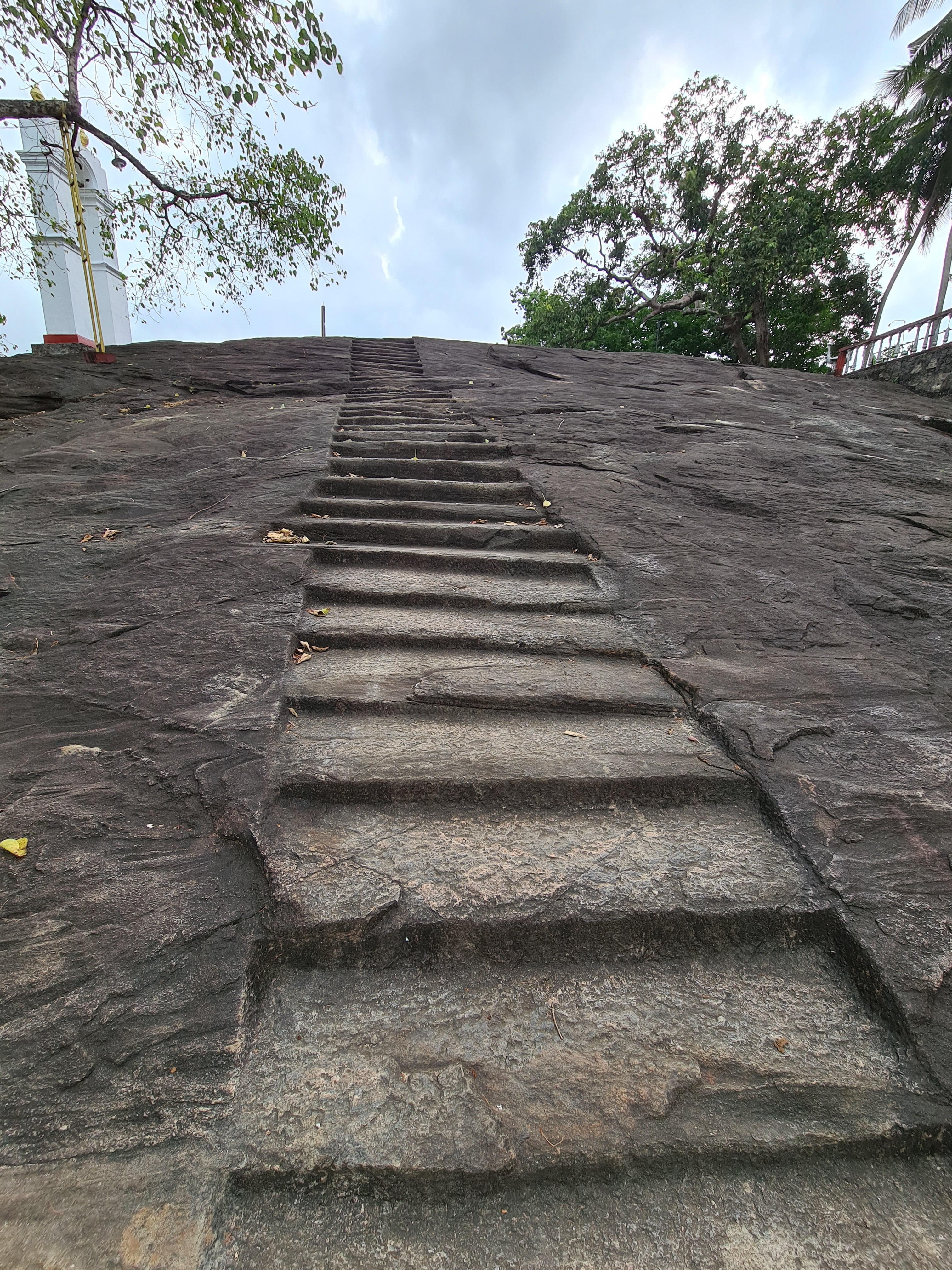
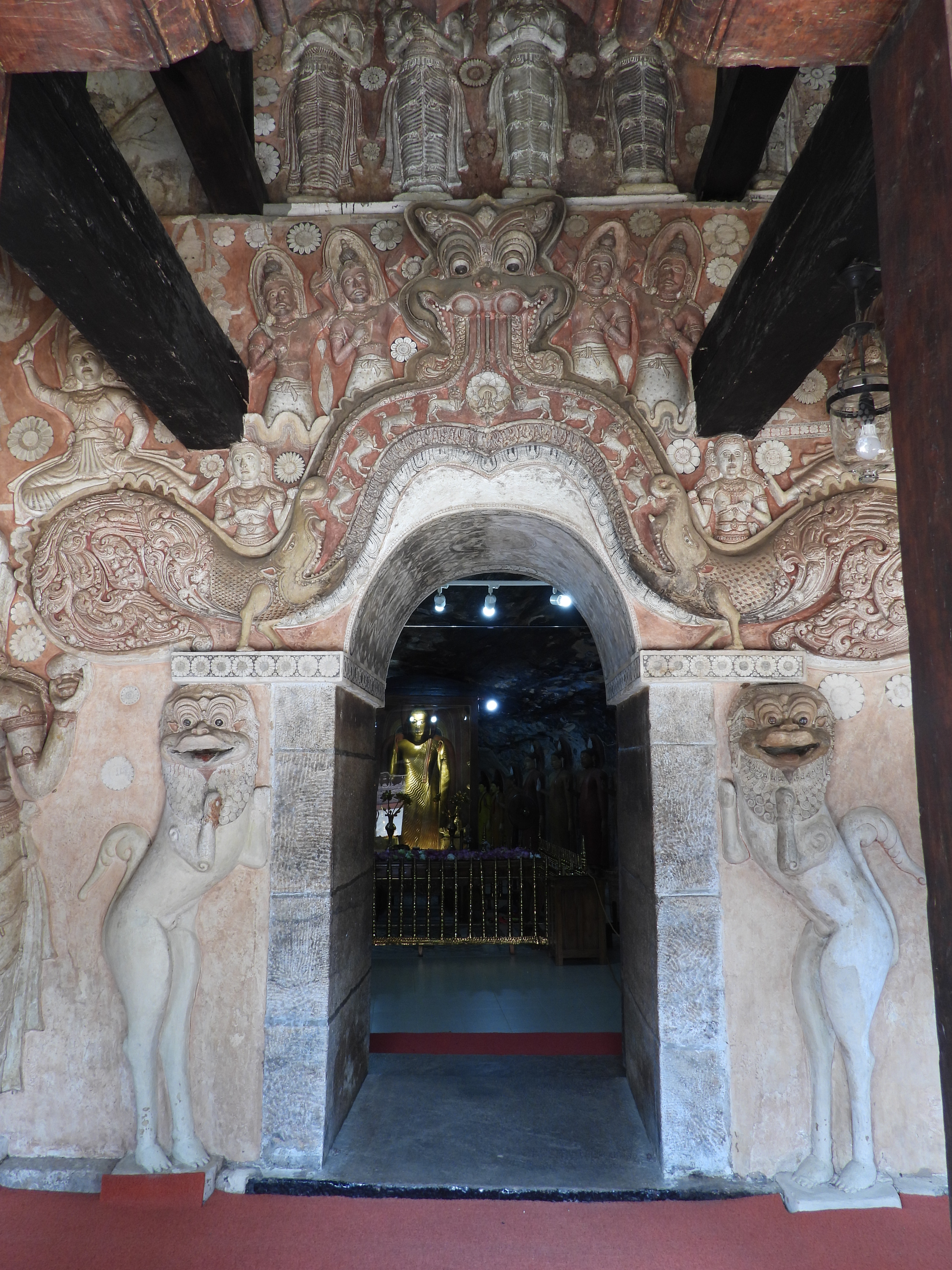
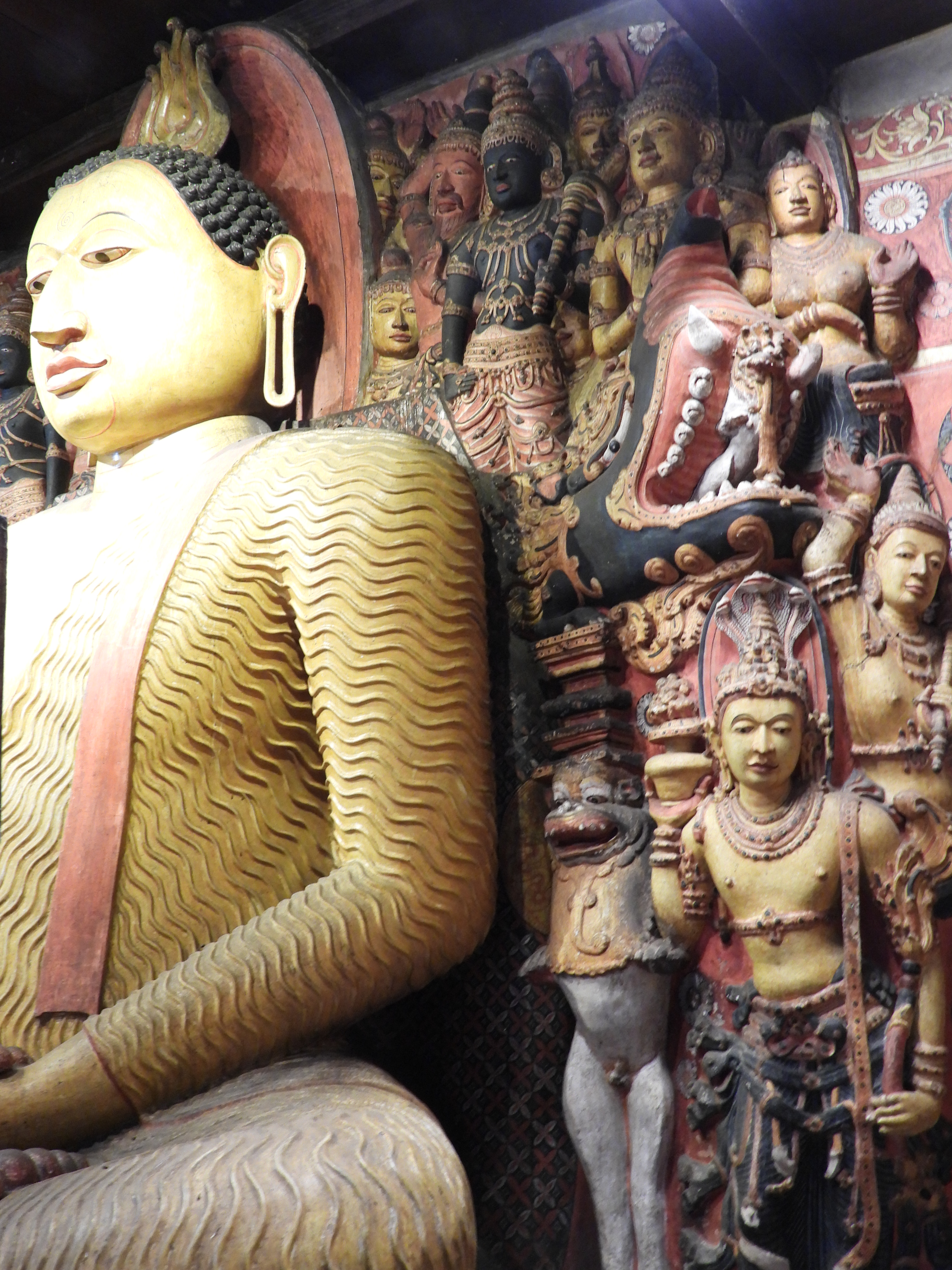
This ancient temple situated in the deep south in the interior from Tangalle is thought to have been constructed by King Saddhatissa in the 3rd Century BC and renovated and added onto by subsequent kings. It is also thought that it was built by King Kavantissa, who was King Dutugemunu and King Saddatissa;s father. It is thought he had a Buddha stature erected in one of the caves and caused a lamp with mustard oil to be lit. Situated on a rock similar to Sigiriya was at time confused by Europeans as Siri Pada. Built on a 205 M high natural rock , it consists of 3 levels, the lower temple, the bomaluwa at the second level and the upper viharaya. The Bo tree is reputed to be a sapling from the Sri Maha Bodhi tree in Anuradhapura. This site sports ancient rock steps which are both vertical and horizontal. The cave inscriptions date back to 1st and 2nd Century early brahmin.

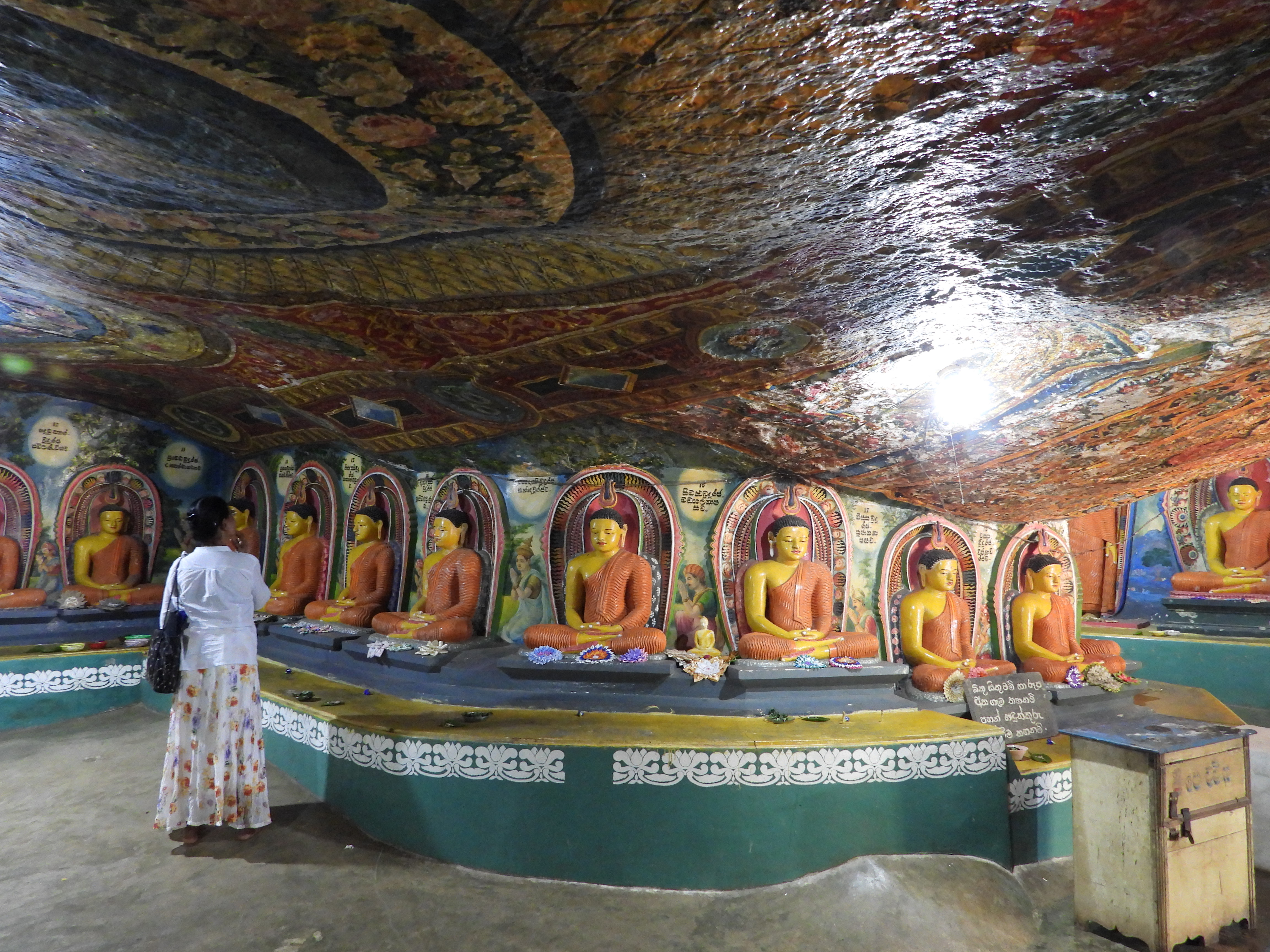
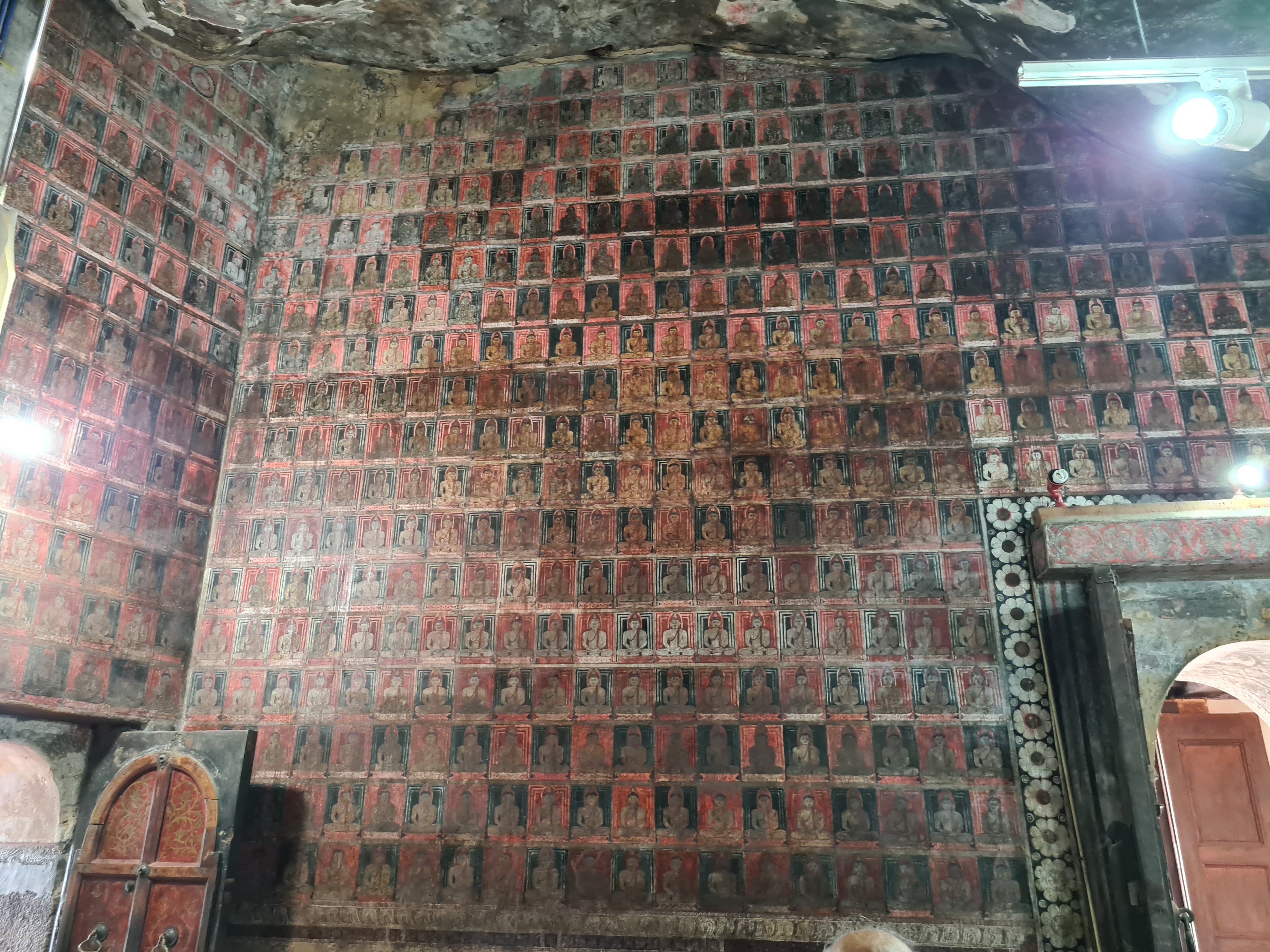
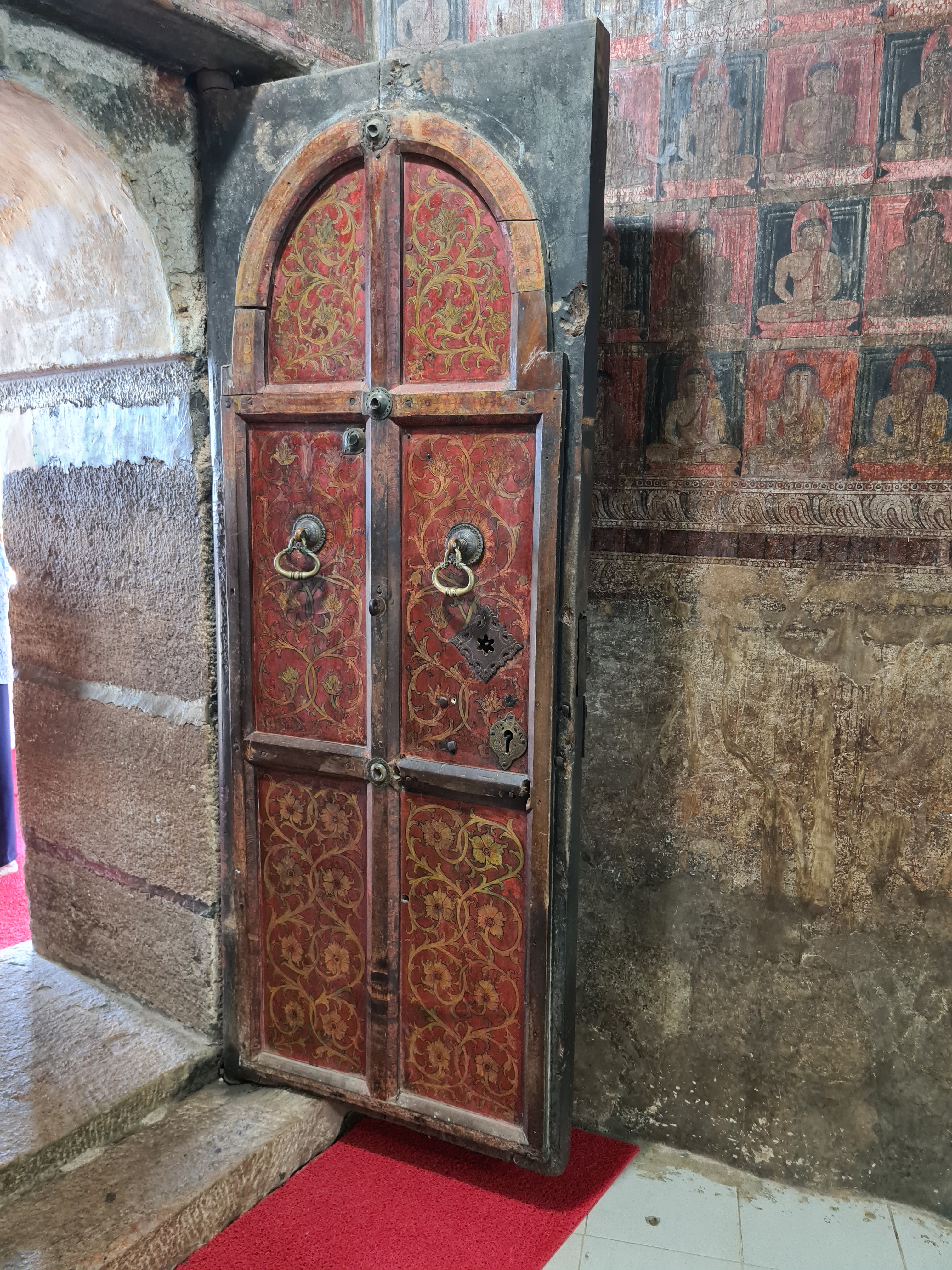
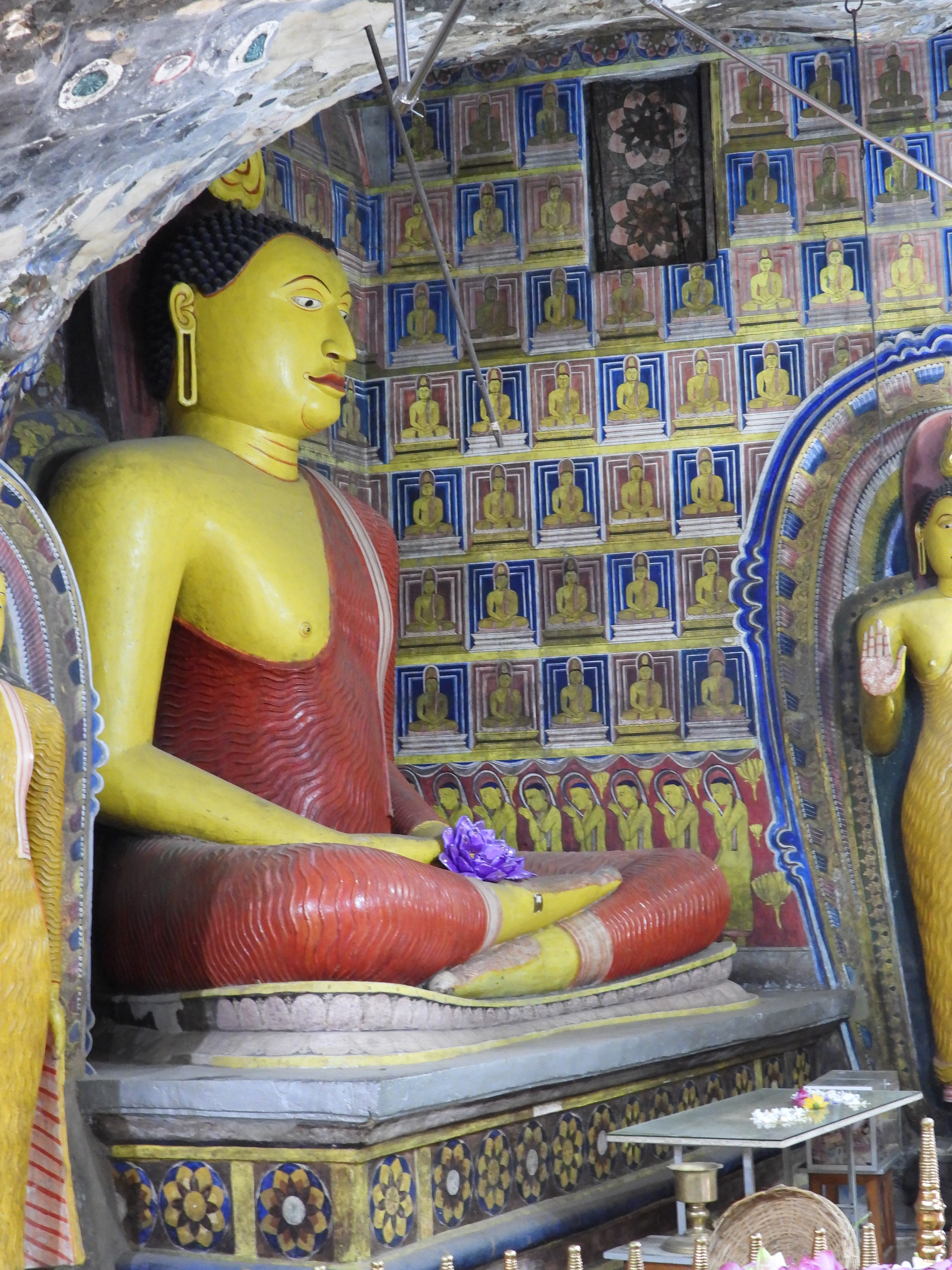
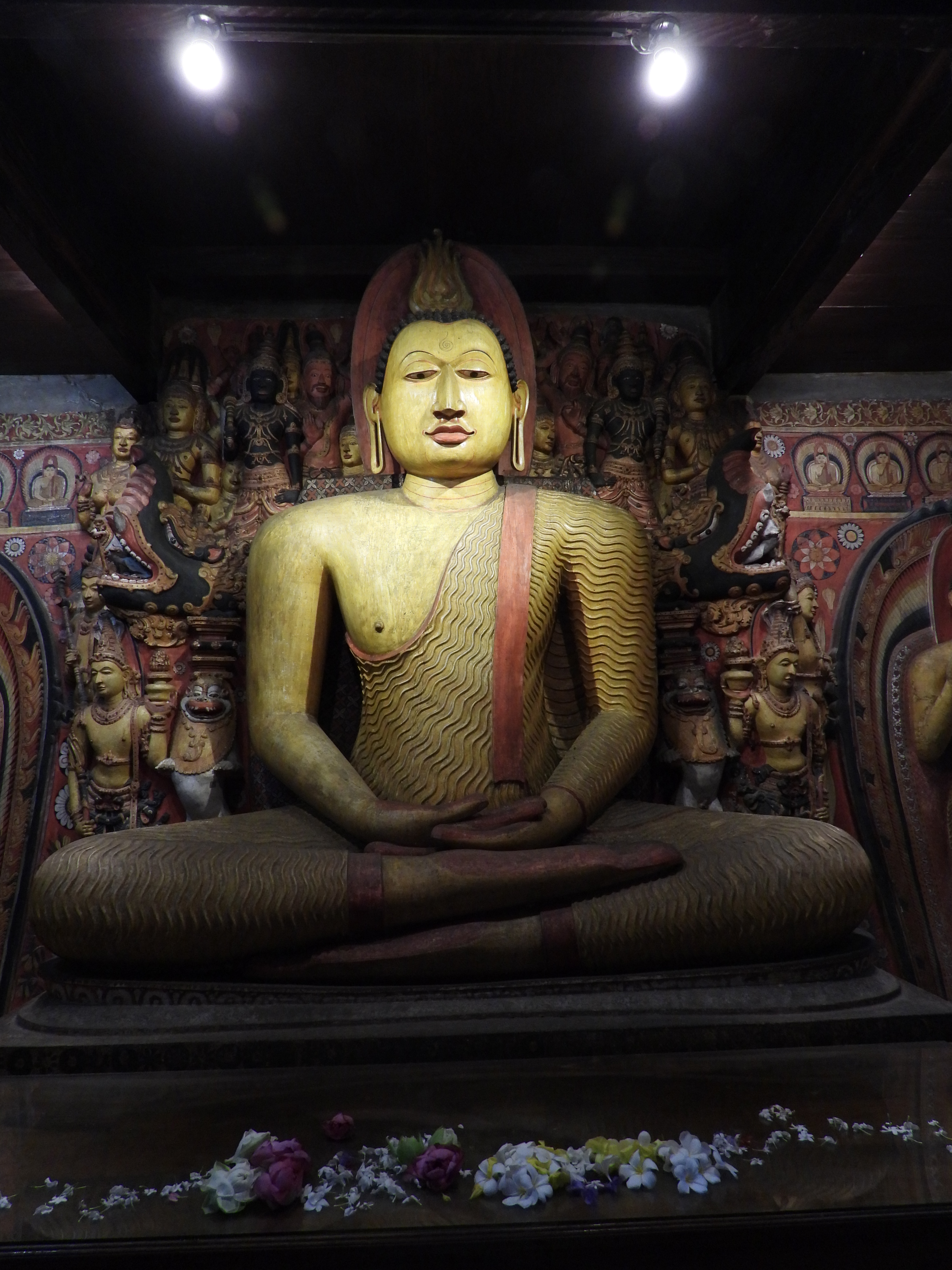
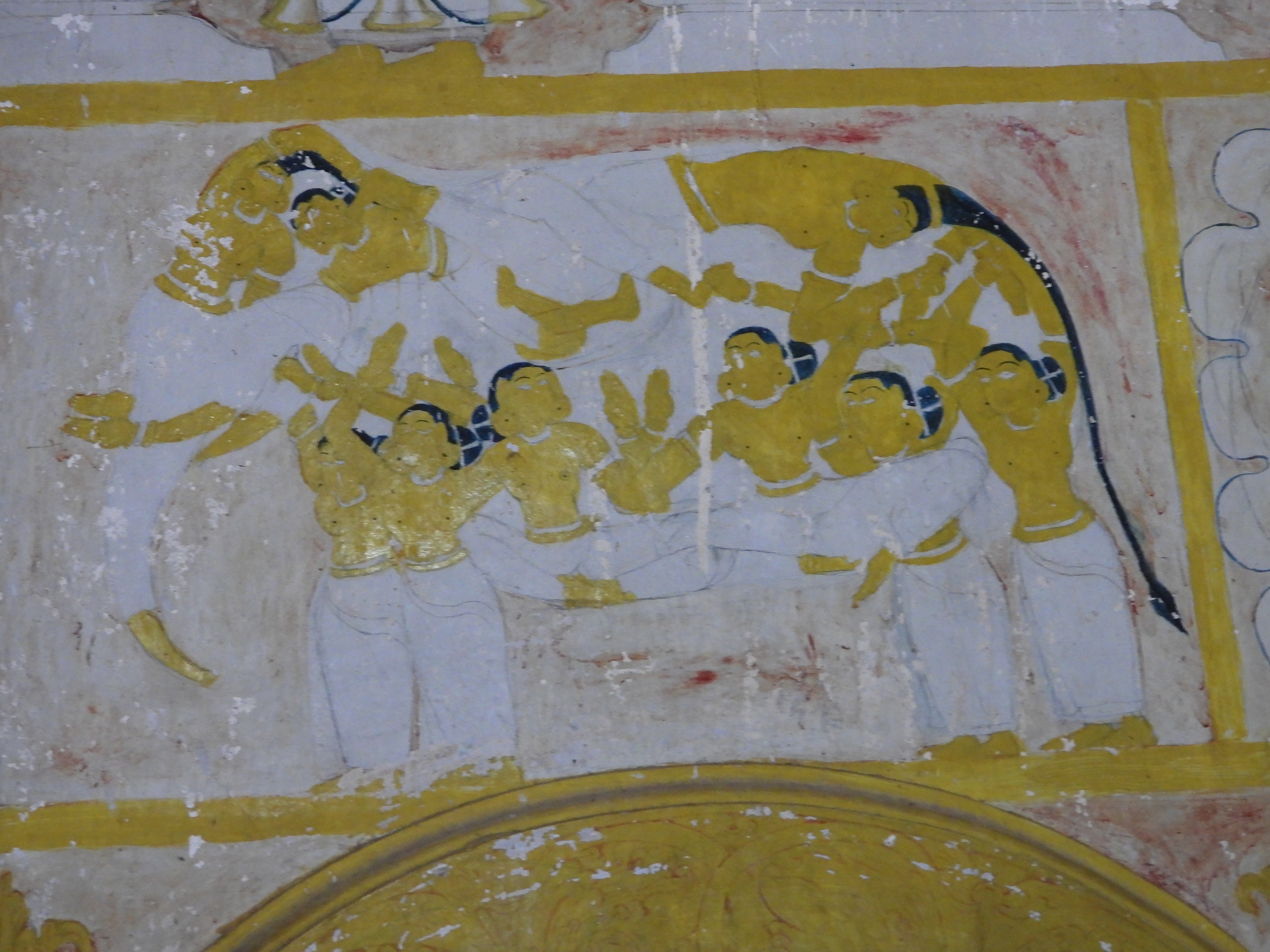
The Caves are adorned with paintings in the Kandyan tradition and reminiscent of the Dambulla rock temple .

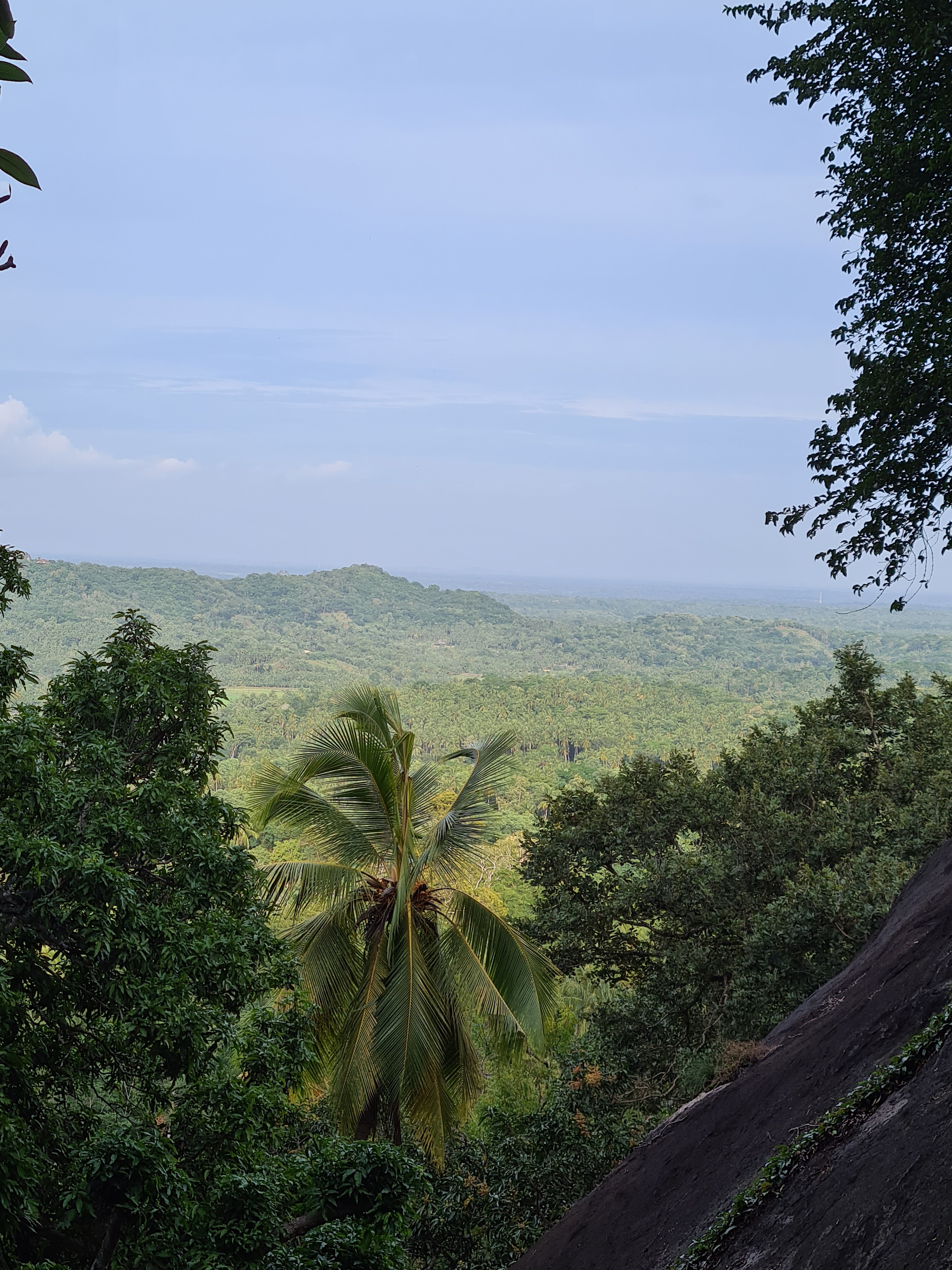
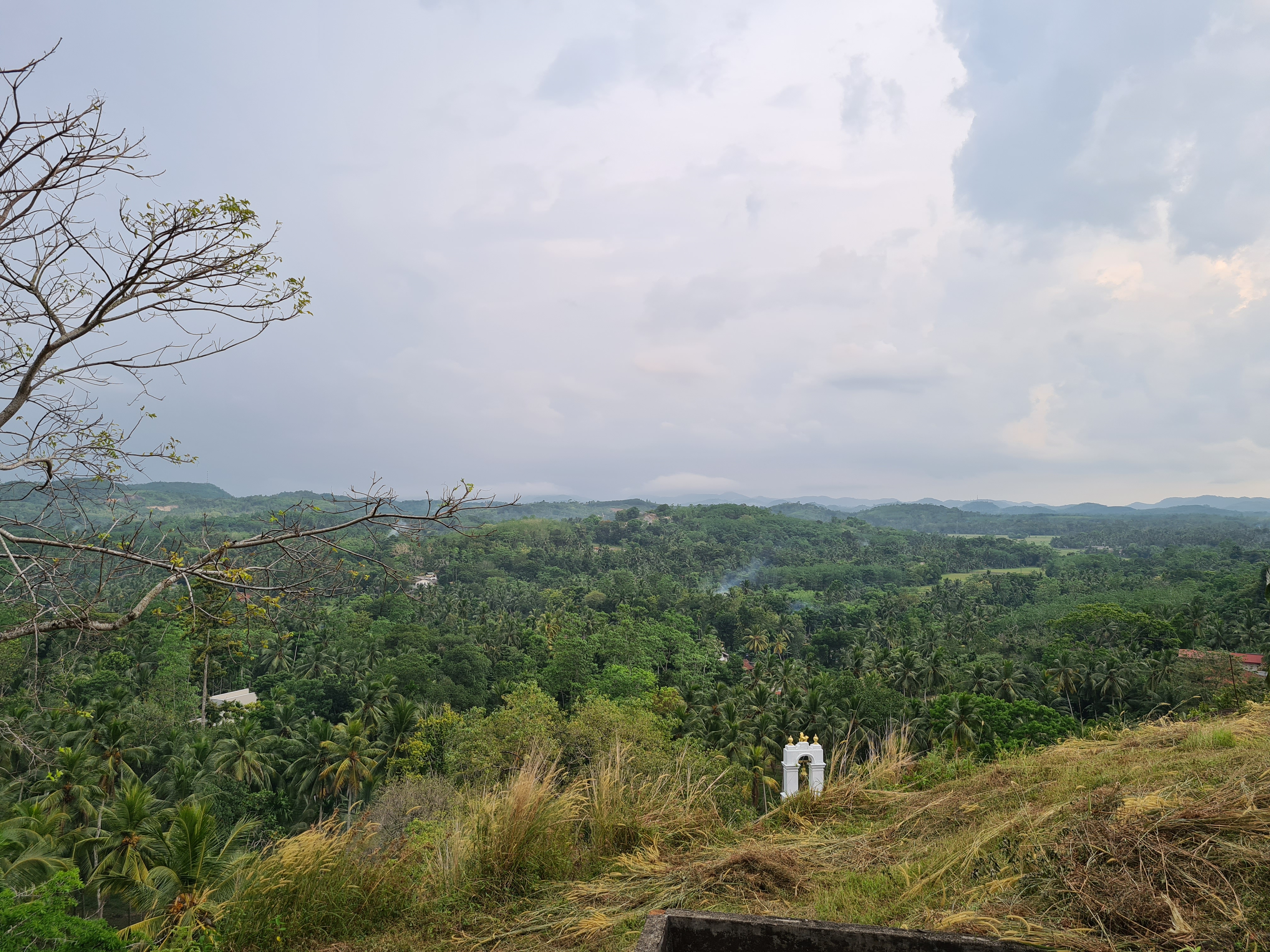
The climb to the top is not very challenging. The first flight of steps takes one to the Bo maluwa and chaitya. Another flight of steps takes one to the 4 caves. Another tricky set of stairs take one to the top with the chaitya. A new look out platform has been constructed which gives a wide view of the surrounding area.
The roads to the side is well carpeted with ample parking at the site and the usual vendors ready to sell refreshing herbal drinks

Alawala Prehistoric Cave and Dunumala Waterfall

Alawala Prehistoric Cave and Dunumala Waterfall

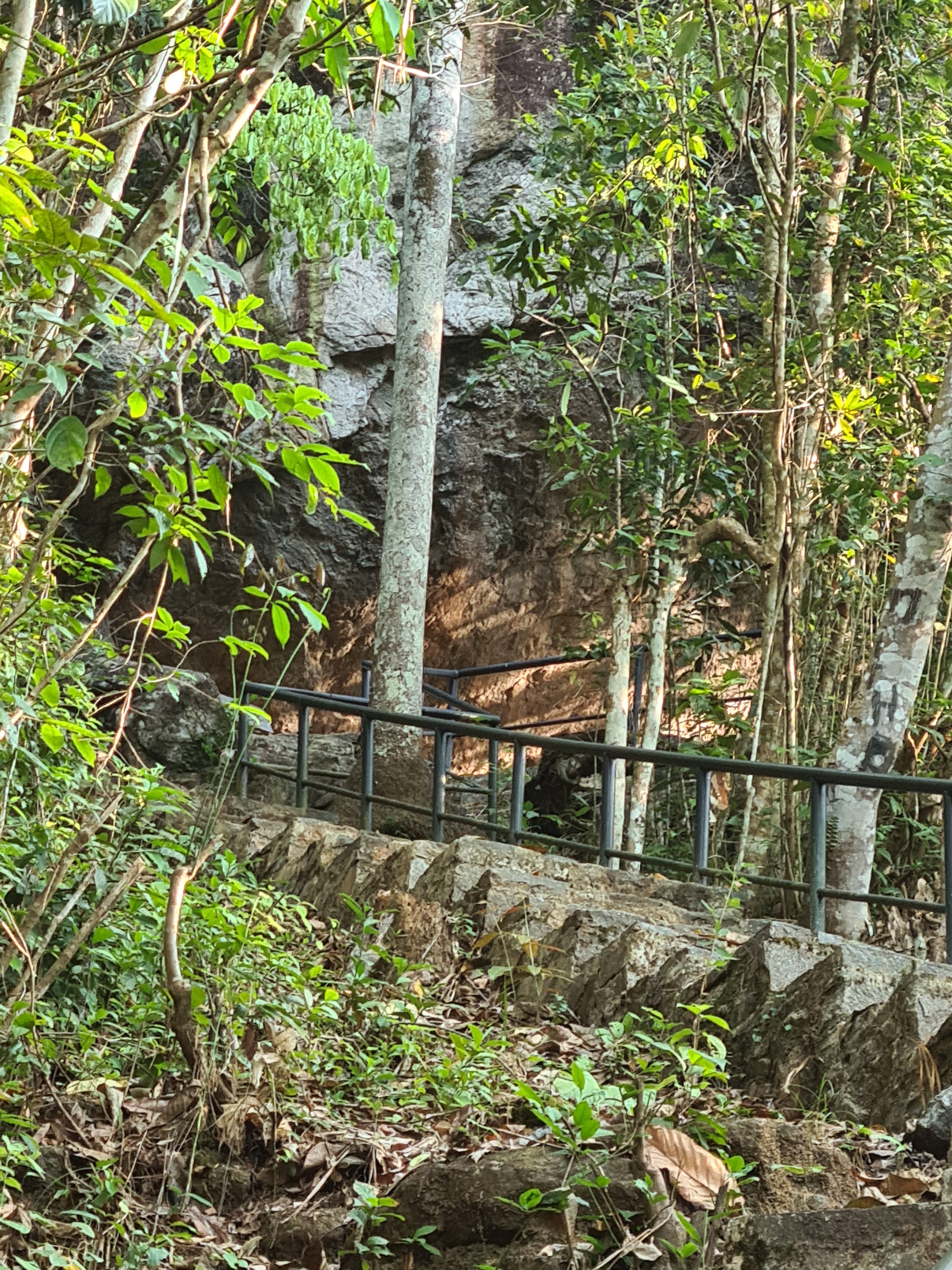
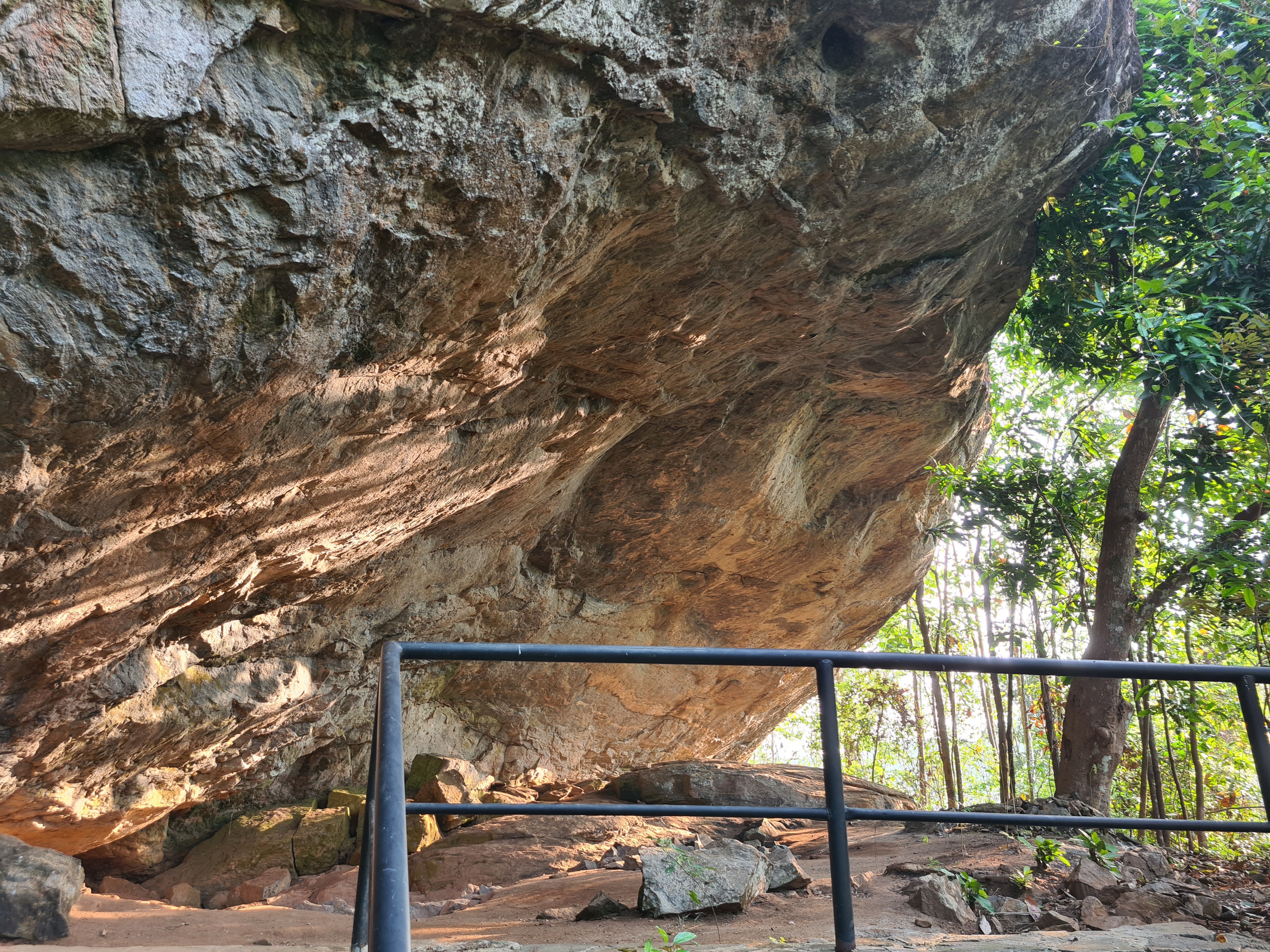
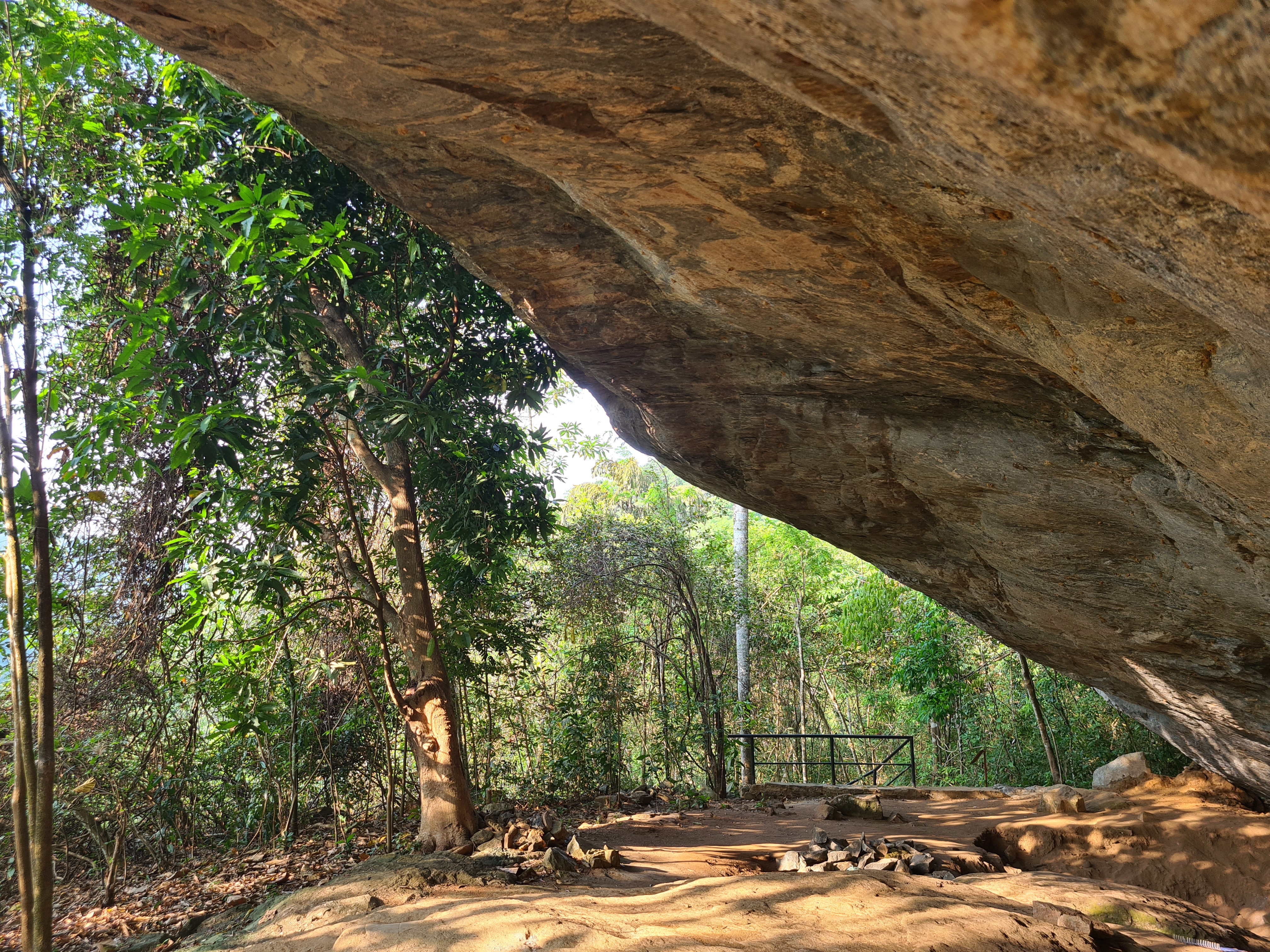
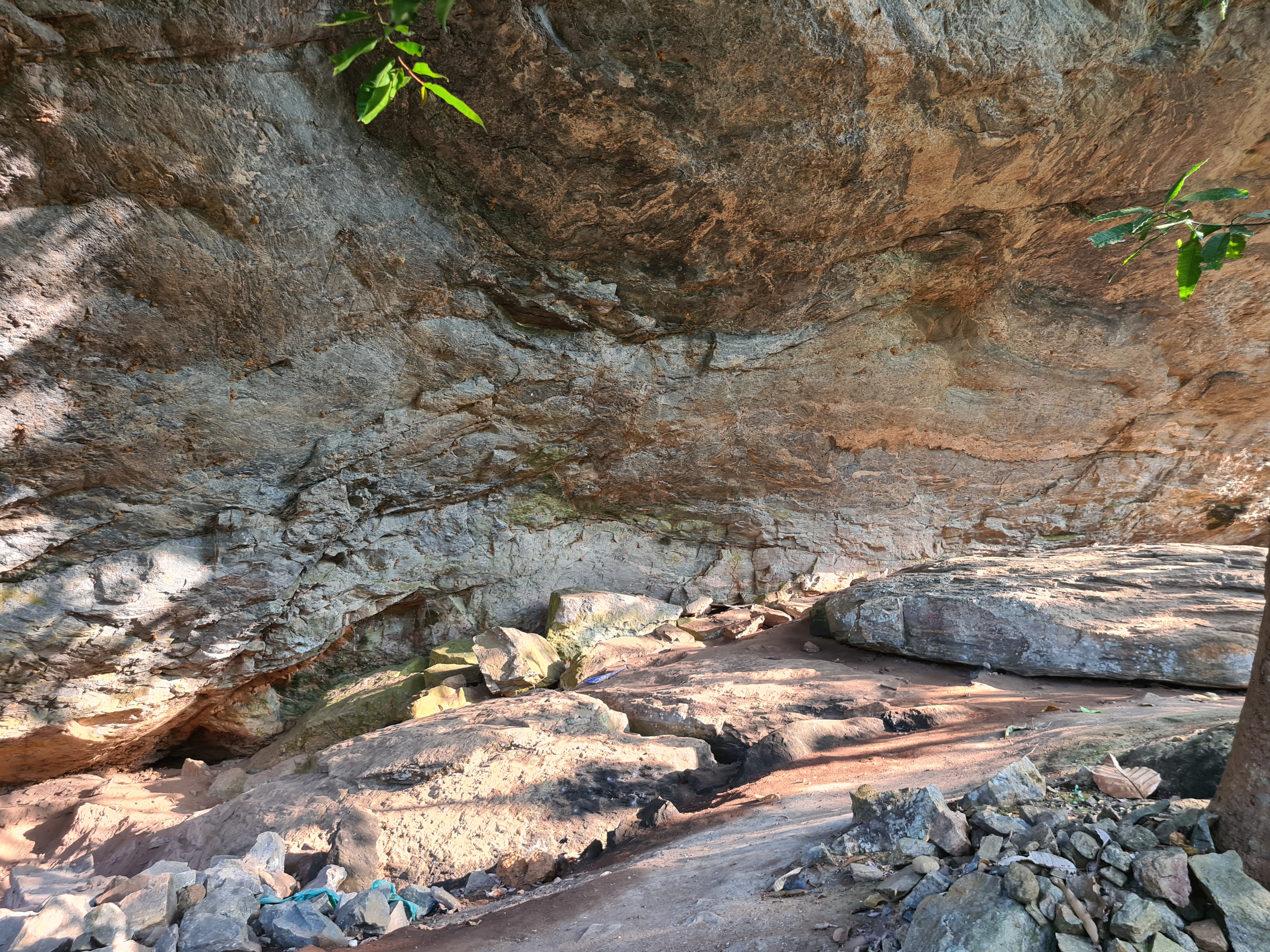
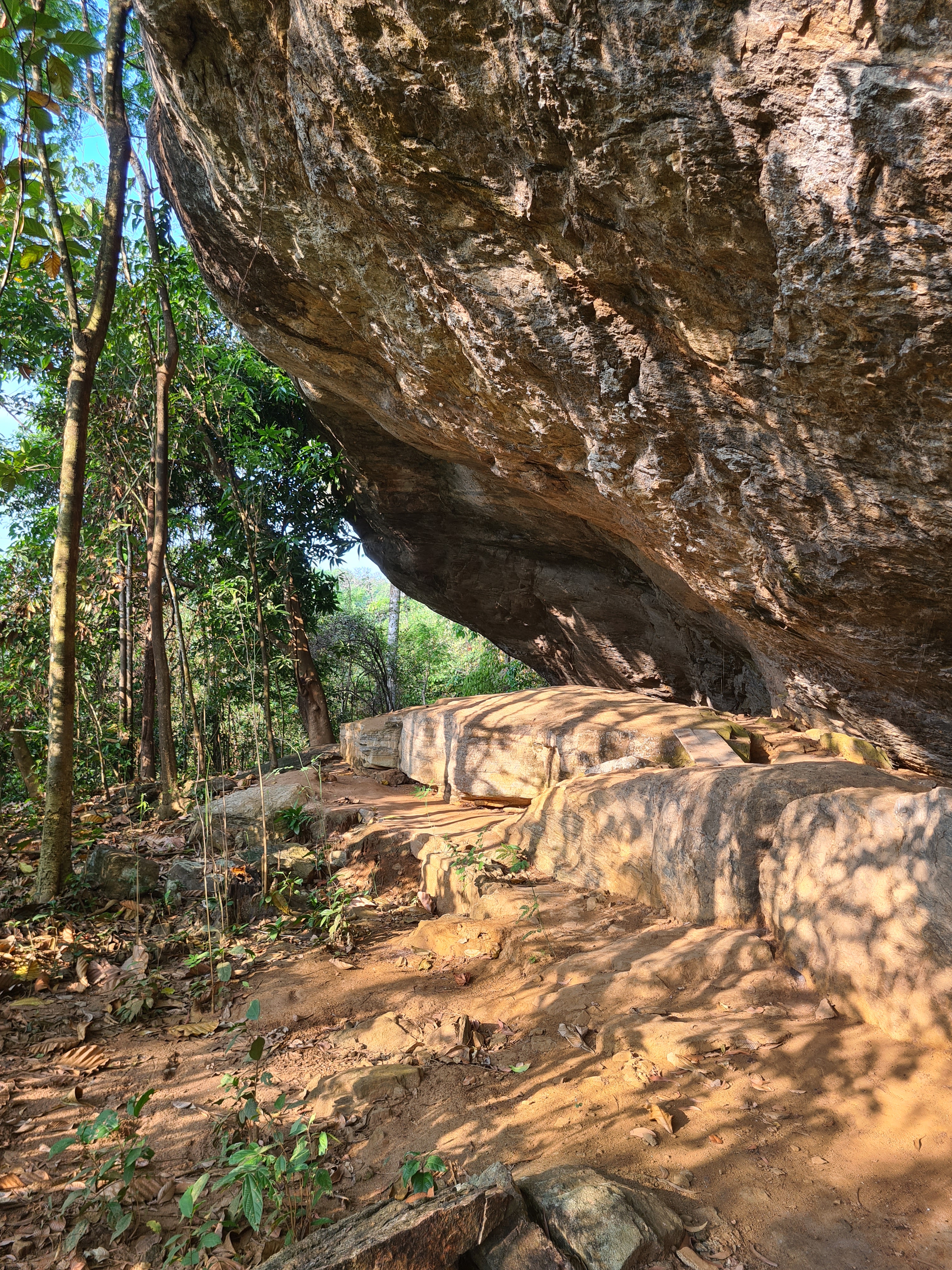
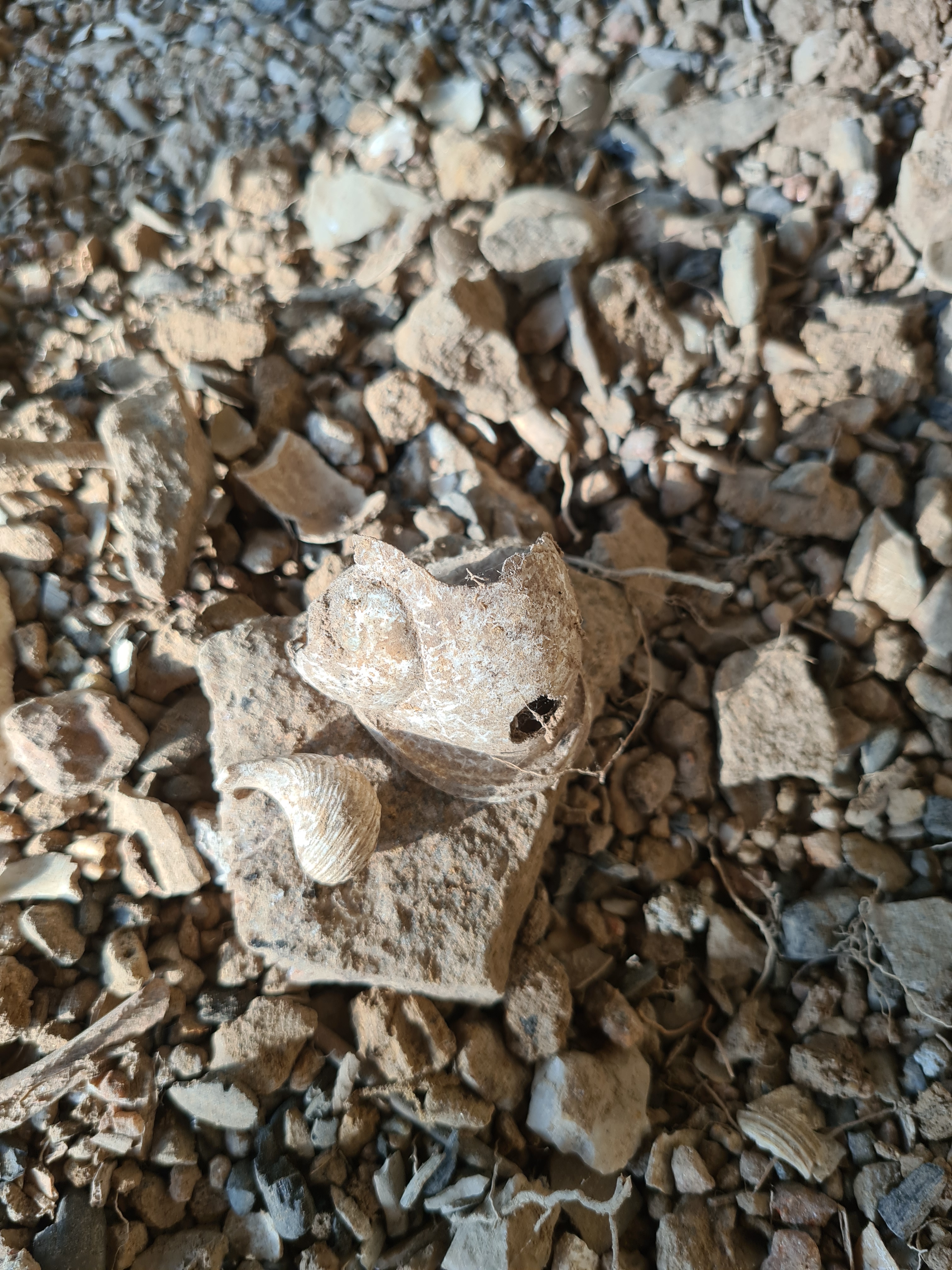
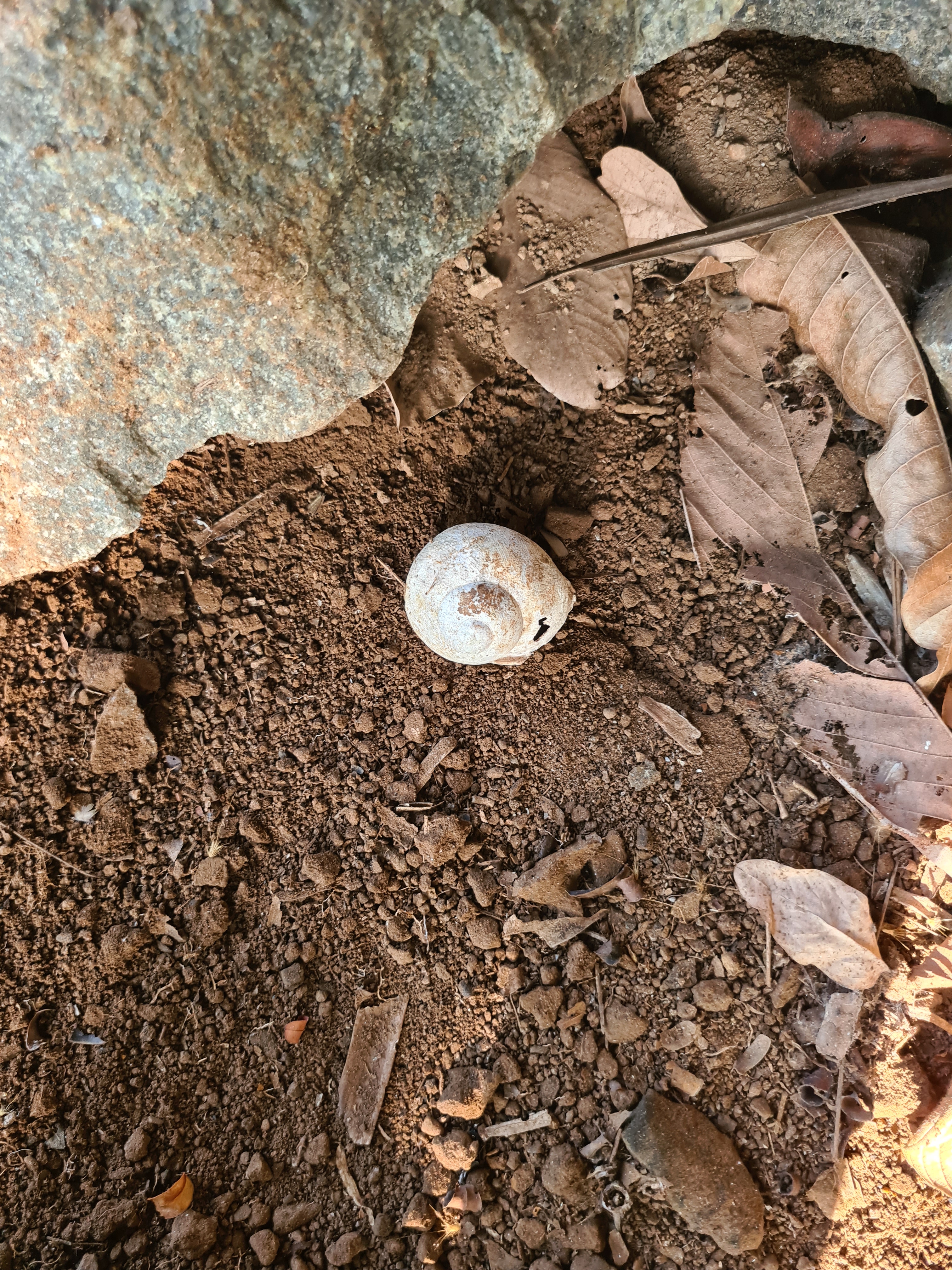
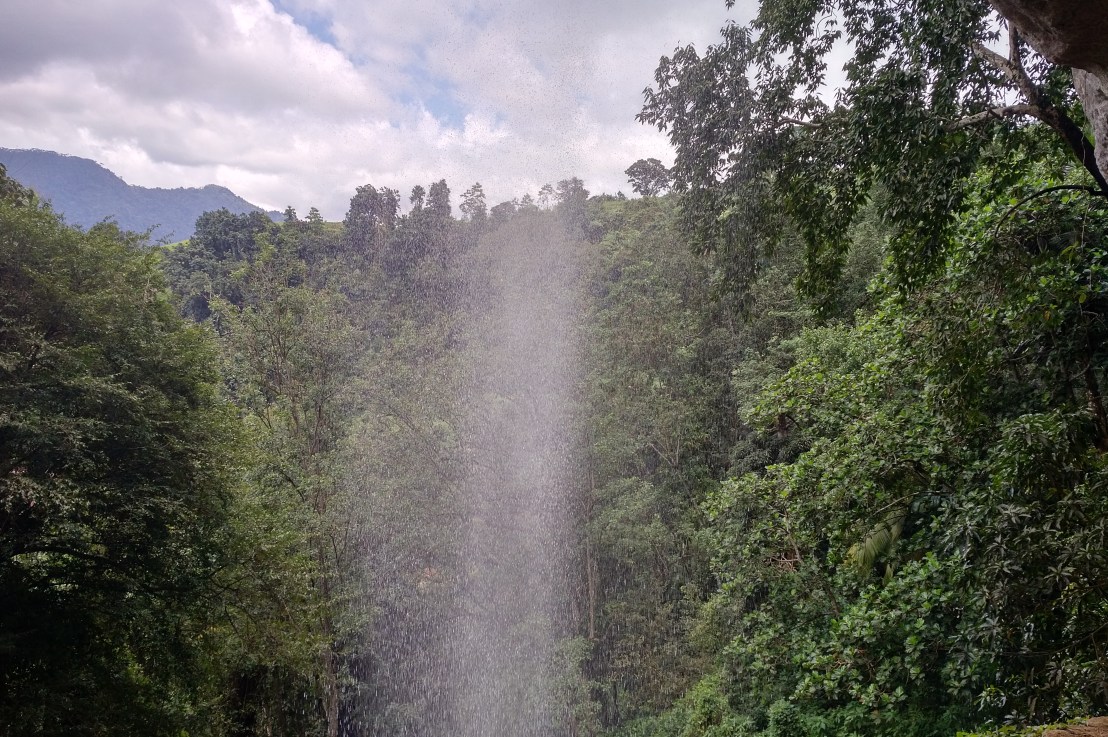
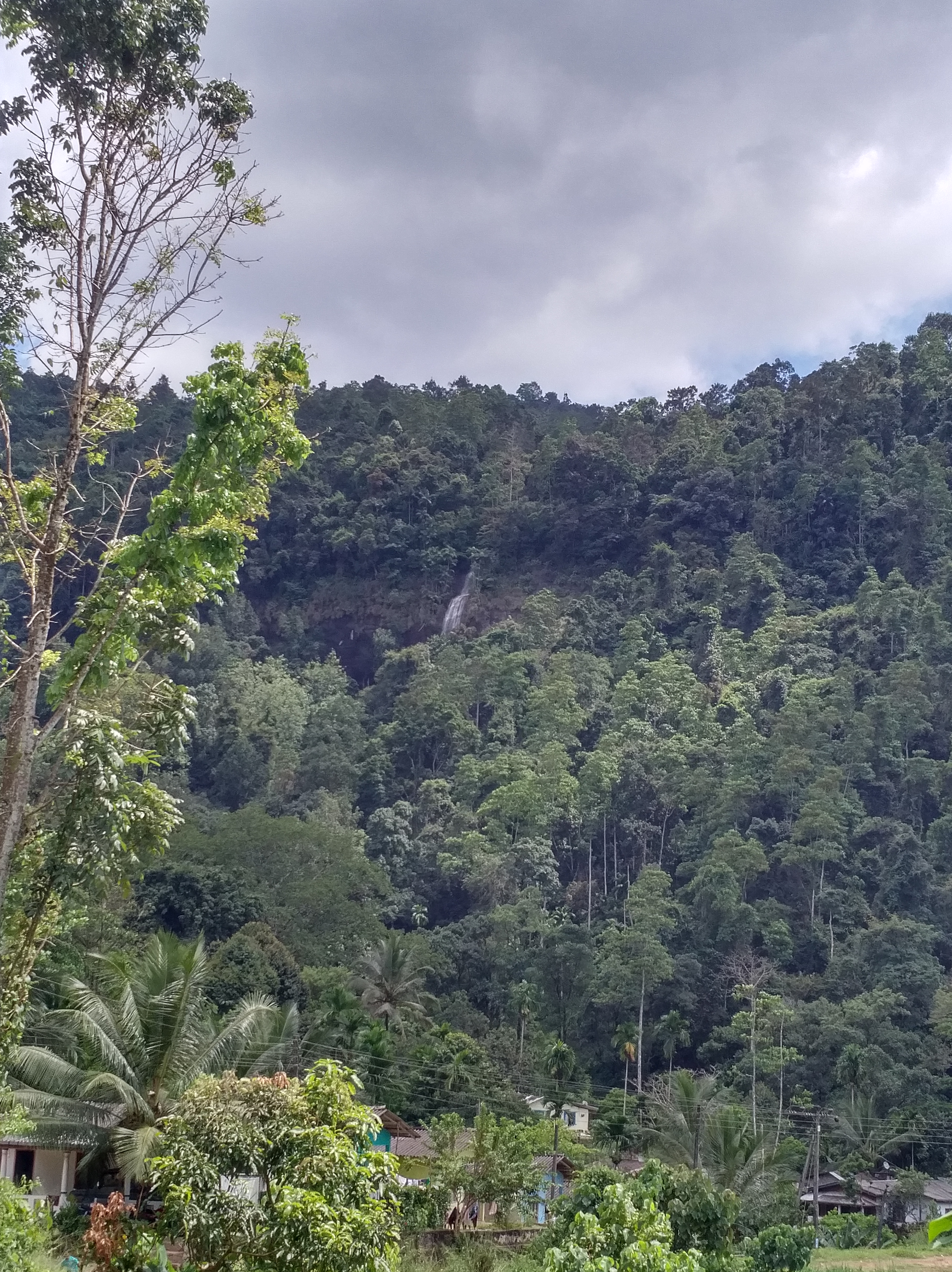
Alawala caves is a prehistoric cave near Atthanagalla in the Gampaha district. Recent archaeological findings of human remains indicates this cave has been inhabited as far back as 13,000 years ago. The place is littered with bones of small animals and sea shells. The finding of ornaments made of shark bones indicates interaction of inhabitants of this cave with others living near the cost pointing possible trade links.
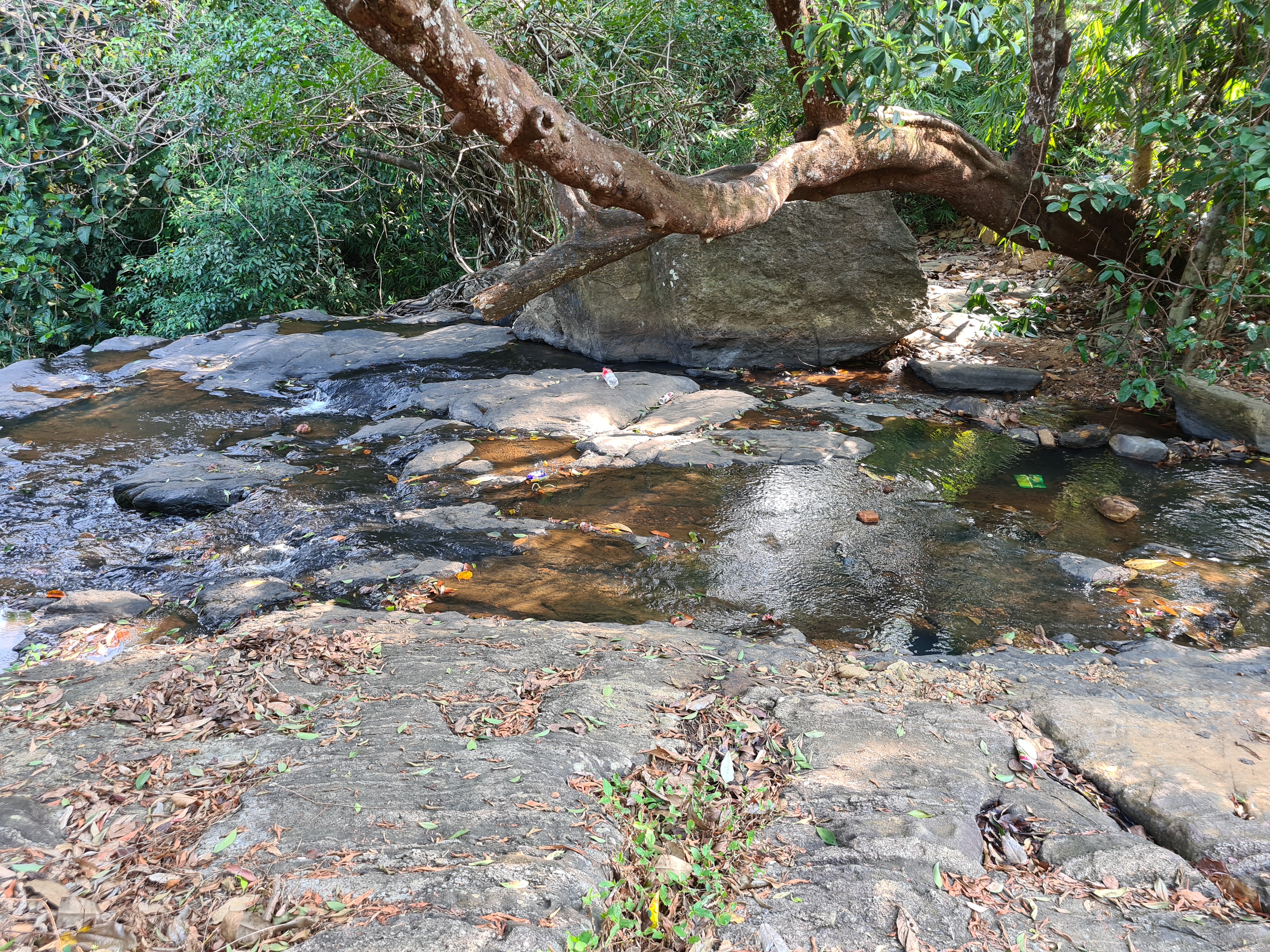
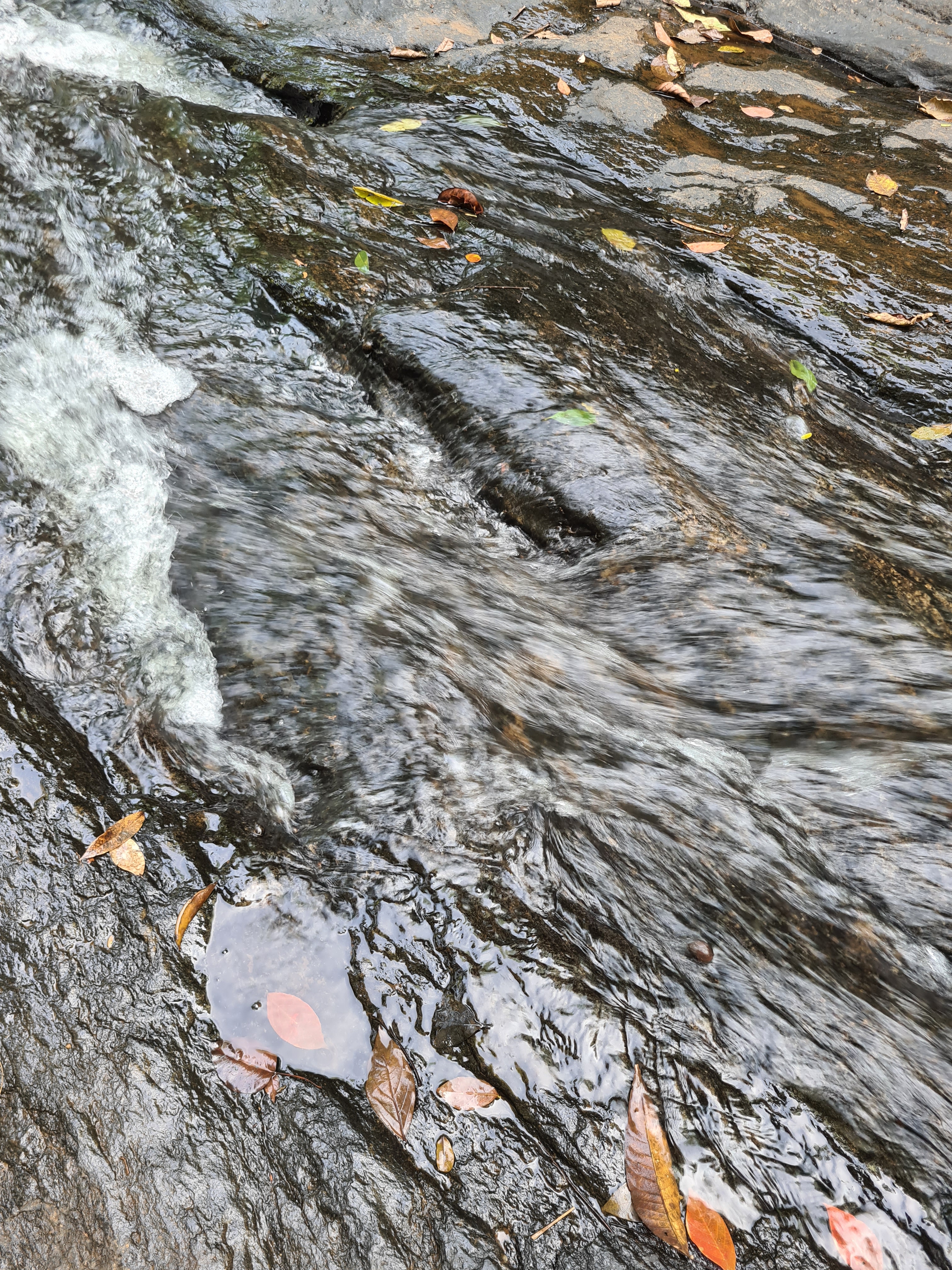
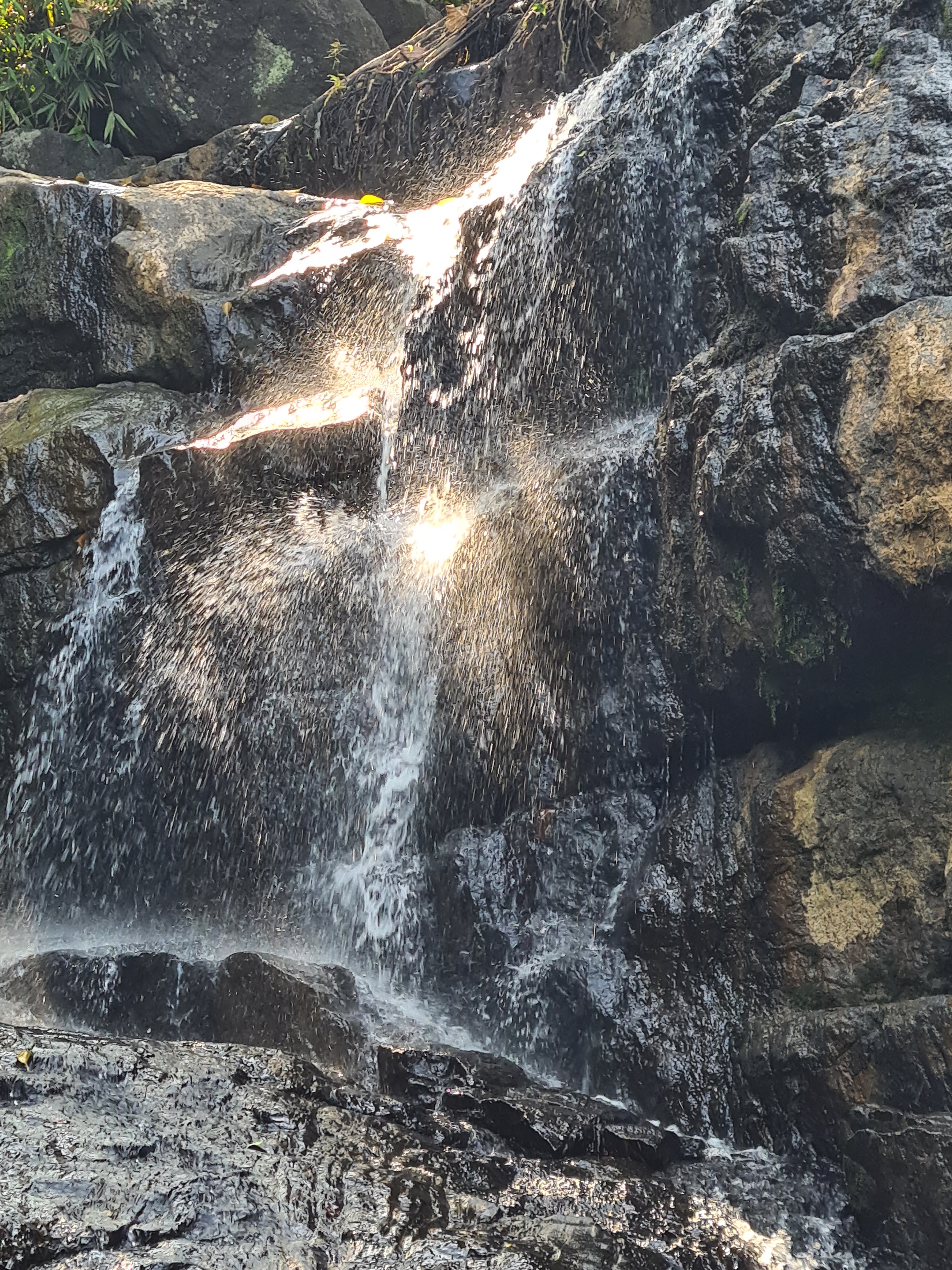
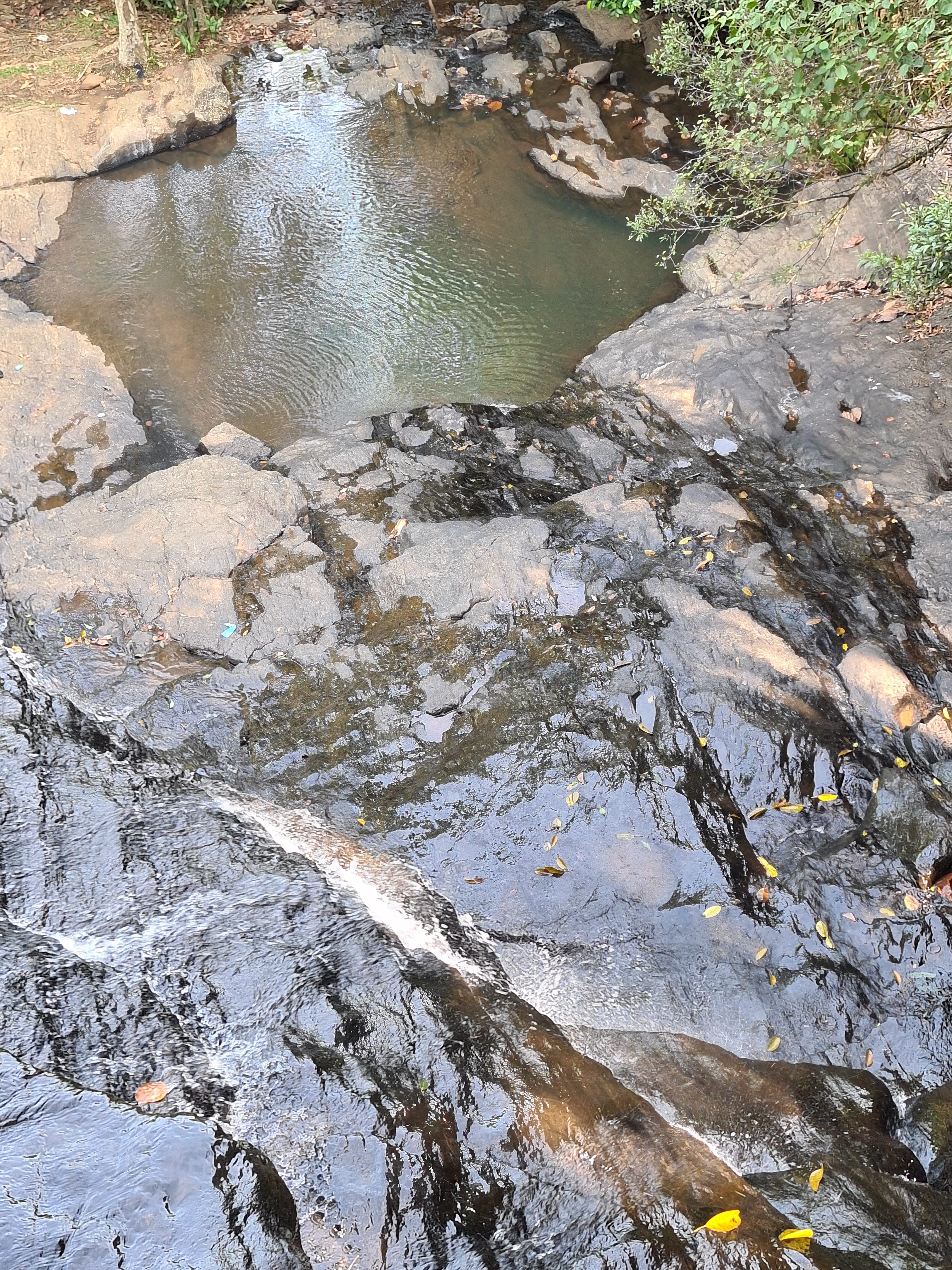
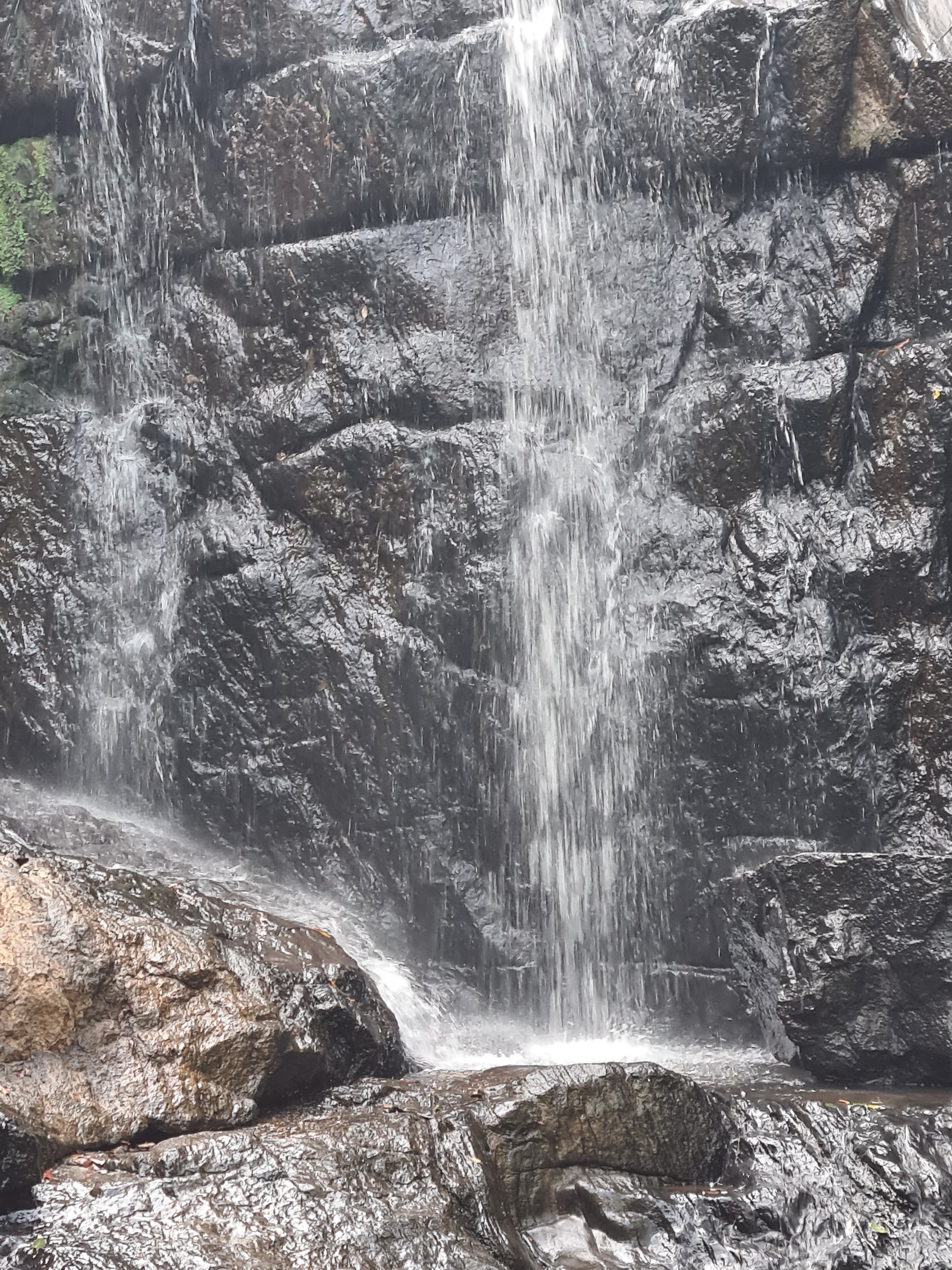
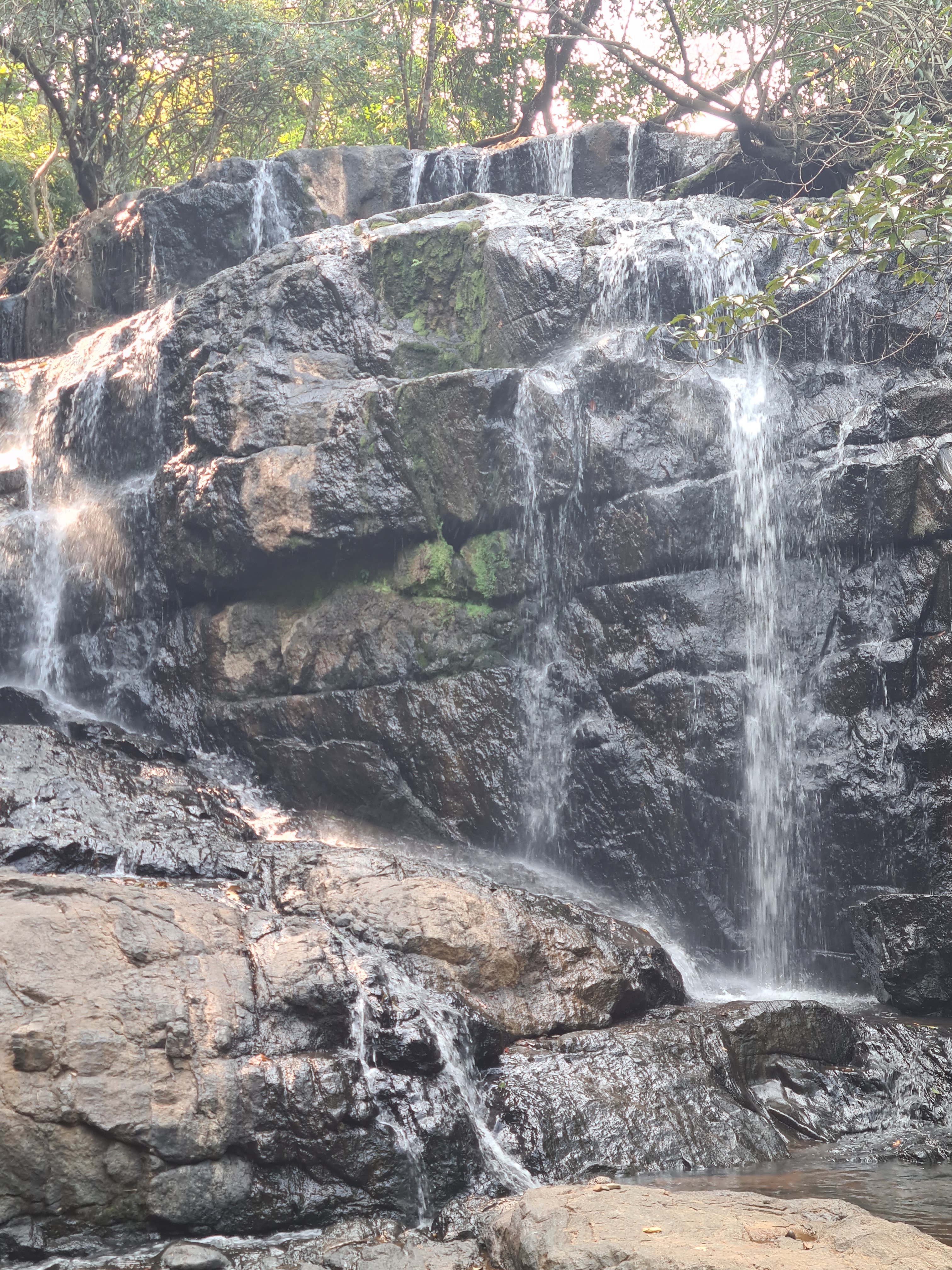
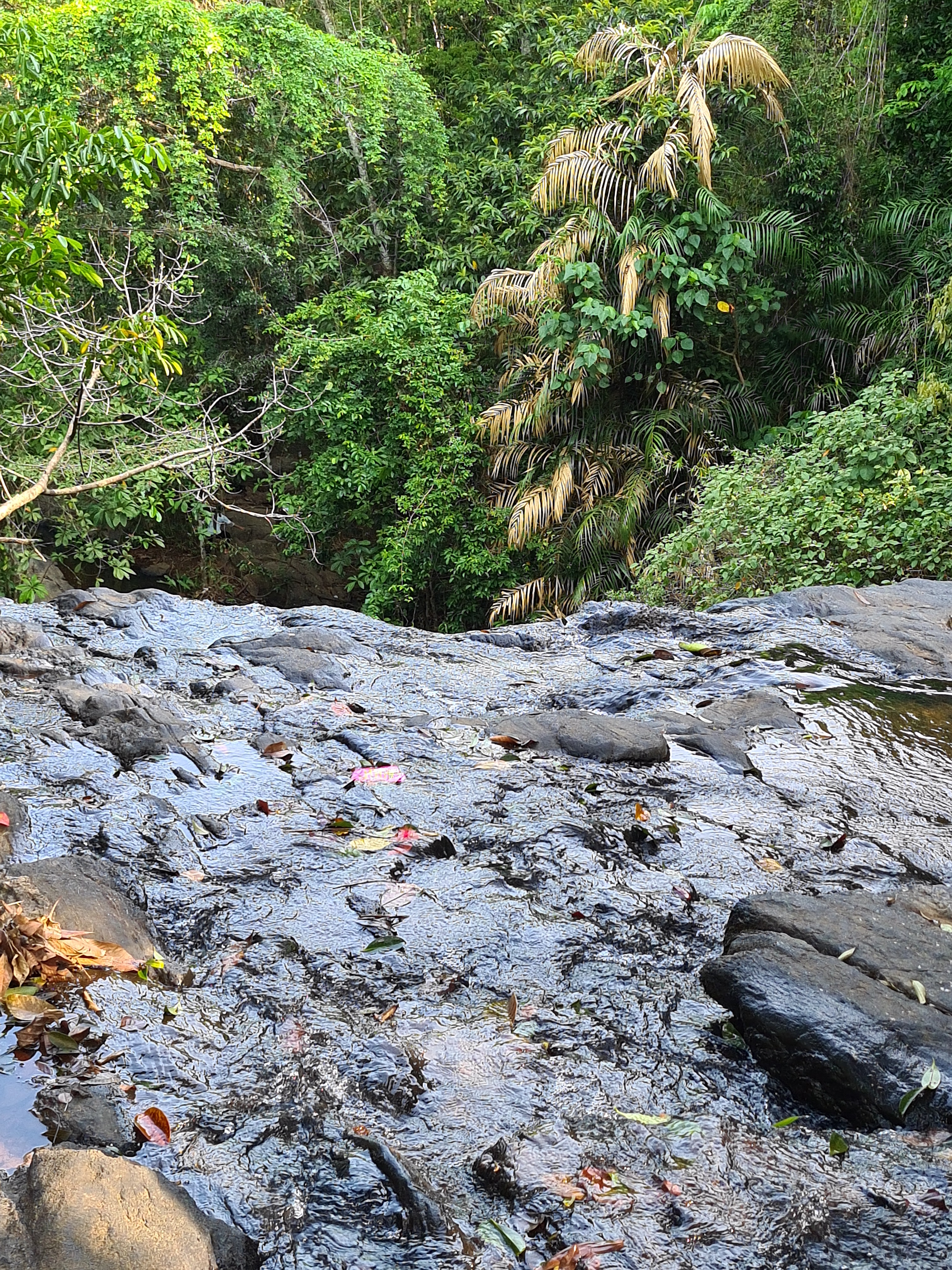
Just one and half hours from Colombo, its a nice easy access place to visit a prehistoric cave. One can also visit 2 waterfalls in the area, the Dunu Mala Ella and the Algama Ella. Dulu Mala Ella is sign posted, by the keeper of a private parking spot. Best to park the vehicle there, the approach is just 10 meters from there and its an easy climb down and up to get to the waterfall, there is a path way to get to the top of the water fall. Not to be missed. Another road is from the opposite side of the parking place, which takes you to the top of the water fall. Unfortunately the are has been spoilt by the selfish louts who consume alcohol there and litter the place with bottles, beer cans and plastic bottles, not to speak of the glass shards from broken bottles.
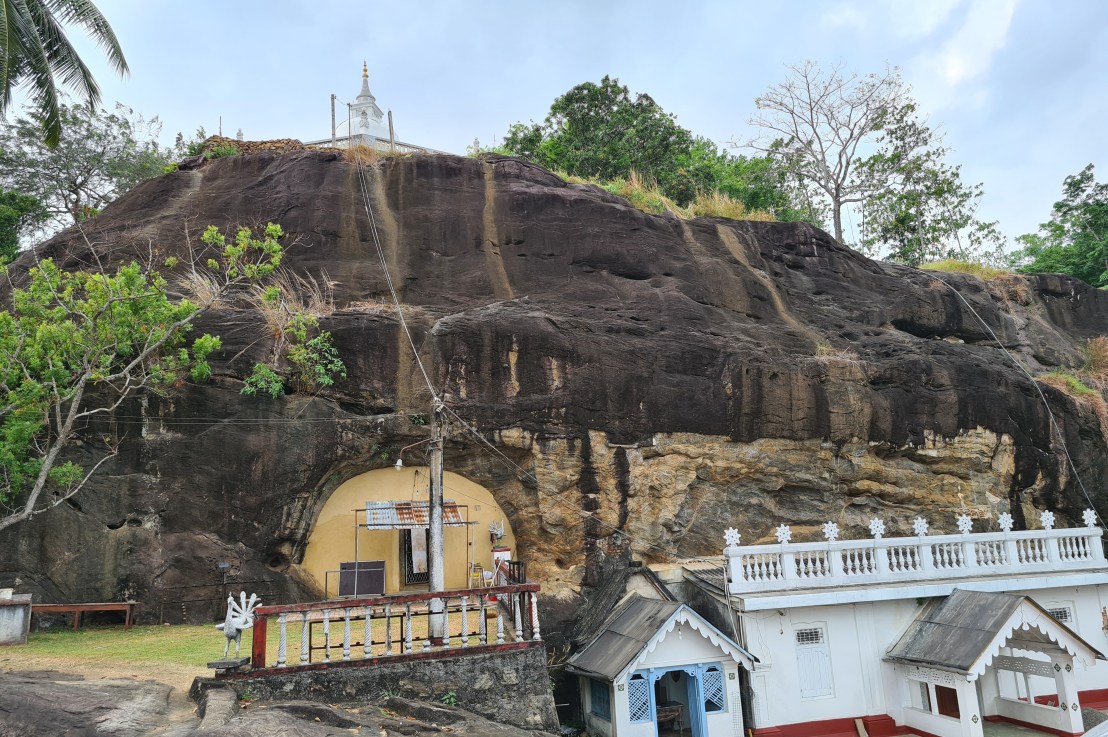
The place is on the mountain opposite the Alawala Pothgul Len Raja Maha Vehera, a quaint little cave temple. The road to the caves is the same as to the temple. The approach is motorable upto about 500m of the temple. The recently erected stairway leading to the caves is about 100ms past the sign post for the temple. There is no proper place to park, but one can leave the vehicle near the turn off to the temple. Its a easy climb upto the cave.

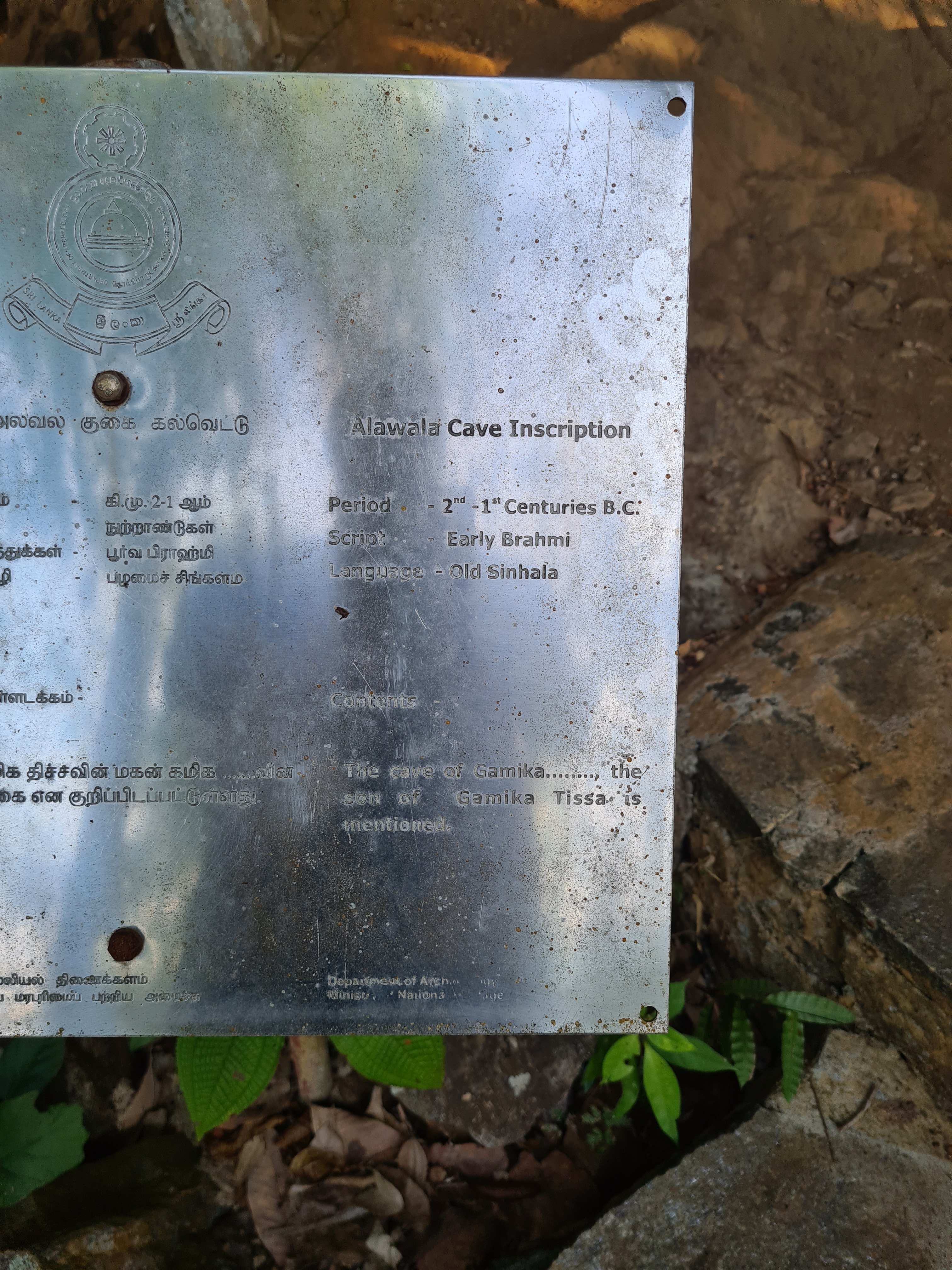
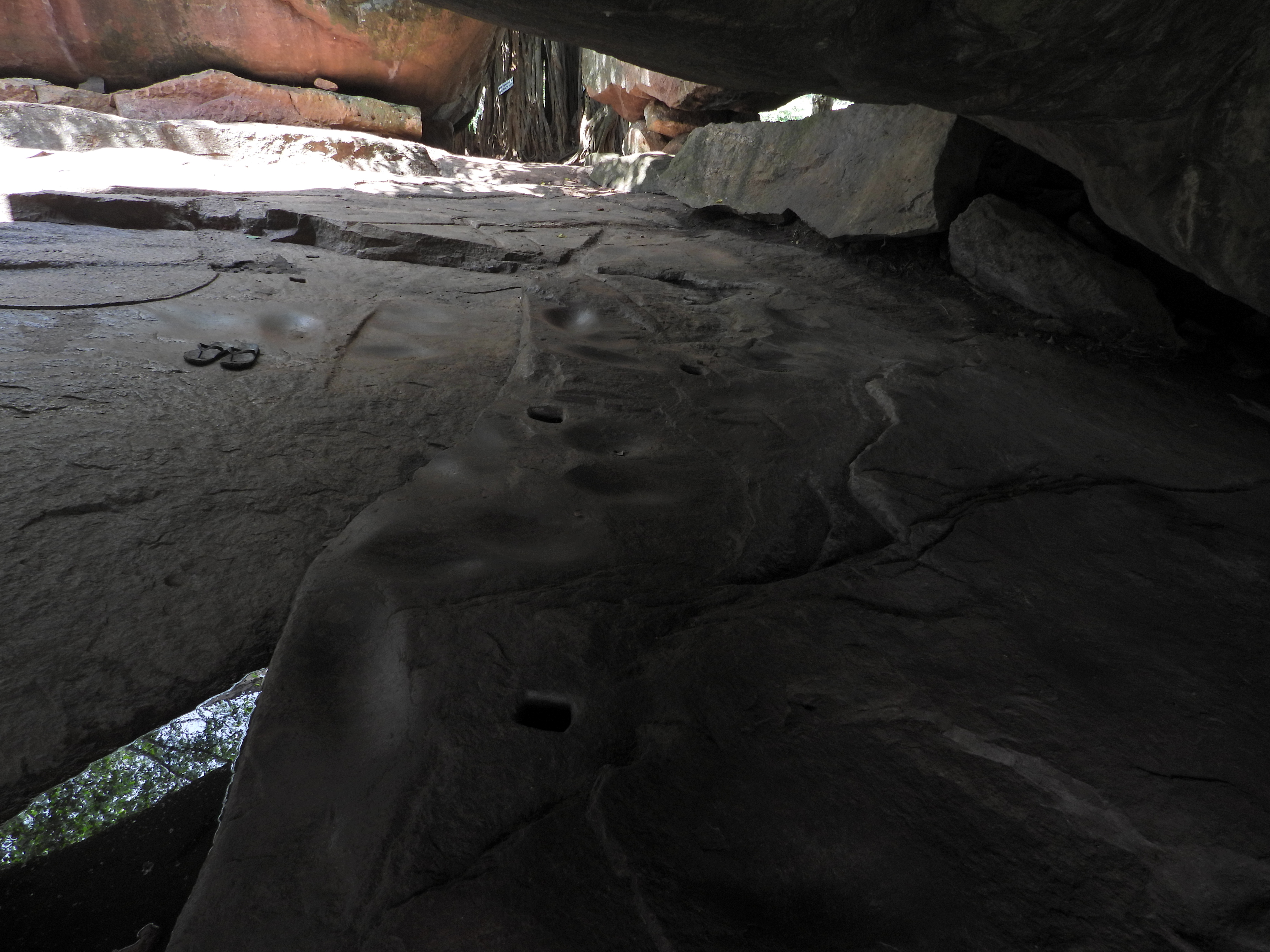
The cave has a drip ledge carved into part of the cave. Inscription from the 2-3rd century BC indicates that the cave belonged to one Gamini, son of Gamini Tissa.

Dunu mala Ella

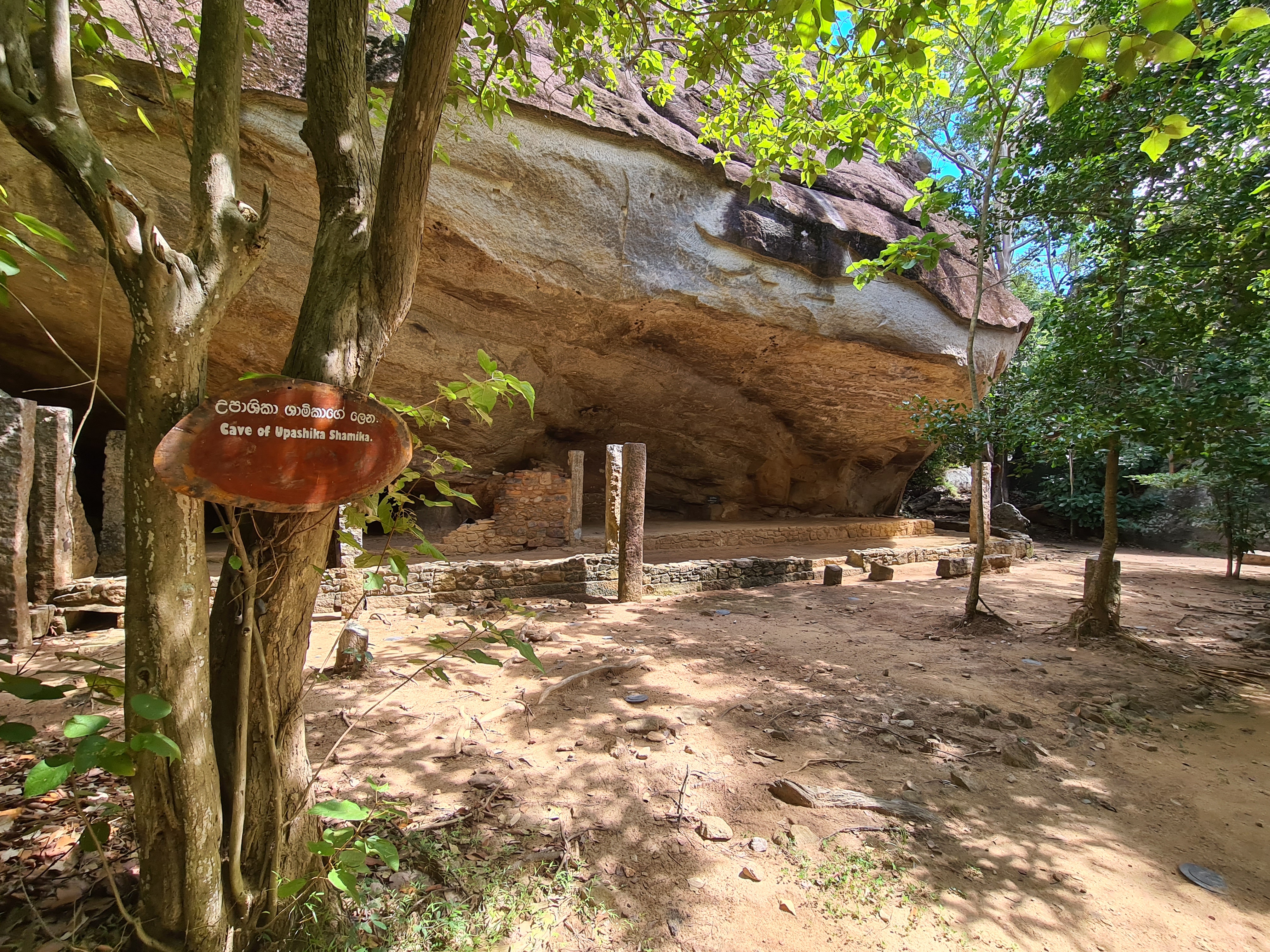
Rajagala thenna

Rajagala thenna

Rajagala thenna or Rassasgala is situated in the Ampara district, just 25 km from Ampara. The turn off is well marked off the Ampara Uhana Maha Oya high way. Google maps sometime shows a different turn off.

This is one of the most fascinating places I have visited. It is a must visit if you are in the Eastern province. Its easy to reach, the base site has a large car park, very clean and neat. The climb is a bit strenuous and takes about 45mins. Hence carry plenty of water and probably some energy foods like chocolates.There are two paths; the south path is just shy of 1km and is more gently sloping than the east path which is 1.4km and consists largely of steps. Both paths are well marked and clean. I suggest to climb up the south path and come down the east path. The trek is through the forest and very cool. I climbed at 1 pm on a hot day, but didn’t feel it inside the forest. At the site too one needs to climb further through the forest to see the cave complex.
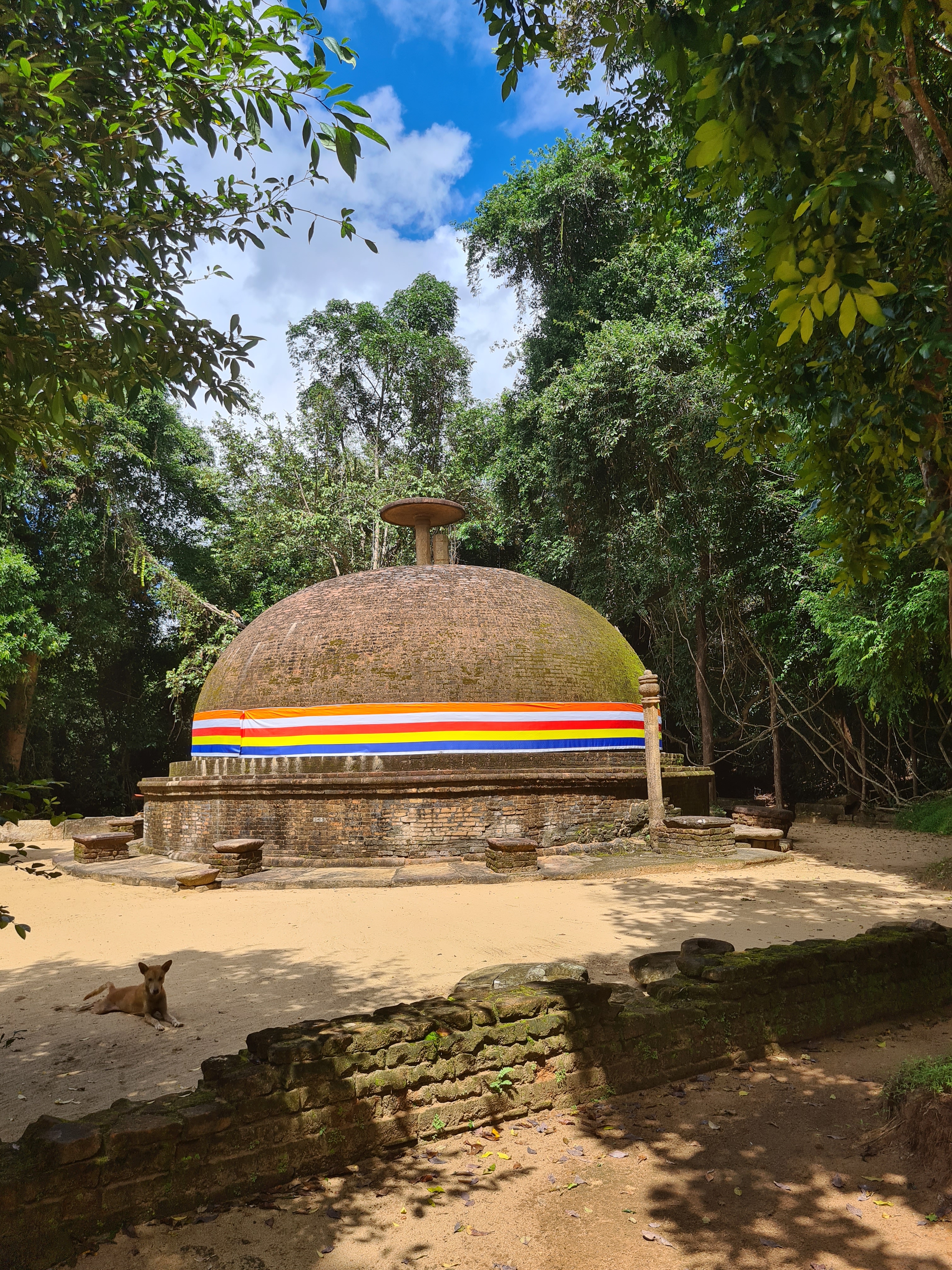
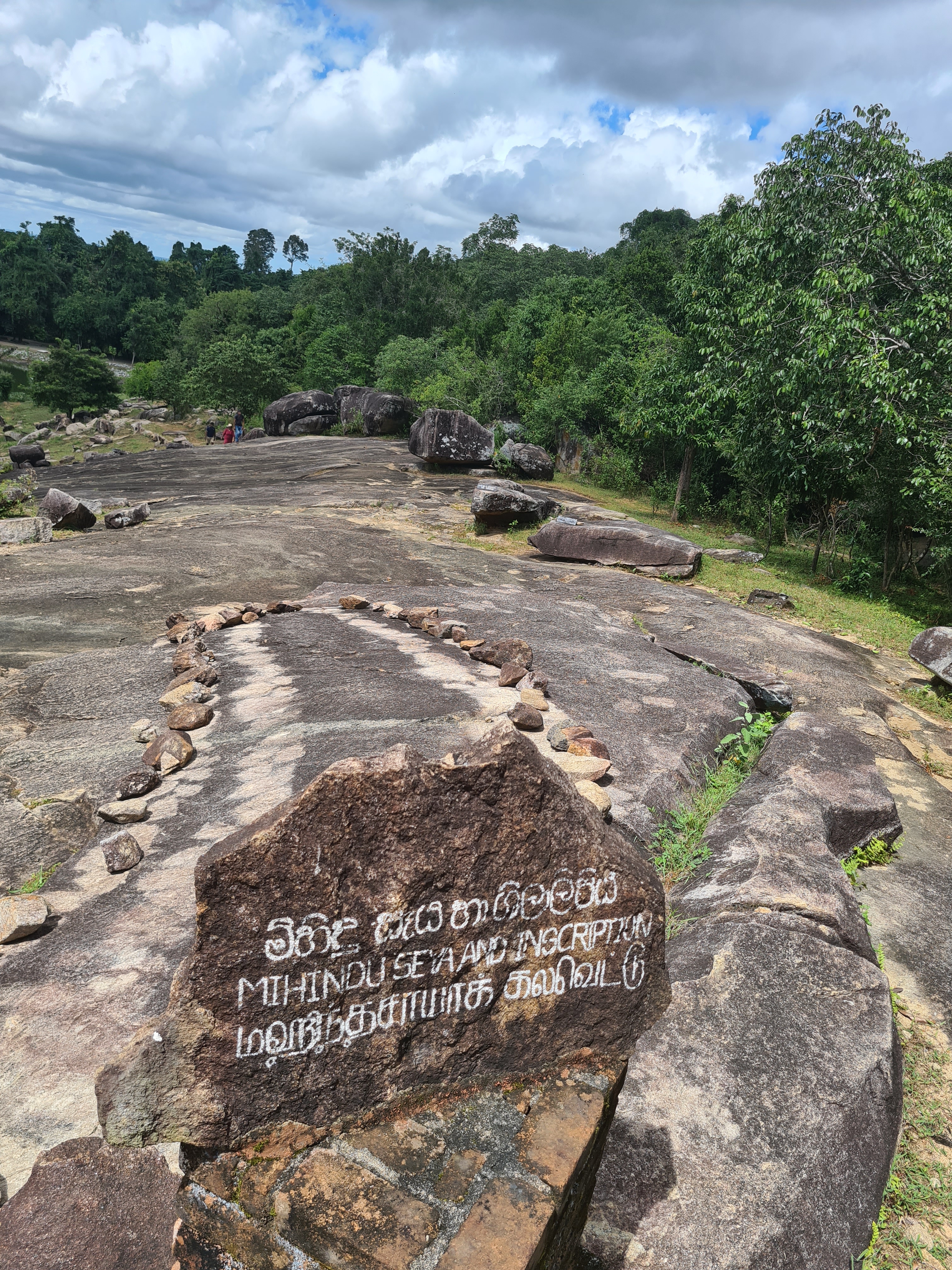
Both paths converge at the site of Arahat Mahinda thera, who is credited with embedding Buddhism in Sri Lankan culture in 2-3rd century BC. The stone inscription confirms the authencity of the site.

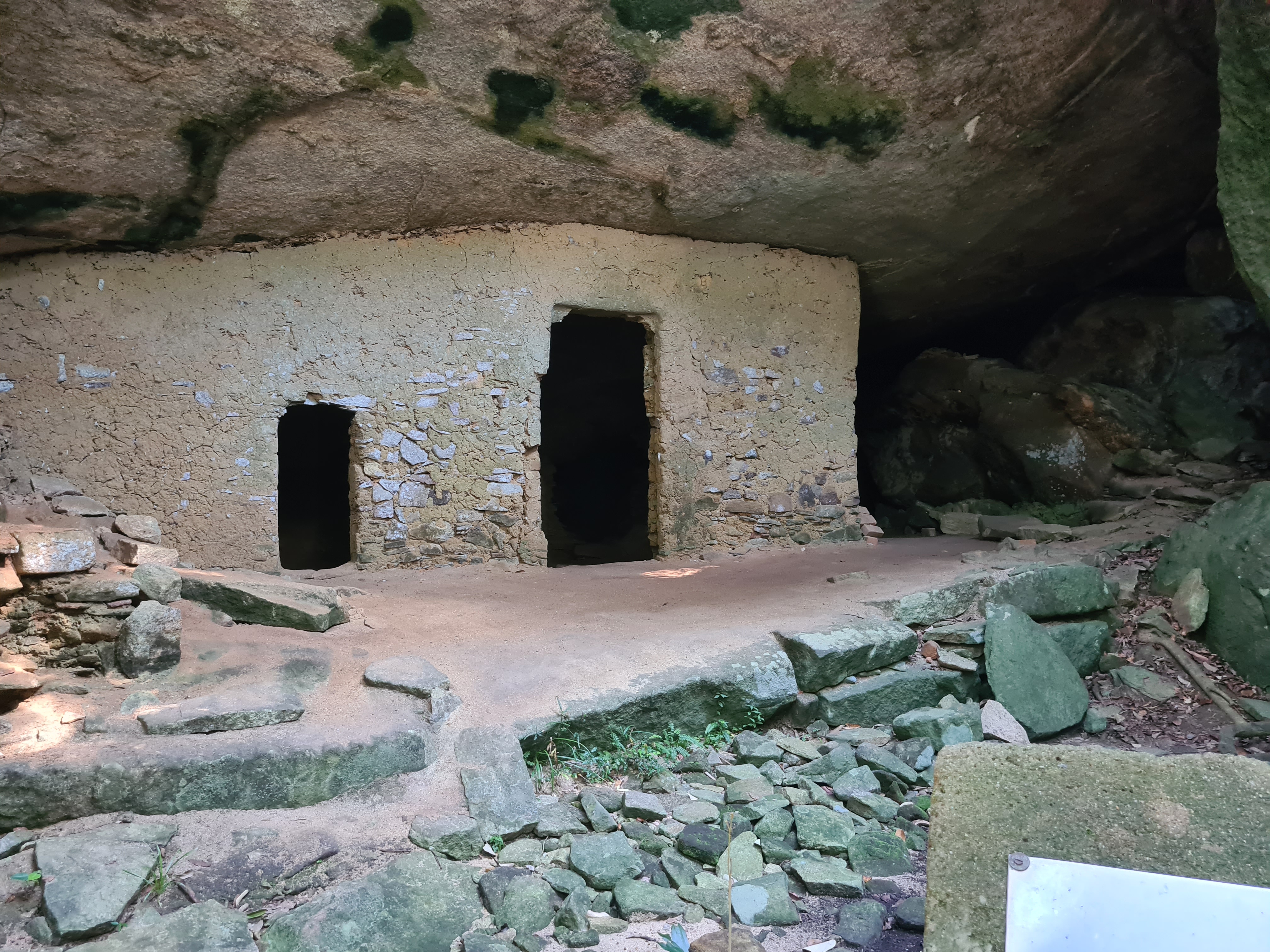
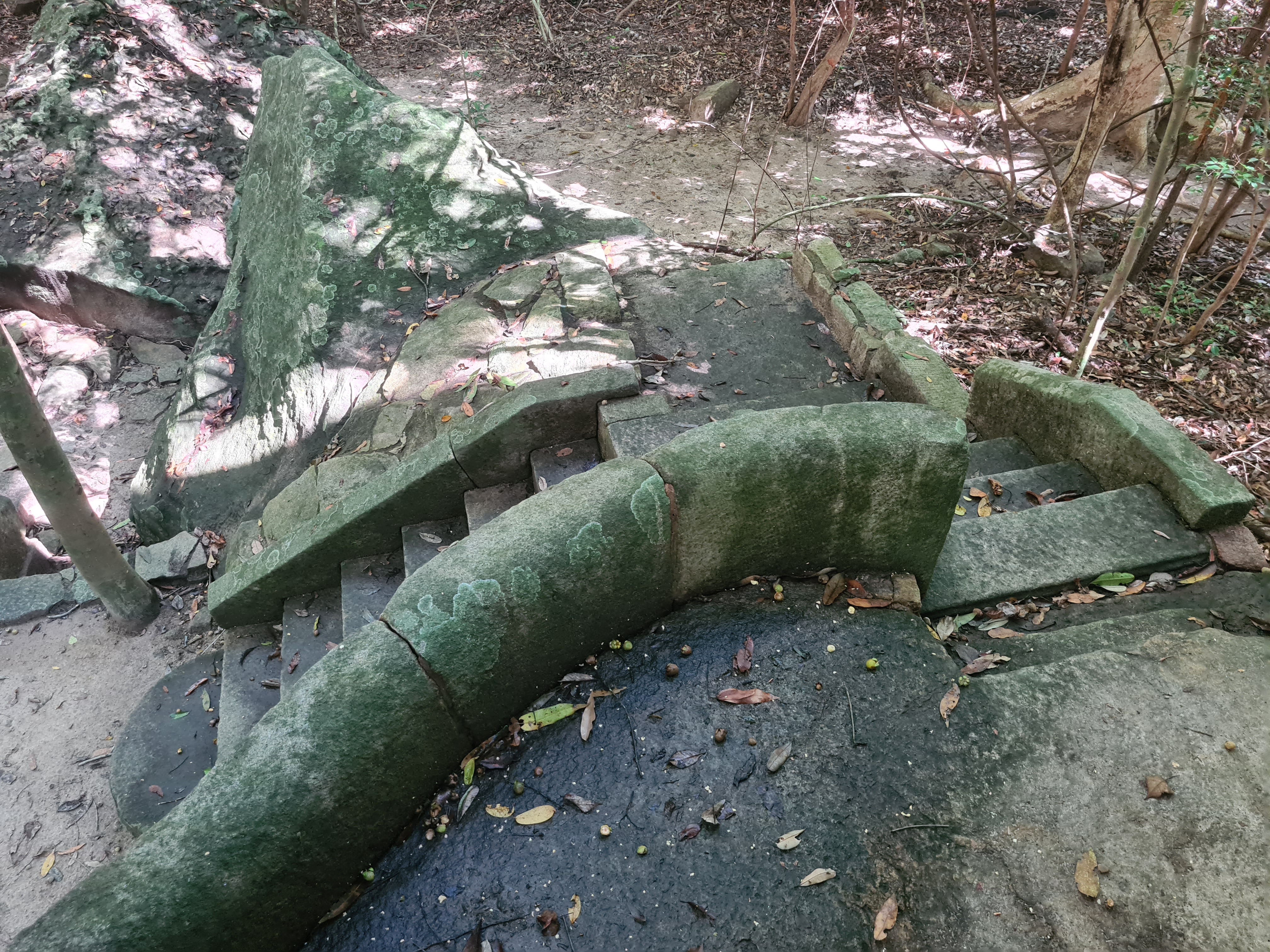
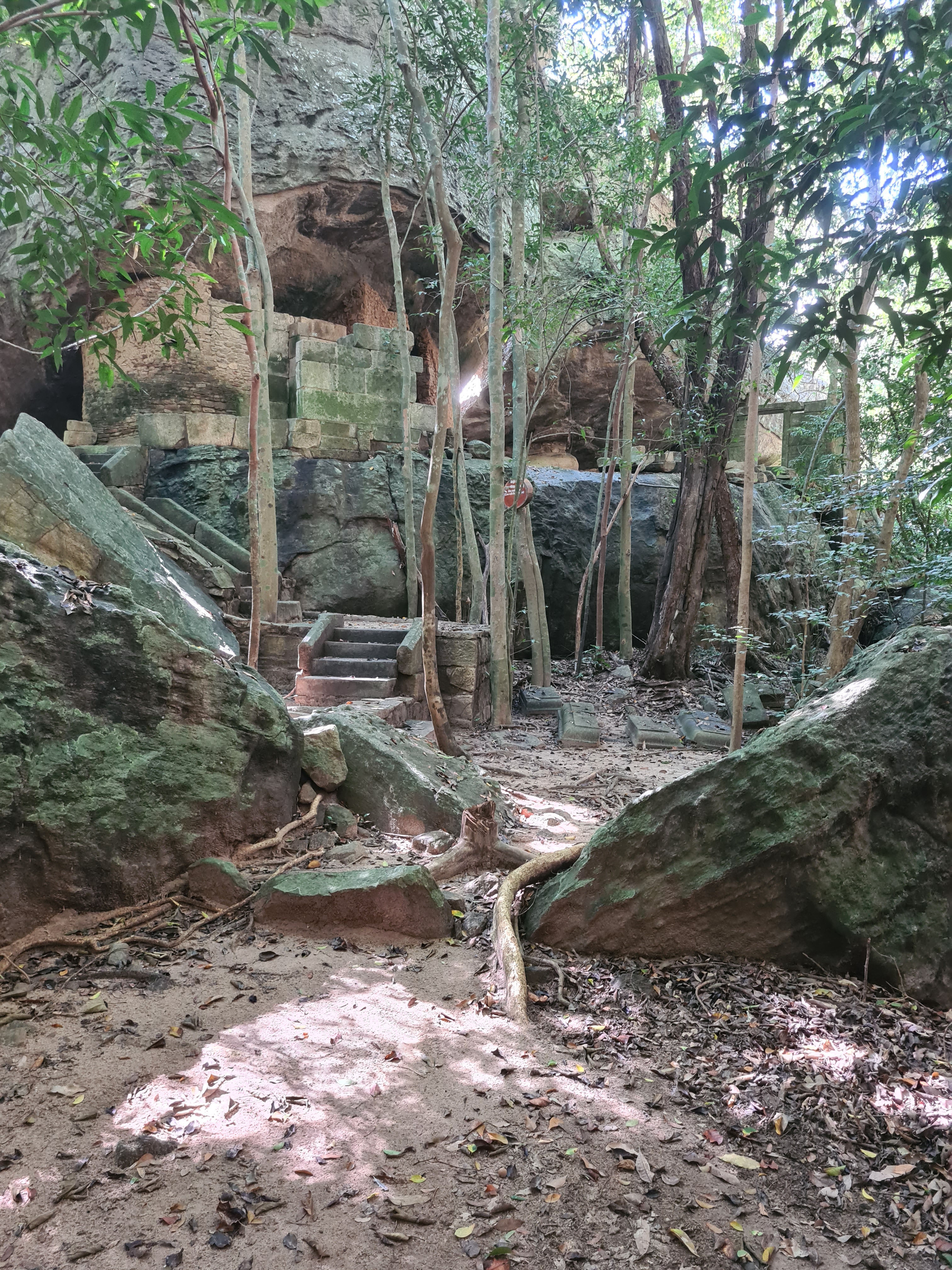
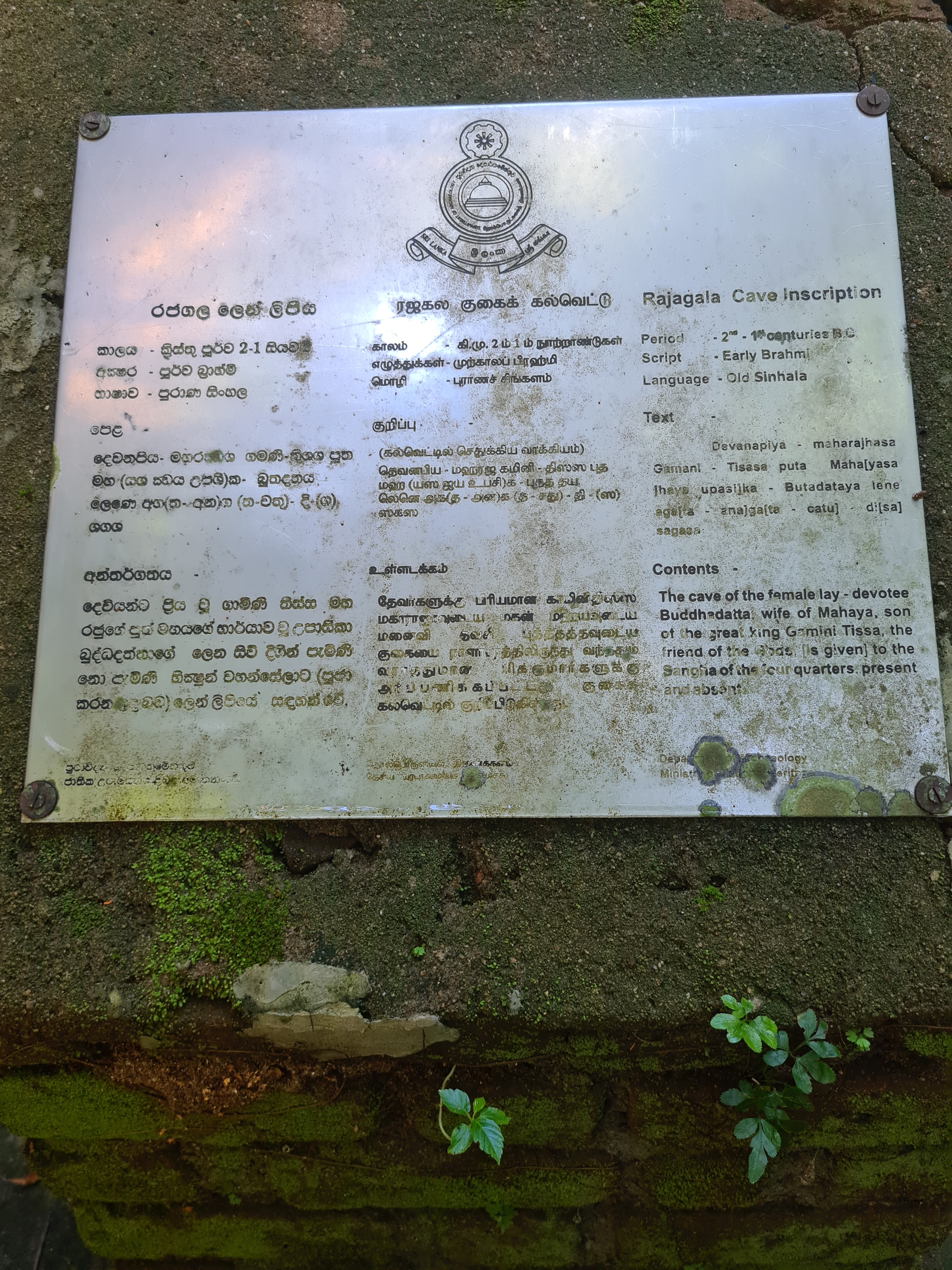
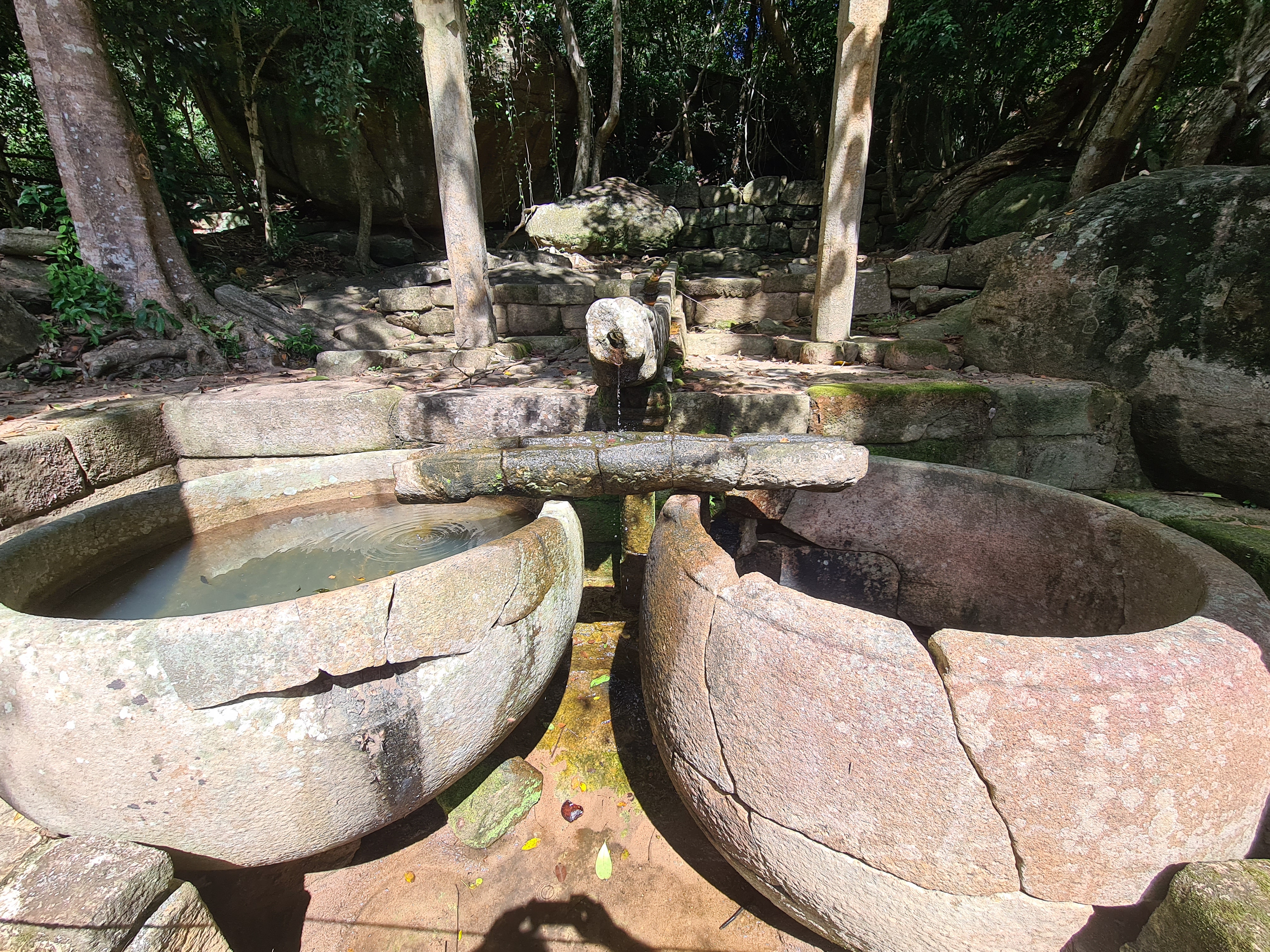
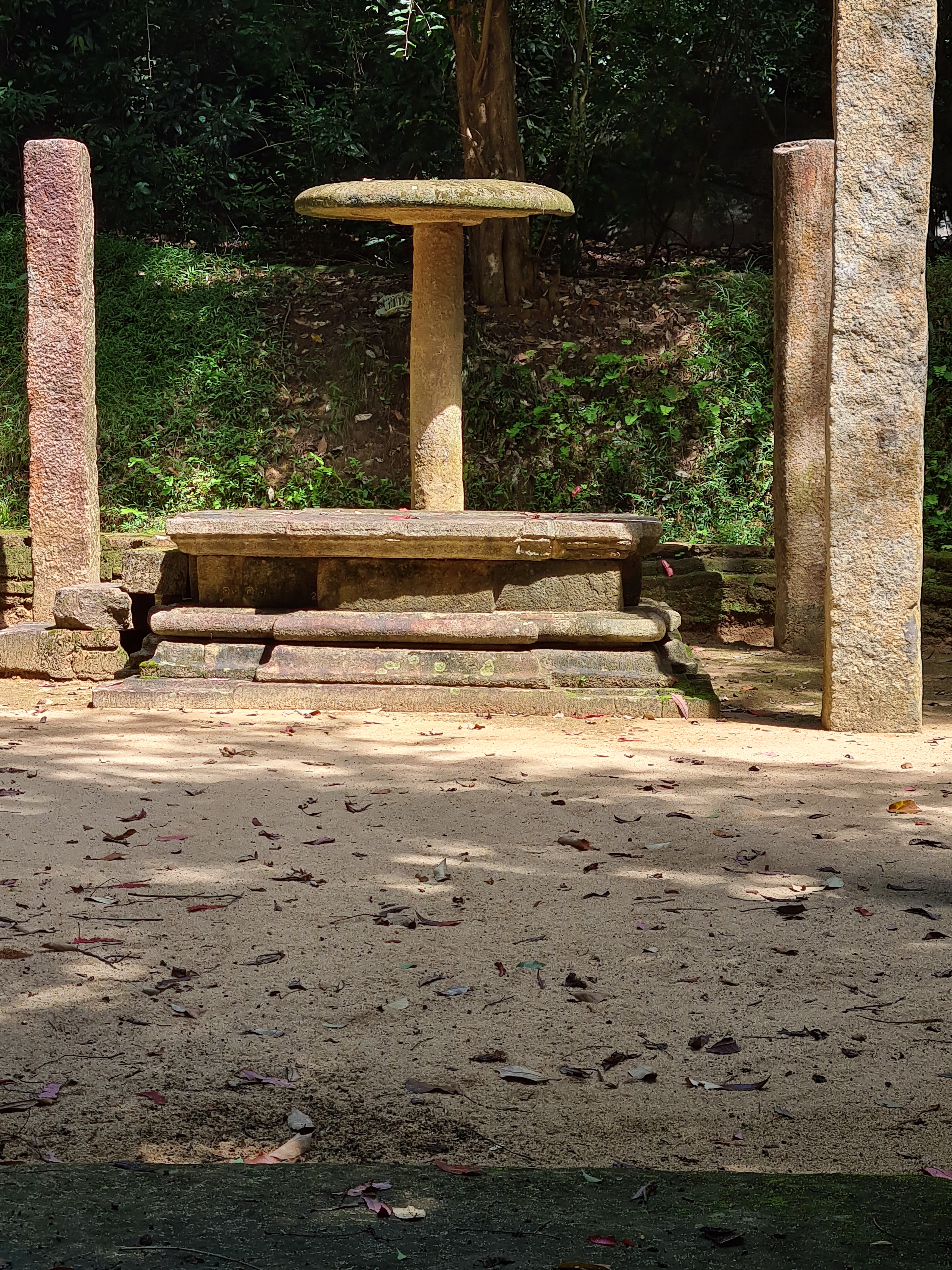
The site is a sprawling Buddhist community with its own lake for water fed by numerous water streams. The ruins here is reminiscent of those in Ritigala and even Anuradhapura or pollonaruwa. The site is better preseved than most othe places. The cave dwellings still has its coloured plaster on its walls. The stone architecture used in the caves reminds one of those found in Kaludiya Pokuna in Kandalama. The stone door frames, stairways with ballustrads still in place is fascinating. The stone bowls used to collect water brought vi’s stone conduits is seen only here. Another aspect thats seen here is that most caves have been used by lay female devotees.

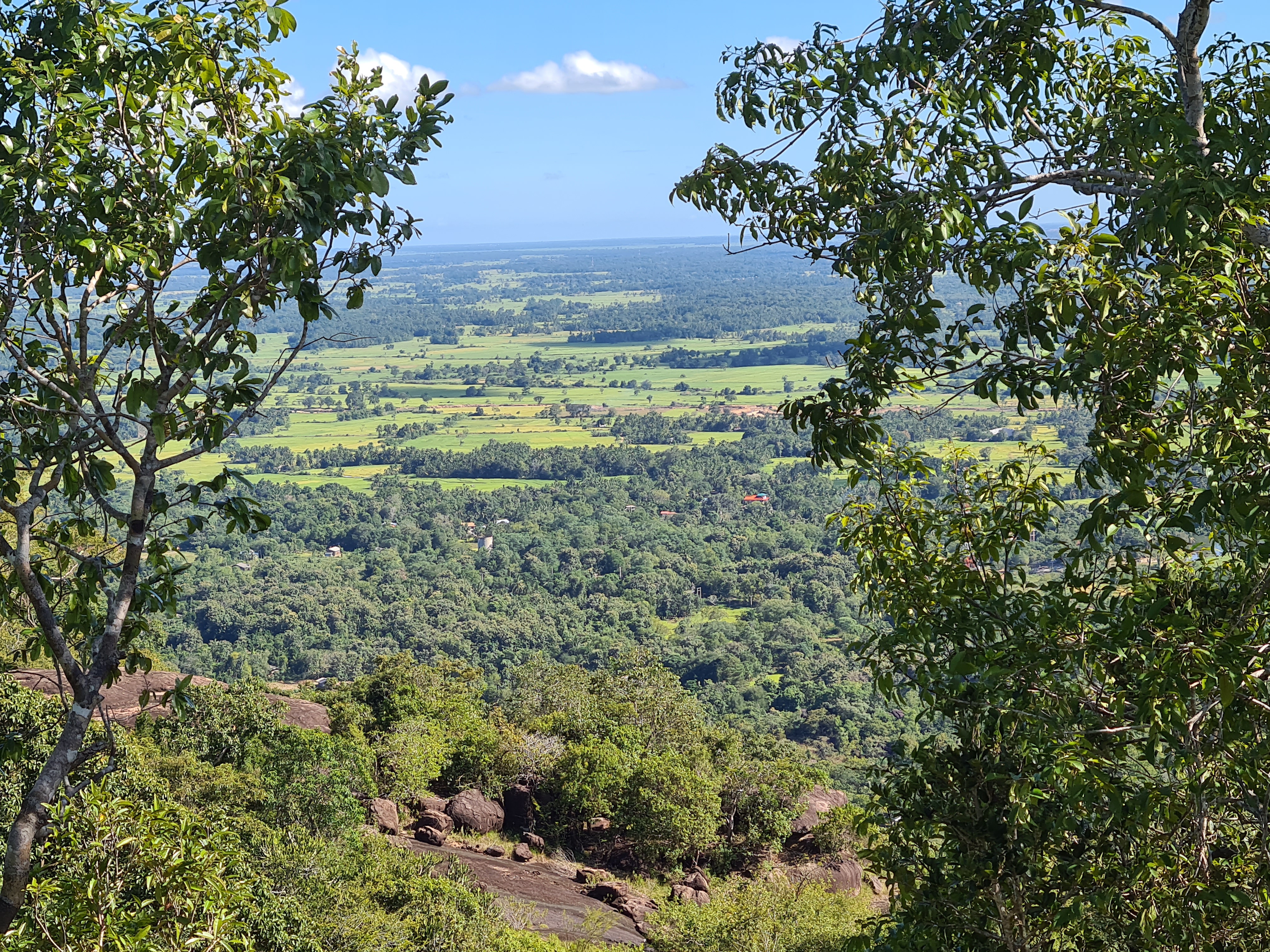
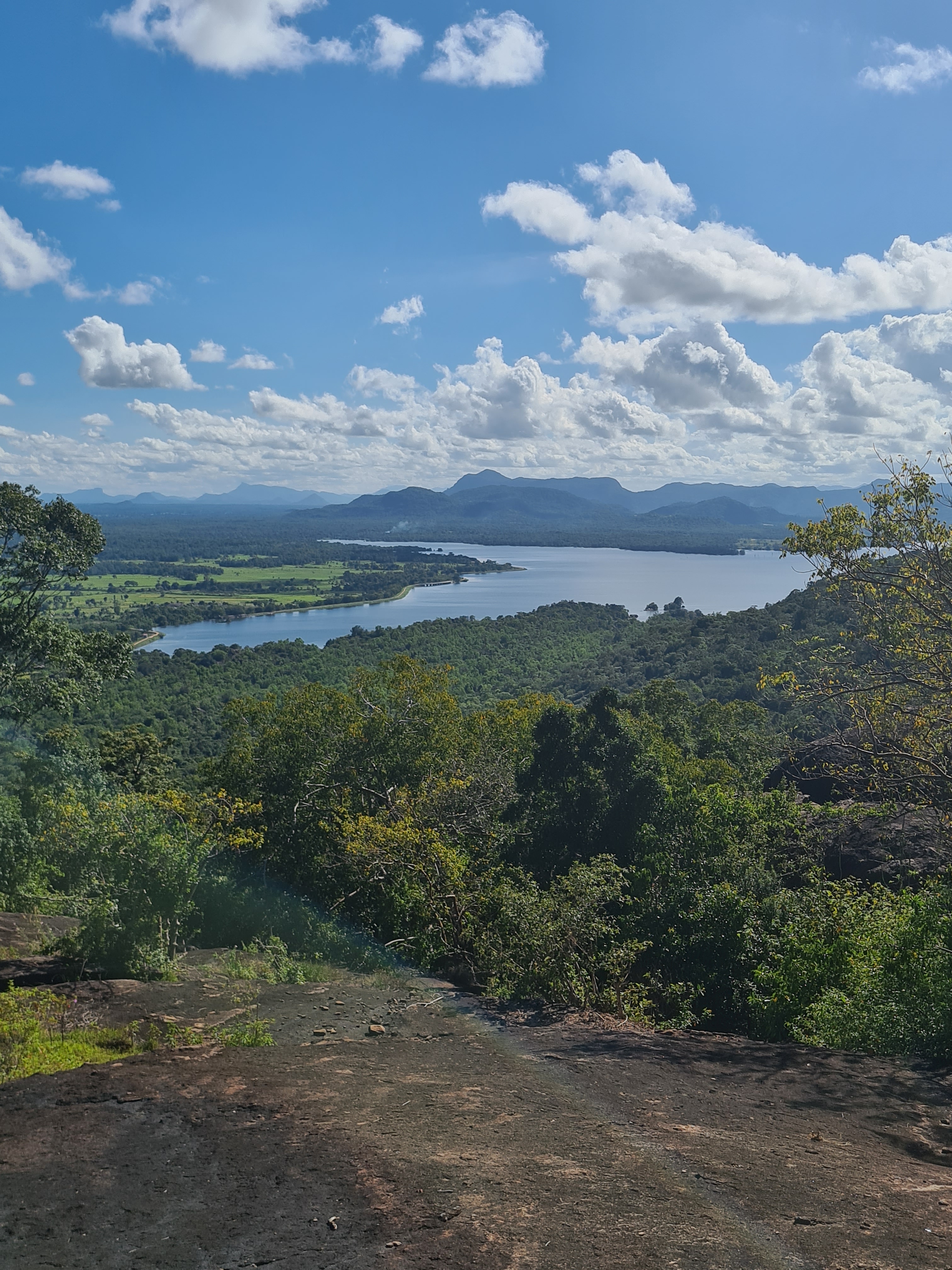
The large stairways leading to the top of the rock where you find further ruins of temple buildings also provides a breath taking panoramic view of the area right upto the east coast.

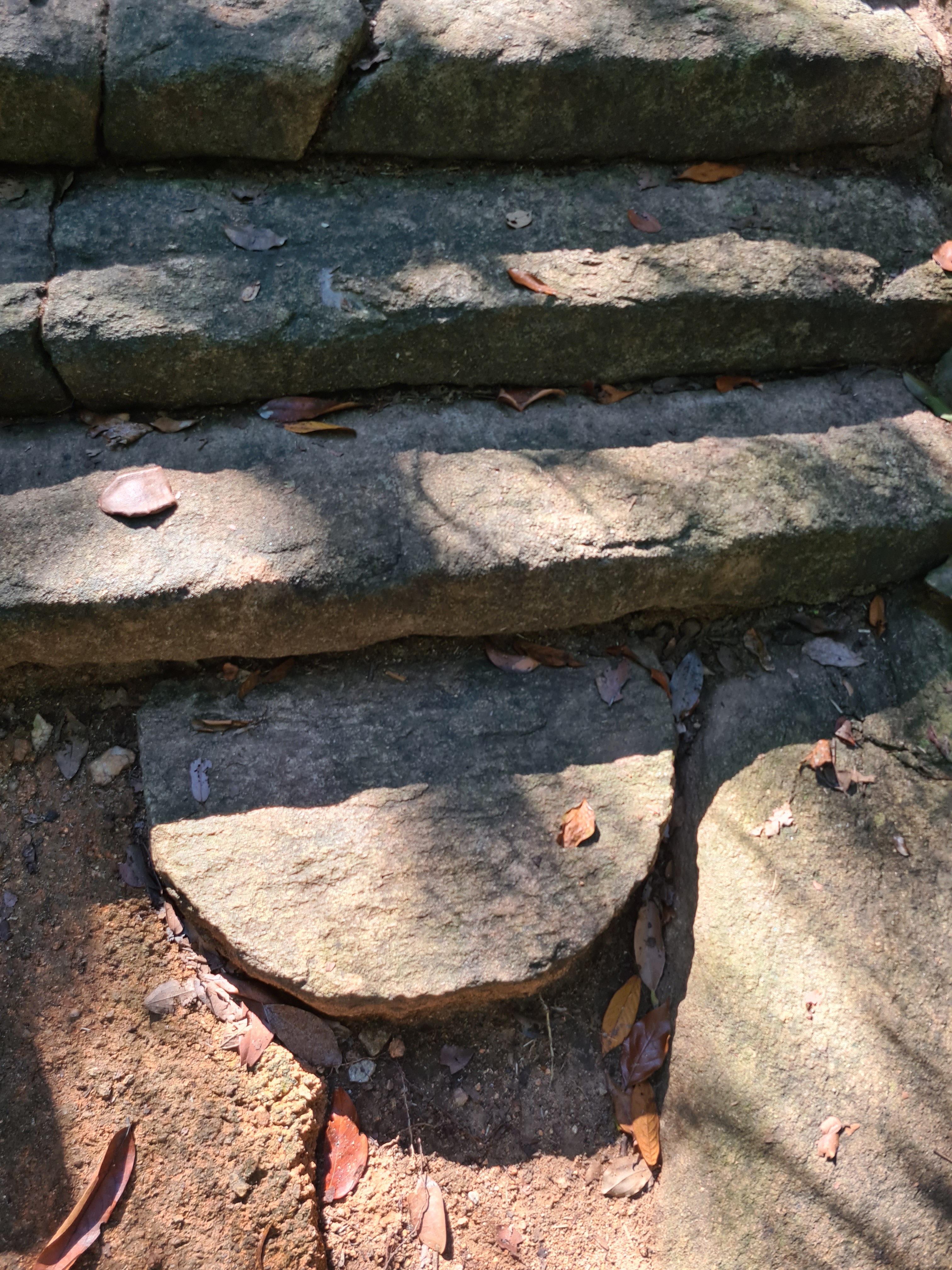
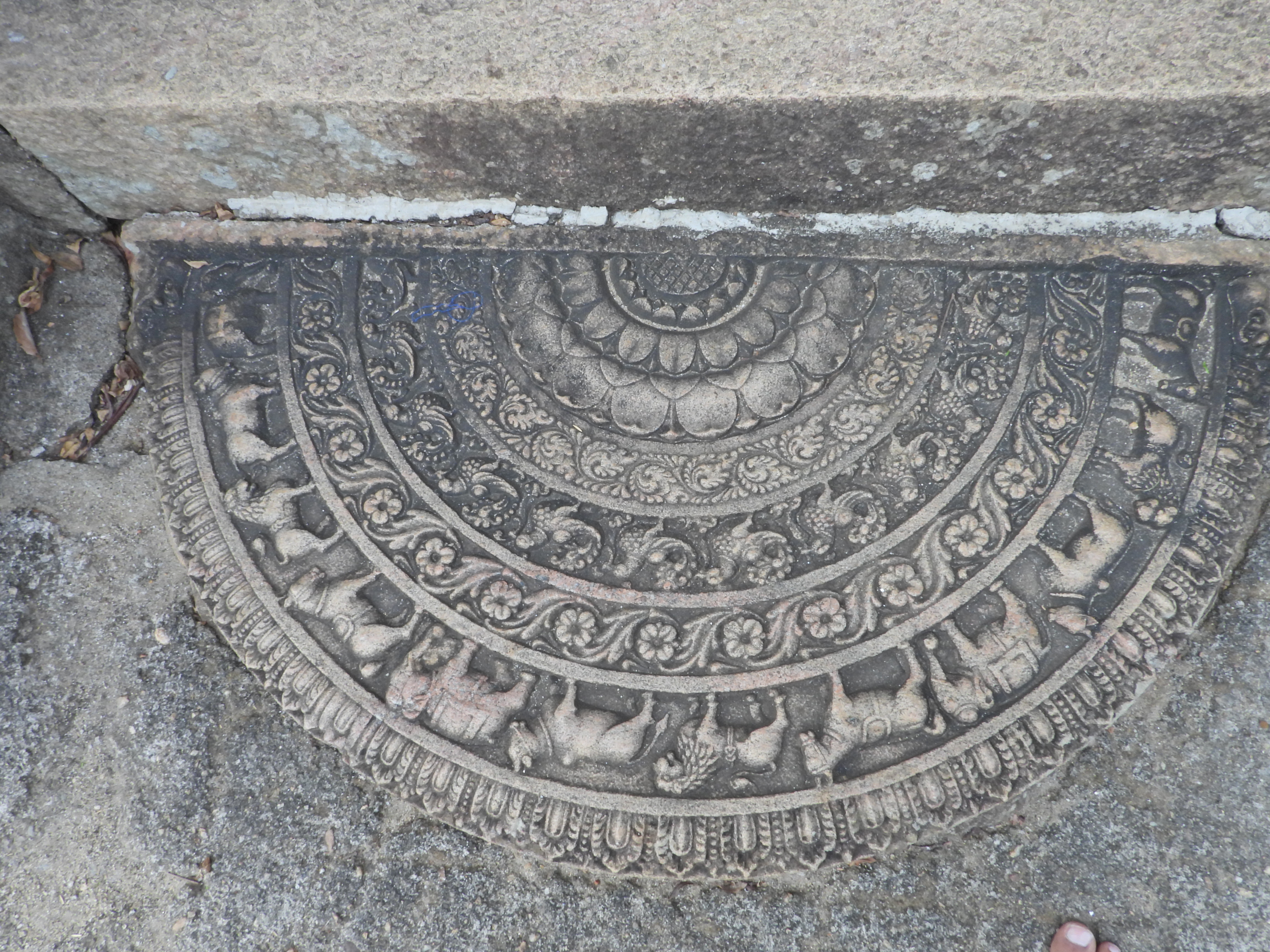
The east path which starts behind the stupa of Arahat Mahinda, leads one across large ponds on the rock and ruins of dagabos. The stair way down is invariably has a semi circular stepping stone.

Belilena

Belilena

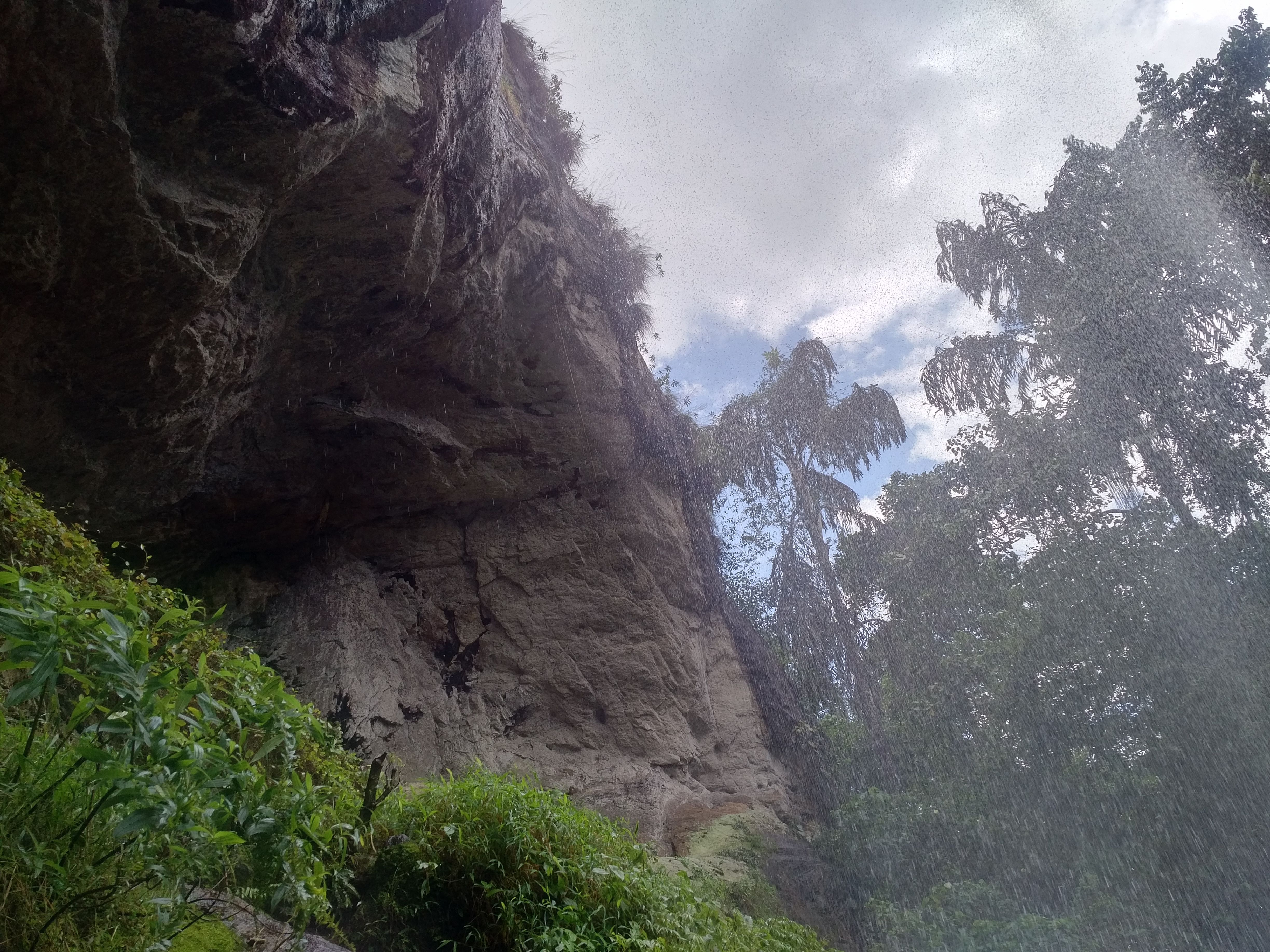
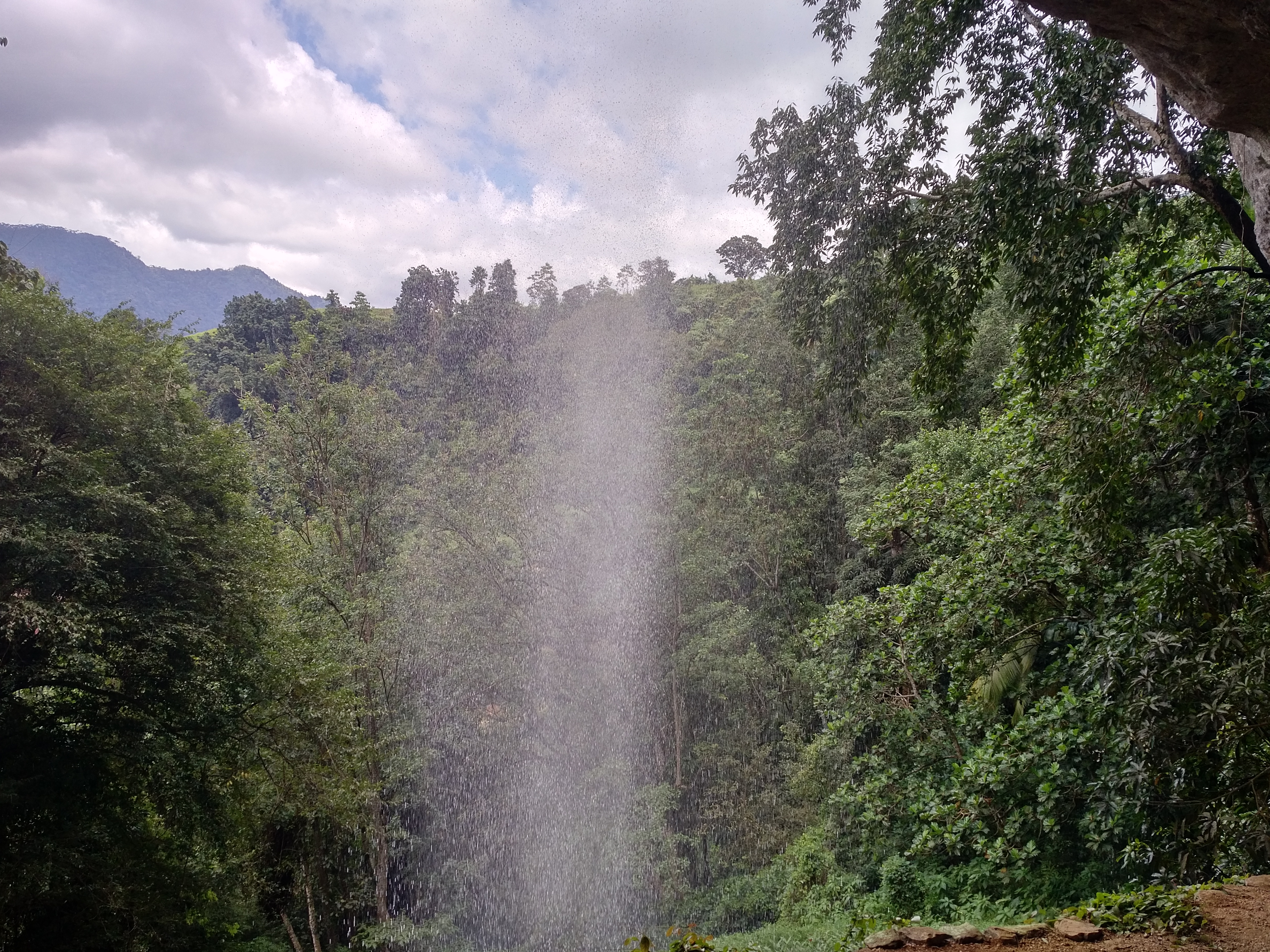
Belilena is a prehistoric cave situated in Kitulgala area. The excavations in this site has revealed humans inhabited this cave as early as 32,000 years ago. it has also been established that a trade network existed between these inhabitants and inhabitants near a lagoon some 80 kms away as far back as 30,000 years ago. The Cave gets its name (Cave of Shells) from the hoard of sea shells shards found here. The site consists of 2 large caves with a delightful waterfall falling across the entrance of one.

The site is a bit difficult to find, but google maps does a good job. The road is motorable, but very narrow and at places worn off. It is advisable to park the vehicle near the last row of houses as the road has washed away in places.

Warana Raja Maha Viharaya

Warana Raja Maha Viharaya

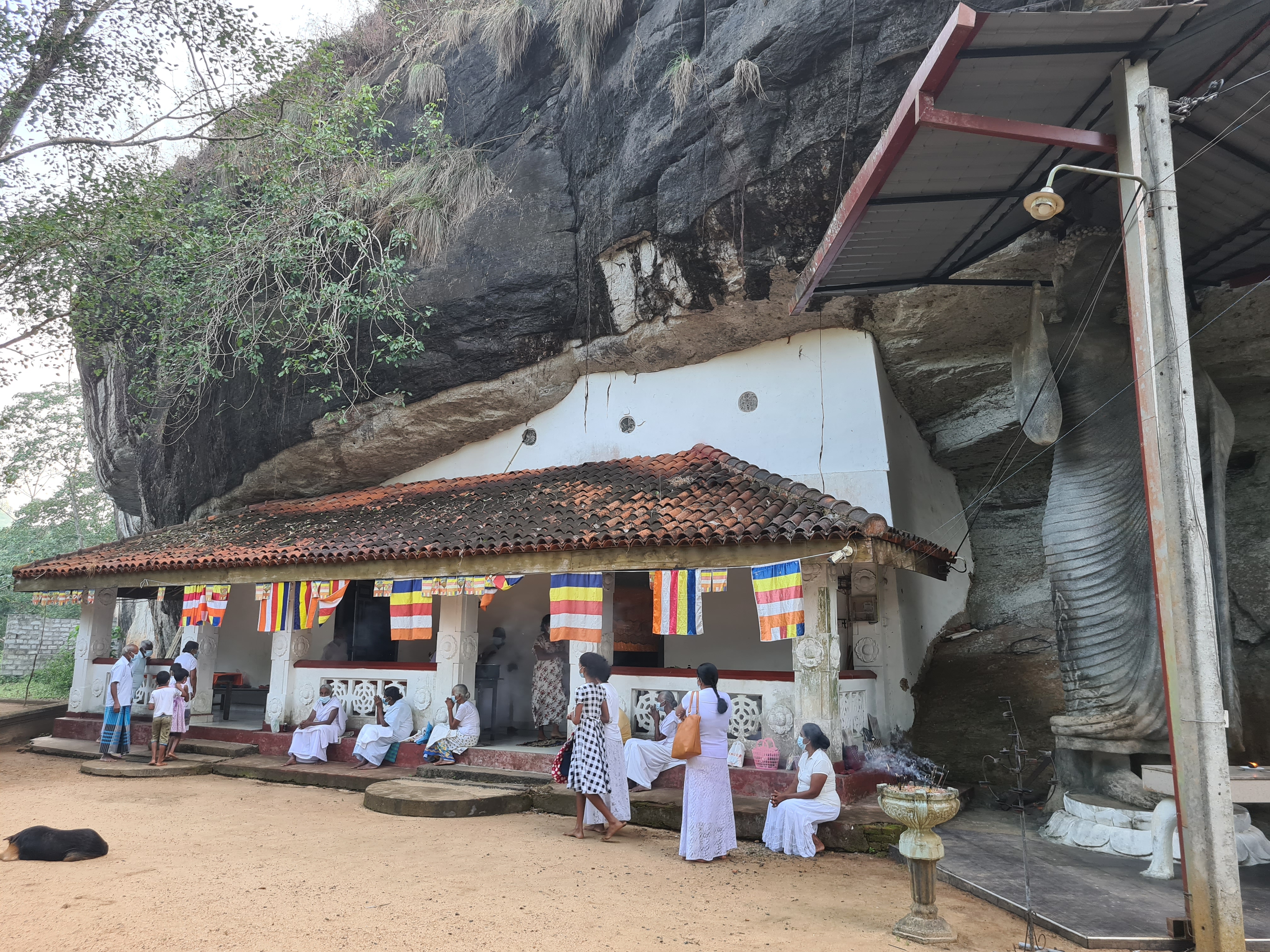
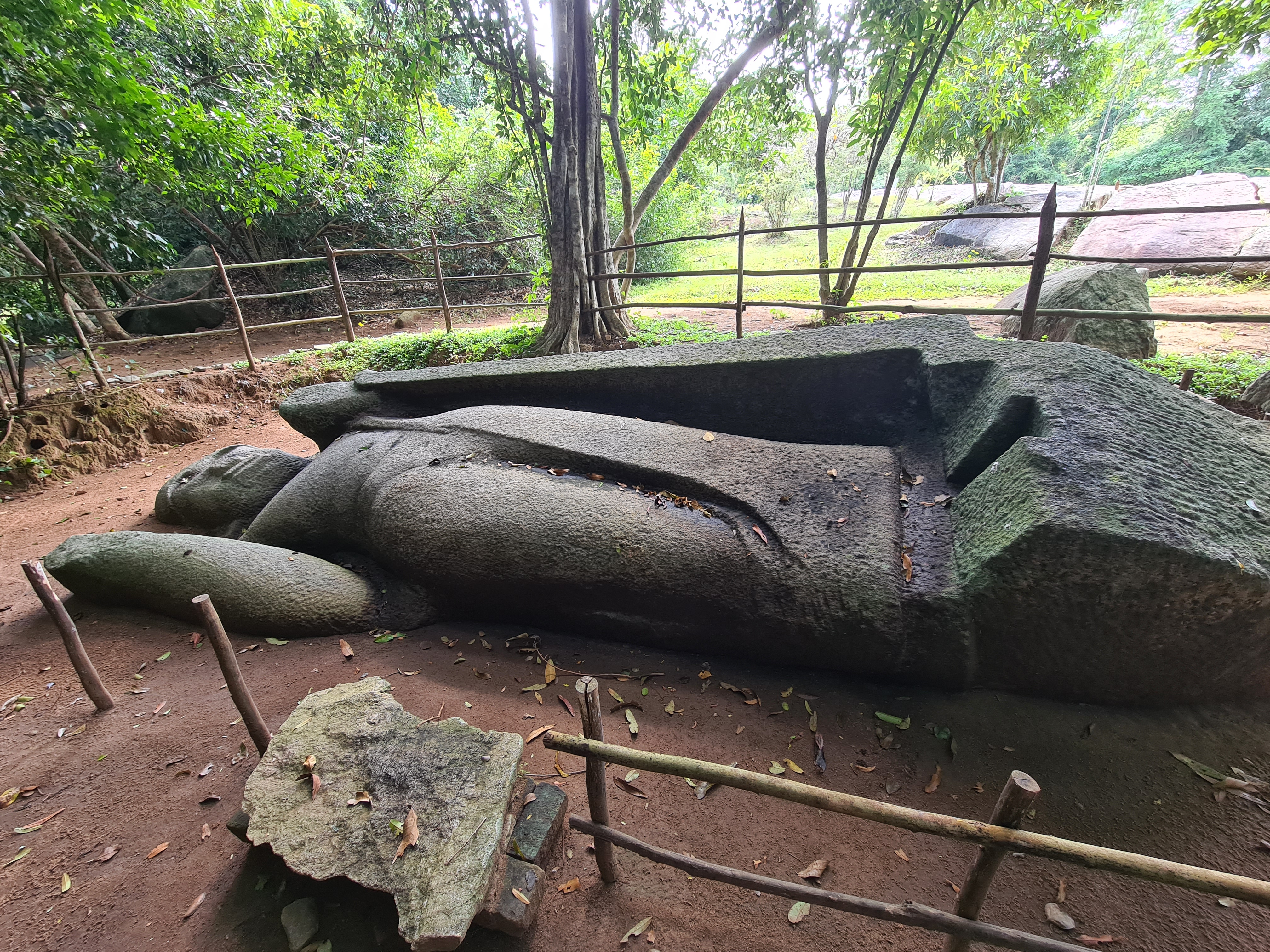
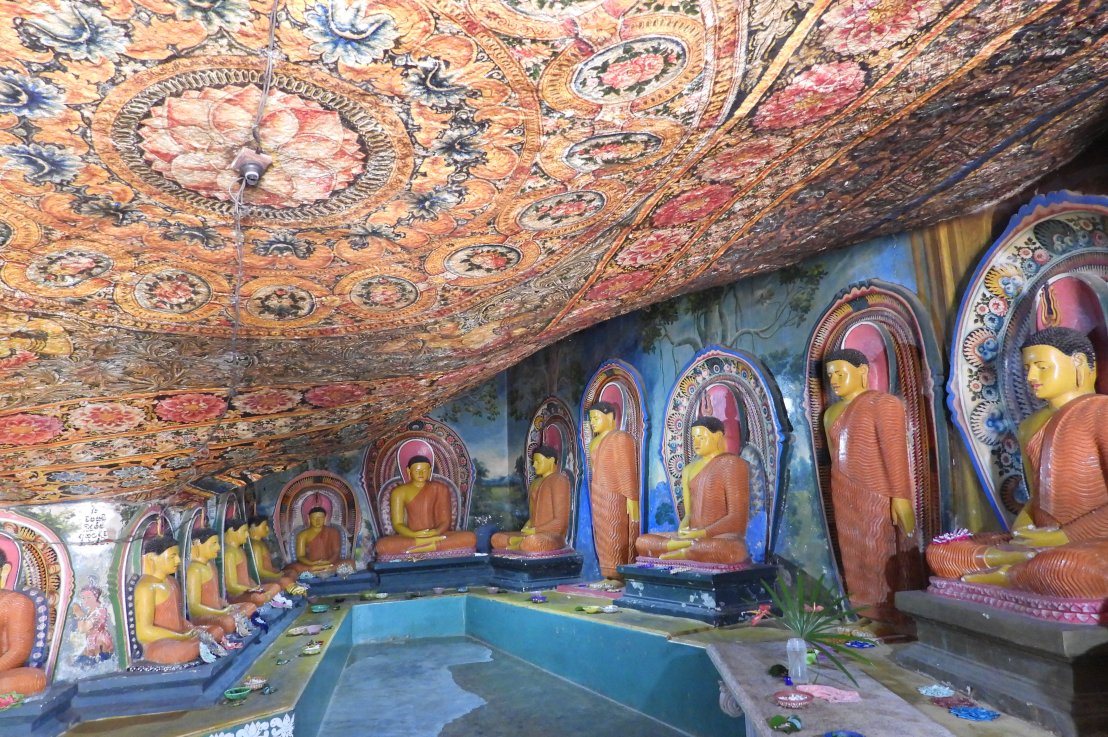
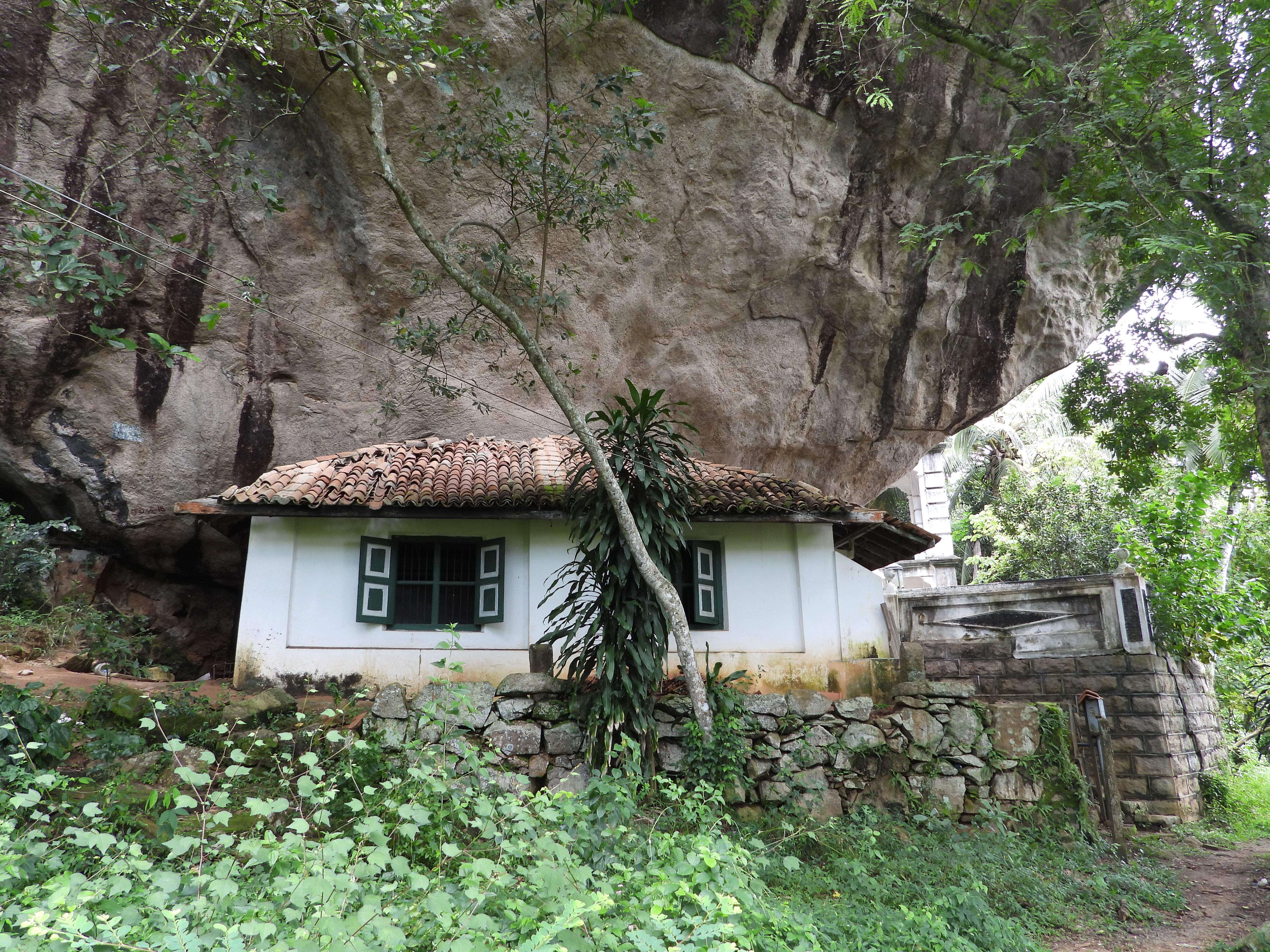
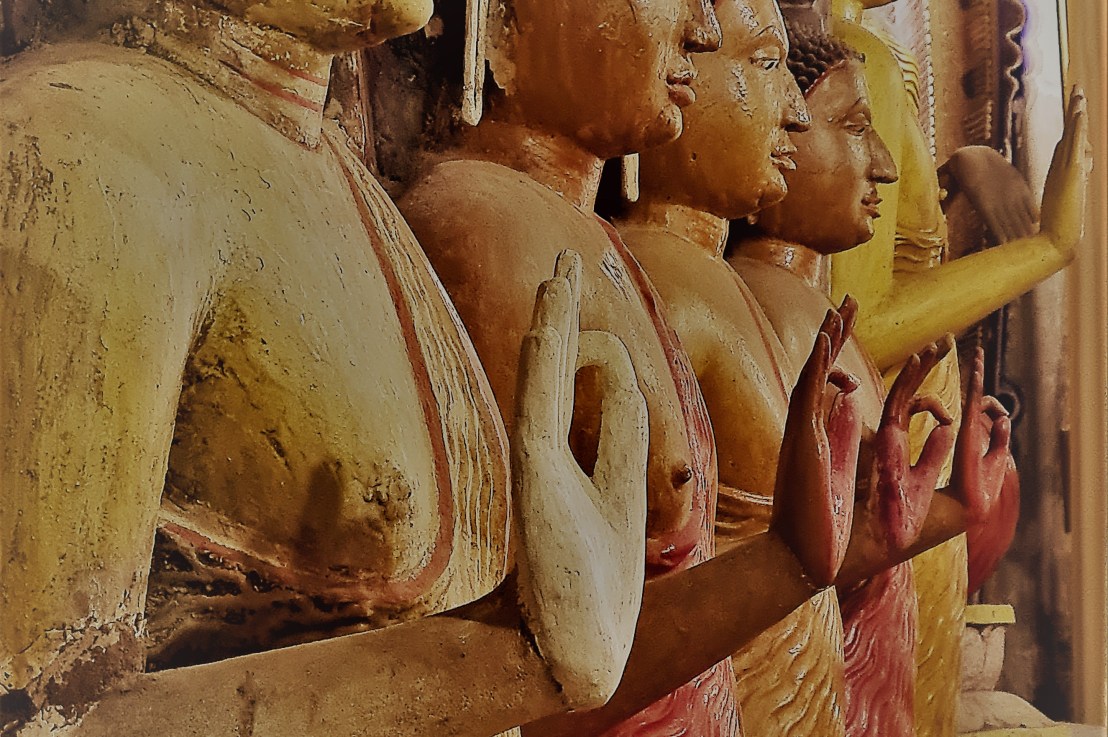
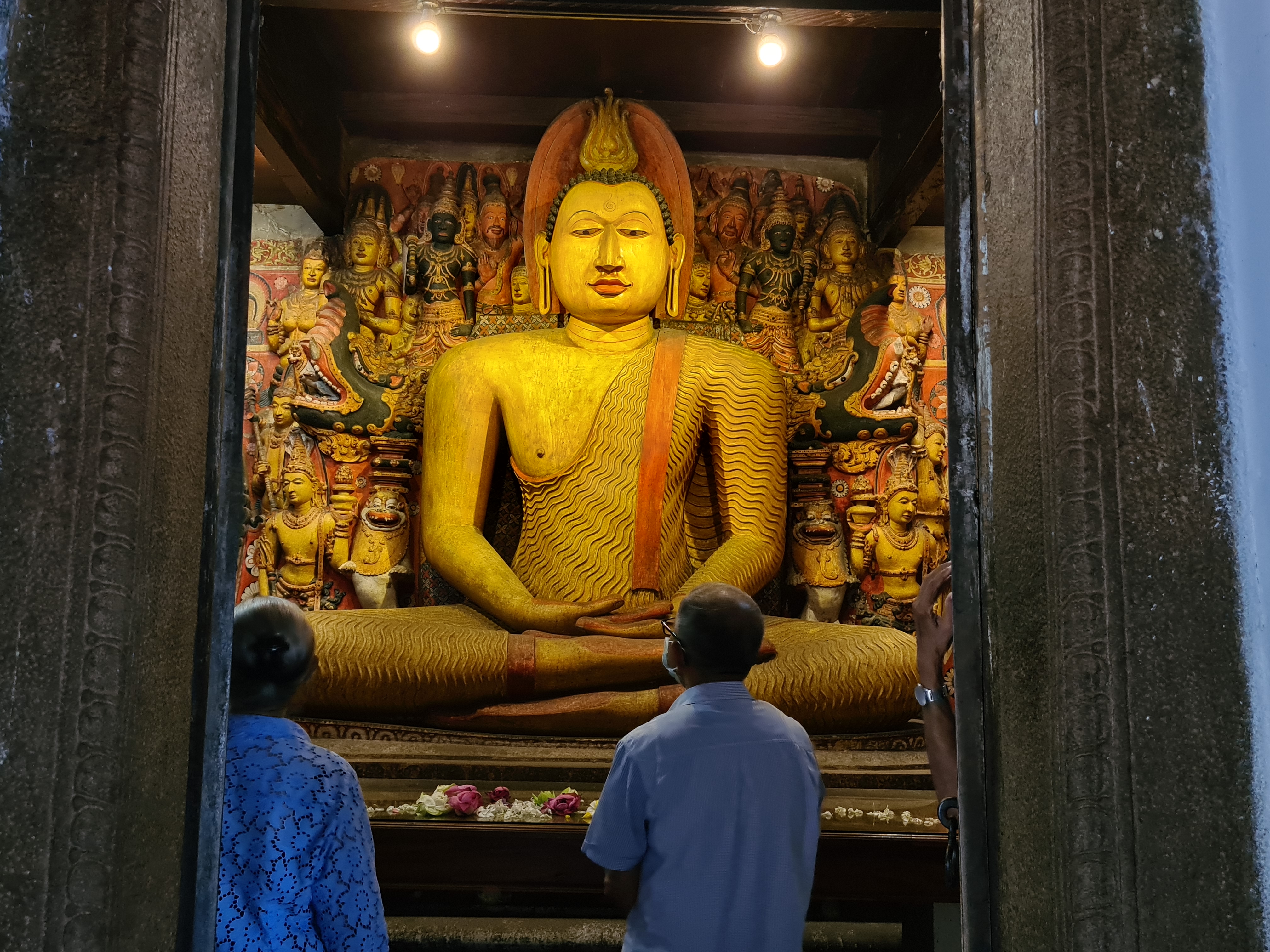
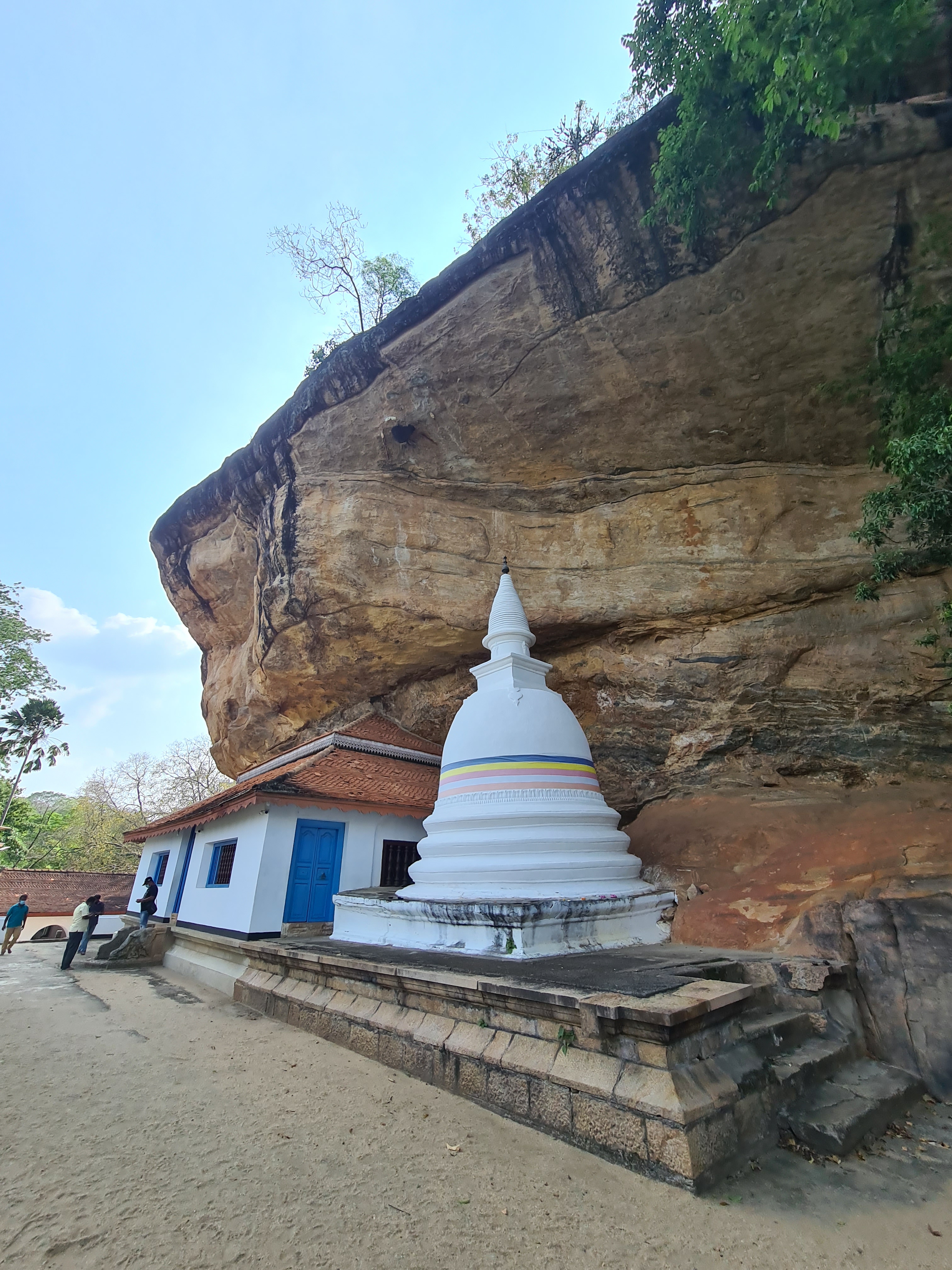
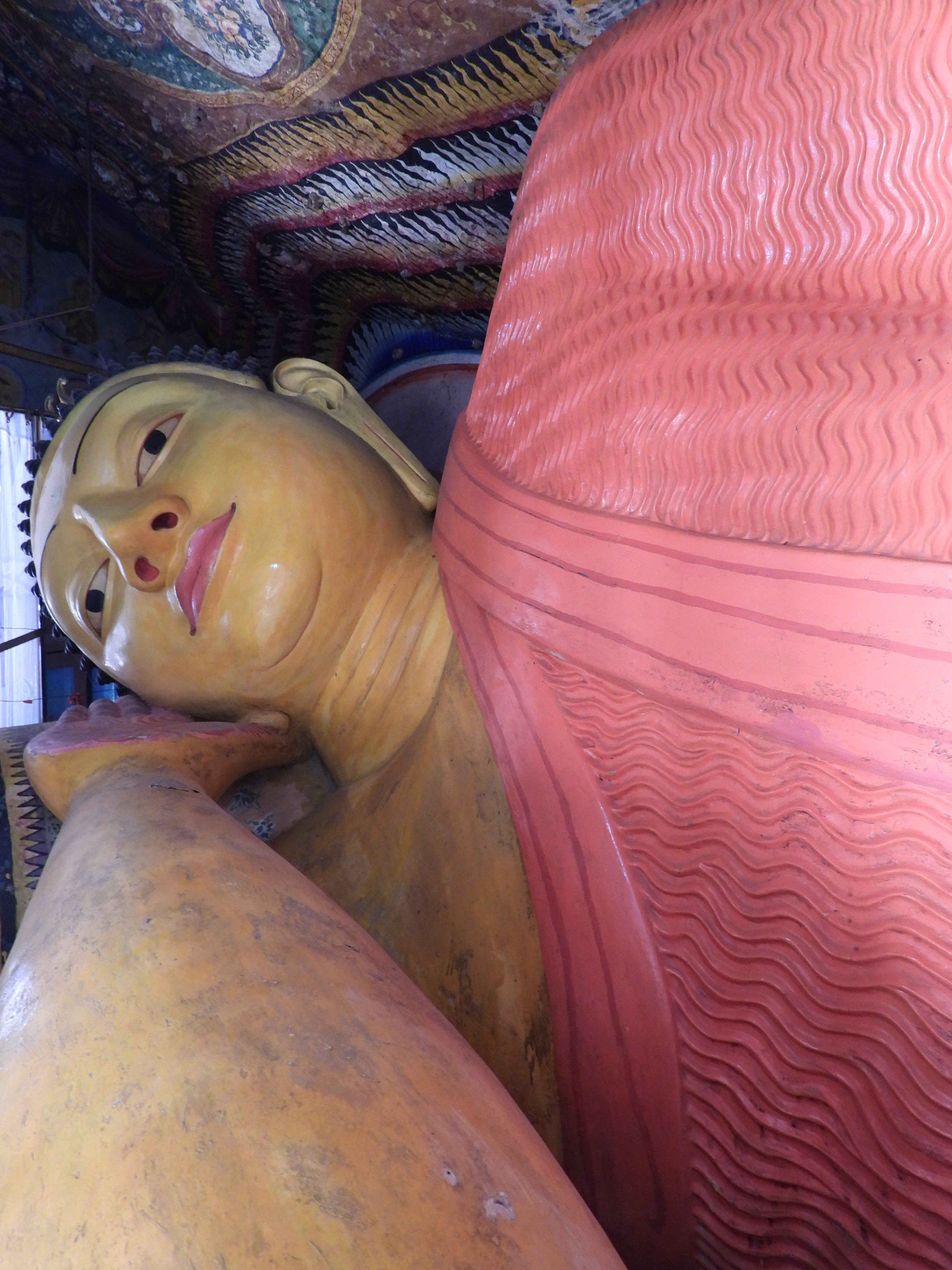
Warana Raja Maha viharaya situated in the Gampaha District is reputed to have been built by King Devampiyatissa and later renovations undertaken by King Vallagamba. The temple premises has inscription in asokan scrip on stone reading as Bata-Majhimasa batika bata-Tisadatasa dane. (In English: “The gift of Lord Tissadatta, brother of Lord Magjihima). The image house situated inside a cave has a reclining buddha statue with intricate painting on the roof of the cave similar to those found in Dambulla.

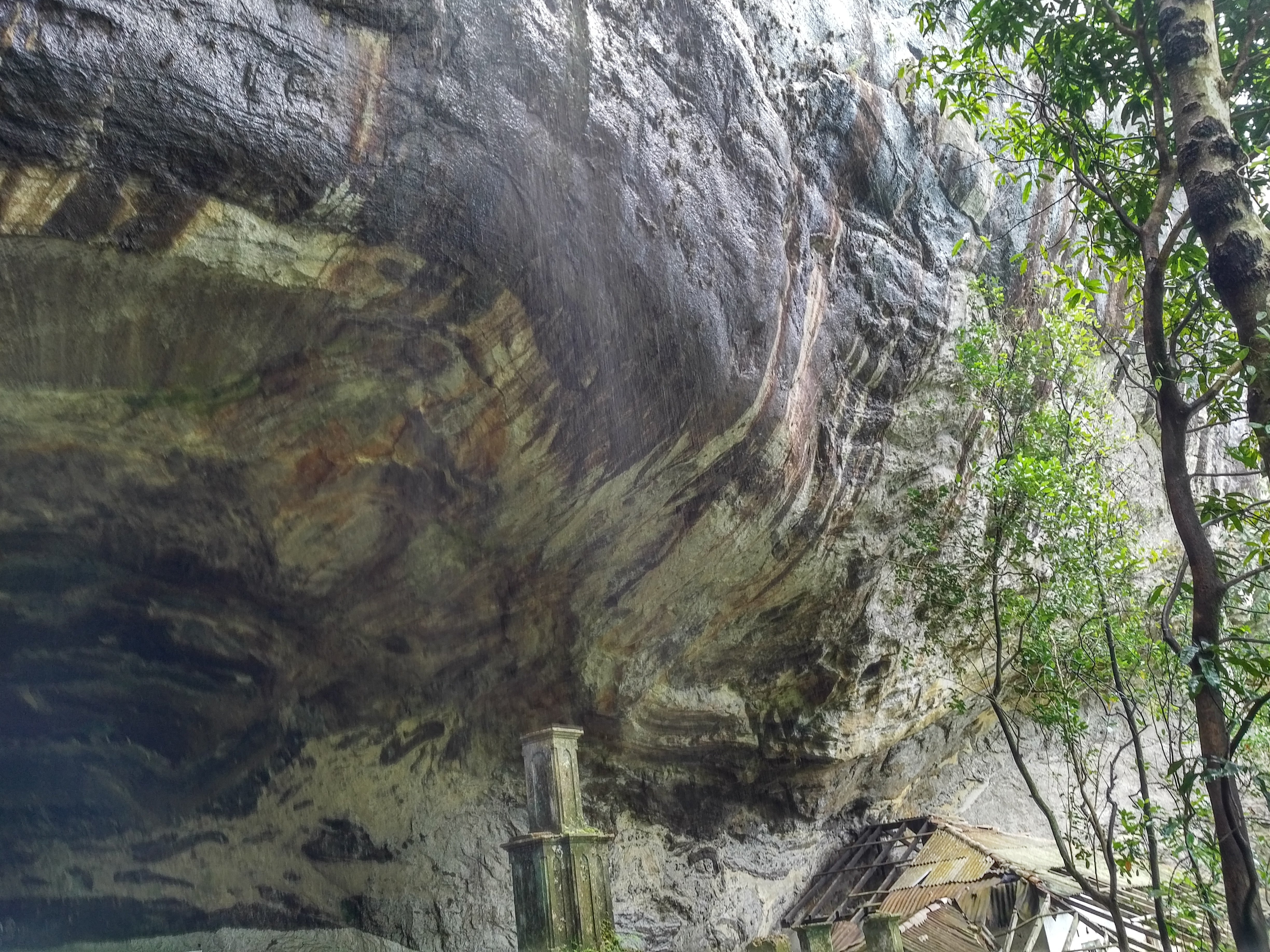
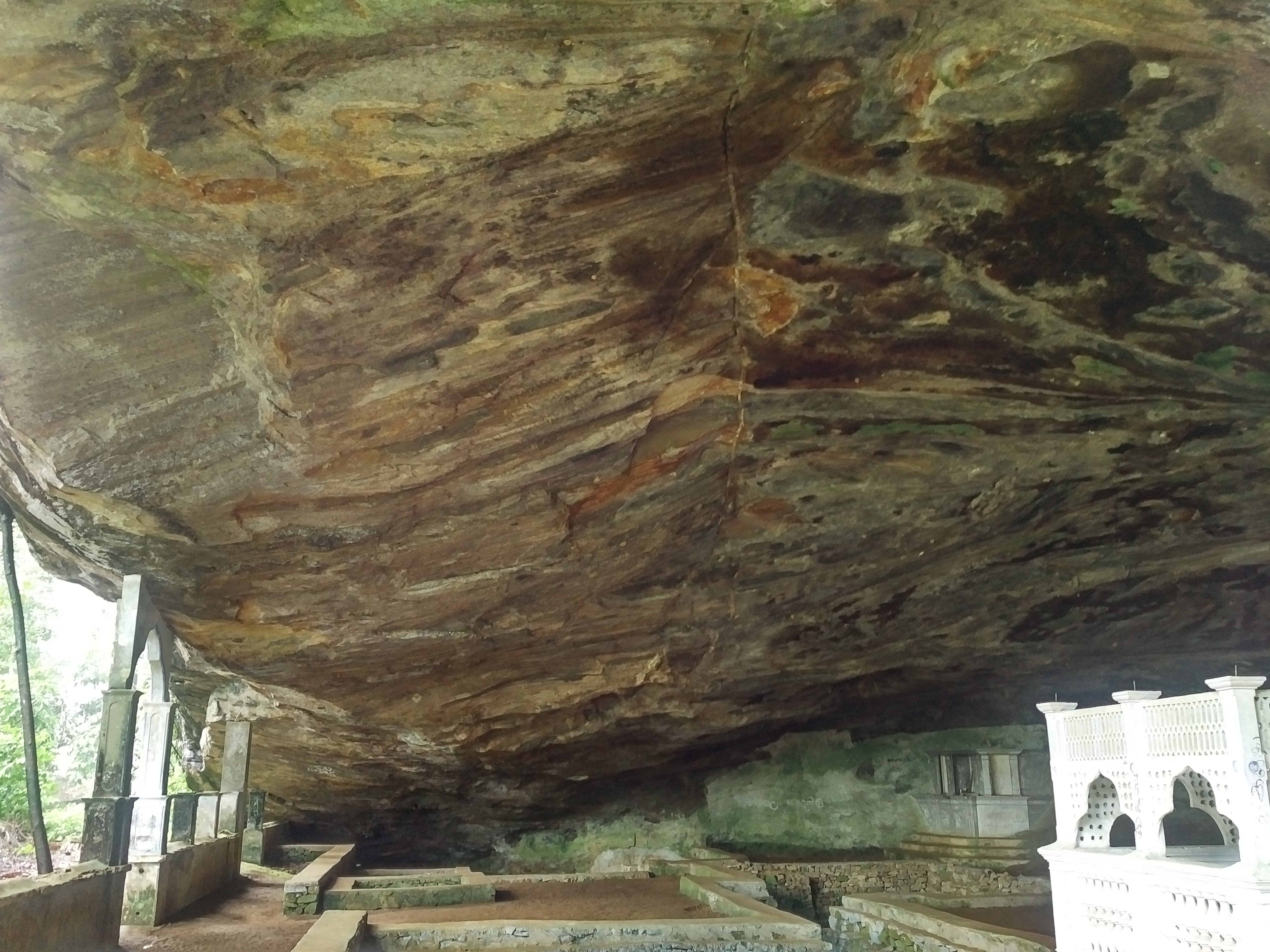
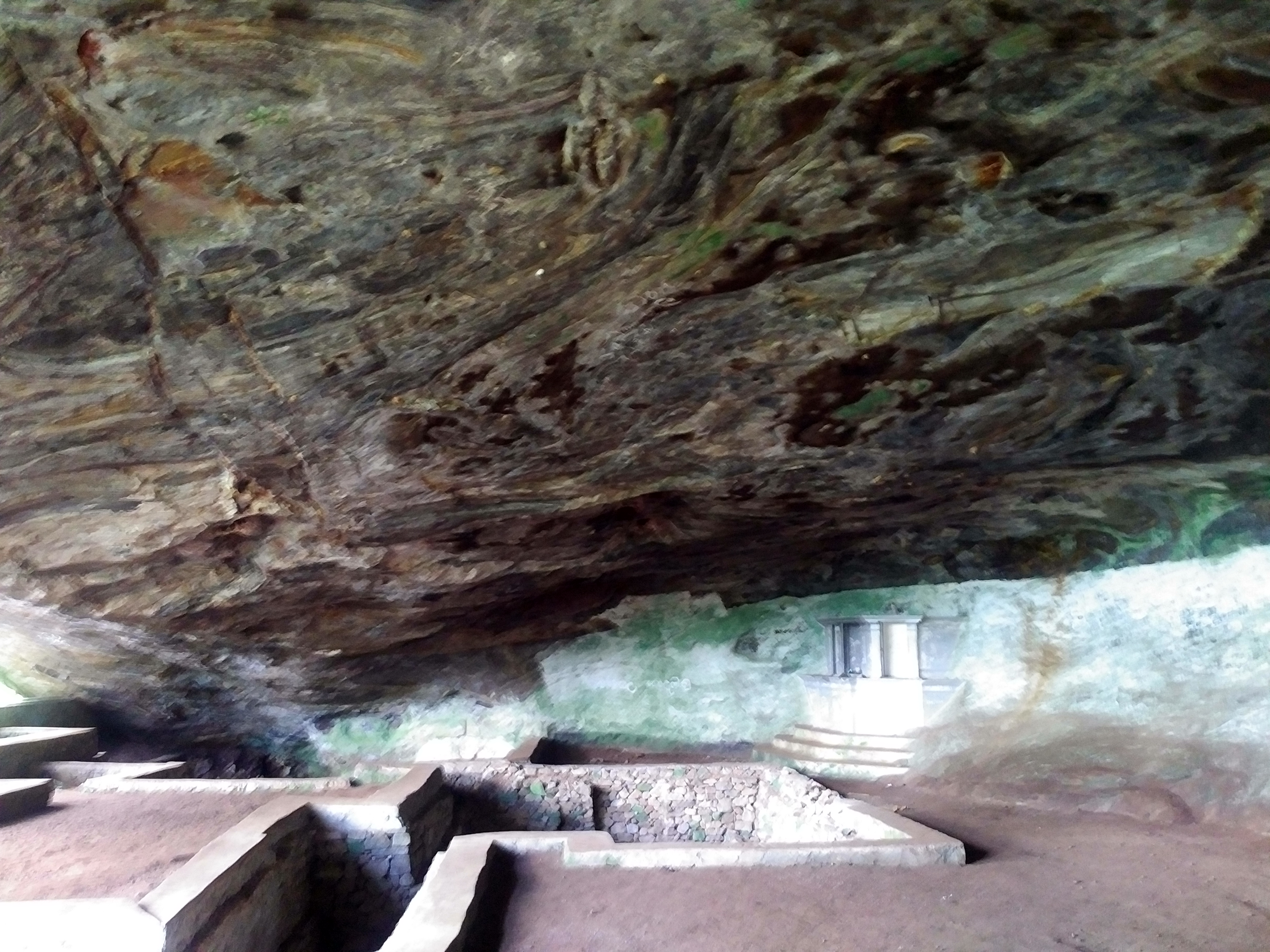
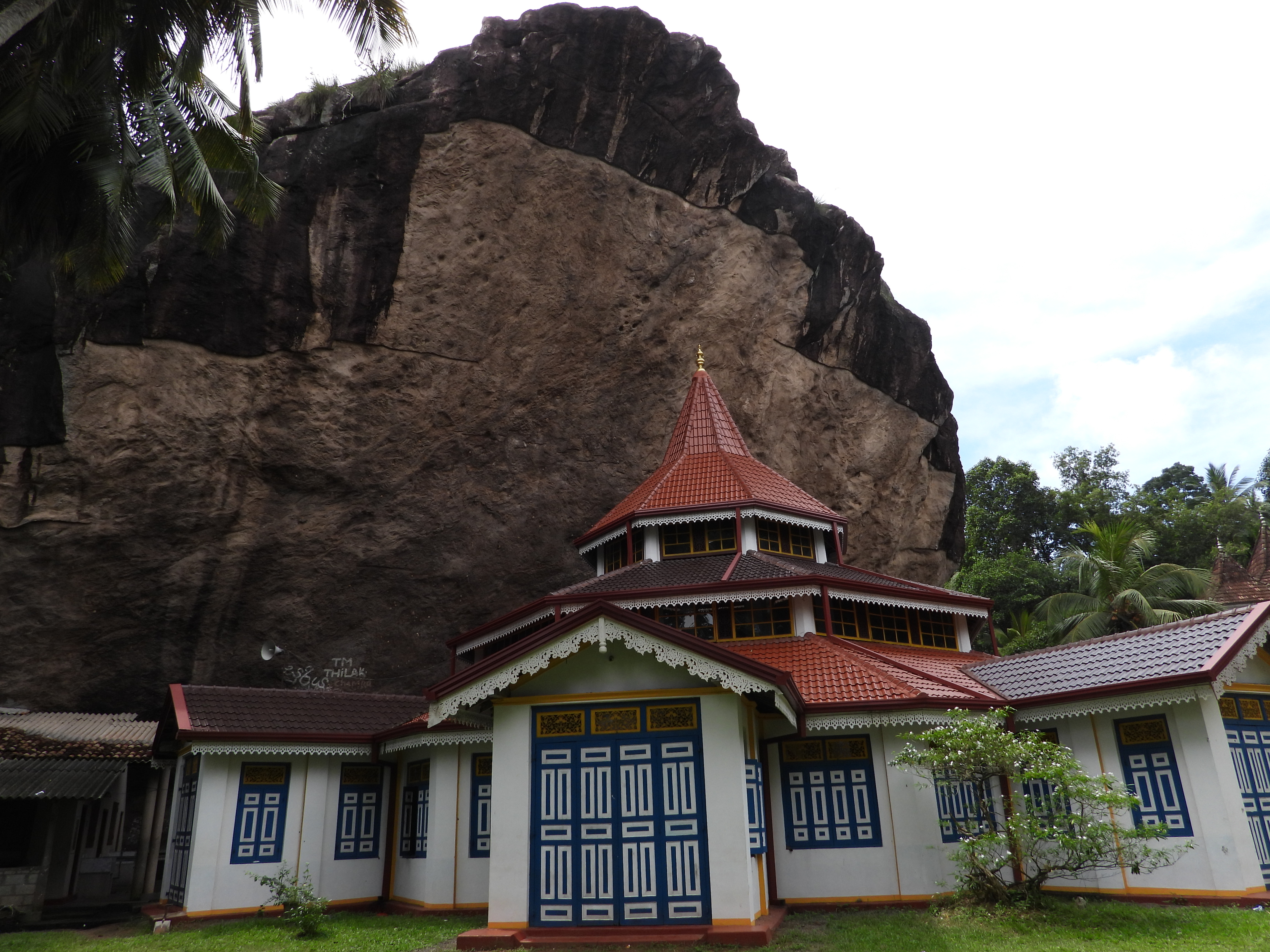
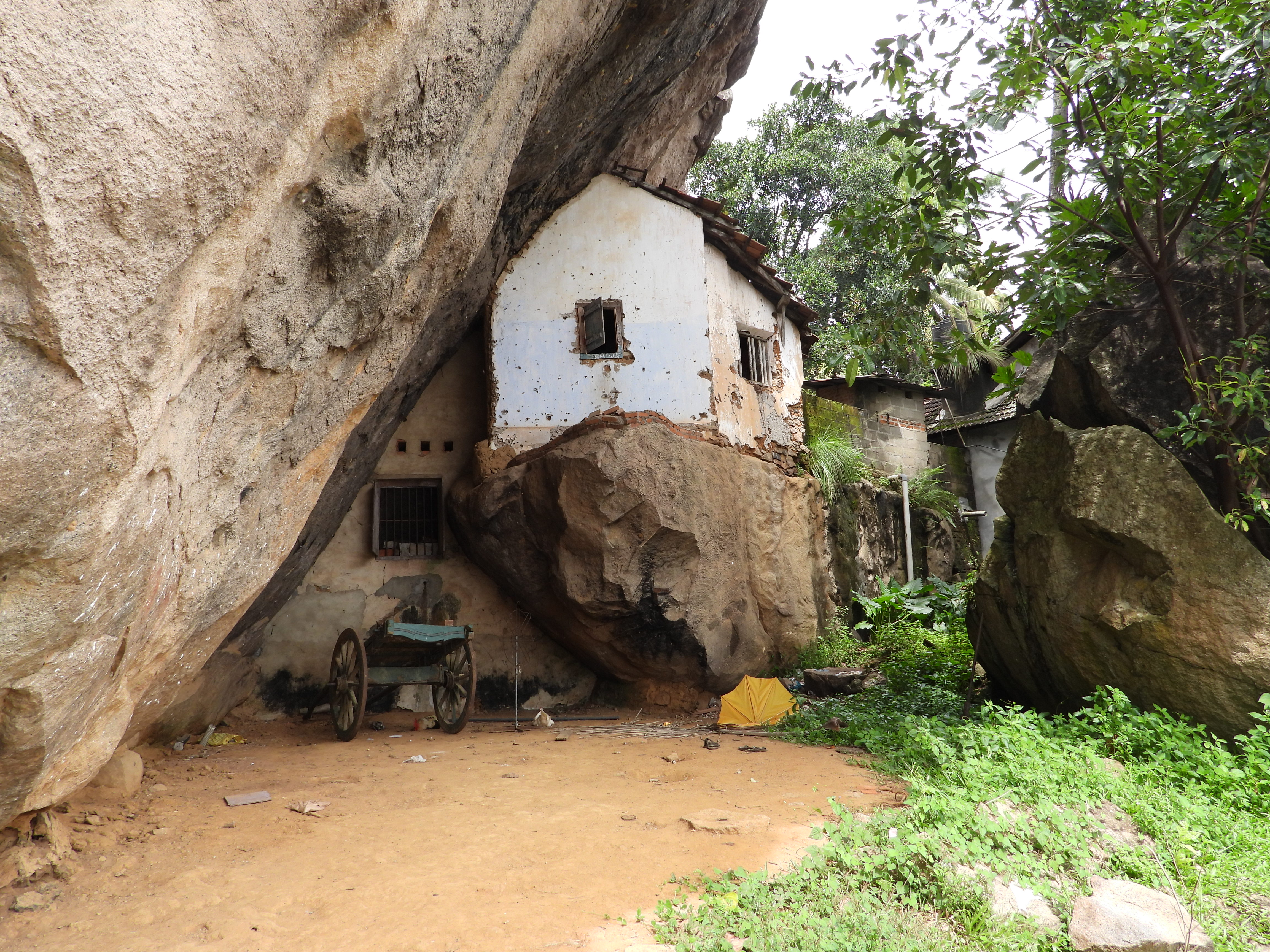
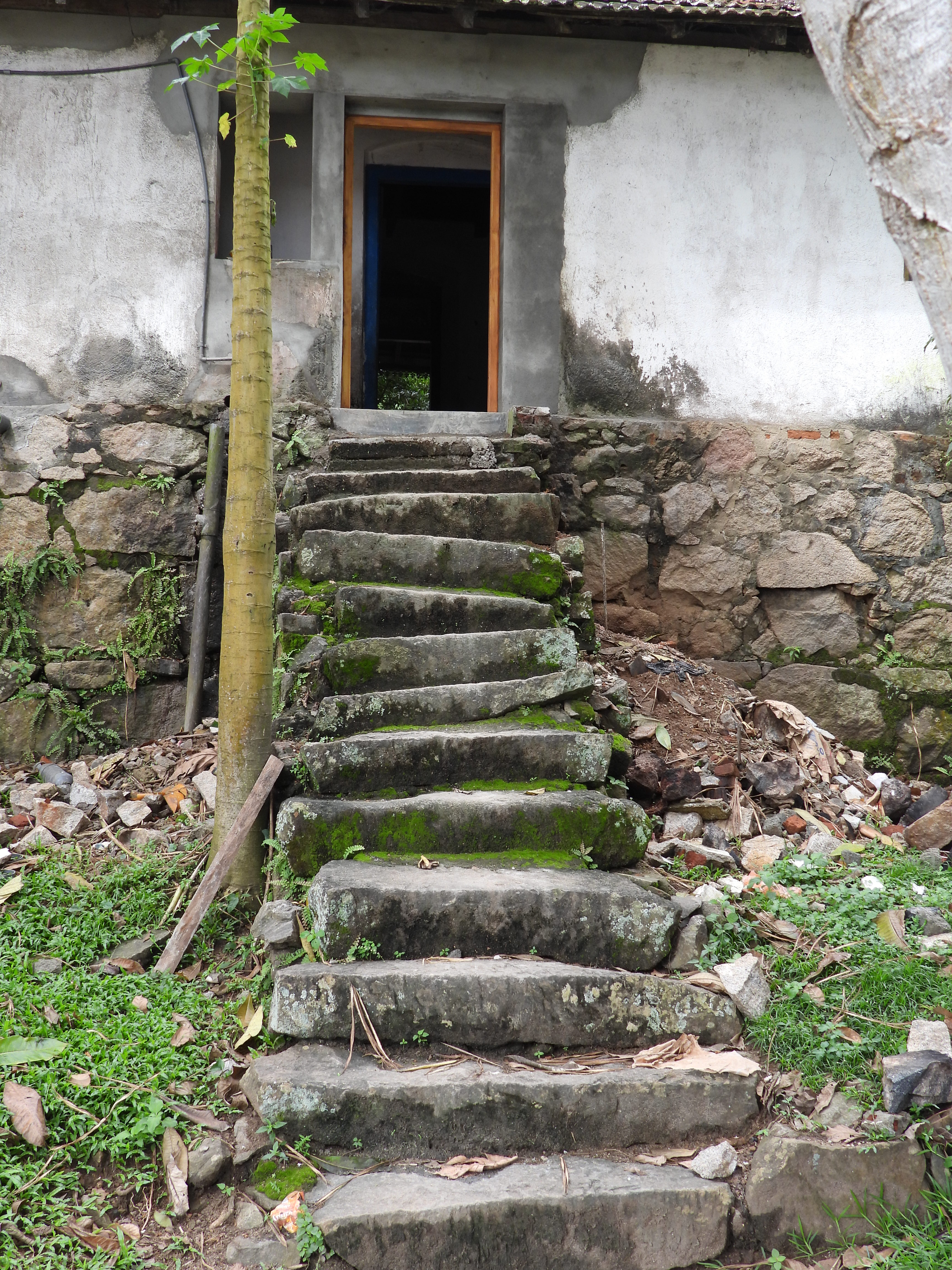
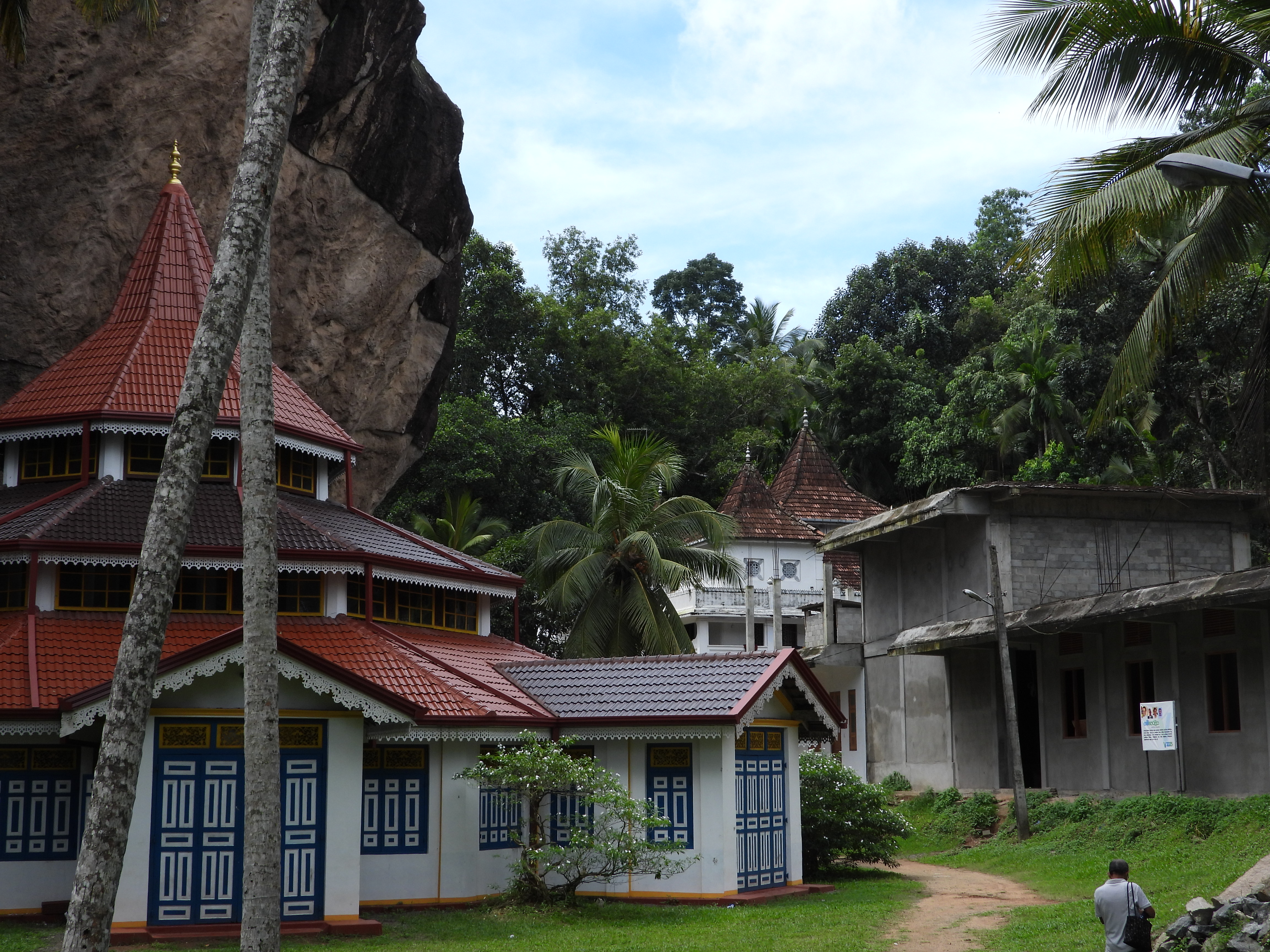
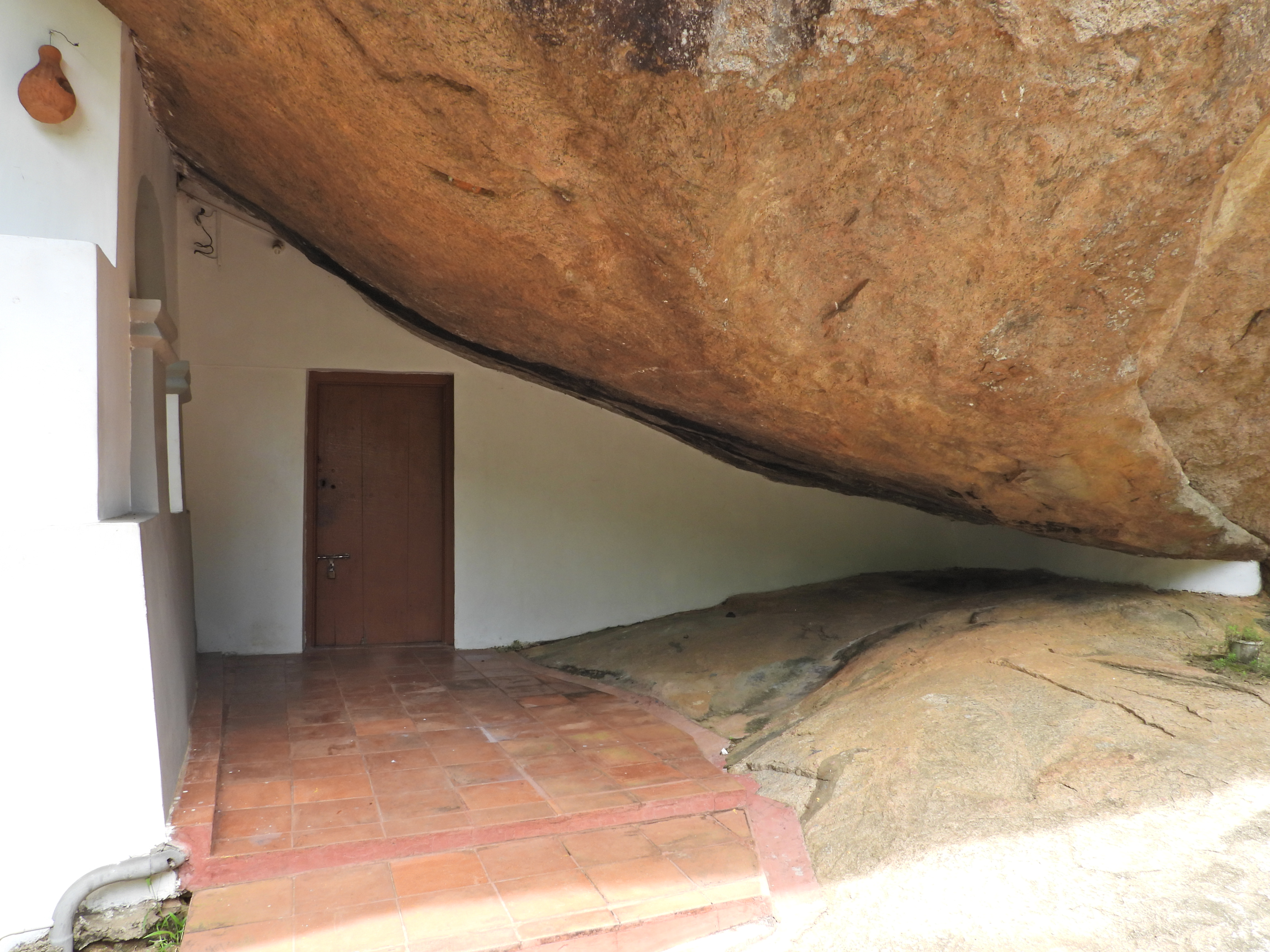
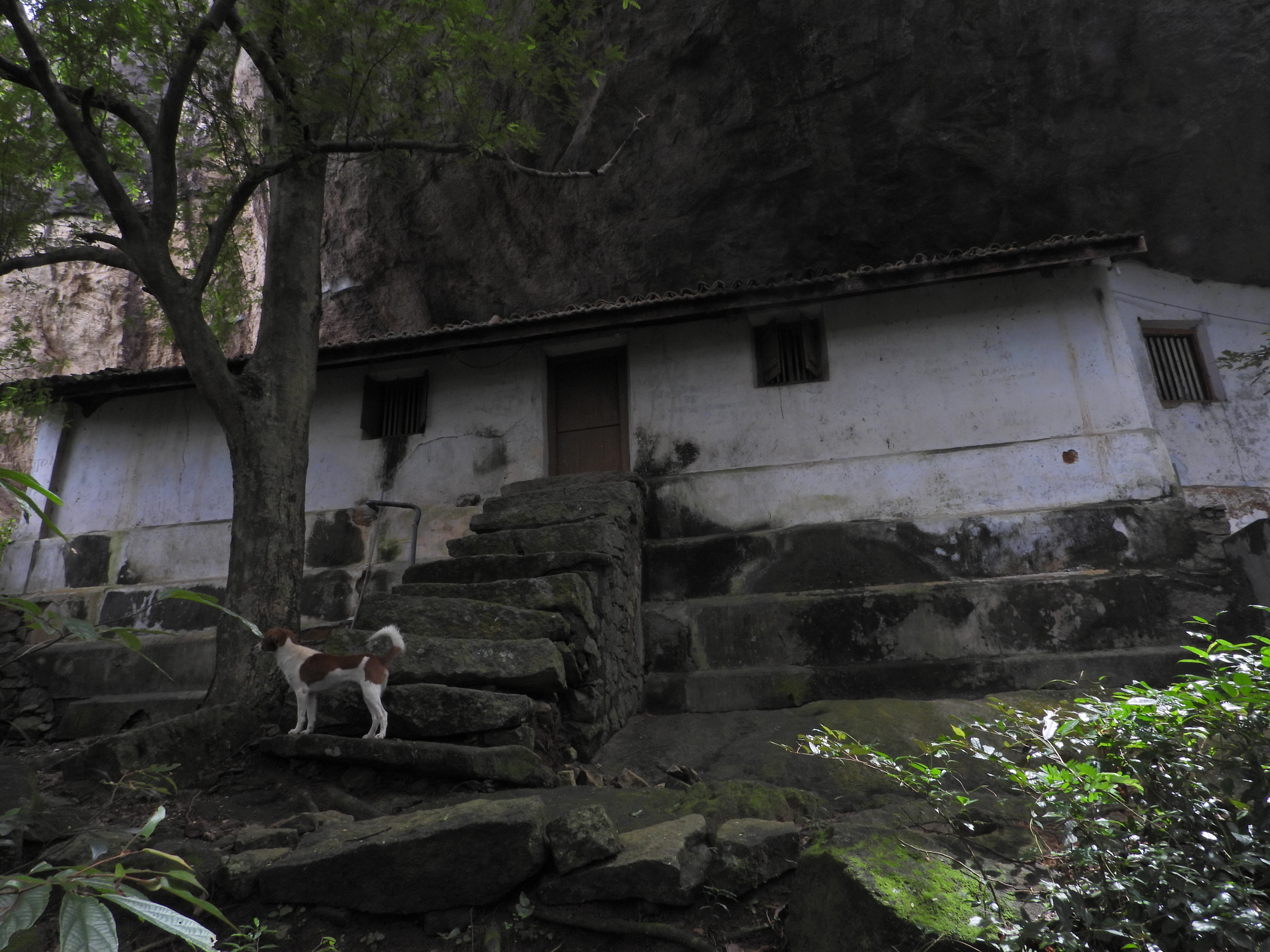
The temples has many caves with high drip ledges. Modern structures have now been built in this caves for the dwelling of monks. The stone steps carved in the stone at times runs parallel to the more modern steps making the climb easier.

Lenawara Raja Maha Viharaya

Lenawara Raja Maha Viharaya

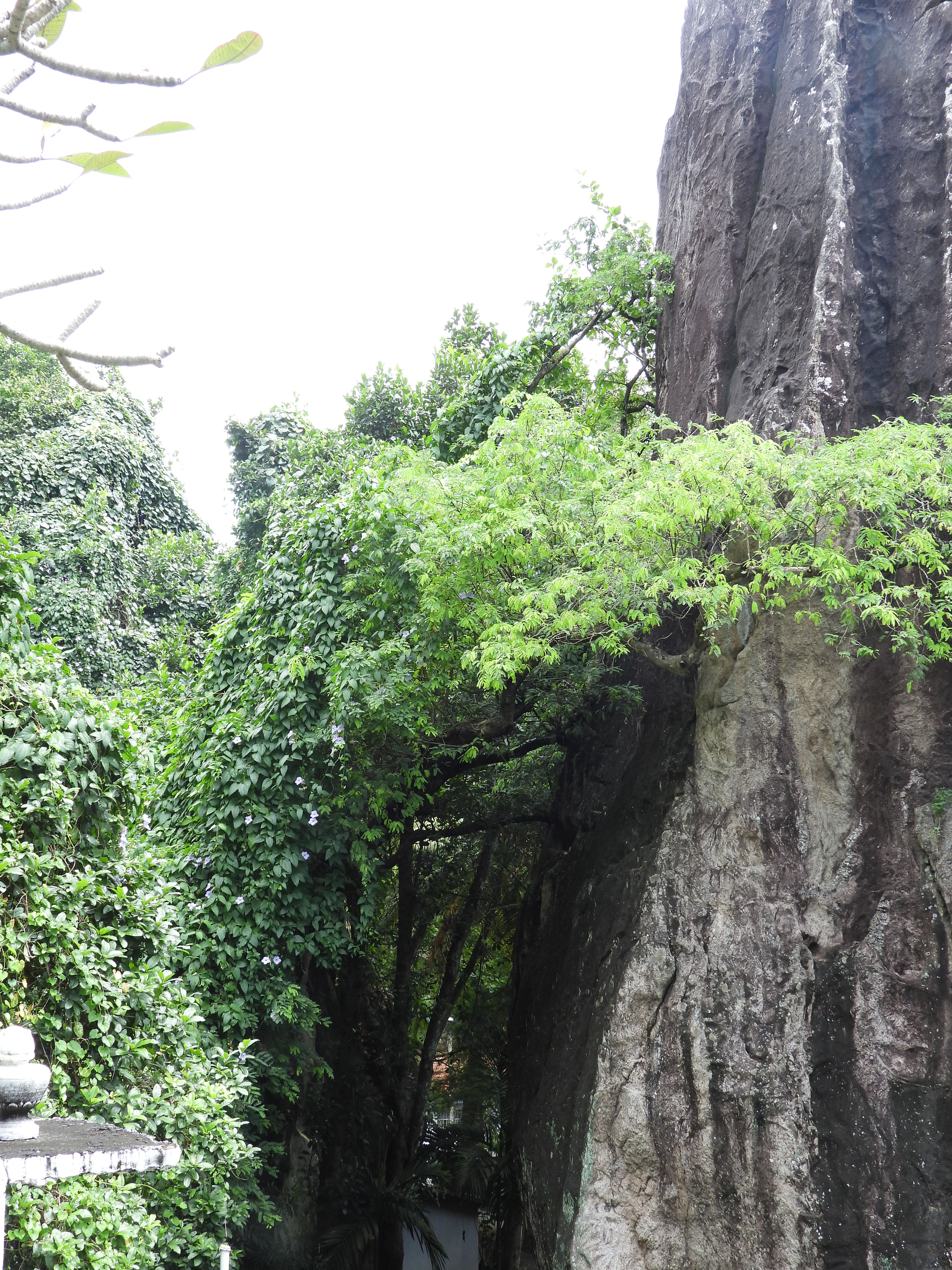
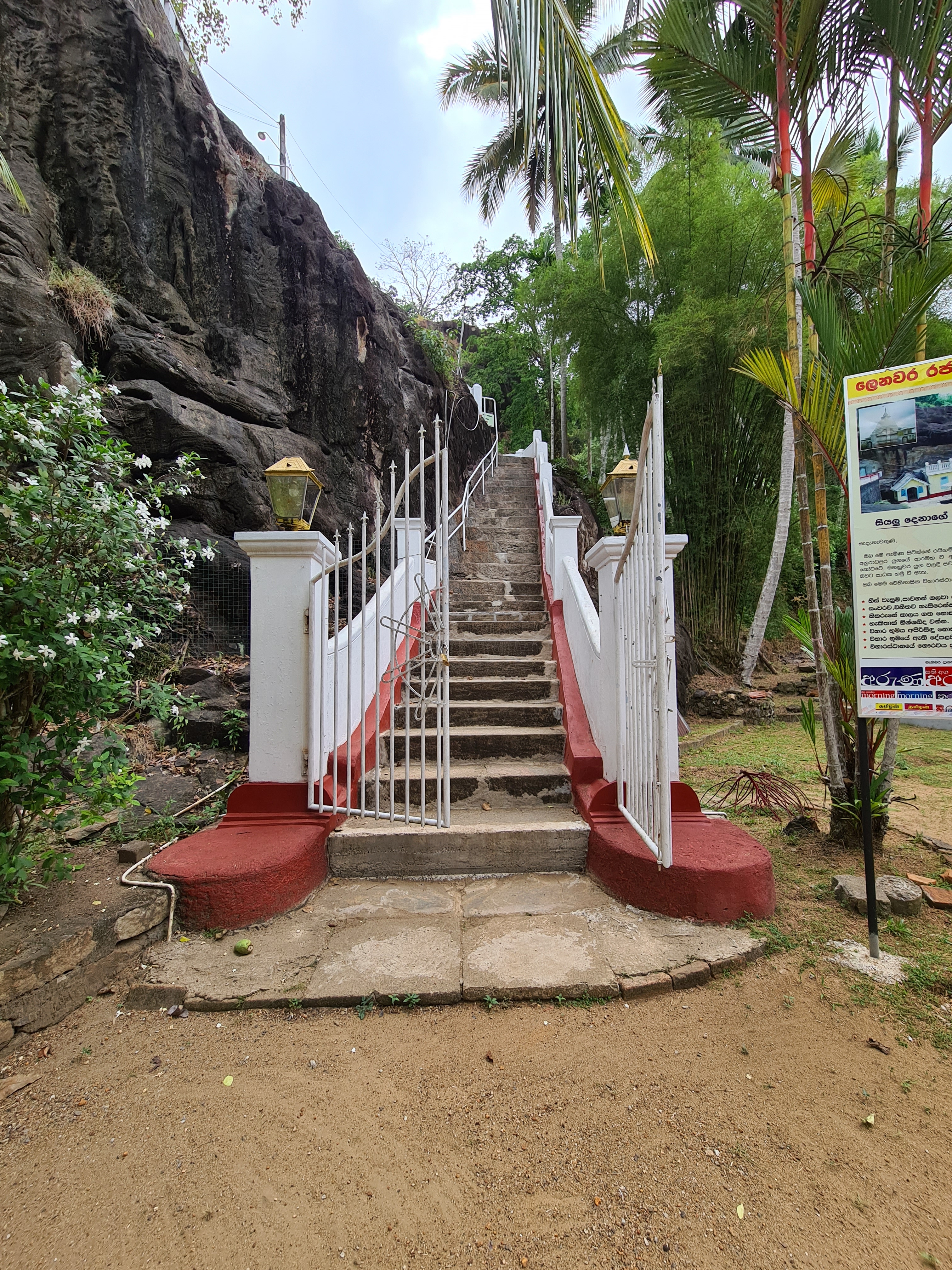
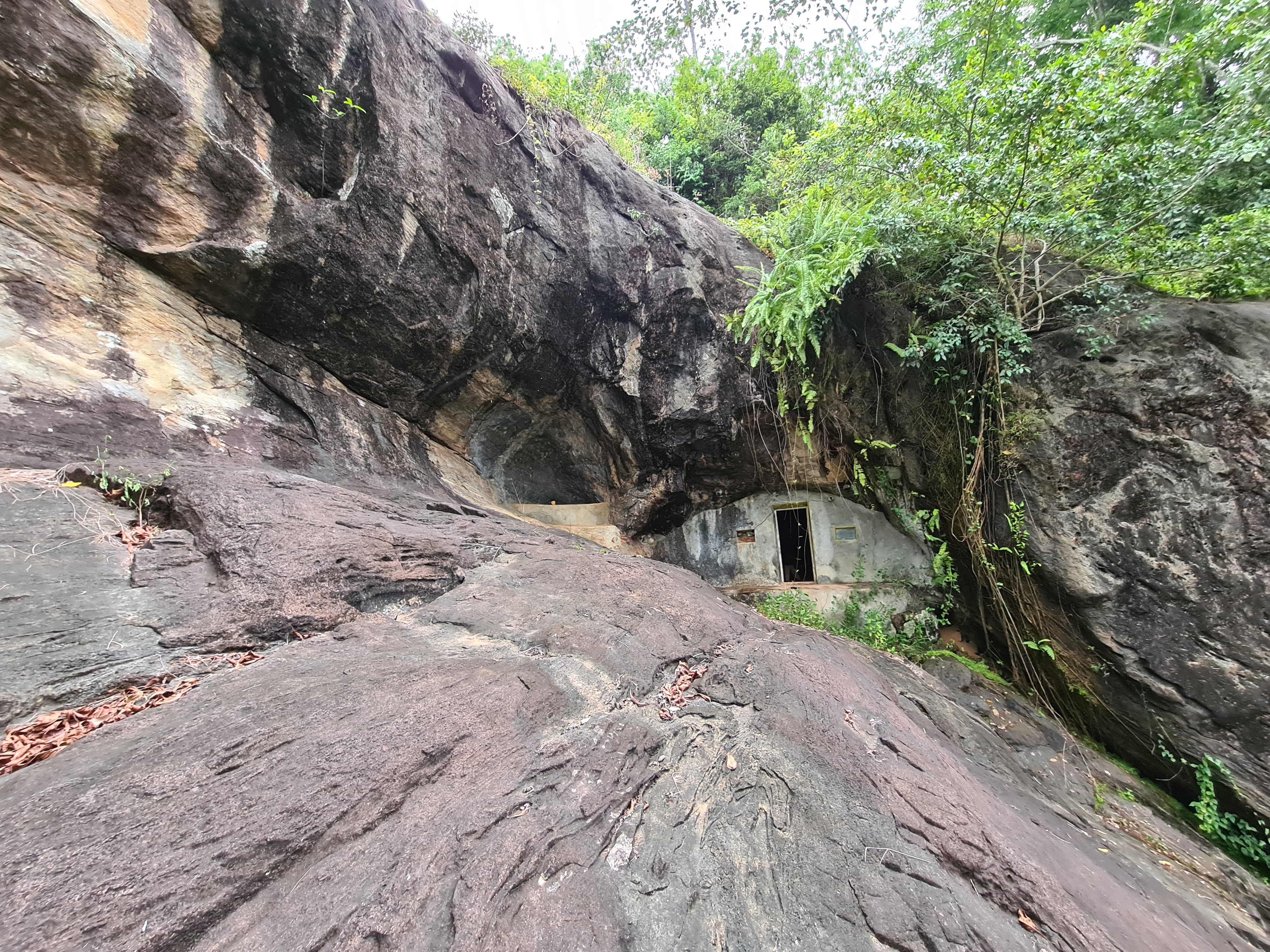
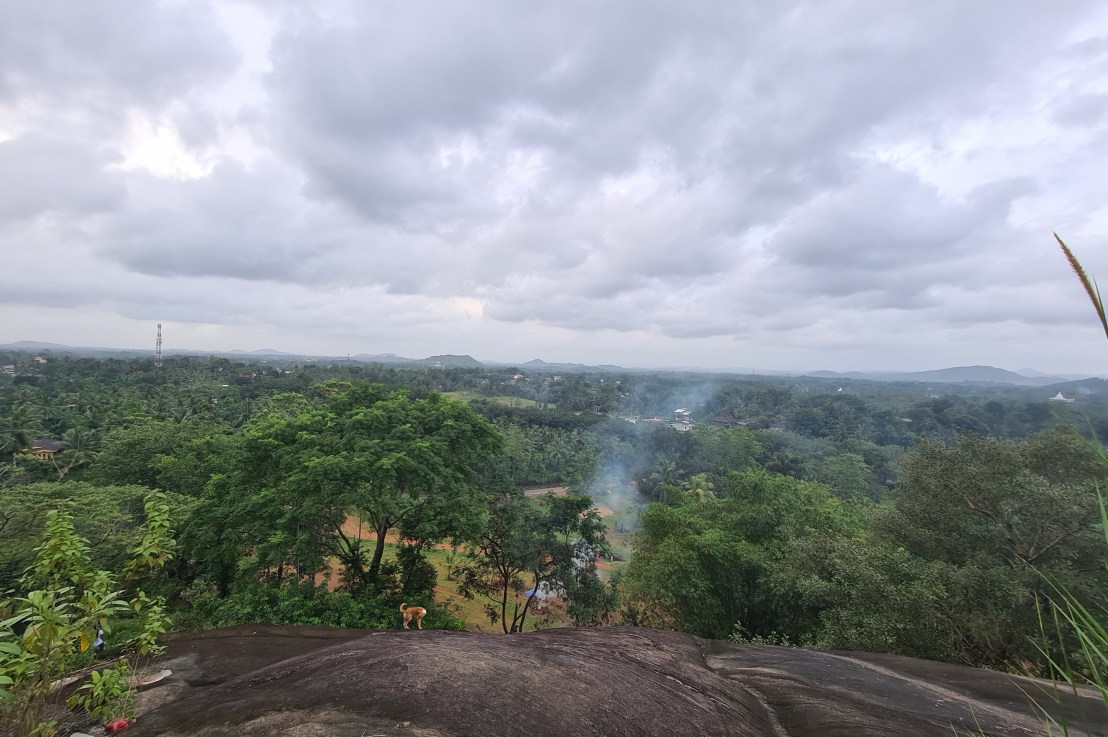
Lenawara Raja Maha Viharaya is situated just outside Horana on a Rock formation. The Image house in situated inside the cave. The Bodhi tree has seemingly grown out of the rock. The temple dates back to the reign of King Devanampiyatissa. The cave dwelling of the Brahmin orignal given leave to reside here can still be seen. The view from the top is quite spectacular especially the sunset.

Vessagiriya Cave Complex

Vessagiriya Cave Complex

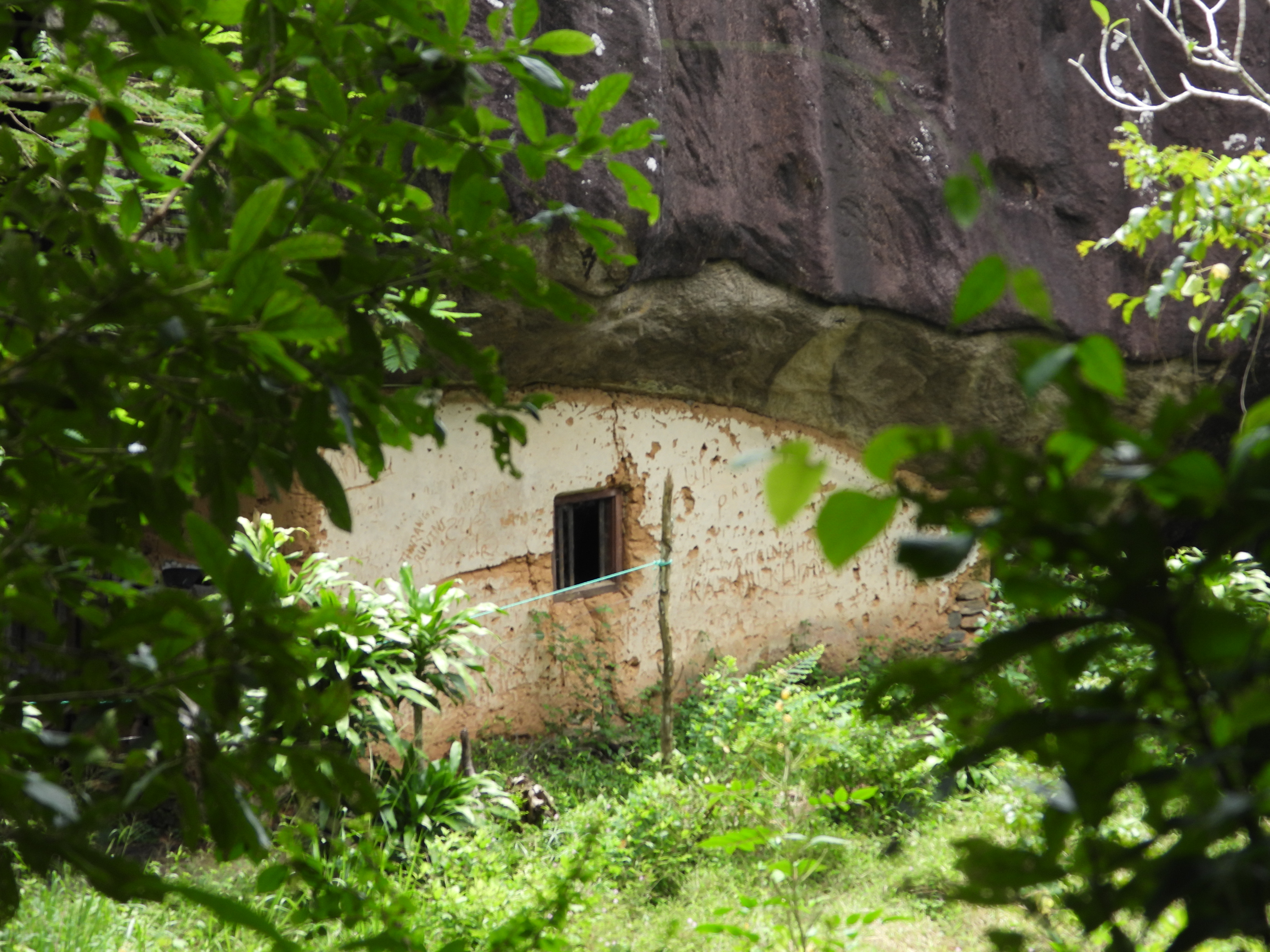
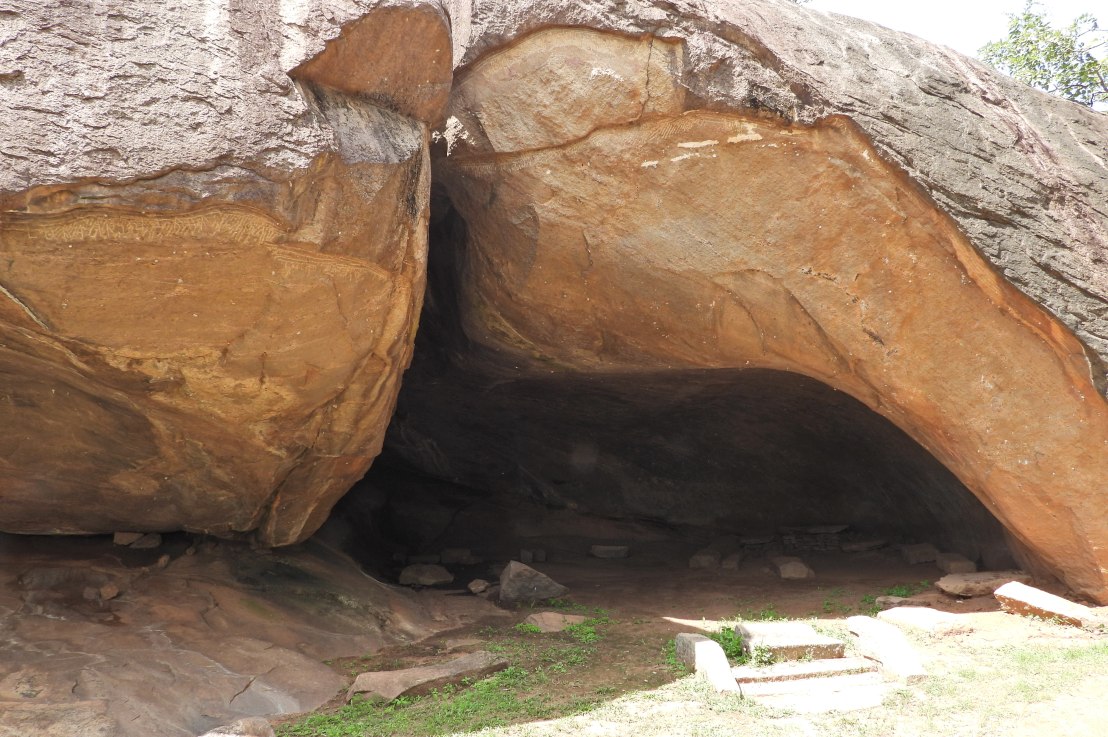
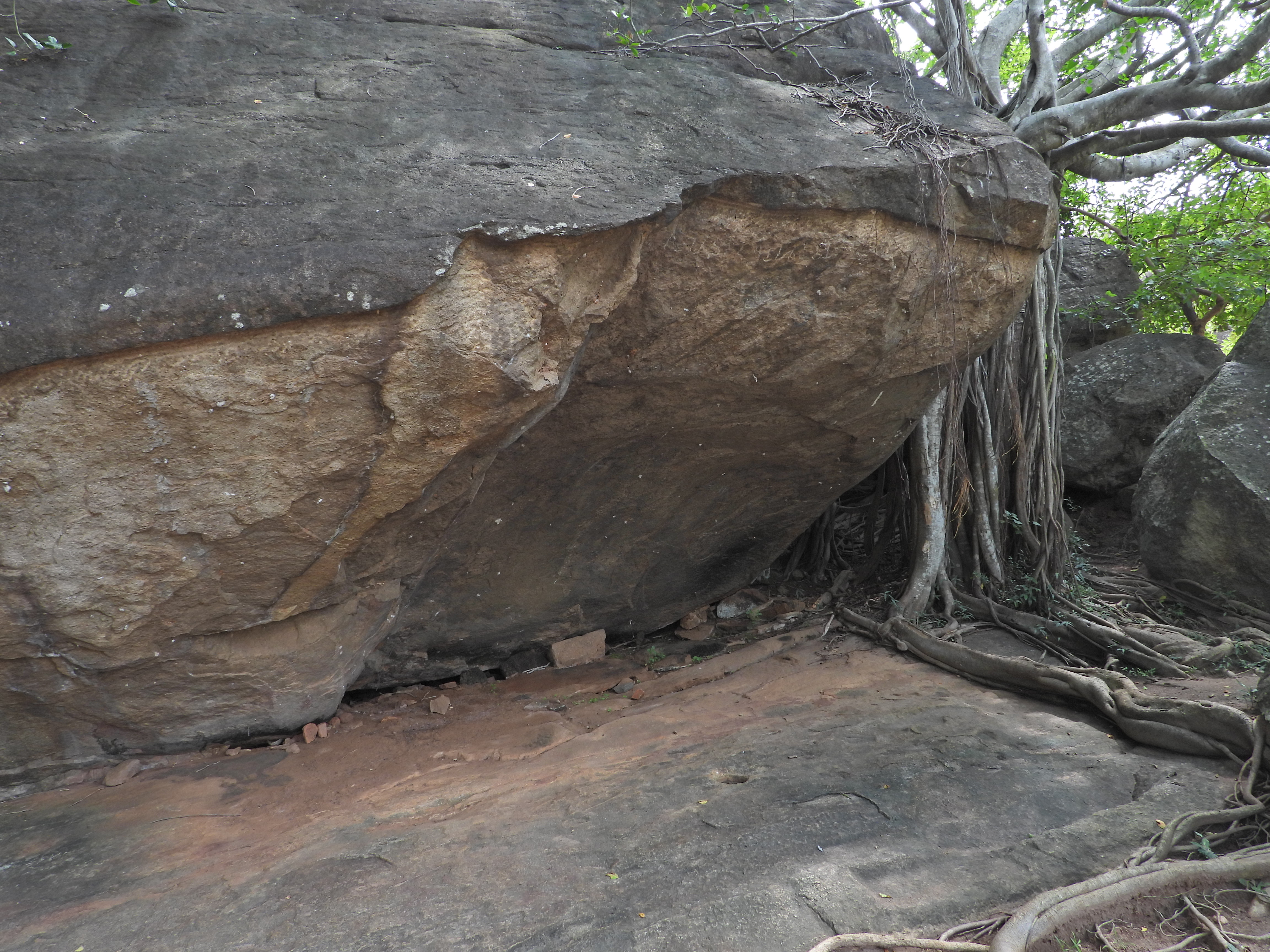
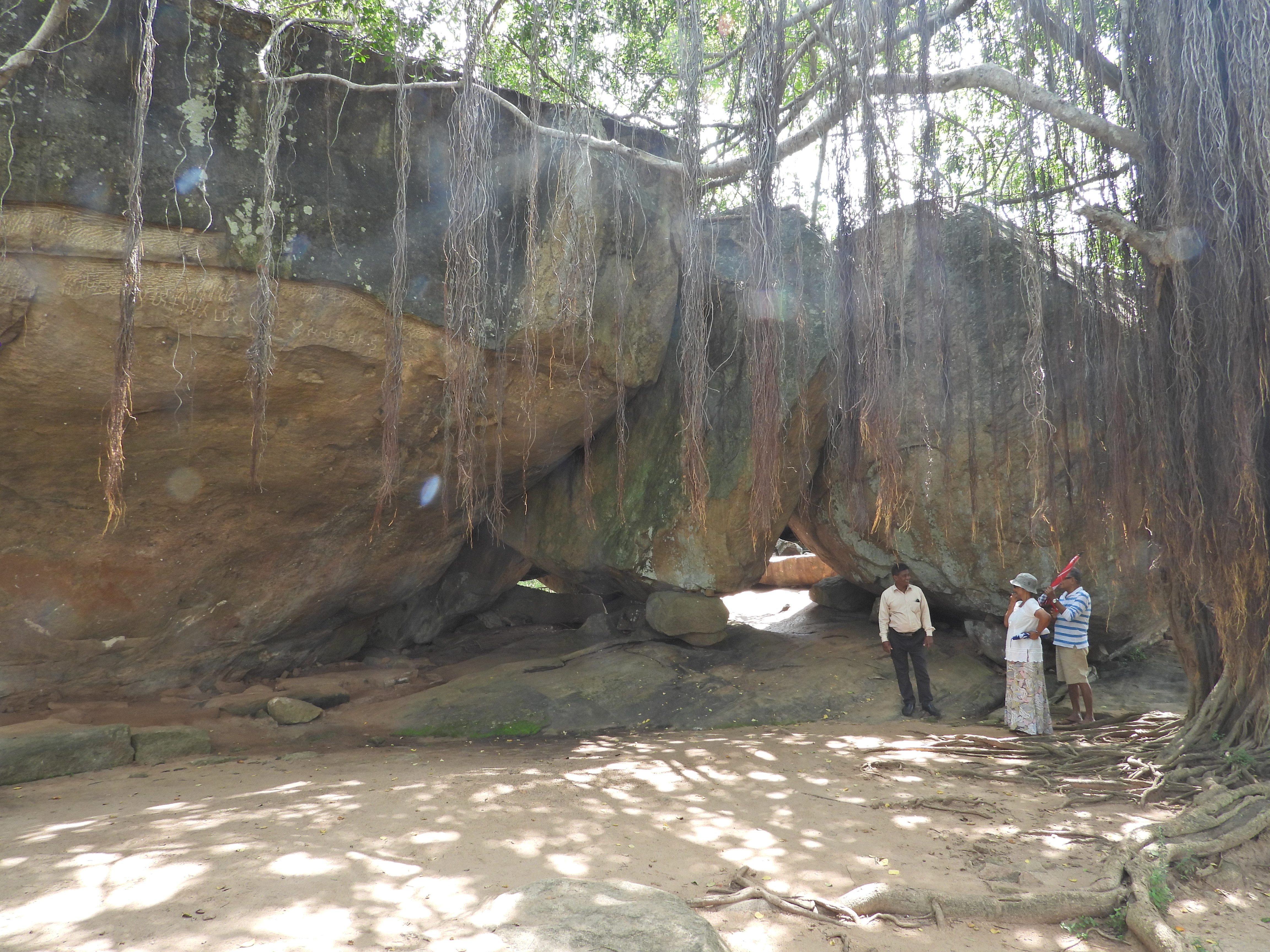
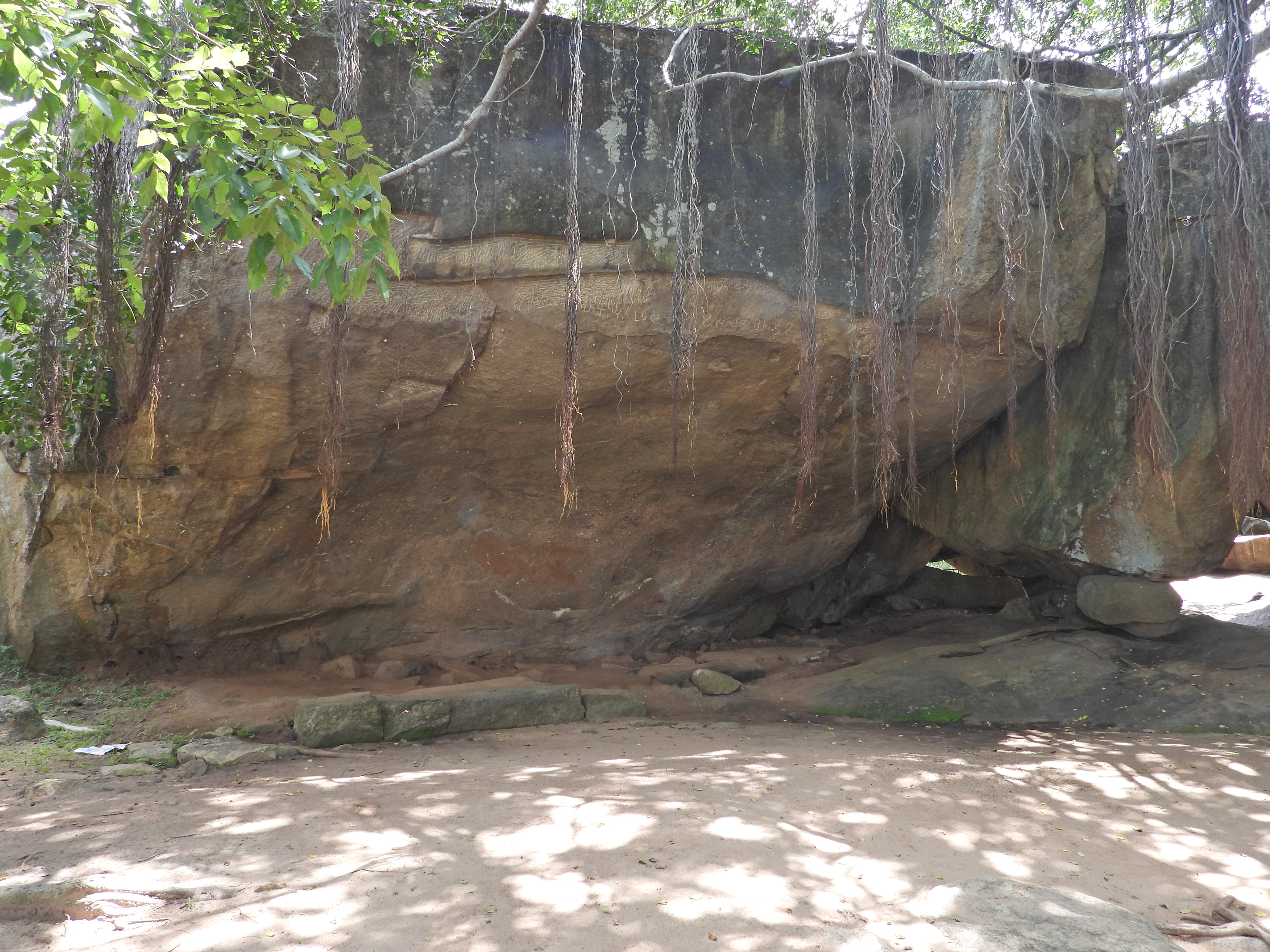
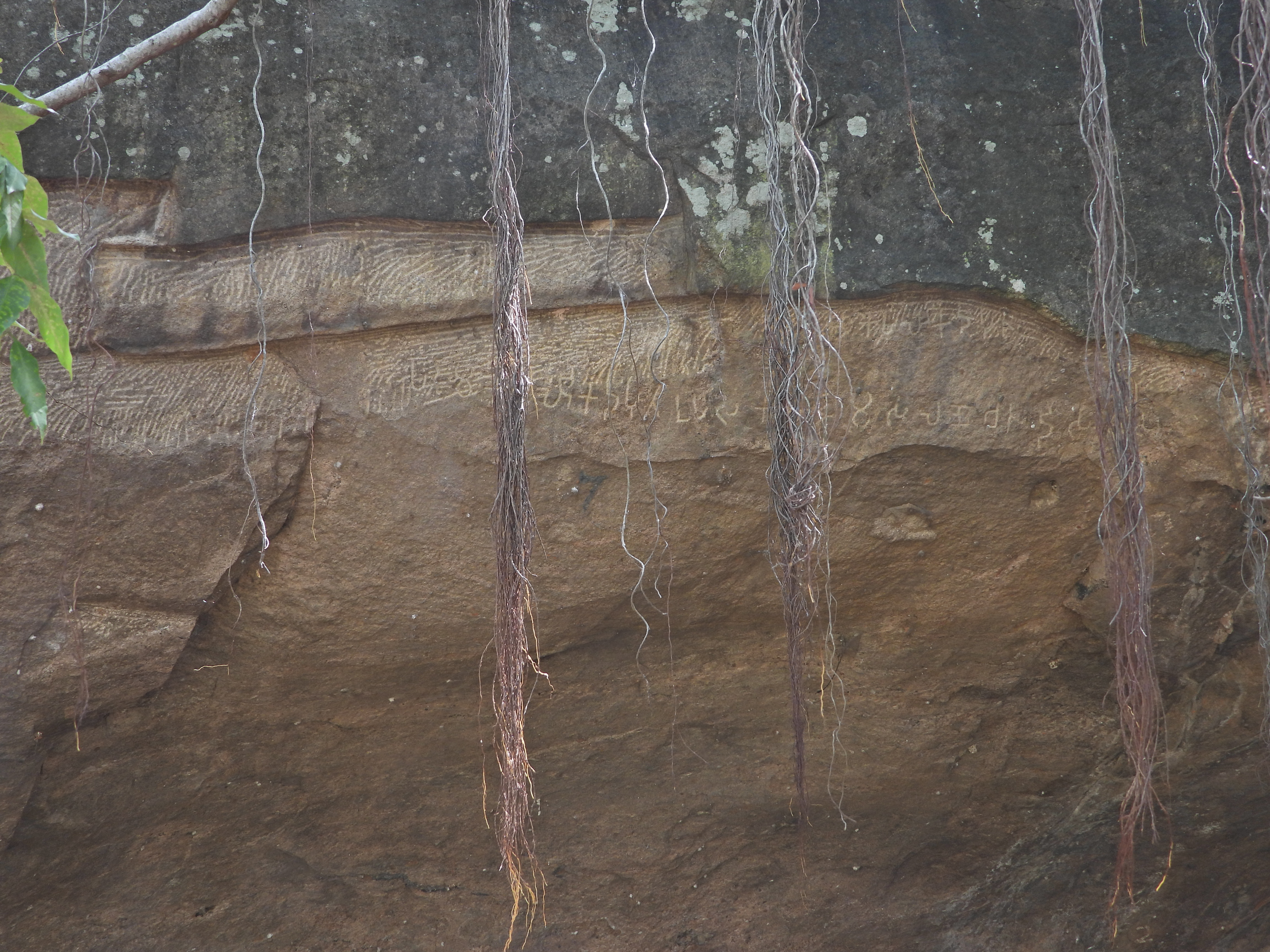
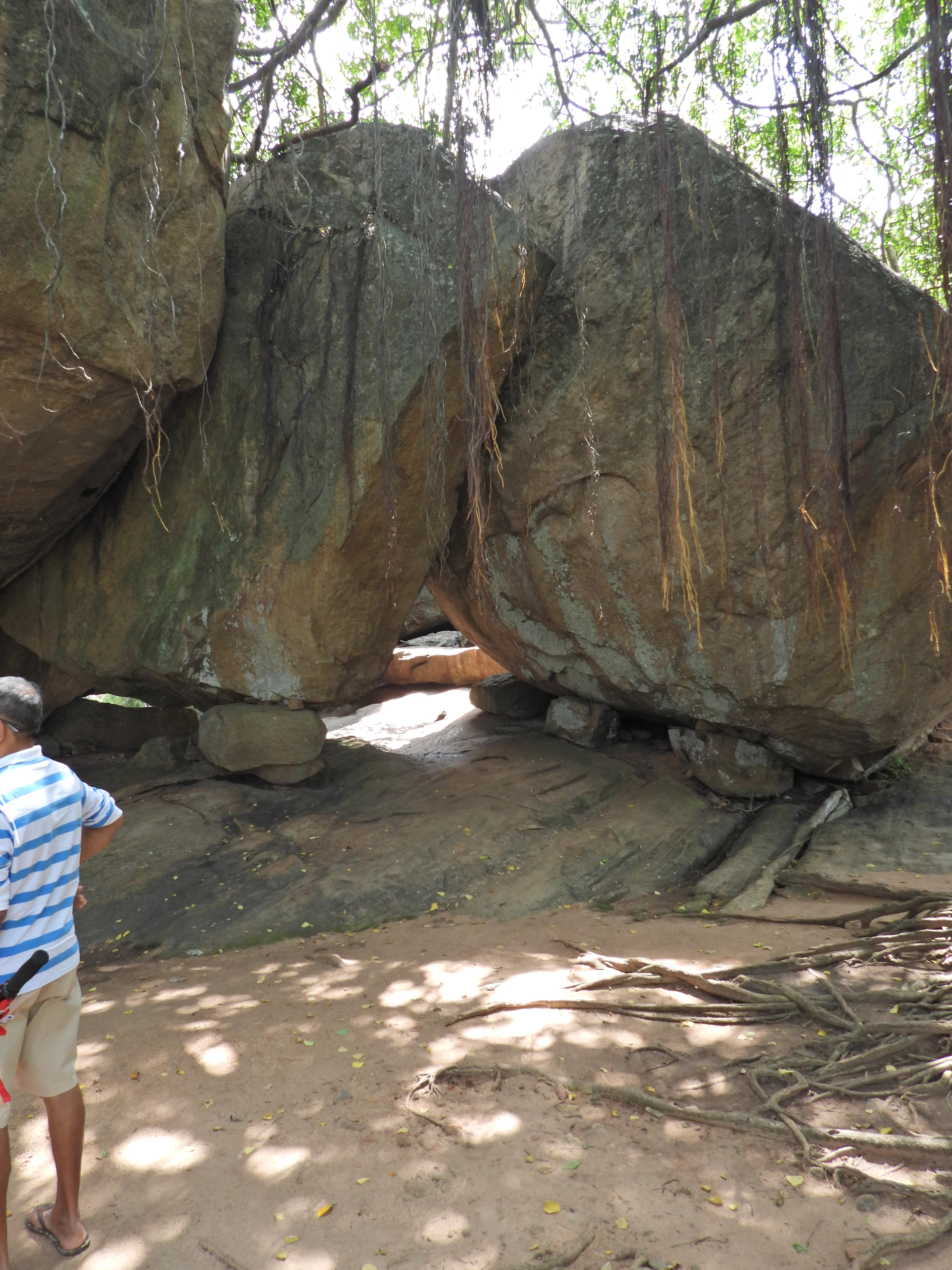
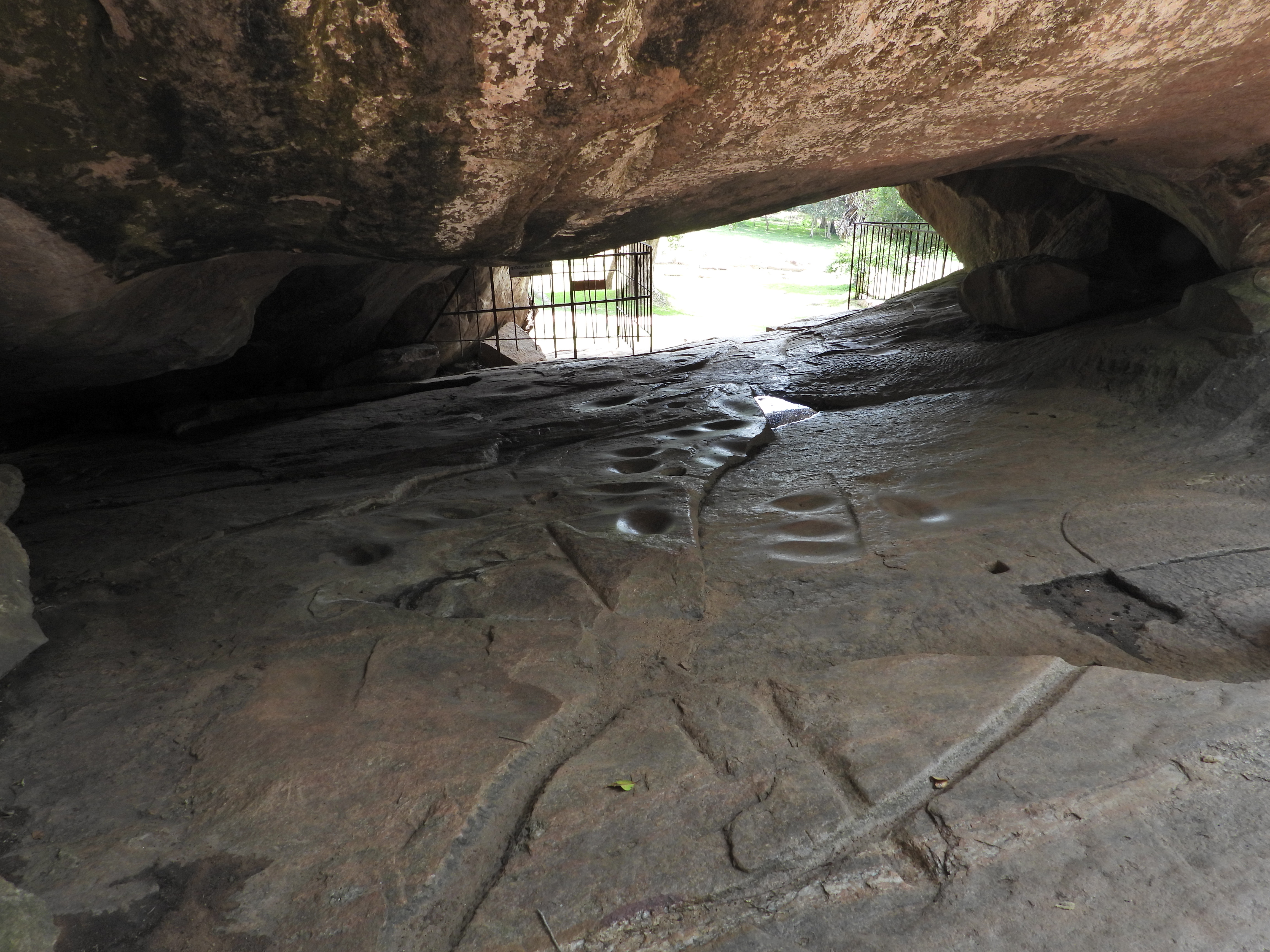
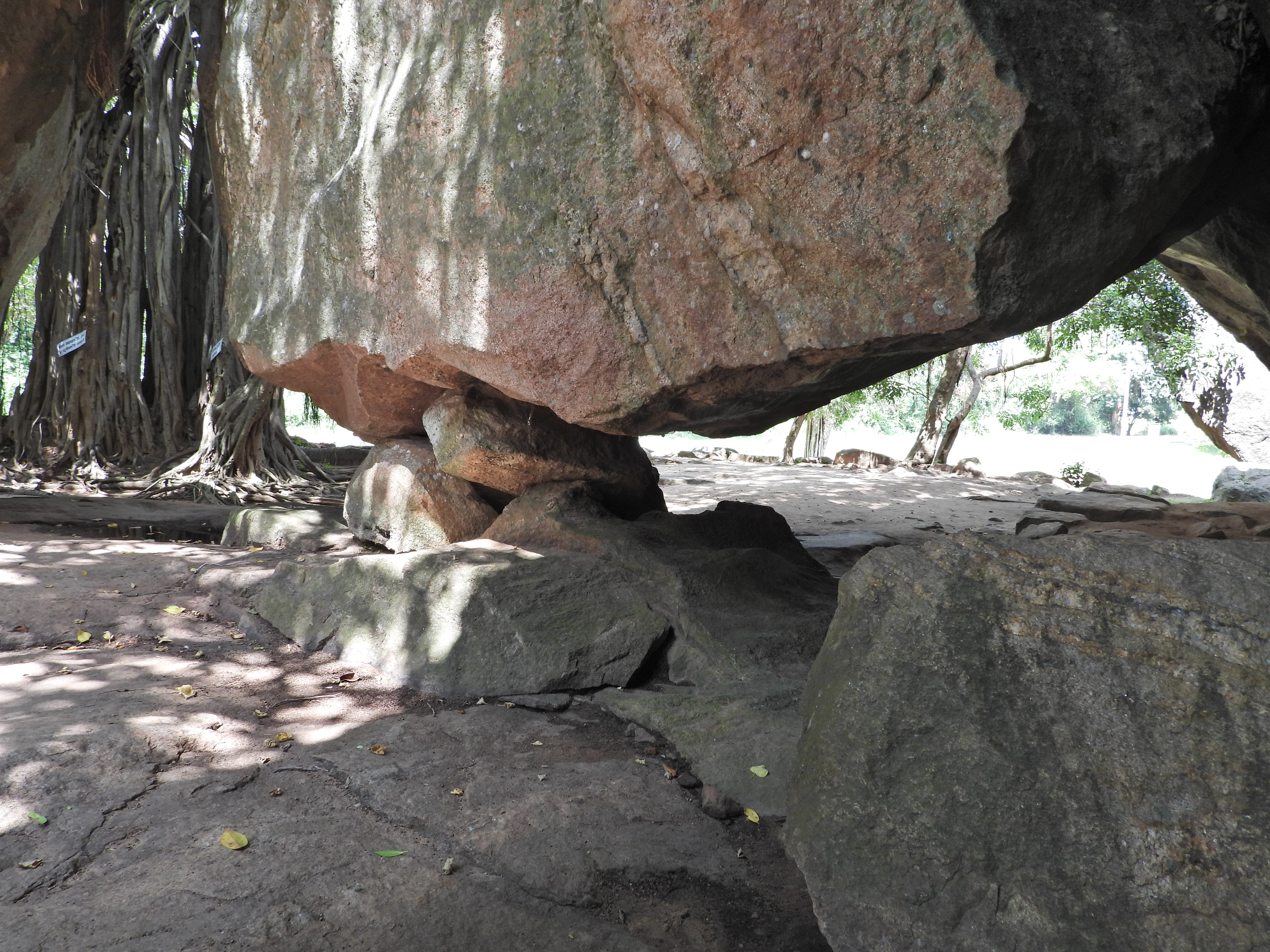
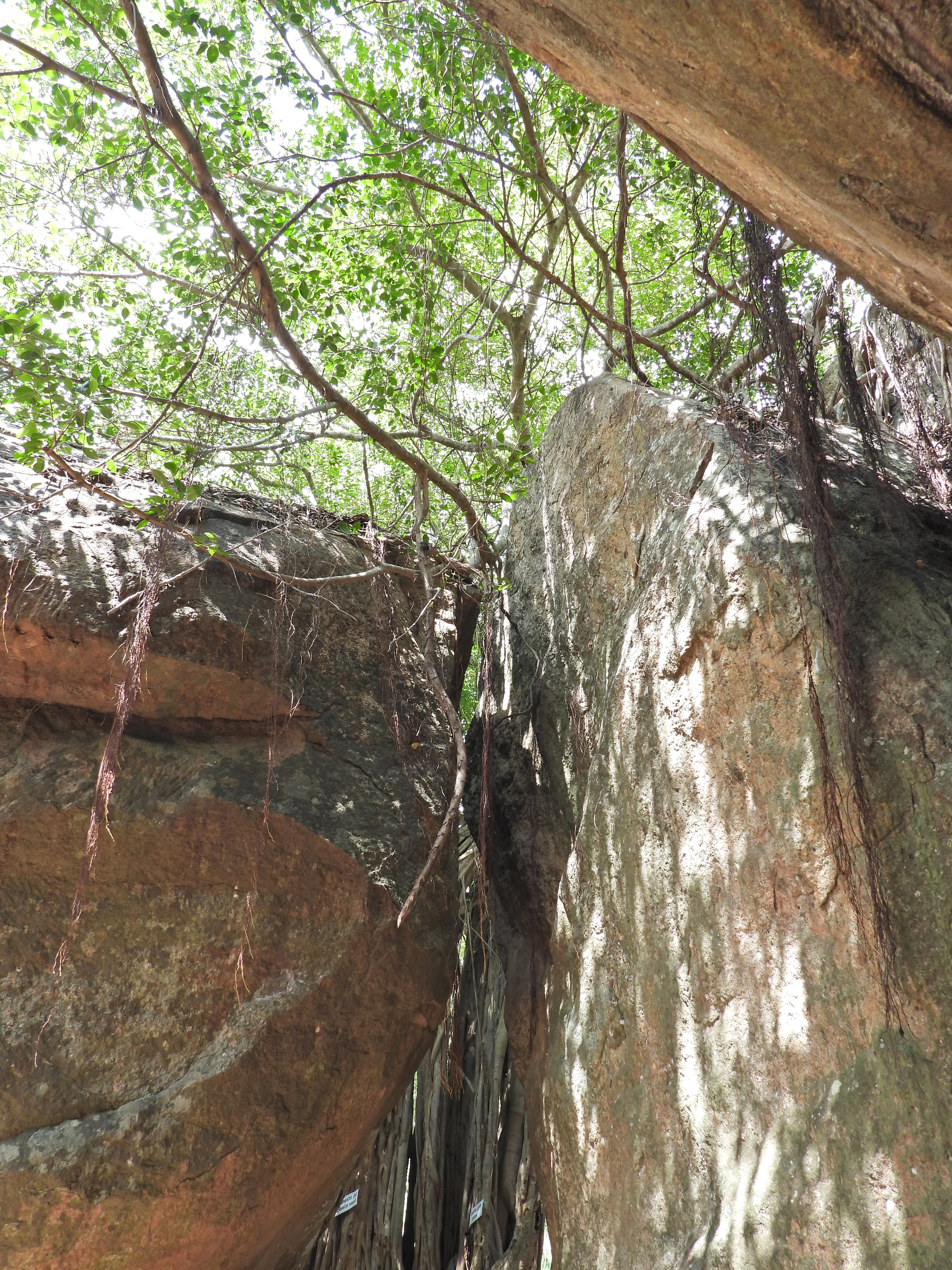
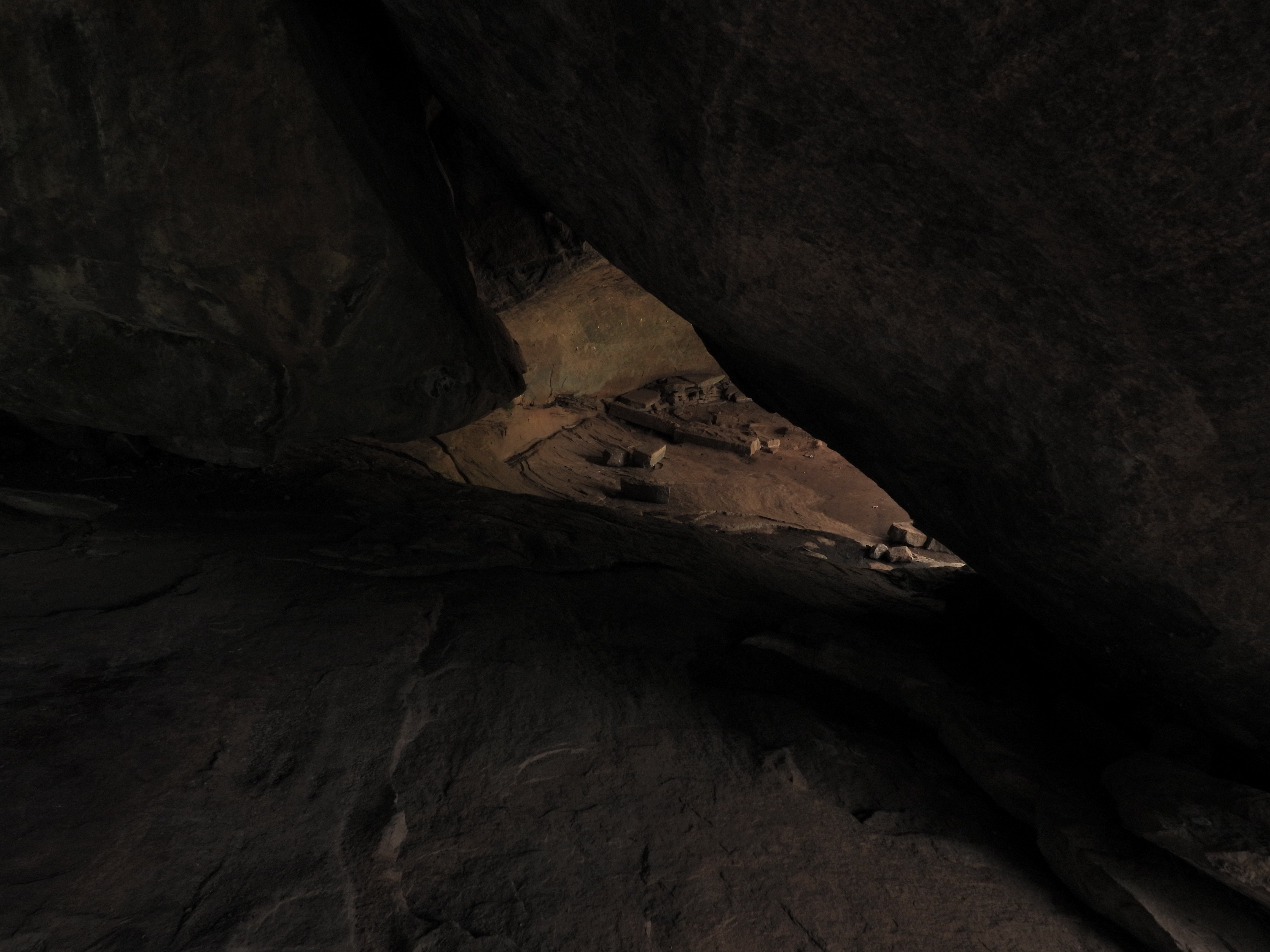
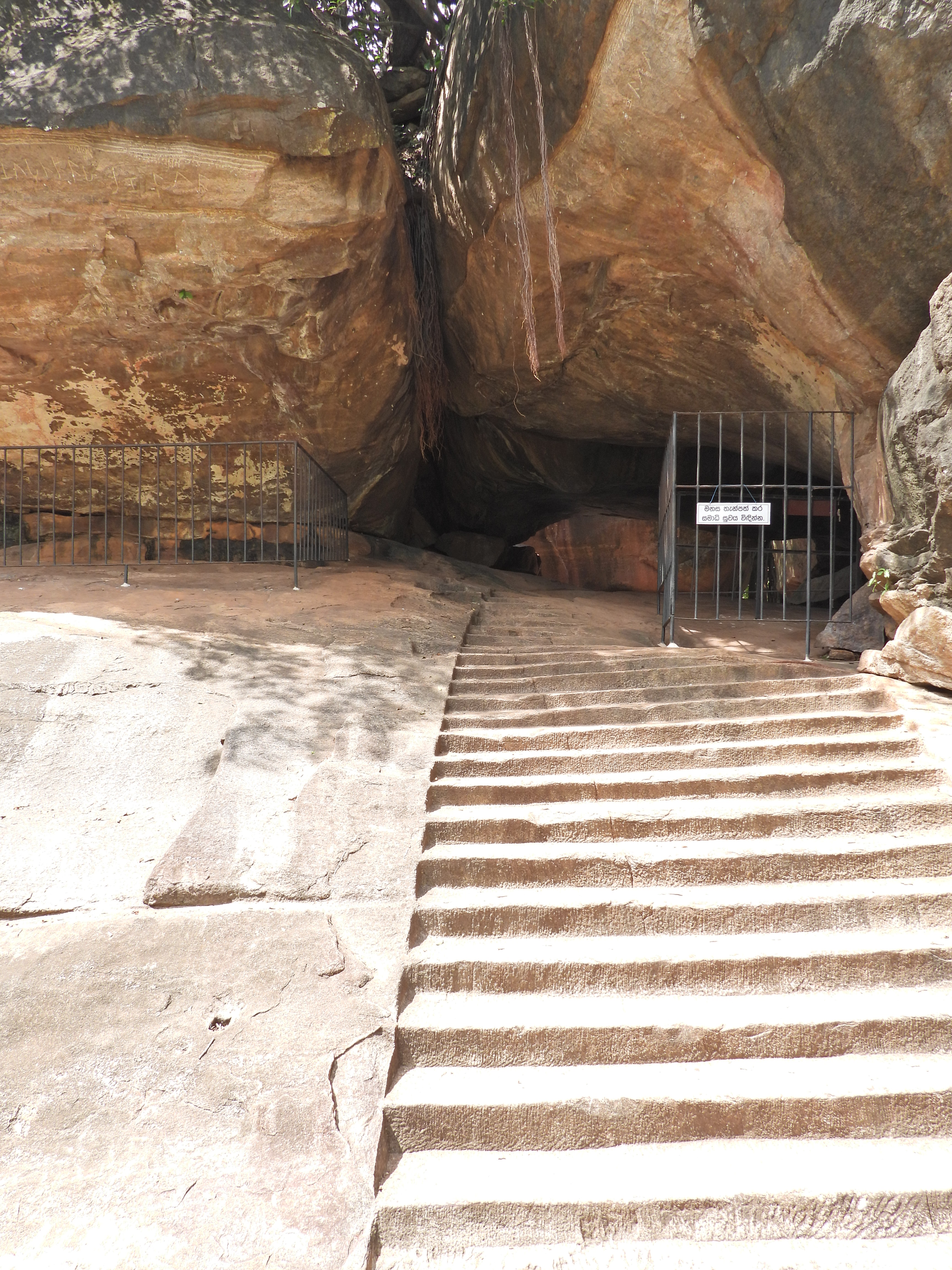
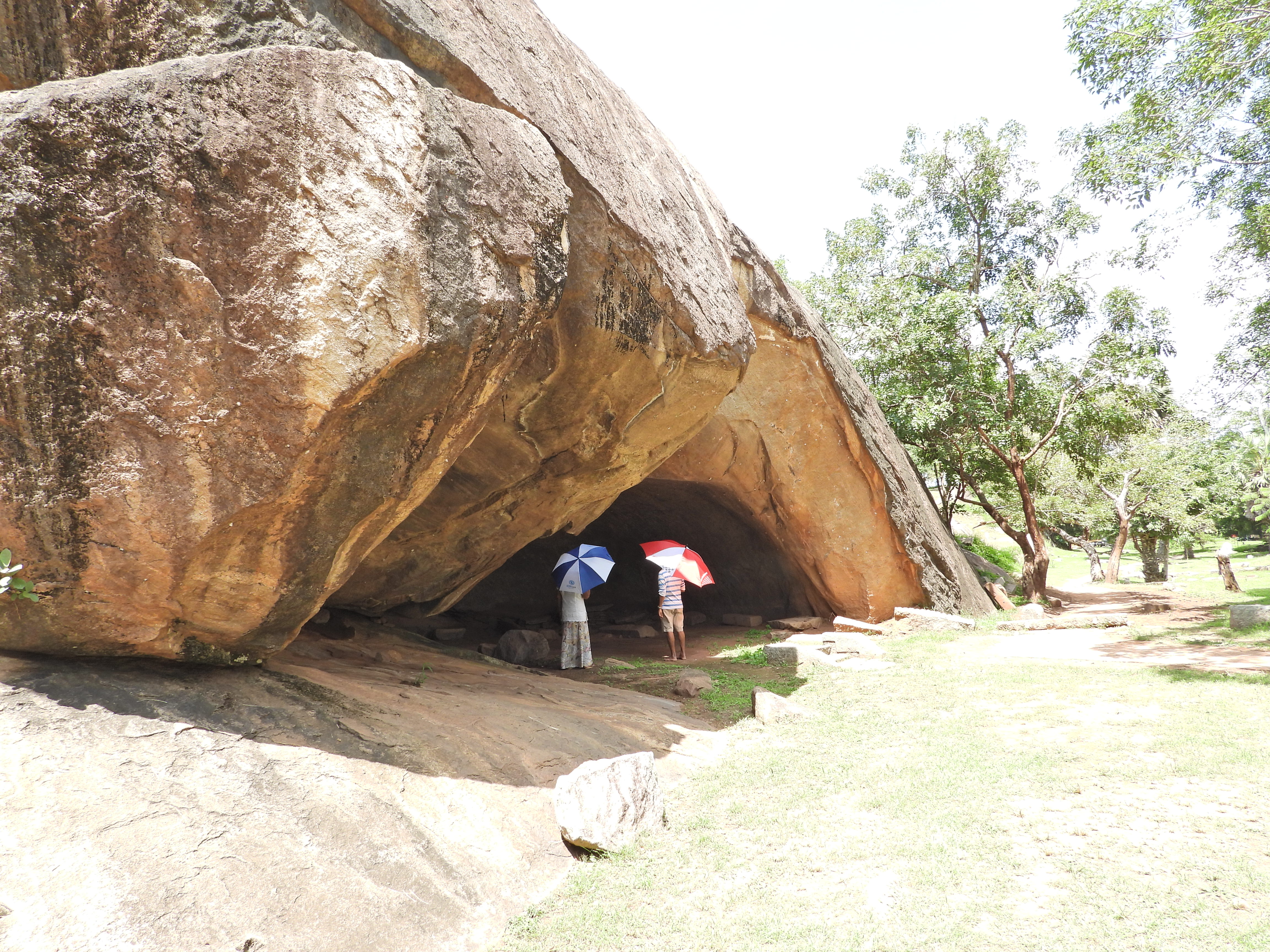
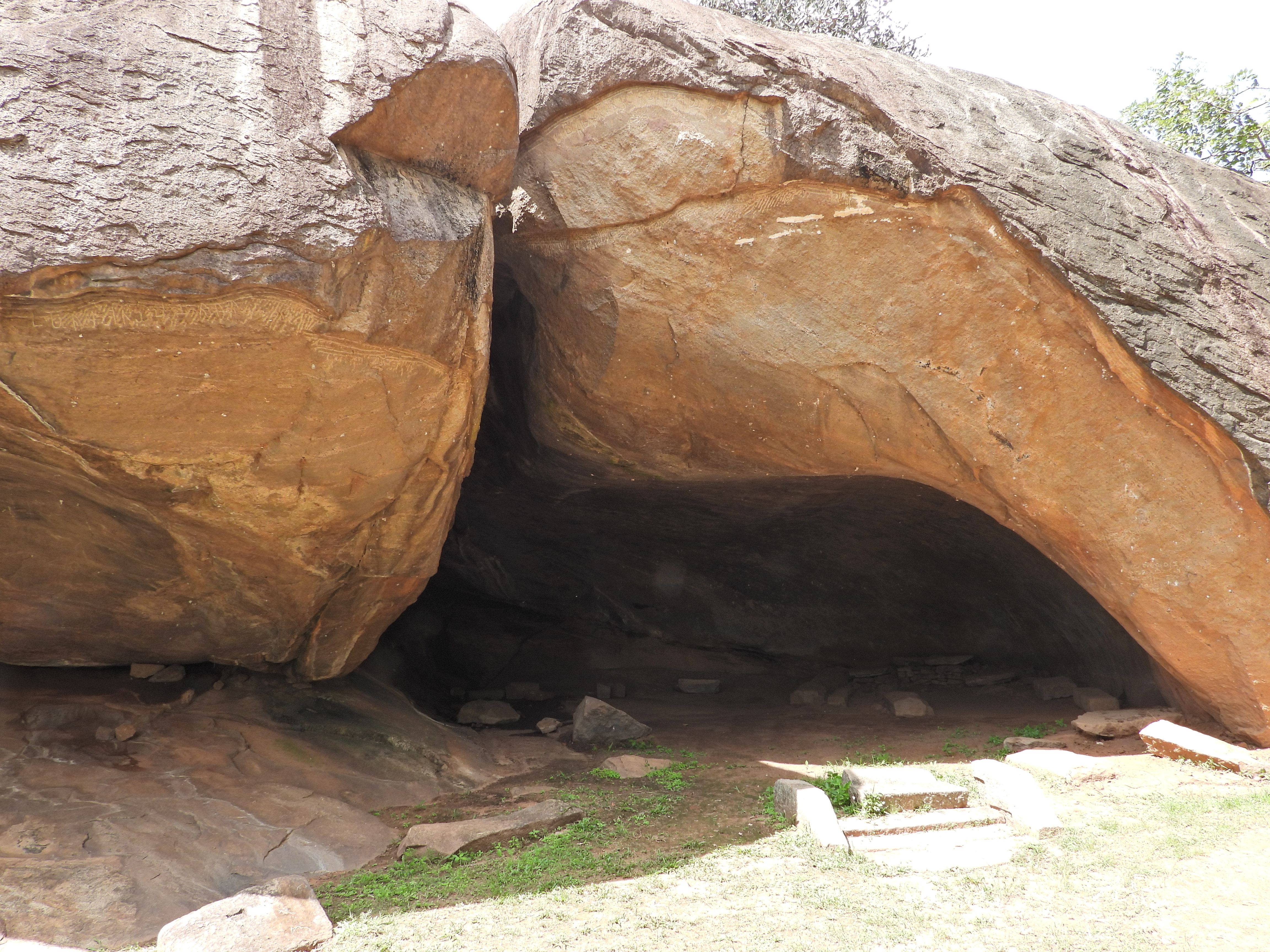
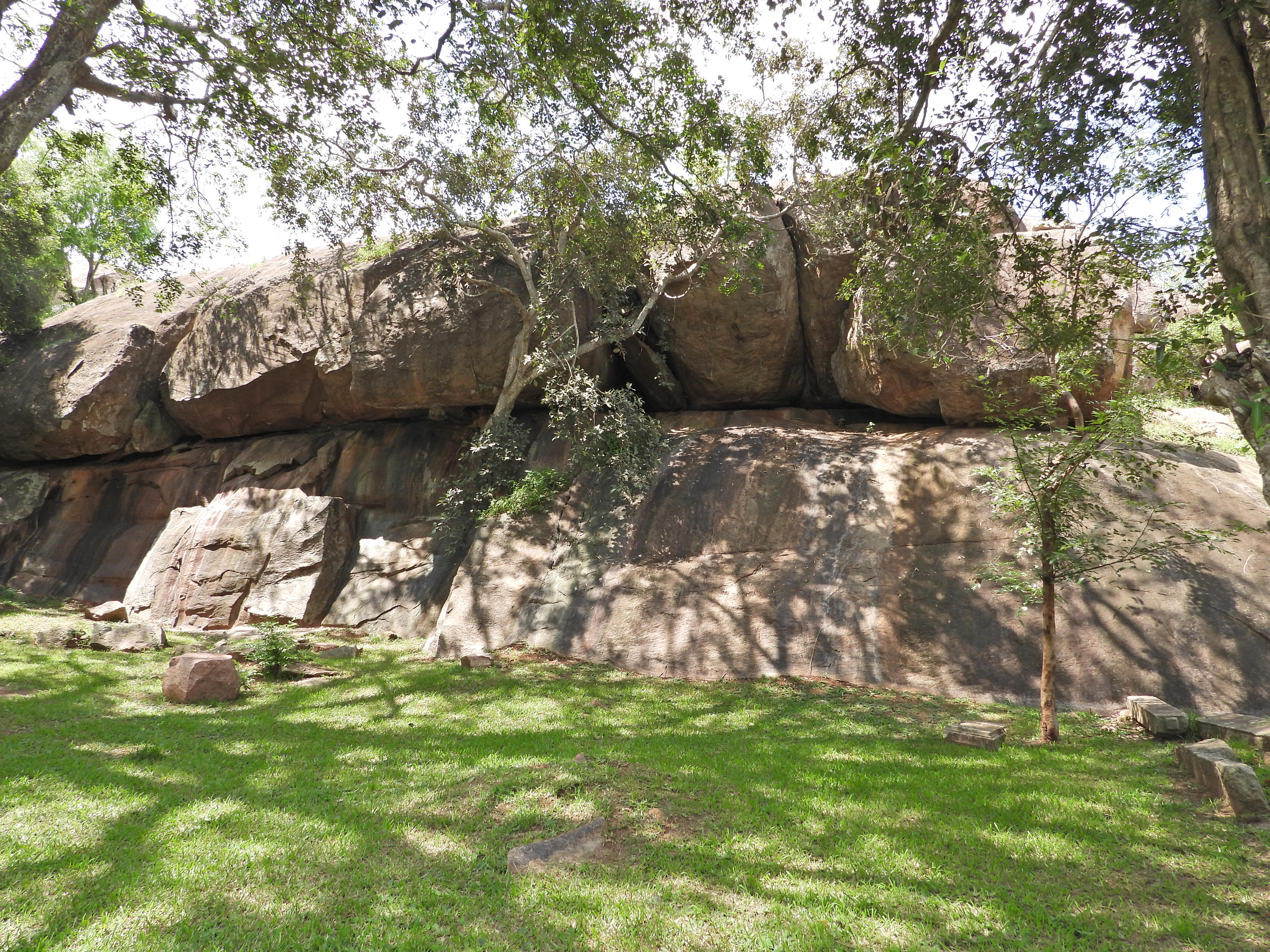
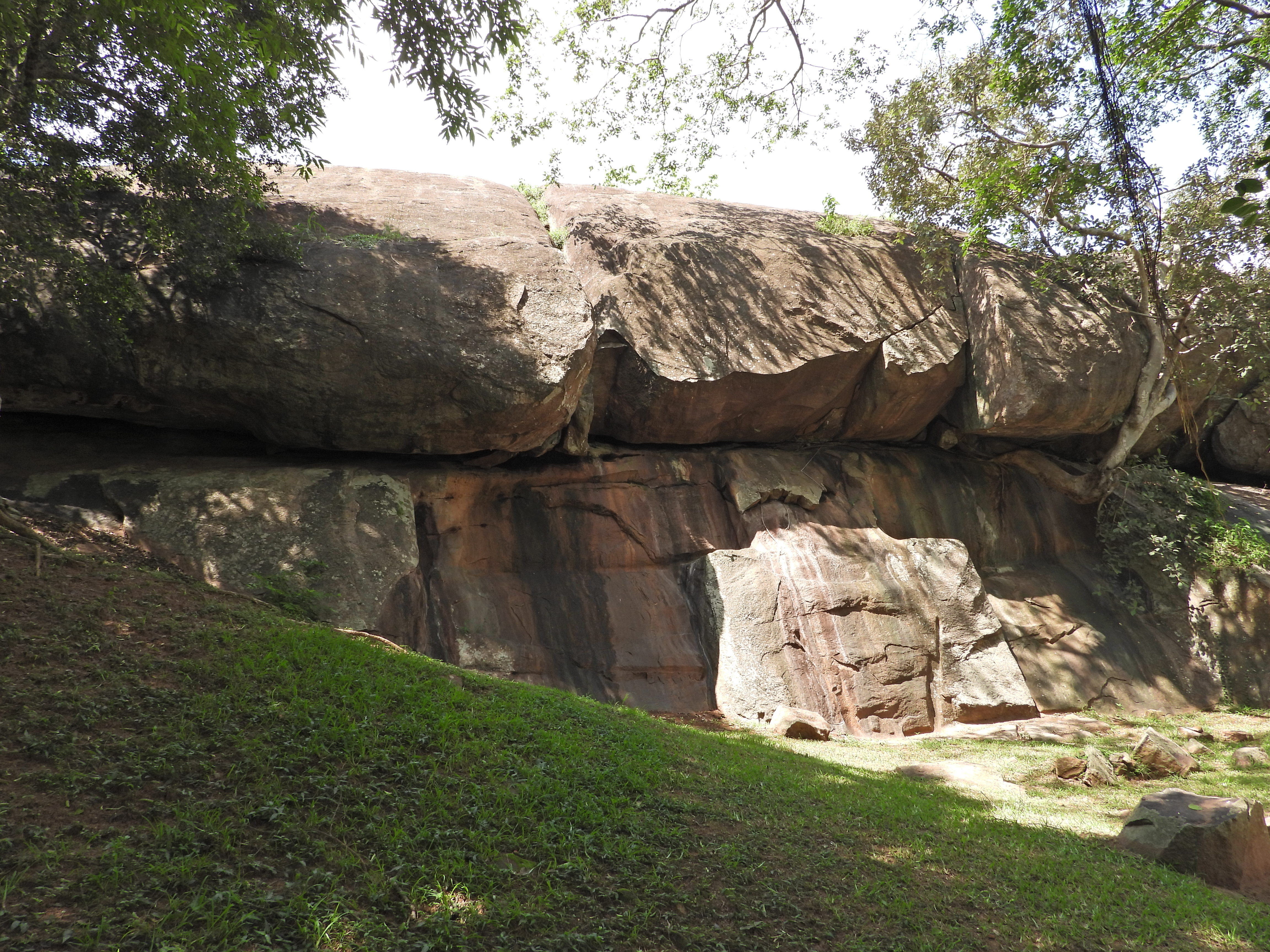
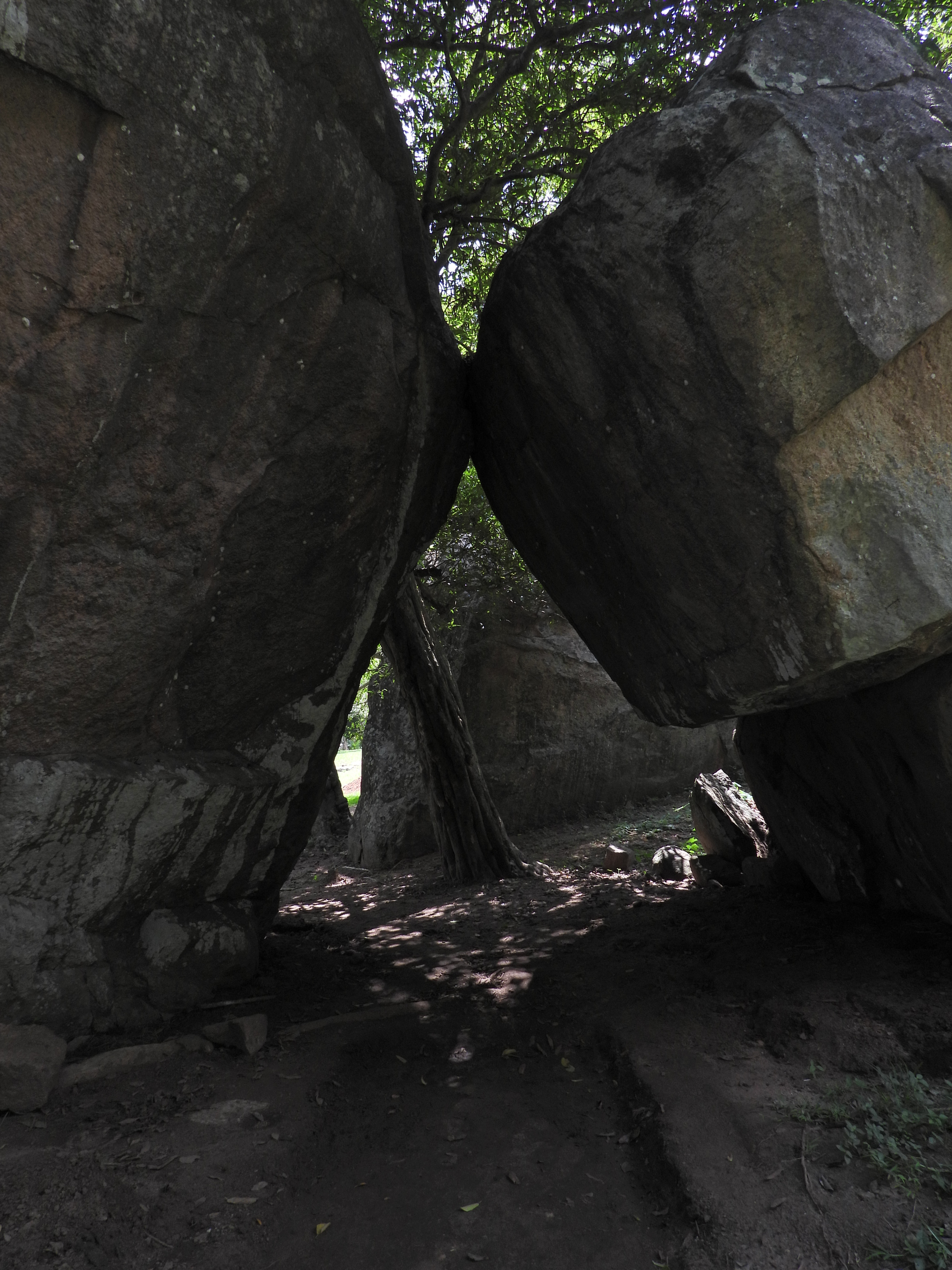
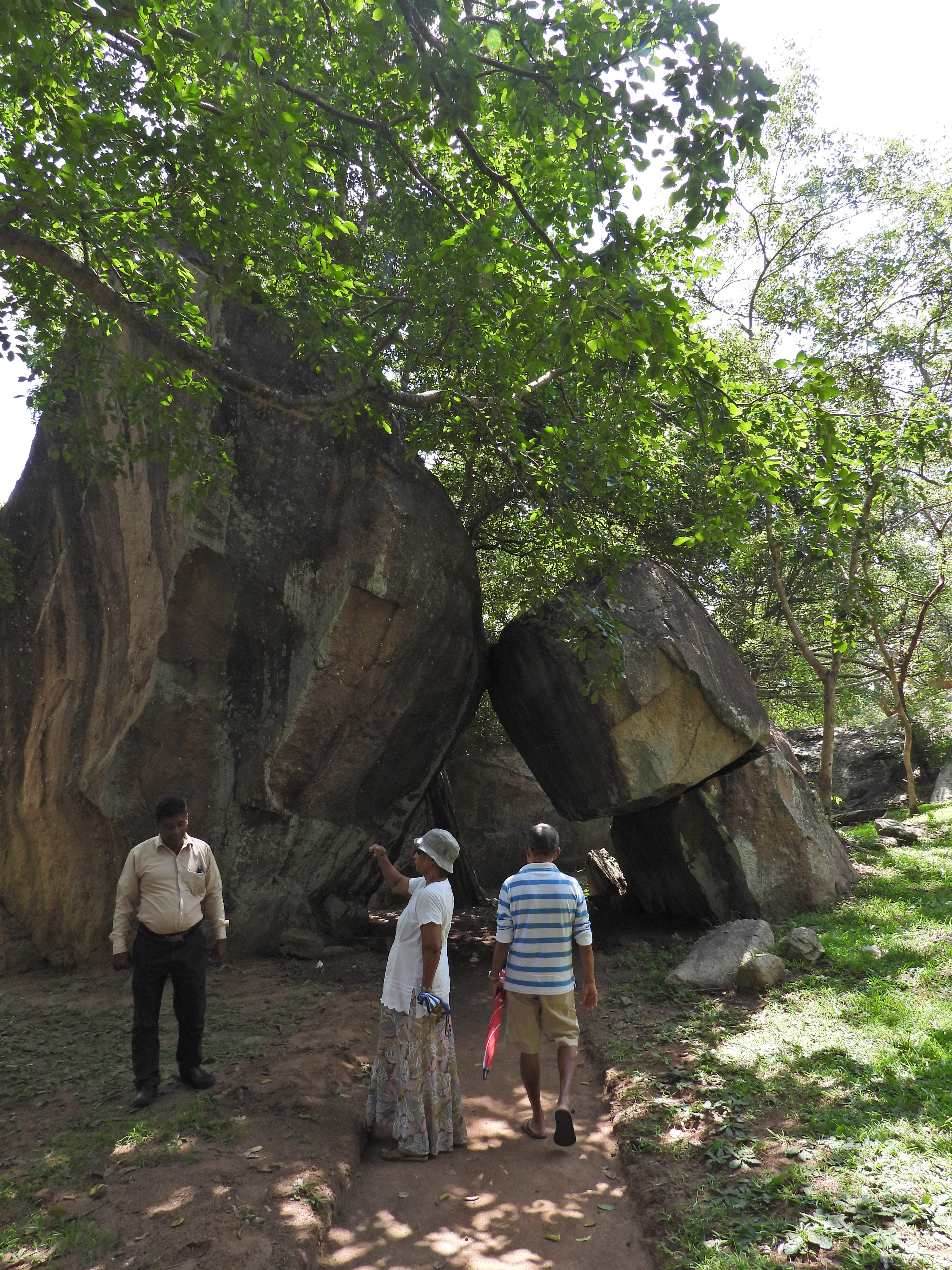
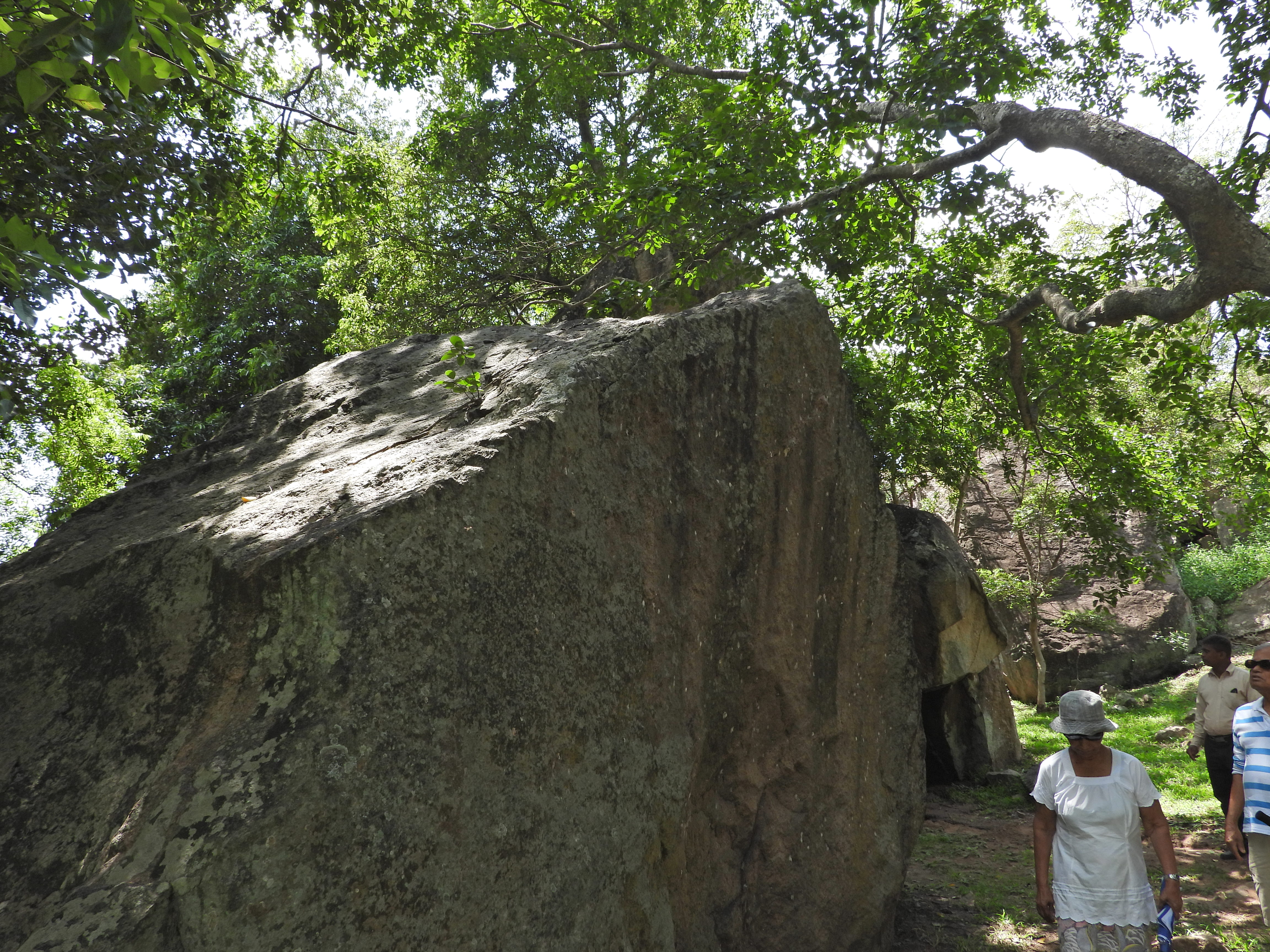
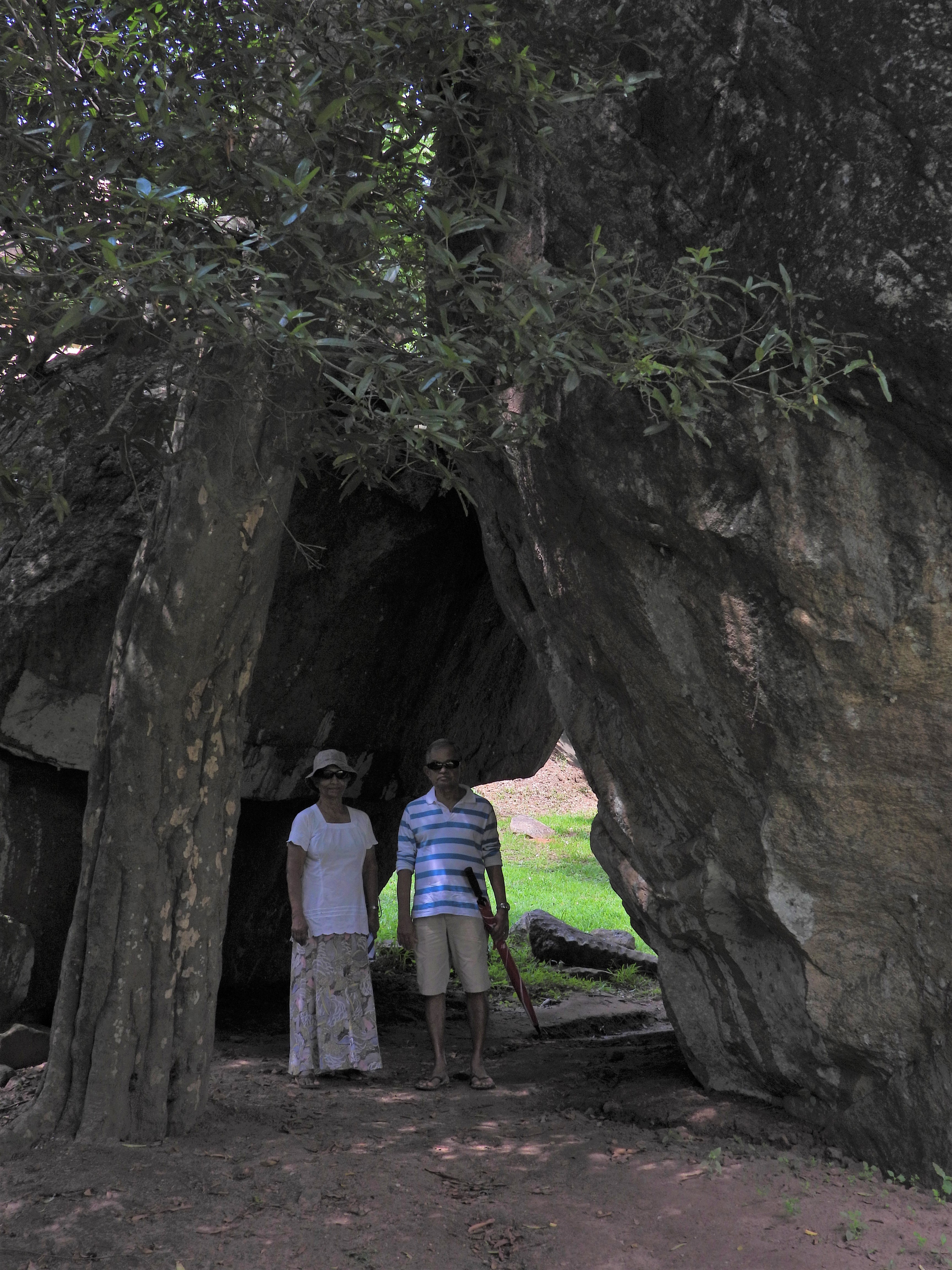
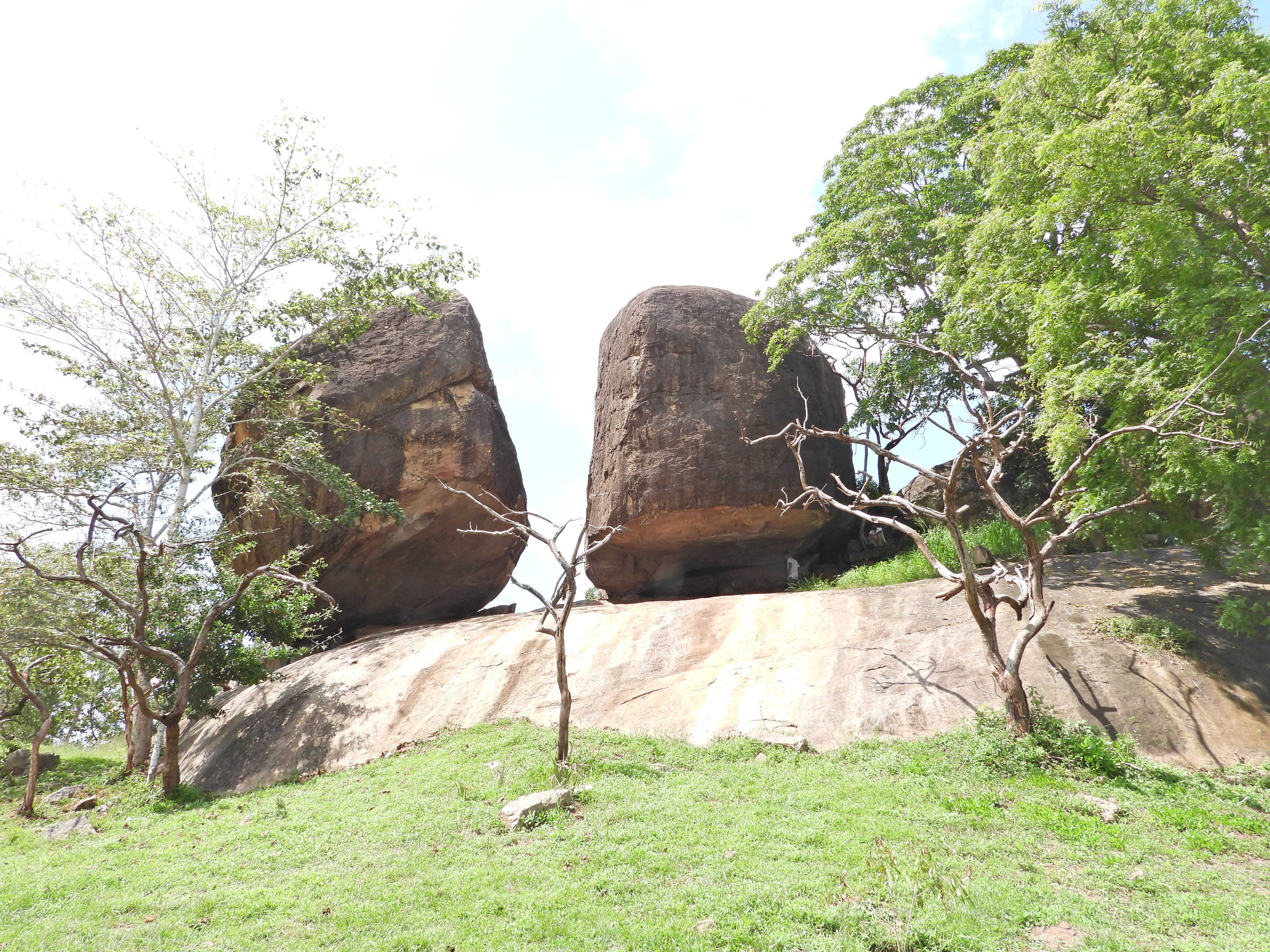
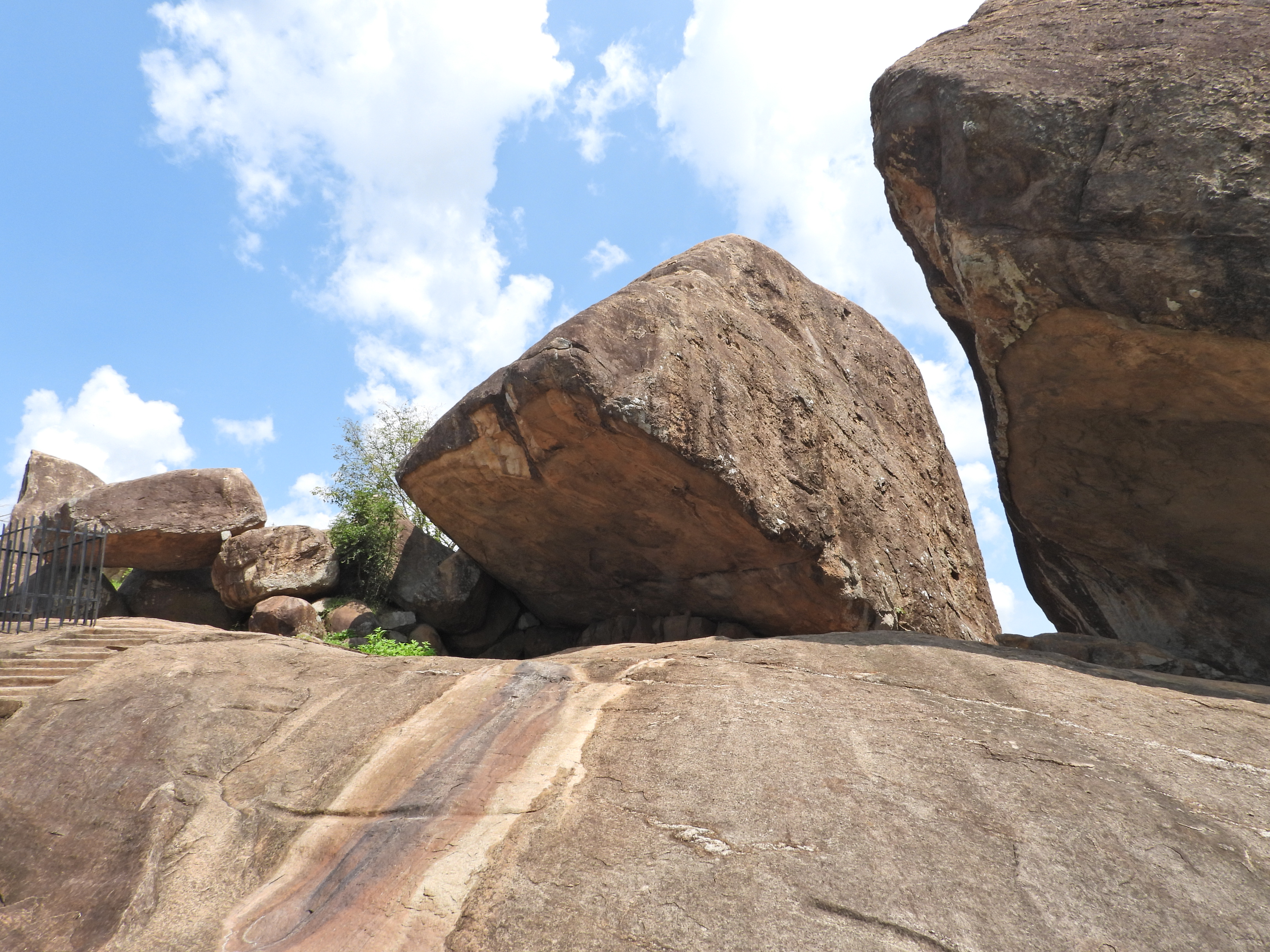
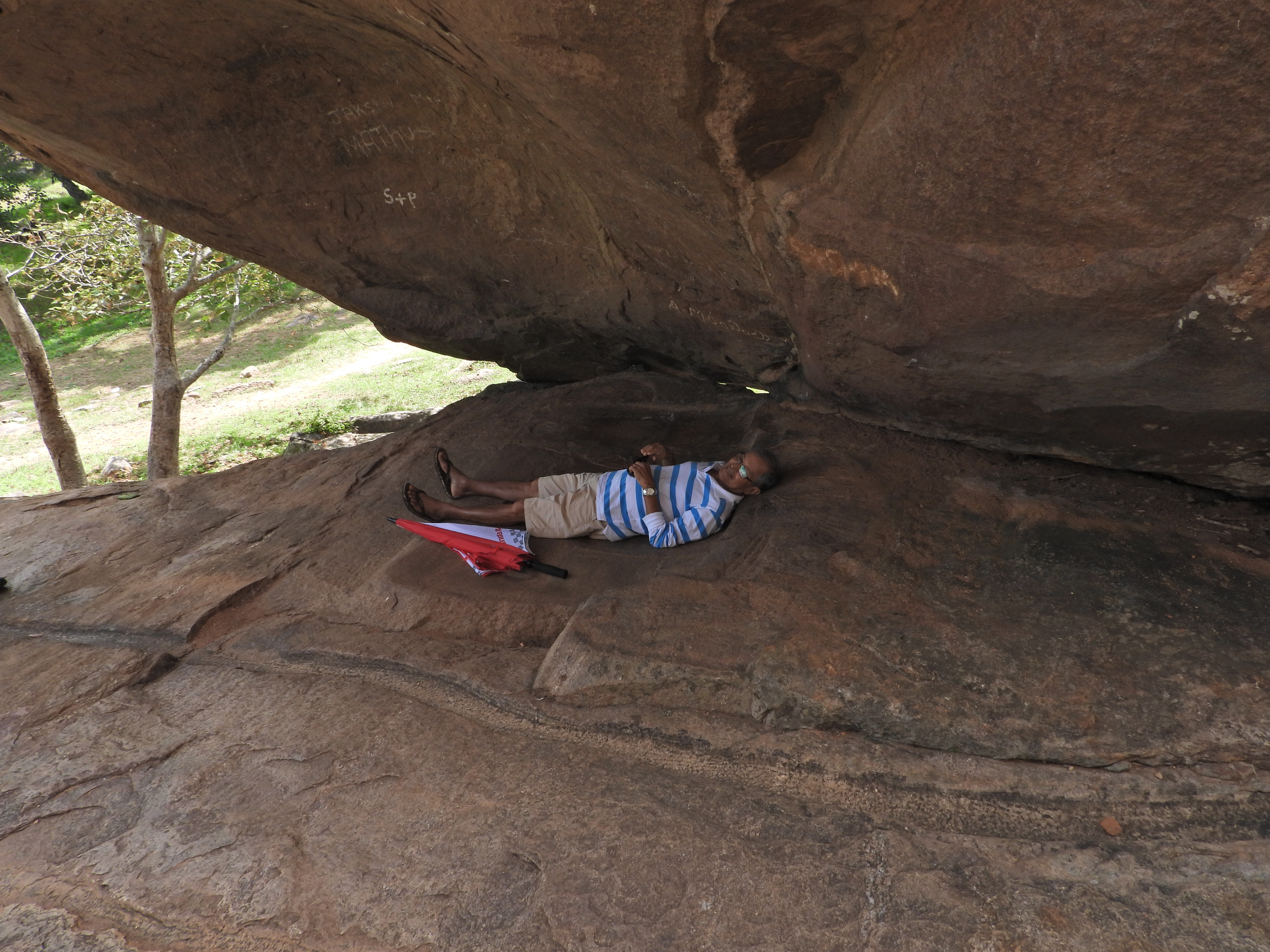
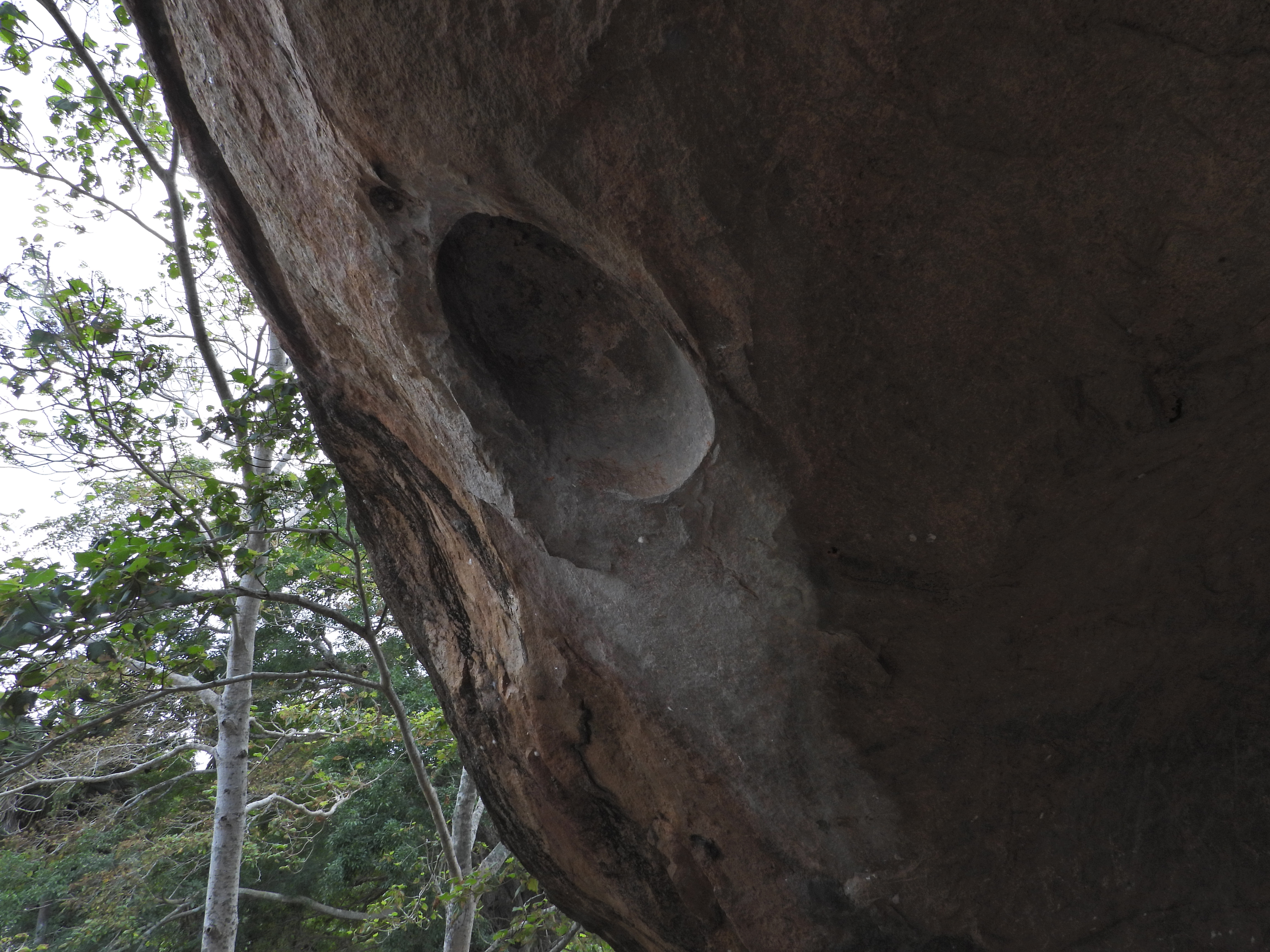
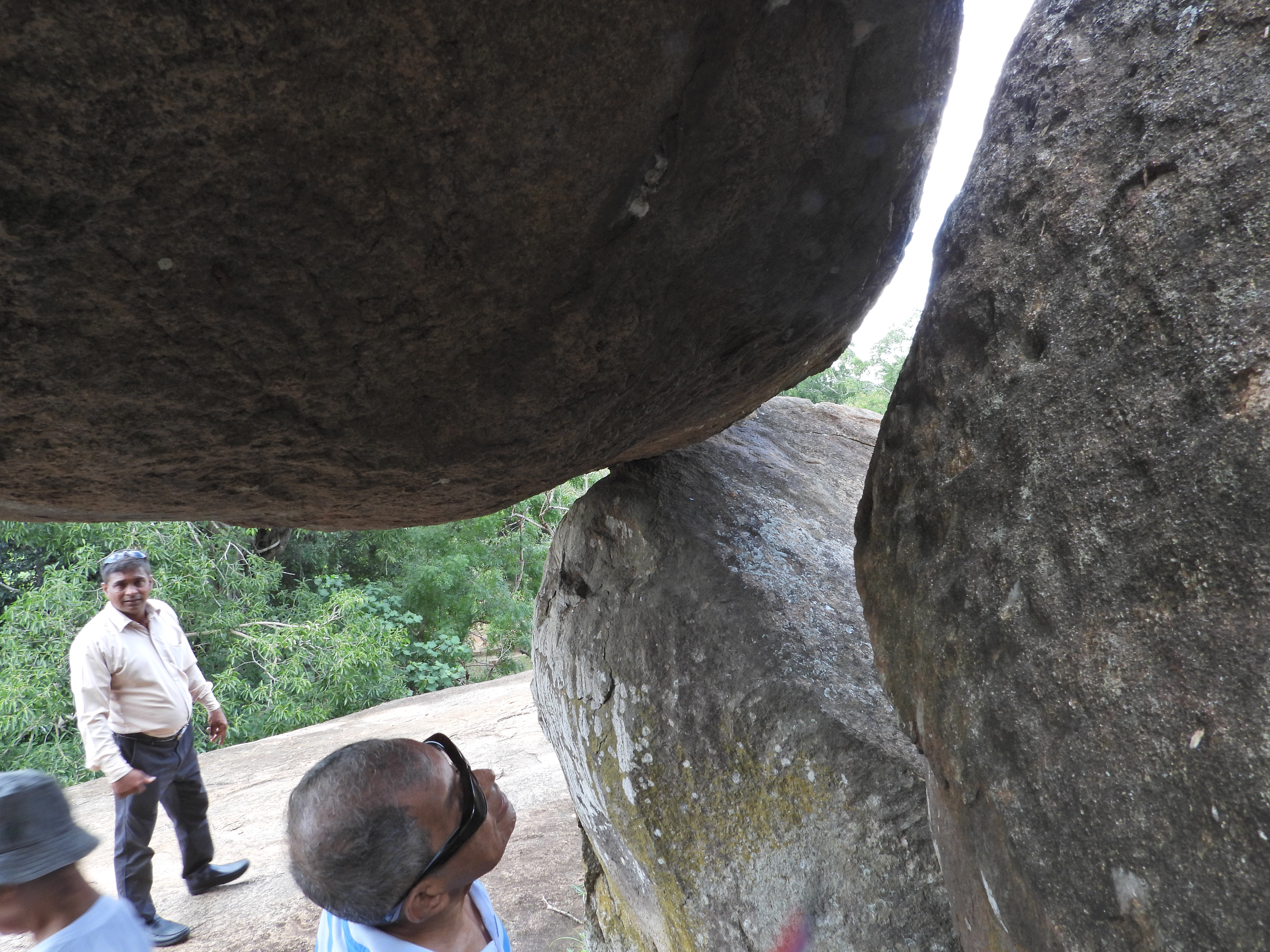
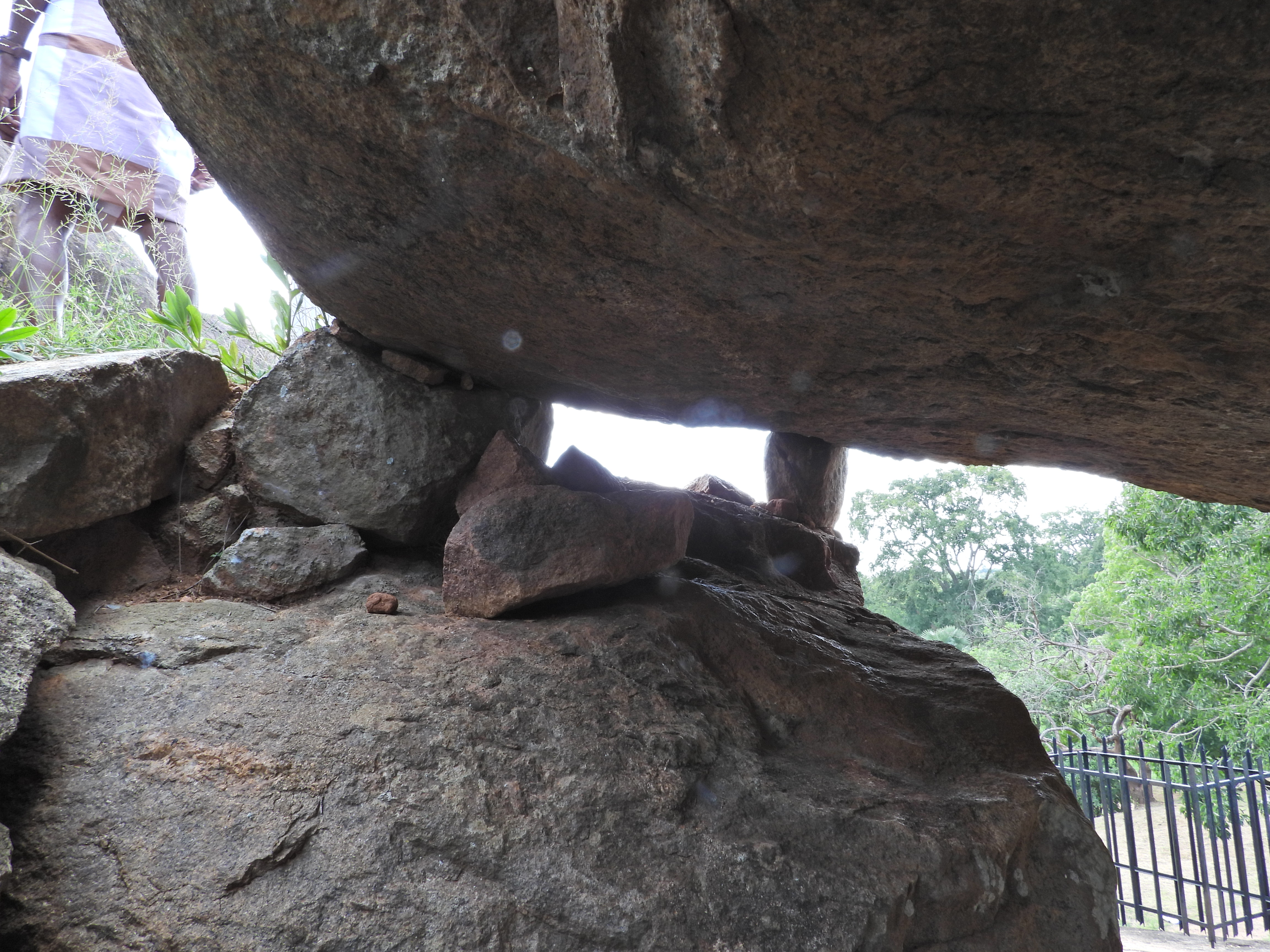
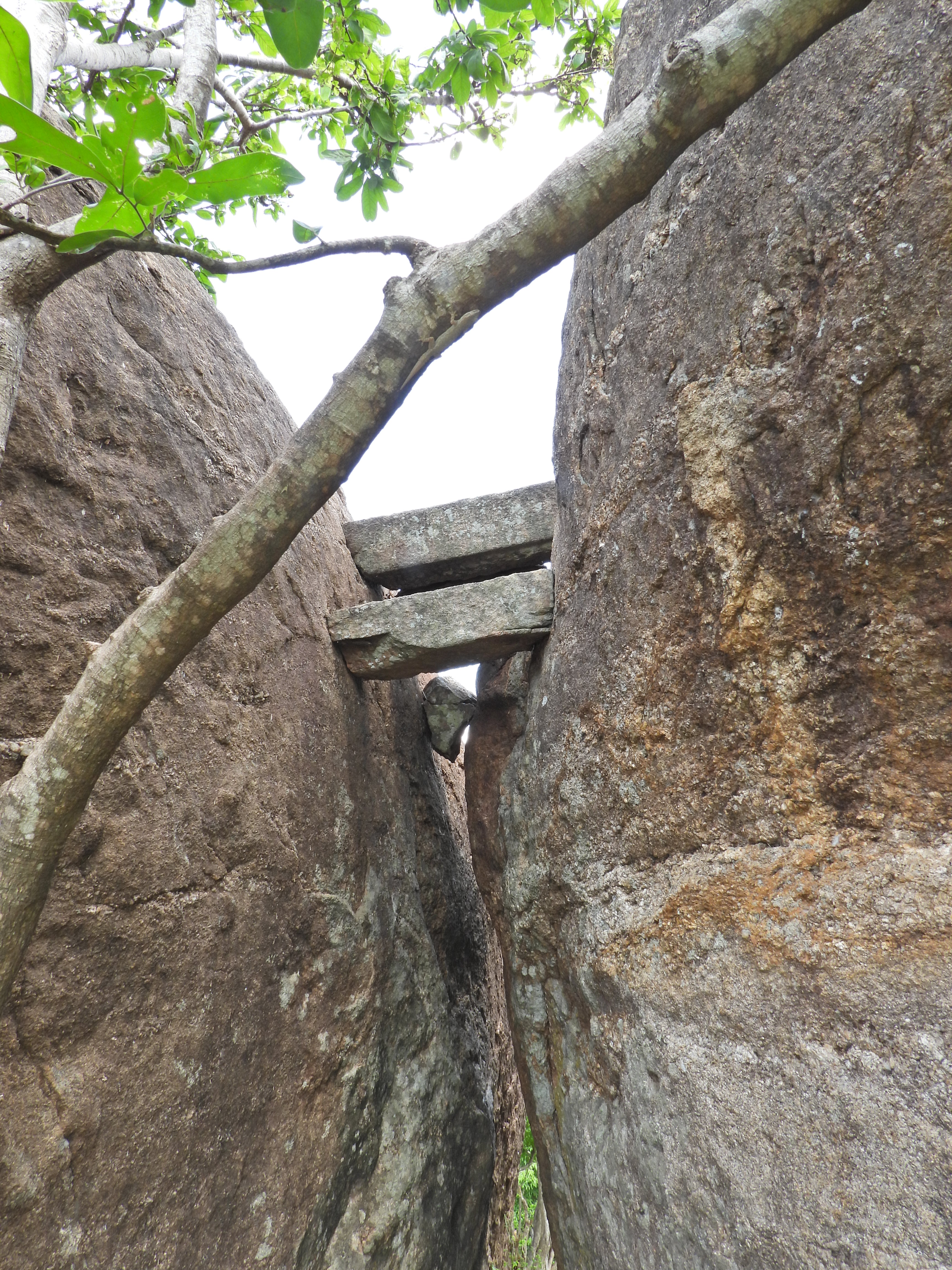
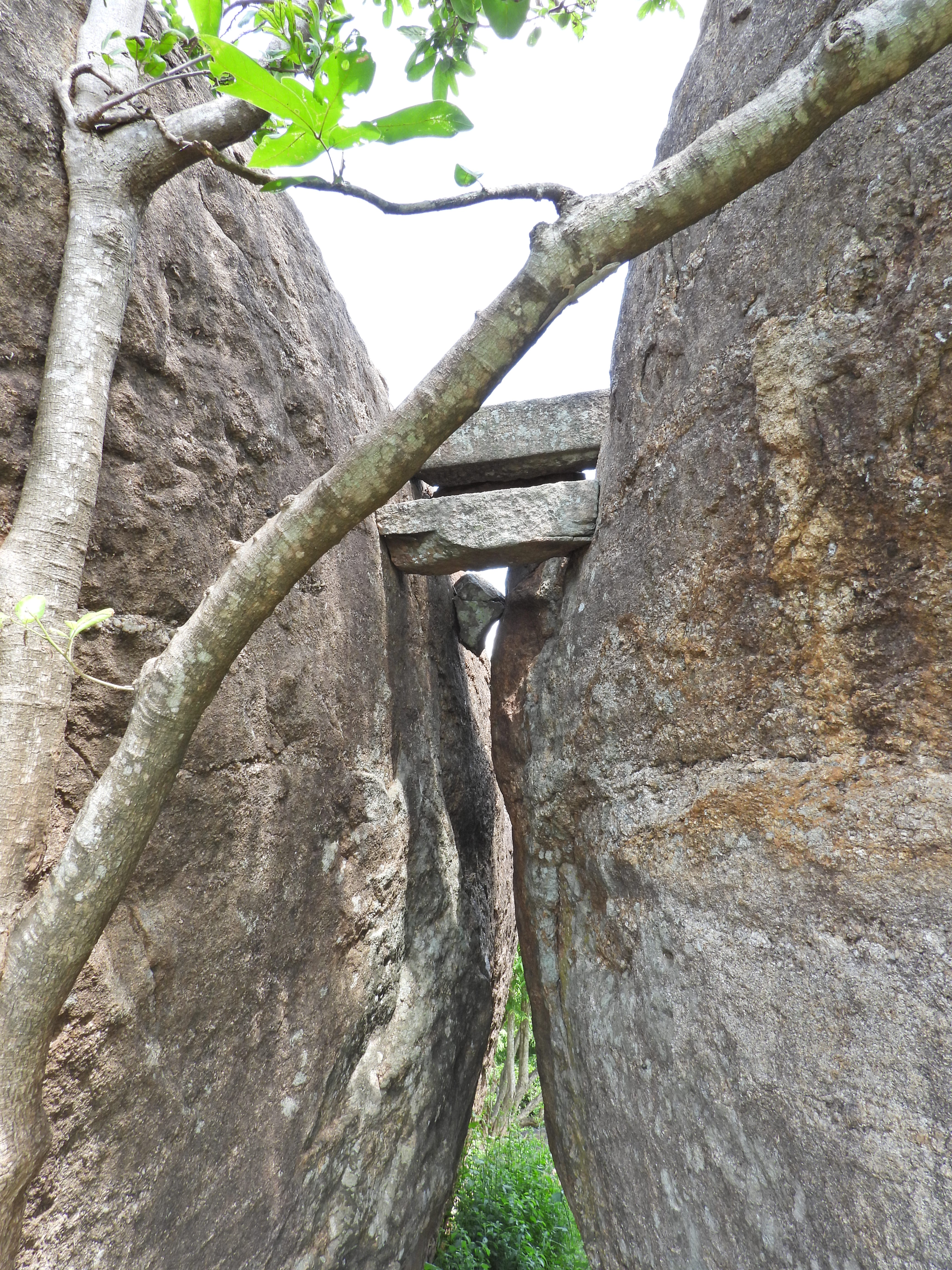
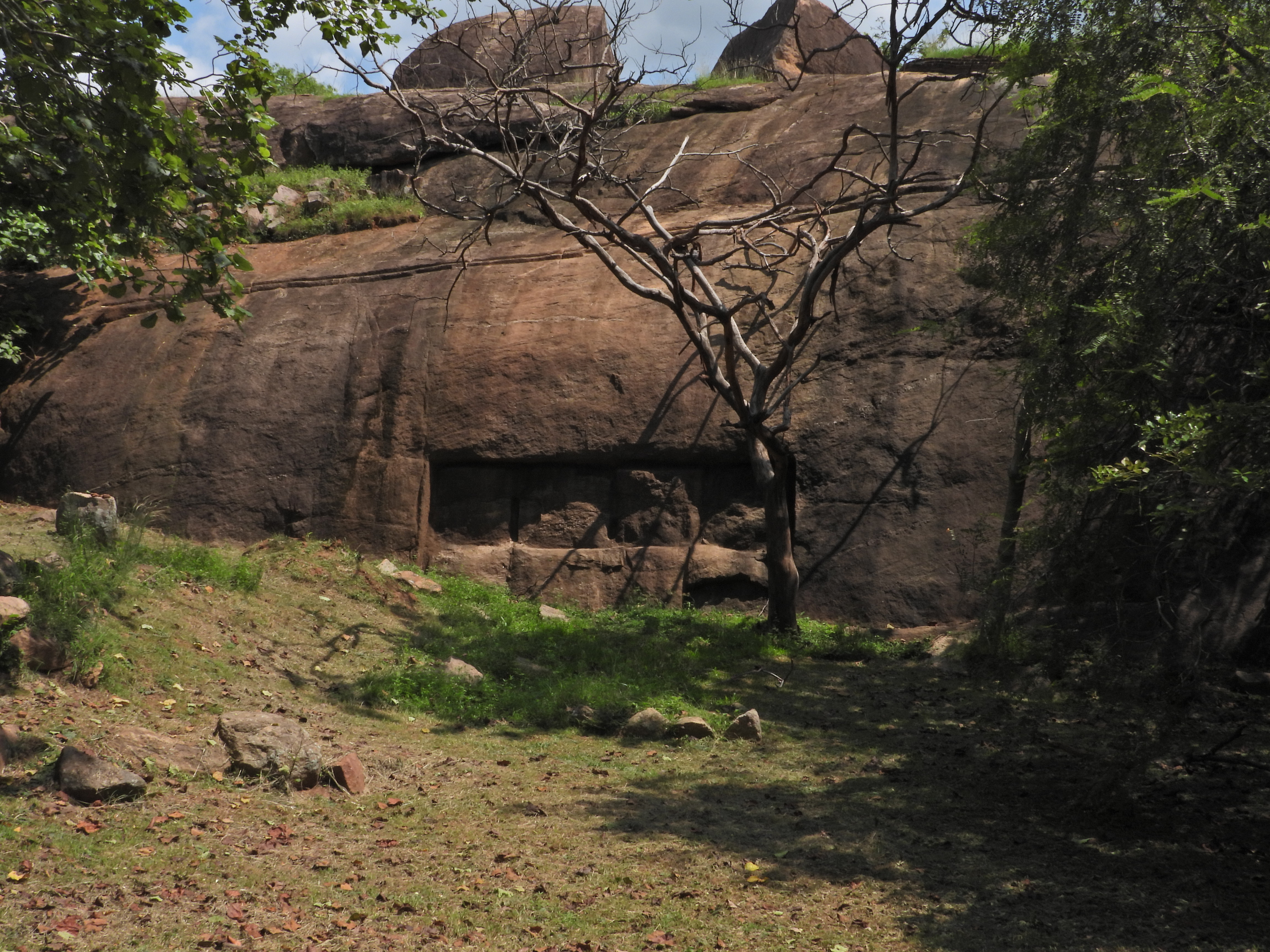
Vessagiriya is thought to be one of the oldest Cave complexes in the country. By some accounts dating back to Ravana’s father. It is believed that King Vallagamba, fleeing anuradhapura initially had in this complex according to the Mahavamda.The current name of Vessagiriya comes from the fact that this cave complex was handed over to a group of traders turned monks. The Cave complex was expanded to include building for monks, the ruins of which still can be seen. The placement of the stones causes one to wonder whether this is a natural phenomenon. Most rocks are balanced in a manner which seems to defy gravity. The lettering on the drip ledges tells of who donated the caves to the monks. The apparent panels on the face of the rock is called a “Len Dora” of Cave Door. The thinking is that these are magical doors sealed enclosing treasures.

Ridee Viharaya

Ridee Viharaya

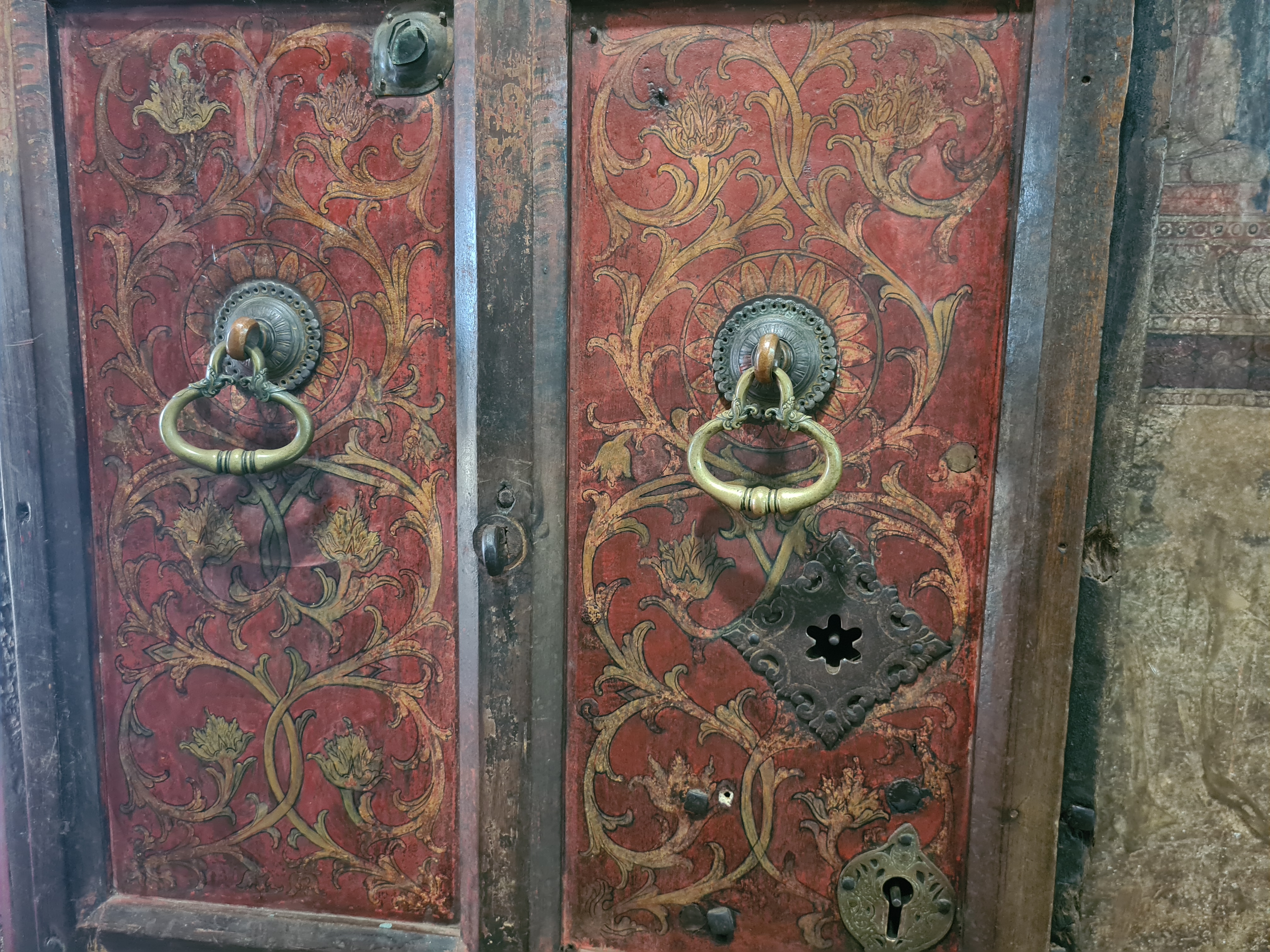
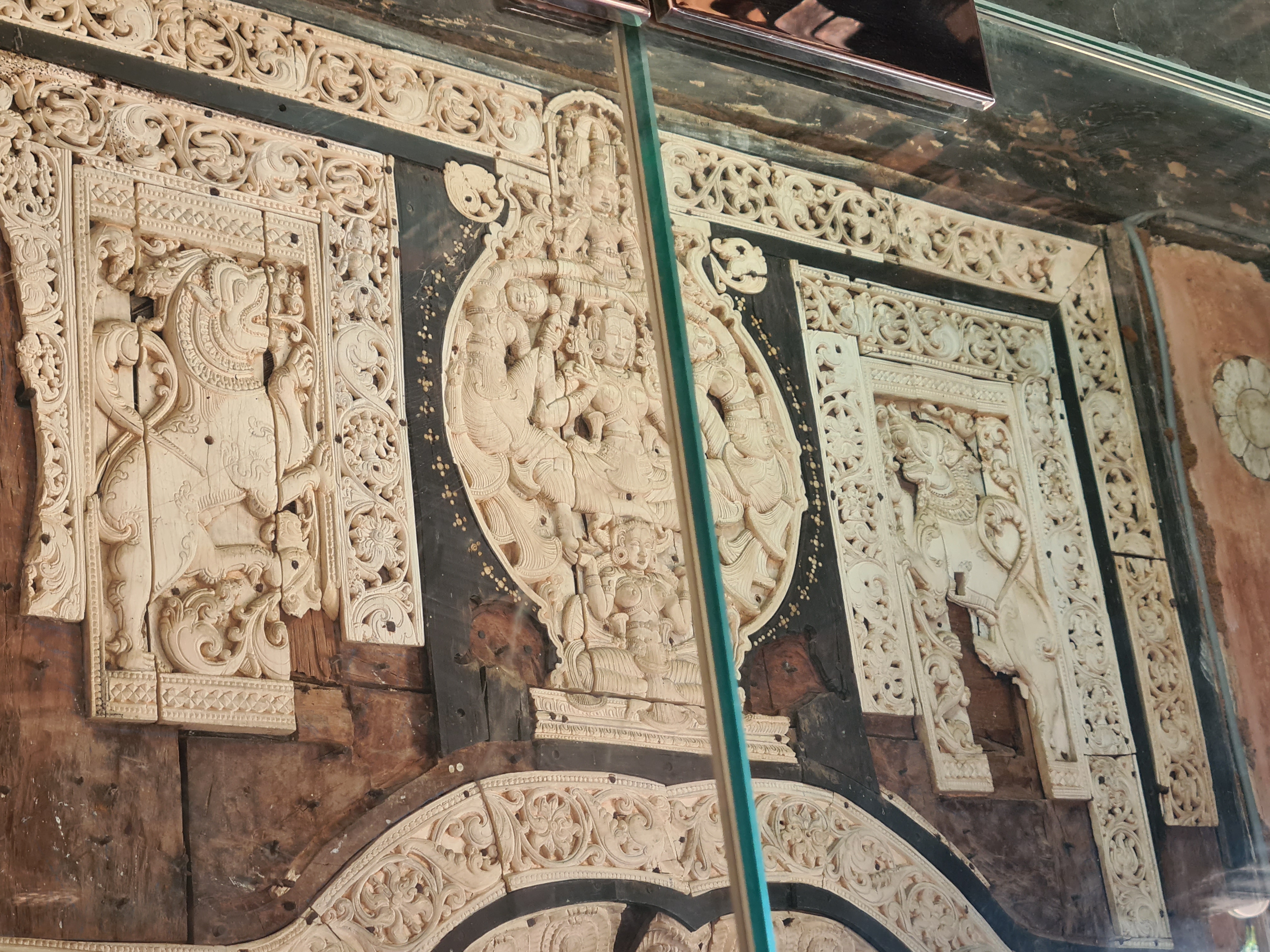
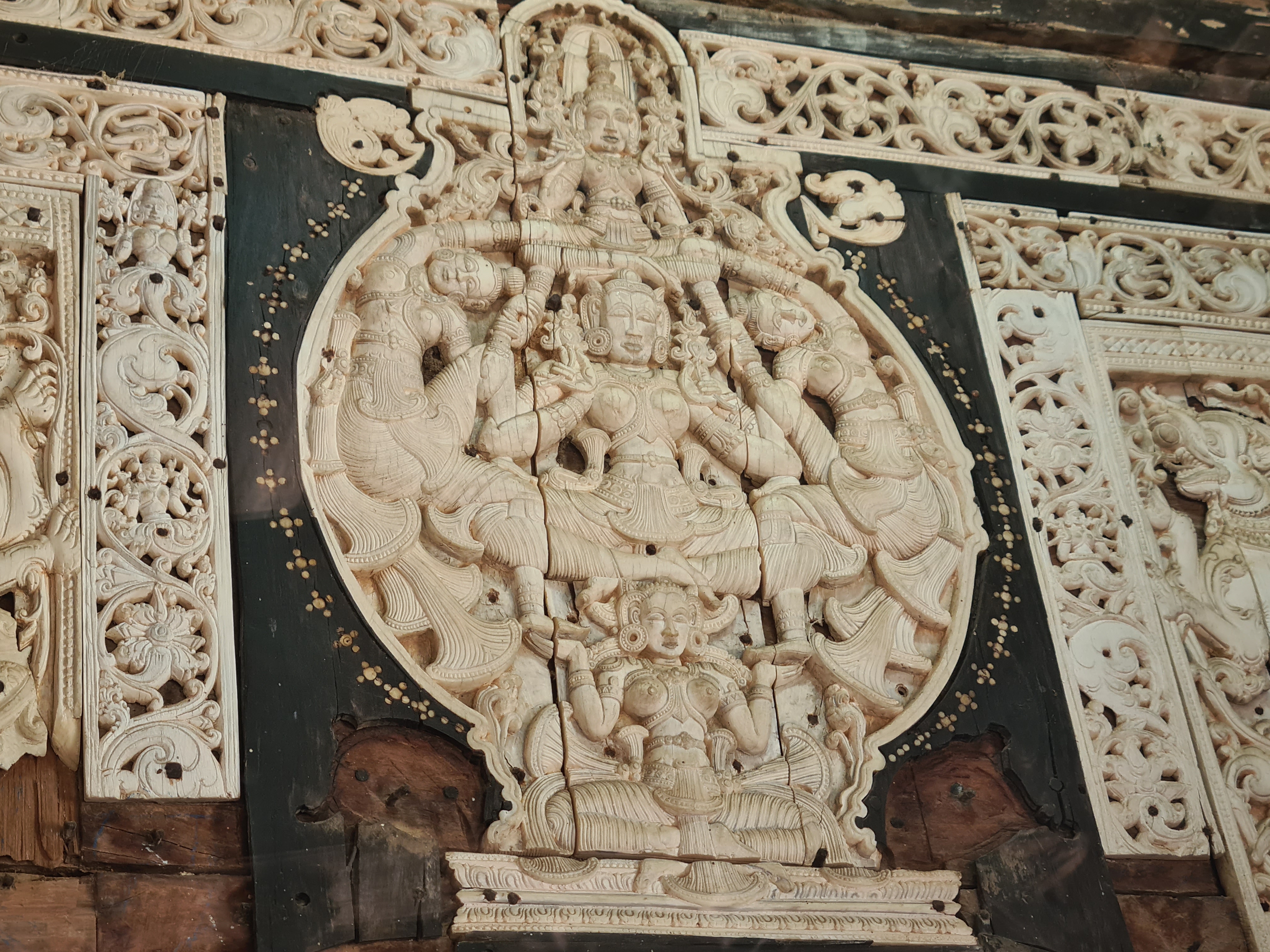
Ridee Viharaya means Silver Temple. After the waging war with King Elara, King Dutugemunu’s treasury was depleted. Hence funding for the building of Ruwanweli Seya was a immense burden on the treasury. The story is that a trader travelling in a caravan stopped close by to this cave for their meals. The trader in need of wood for whips went up the Mountain when he came across bread fruit tree bearing one fruit as large as a water pitcher. The trader thought he will give the first part of the fruit as alms. With faith he announced the meal time and 4 arahats came hither. He tore out the bottom part of the fruit and poured the juice into their arms bowl. Yet again he announced the meal time and another 4 arahats came hither. To them he tore out the kernels and placed in their alms bowls. 3 of them went on their way, but one stay behind and went a bit further and sat down to have his meal. This spot is today marked by a stone structure. Once he has taken his meal, the thera pointed out the cave with a rich vein of Silver to the trader. After all the silver was mined, the cave was converted into a temple.

Today the temple has been very aesthetically renovated retaining its ancient splendour. It is easily accessible by car. The