Category: Hiking Trail

Ritigala

Ritigala

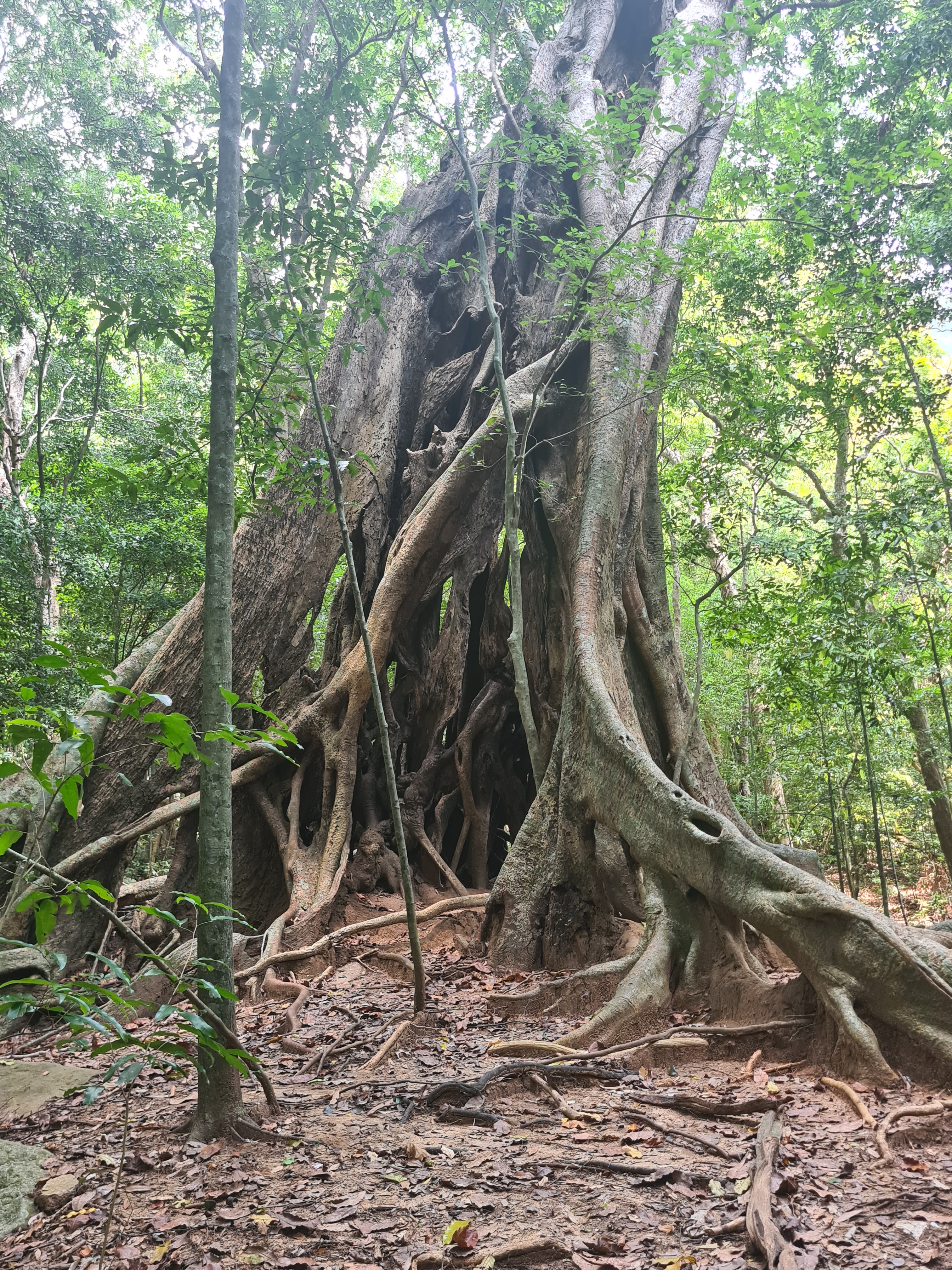
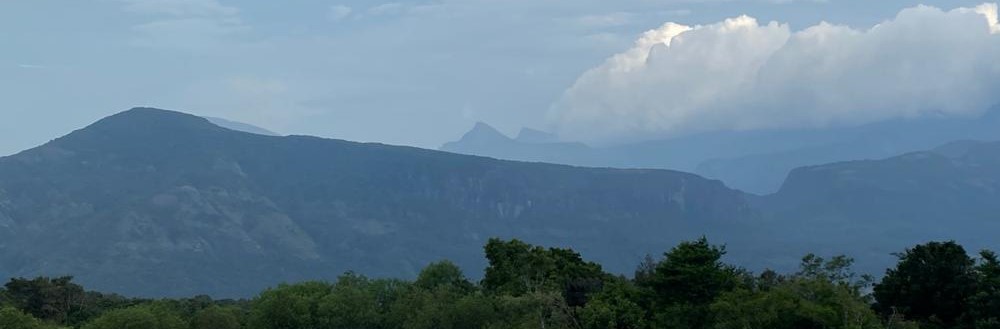
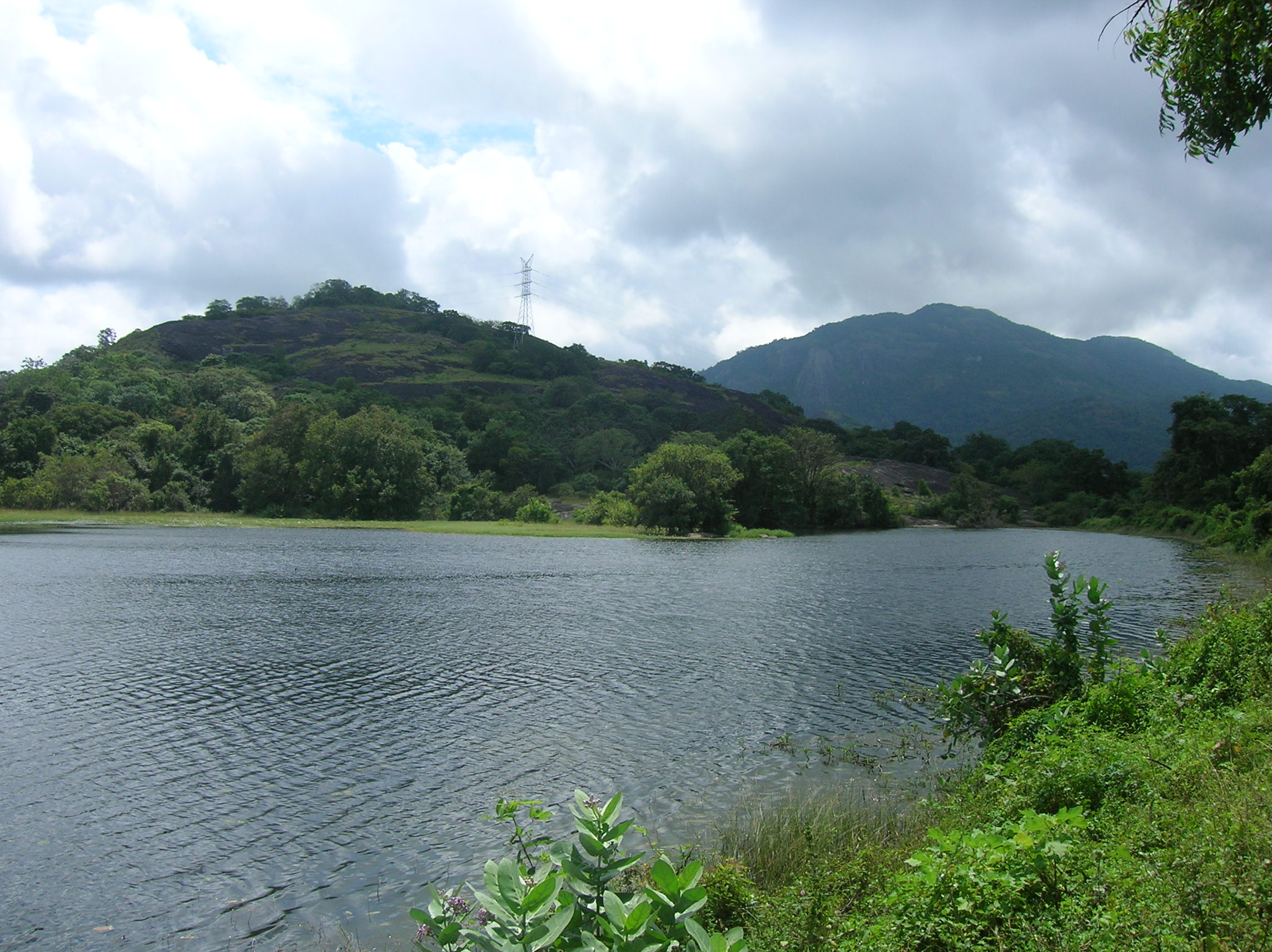
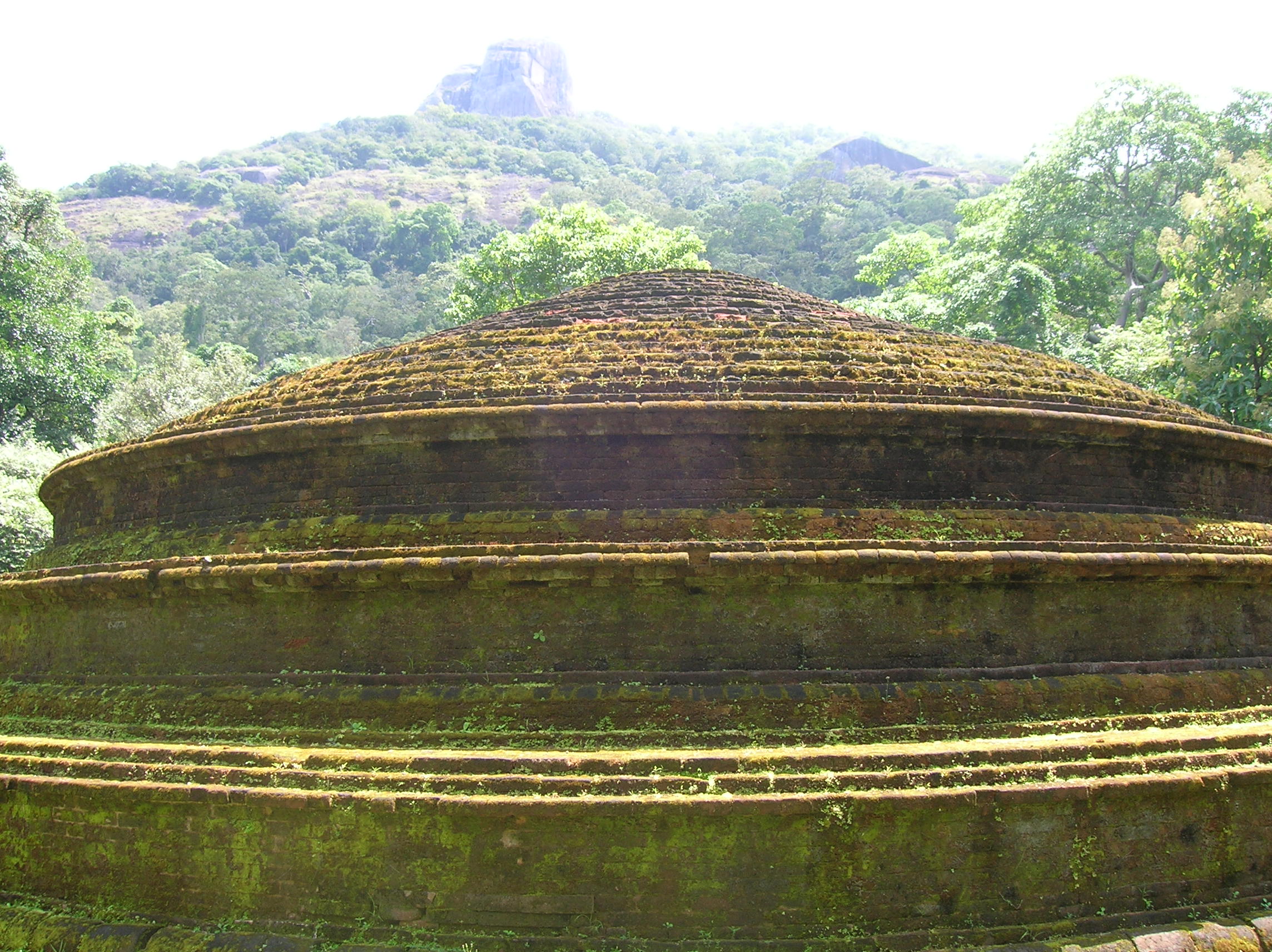
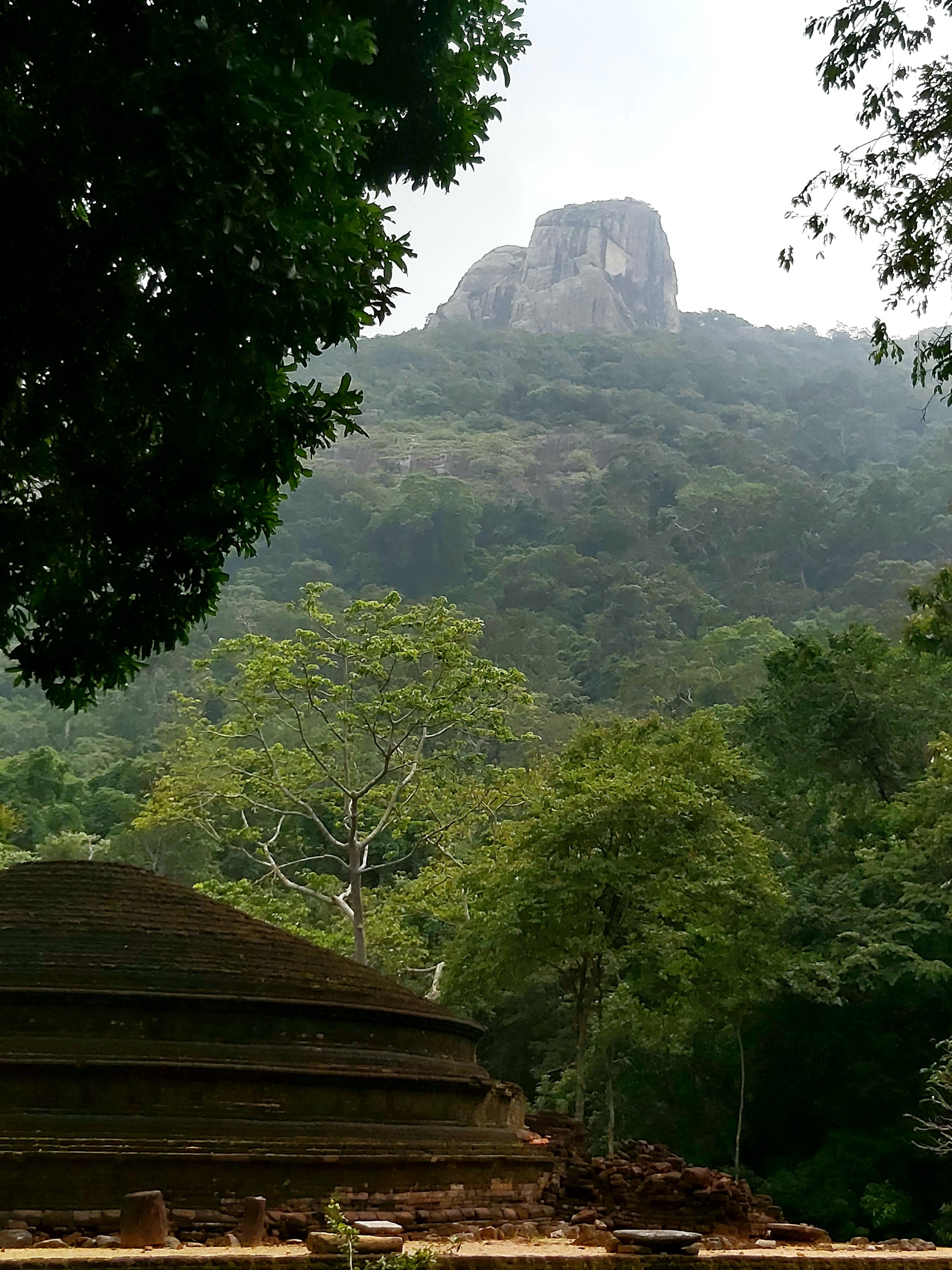
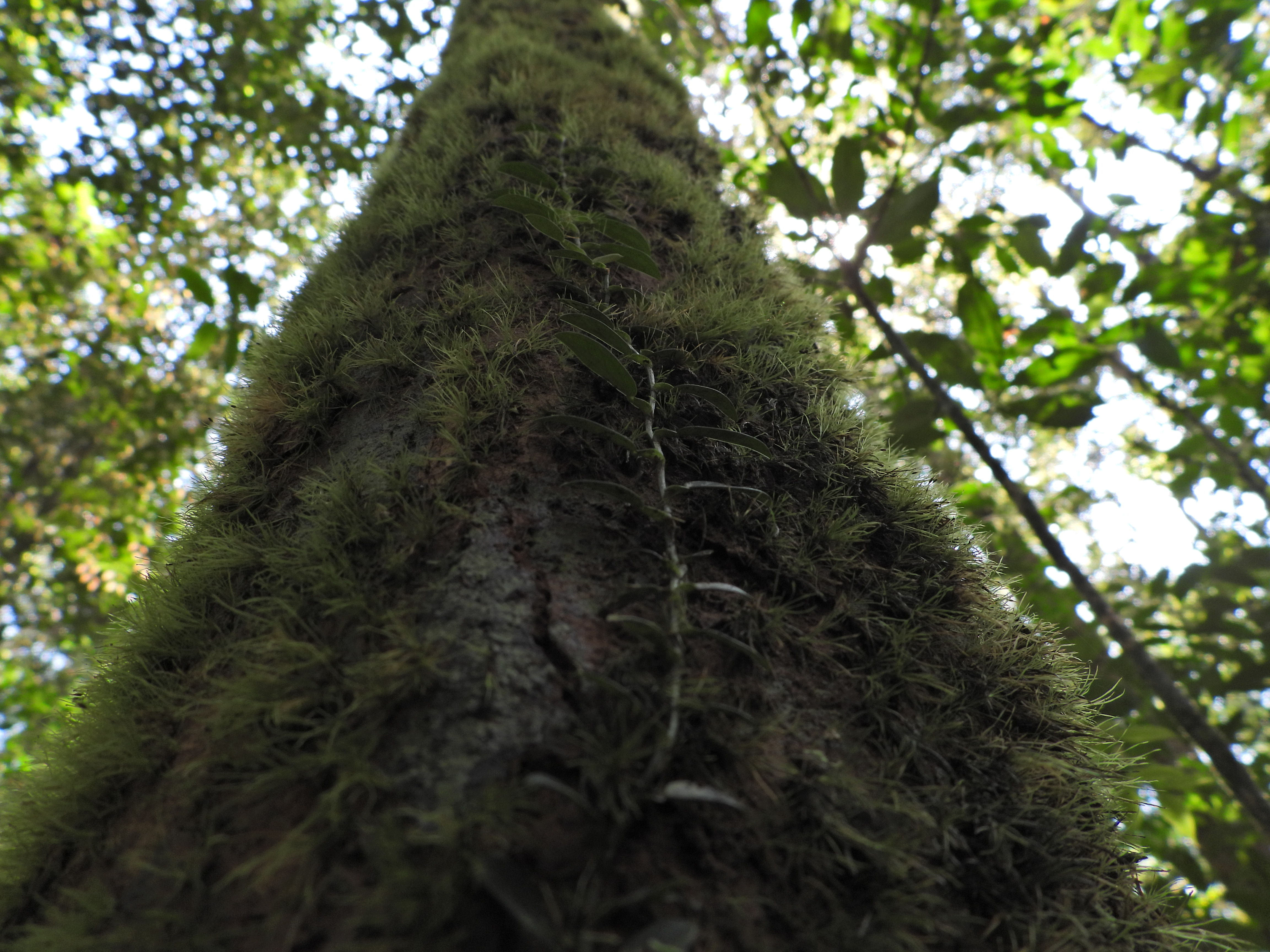
Dating back to the times prior to the arrival of King Vijaya in the country circa 500BC.shrouded in mystic lore, it is a mountain which has a strange appeal. It is one Iof the 3 Strict Nature Reserves in the country to protect its rich bio diversity. It has distinct climatic zones and vegetation that changes as one climbs up the hill. There is a noticeable change in climate with the higher levels vegetated with short shrubbery of the hill country laden with moss.

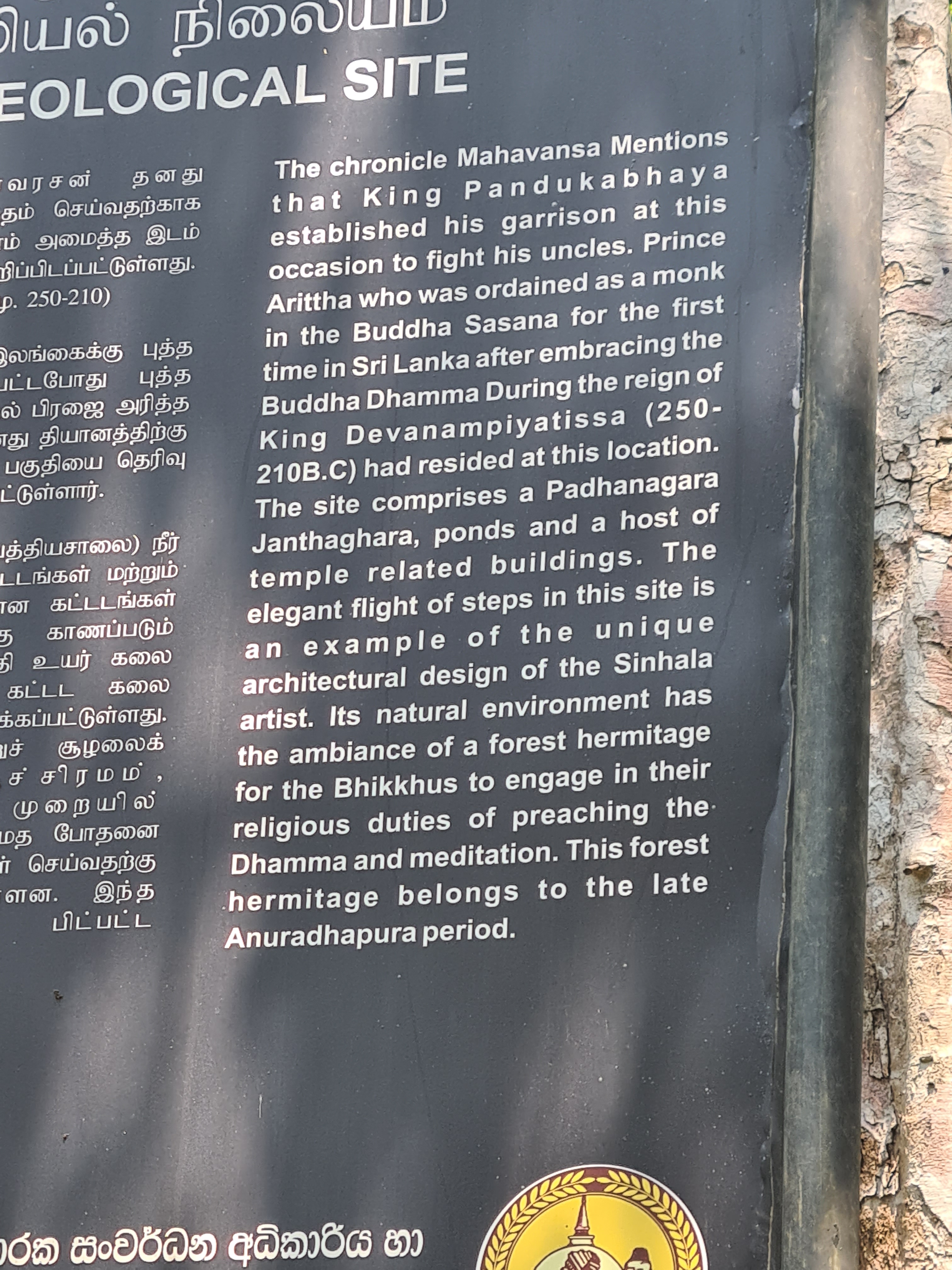
It is said to be fortress of one of the aboriginal clans of Sri Lanka, the Yakkas. This mountain is said to be the base of the first Sri Lankan born King Pandukabahaya who together with the Yaksha clan defeated his nine uncles to become King in Anuradhapura. This mountain is also said to be the place from which Hanuman, of the Ramayana tale, is said to have leaped back to South India some 3000 years BC. This is indeed the highest prominence between Sri Lanka and South India.

The mountain, which is about 765m tall is also called Arittha Pabbata, or Arritha rock in honor of the first Sri Lankan Arahant who is supposed to have made this his jungle retreat. The area is also home to the ancient Sri Lankan martial art Angampora.

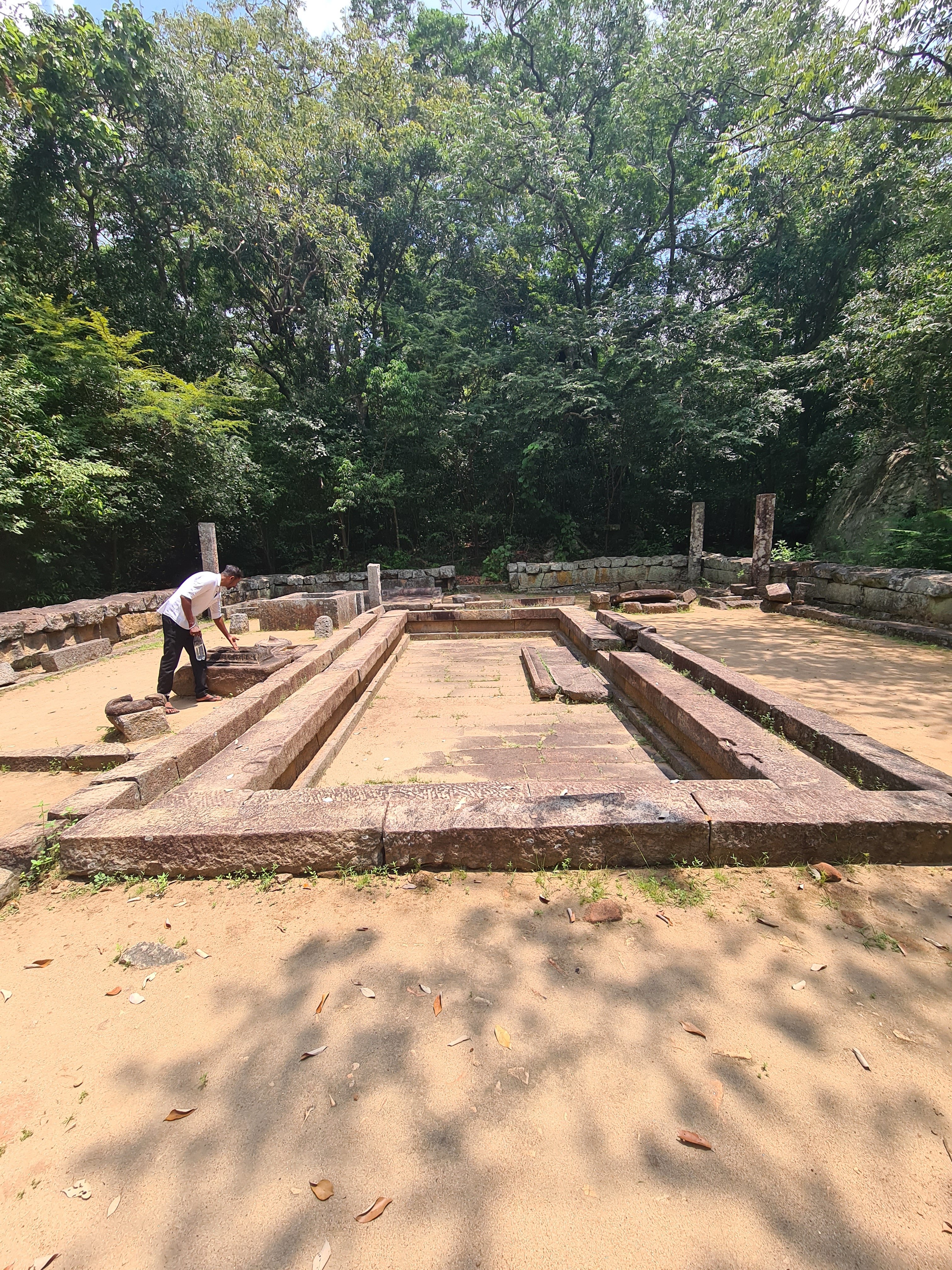
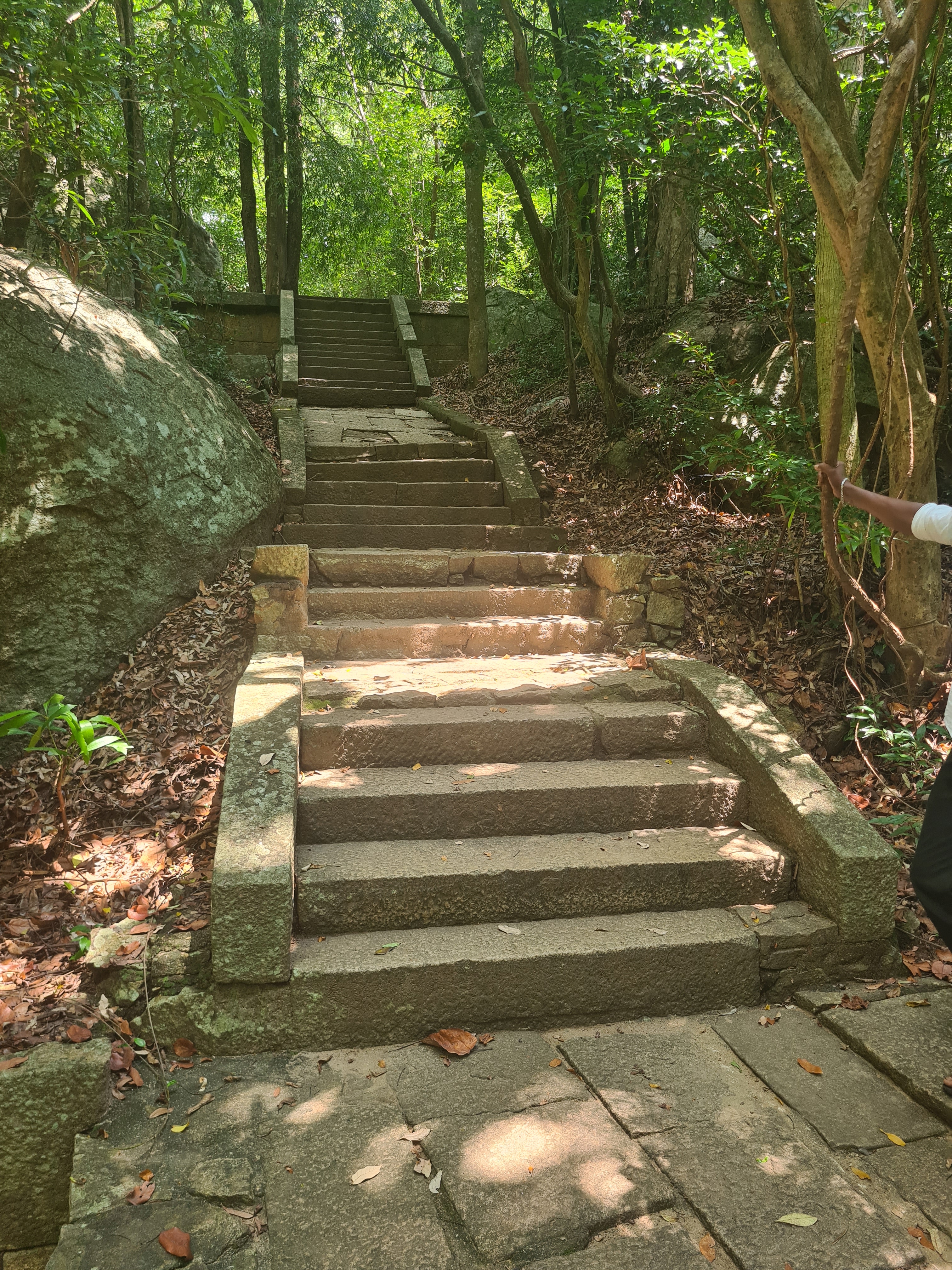
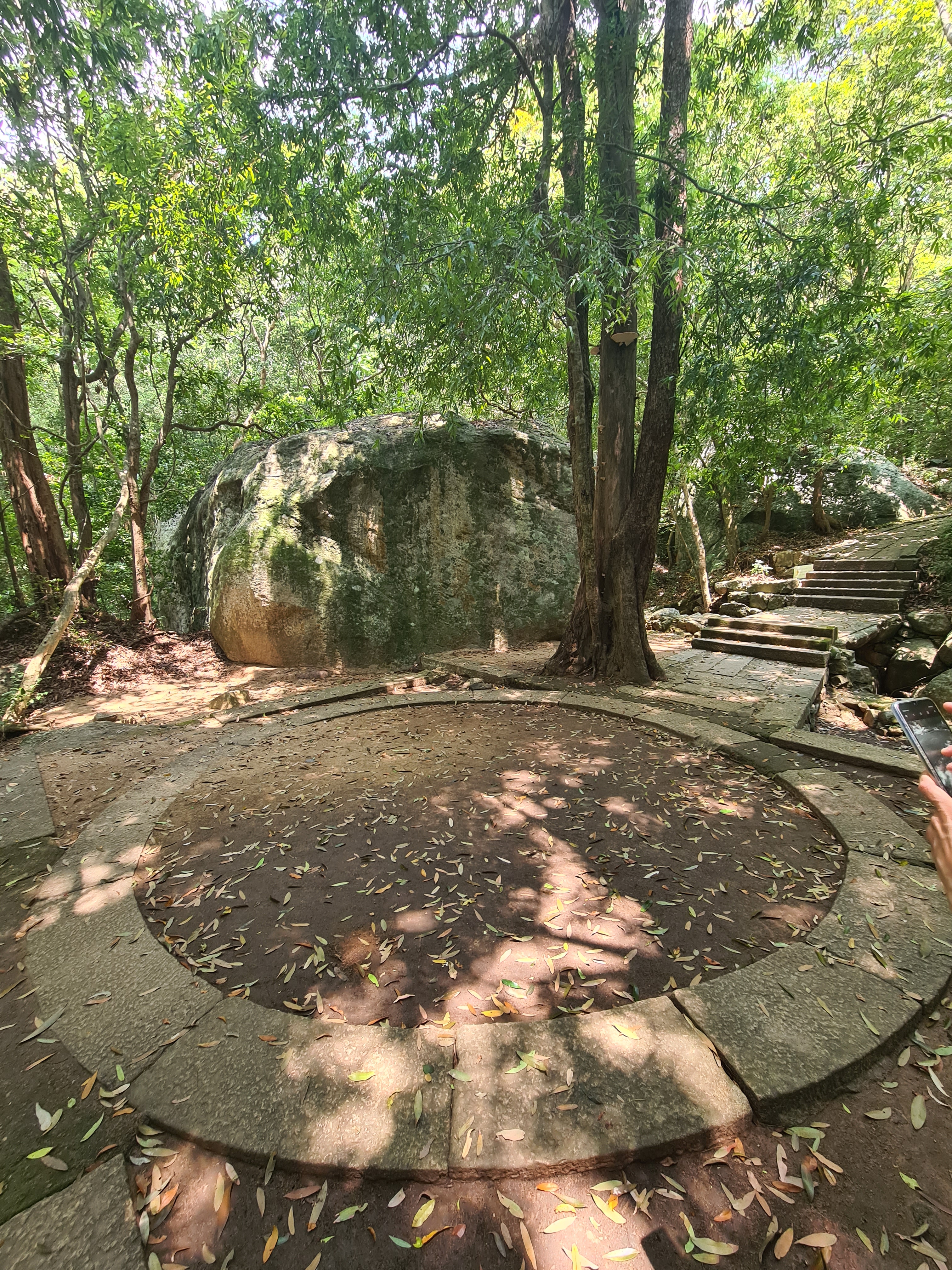
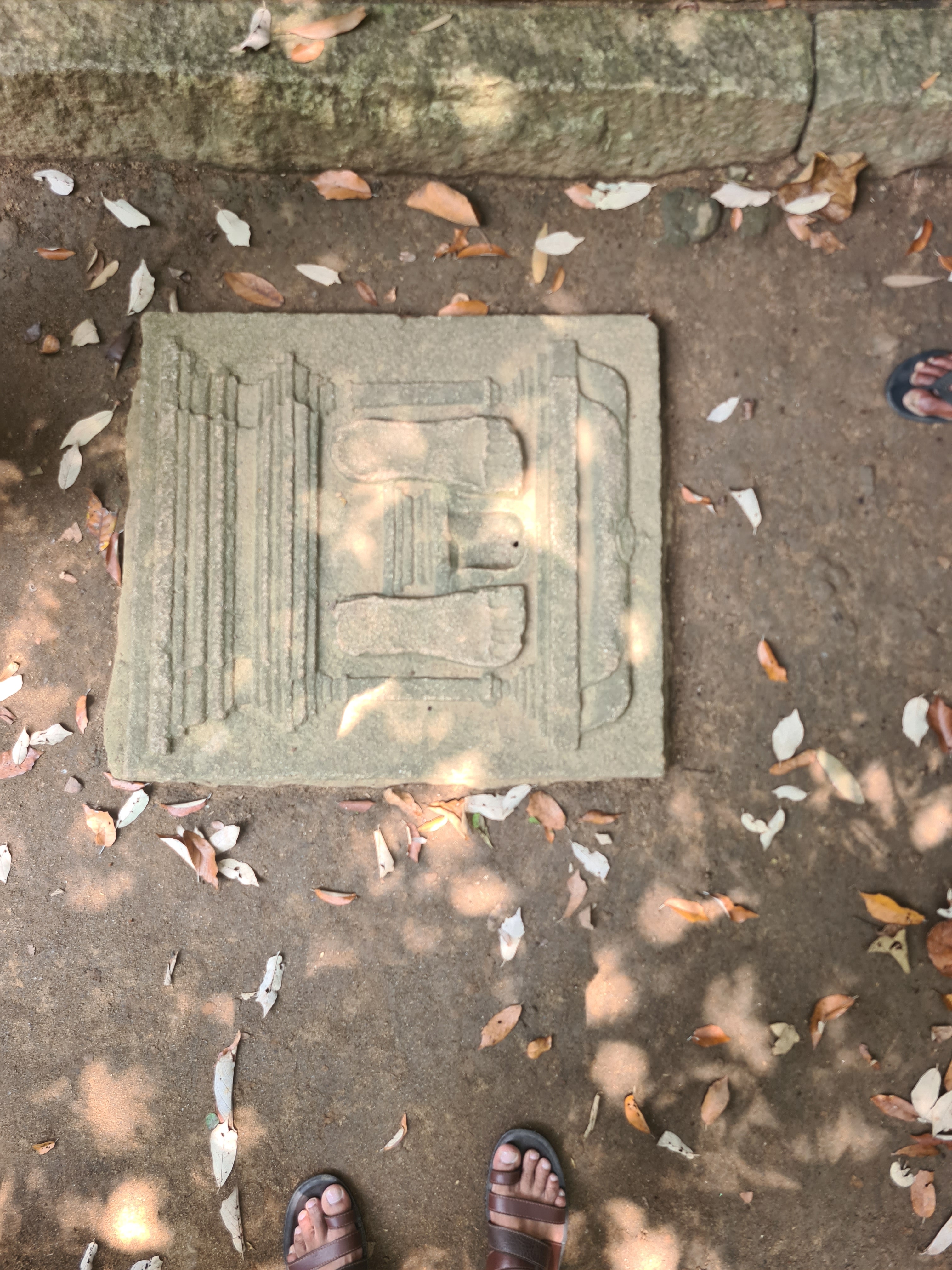
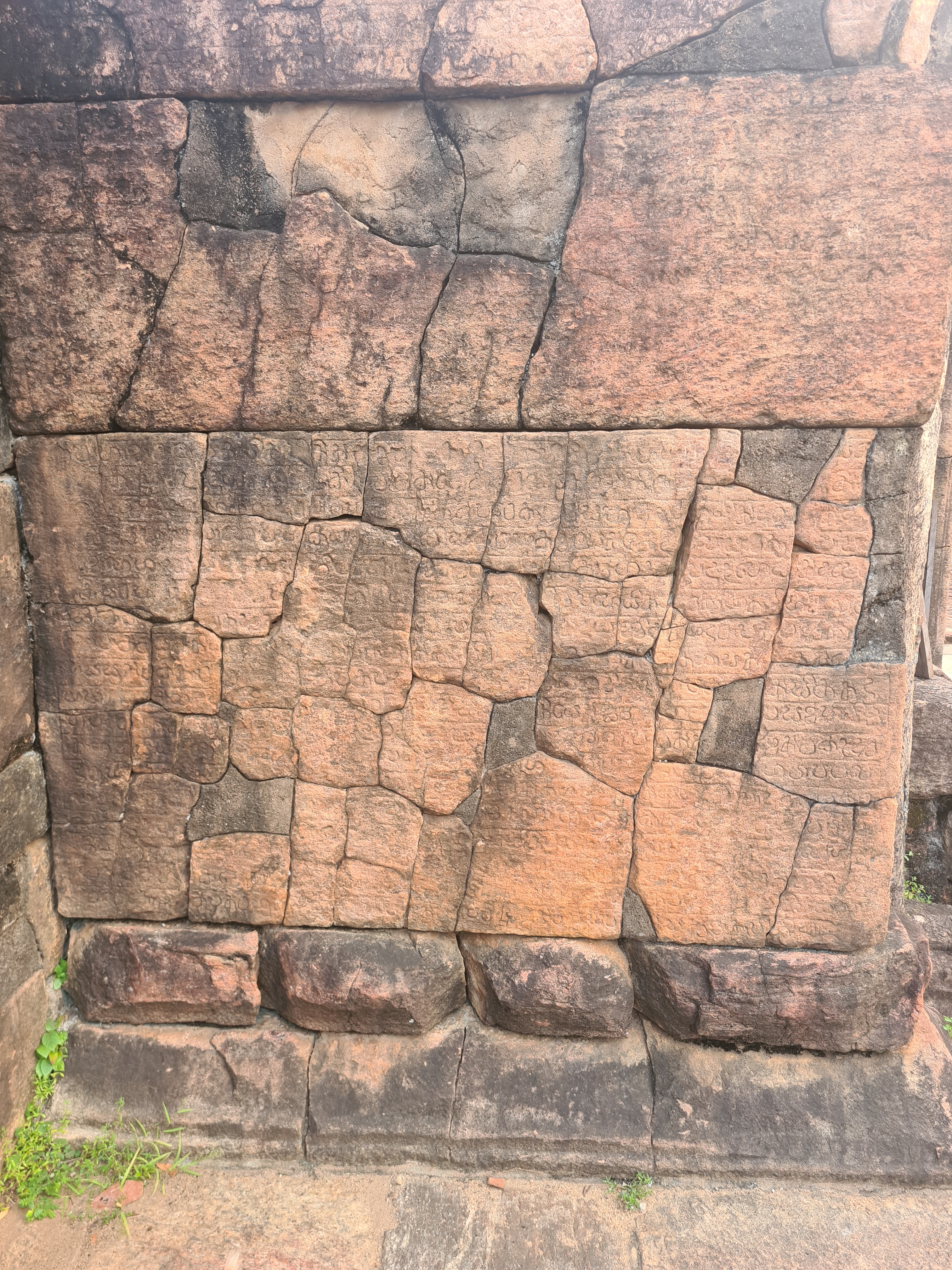
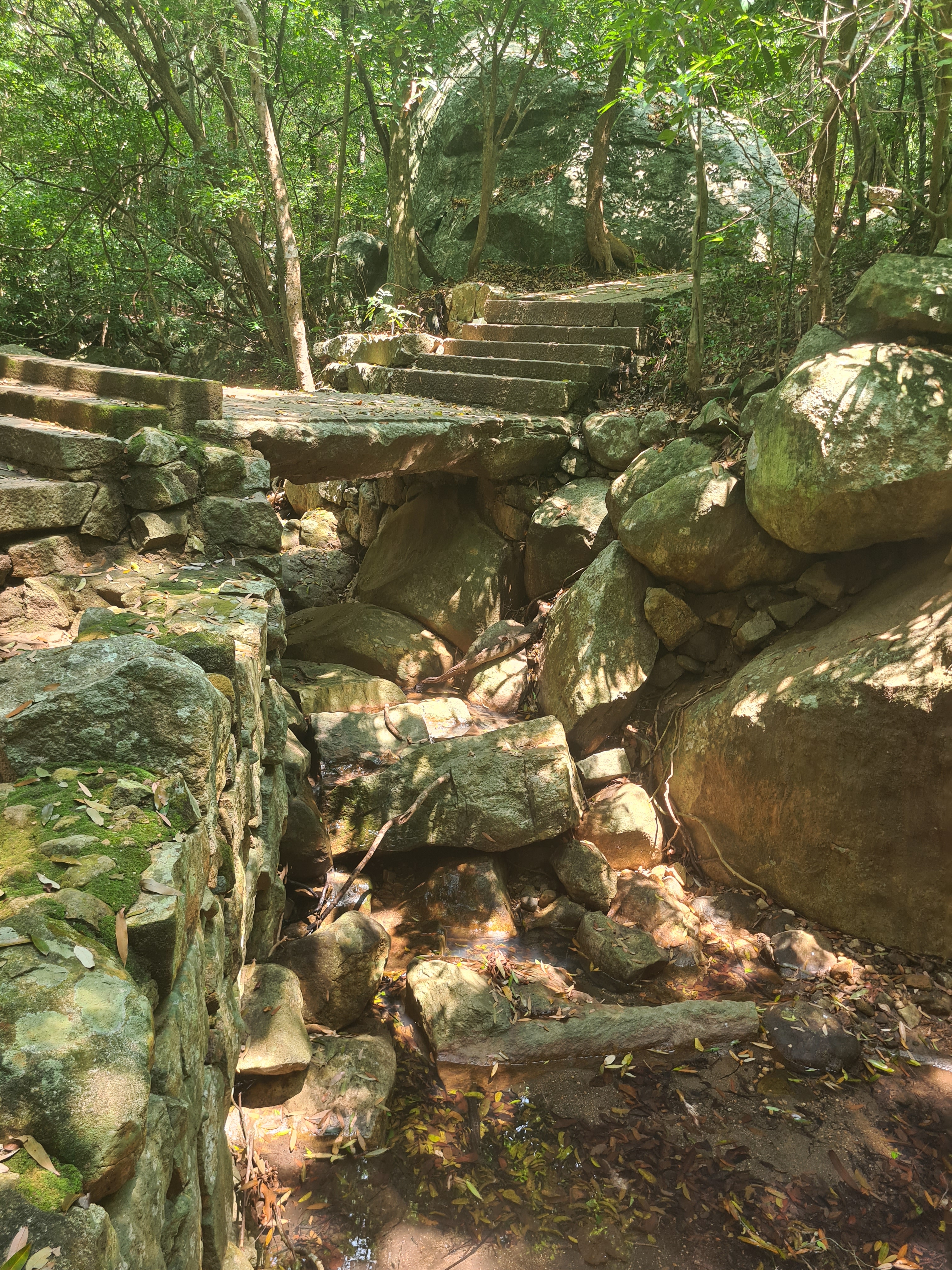
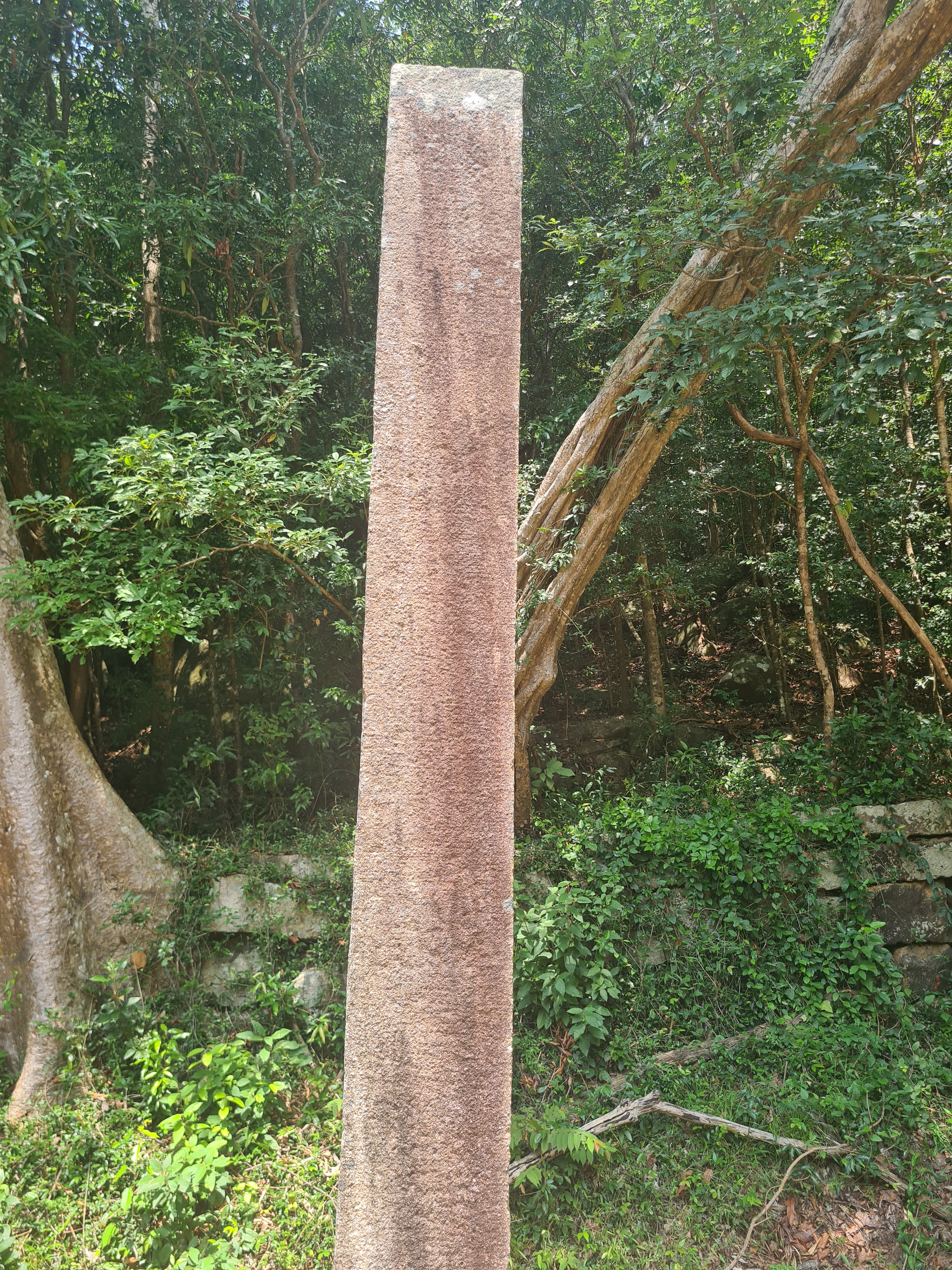
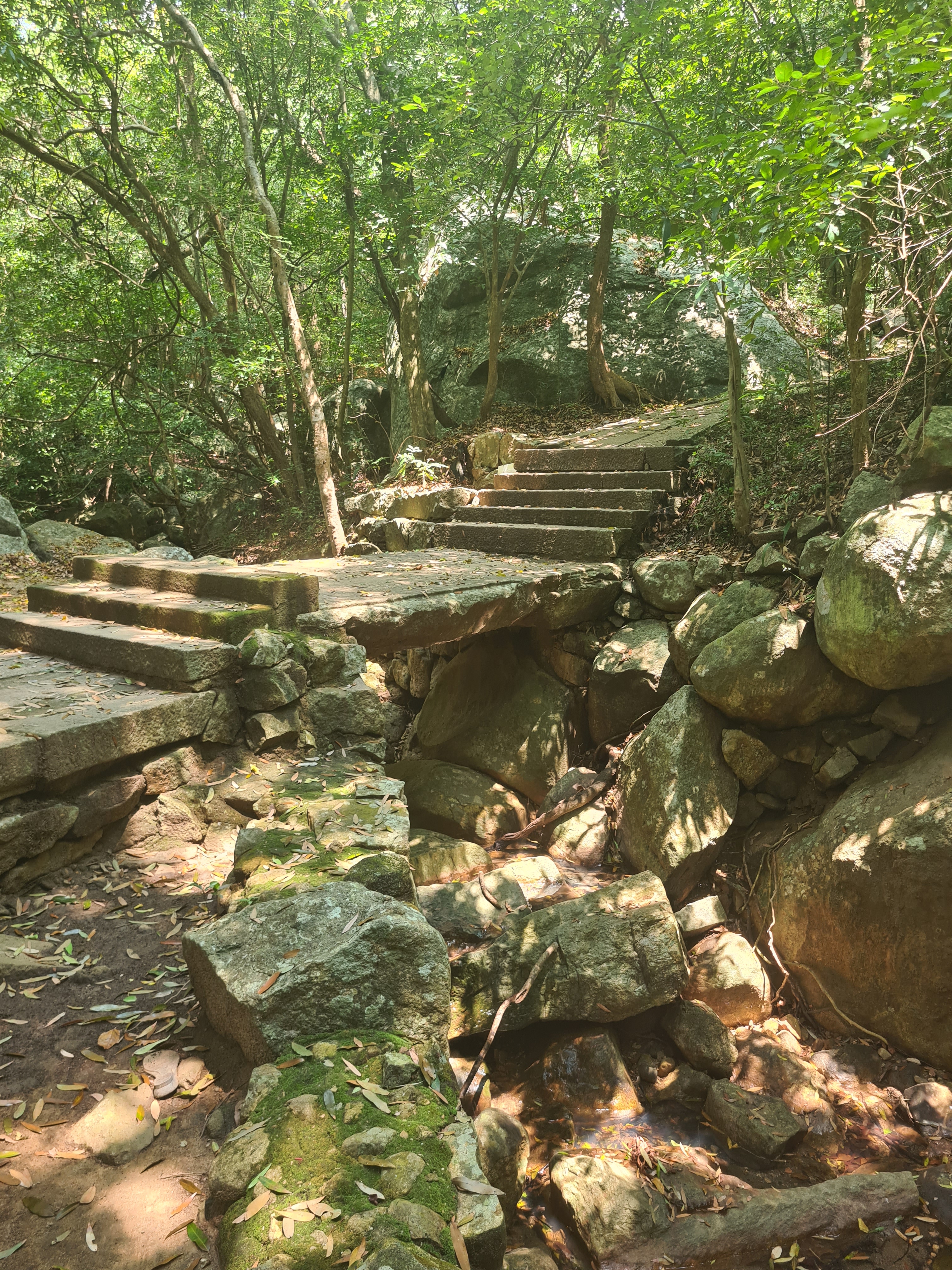
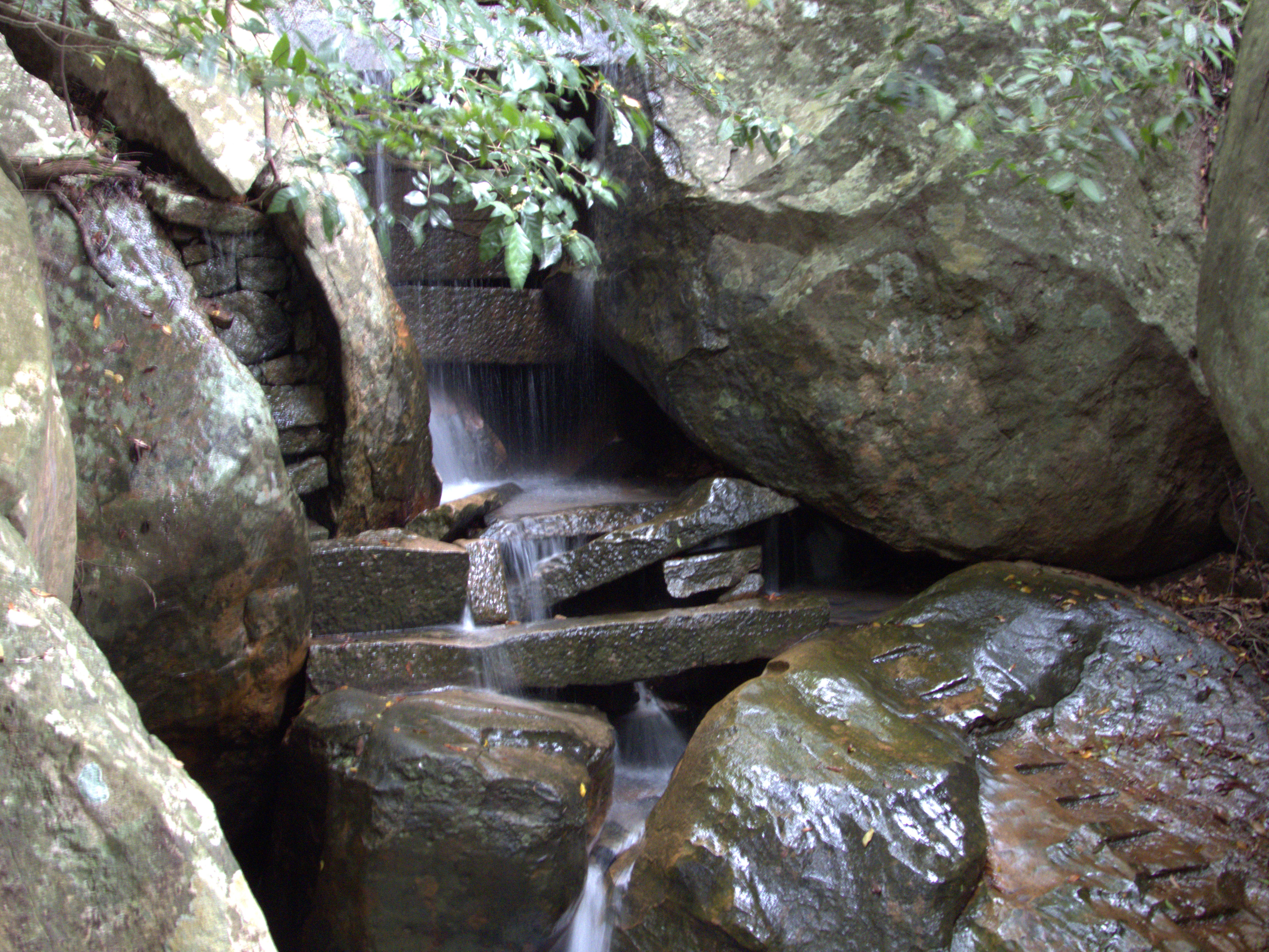
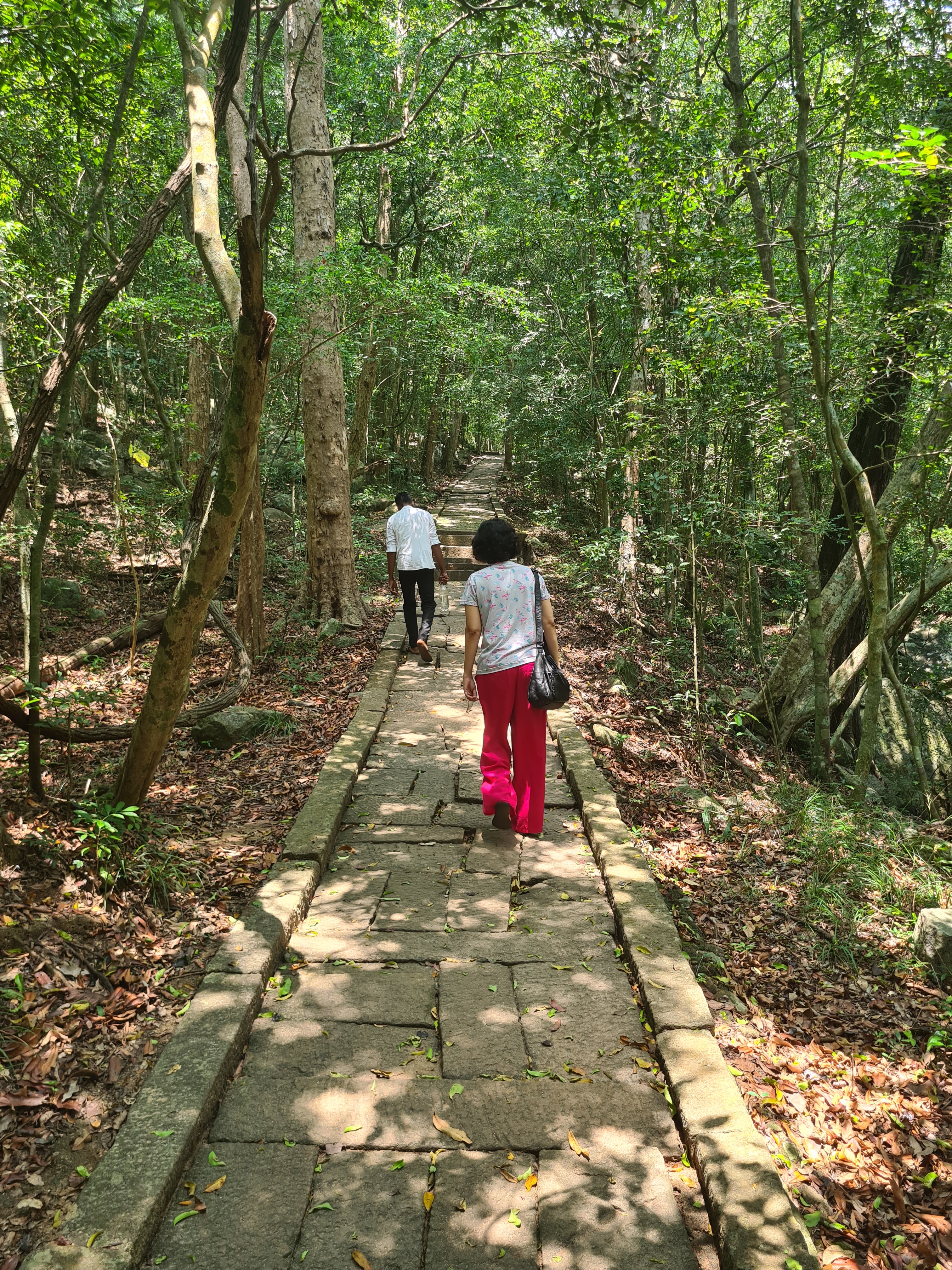
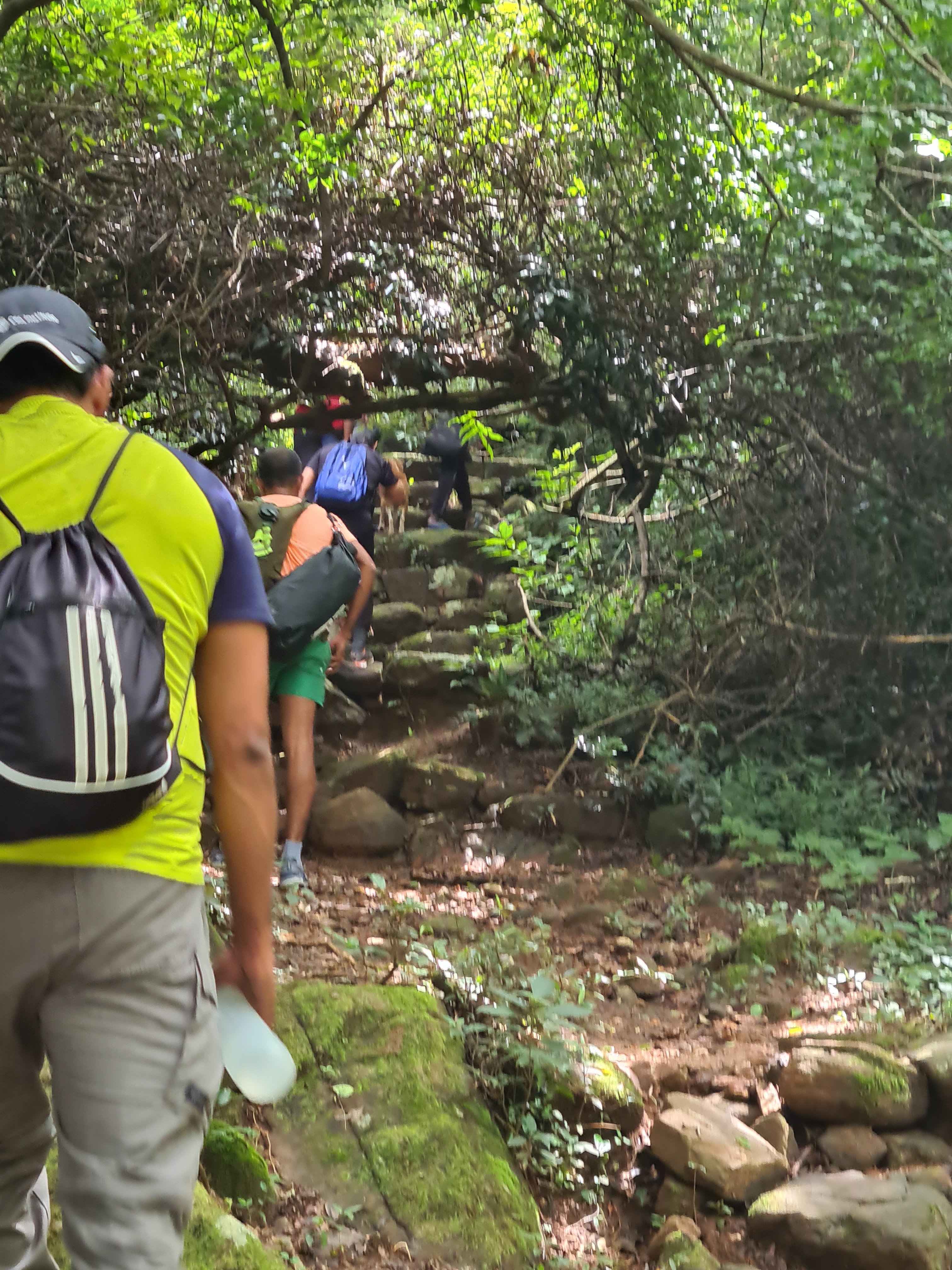
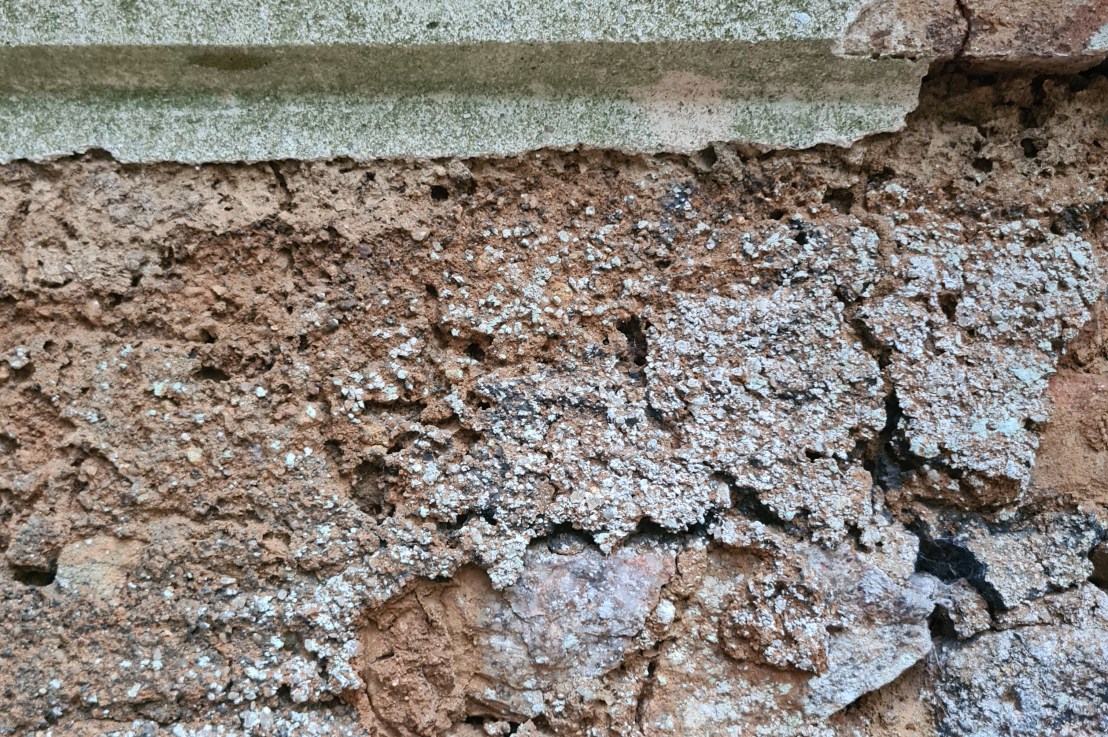
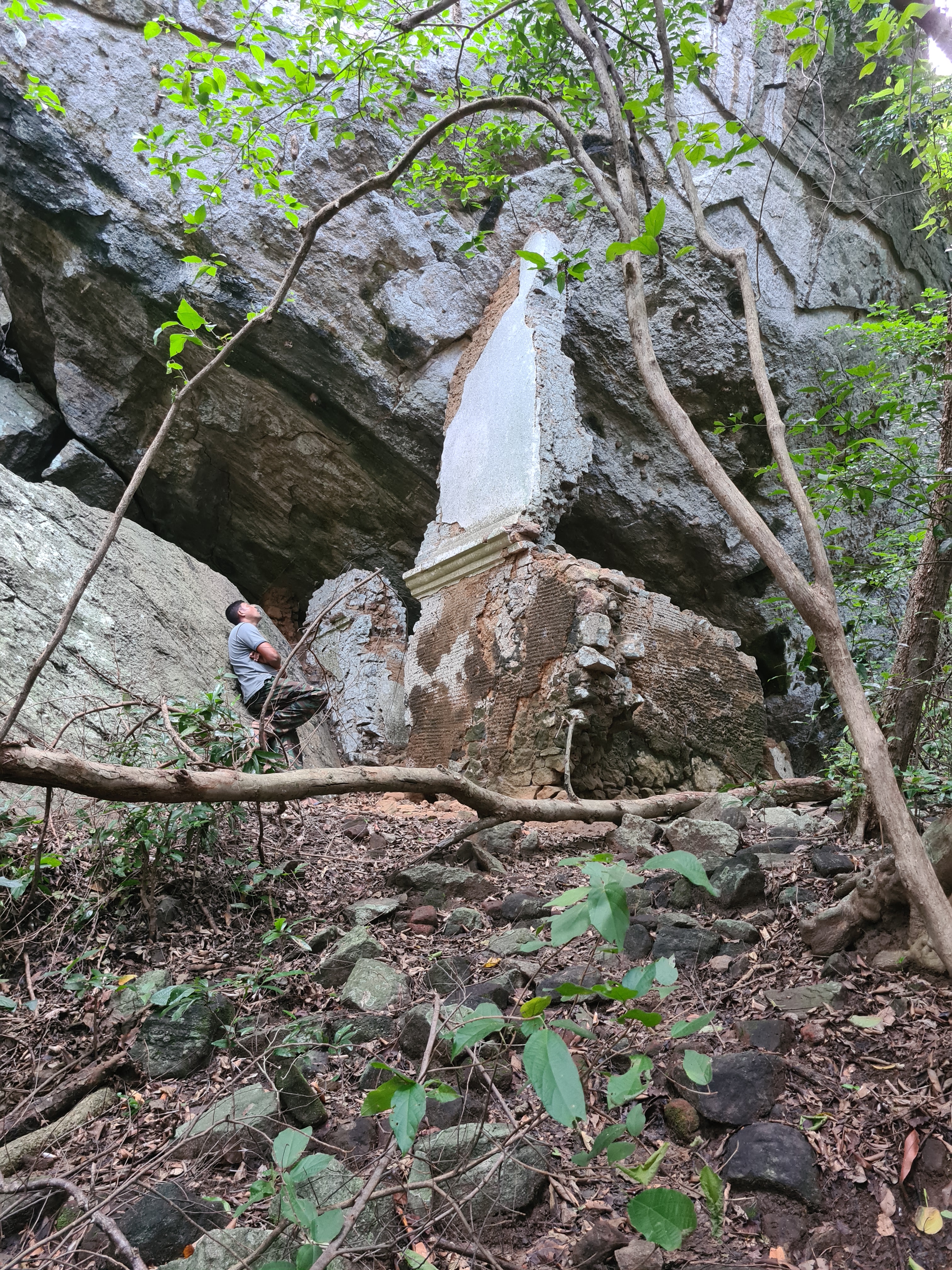
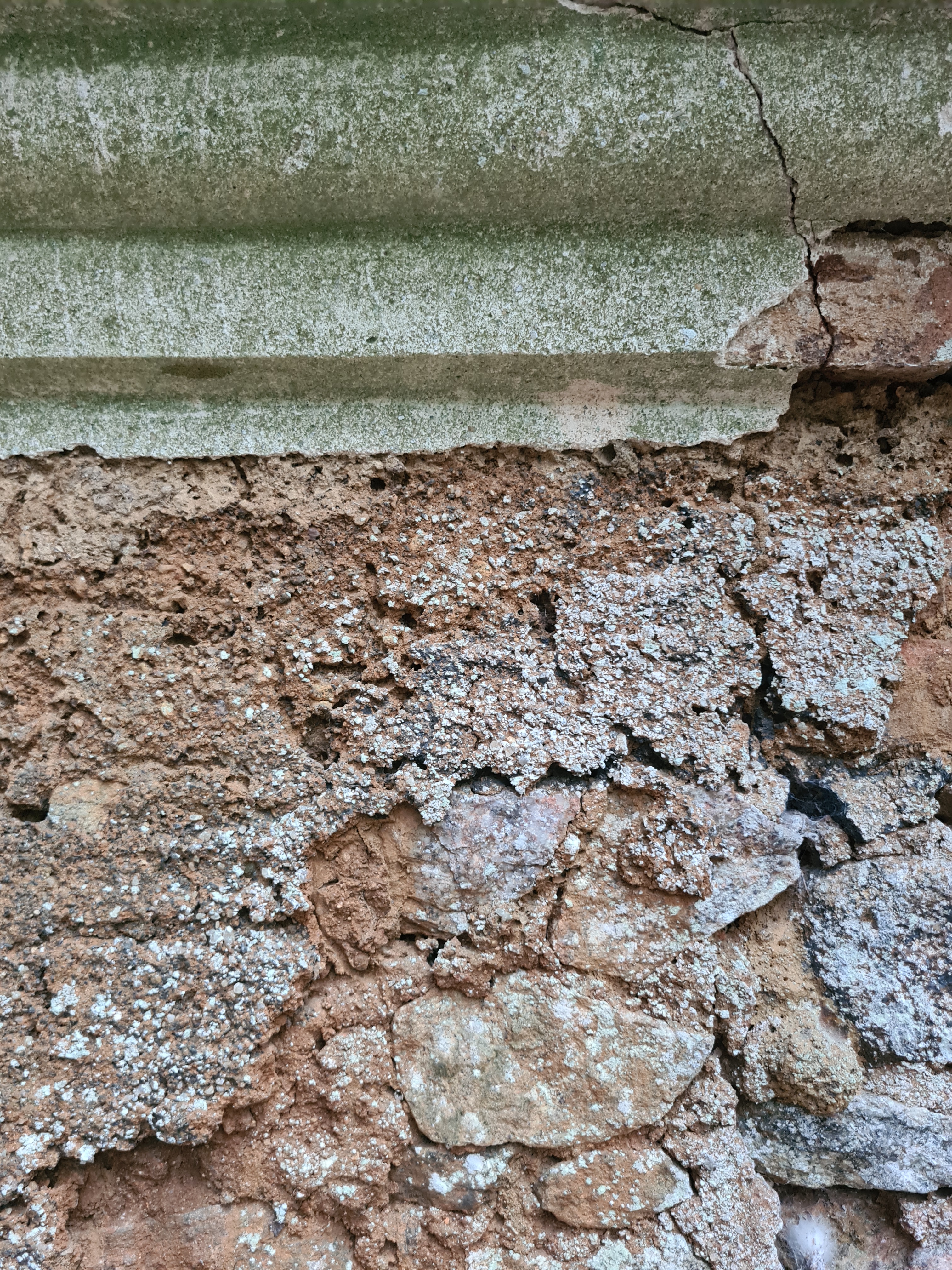
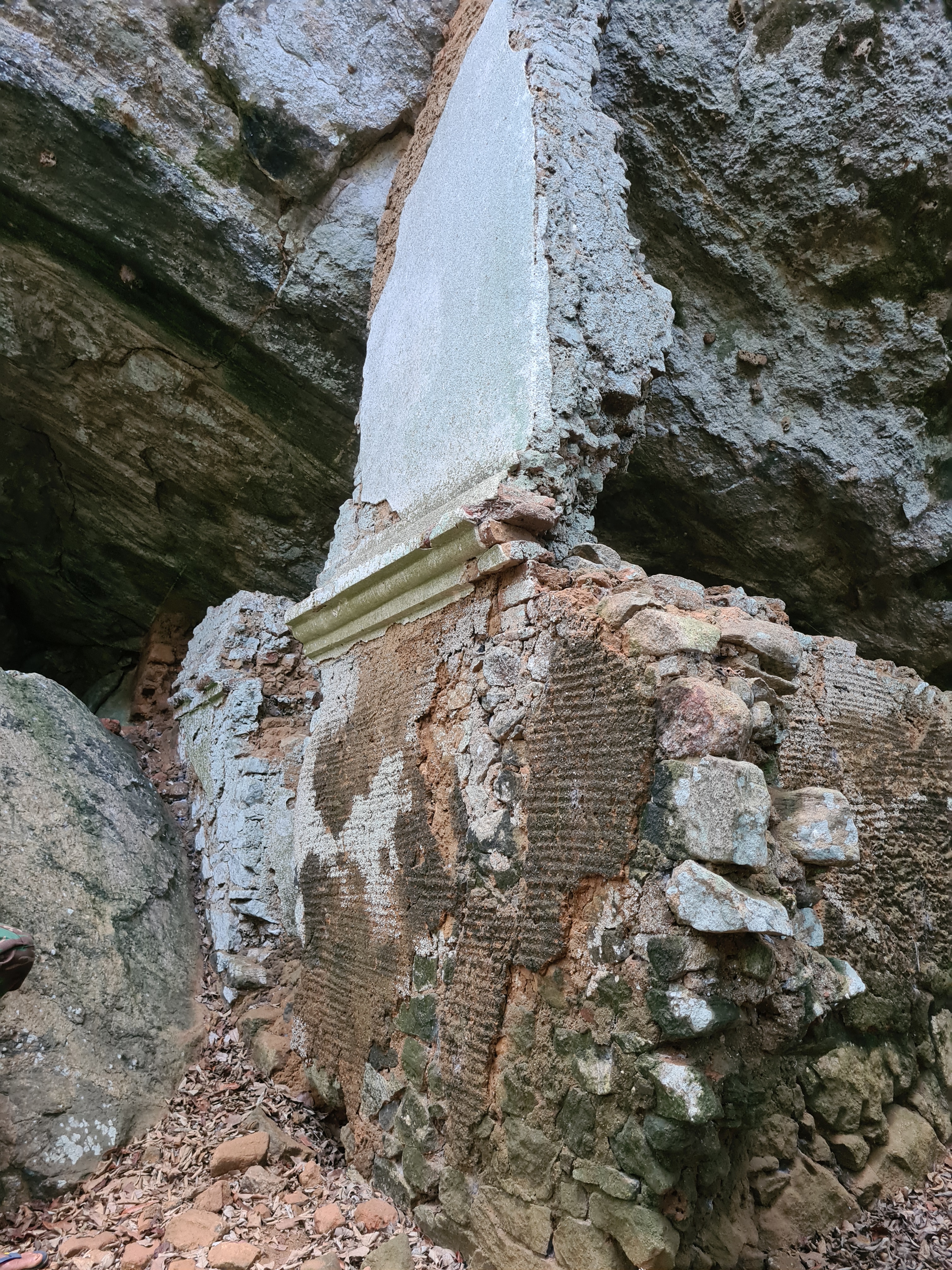
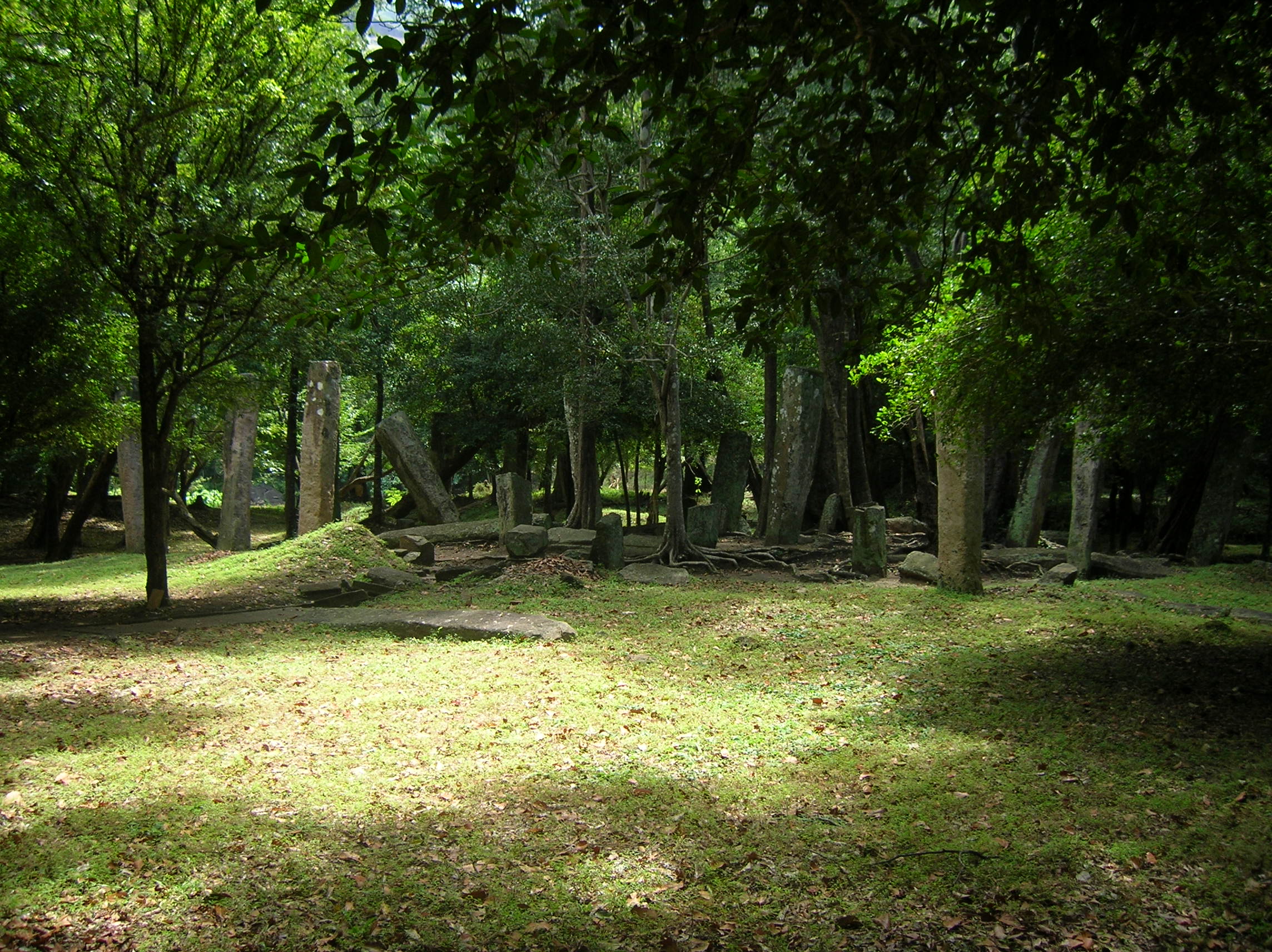
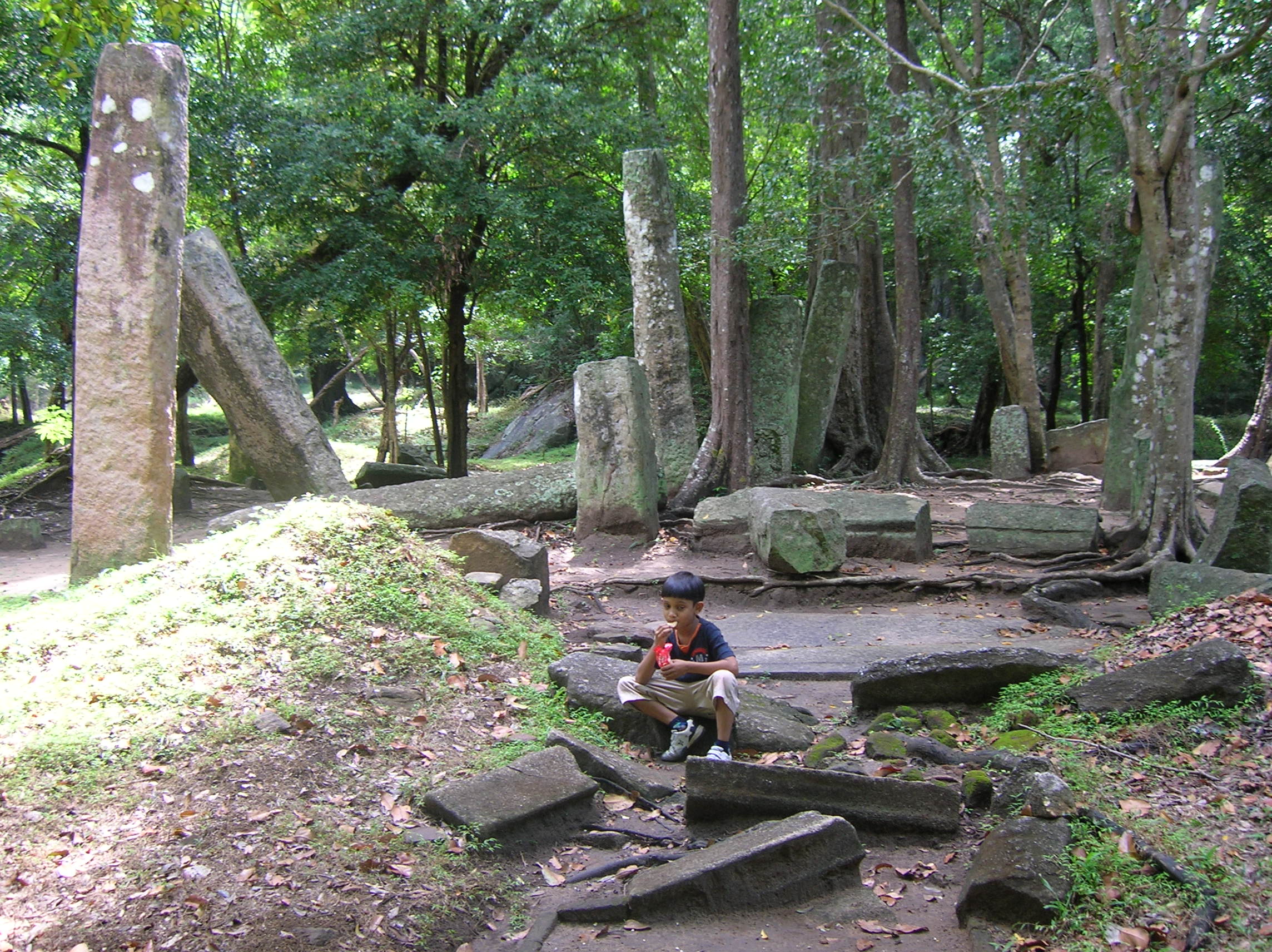
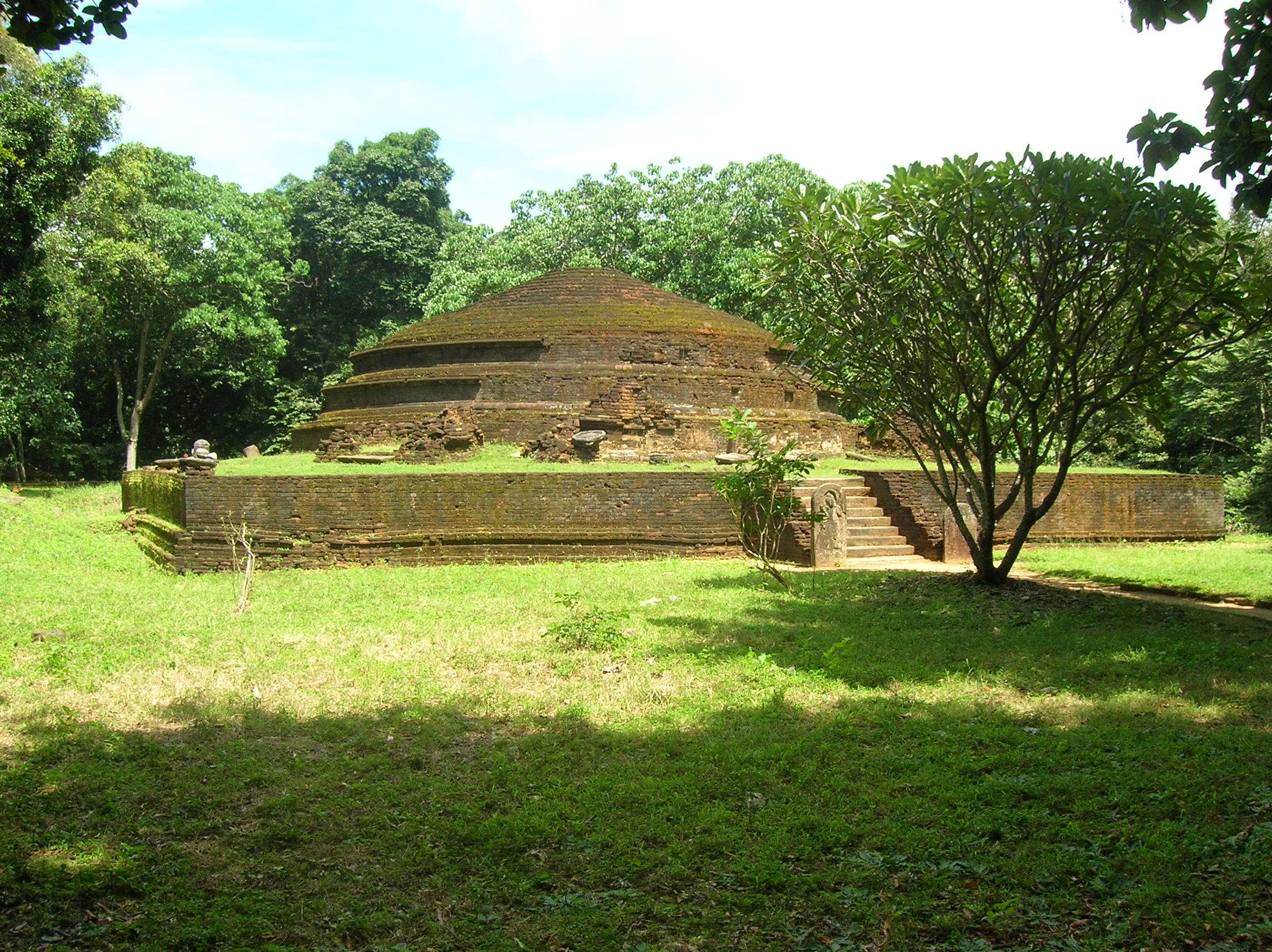
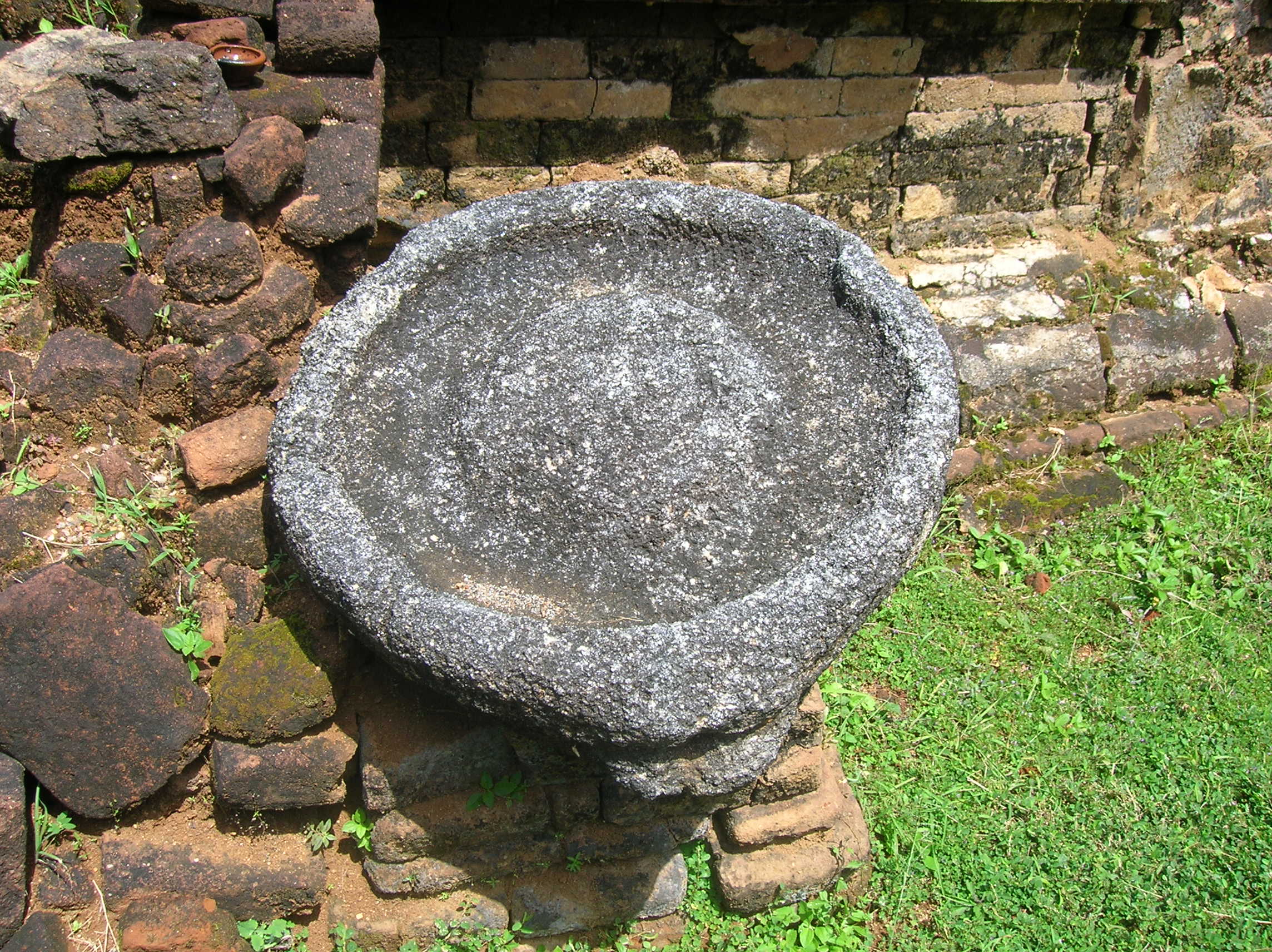
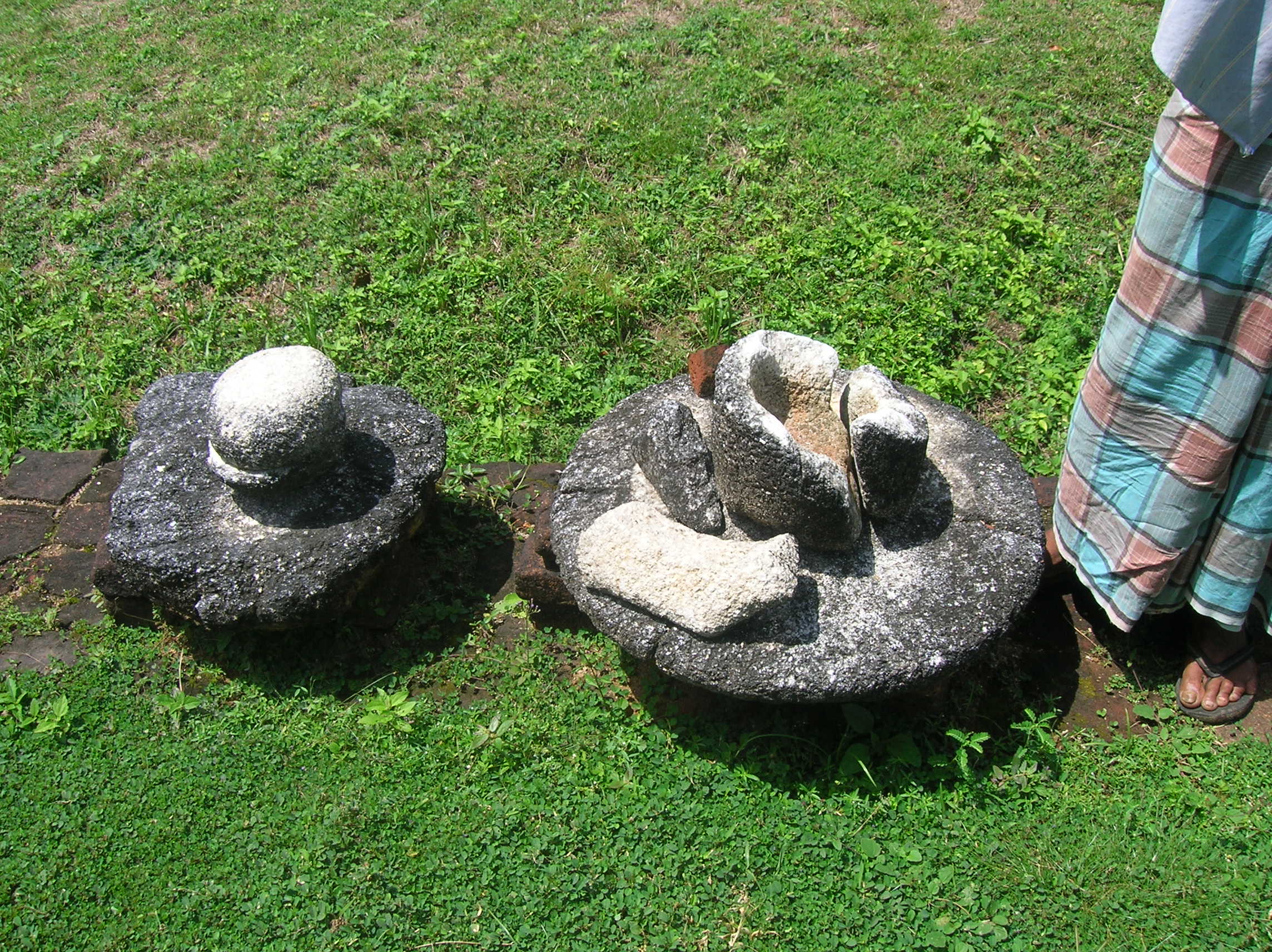
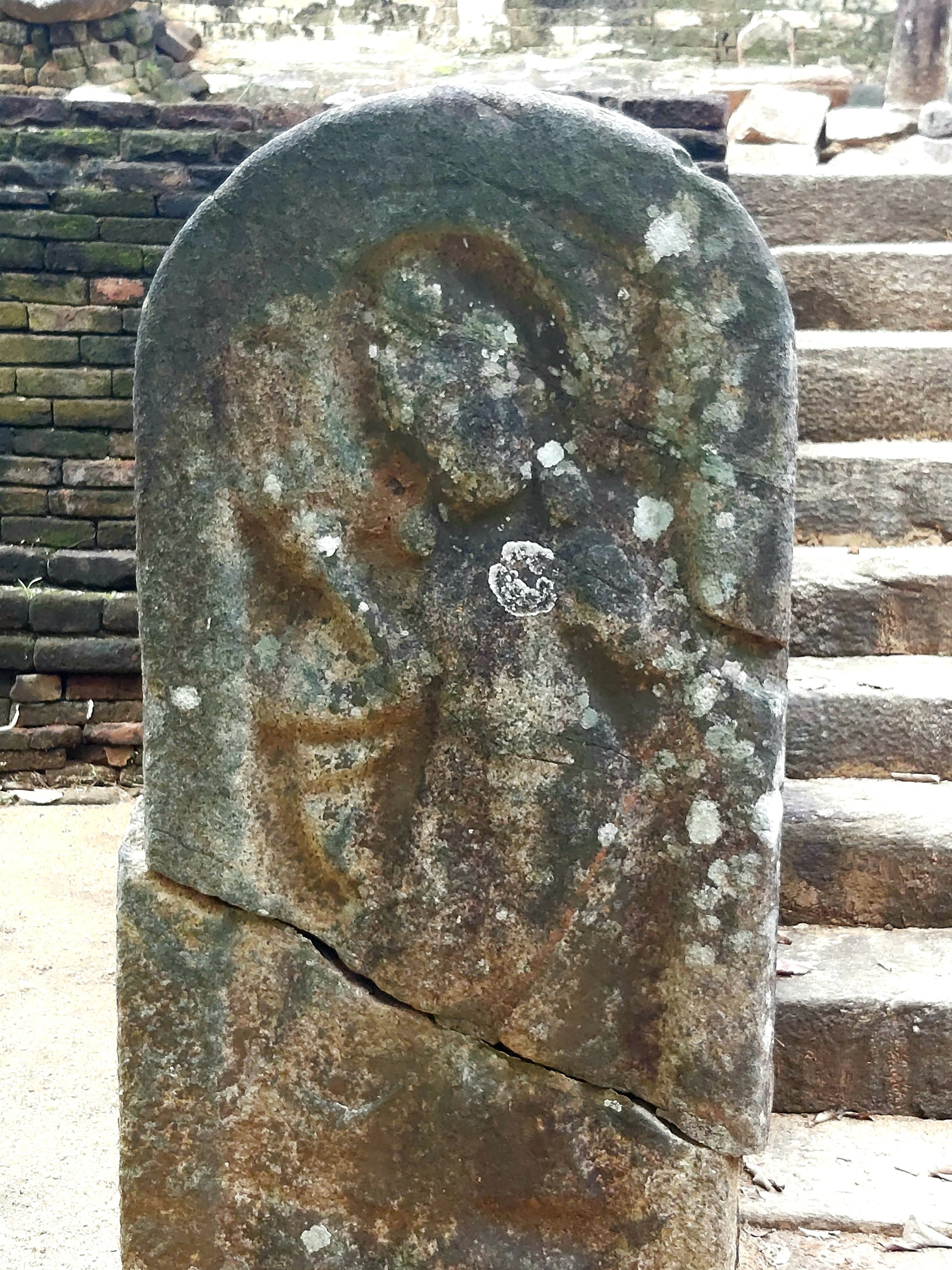
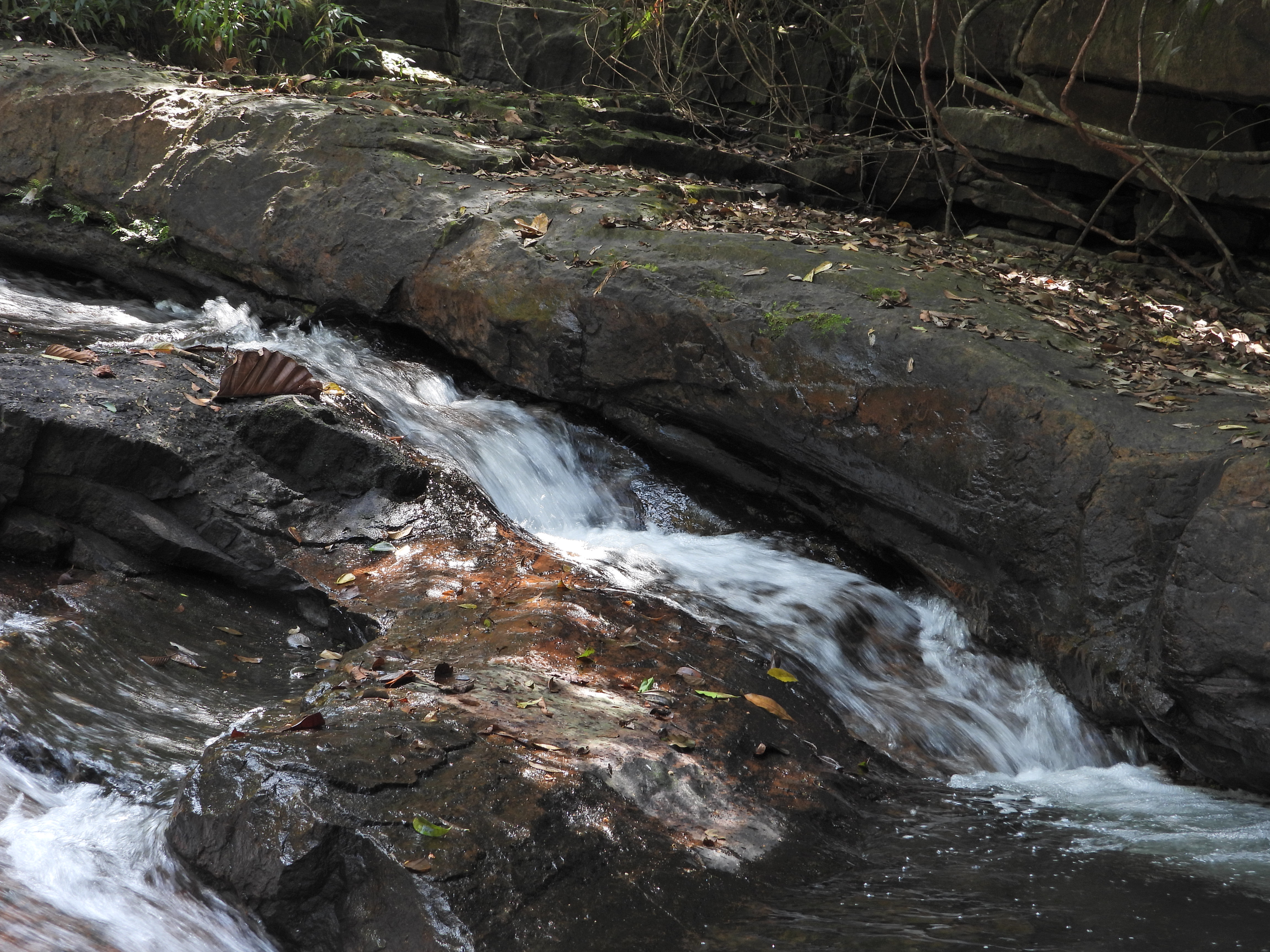
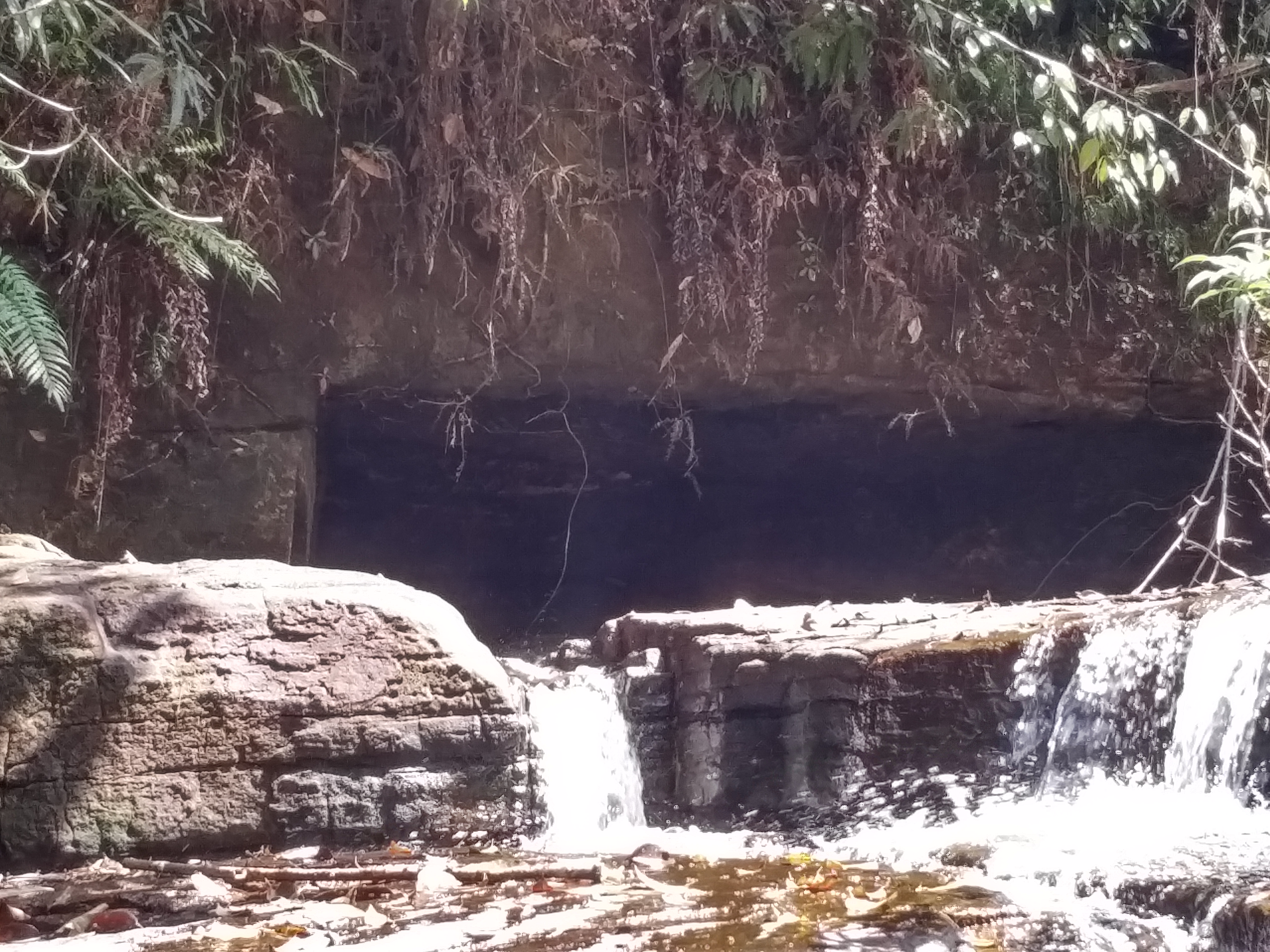
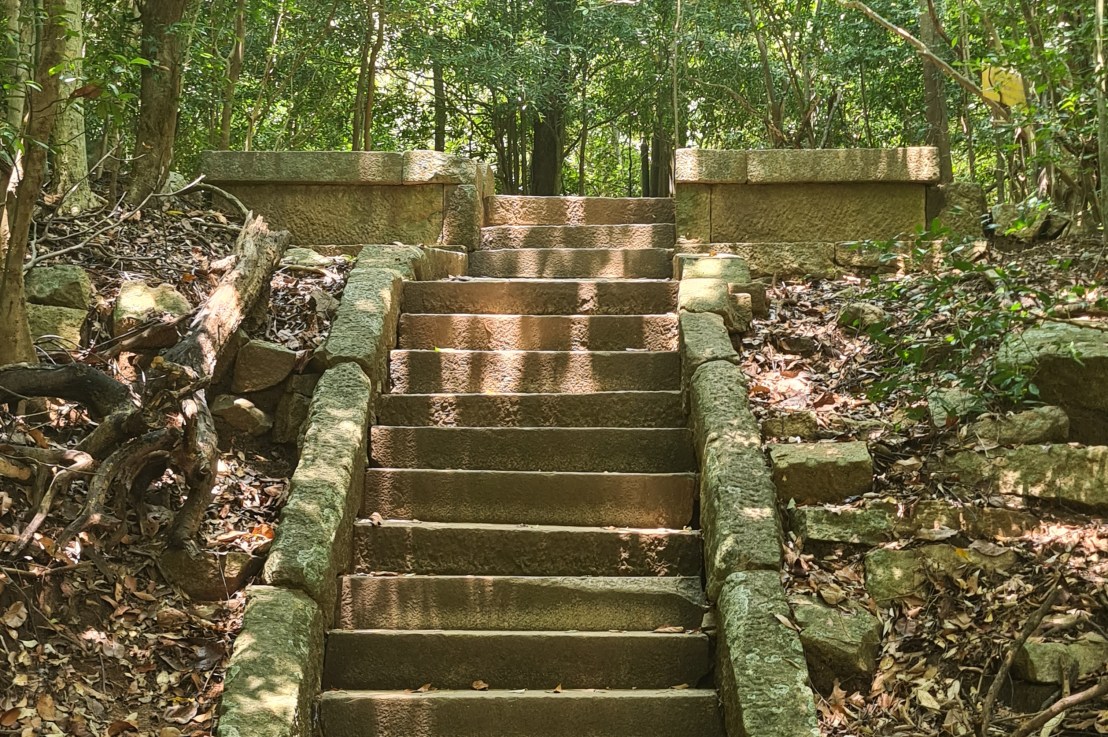
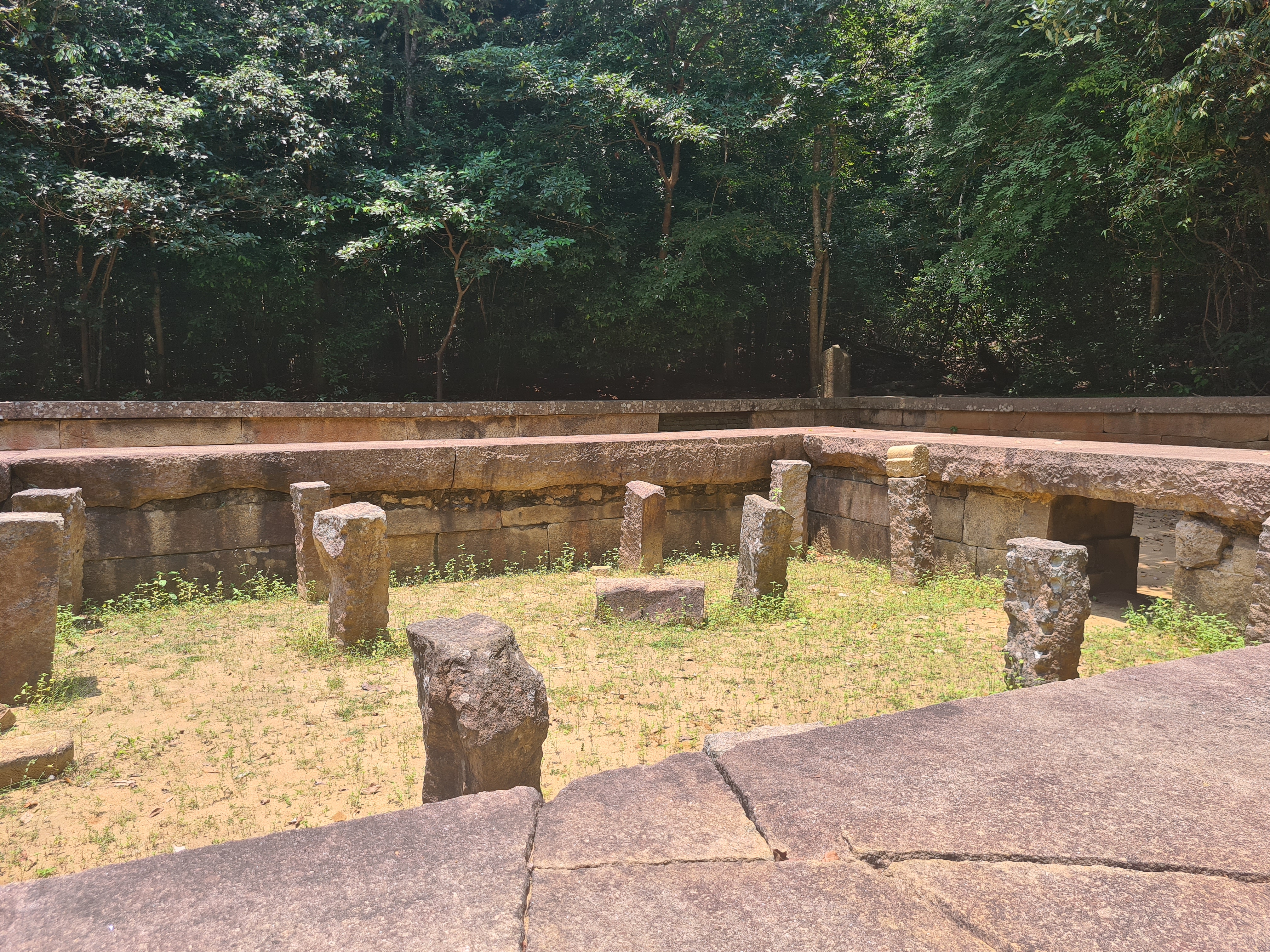
The ruins currently under restoration is thought to be that of a monastic retreat. At the start of the current trail is a gigantic man made pond thought to be the largest in Asia if not the world. Encompassing an area of 2.5 acres would have been a sight to see in its time. Currently this has been partly restored. Further down the trail, one is treated to exquisite stair ways the quality of pricision even todays technology would be hard pressed to deliver. The sharp edged stones and interlocking assembly speaks of a advanced technology lost to mankind now. The stone bridge which is to date sturdy as when it was set is engineering feat to behold. The Meandering stone laid path way up the hill is easy to climb due to gentle slope maintained. The path way has resting places at intervals to rest any weary feet. It is set in a circular fashion so that the monks can continue their walking meditation whilst resting and one such resting place has had water filled foot bath to soak ones feet. The carving of the stones in circular fashion is though provoking. The path leads to first of 2 buildings which is thought to have been surrounded by water with elevated floor boards. There are air inlets below the flow boards, which would have had a very cooling effect when air blows over the water. The area around these buildings and path way is littered with ruins of many other buildings. Off the path way is a man made waterfall, functioning even today. Made by blocking a water way with large carved stone slabs and the area below the water fall fashioned such that one could sit under the falling water or meditate. Stone steps carved in the rock enables one to climb to the sitting platform. The back of the waterfall and the surrounding is properly walled up to create a neat bathing pool.

The ruins of the library building gives a fine view far into the surroundings and is also where a 2nd stone bridge can be seen. The ruins includes the remains of a herbal spa with a oil bath, massage bed and plumbing which can is akin to what we use today.

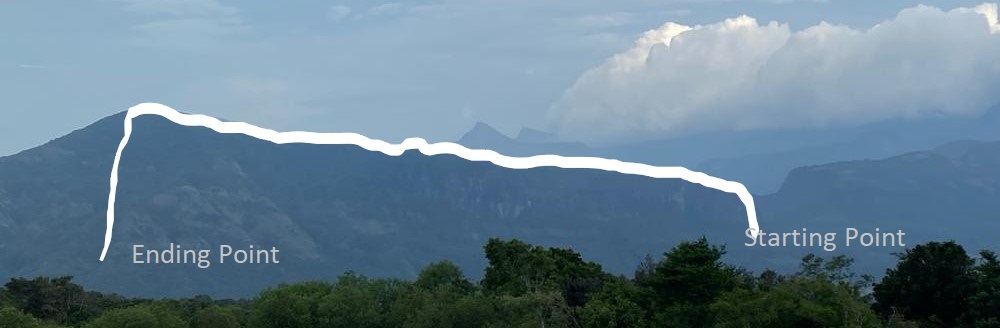
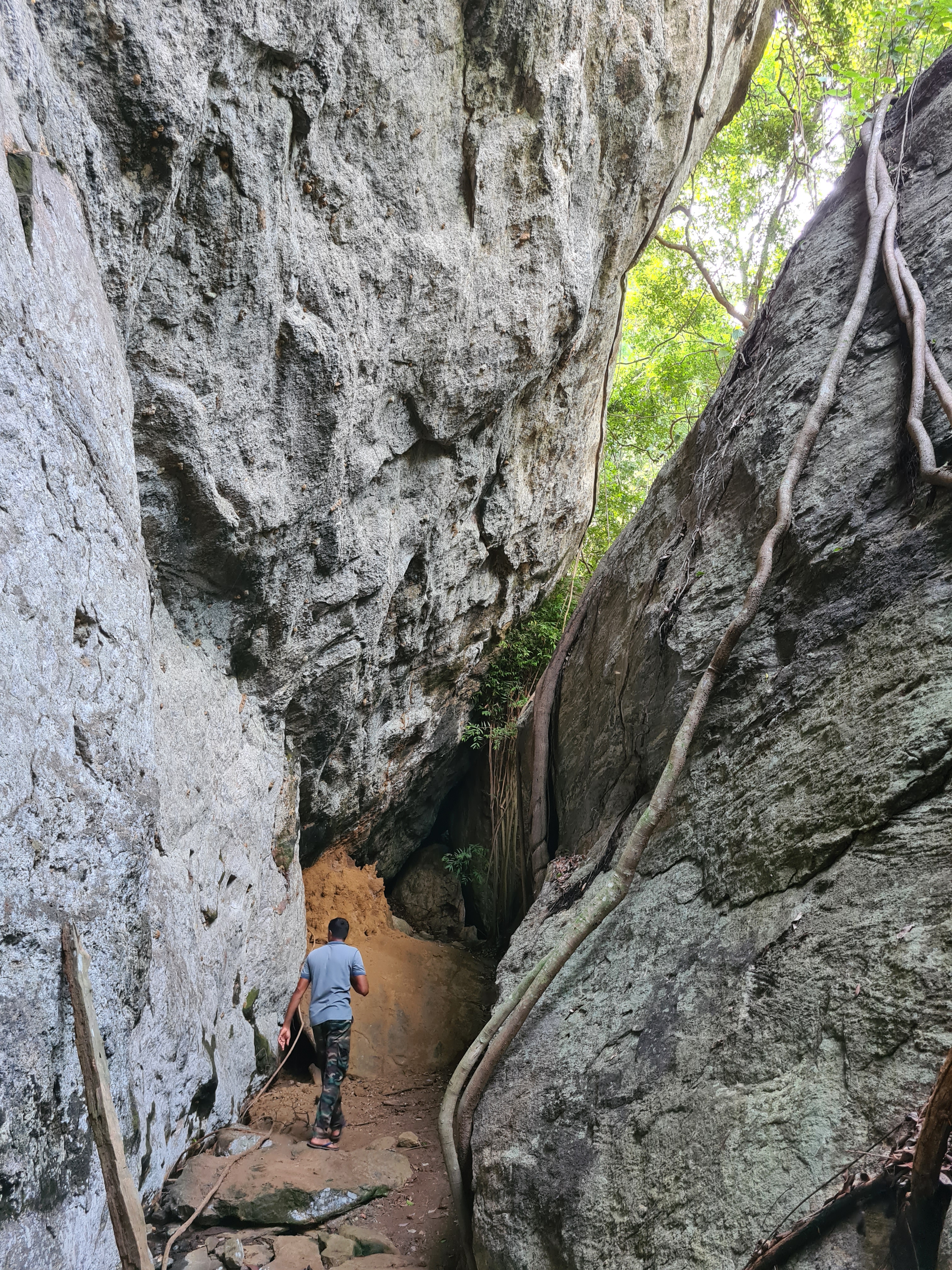
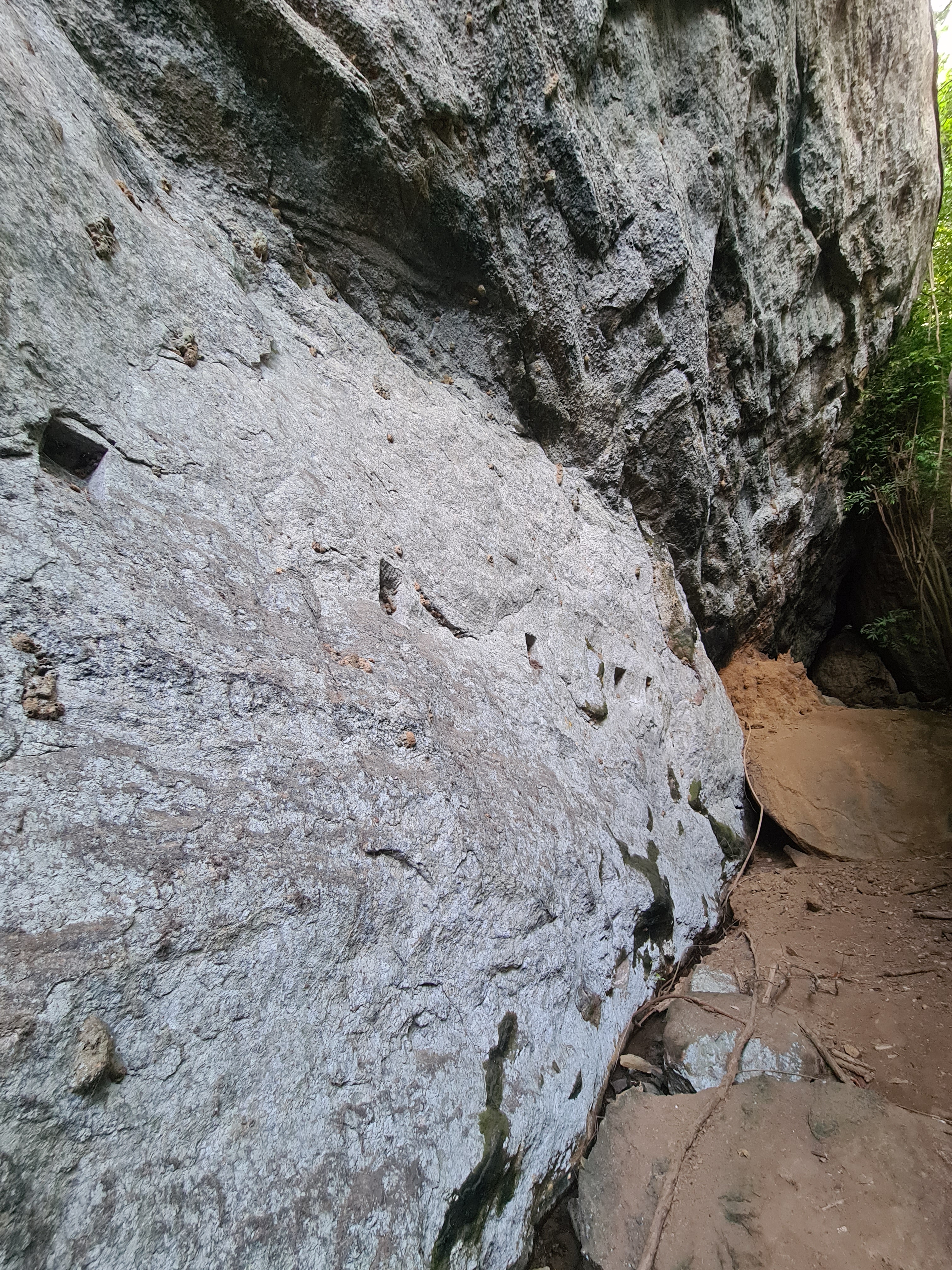
The mountain is littered with caves and a climb to the top, which requires special clearance, one can see remains of ancient stair ways carved into the rock. At the summit is a ruin of a structure, probably a look out point with a very sturdy foundation which is all that remains. The view from the top give a 360 degree view of the surrounding area including a view of Pidurangala, Sigiriya and the stupas at Anuradhapura.

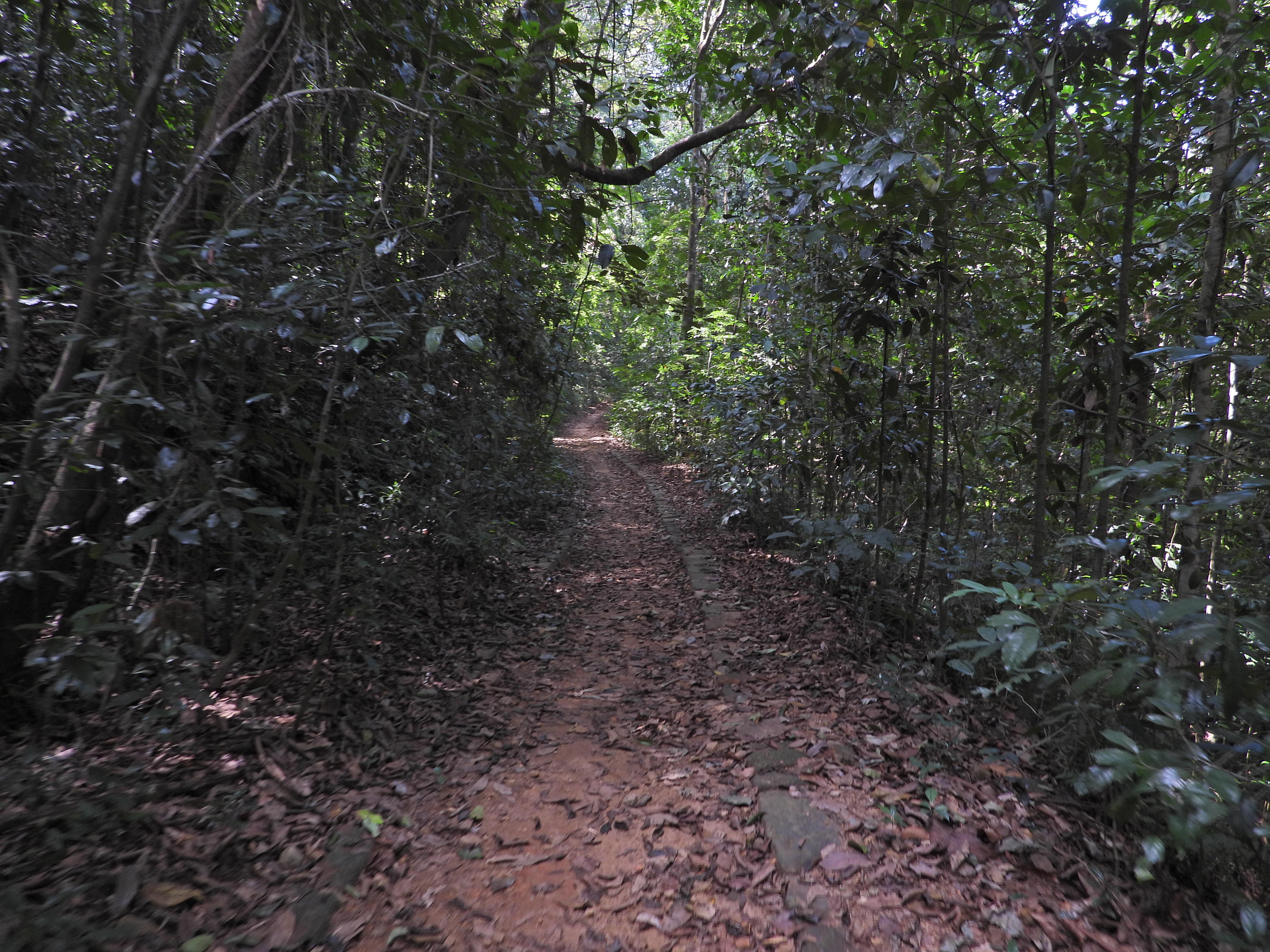
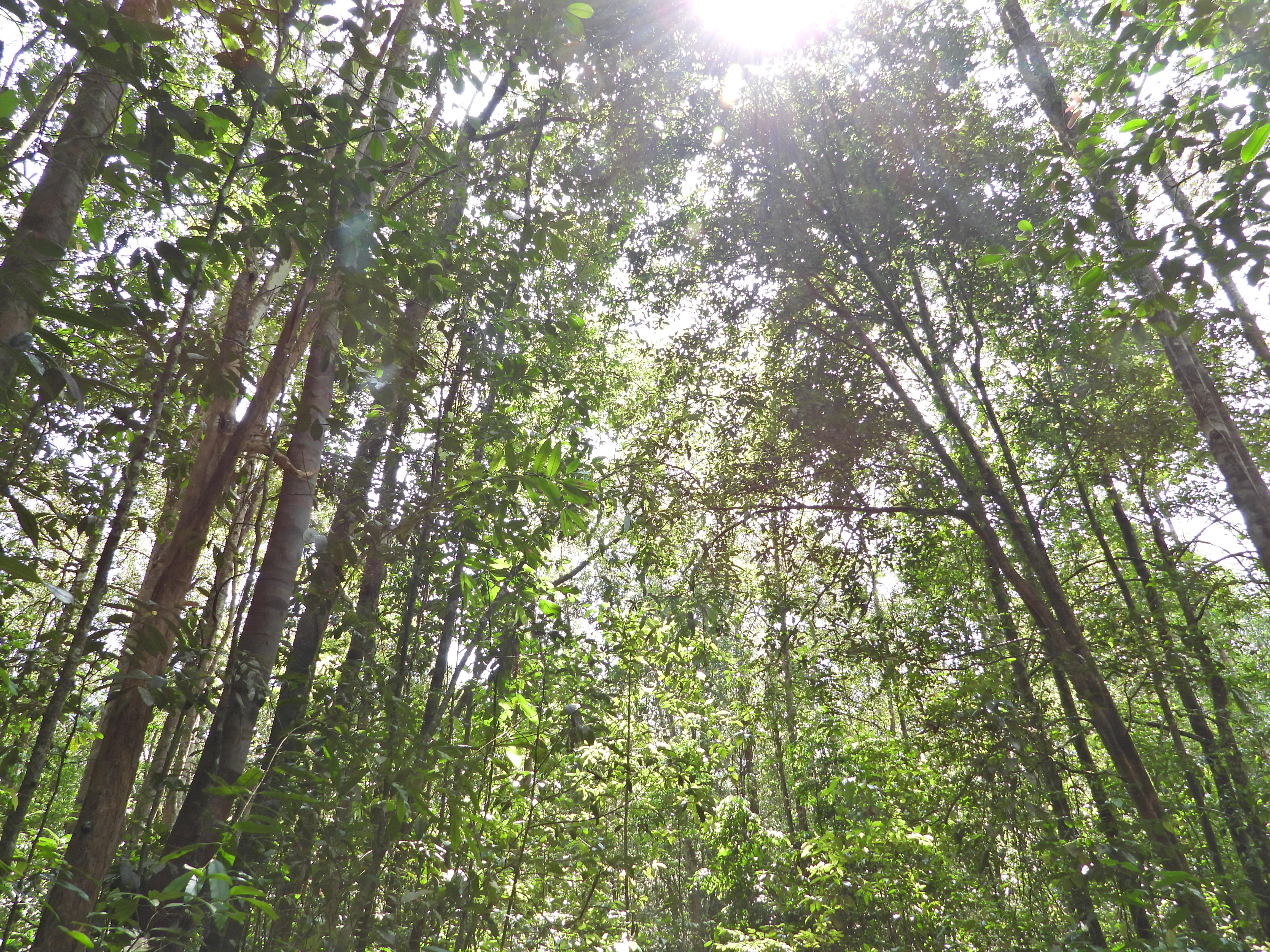
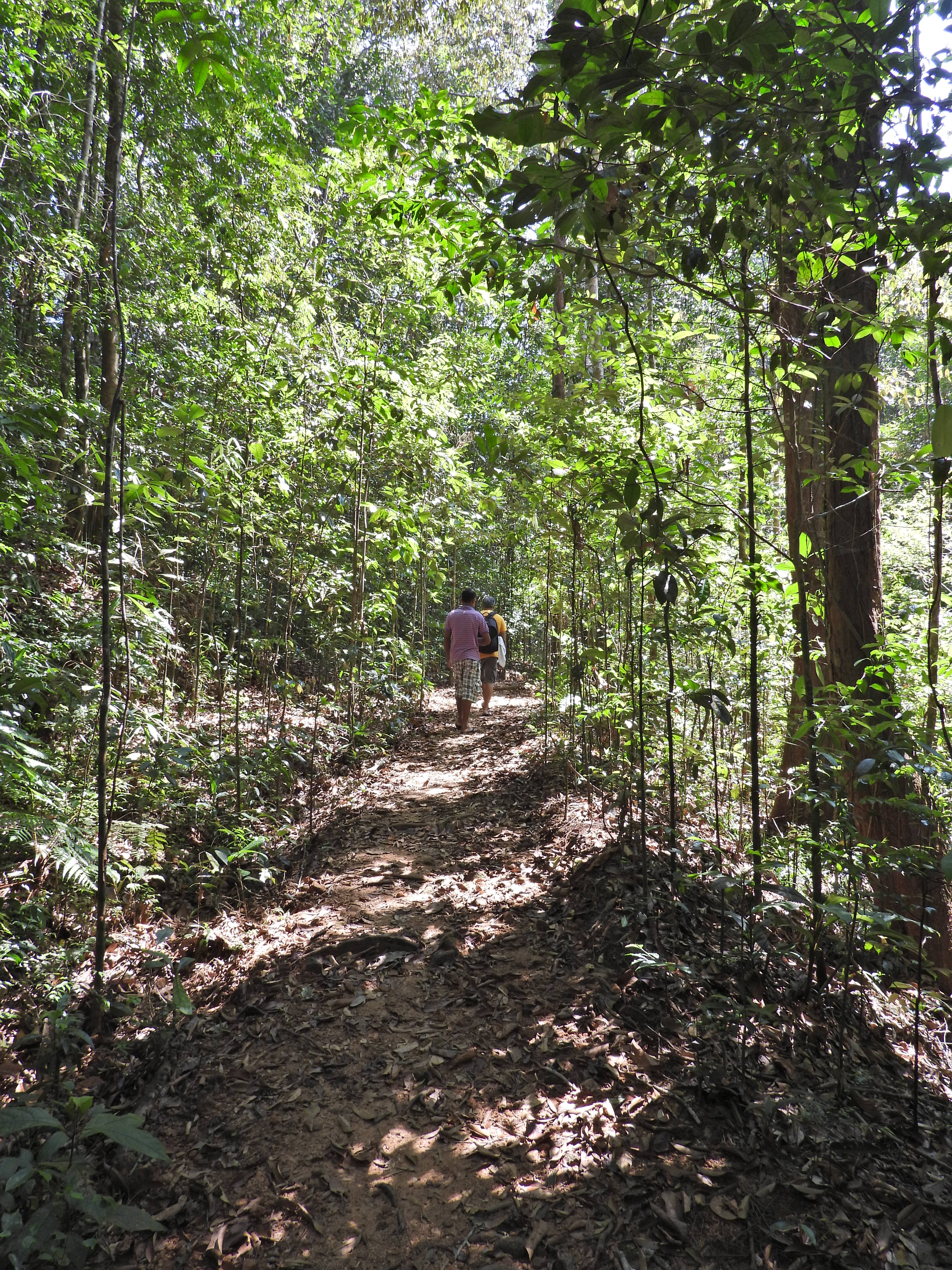
The area allowed for visitors extends to about 2 Km into the mountain and is an easy climb. The whole walk through the ruins is shrouded by jungle canopy which keeps even the noon sun out, making it a somewhat cool climb.

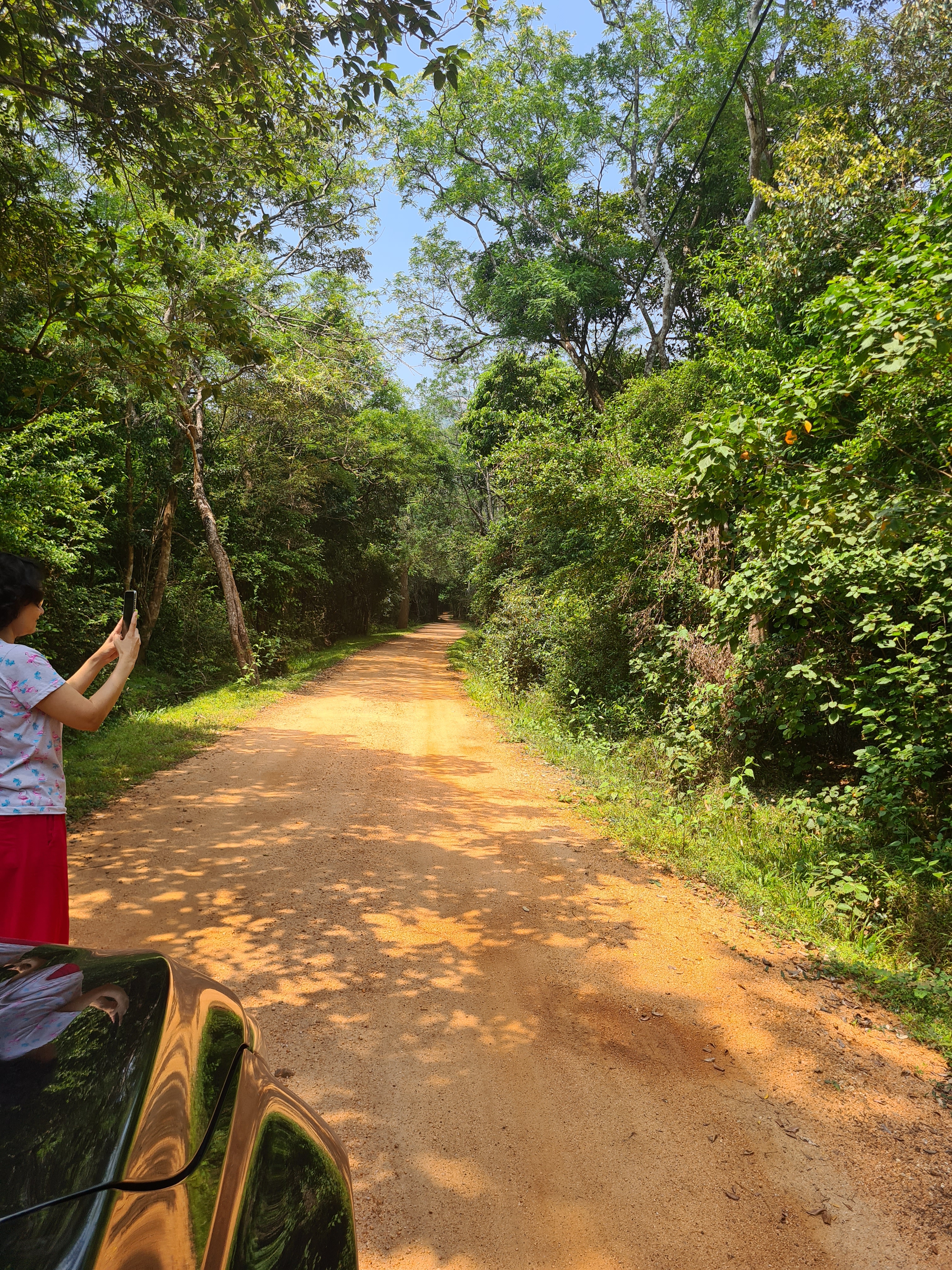
The Site is easily reached via the Habarana / Anuradhapura road. The turn of is marked by a small archaeological department sign board. This road is motorable by a normal saloon car, though the road is not very good. A further turn off to the right at a sign board which says Ritigal is the road to the entrance. A museum and office buildings have been erected here. The drive from this turn off is about 2 Km through a thick jungle which one should do with the shutters down to listen to the jungle sounds. At particular times of the years, the whole road is engulfed by butterflies.
Kanneliya Forest Reserve

Kanneliya Forest Reserve

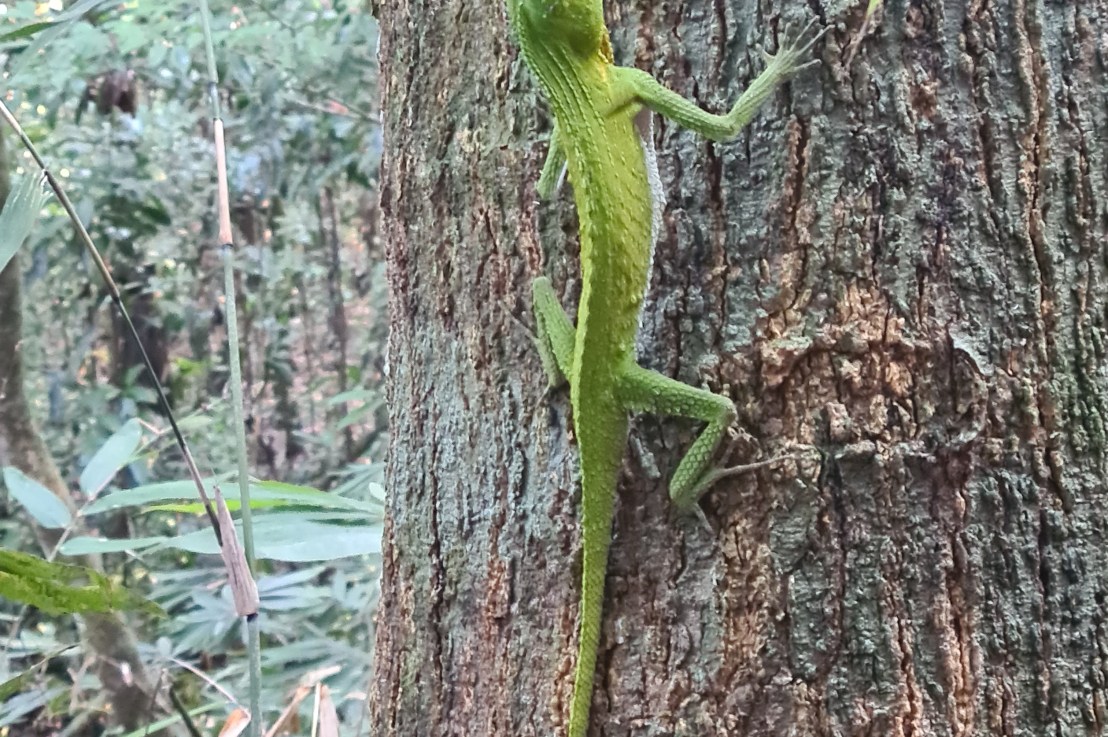
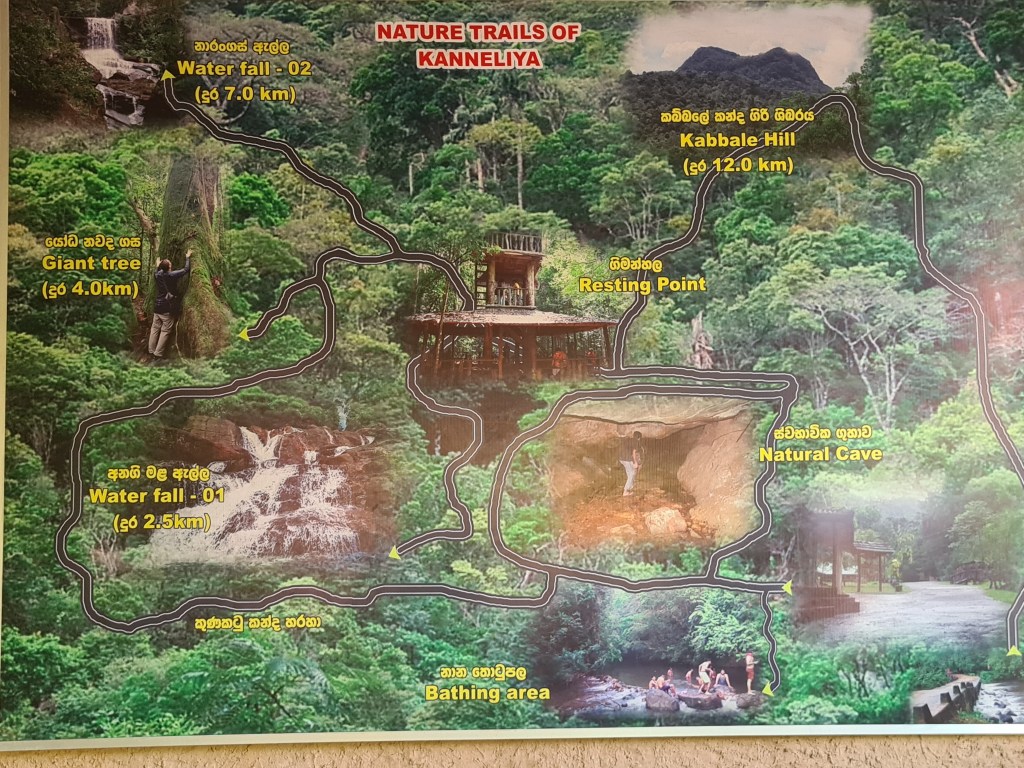
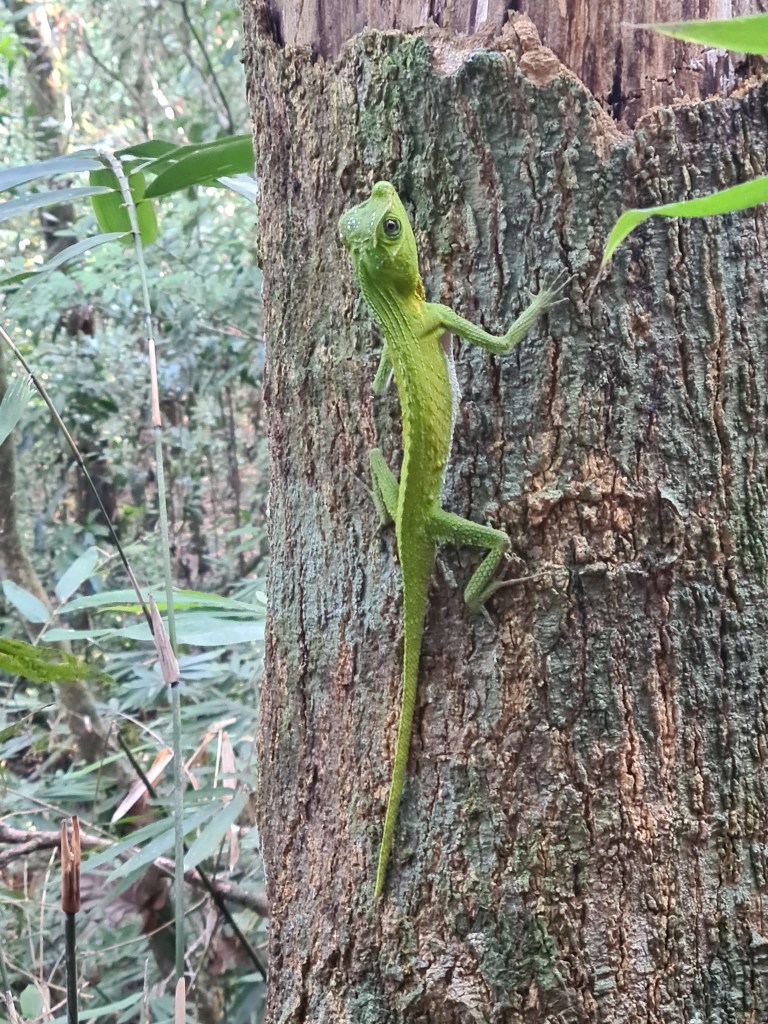
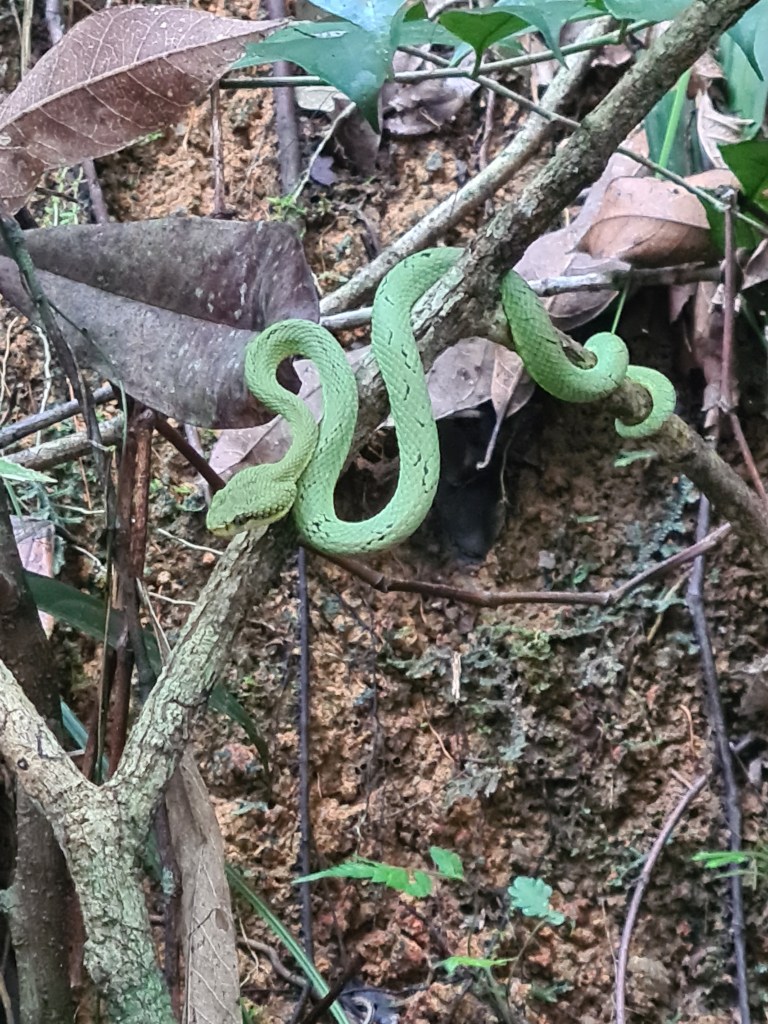
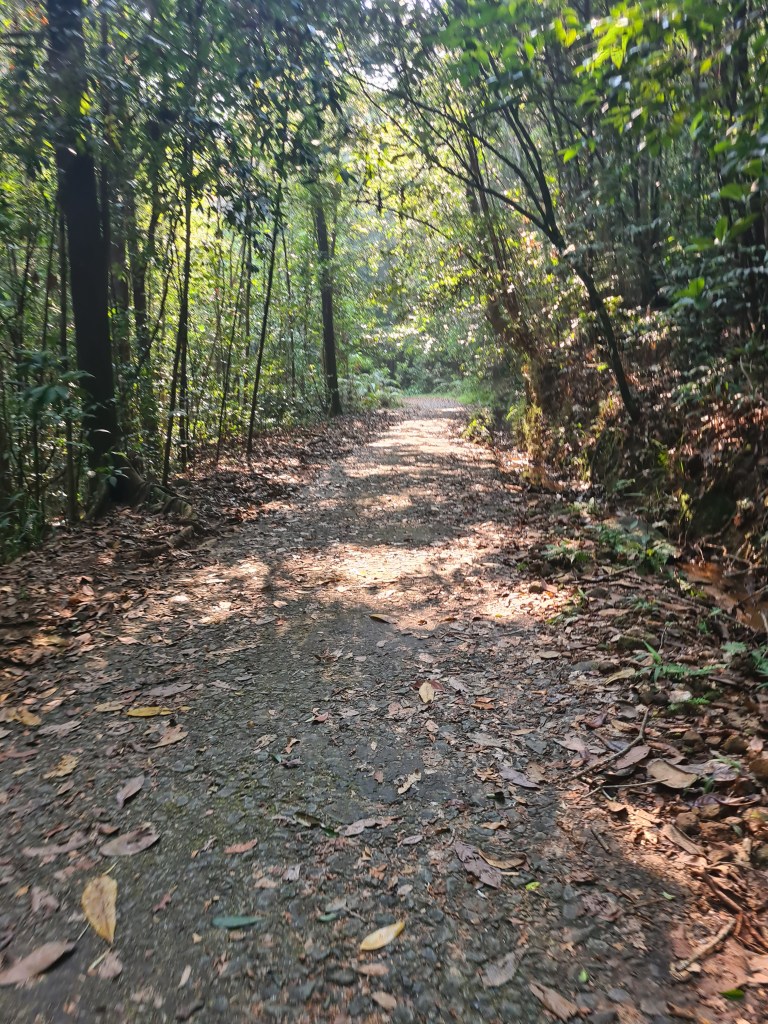
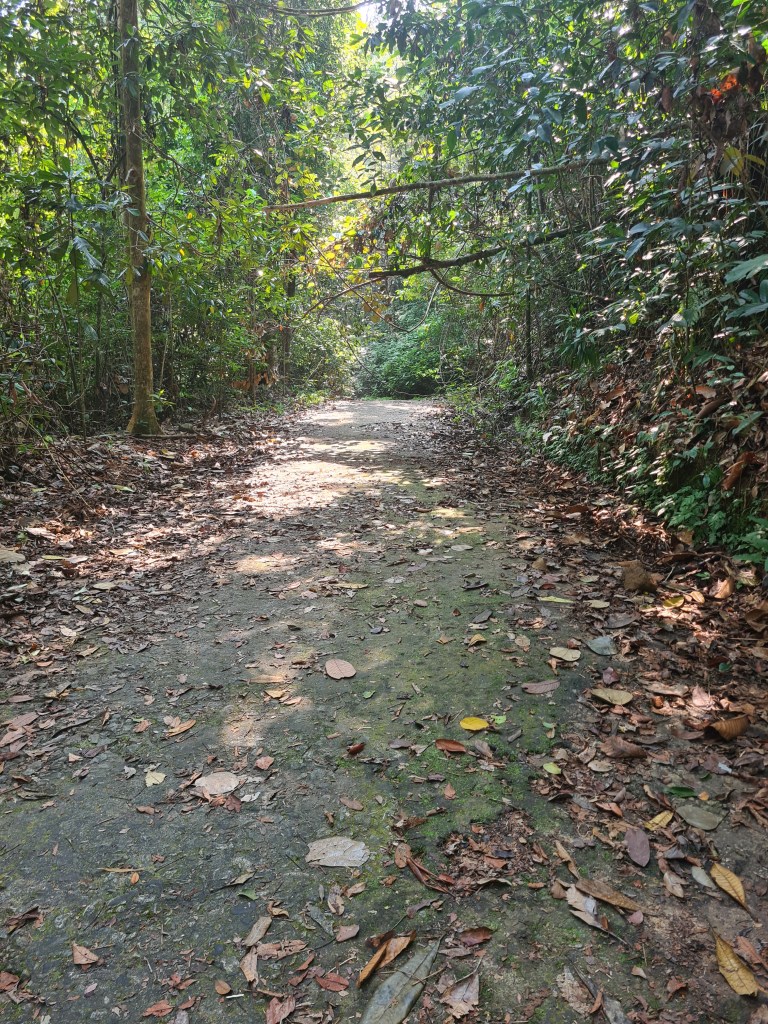
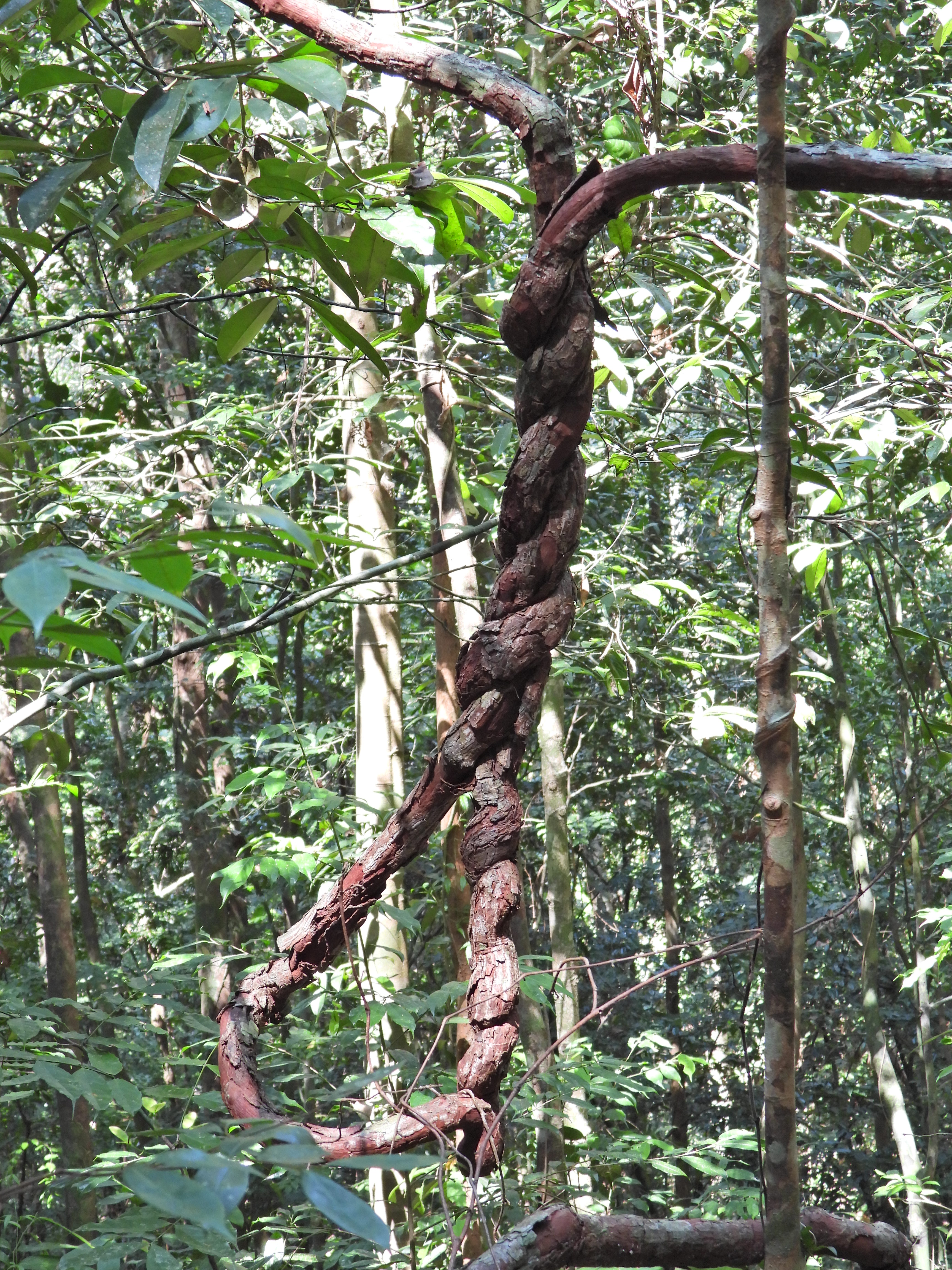
Kanneliya forest reserve is a rainforest bordering the famous singharaja rainforest. It is in the Galle district about 120km from Colombo. Its a super place to spend a day walking among many indigenous plants and breathing some of the most oxygenated air in the country. Previously this was part of the state plywood corporation until 1988 and subject to extensive logging. This actually helped in transforming this forest to a rainforest allowing sunlight to fall on the ground enabling many species of plants to grow. Also the trails are broad and tarred making the trails easy to navigate and making sure people stay on the track.

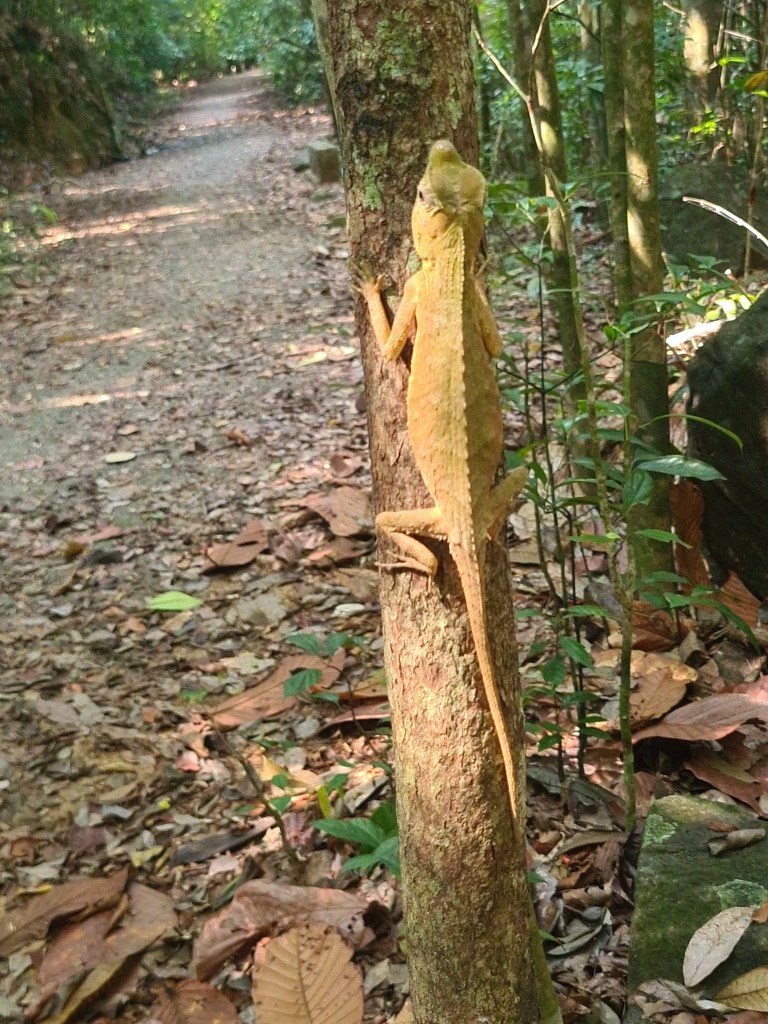
It is advisable to visit the place on a weekday and avoid holidays. The guides are self employed people from the village. They are very knowledgeable about the various flora and fauna in the reserve. They are very good at spotting the various fauna which the casual observer would other wise miss. They bring the village level knowledge passed through the generations in identifying plants and their uses. Most plants are medicinal and used in traditional medication practice. No plastic is allowed into the reserve and no one is allowed in without a guide. This is one of those rare places which is frequented by large groups of people but there isn’t any litter at all to be seen. This is testimony to the efficacy of the guides.

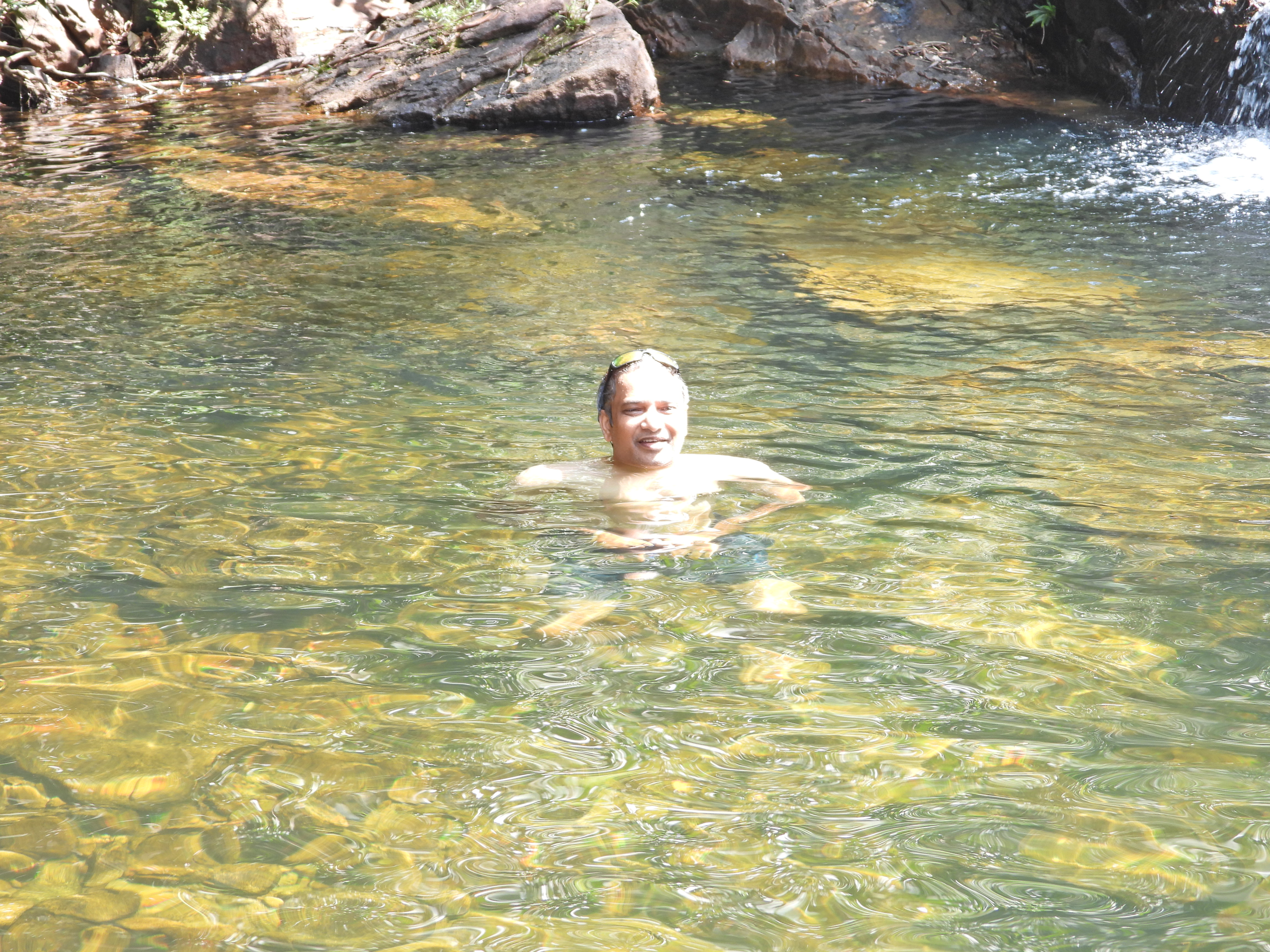
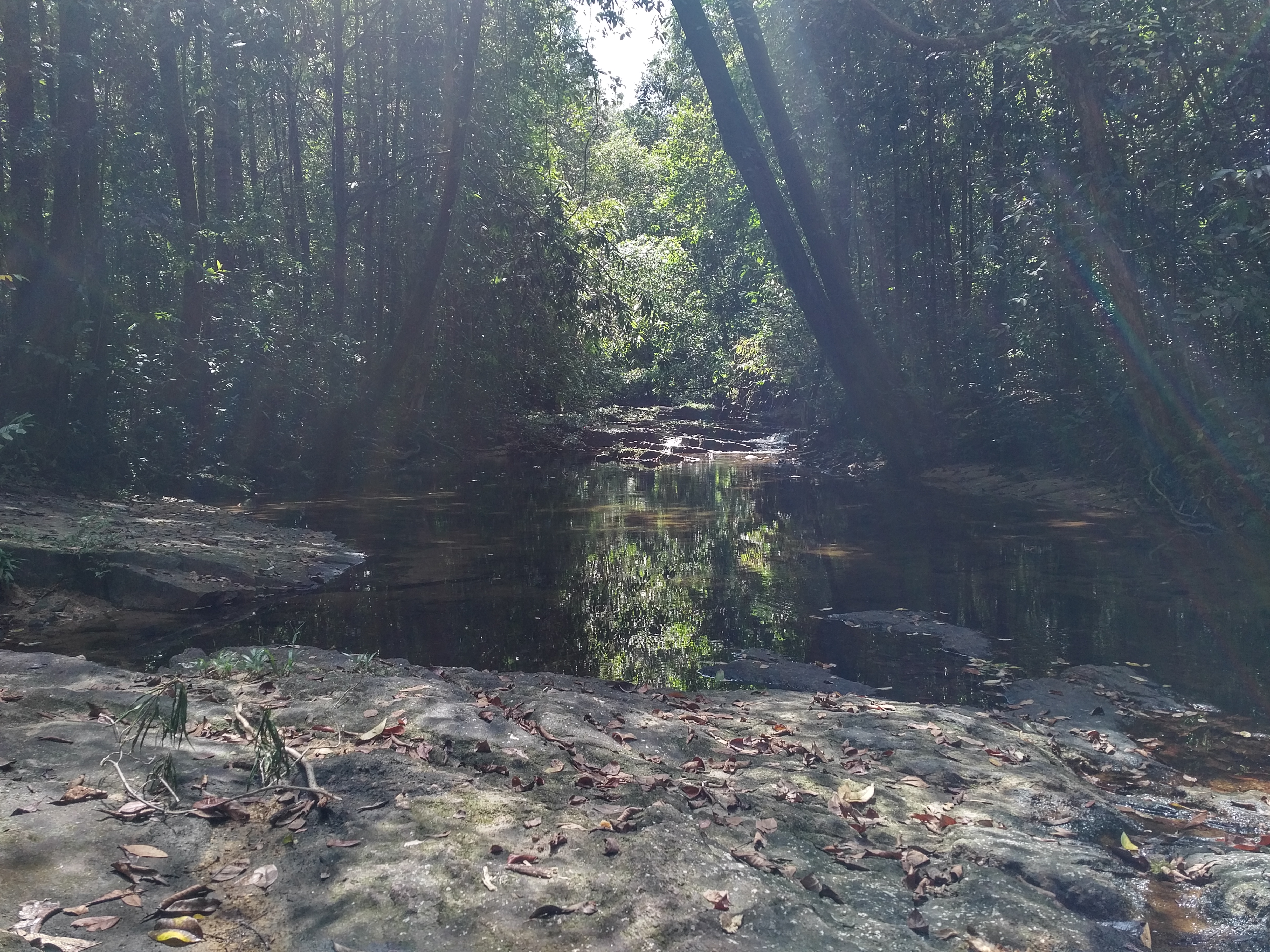
The walk is through the forest canopy and is a very cool and pleasant walk. A bathing spot has been created just inside the reserve so that hikers can, if required, take a nice dip in the cool water after the hike

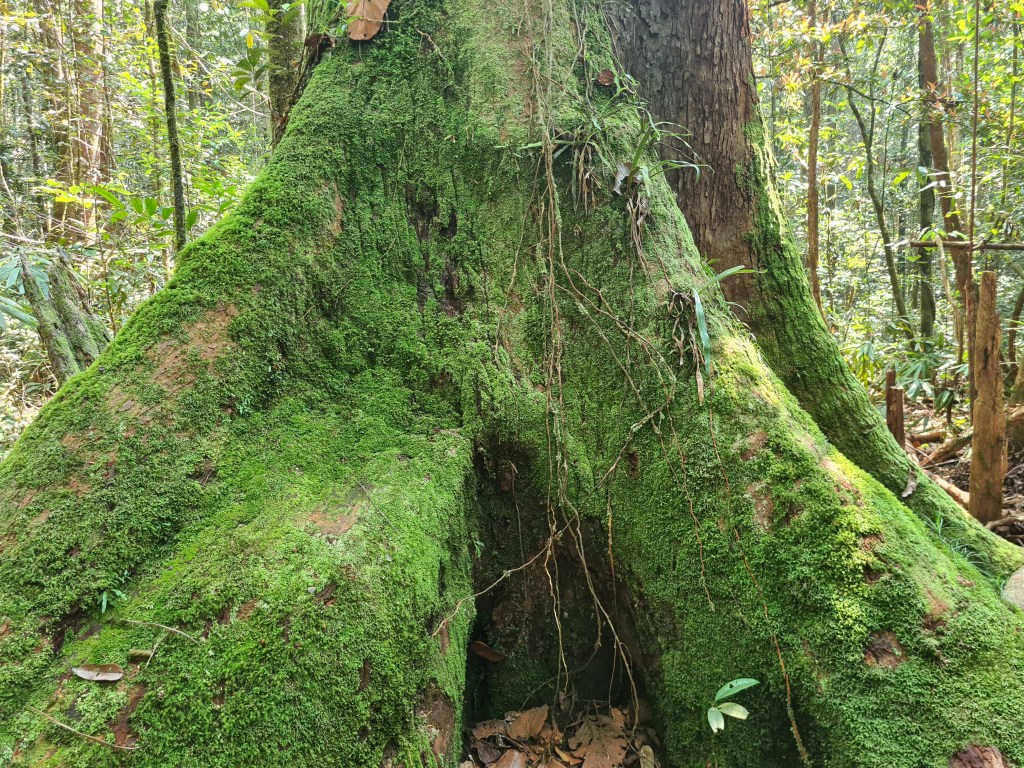
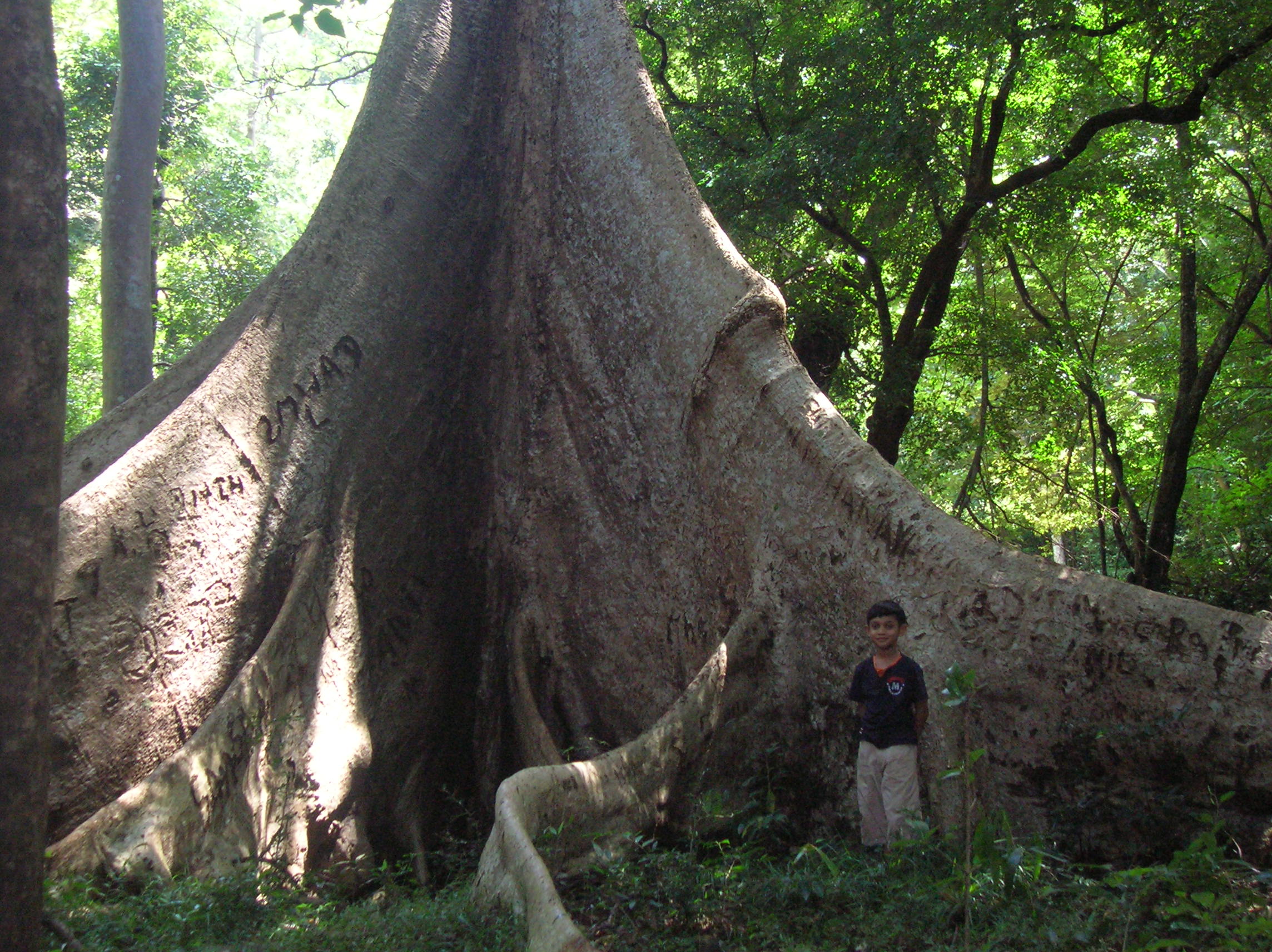
The reserve is home to 17% of lowland endemic floral species and of the 319 woody species 52 are endemic to SriLanka. 220 faunal species in the reserve 41 are endemic species. Of the 26 endemic birds in Sri Lanka 20 can be found here. Some plants such as the Hal tree grows only in the southern province. It is reputed to be the most energy producing food in Sri Lanka and was the staple food of the Dutugemunu Army.
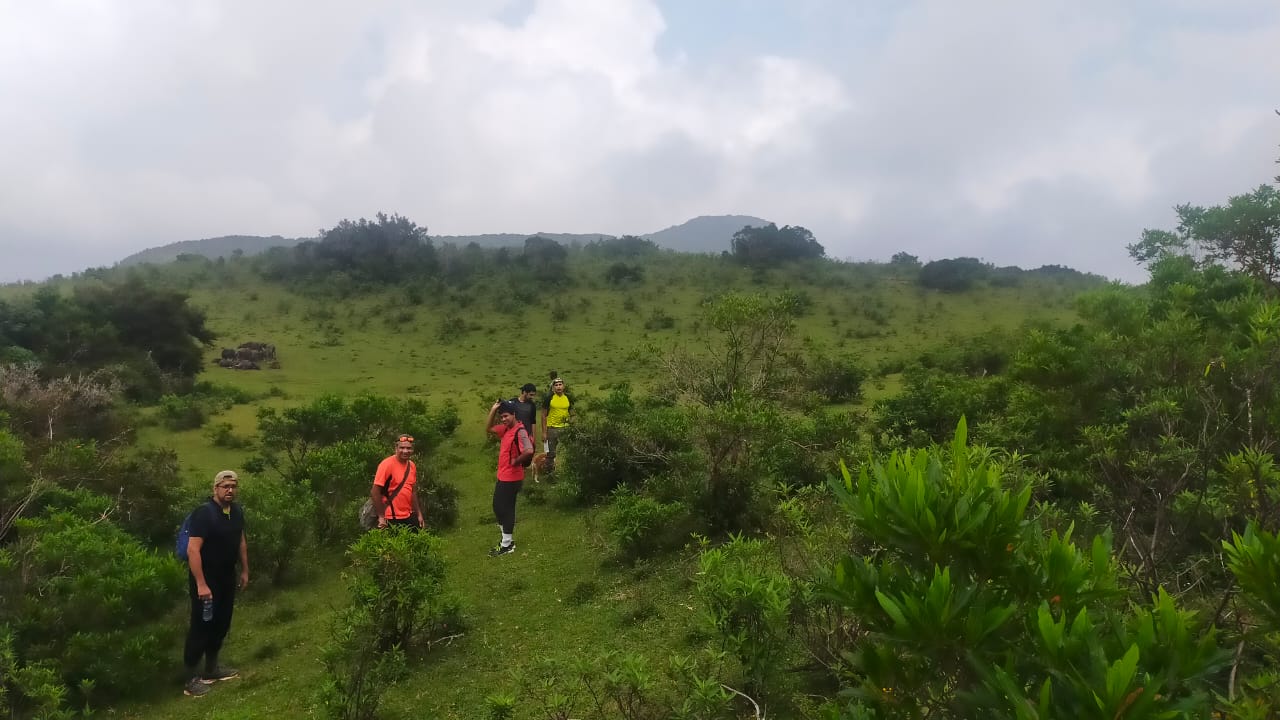
The short tour covering a waterfall and the giant tree is about a 8km walk for the round trip and takes about 3 1/2 hours. The hike to the second waterfall and the highest point on the reserve is another 3km and 6km respectively one way. These trails are not open on holidays due to the lack of guides. The track is senior citizen friendly as long as they can manage the length of the walk on a gentle incline.
The cost of the ticket is Rs120 per head for locals and the guide costs from Rs900 to Rs1200 depending on the trails selected.

Manigala Hike

Manigala Hike

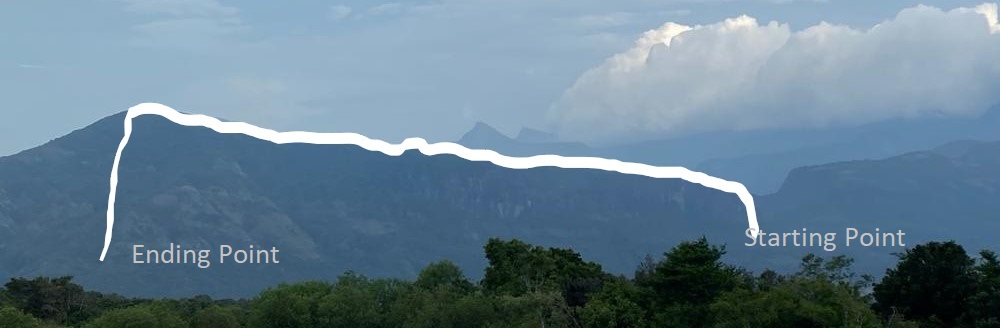
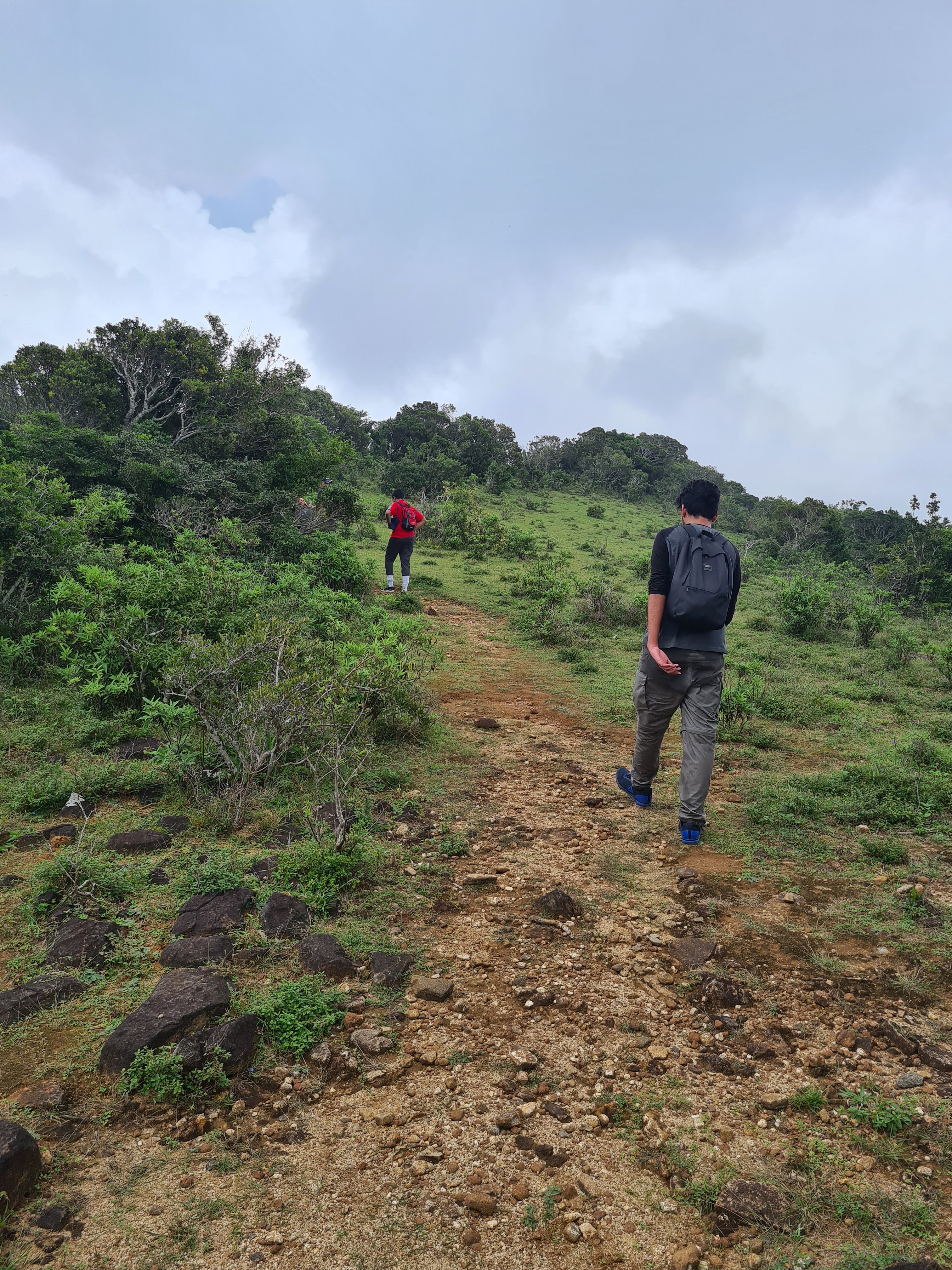
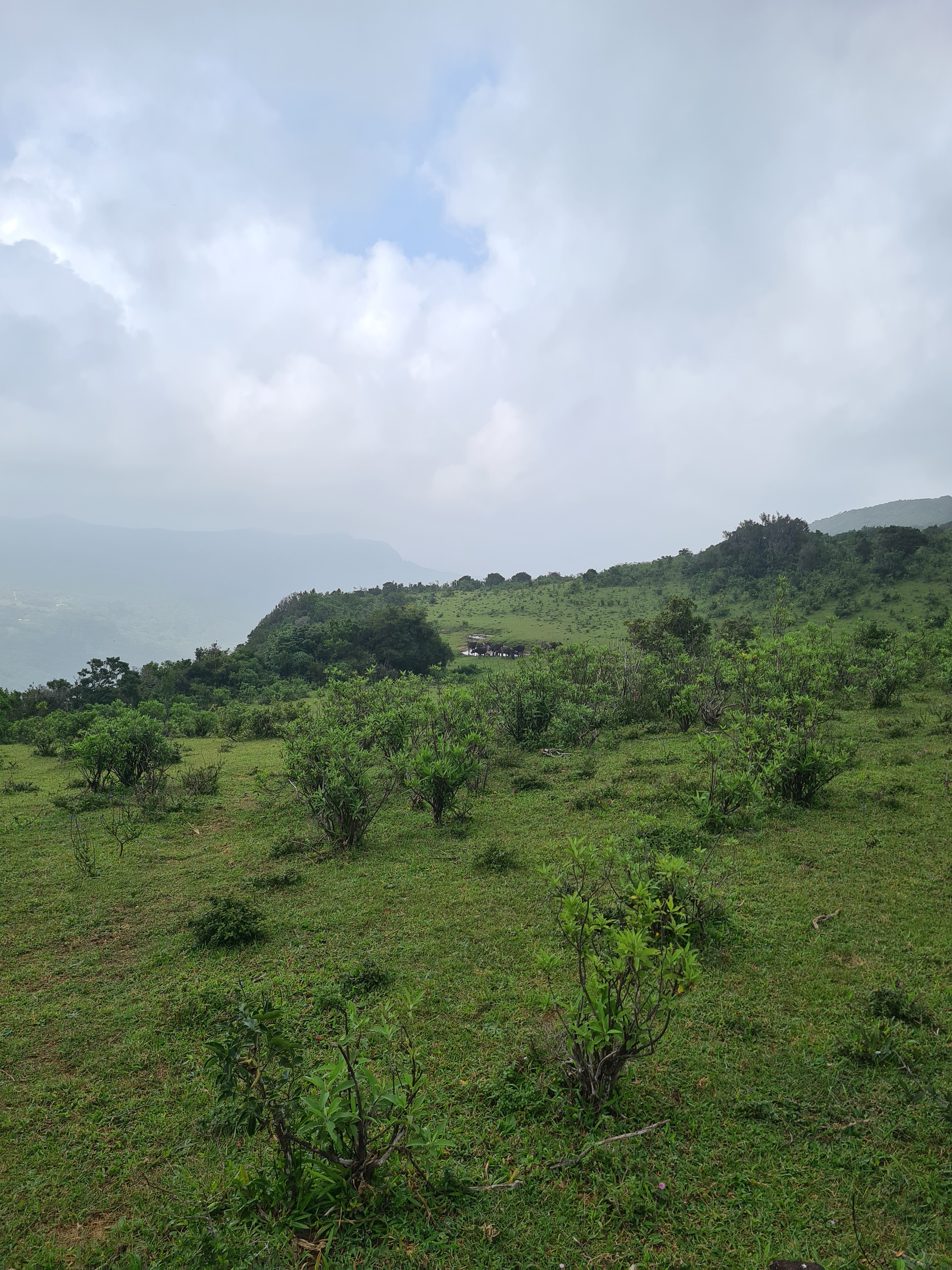
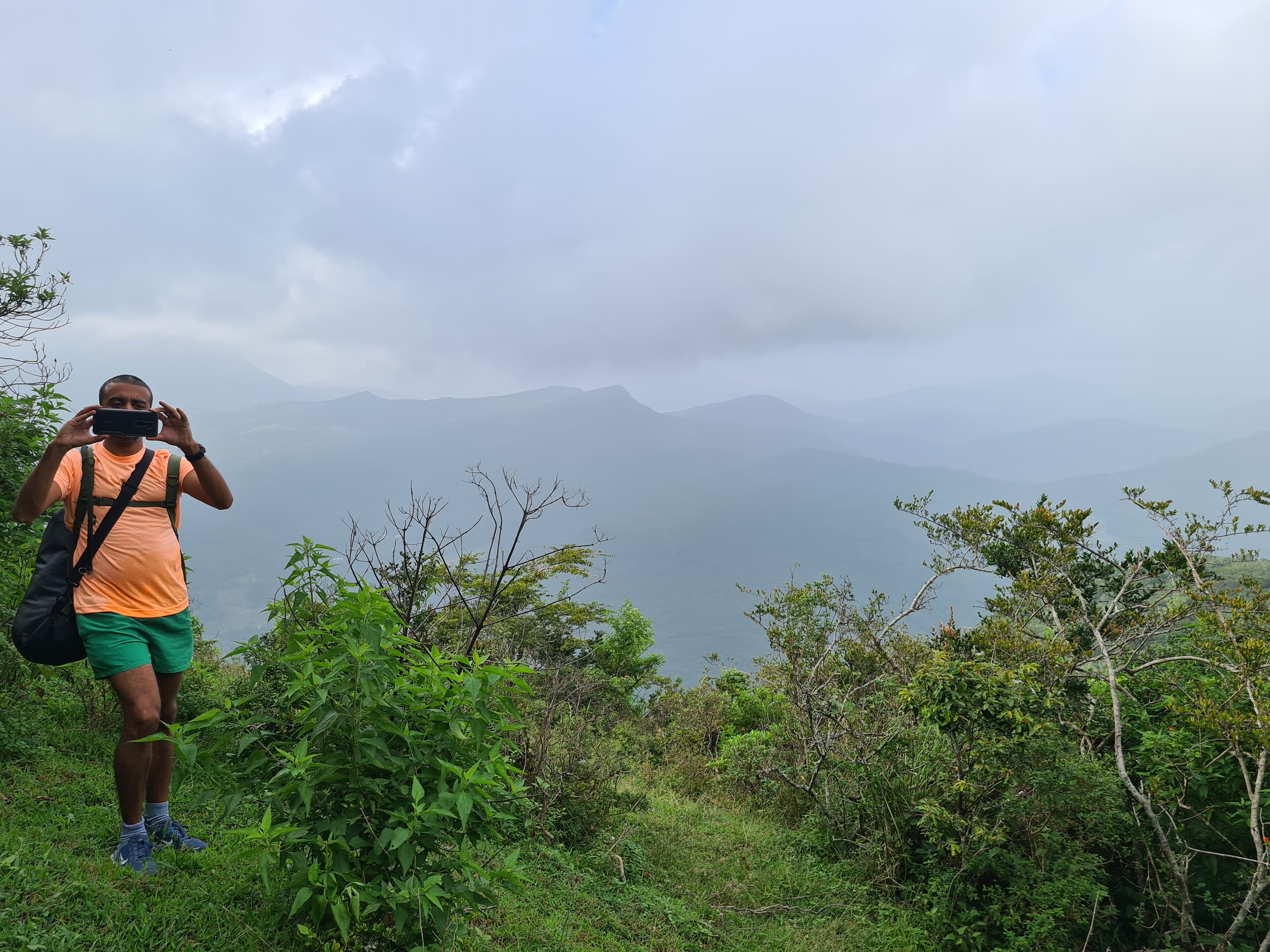
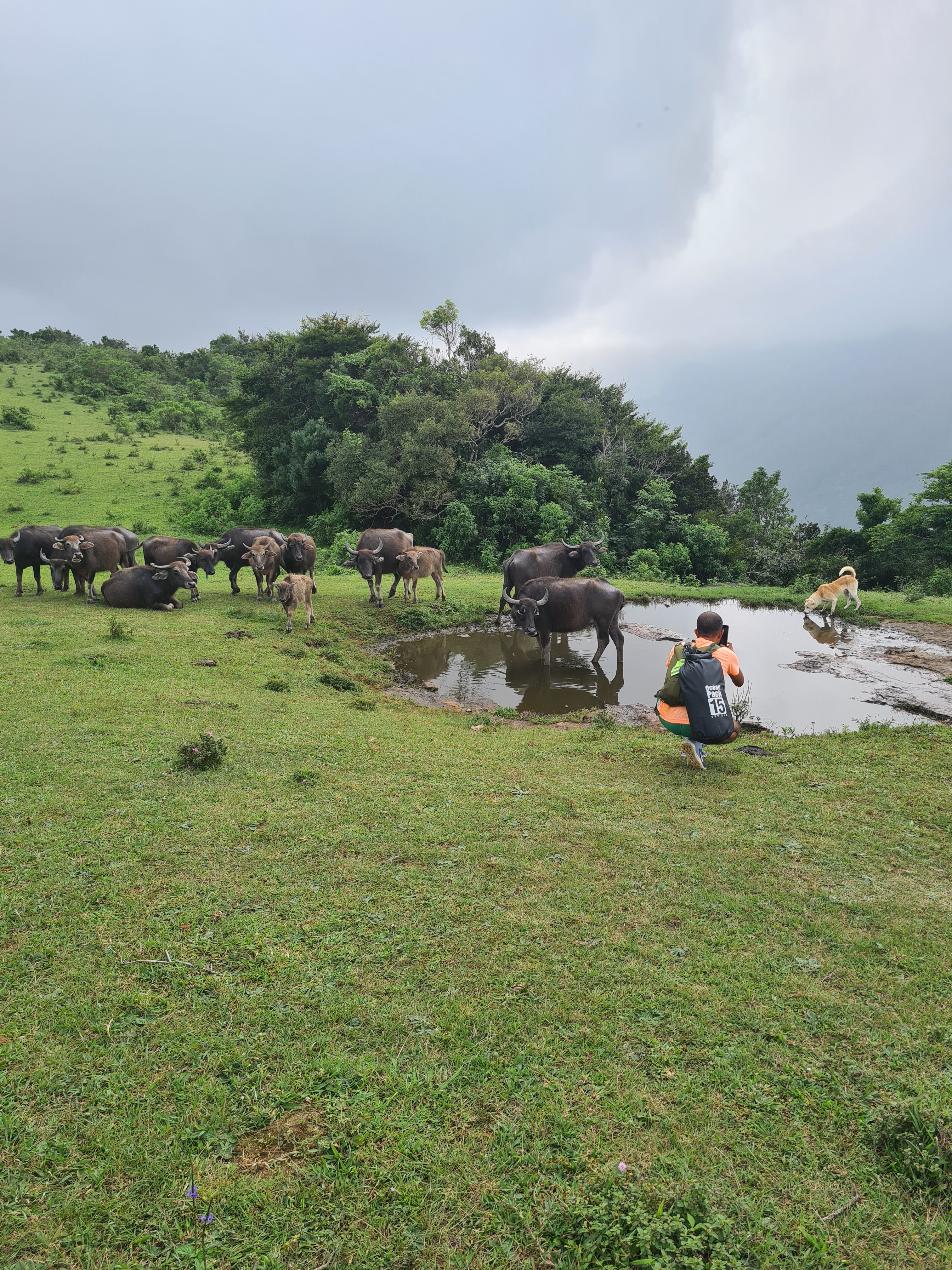
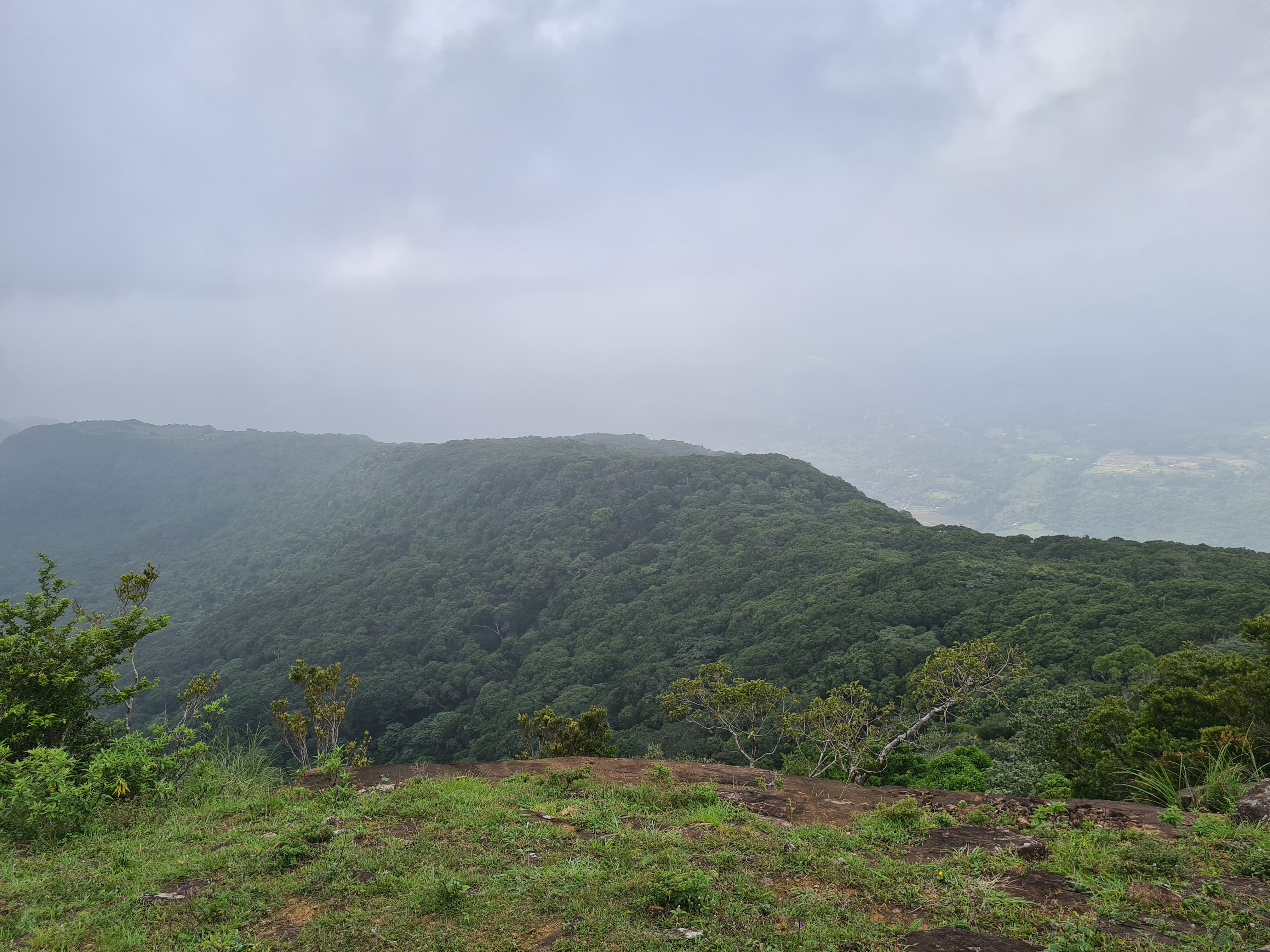
Manigala is situated in Riverstone, knuckles. Legend has it that Ravana landed his ‘plane’ on this rock. Top of the rock is a large plain covered with short shrubbery trees common this type of altitude and weather. It is not uncommon to see herds of buffalo at the top. These fellows stray from the village to the rock when it is not harvesting season. The climb to the top is moderately difficult. The area is infested with leeches and is advisable to wear socks soaked in dettol and coconut oil mixture and have some ‘siddhaleppa’ balm handy. Carry plenty of water and some food especially food like Chocolates and dates. The whole hike take upto 5 hours. One way is to climb up from Atanwala village and climb down from Thelgamu Oya near the Forestry Bungalow. Path at the Thelgamu Oya end is rather steep, hence might be a good place to start. At Atanwala end its not so steep by graded slope. It is advisable to take a guide with you from the village.
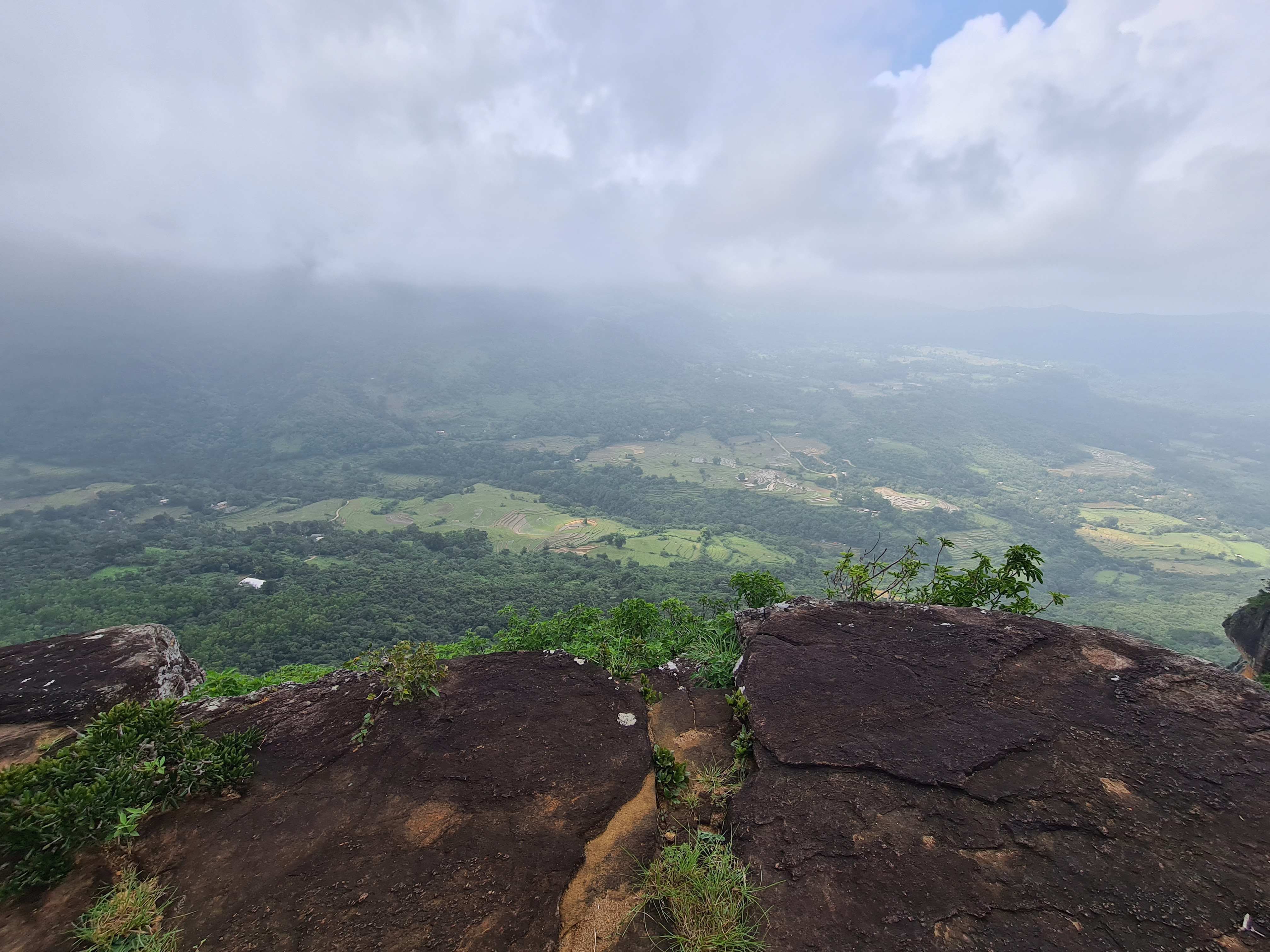
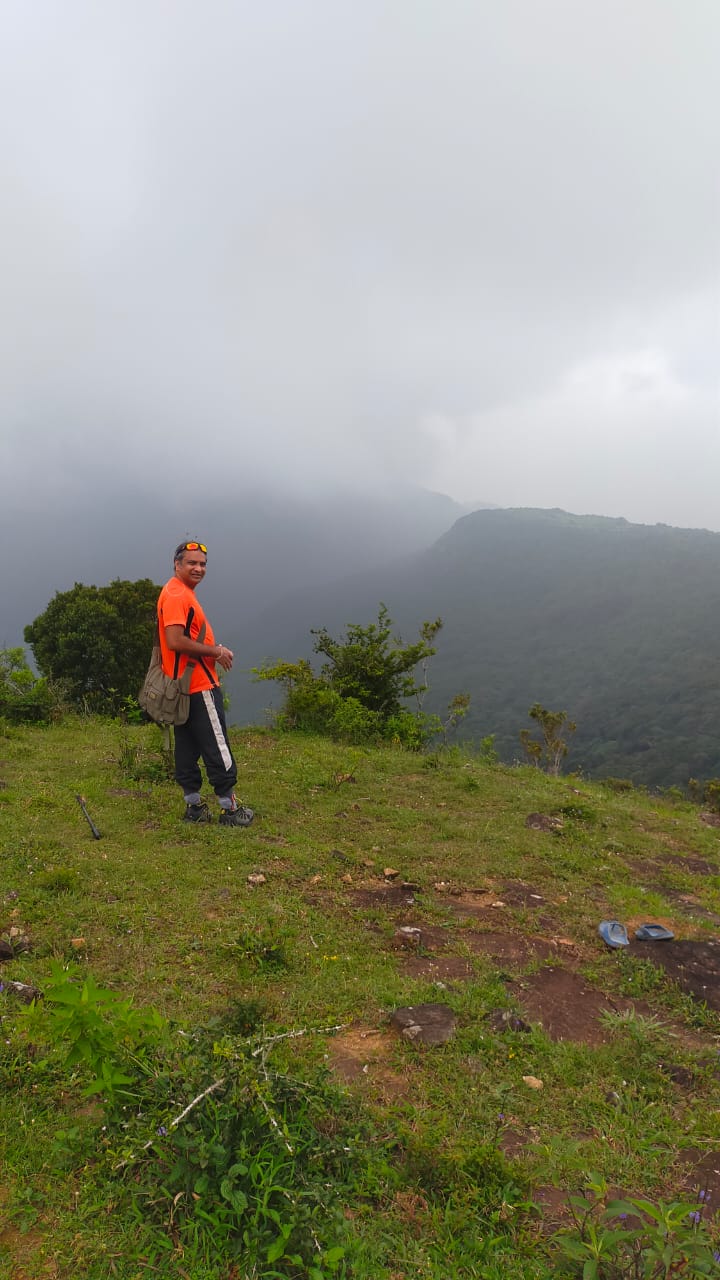
On the way it is a good idea to stop at the Mini Worlds end at Pitawalapatana.

Kaludiya Pokuna – Kandalama

Kaludiya Pokuna – Kandalama

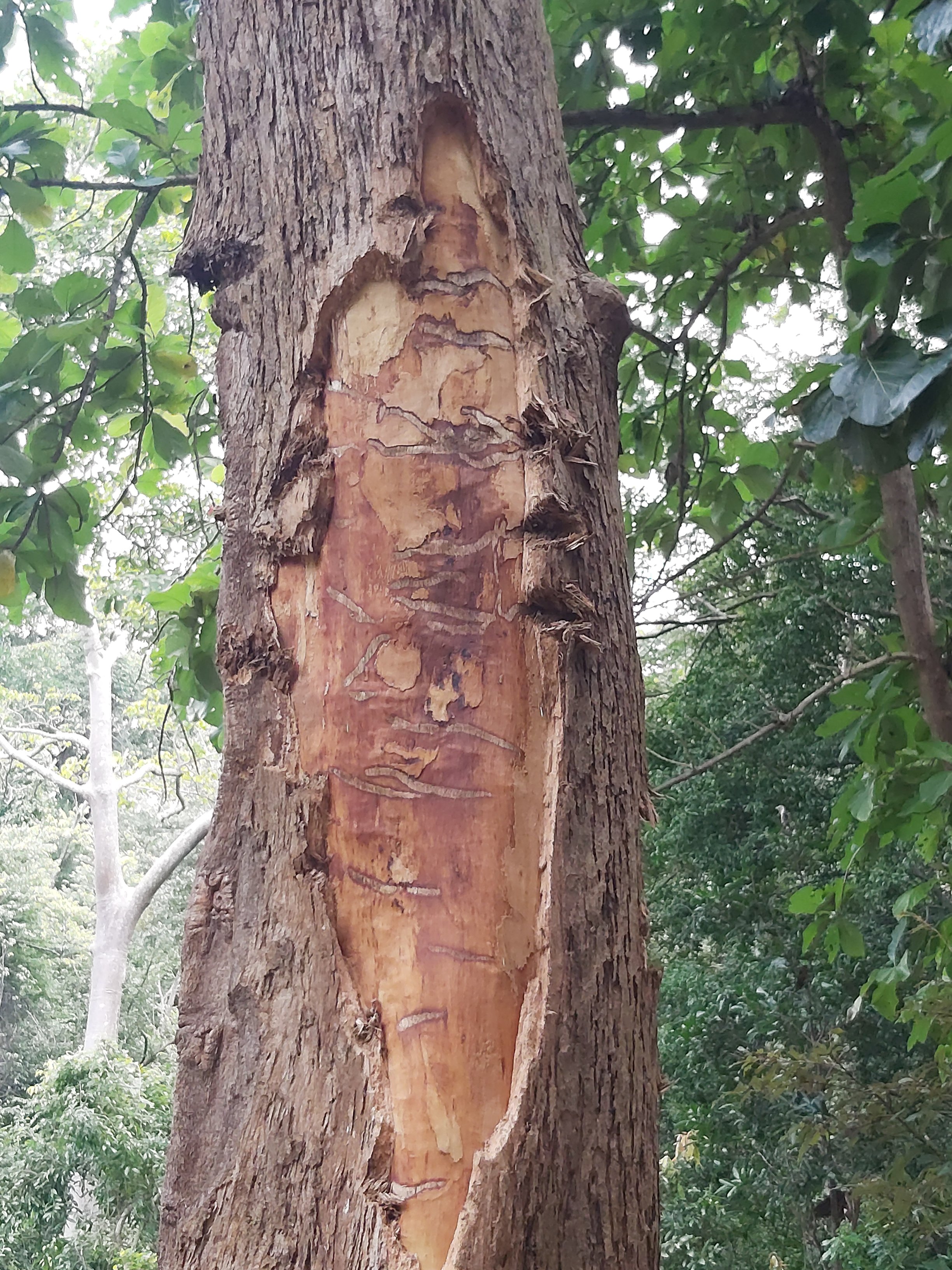
Kalu Diya Pokuna in Kandalama is not to be confused with a place with a similar name in Mihintale, Anuradhapura. The name of the place, again is derived from the the shadow of the forest and hills falling on the lake rendering the water to appear black. This place is an amazing example of cave architecture. The use of the boulders to build cave dewellings with multiple floors. The finishing used in the ancient structure are still visible in places. The whole area is reputed to contain more that 90 caves. The forest is inhabited by leopards and wild elephants who frequent the site and leave their mark on the trees.

Makandawa Rain Forest

Makandawa Rain Forest

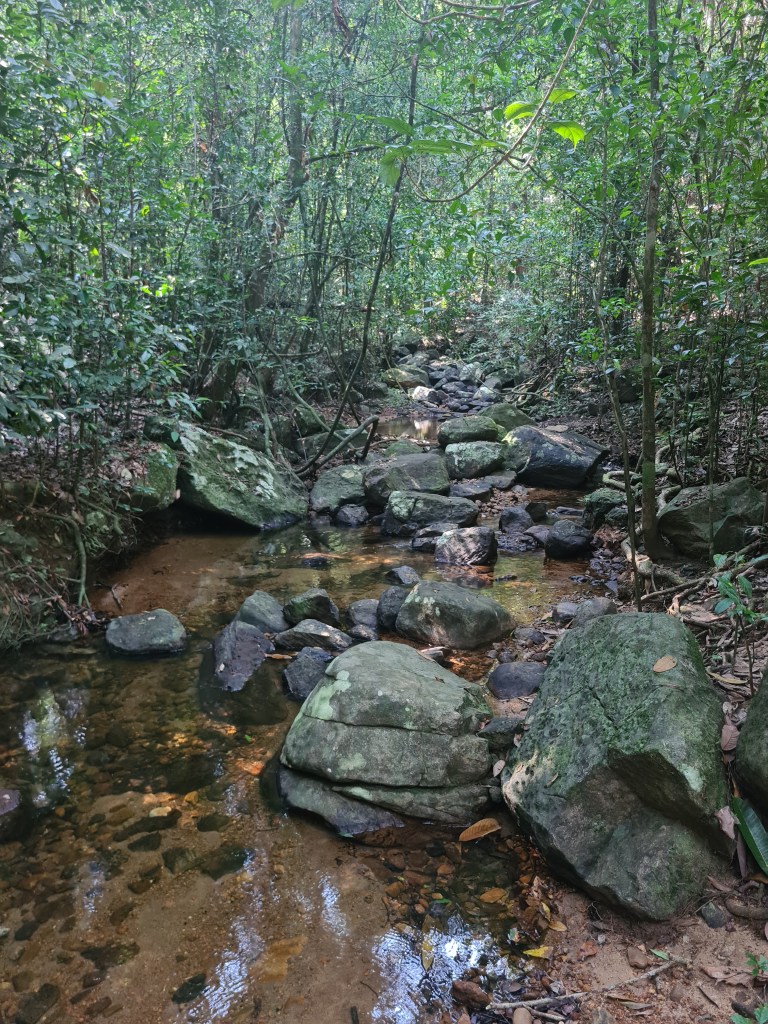
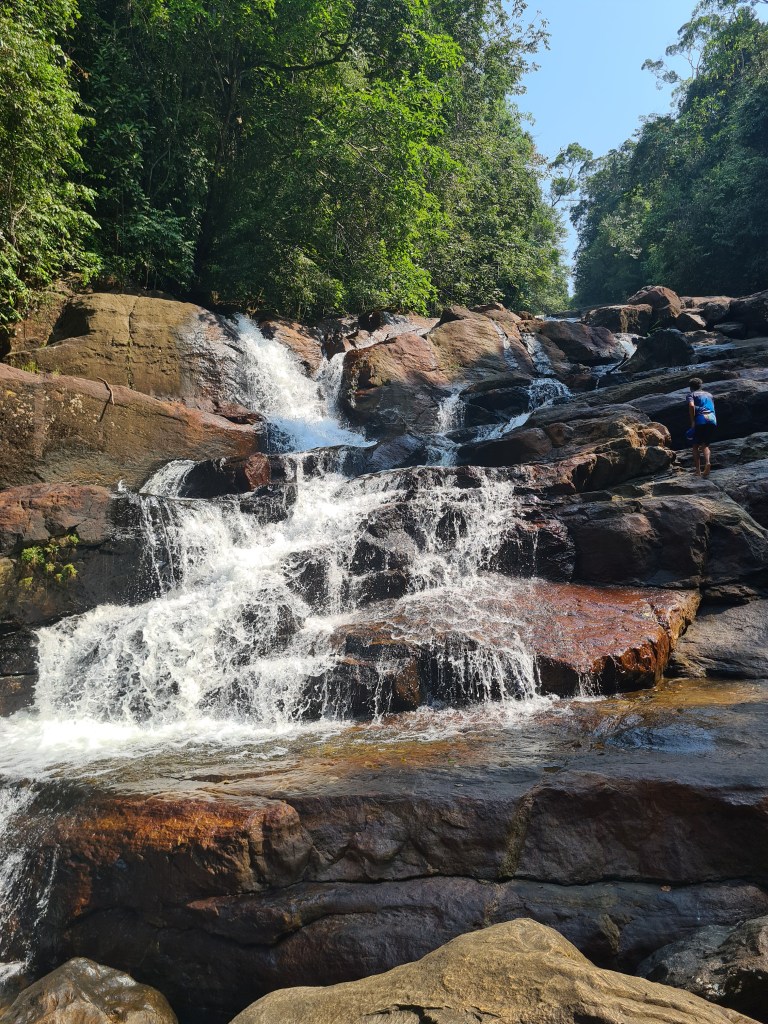
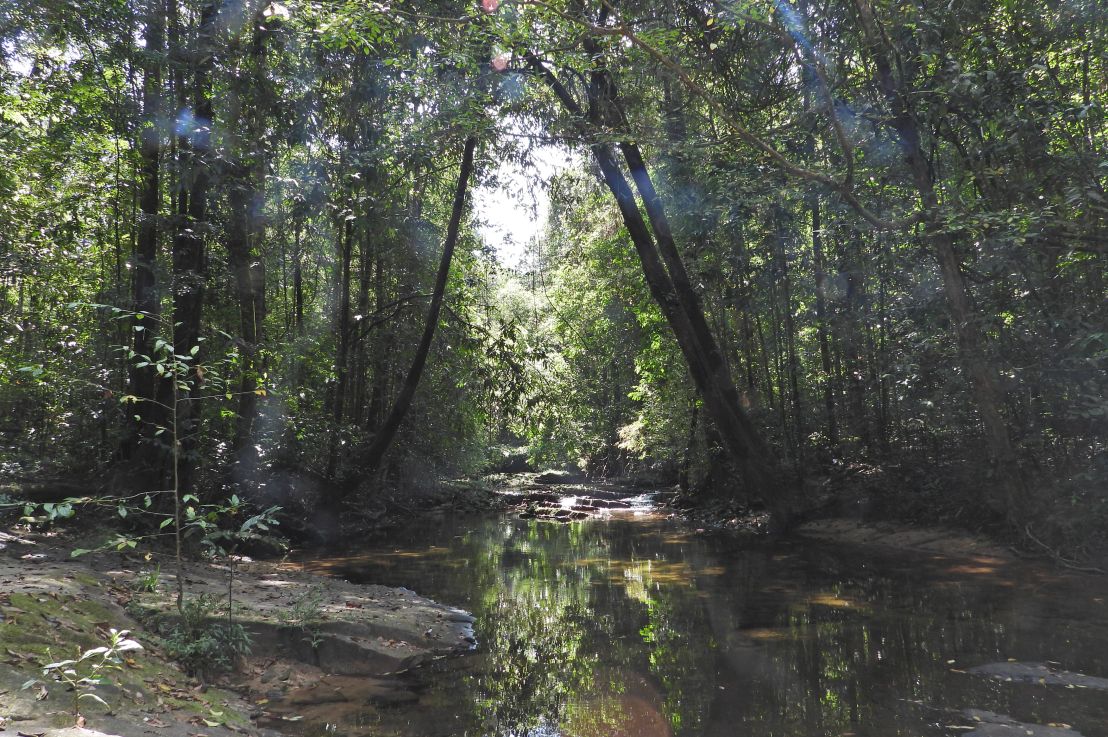
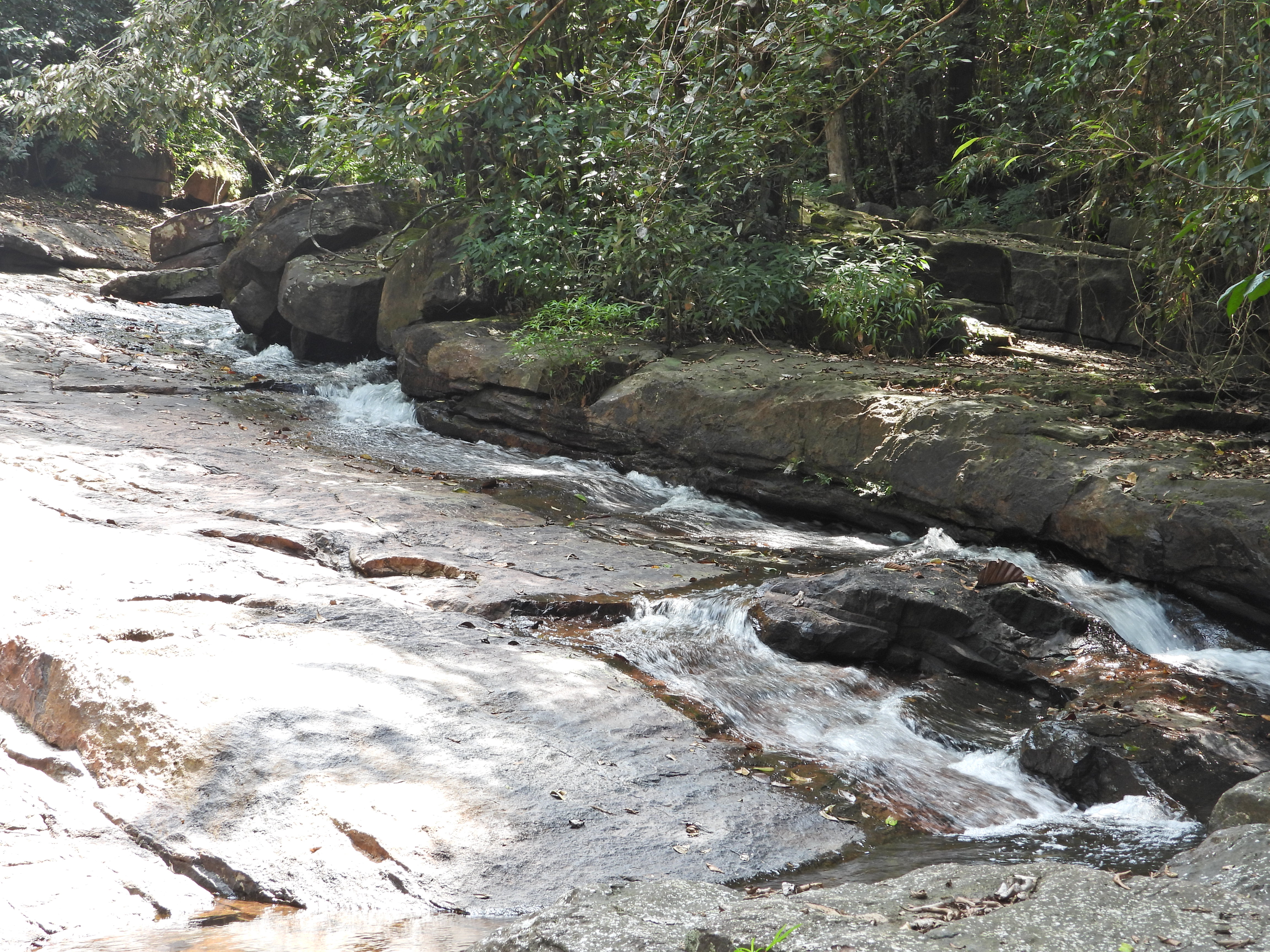
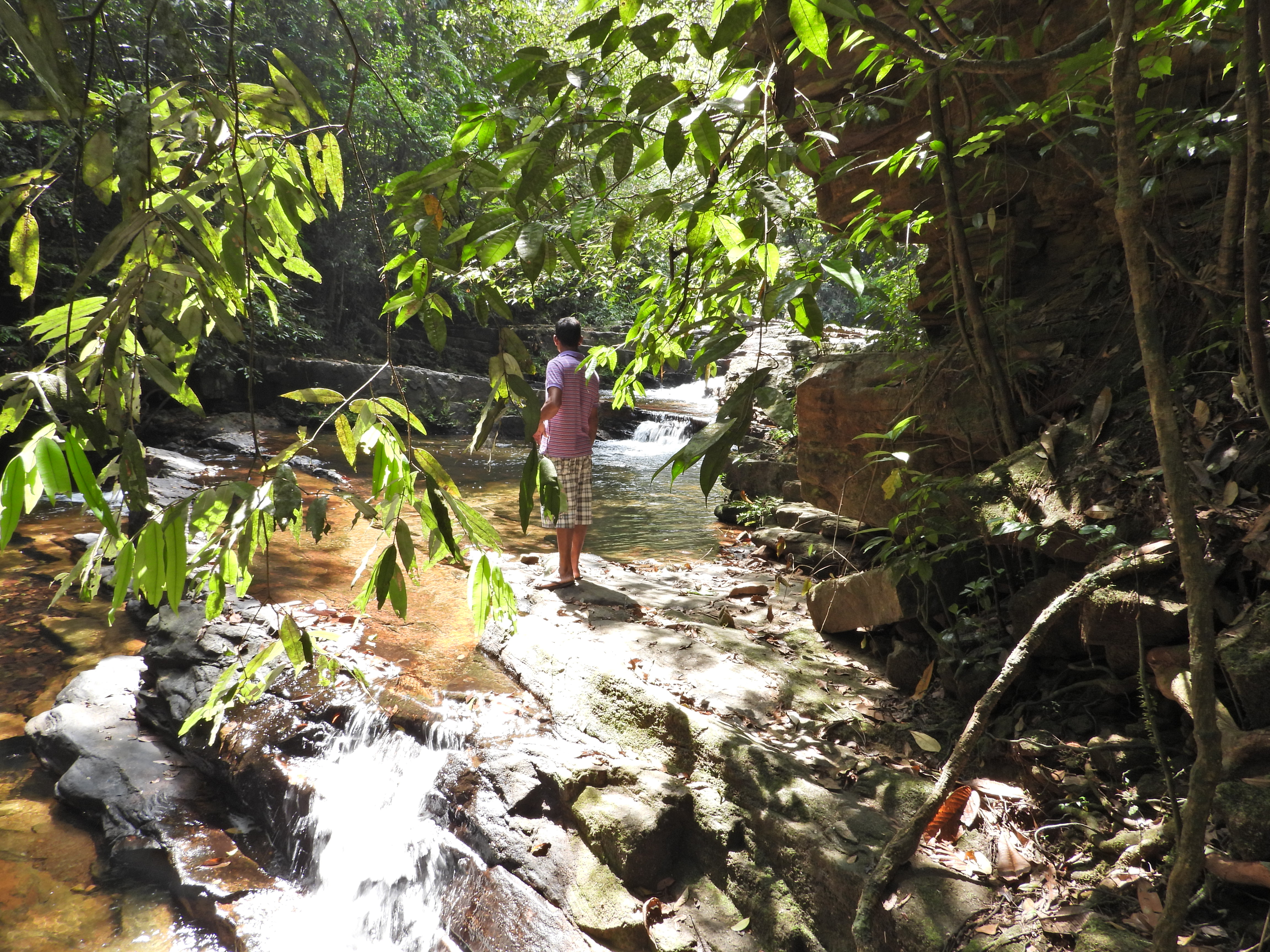
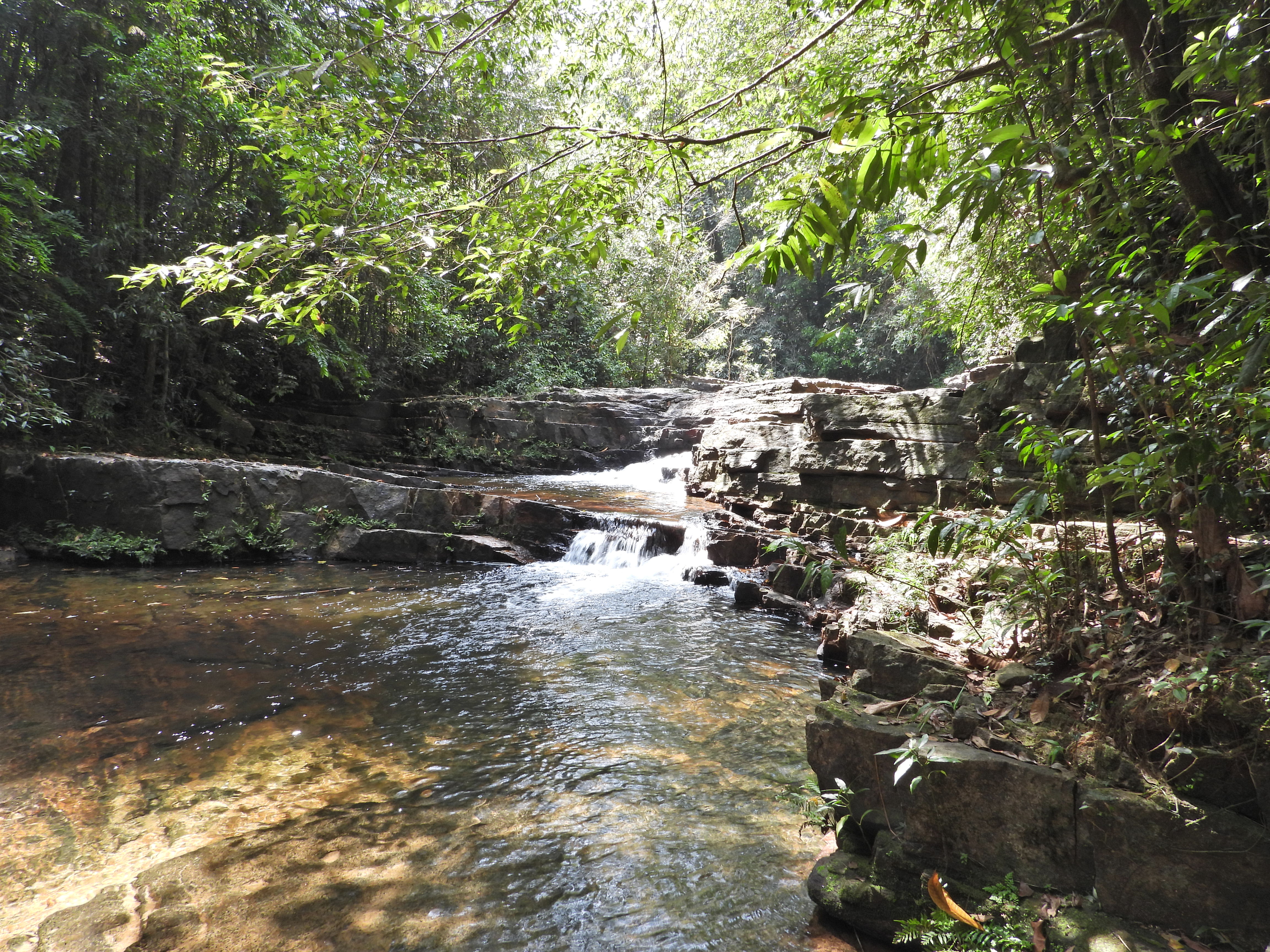
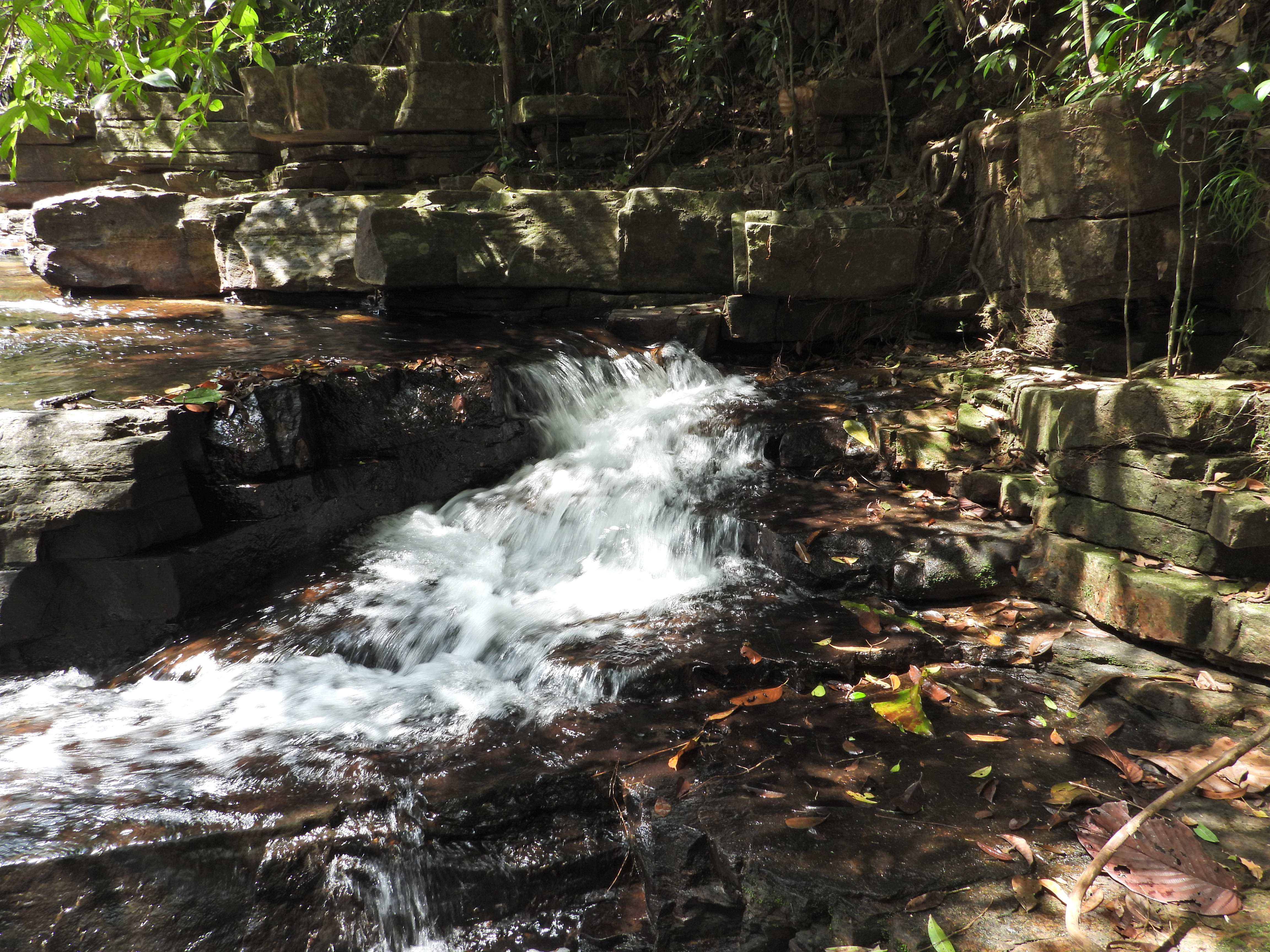
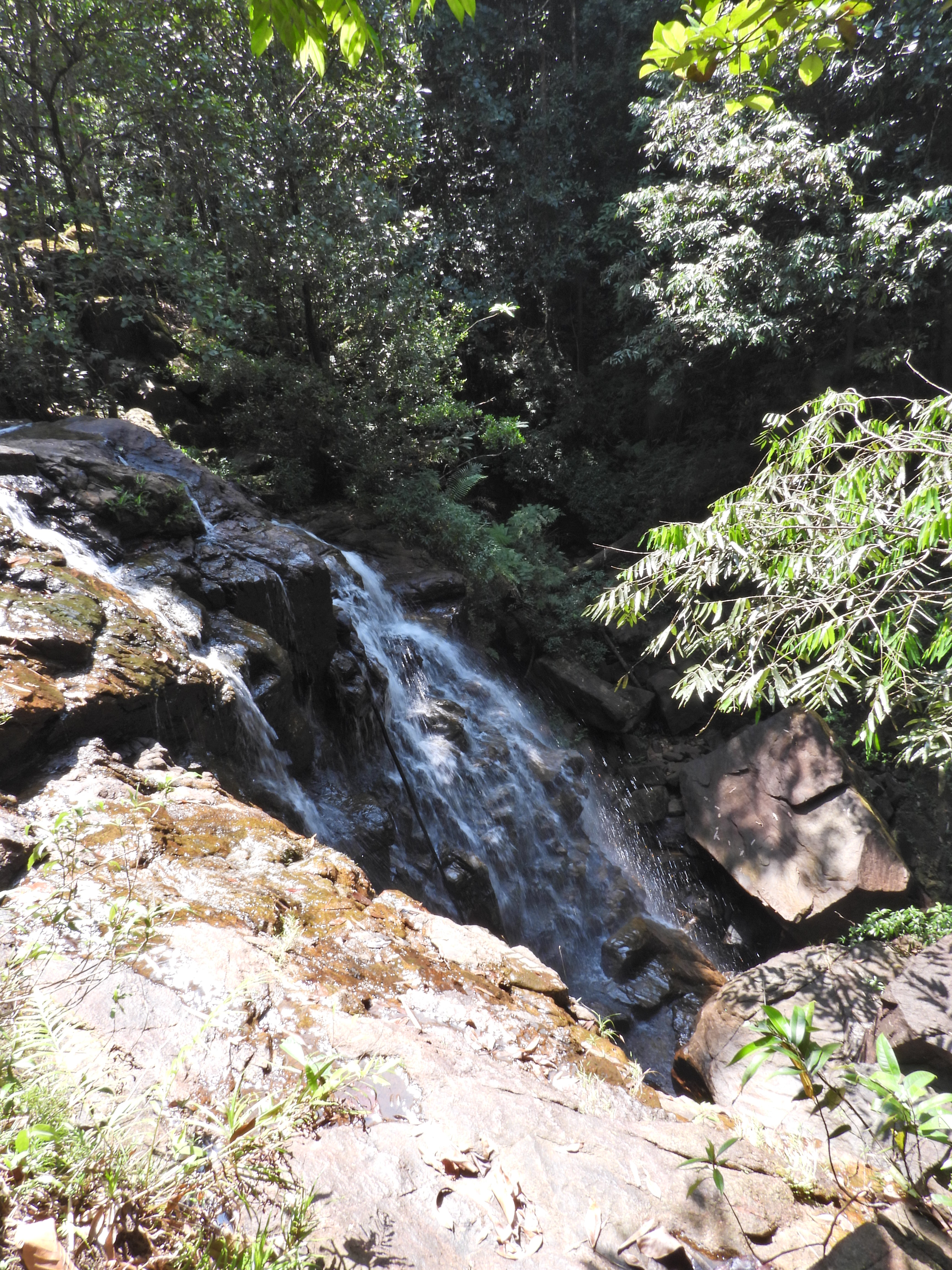
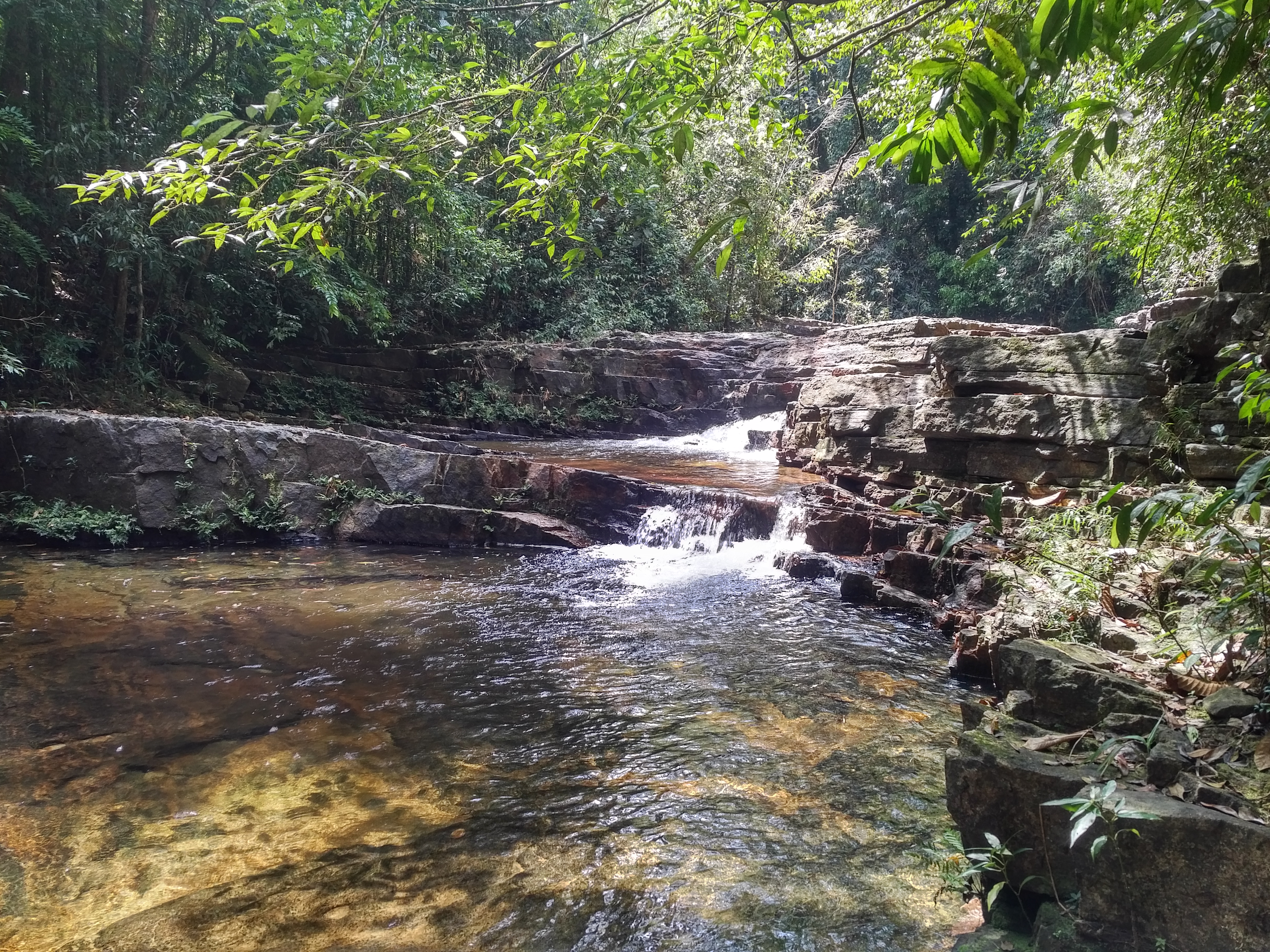
Makandawa Rainforest has been recognised as a forest reserve since 1903. It is a place of interest for bird watches or even for some one who wants a nice quite walk in the forest with only the sound of birds. It takes about 3 hrs to do the full round and one can enjoy a dip in one of the cool pools on the way. Avoid the rainy season, when these waterways are overflowing. Its best to use a guide from the village to take you around.

The Google map directions are a bit misleading. The best way is to turnoff at the Kitulgala resthouse and drive down the road which goes along its boundary. This place has restaurants all along and the road leads to the river. Park your vehicle at one of the restaurants and seek their help in securing a guide. Head down to the river and cross it on a raft operating there for a minimal charge. Tickets needs to be obtained from the forest department counter at the entrance.

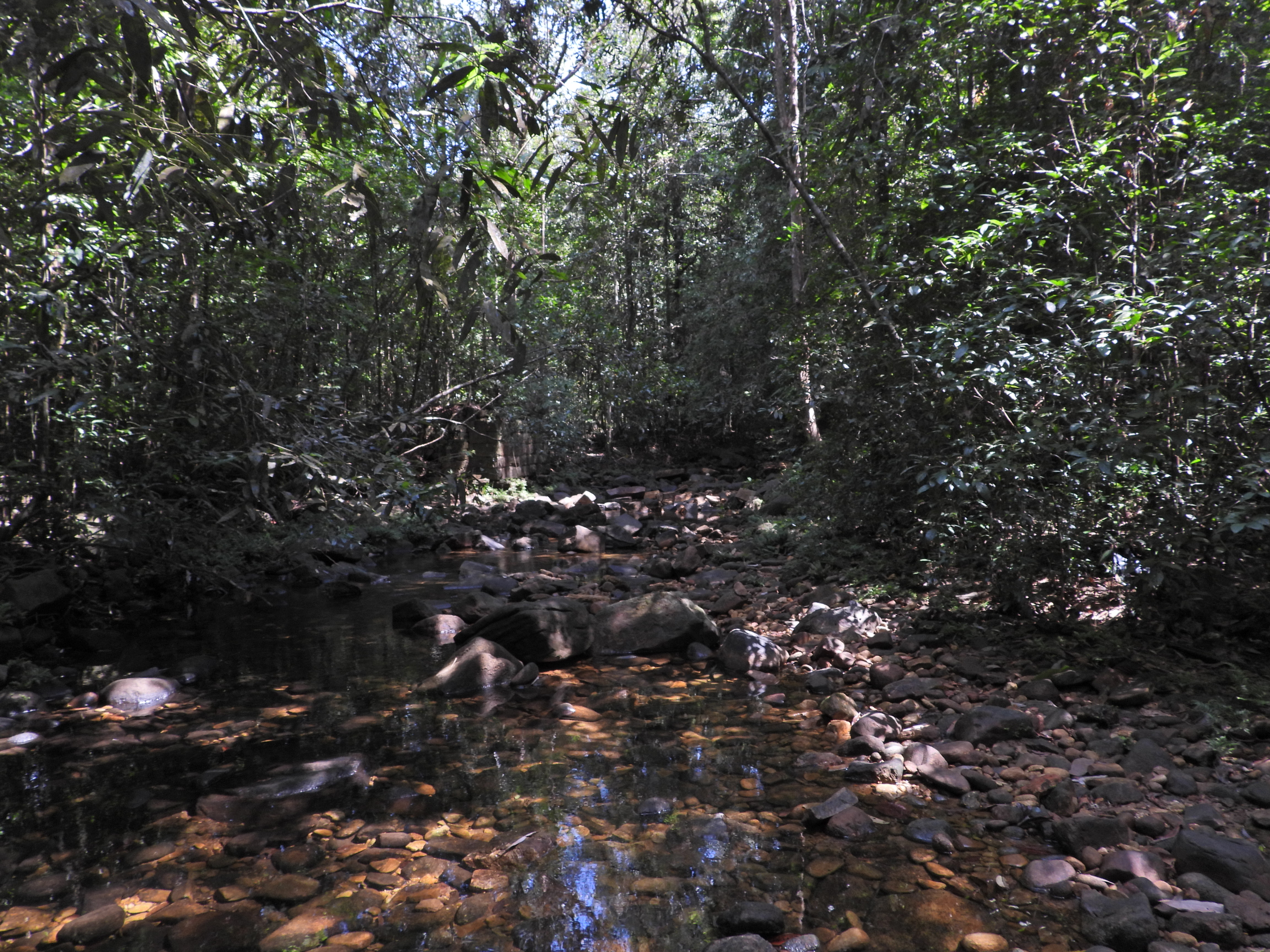
Carry plenty of water and be ready to wade through water ways and pools. A soothing dip in a pool in the forest or in the river on the way back is highly recommended.