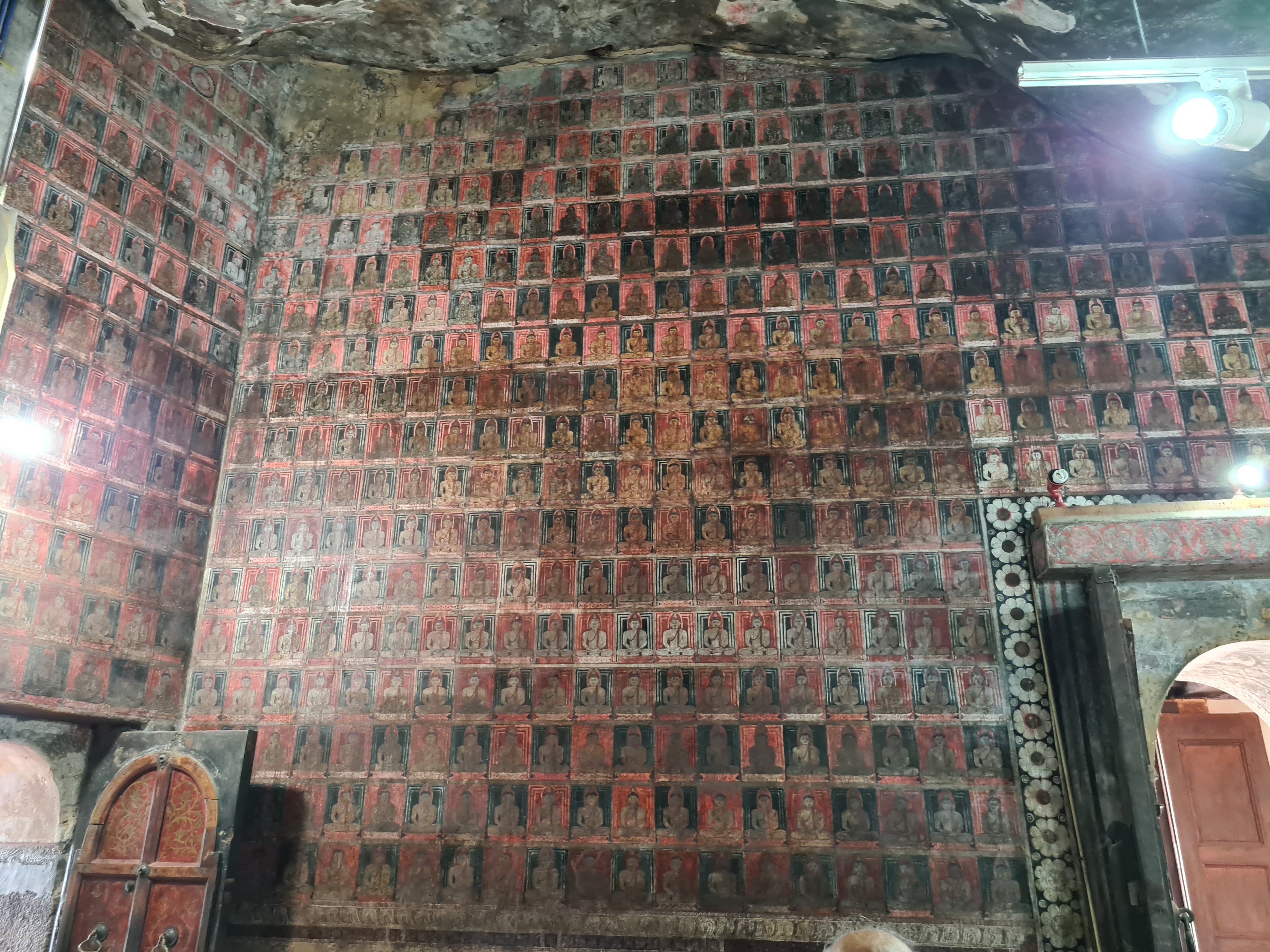
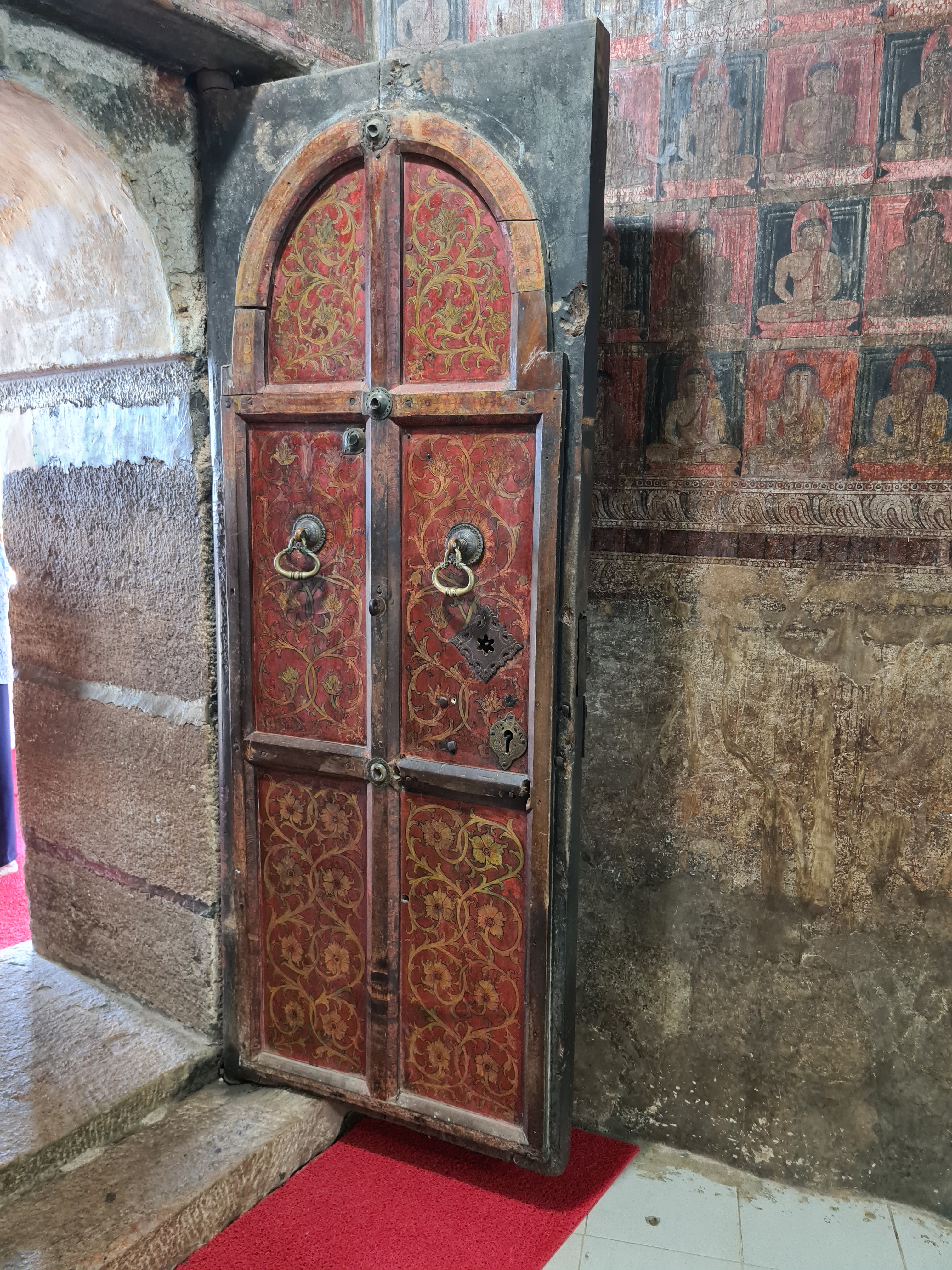
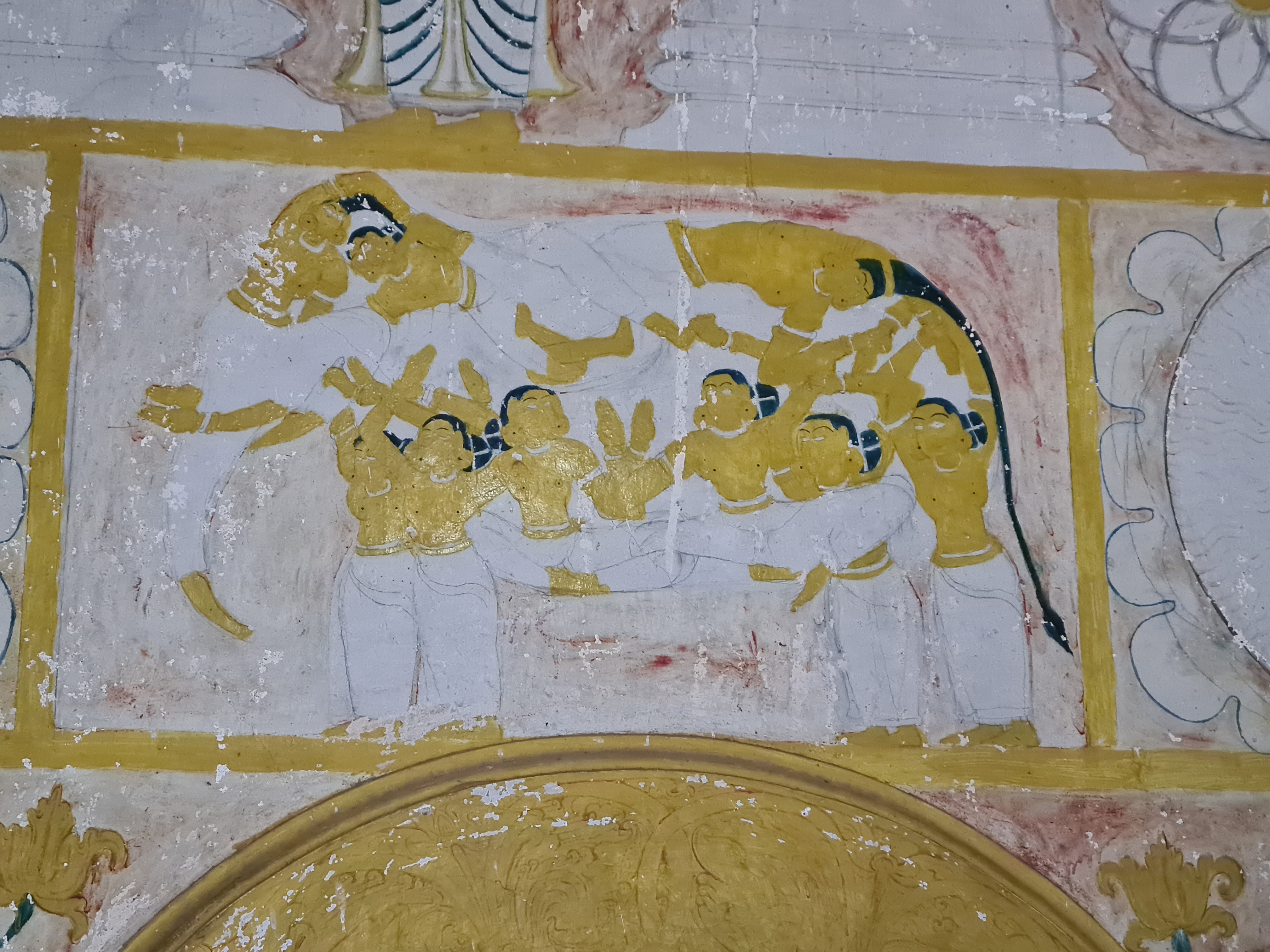
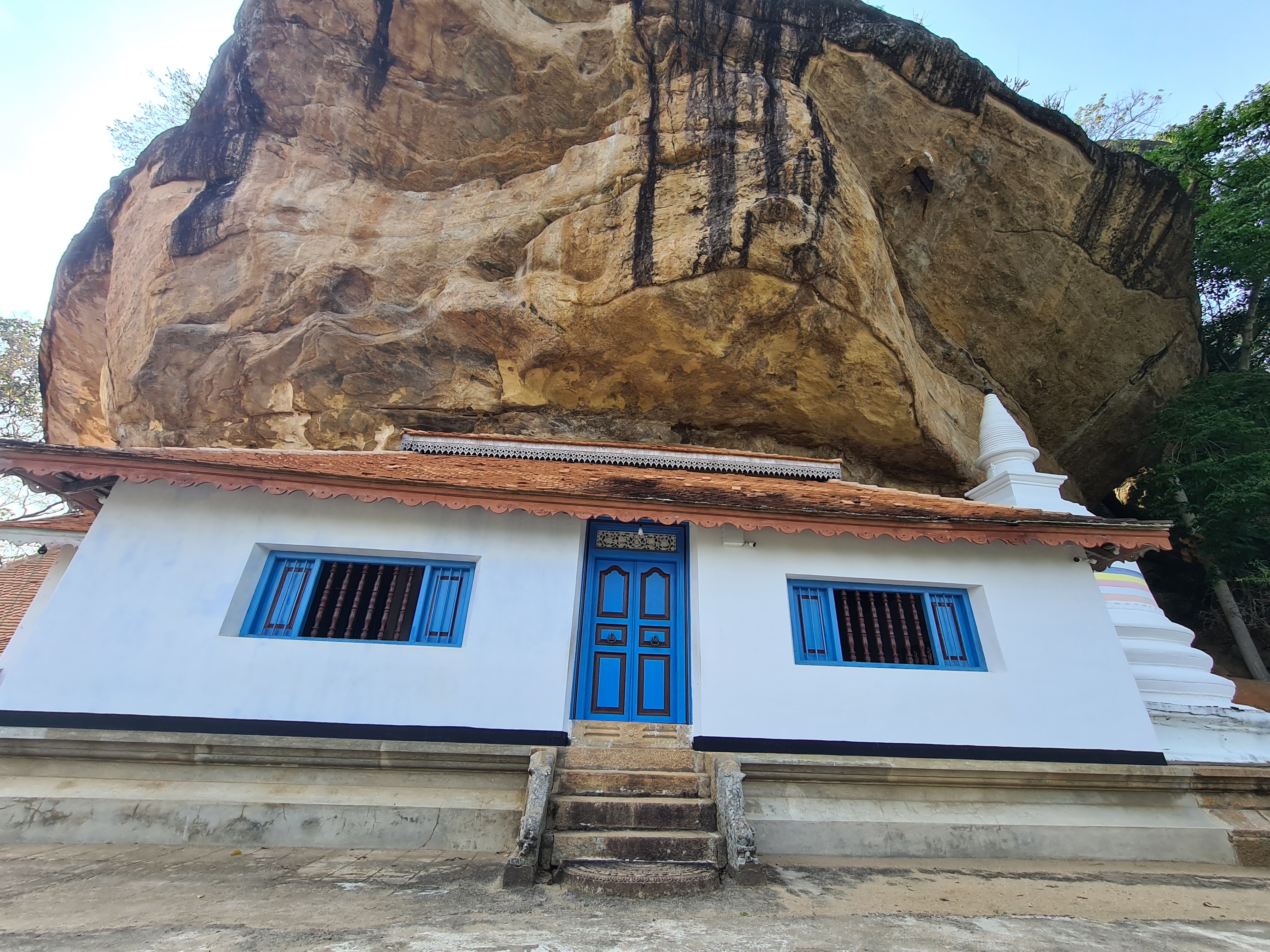
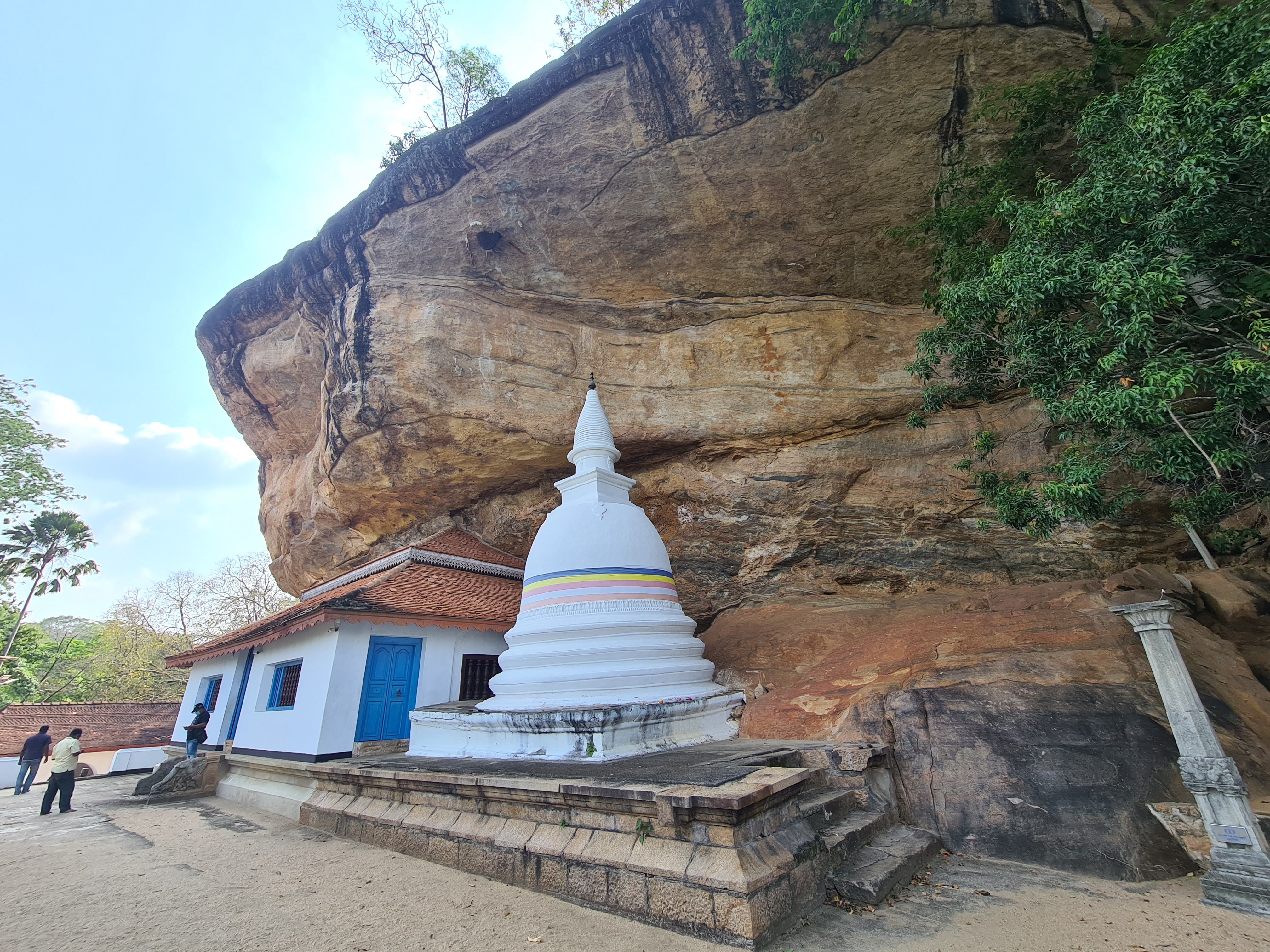
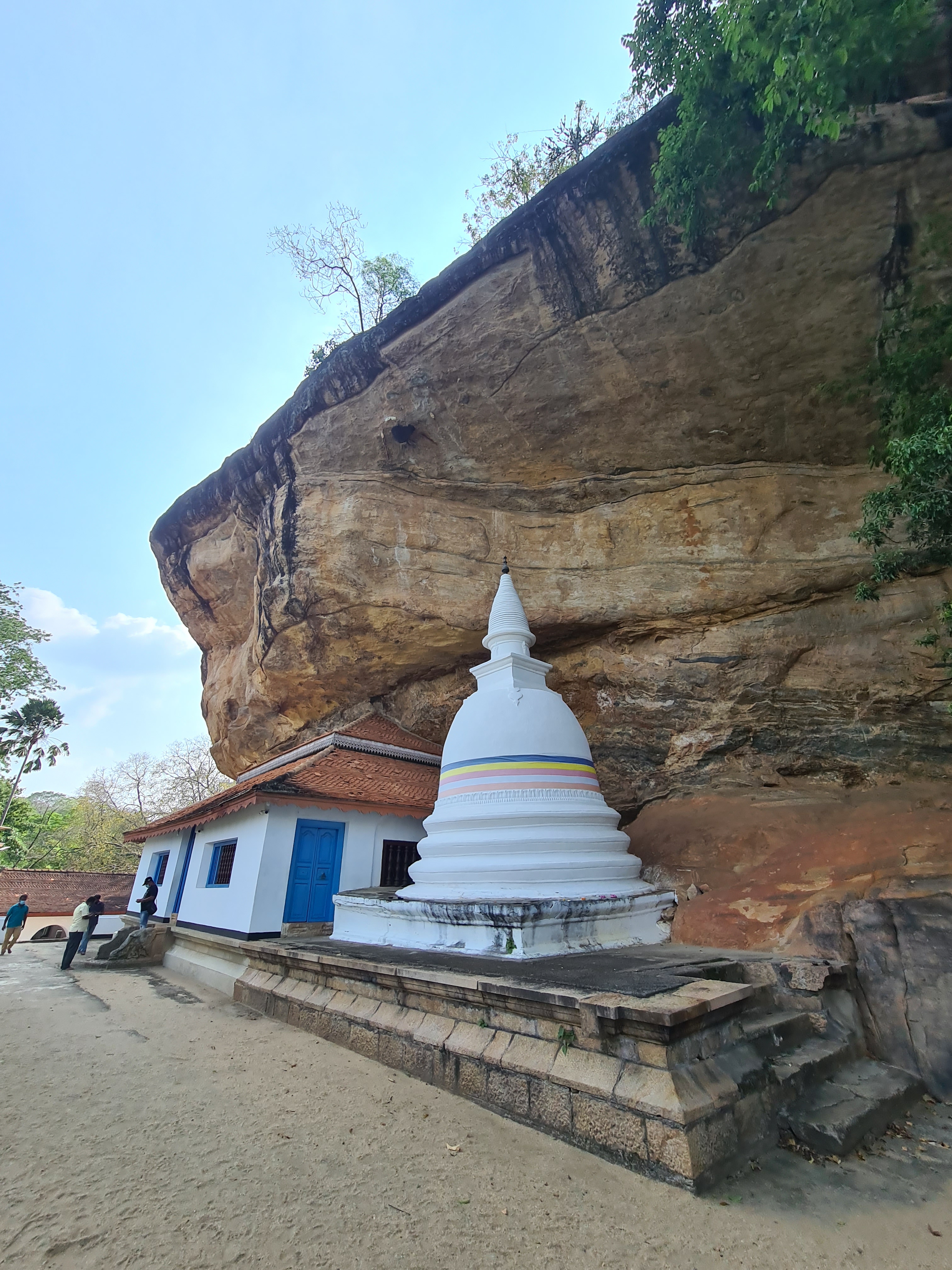
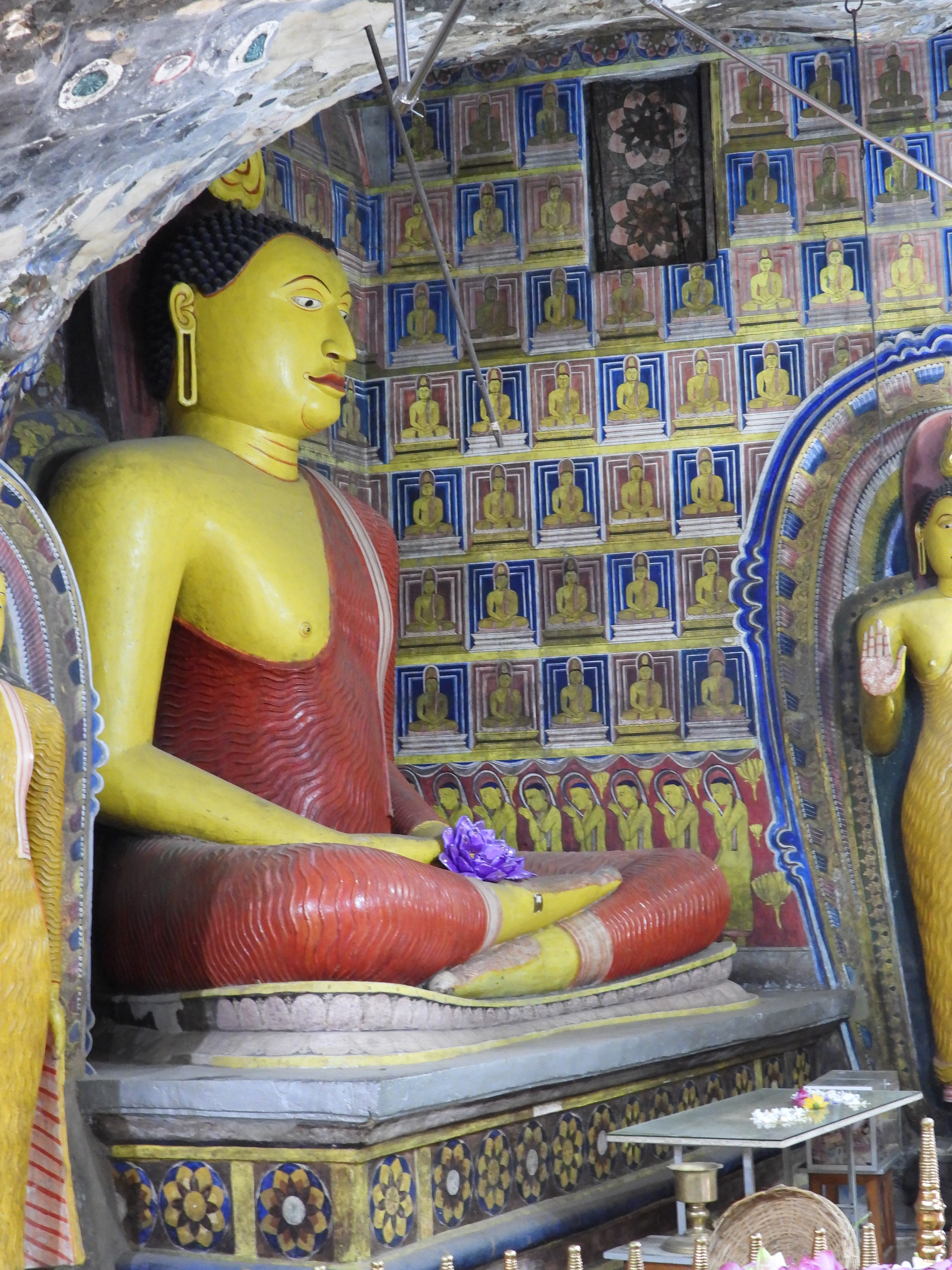
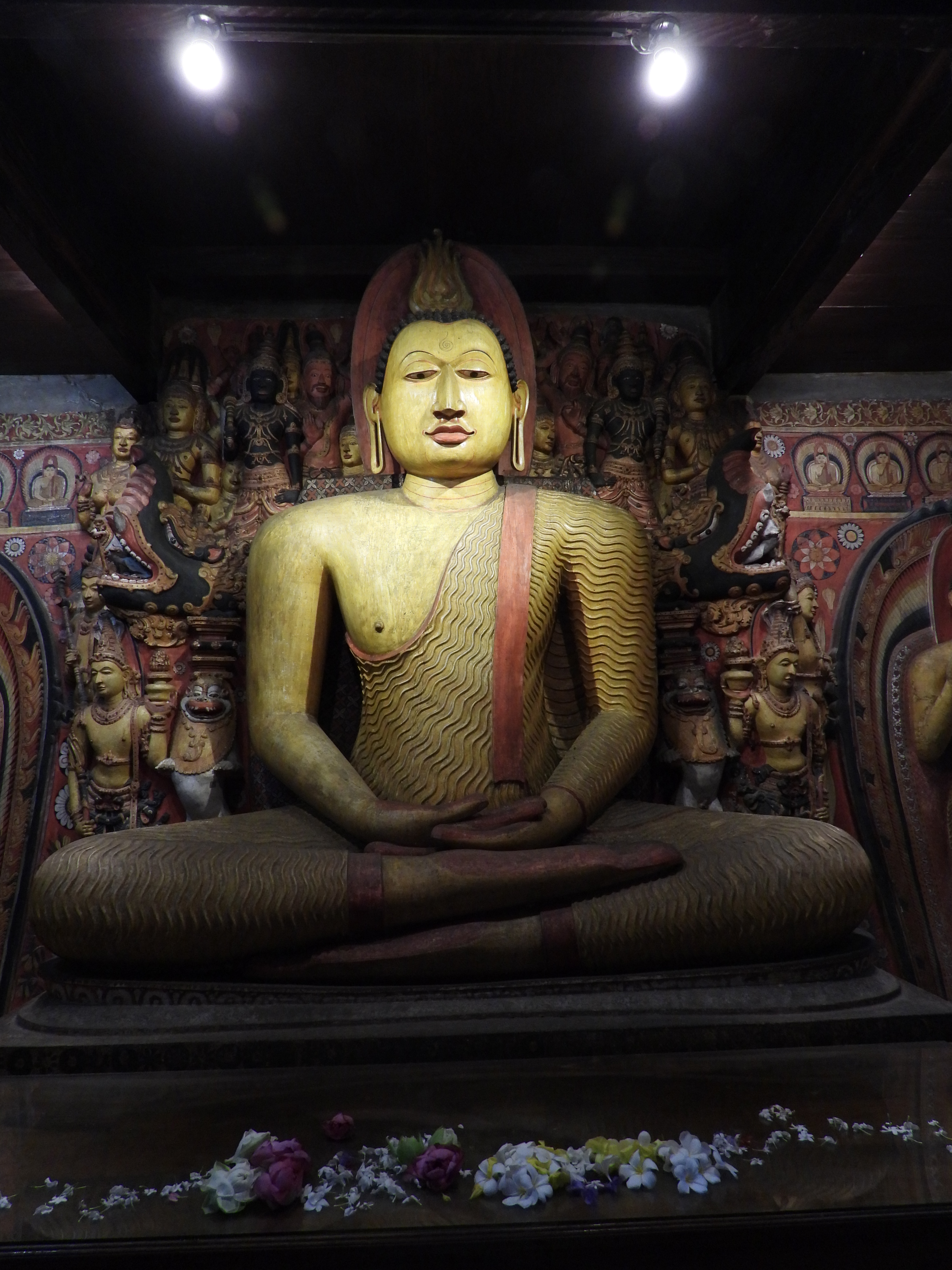
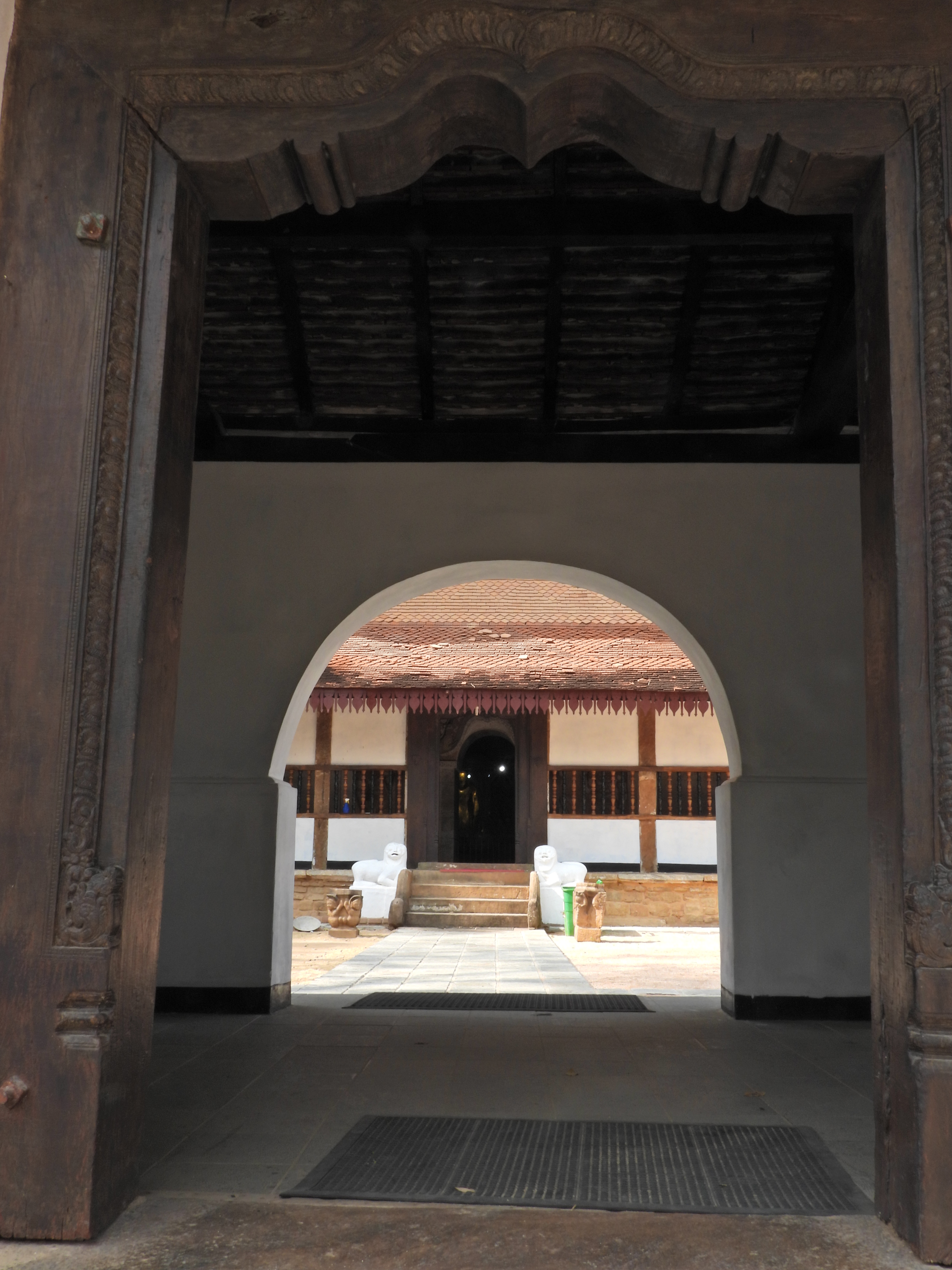
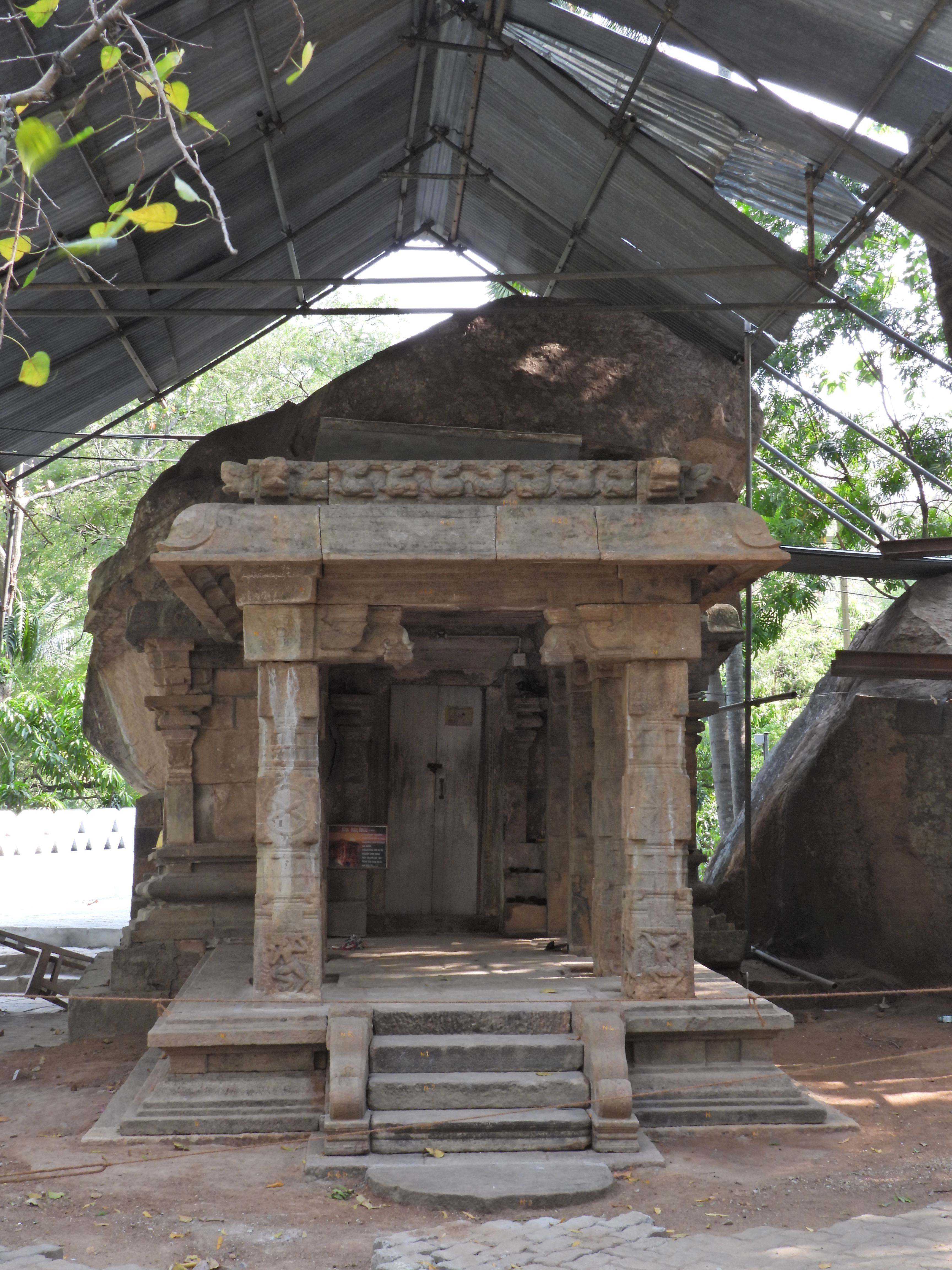
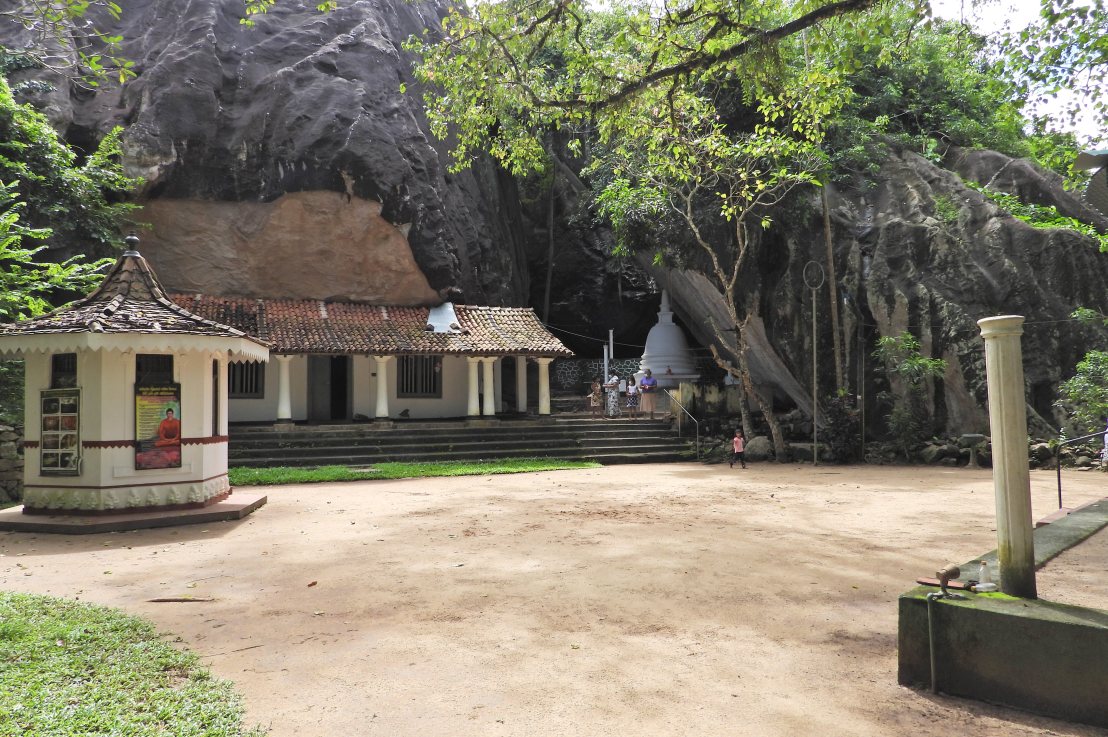
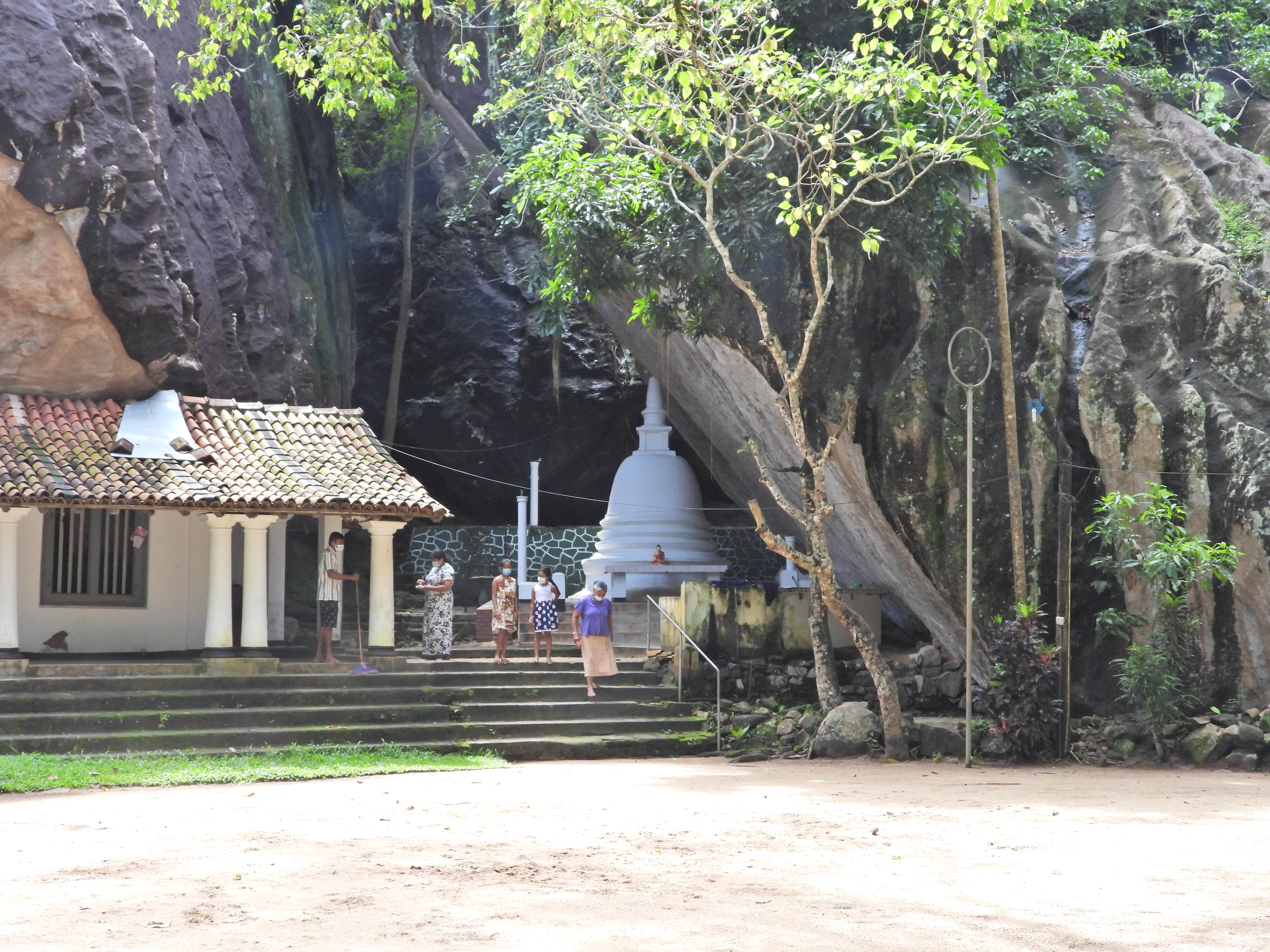
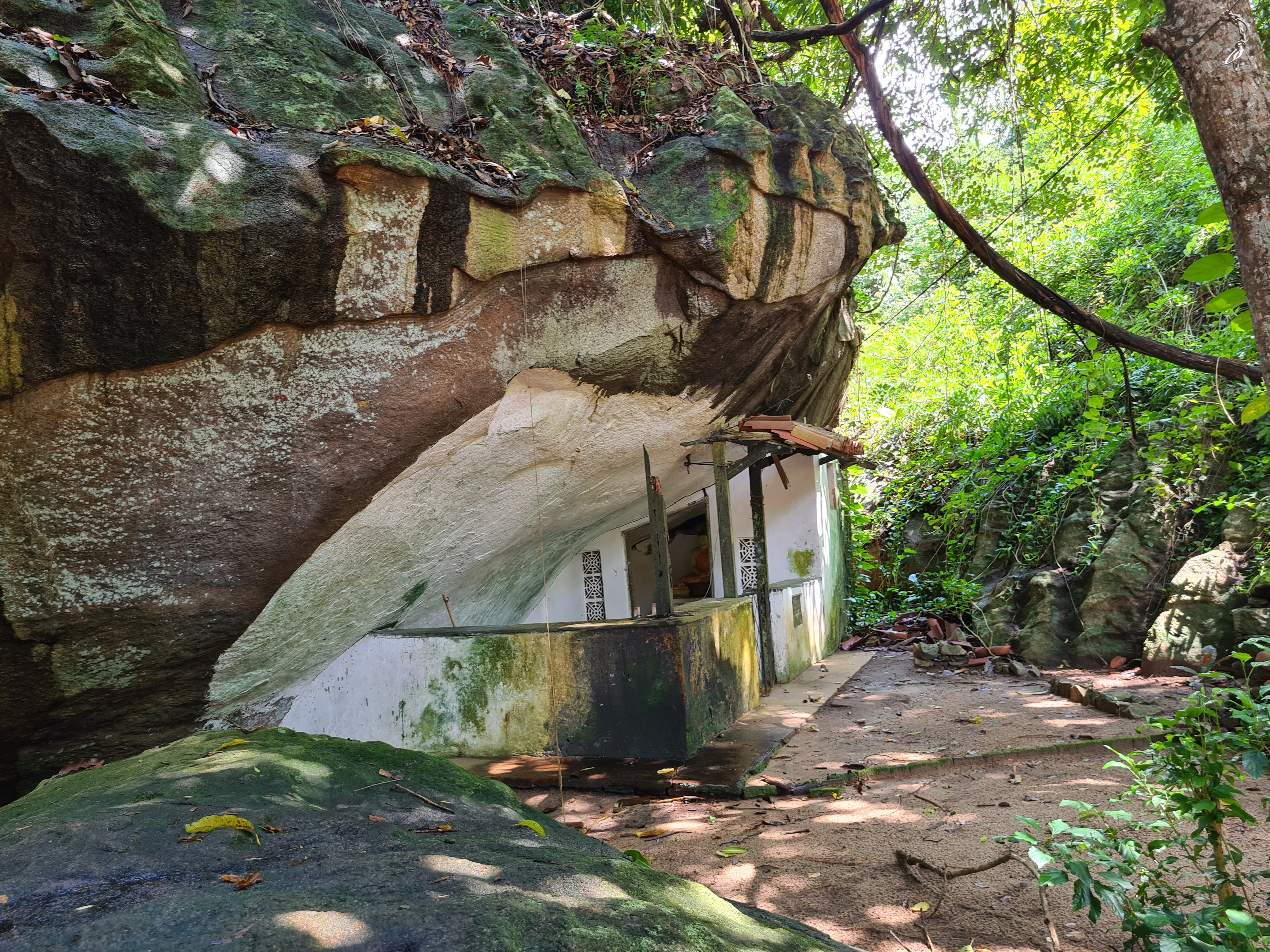
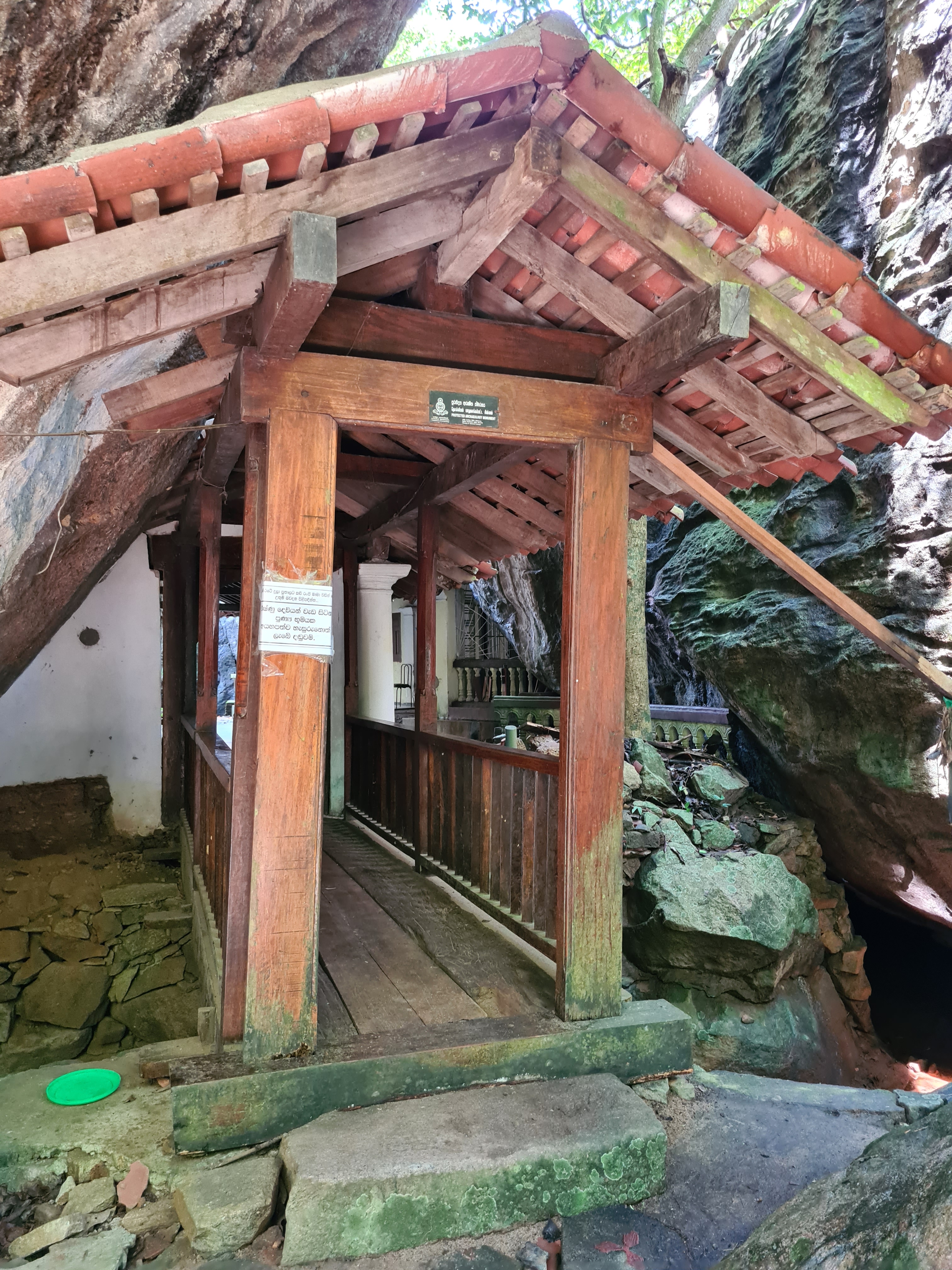
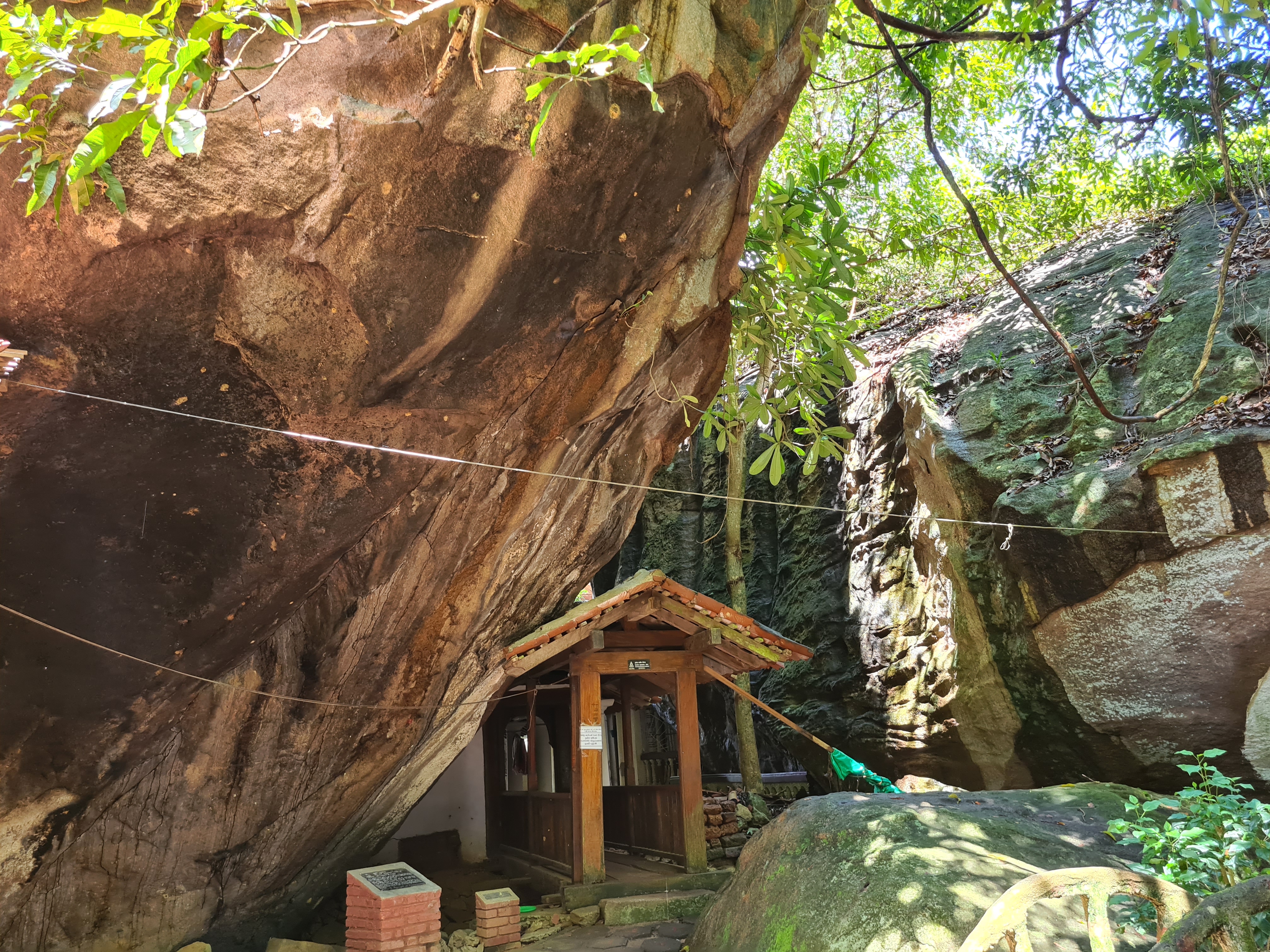
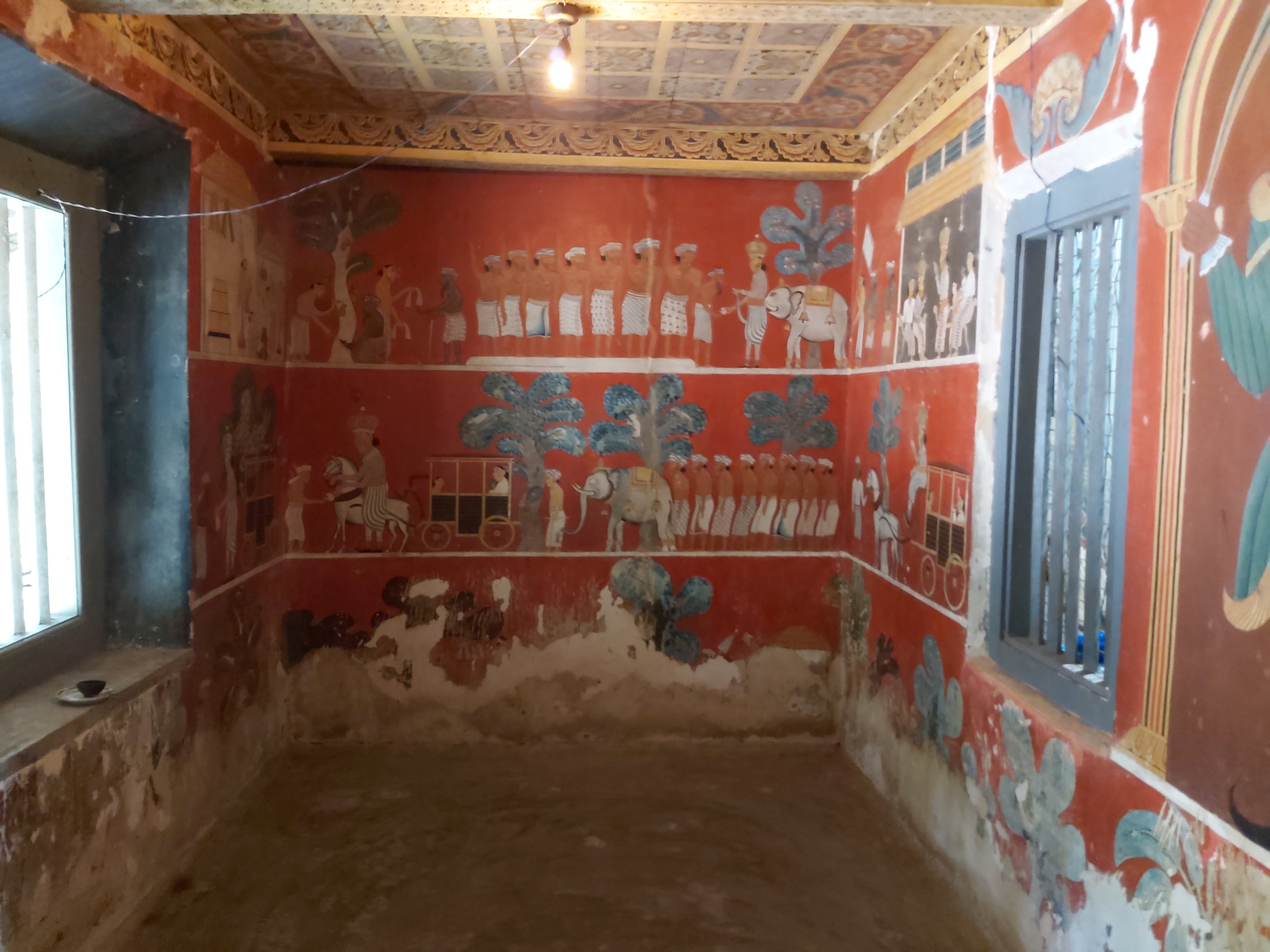
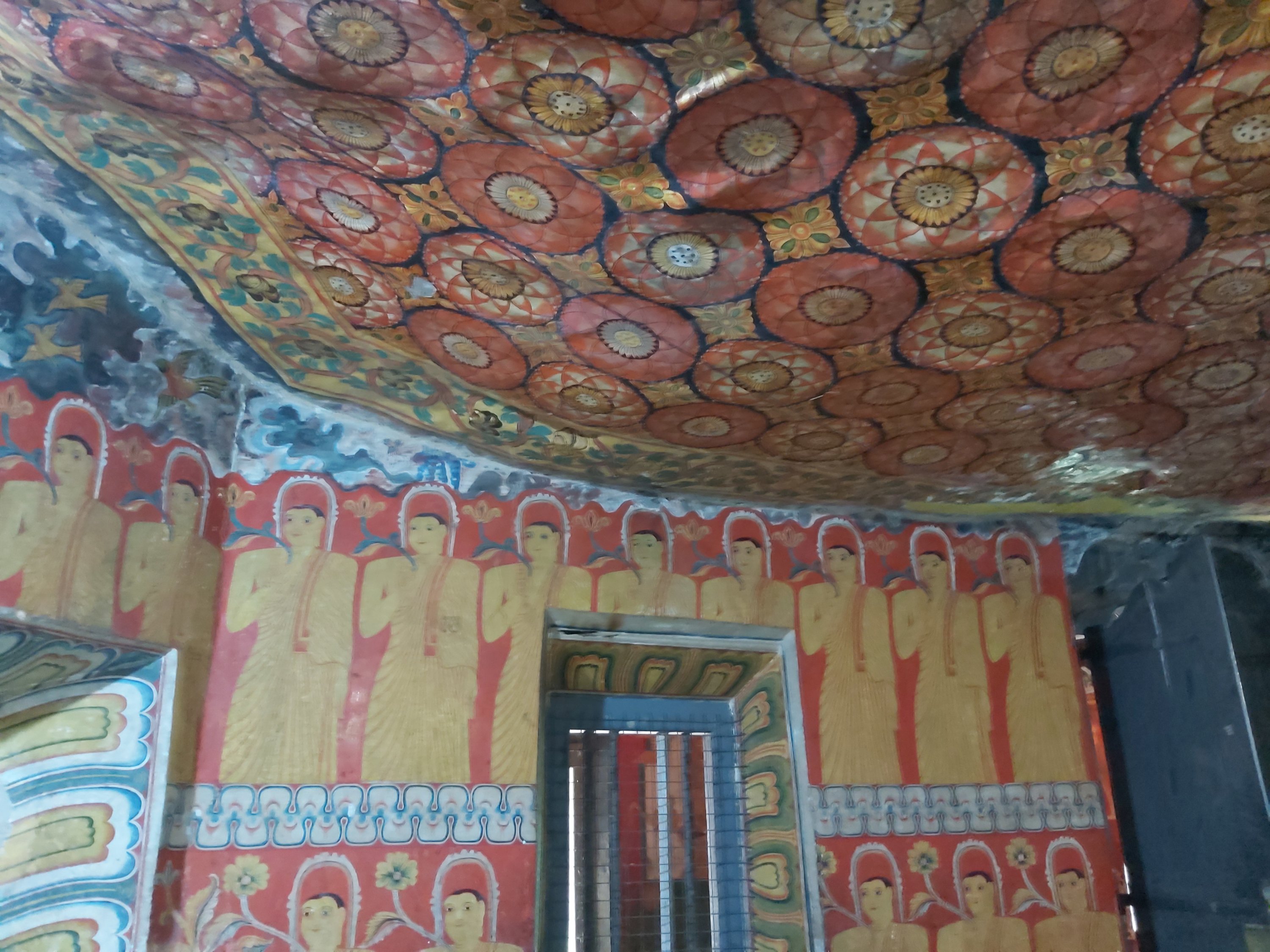
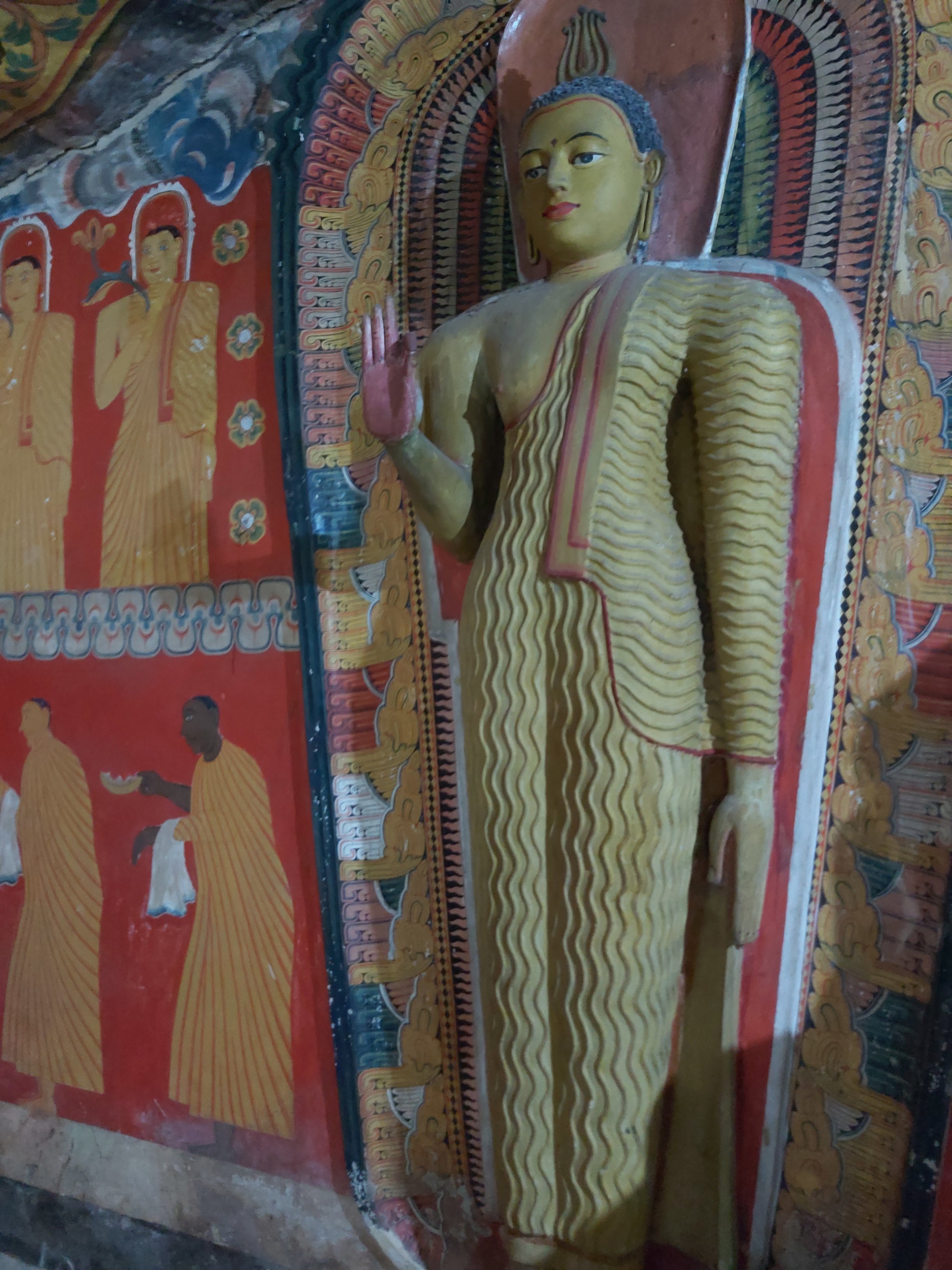
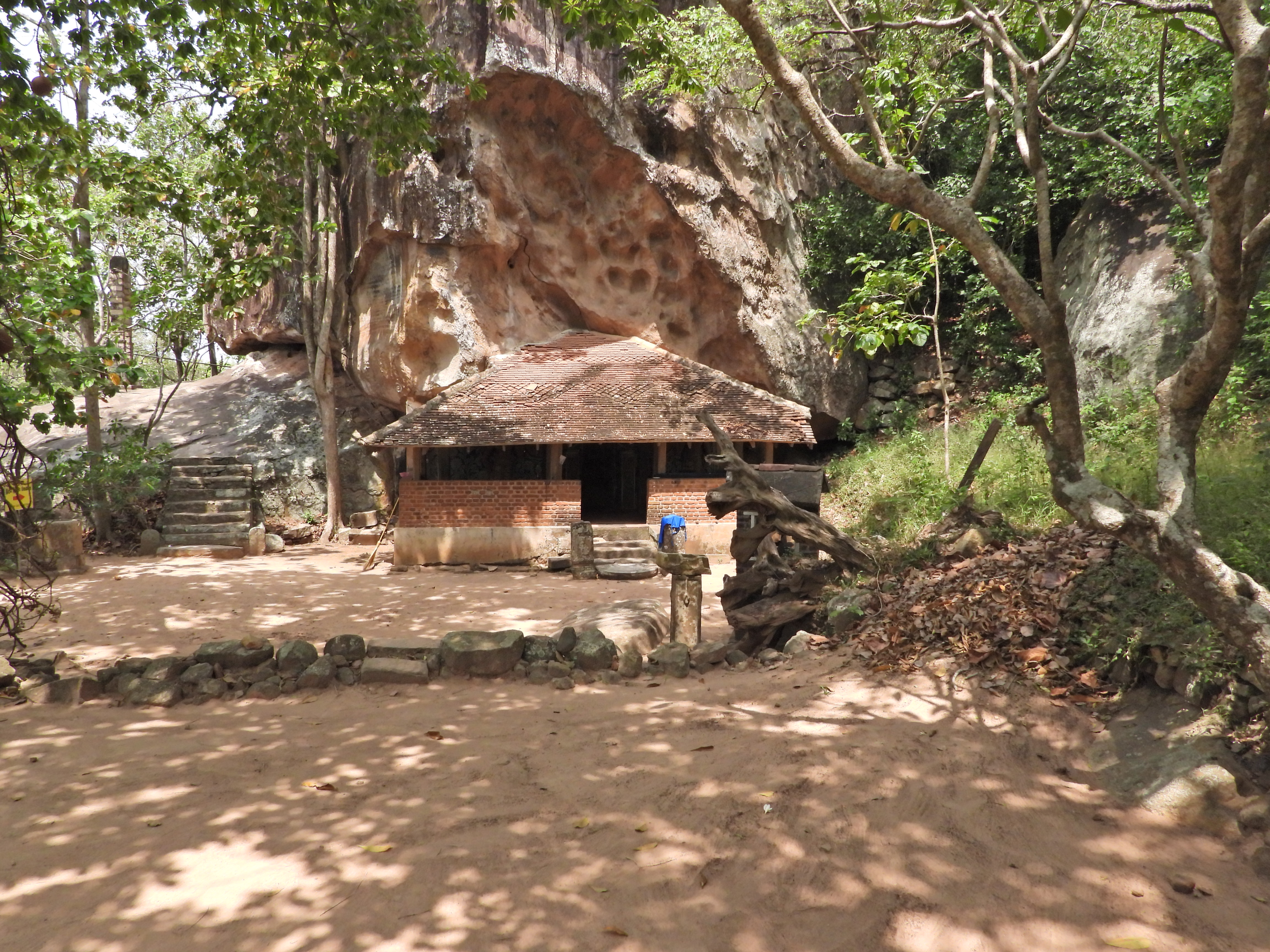
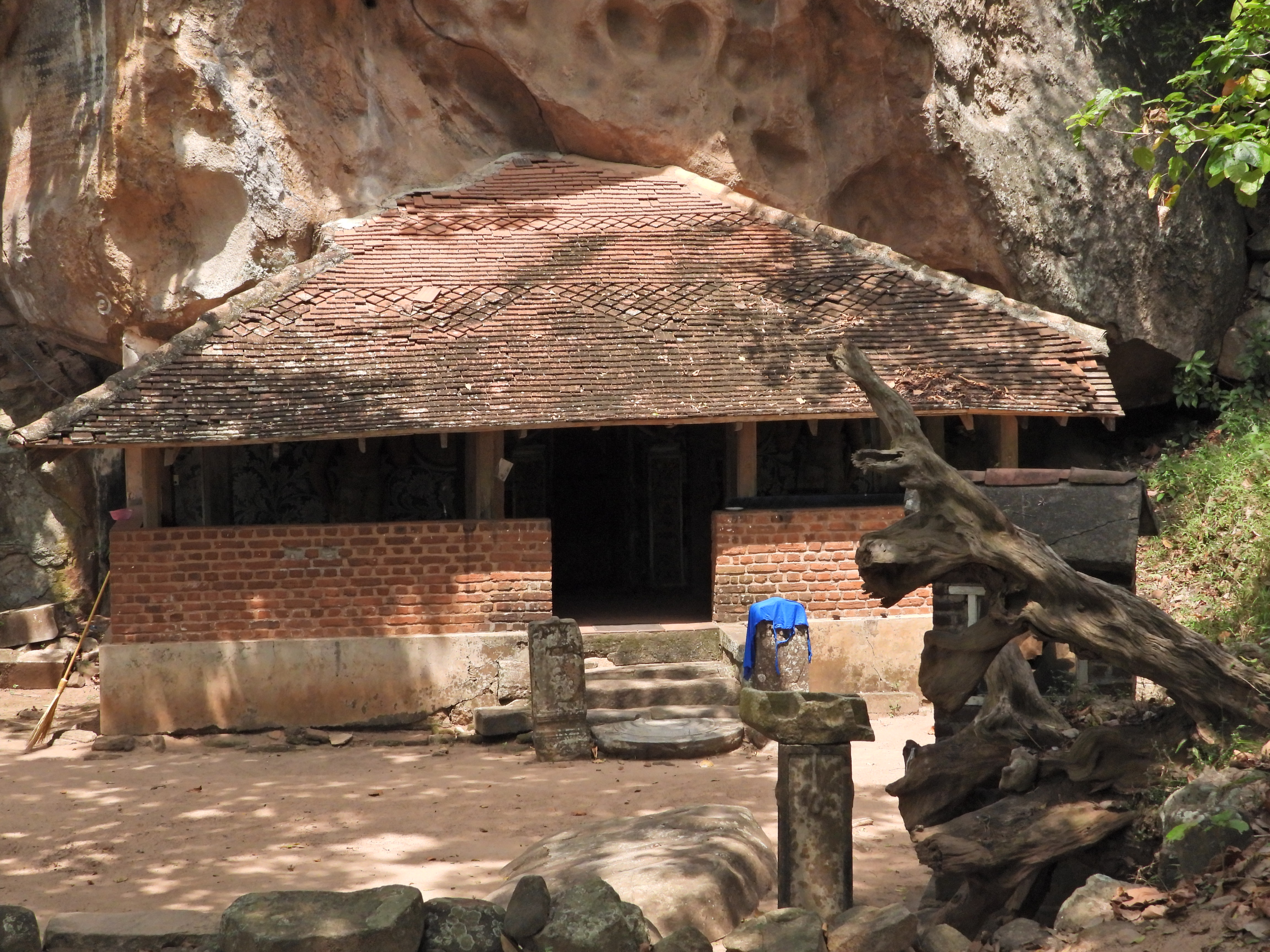
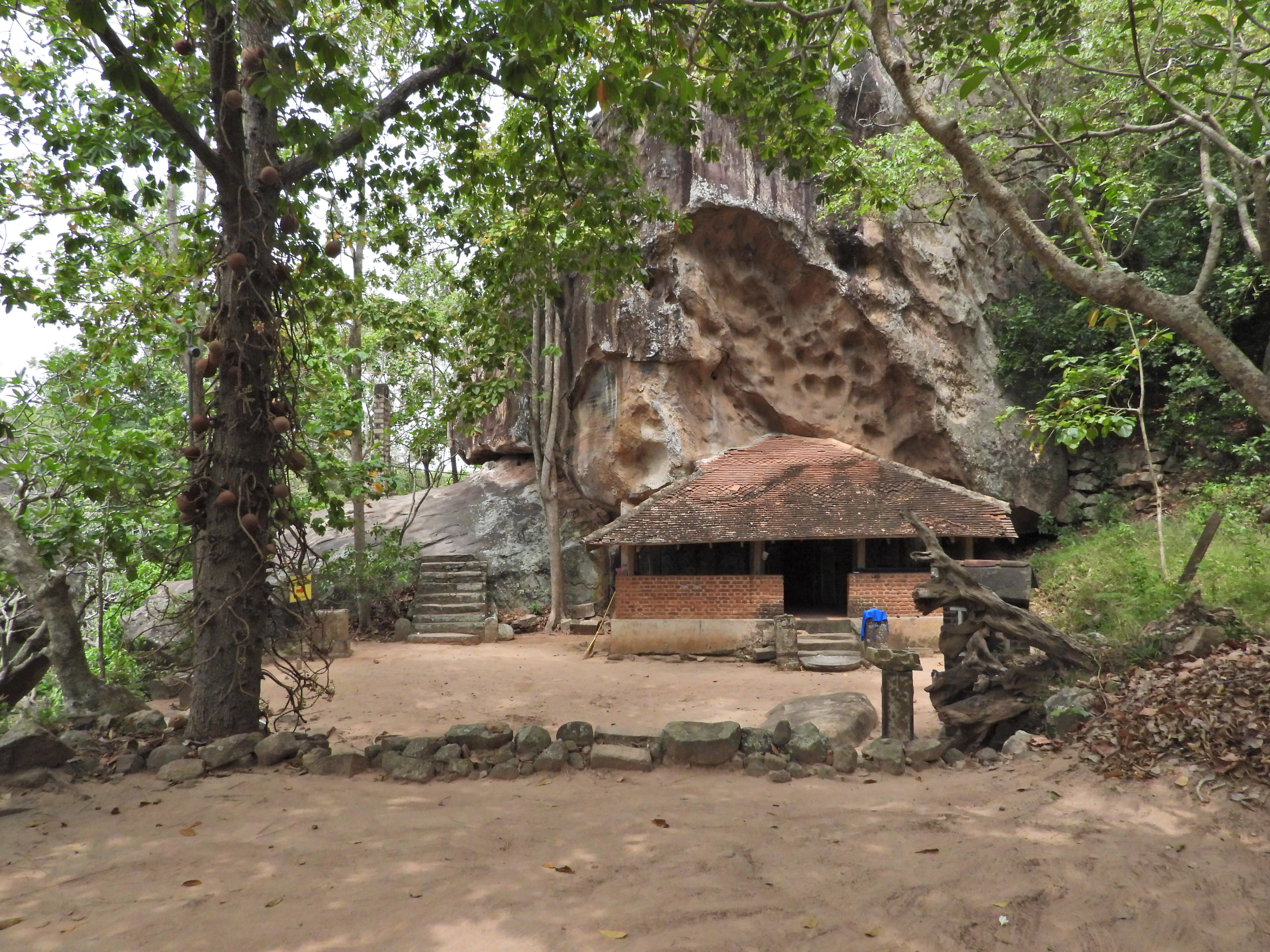
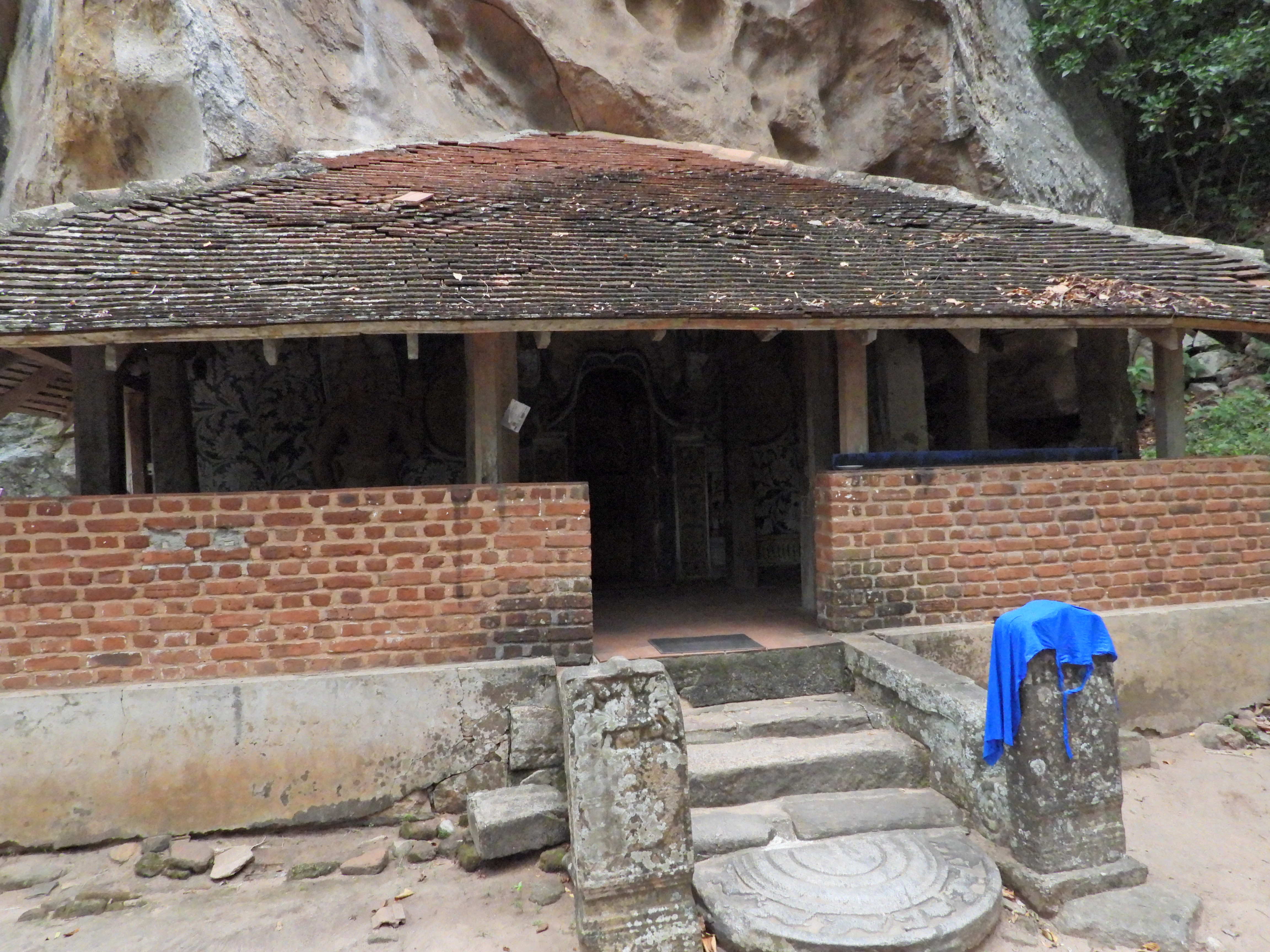
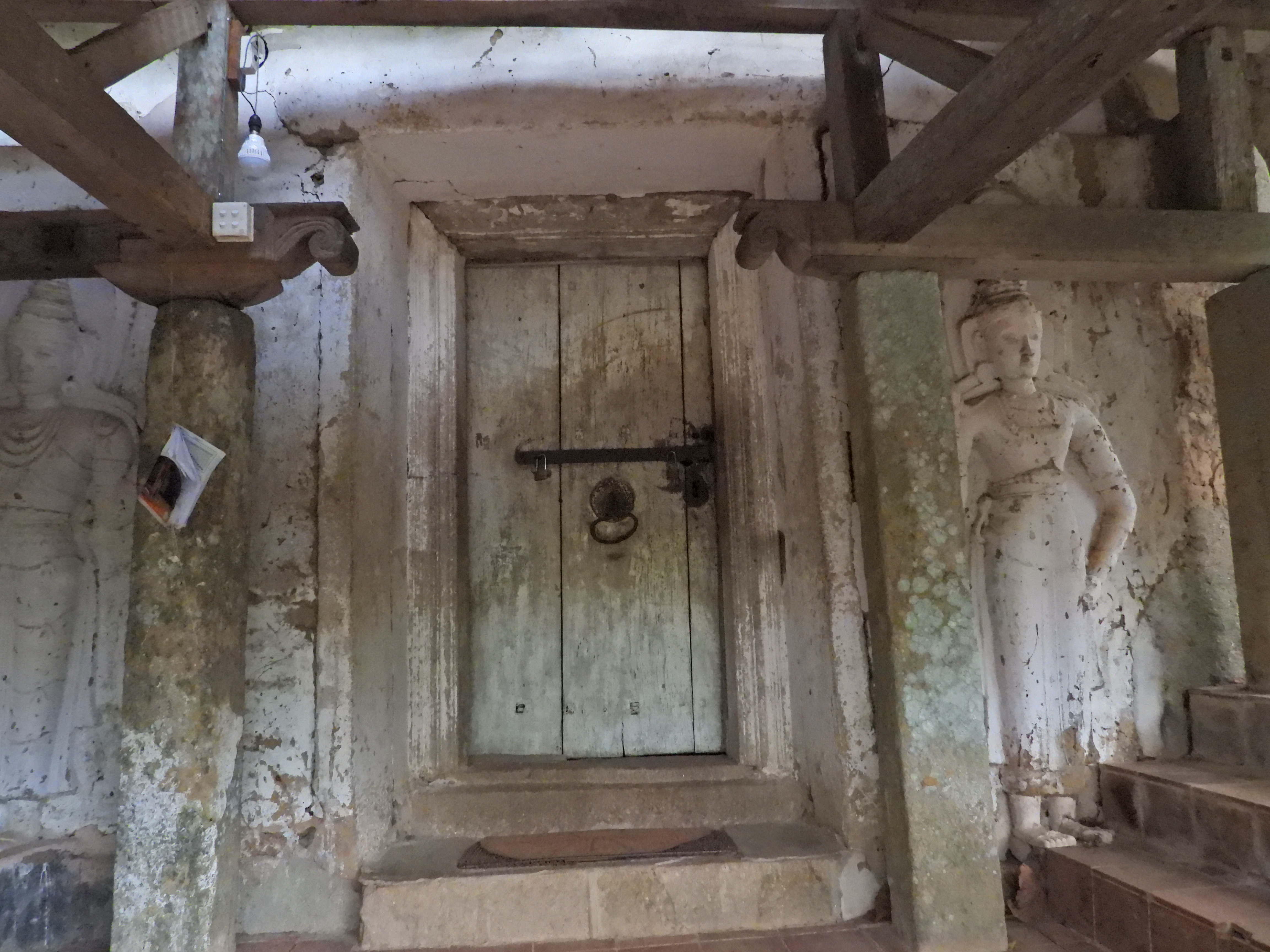
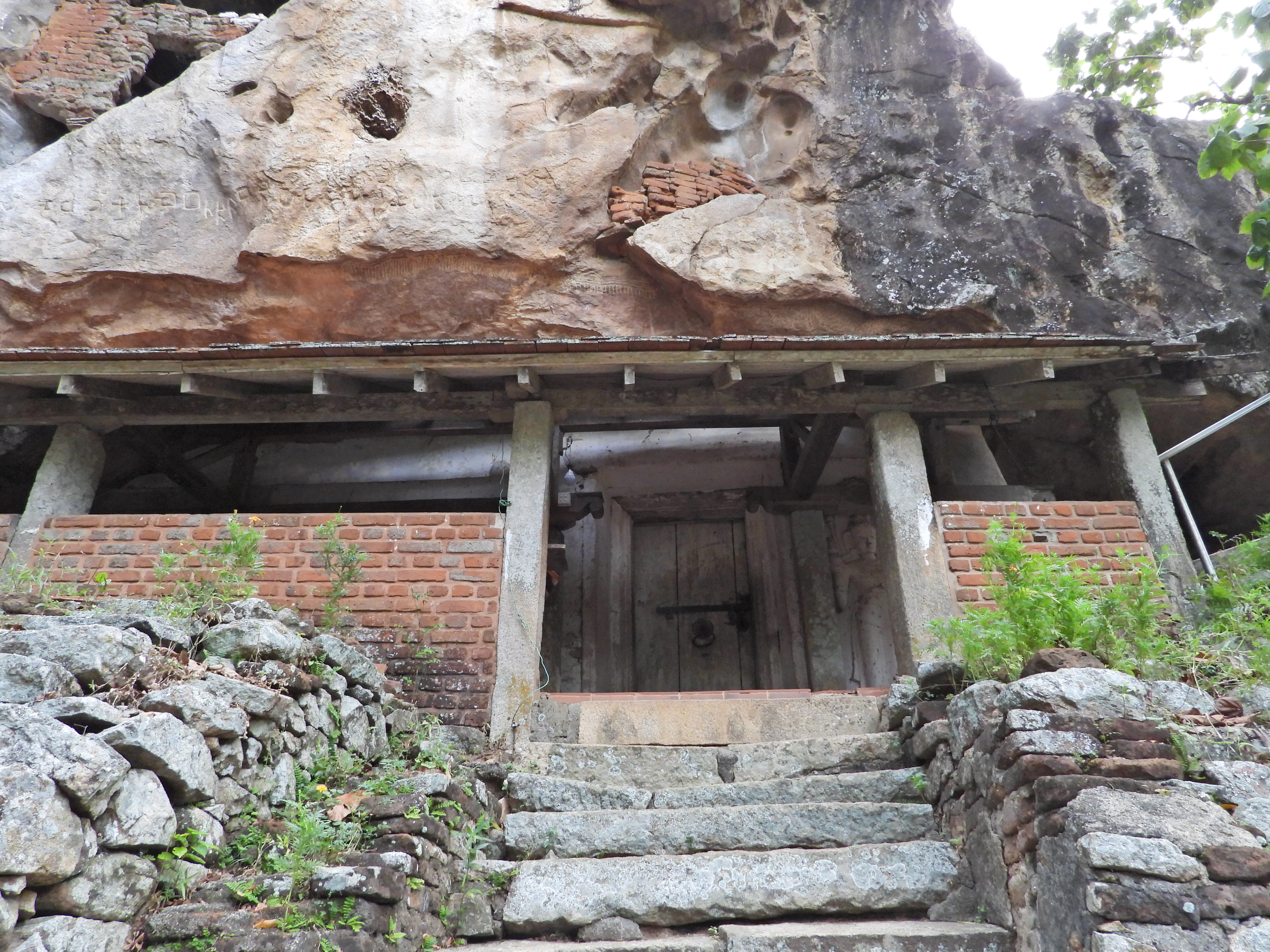
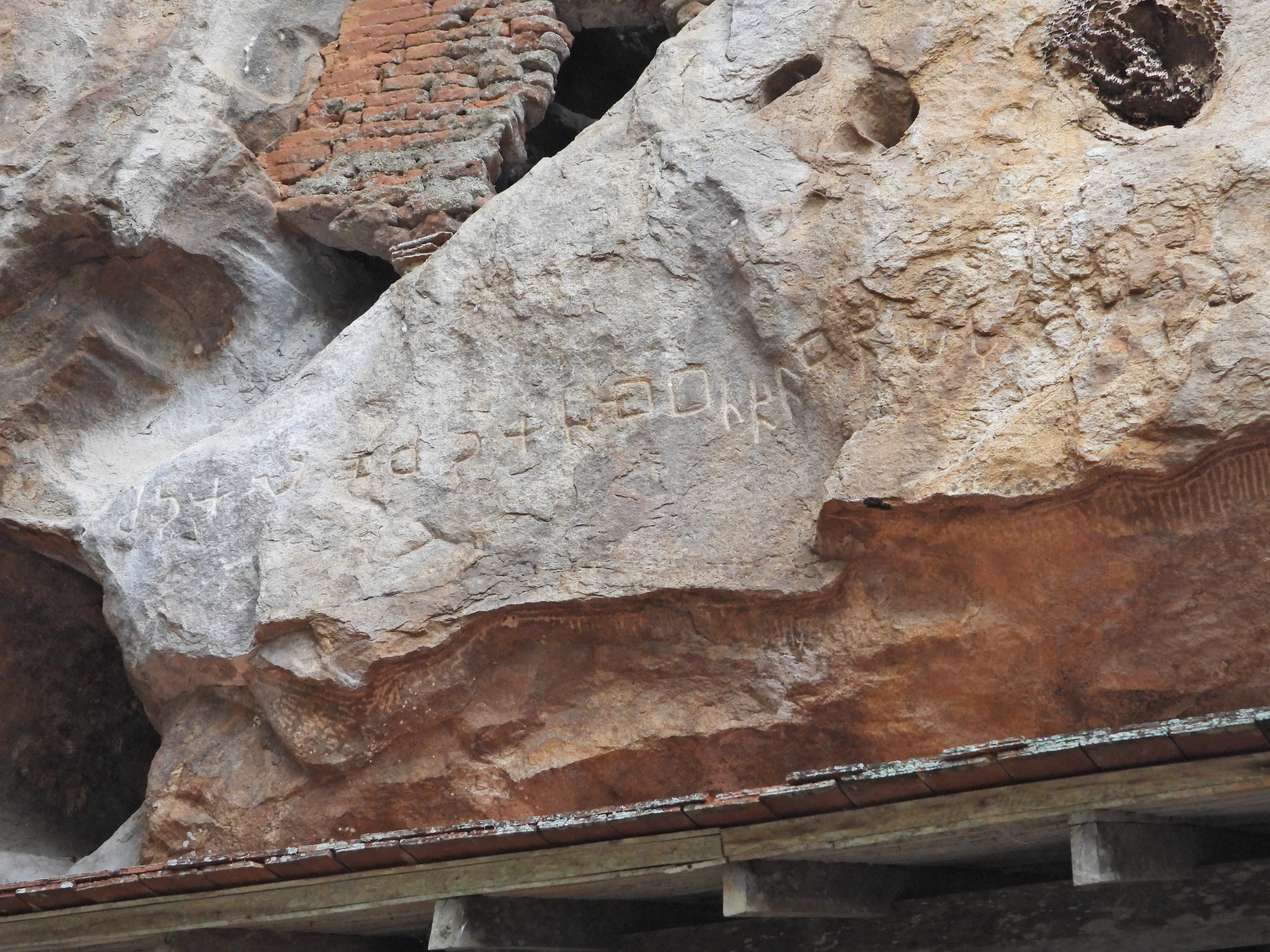
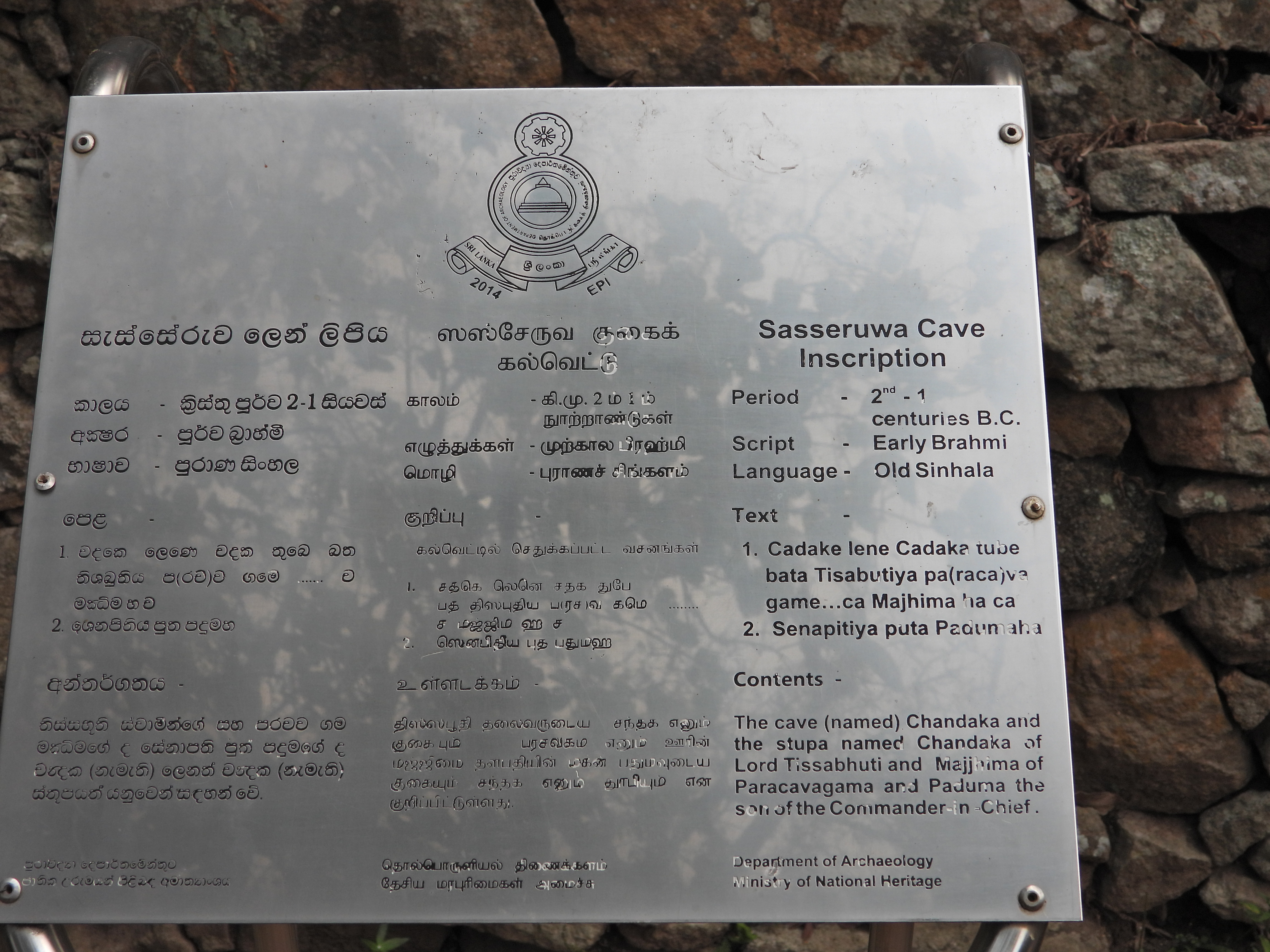
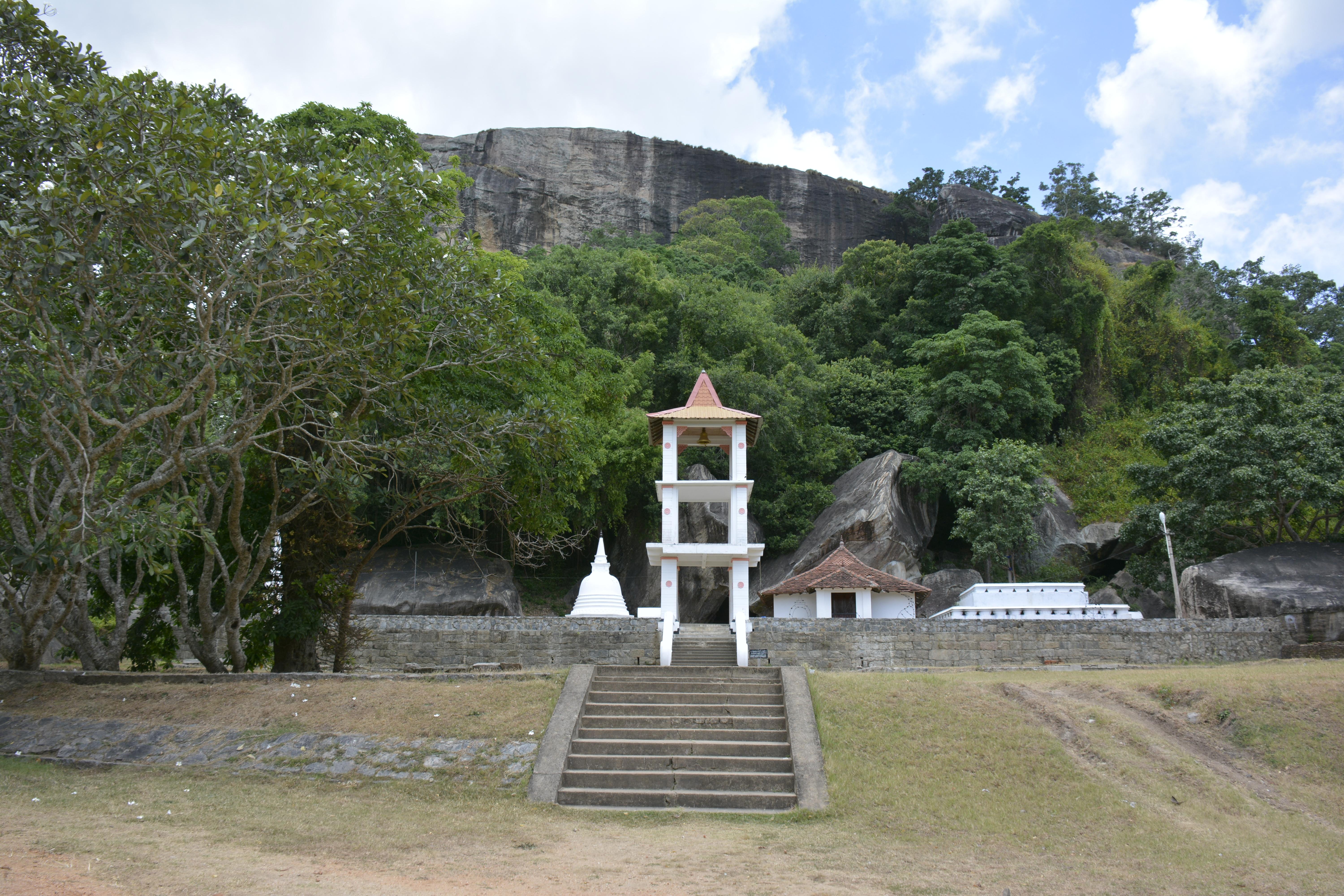
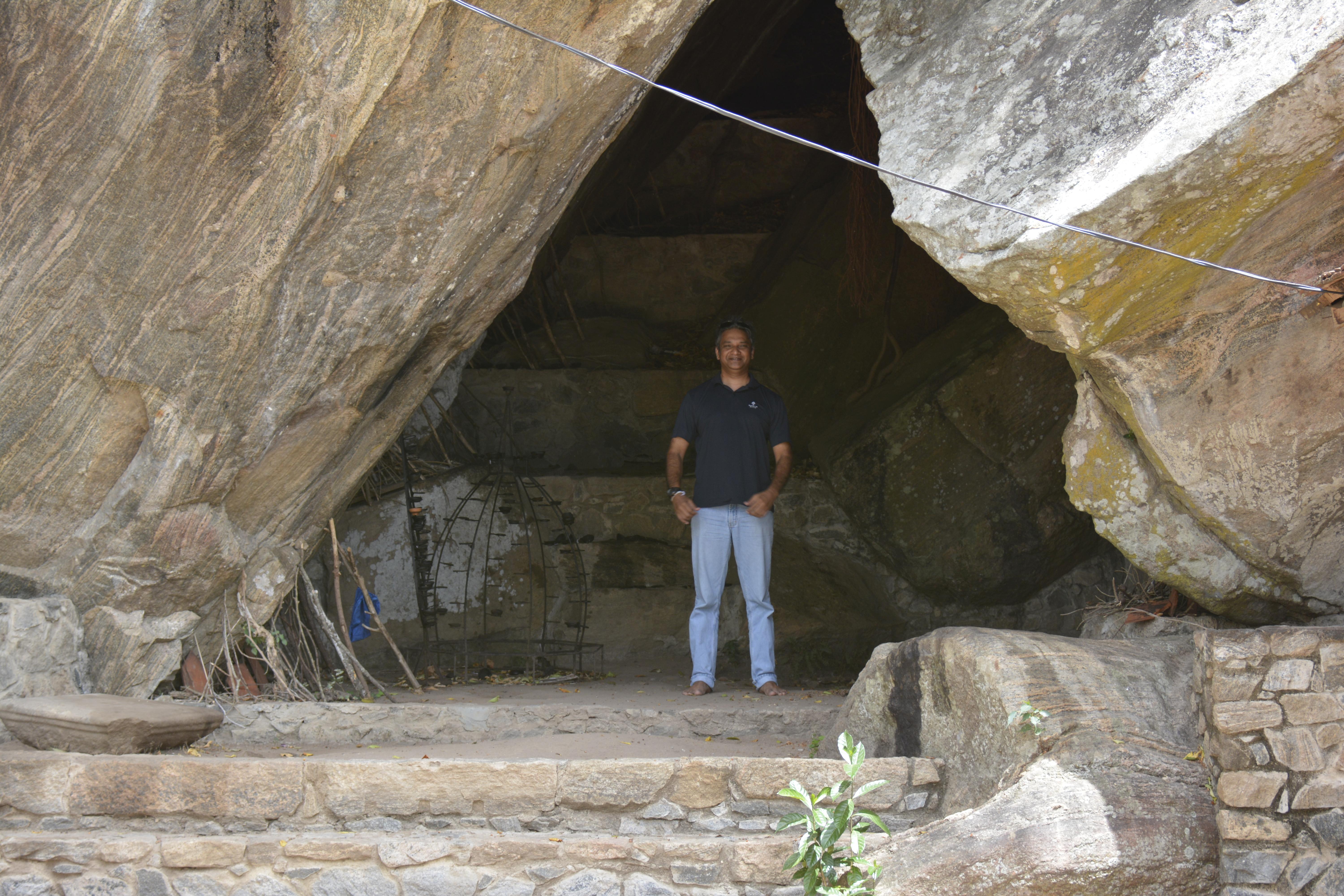
Ridee Viharaya means Silver Temple. After the waging war with King Elara, King Dutugemunu’s treasury was depleted. Hence funding for the building of Ruwanweli Seya was a immense burden on the treasury. The story is that a trader travelling in a caravan stopped close by to this cave for their meals. The trader in need of wood for whips went up the Mountain when he came across bread fruit tree bearing one fruit as large as a water pitcher. The trader thought he will give the first part of the fruit as alms. With faith he announced the meal time and 4 arahats came hither. He tore out the bottom part of the fruit and poured the juice into their arms bowl. Yet again he announced the meal time and another 4 arahats came hither. To them he tore out the kernels and placed in their alms bowls. 3 of them went on their way, but one stay behind and went a bit further and sat down to have his meal. This spot is today marked by a stone structure. Once he has taken his meal, the thera pointed out the cave with a rich vein of Silver to the trader. After all the silver was mined, the cave was converted into a temple.
Today the temple has been very aesthetically renovated retaining its ancient splendour. It is easily accessible by car. The
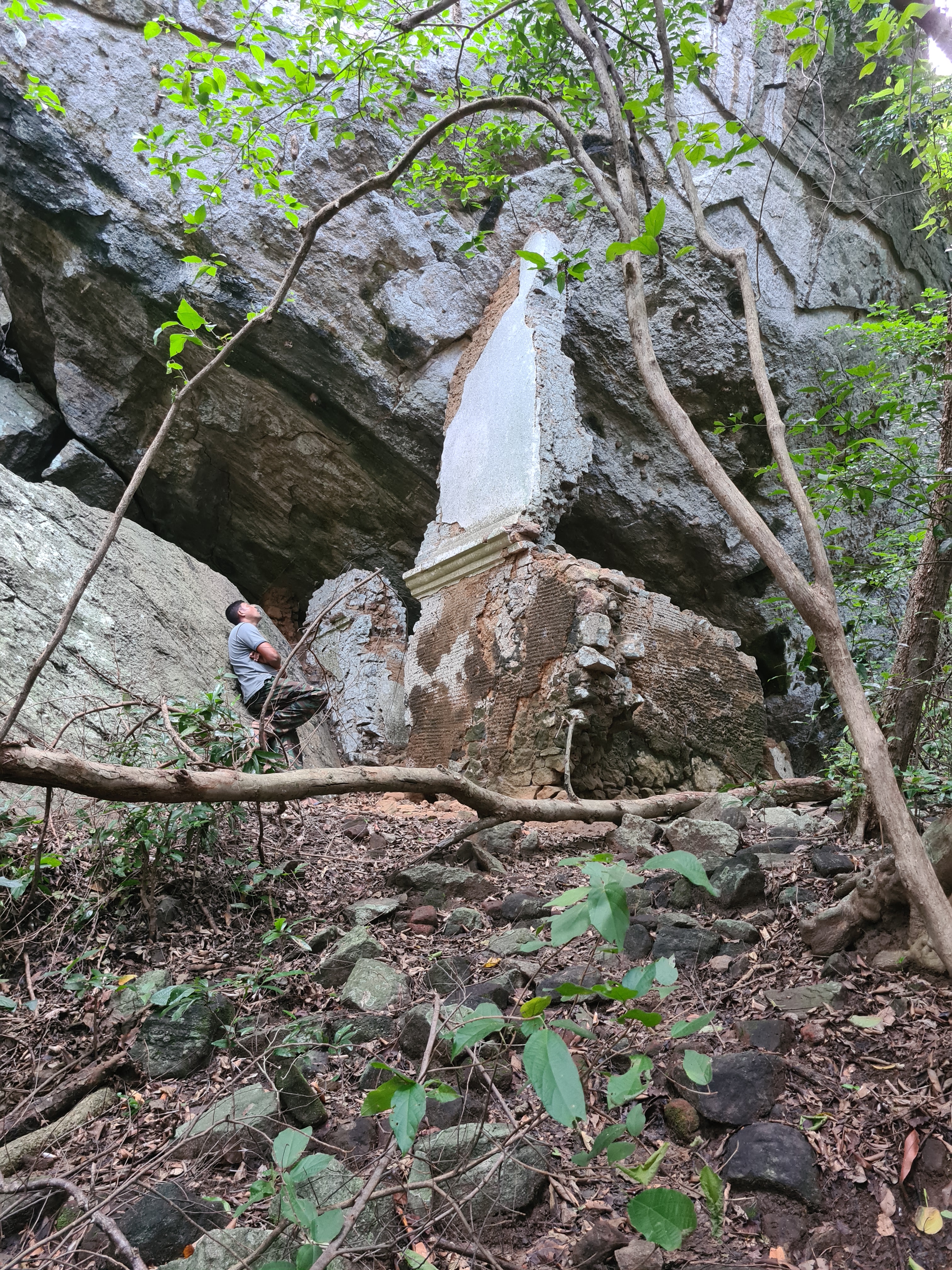
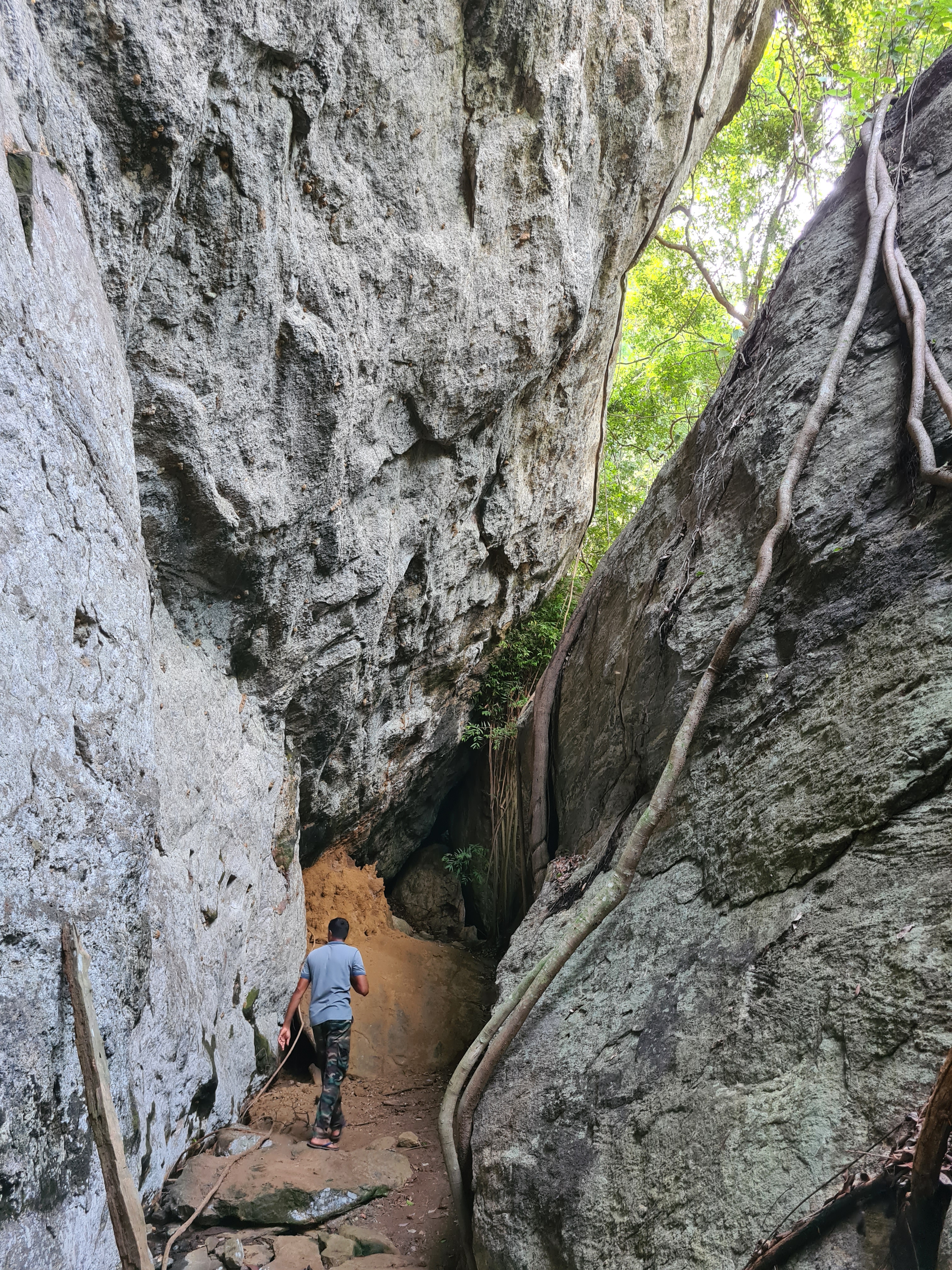
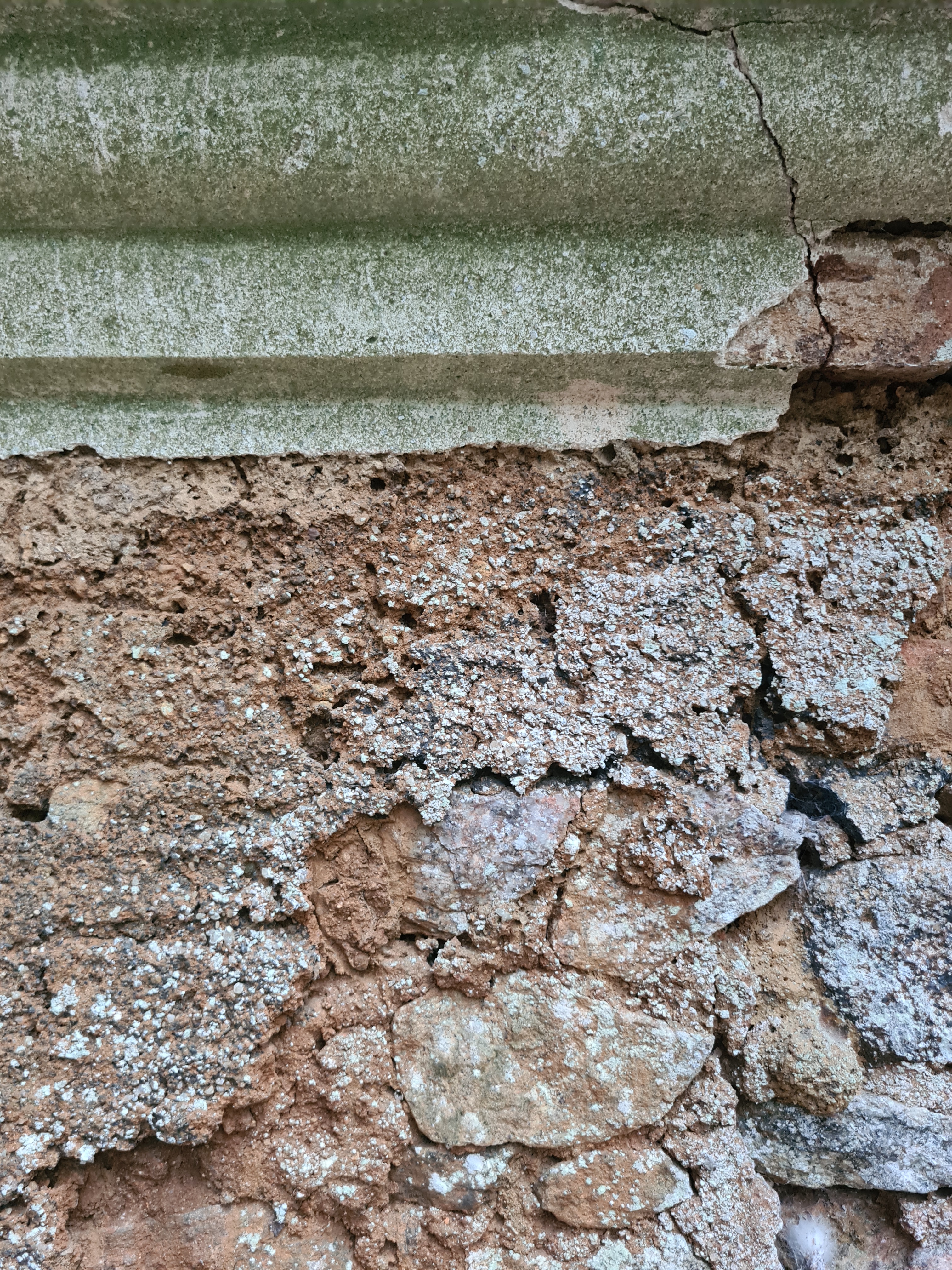
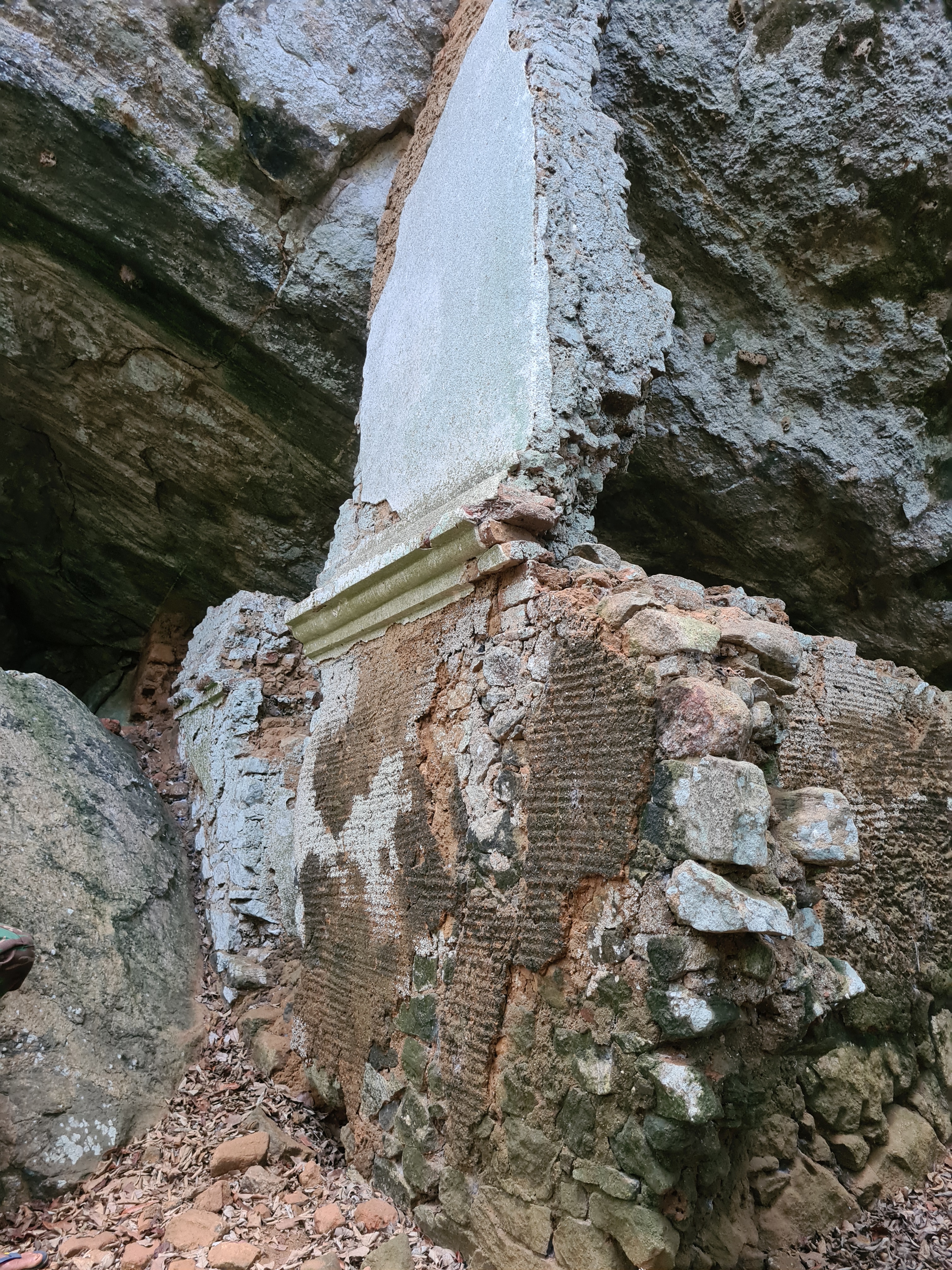
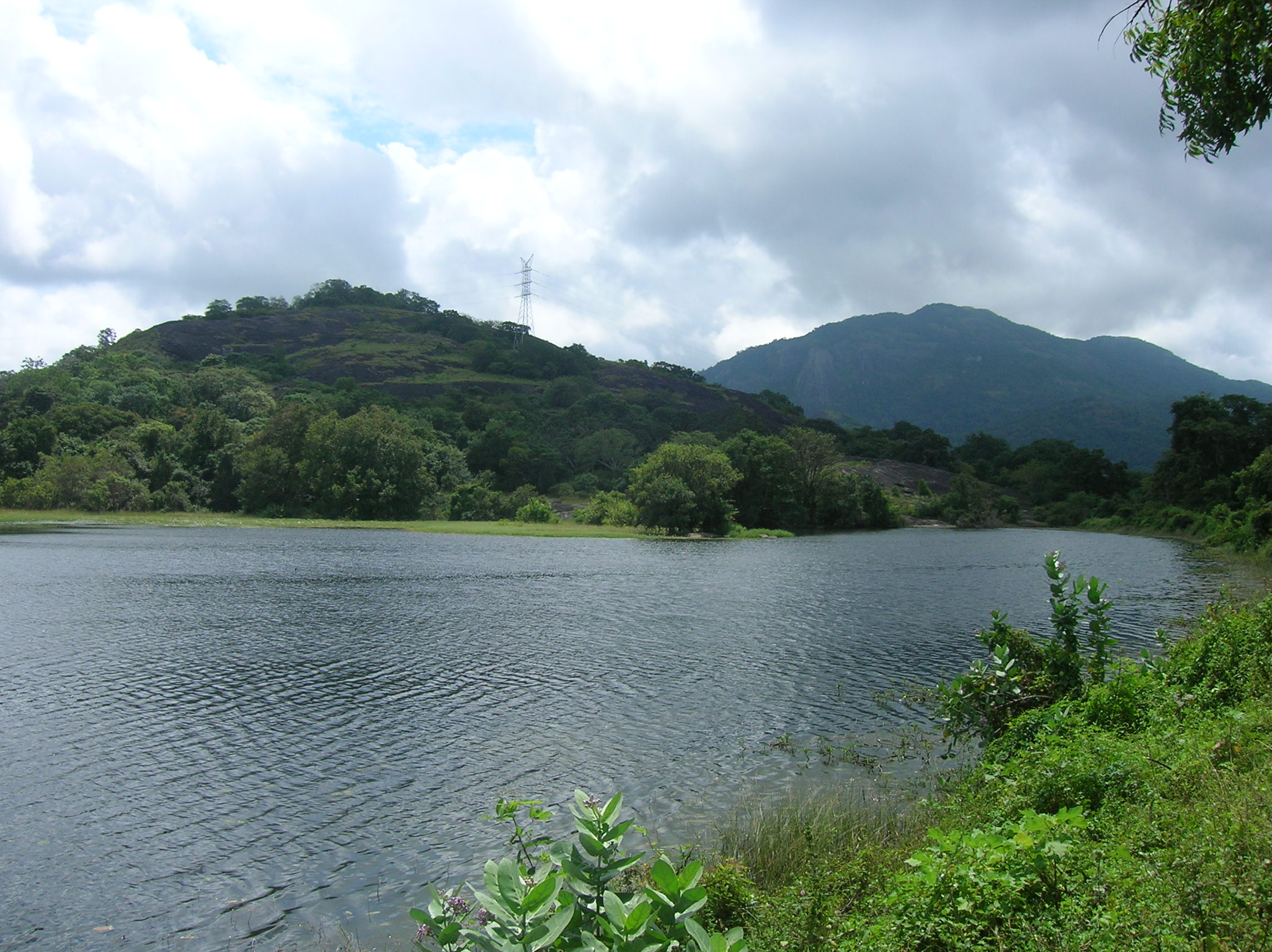
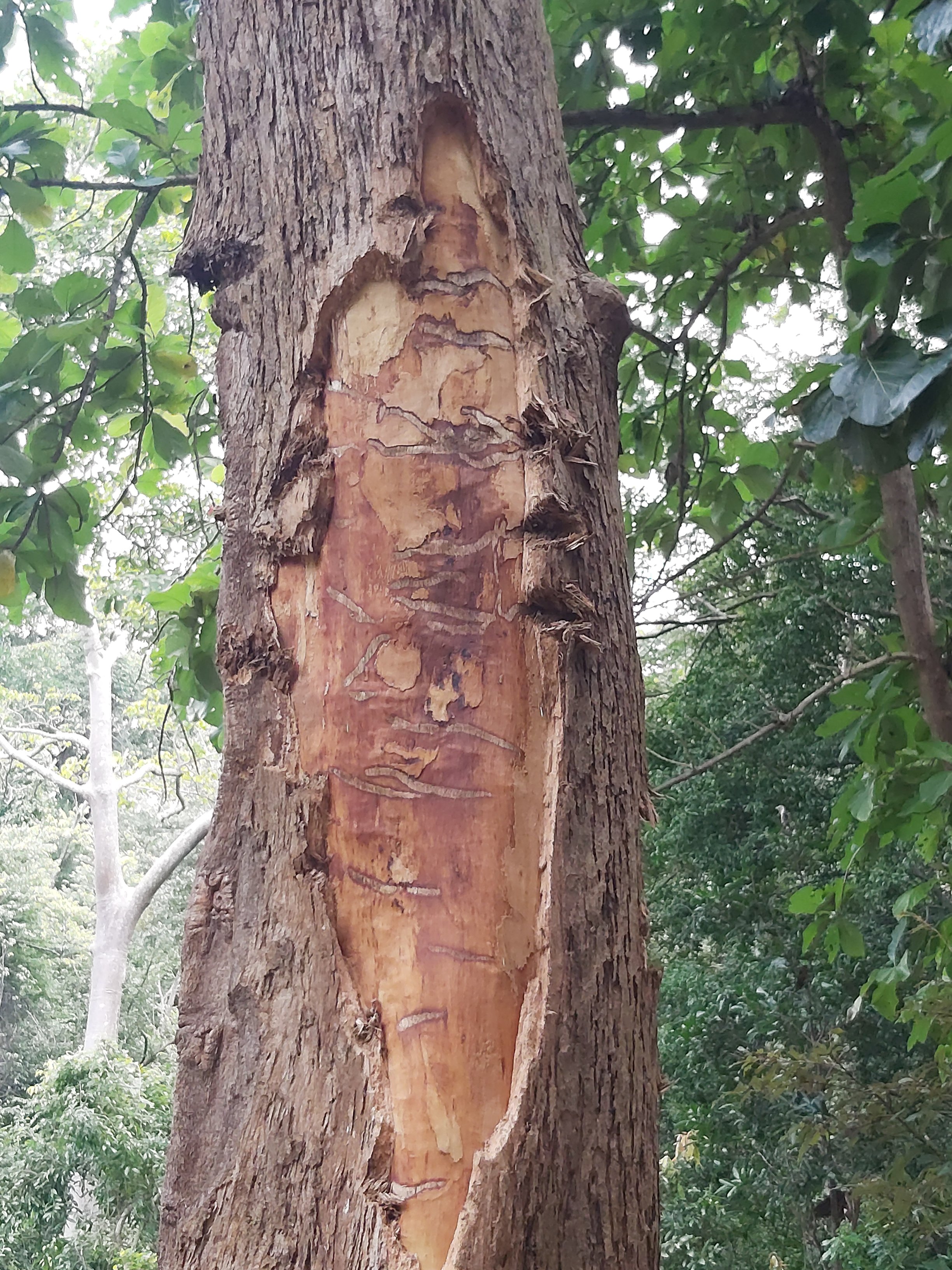
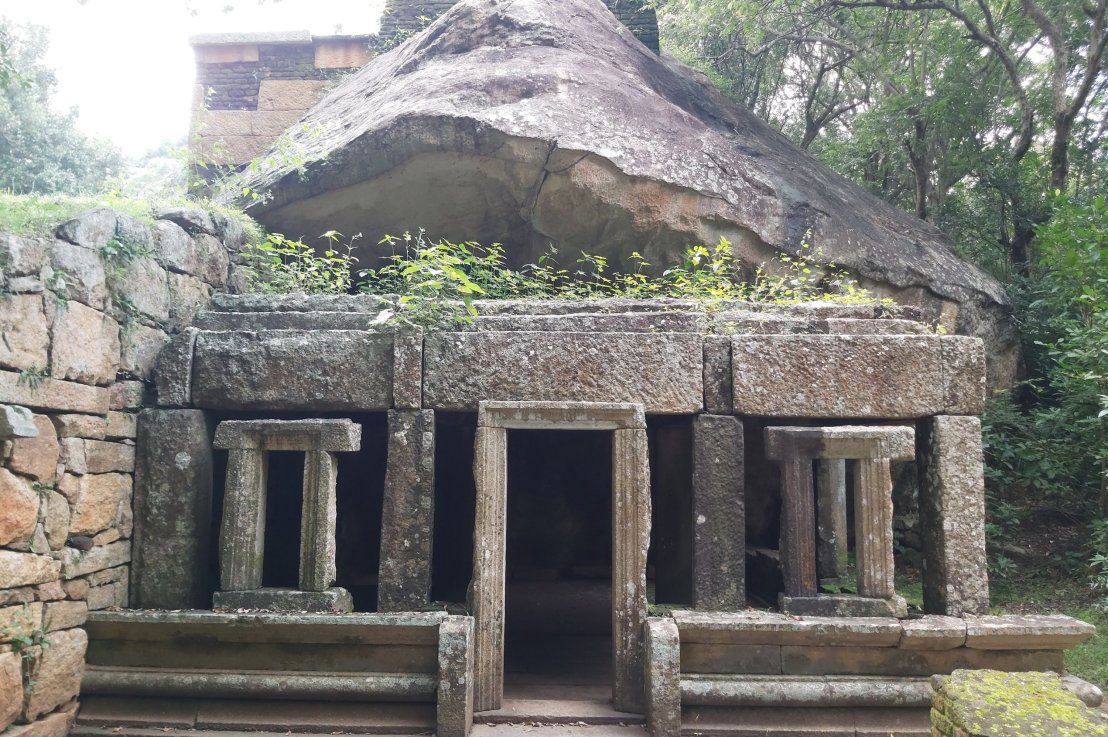
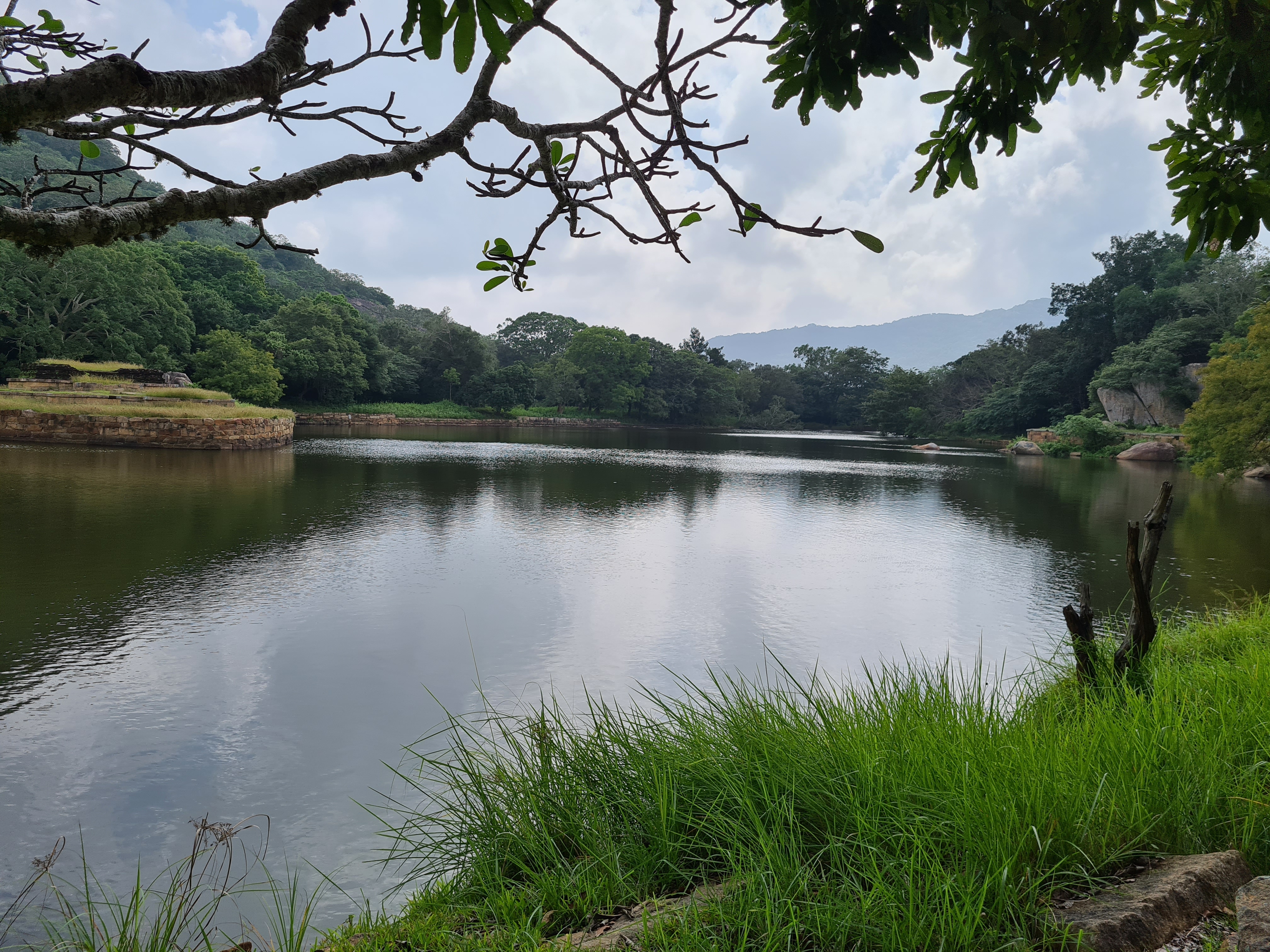
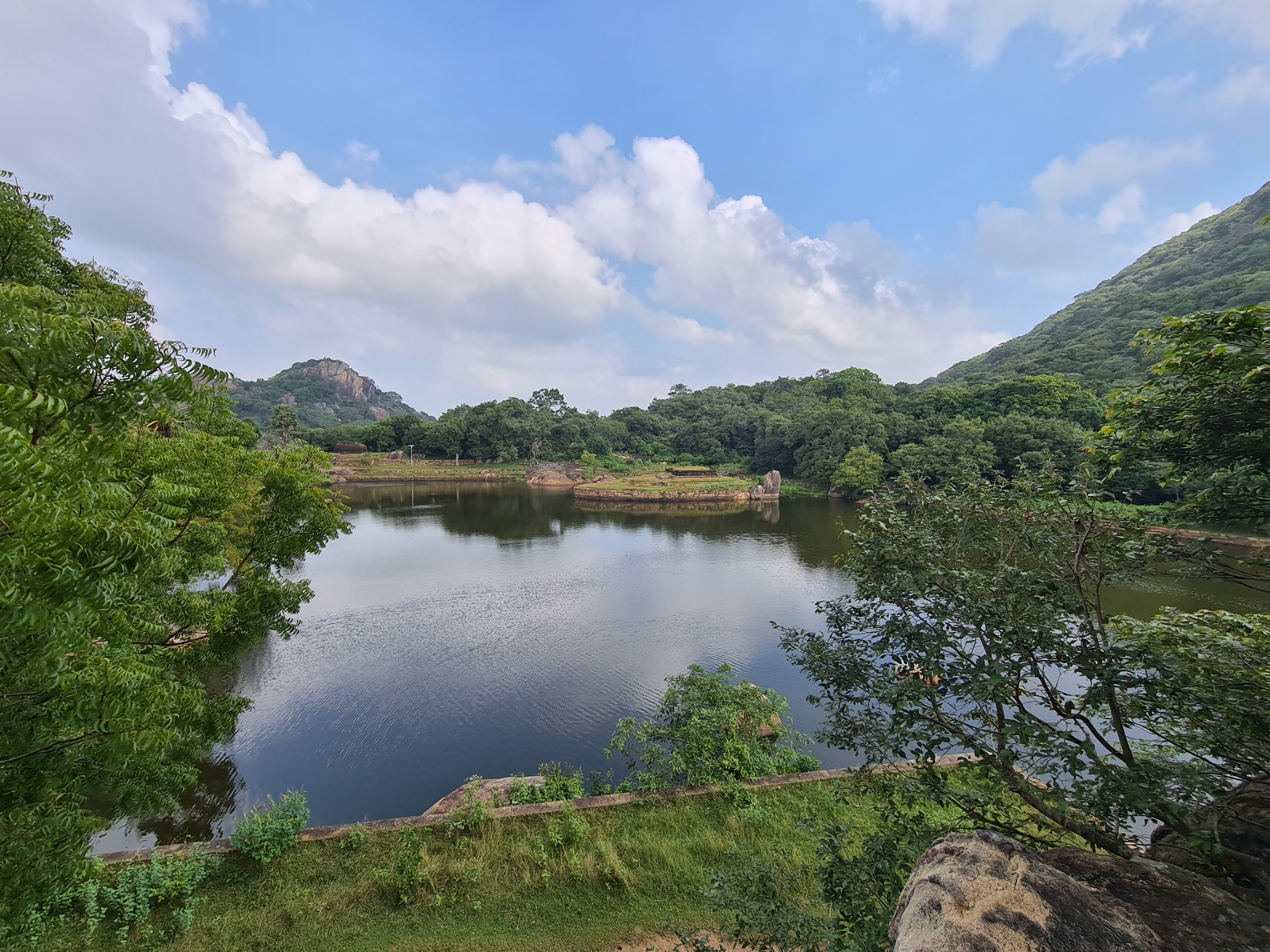
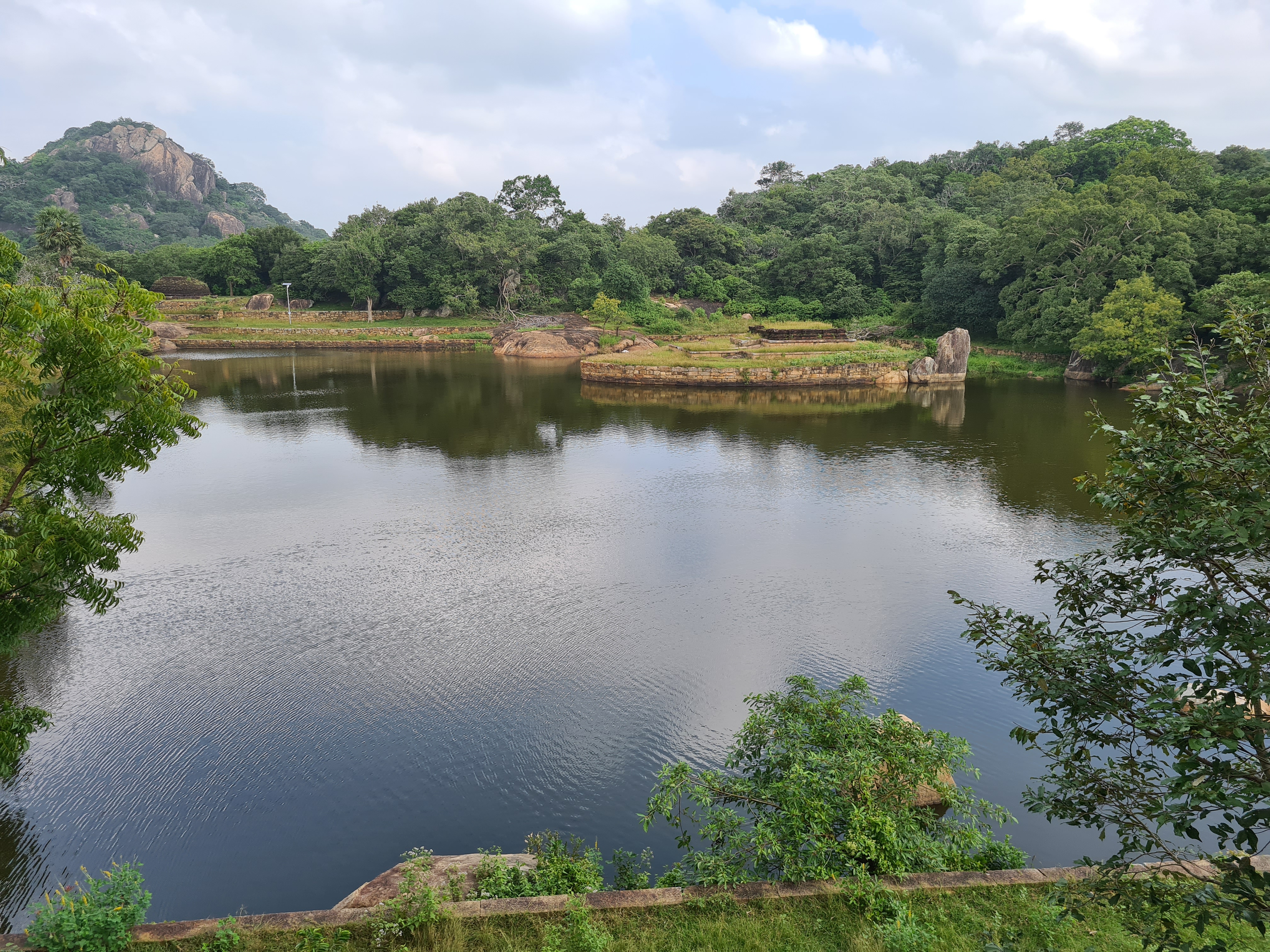
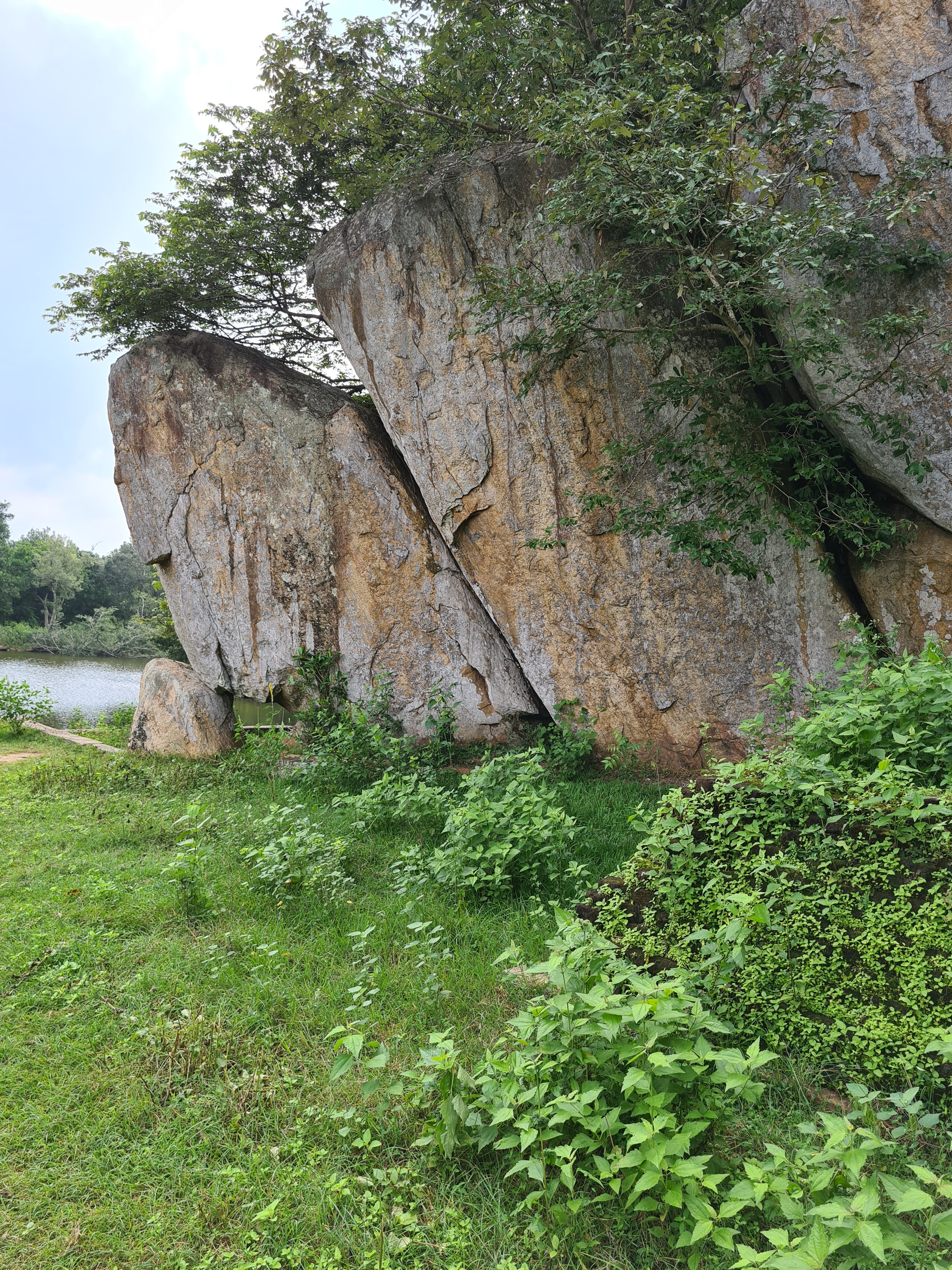
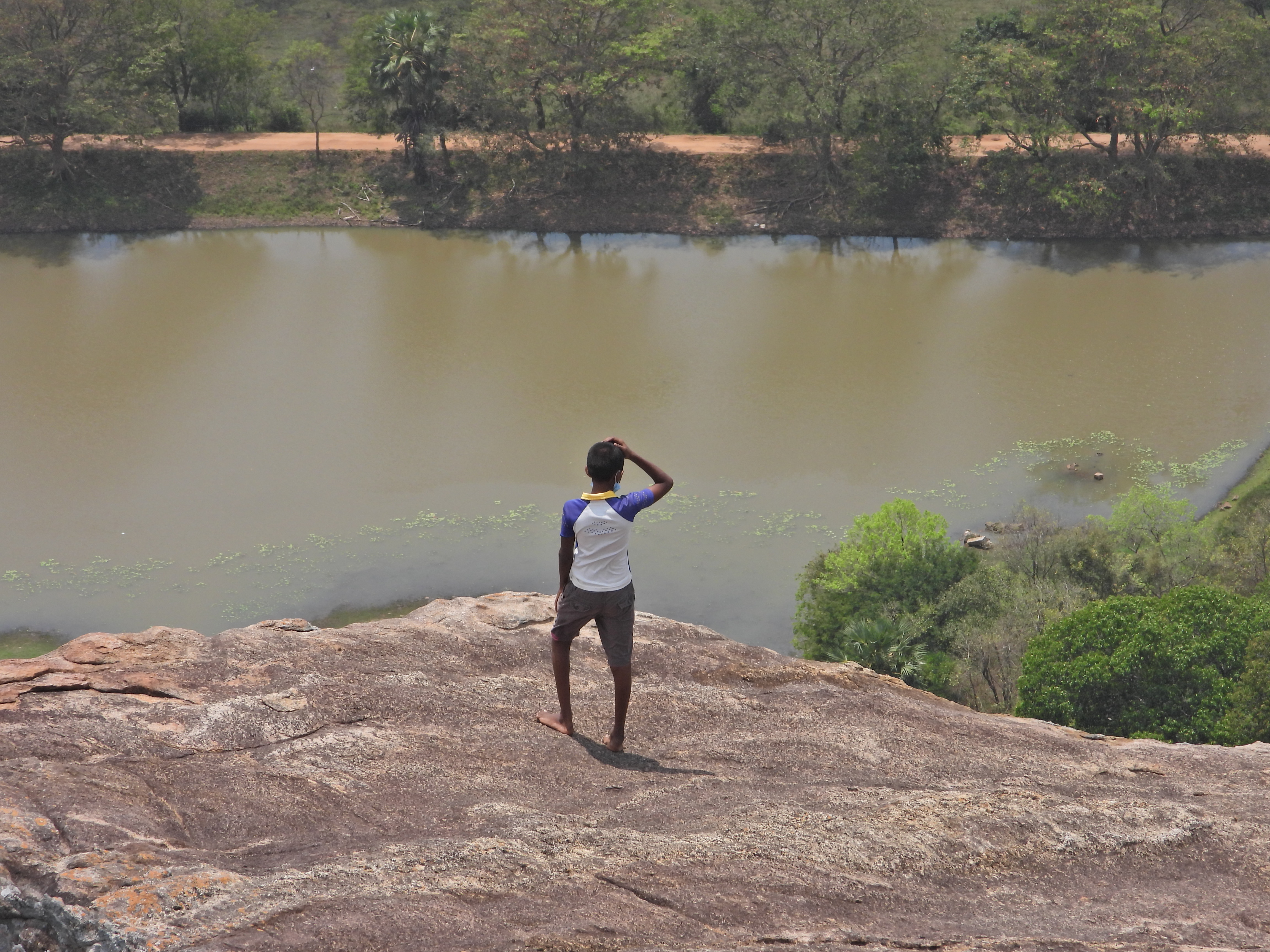
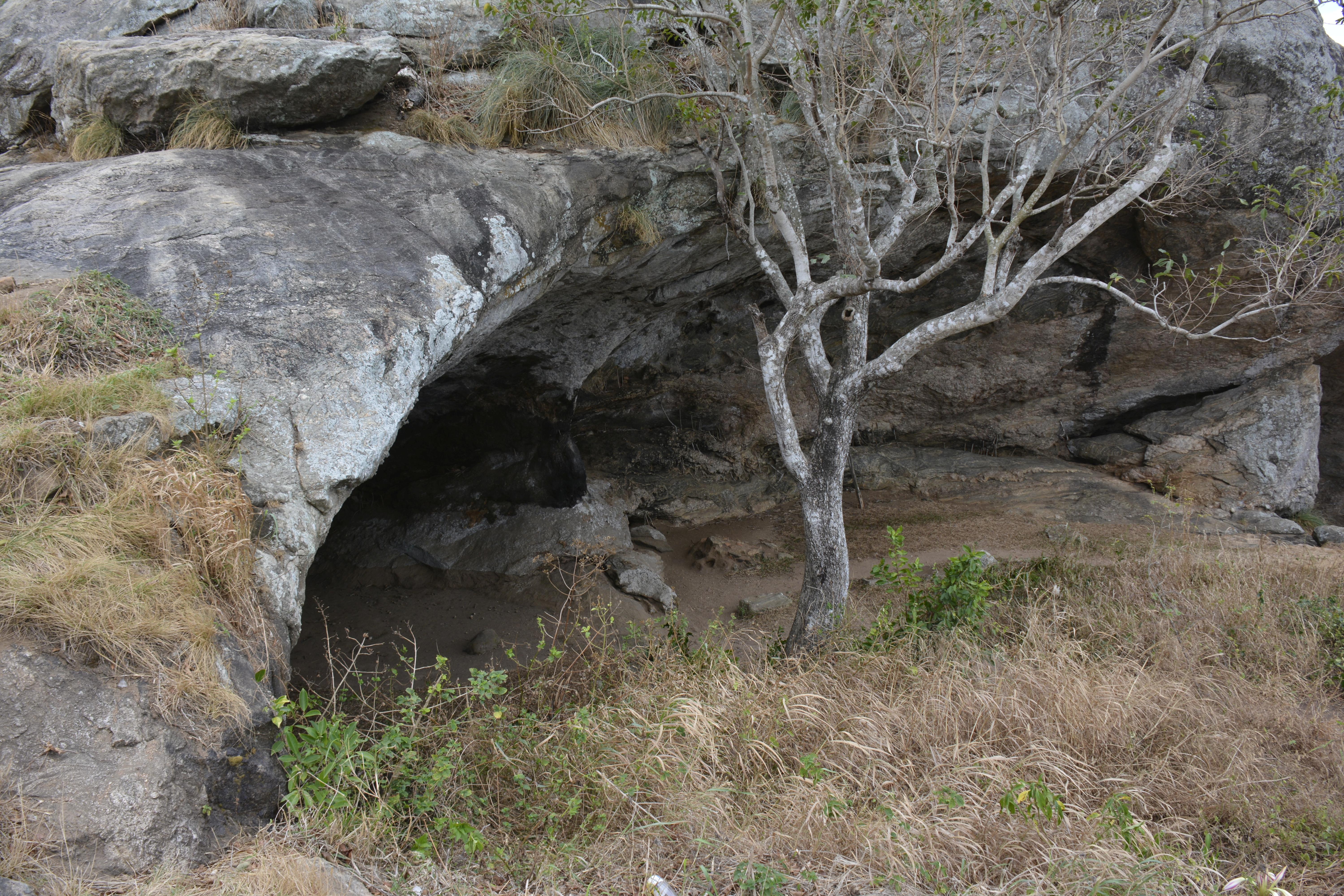
Kalu Diya Pokuna in Kandalama is not to be confused with a place with a similar name in Mihintale, Anuradhapura. The name of the place, again is derived from the the shadow of the forest and hills falling on the lake rendering the water to appear black. This place is an amazing example of cave architecture. The use of the boulders to build cave dewellings with multiple floors. The finishing used in the ancient structure are still visible in places. The whole area is reputed to contain more that 90 caves. The forest is inhabited by leopards and wild elephants who frequent the site and leave their mark on the trees.
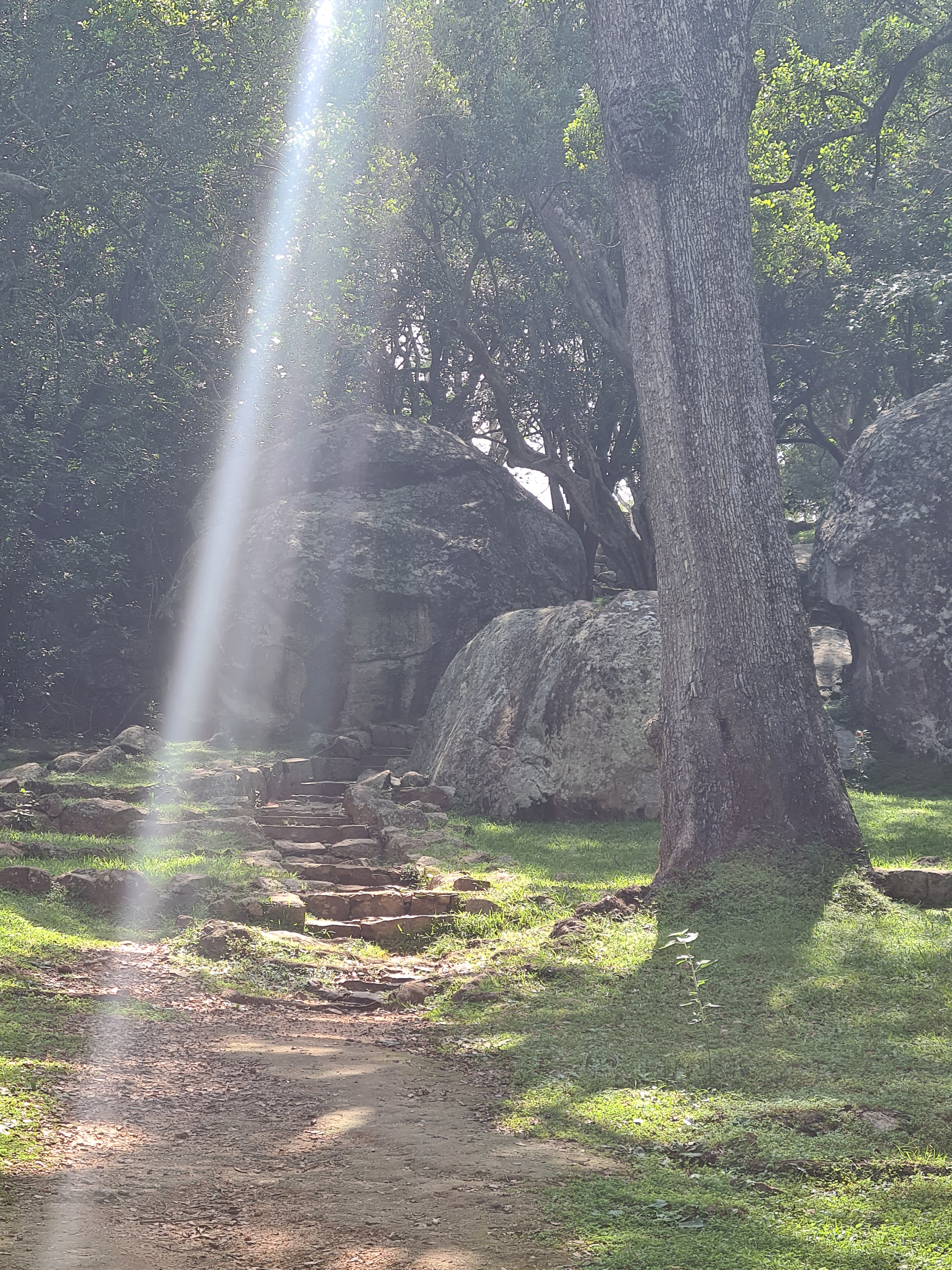
This well planned cave dewelling complex lies in the slopes of Mihintale. Kalu Diya literally means ‘black water’ a name derived from the shadow cast by the surrounding trees and boulders on the water making it appear black. The caves are well structured as living quarters with sleeping areas and sitting areas along with stone seats. The stone seats atop of rocks could have been used to preach to large gathering of monks or simply to meditate in the soothing breeze blowing across the pond.
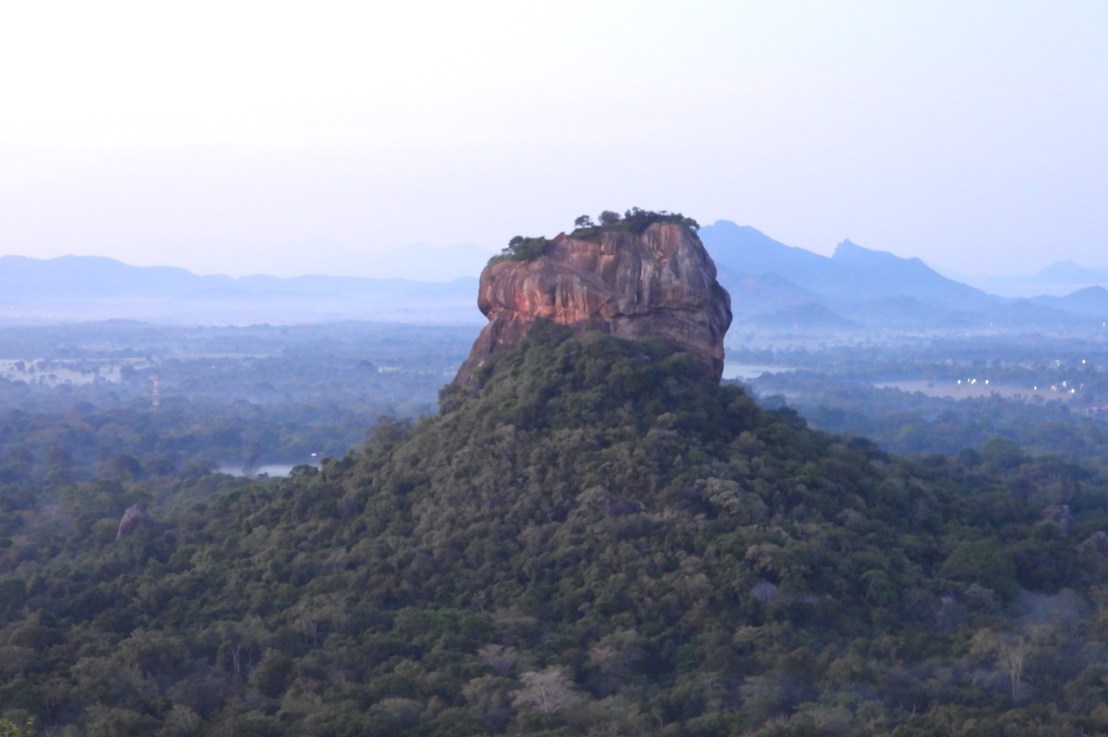
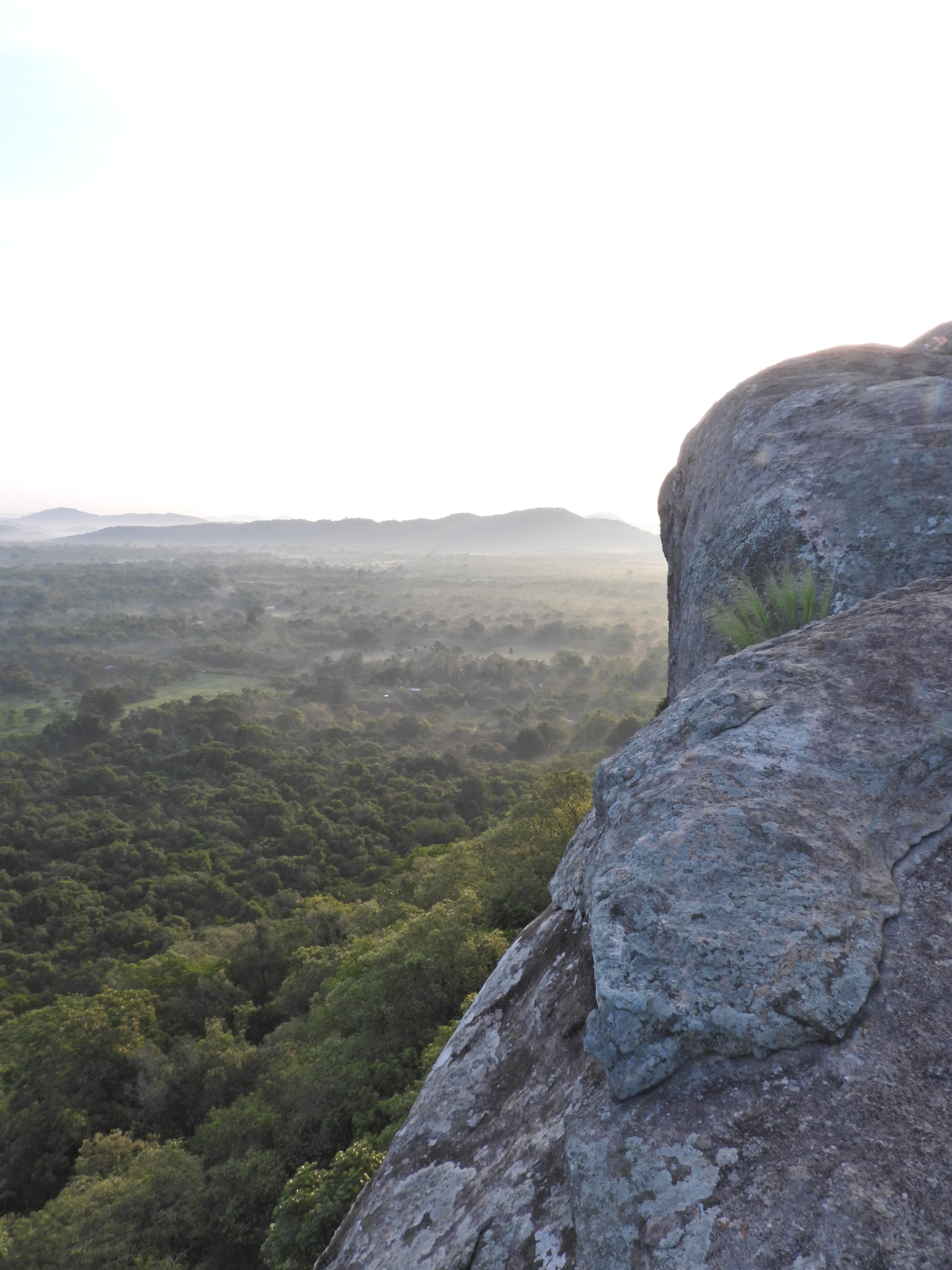
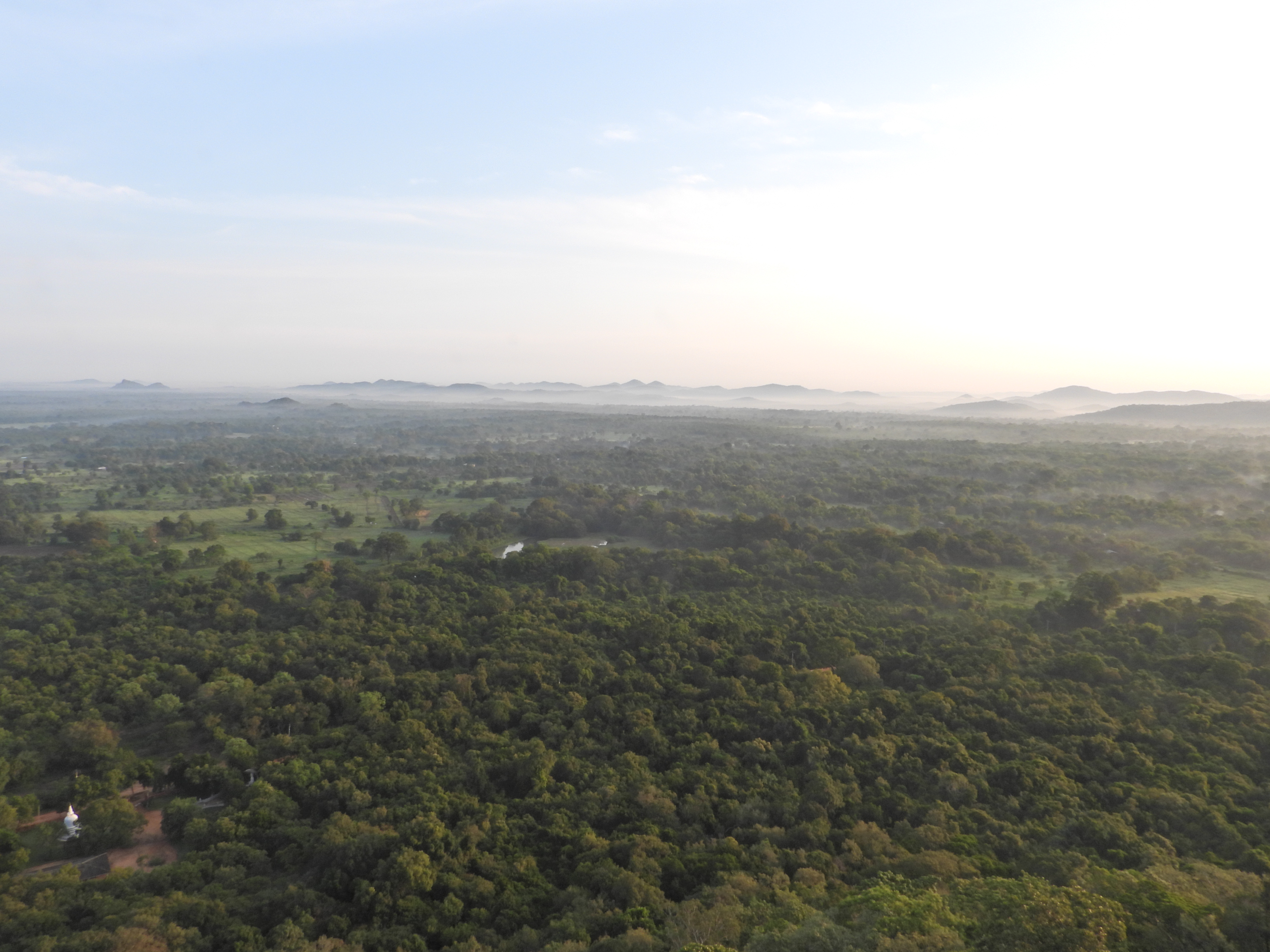
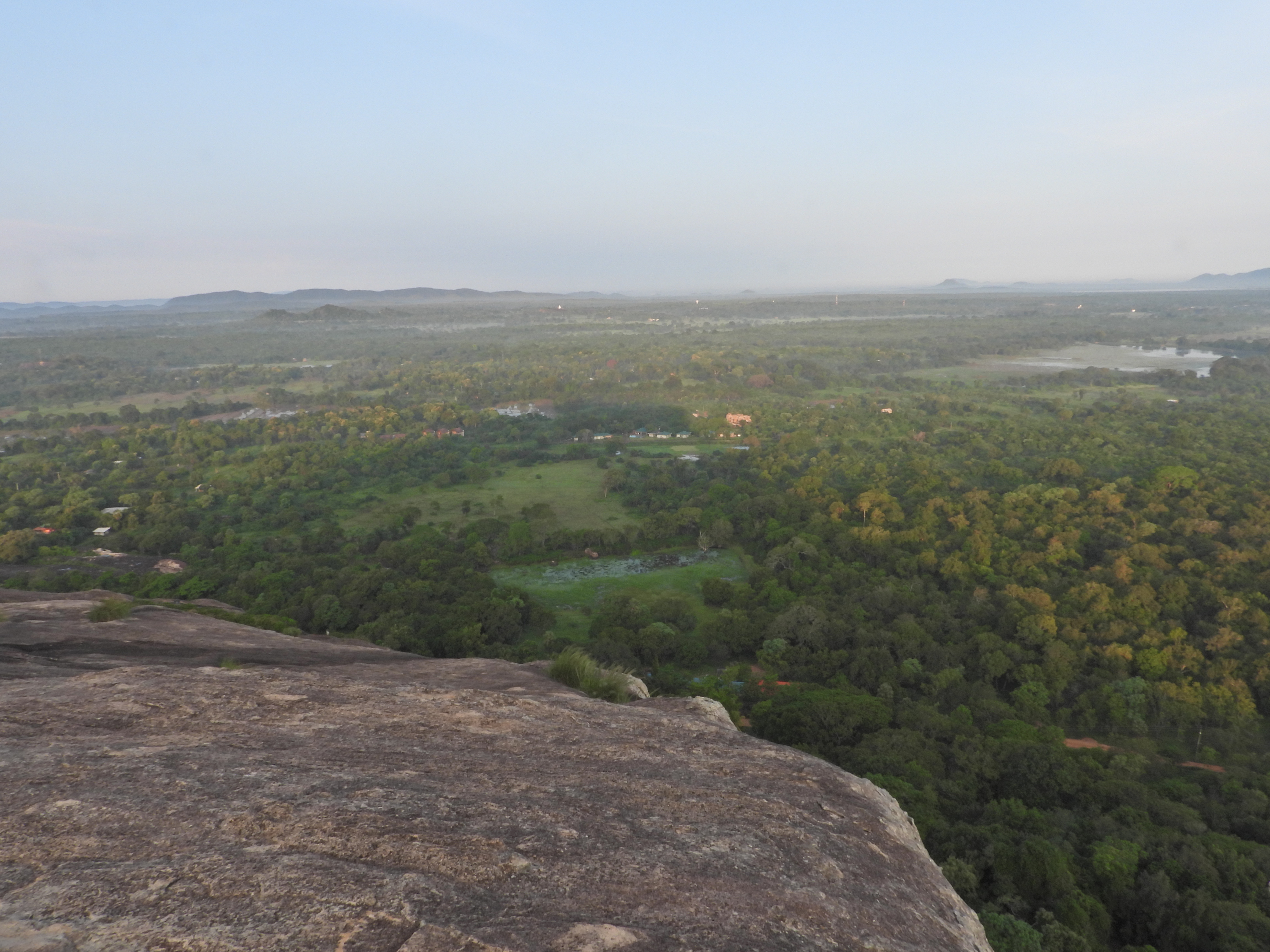
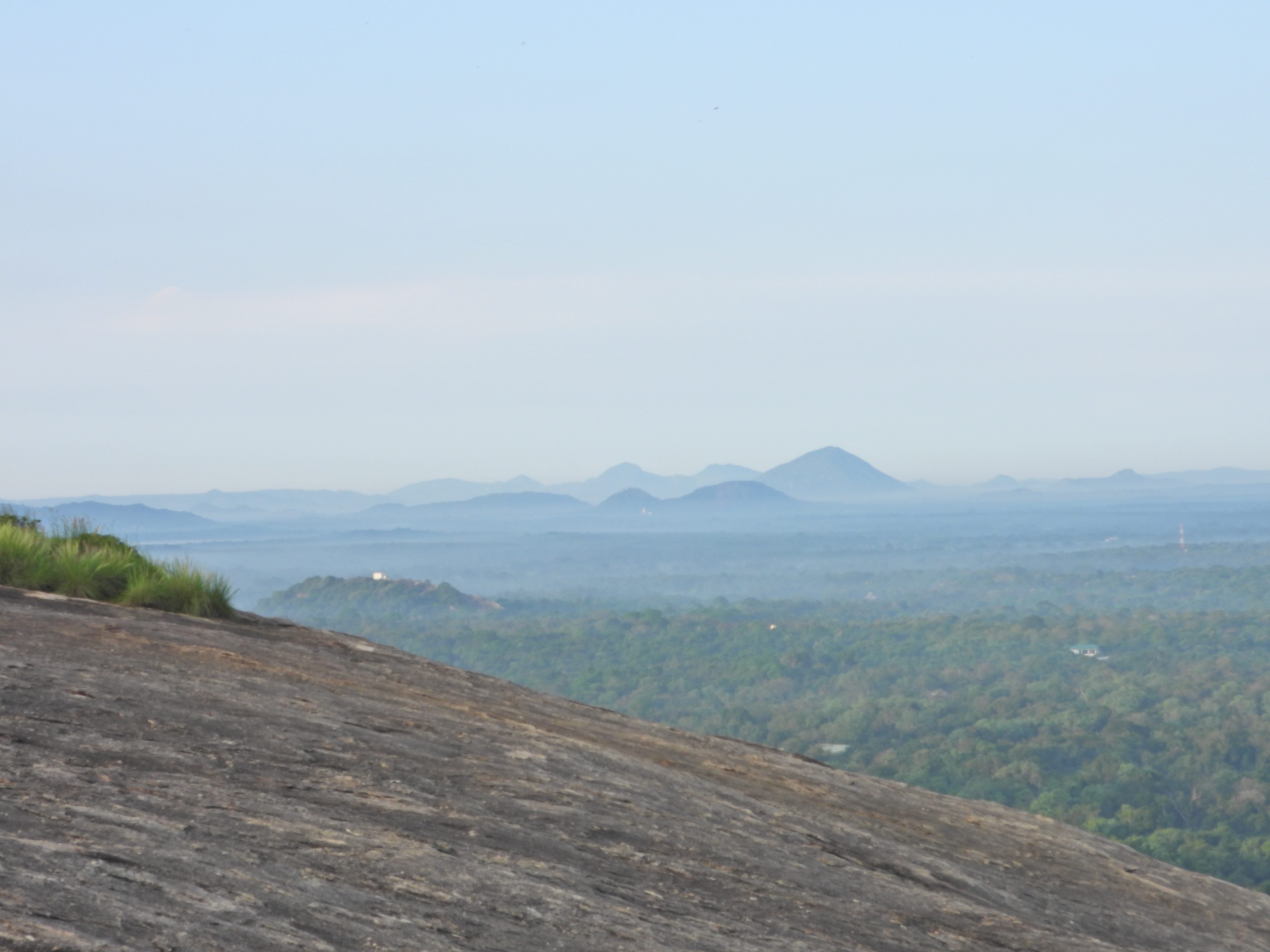
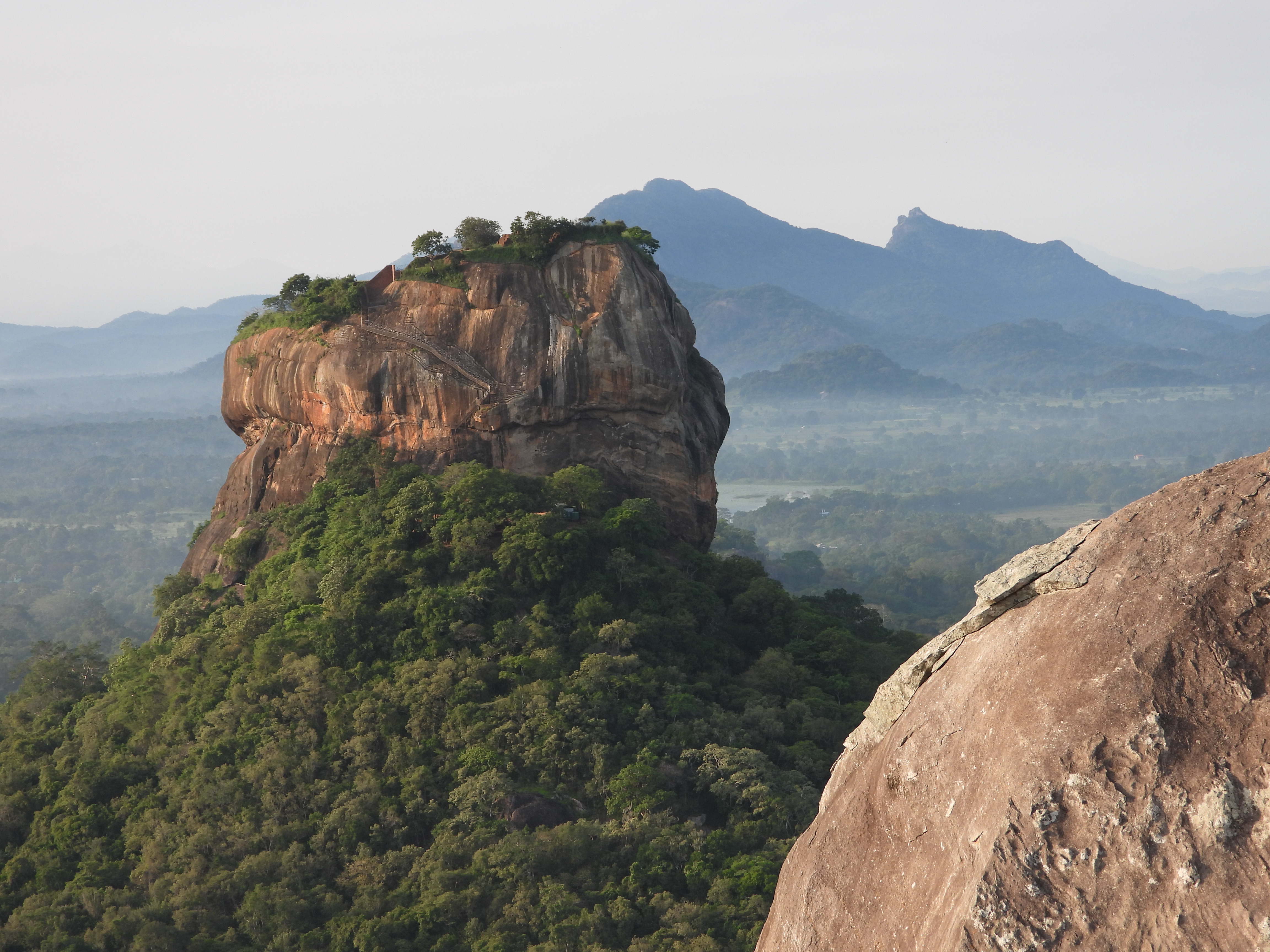
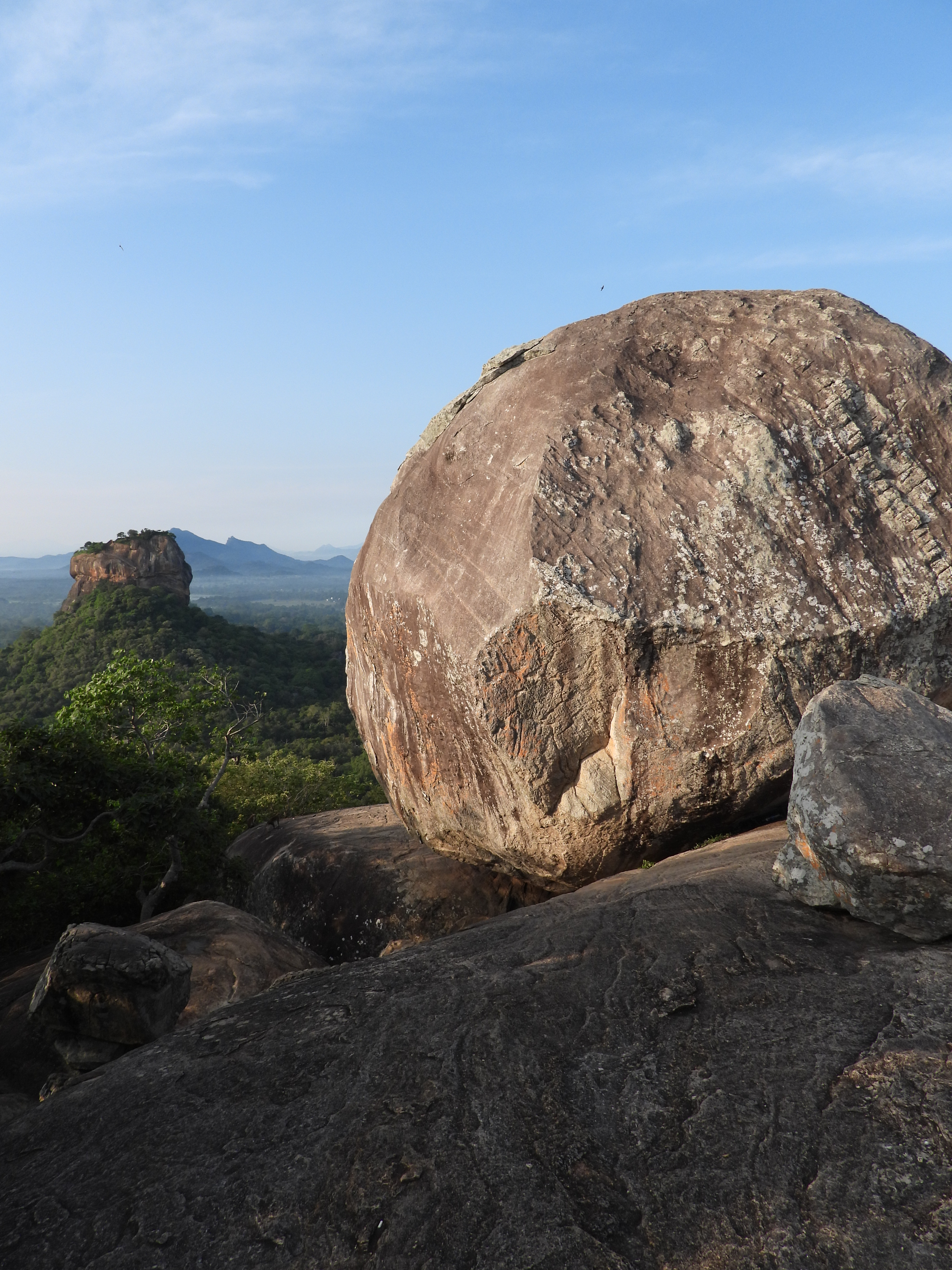
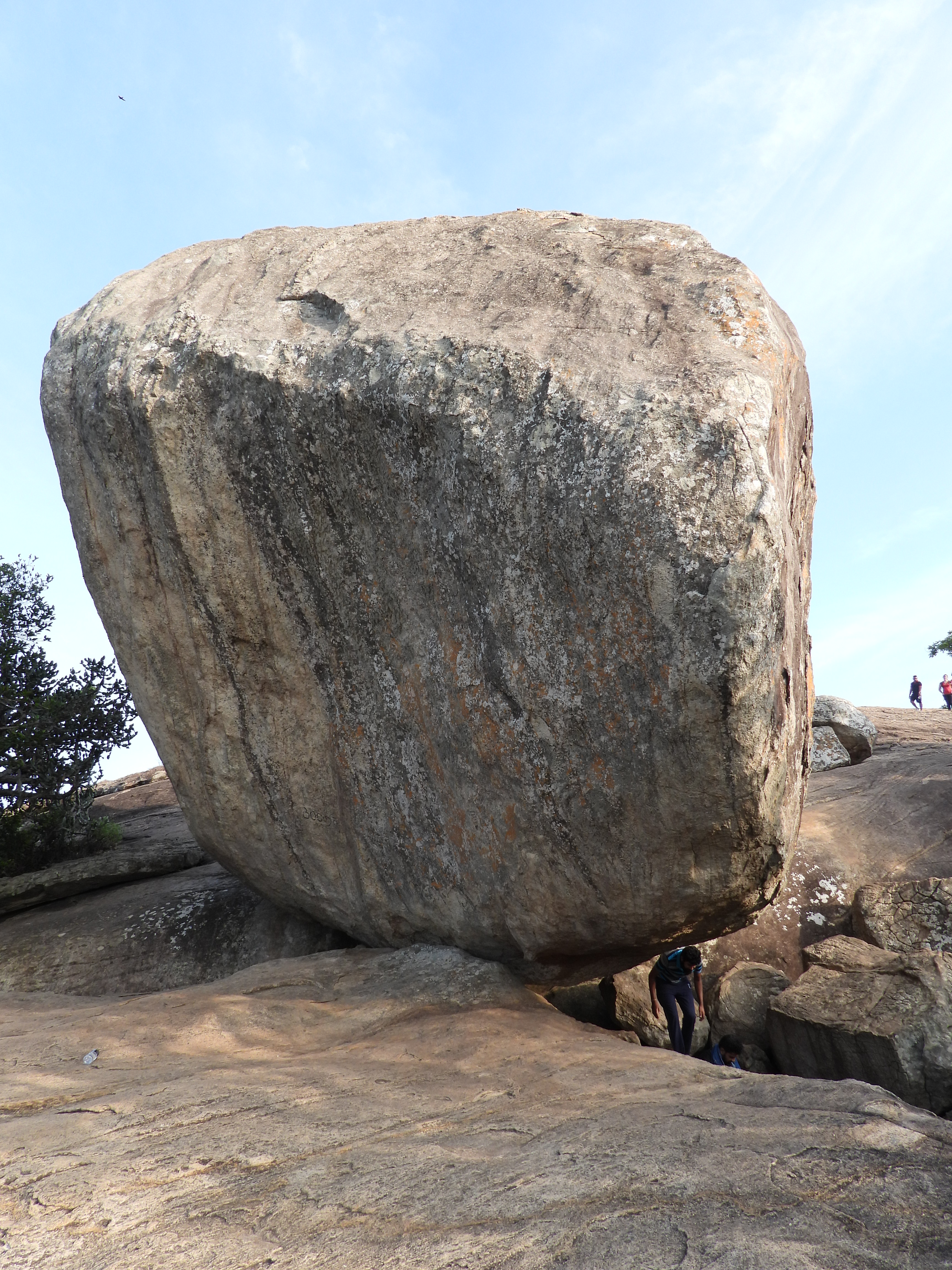
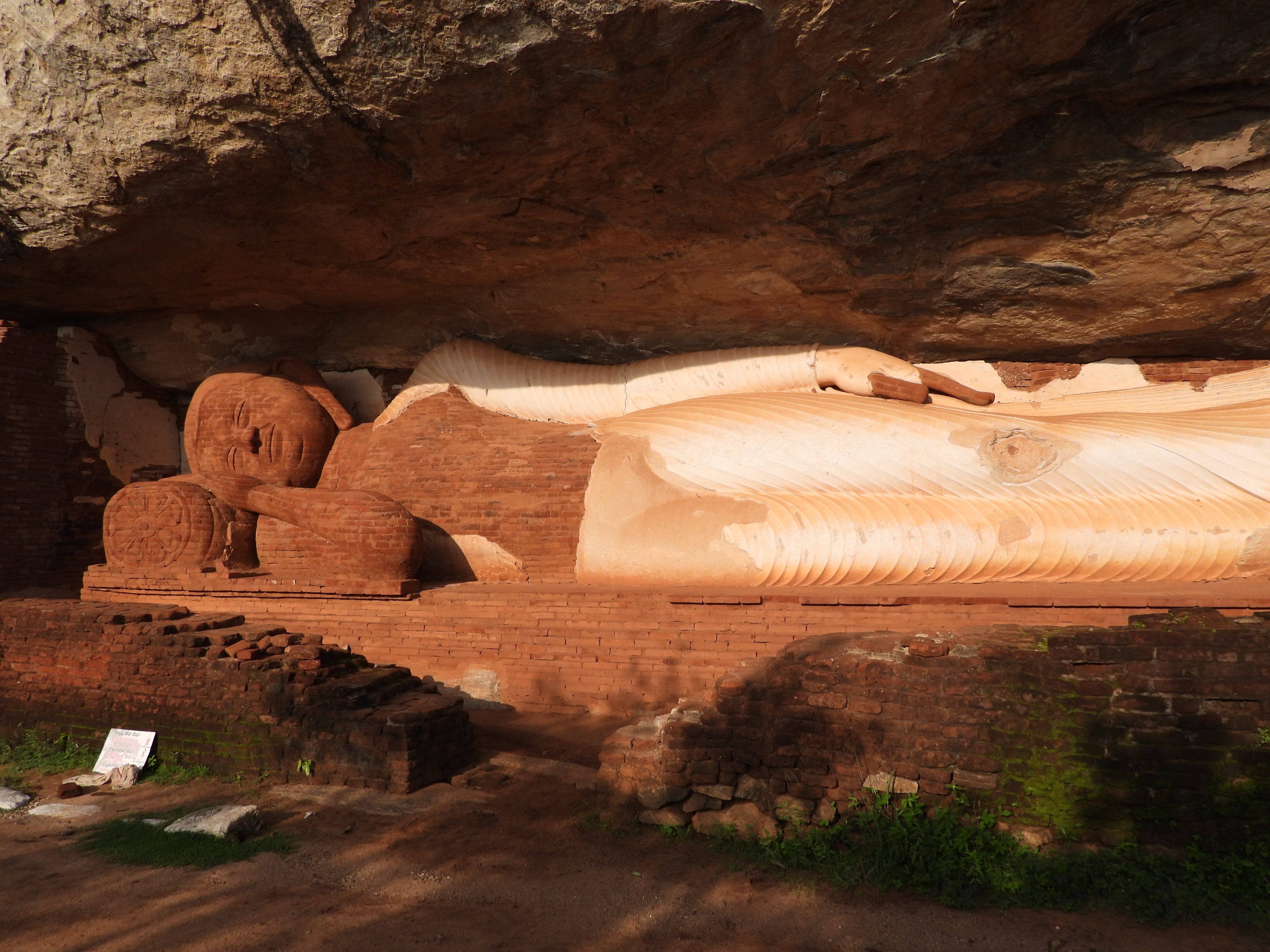
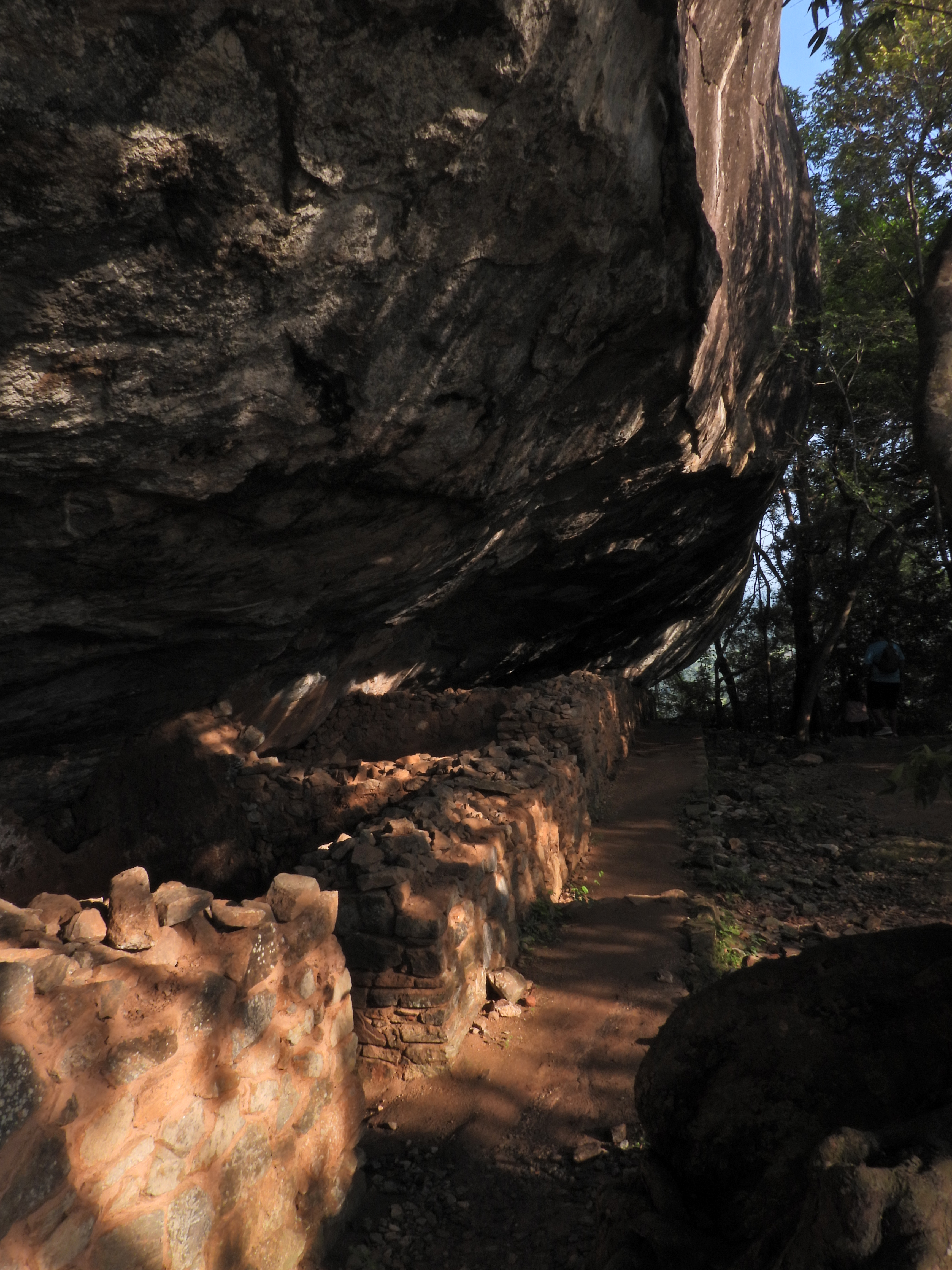
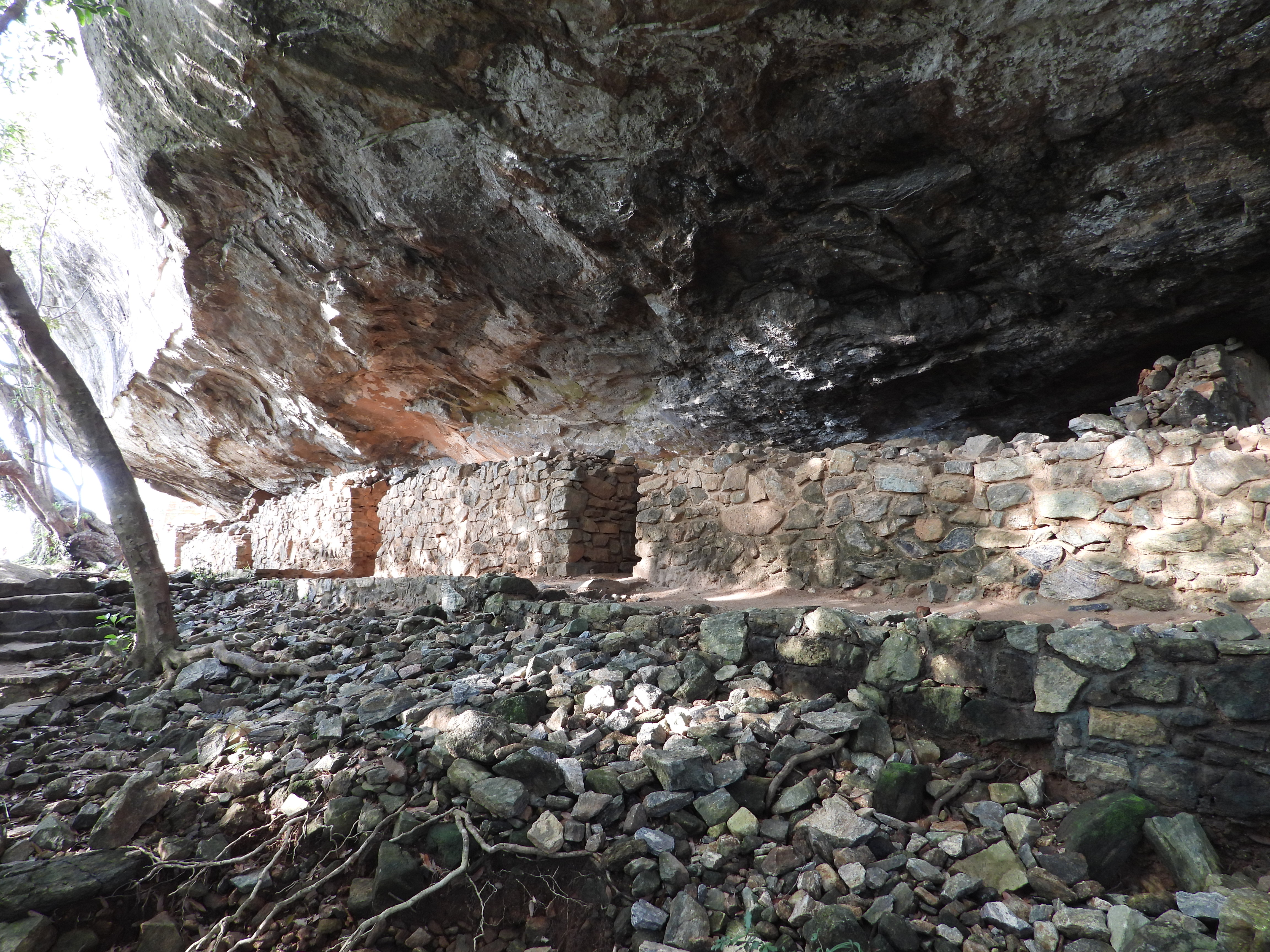
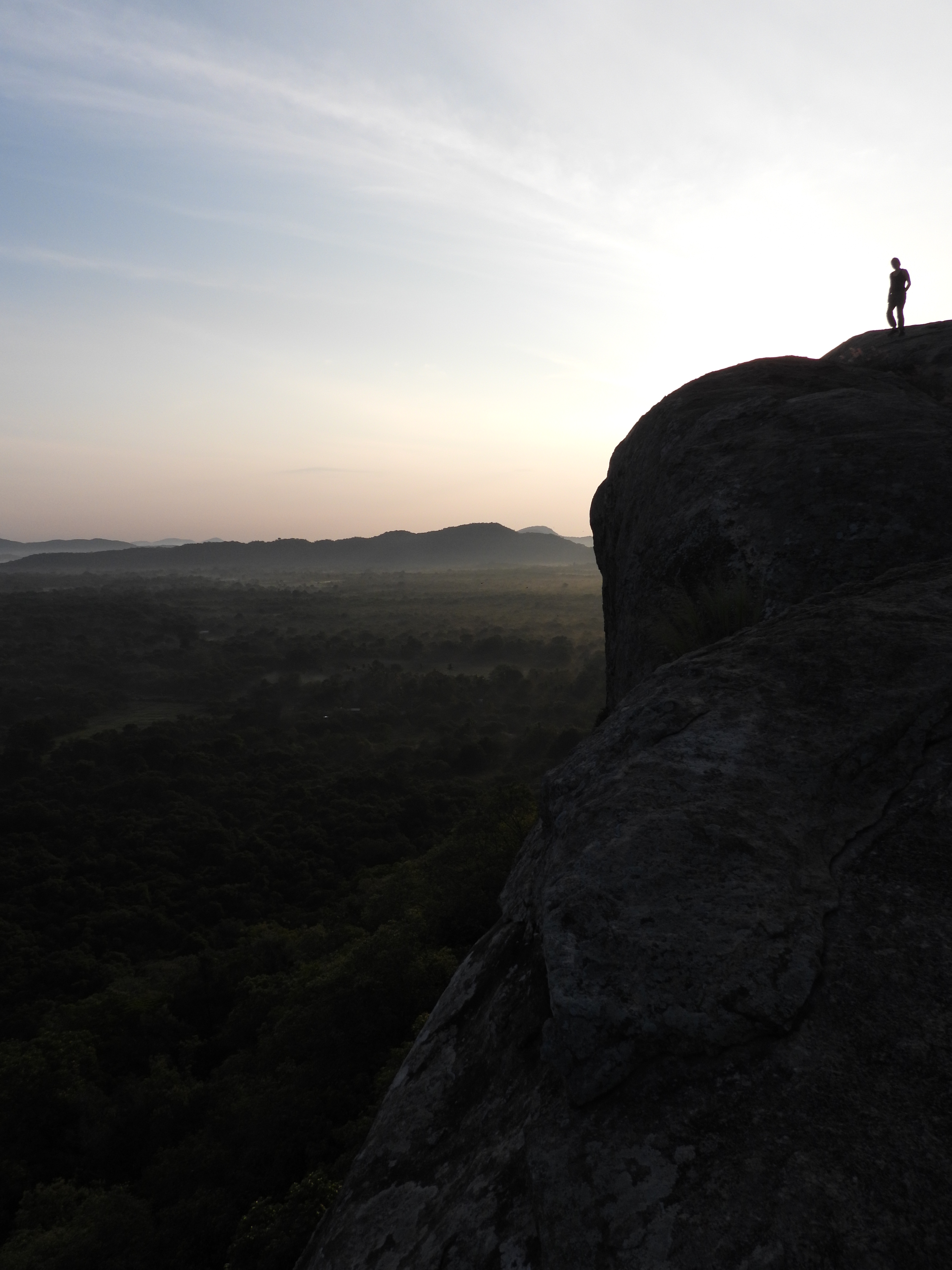
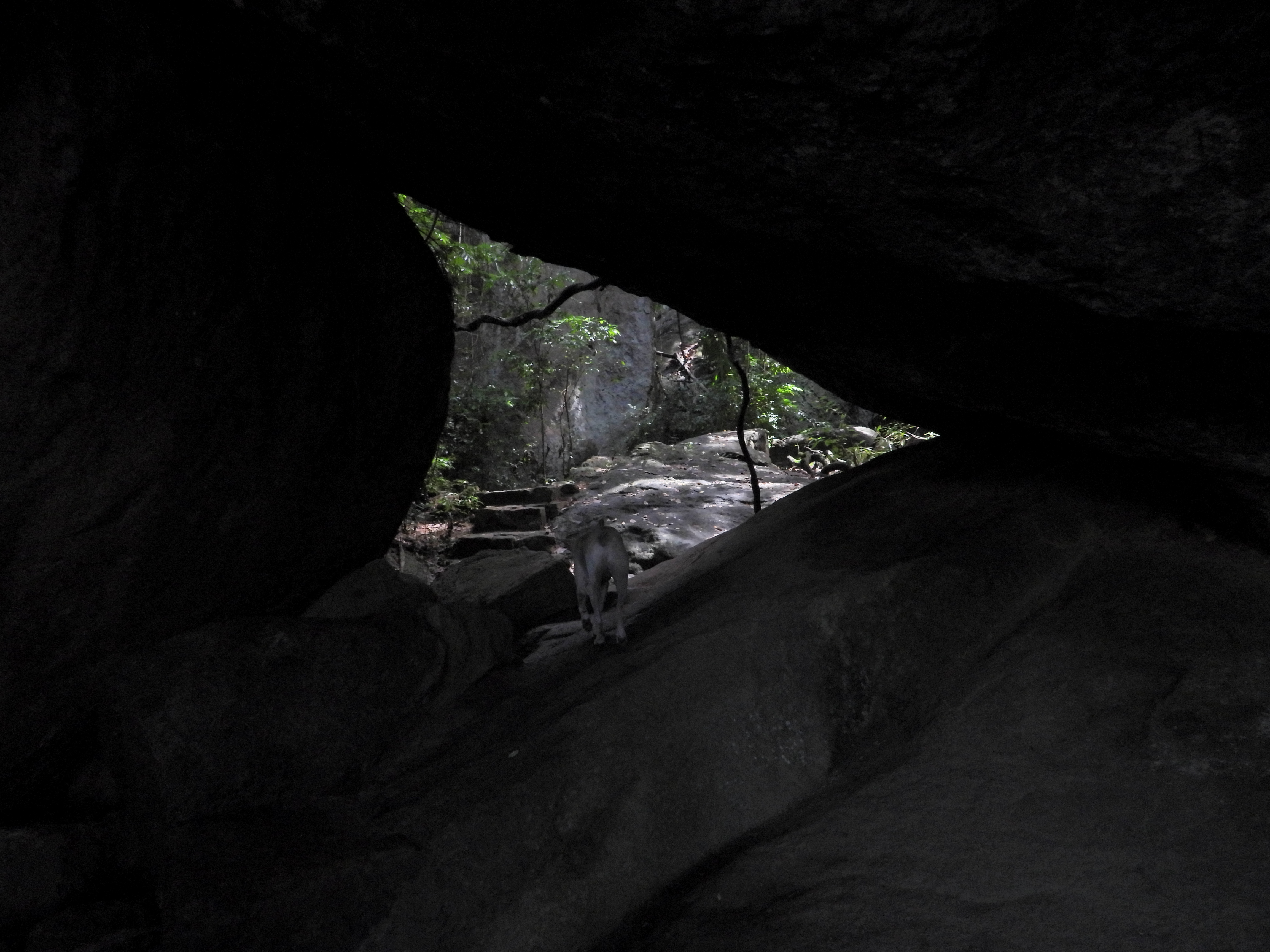
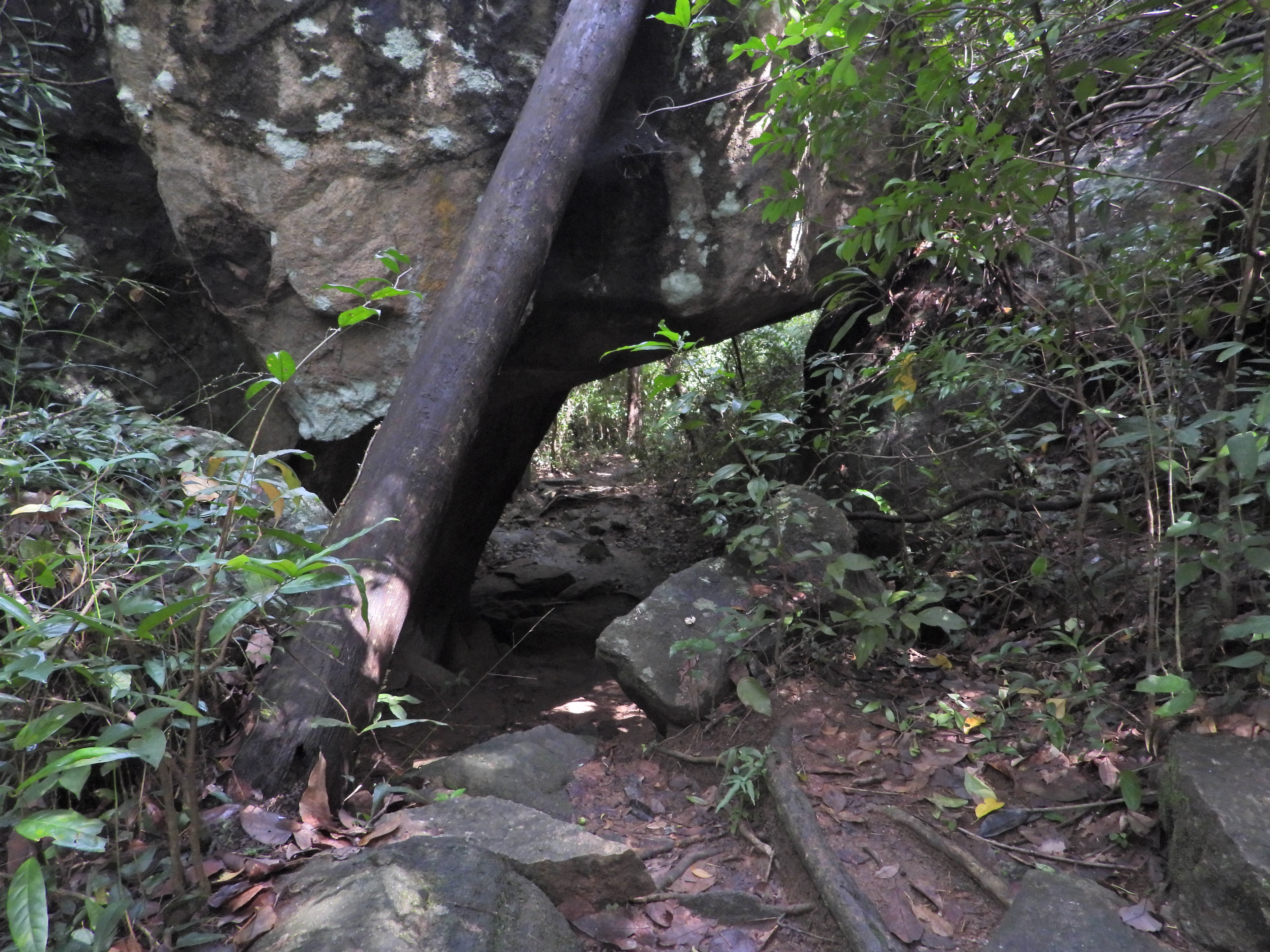
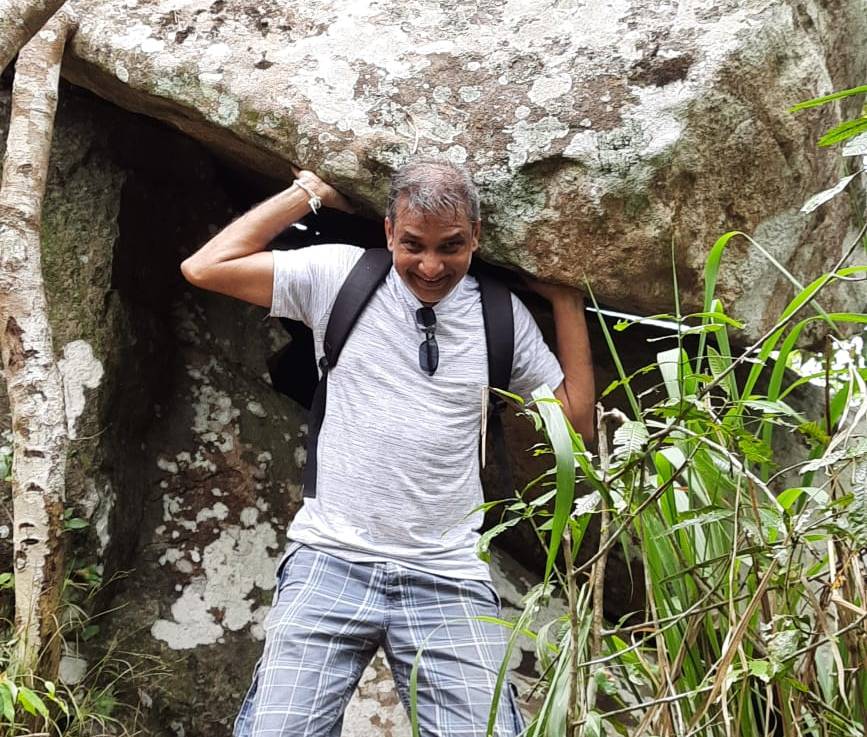
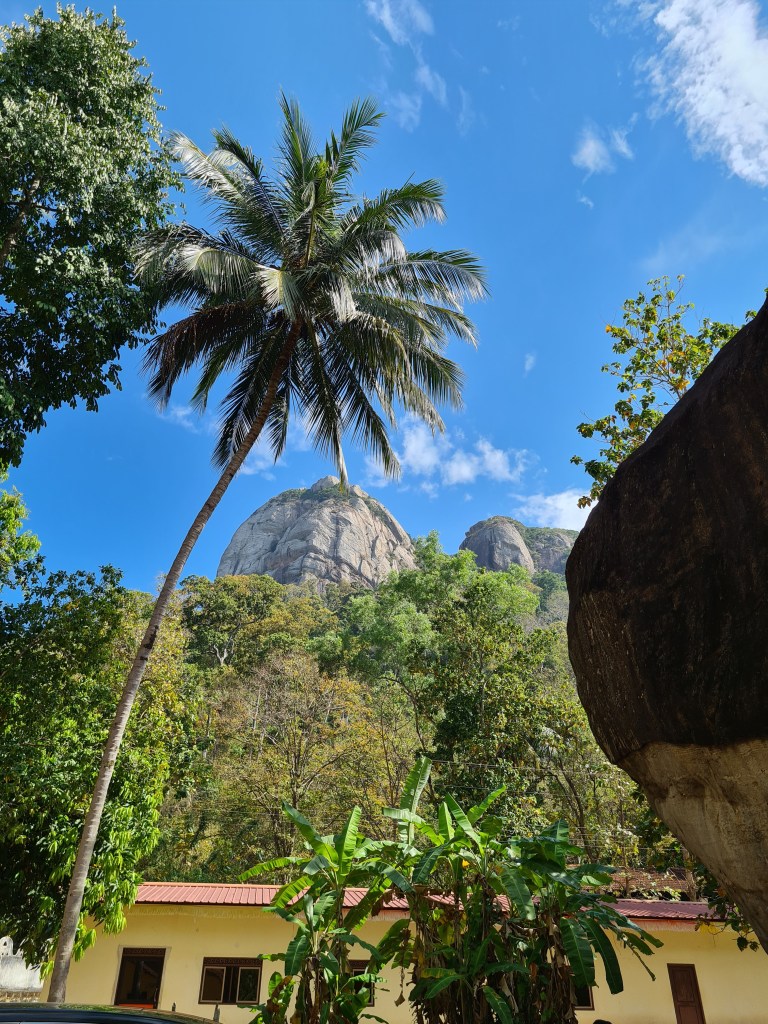
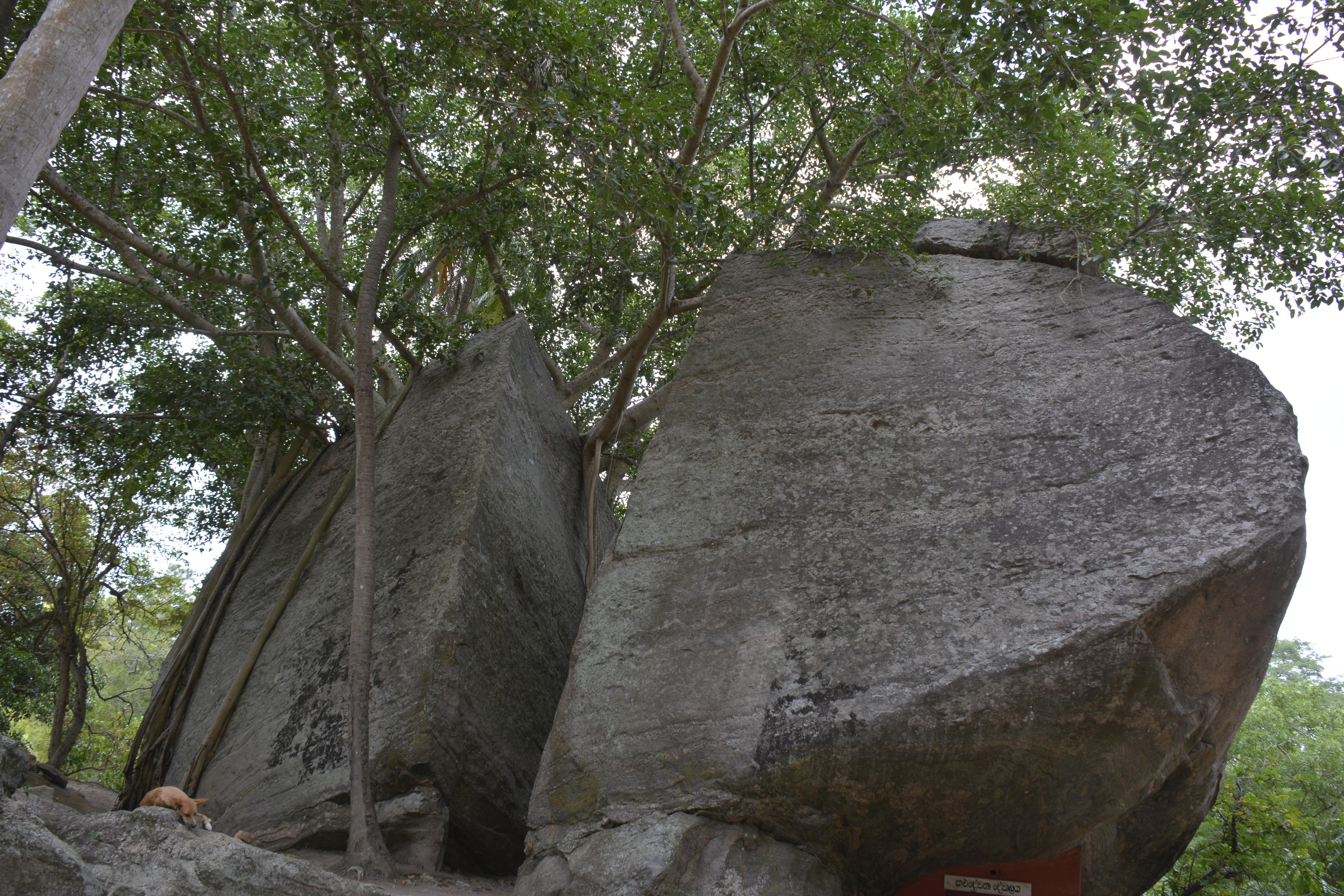
Pidurangala is a rock out crop next to the famed 8th wonder of the ancient world, Sigiriya Rock Fotress. It is said that the Sigirya rock was inhabited by Monks, when King Kashyapa discovered it and wanted to convert it to his citadel. Hence he made arrangements for the monks to be moved to Pidurangala rock. The caves bear evidence of separate units for monks which even now is fantastically cool. The giant sleeping buddha statue further points to the religious inhabitants and royal patronage. The Climb to the top is not difficult but not a cake walk either. The best part is creeping under a giant boulder to reach the top.
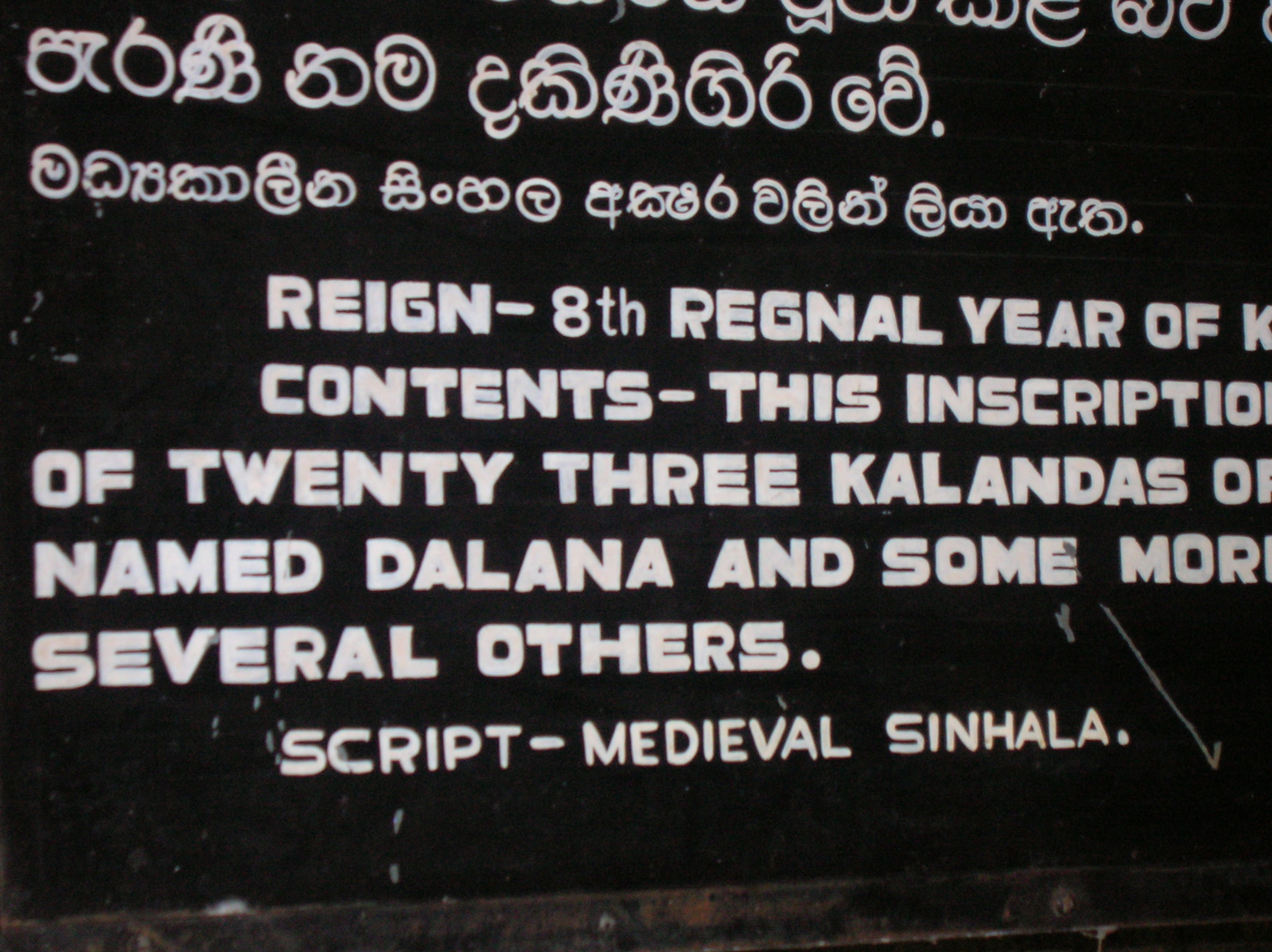
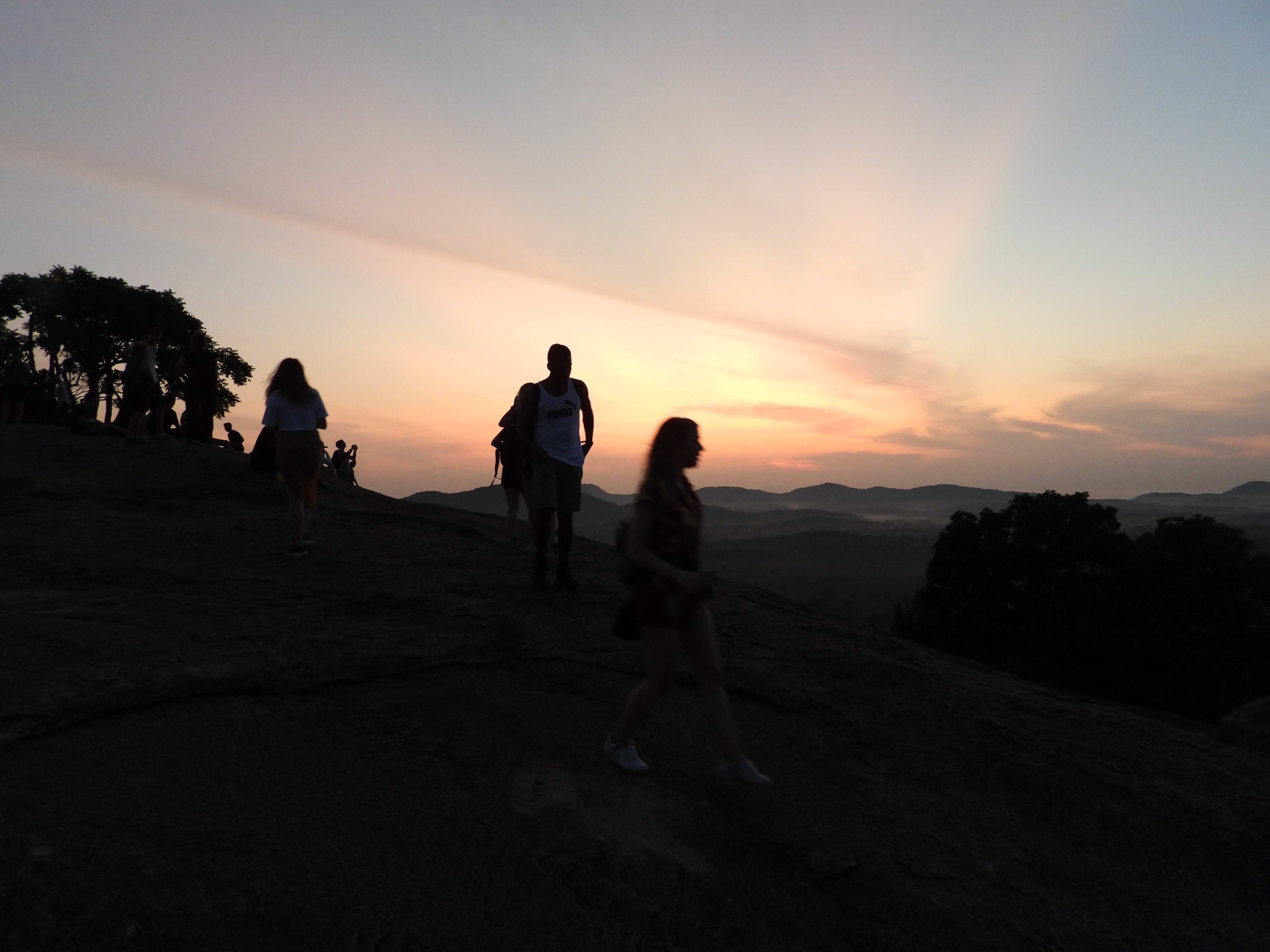
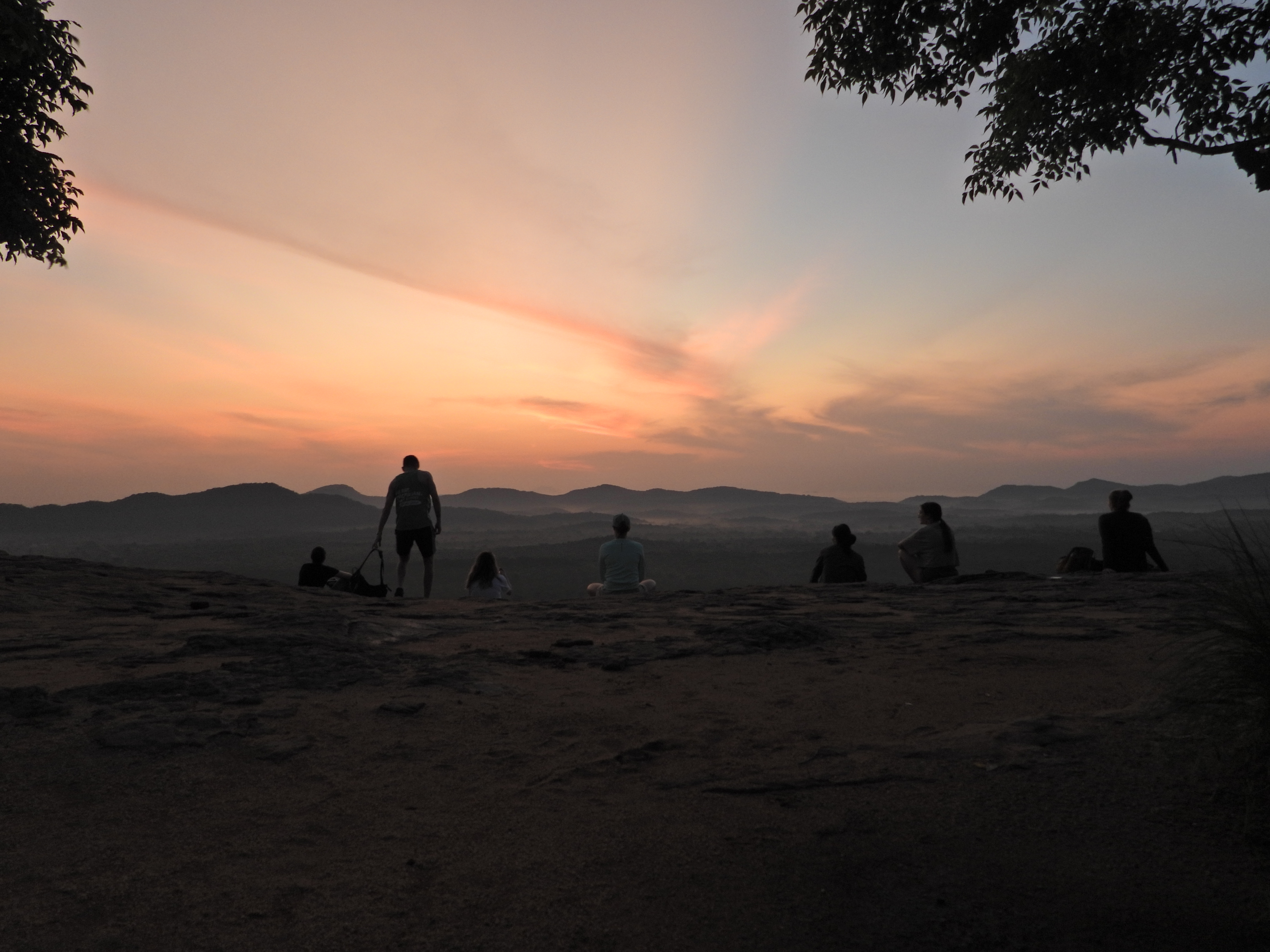
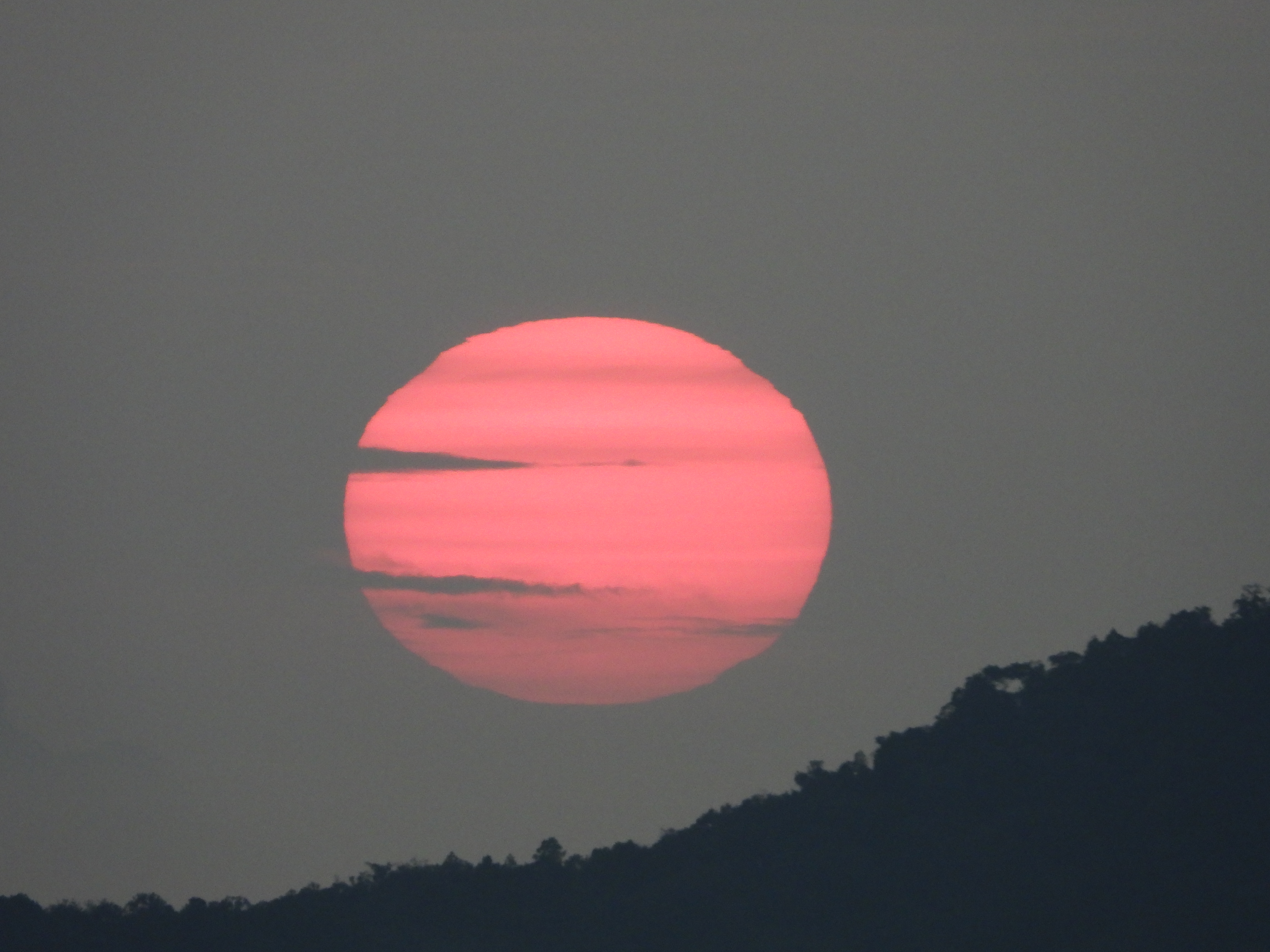
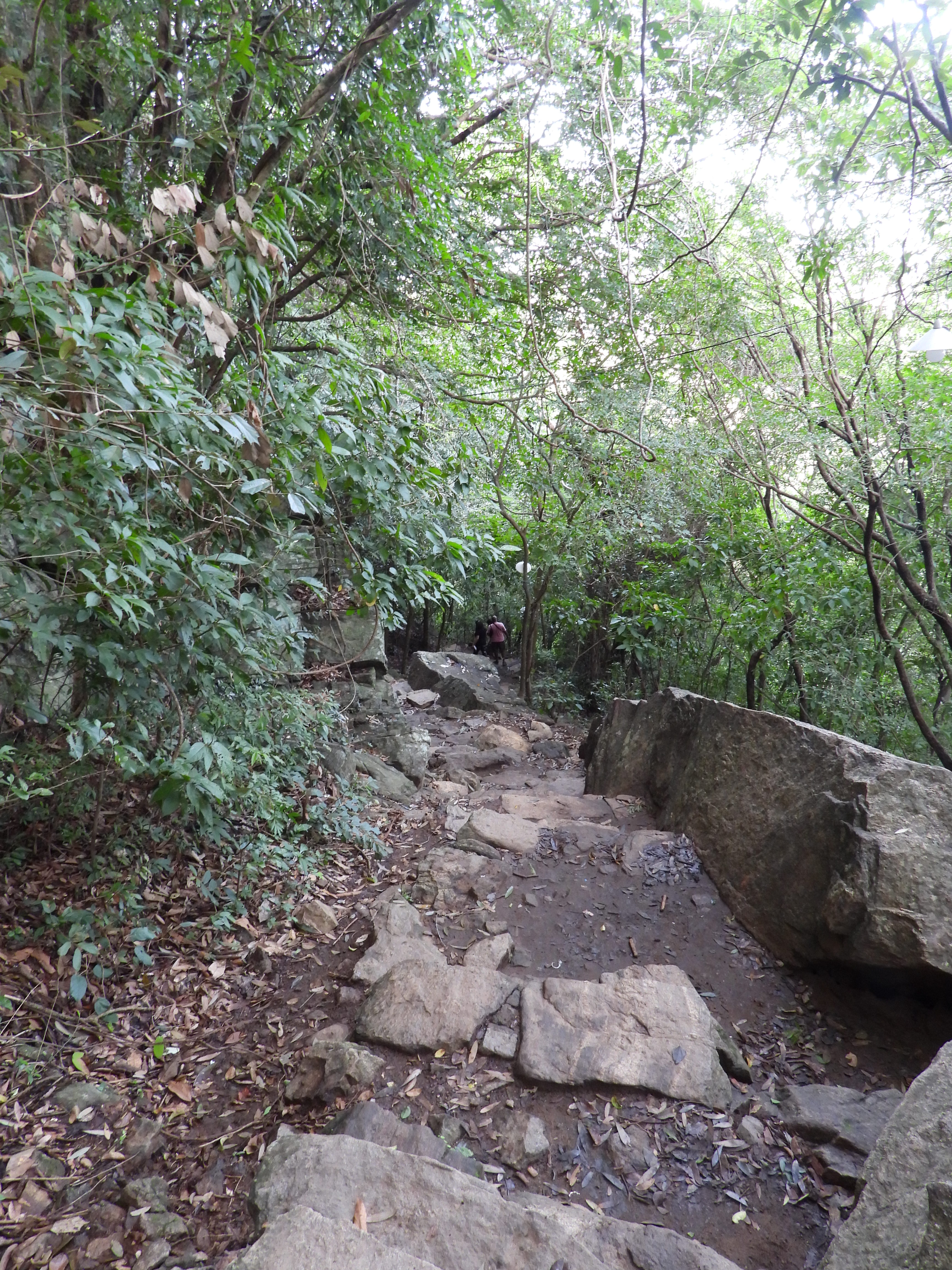
The entrance is through the Pidurangala viharaya. Tickets needs to be obtained prior to the climb. The Cave temple with its ancient script etched into the rock is worth a visit. The best time to climb is before dawn to witness the sunrise. Ensure you carry a torch with you, if its wearable its better since at certain place you need both hands to navigate over boulders. There is no paved path, but judiciously placed arrows are tricky places helps. Better not to climb alone, however at most times there are others who are climbing, one can go along with them.
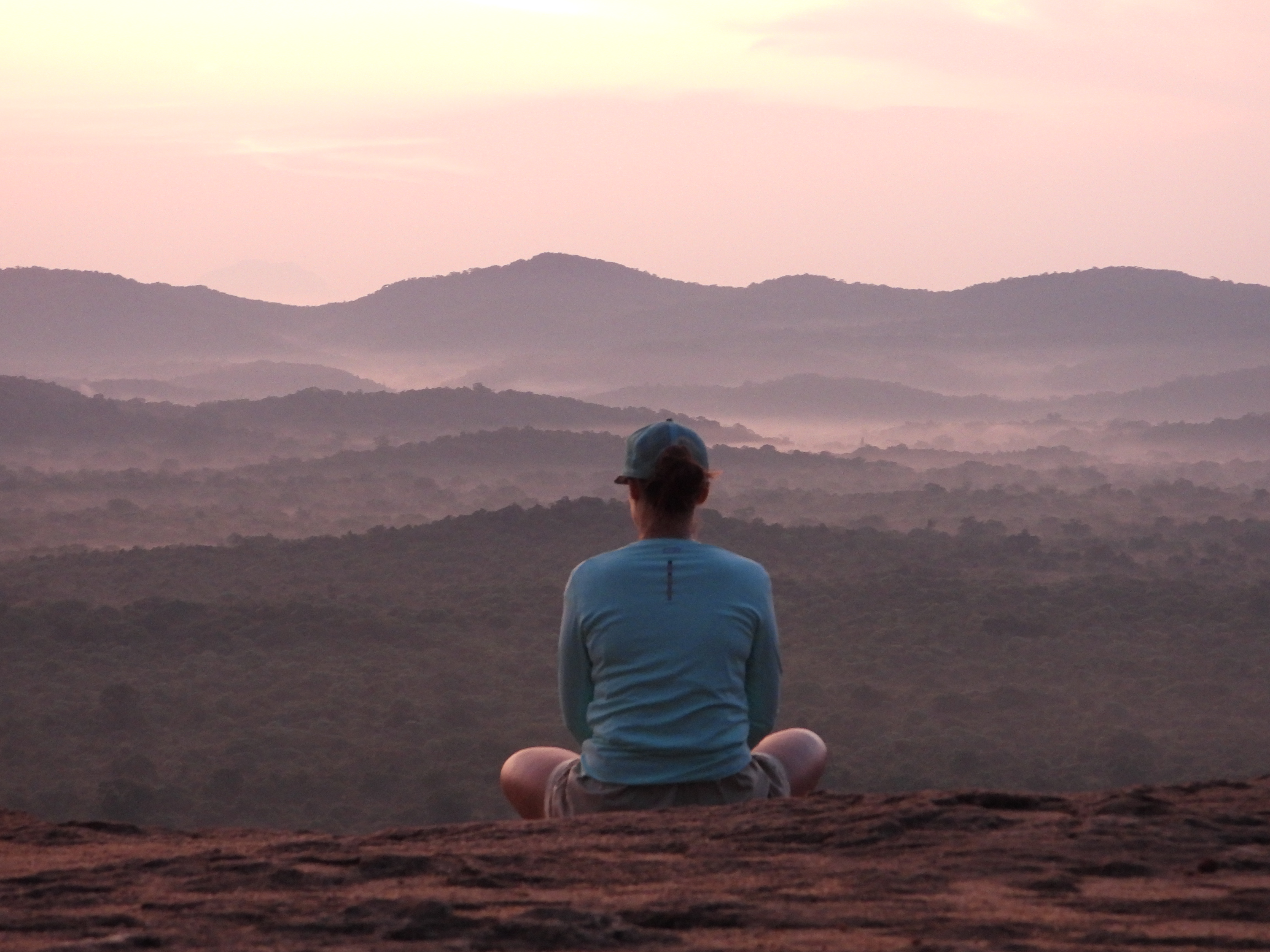
People come to witness in the awesomeness of the sunrise in solitude, hence please dont make noice.
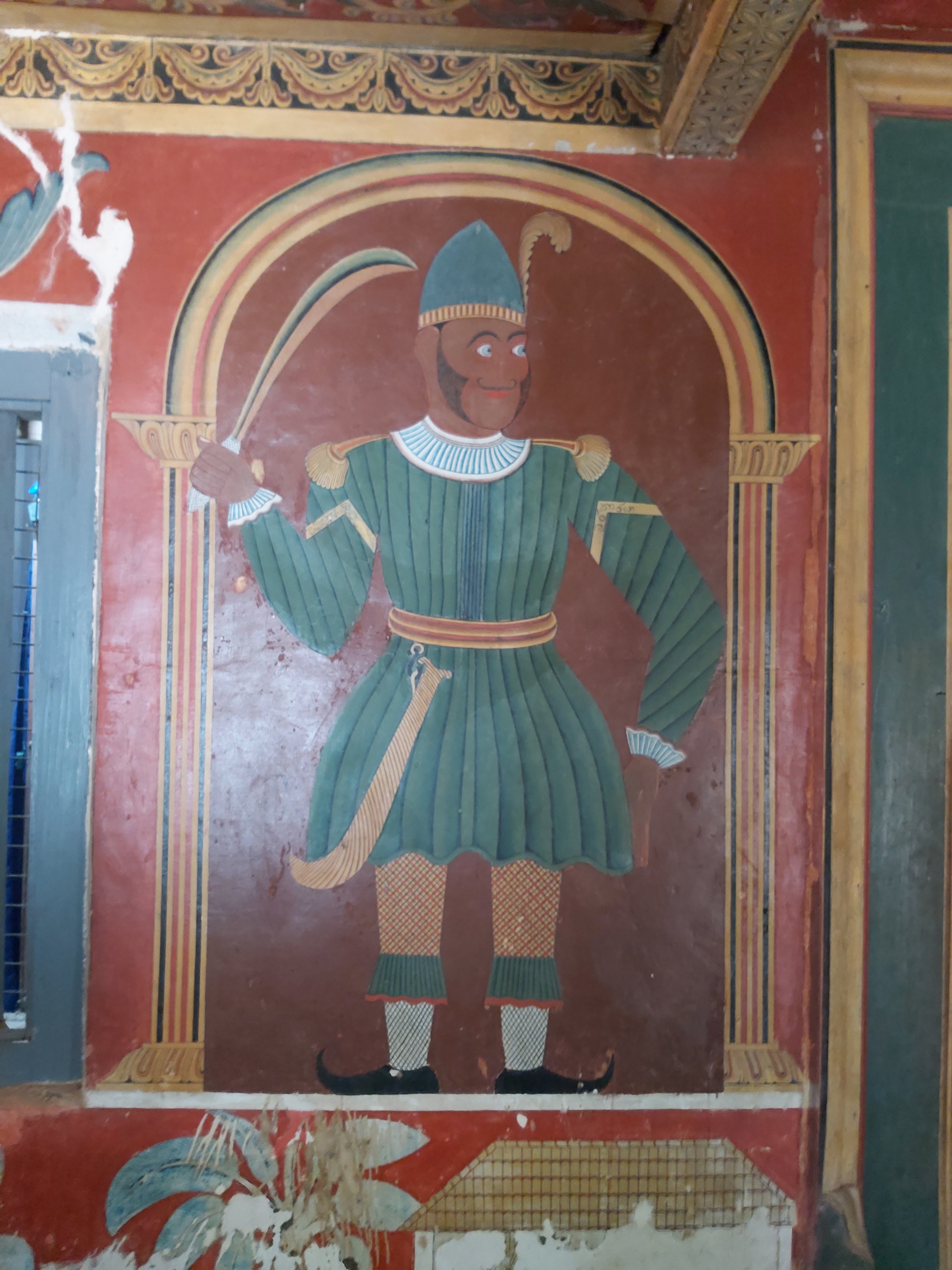
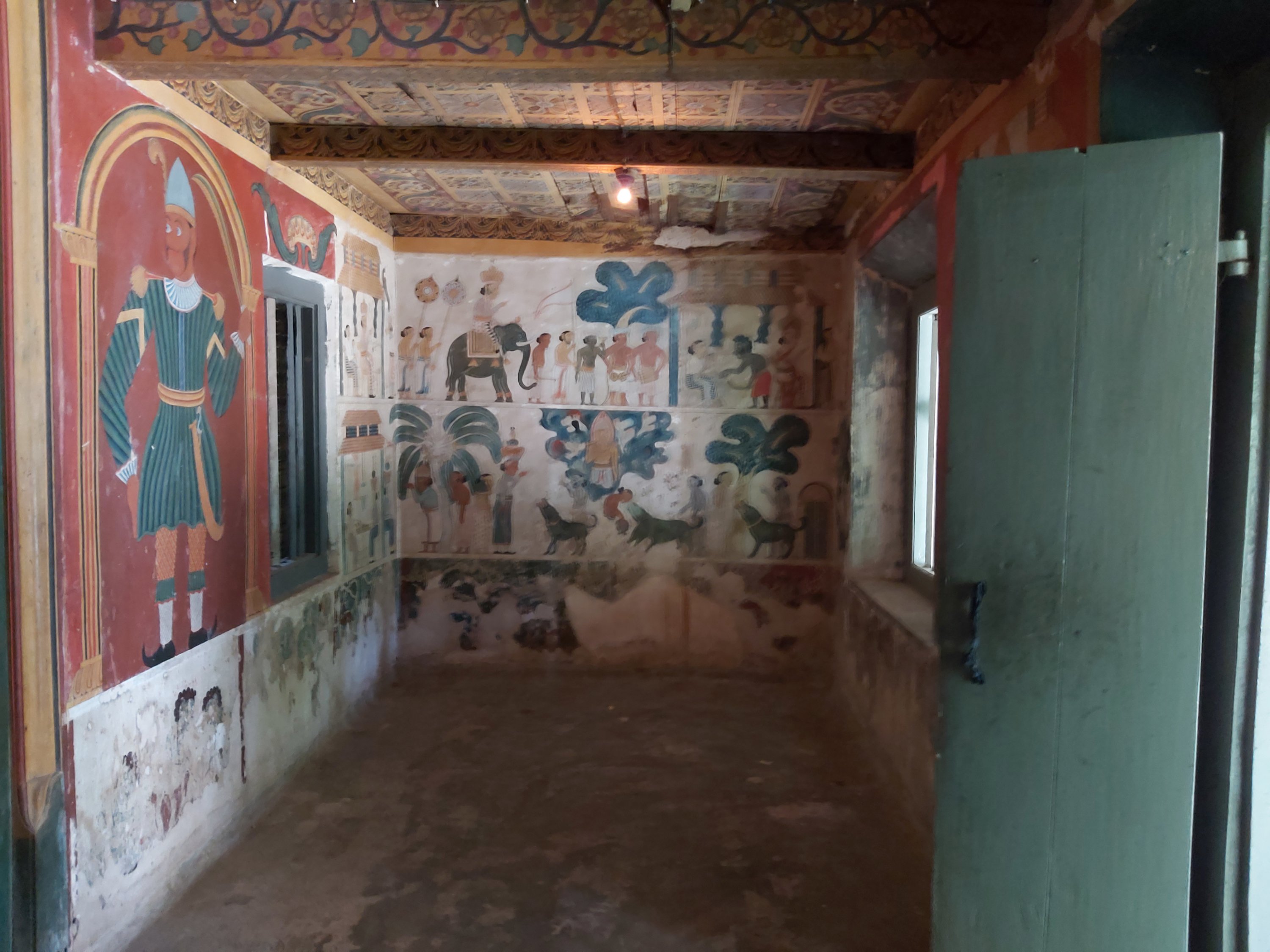
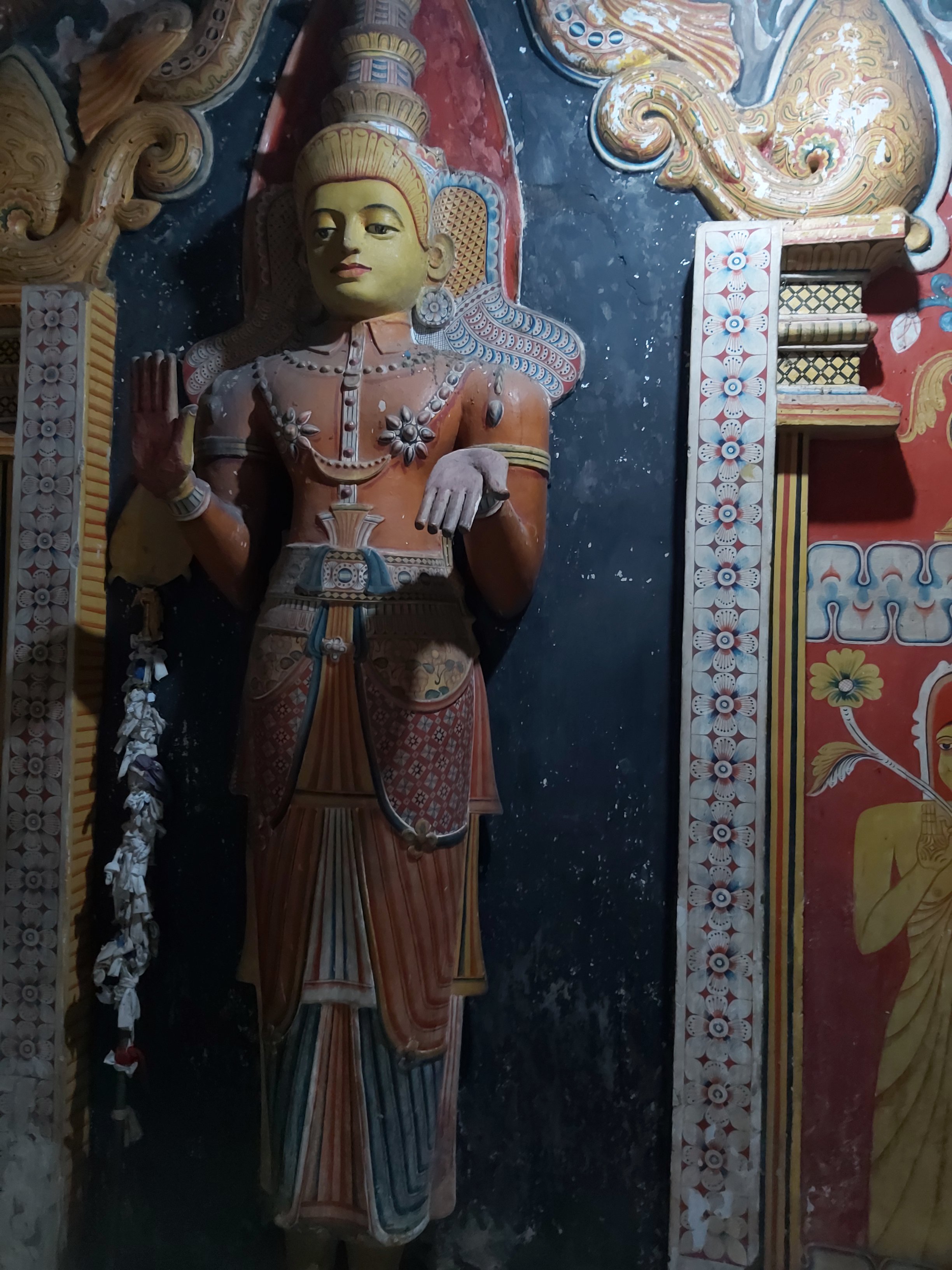
Pilikutuwa Raja Maha Viharaya is home to numerous caves. These caves are thought to have been at one time occupied by King Watagamini Abhaya also know as Valagamba. The surrounding cave temples are thought to have been his hideouts during the 14 years he was in exile till he regained the throne. Once he regained the throne, as mark of respect to those that helped him during his exile, he converted each cave that he stayed at into temple. This temple paintings is the rare instance where the guardians at the door are foreigners showing foreign patronage during the Dutch / Portuguese eras.
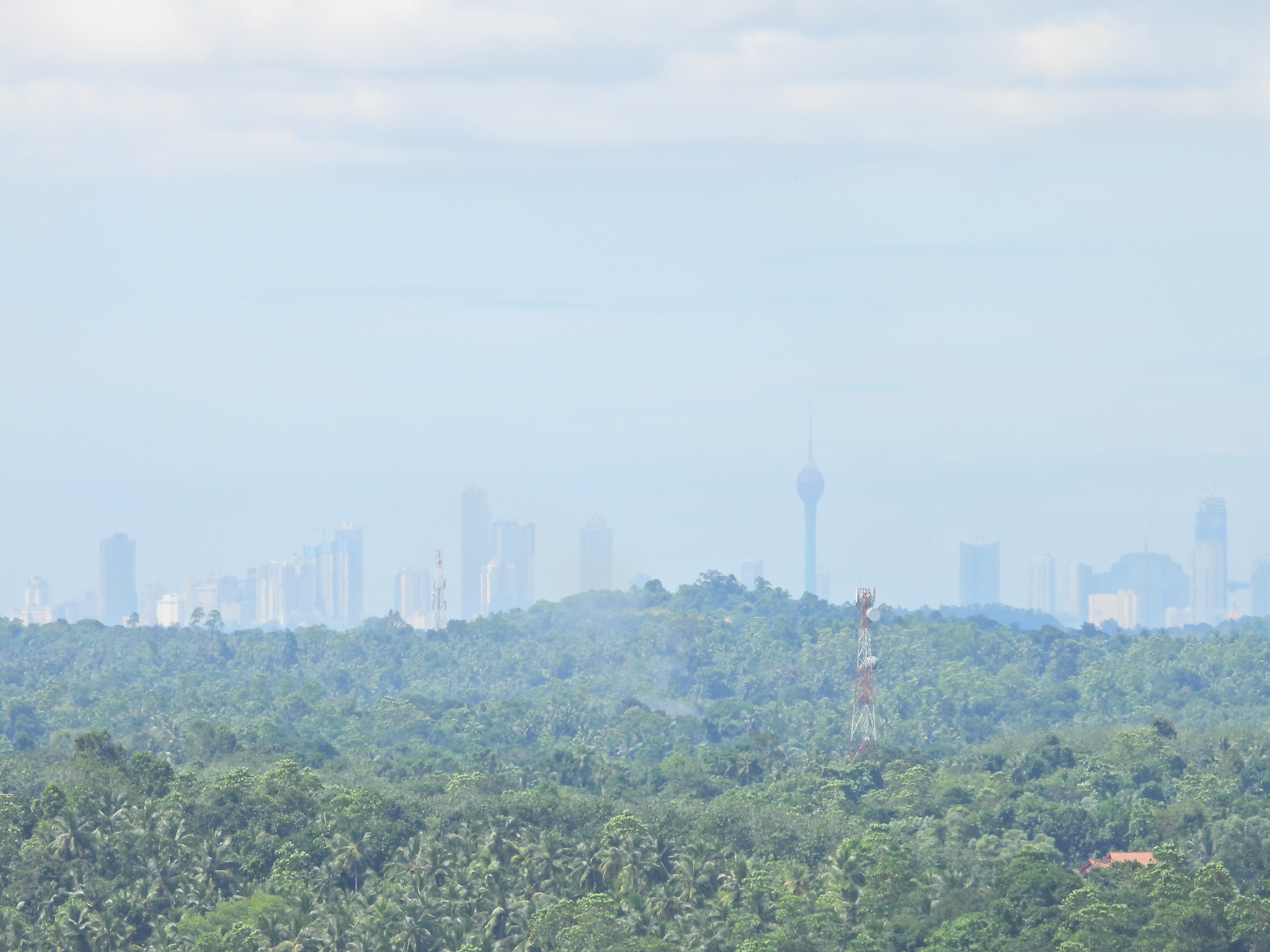
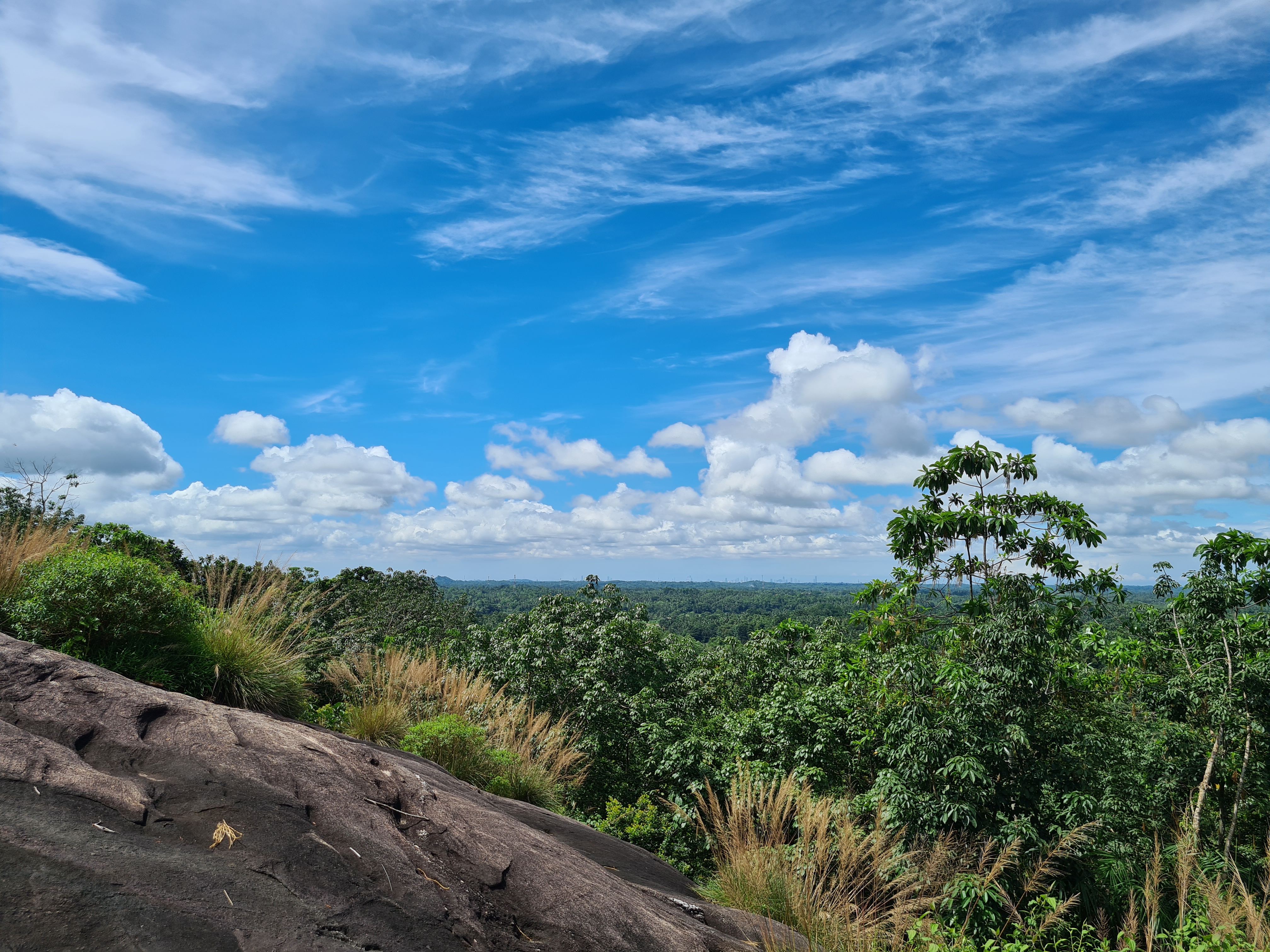
The climb to the top is very pleasant and easy. It can be easily handled by the young children as well. From the top one has a nice view of the Colombo Skyline and also the near by Maligatenne Raja Maha Viharaya, another cave complex occupied by Vallagamba
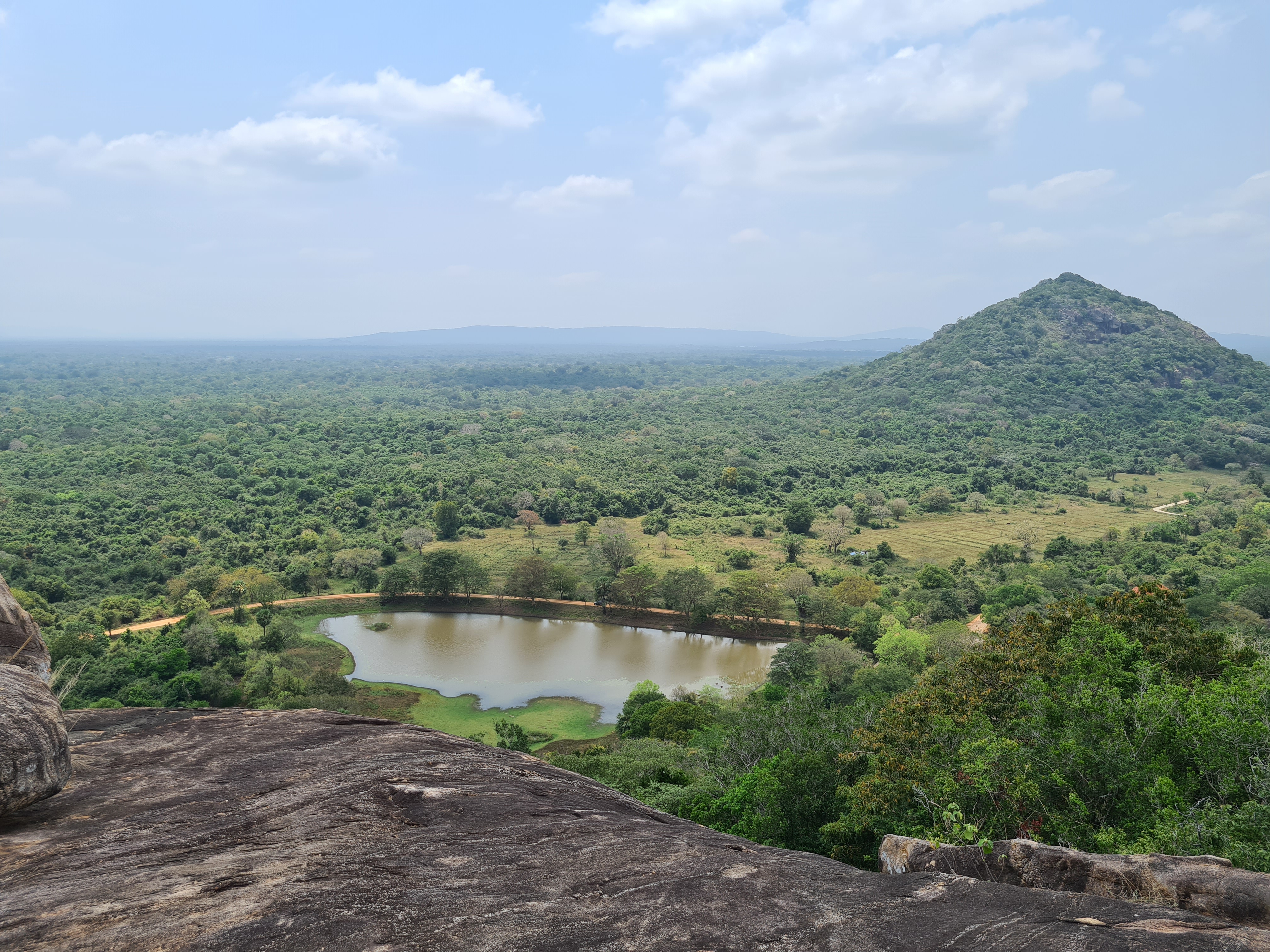
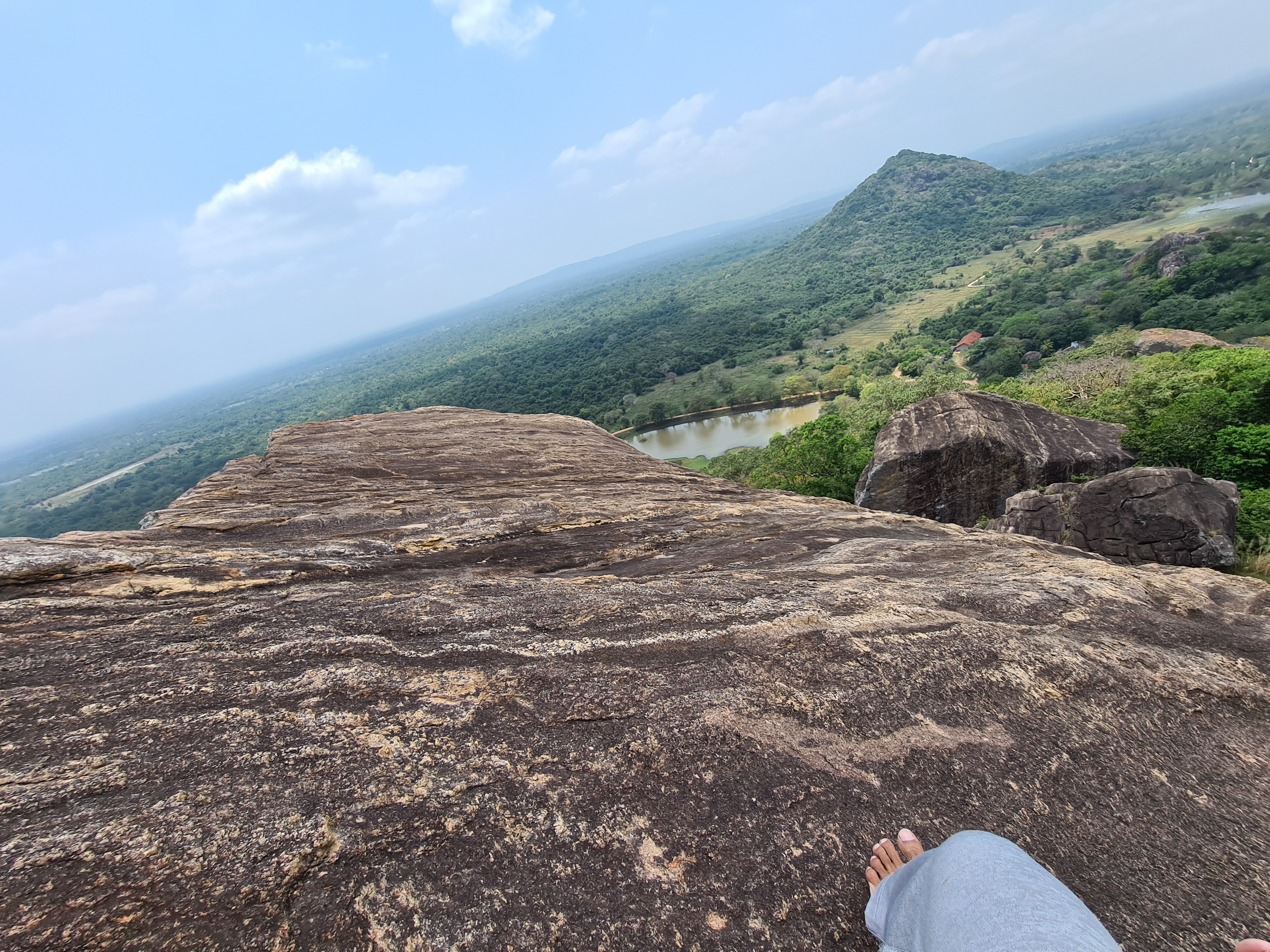
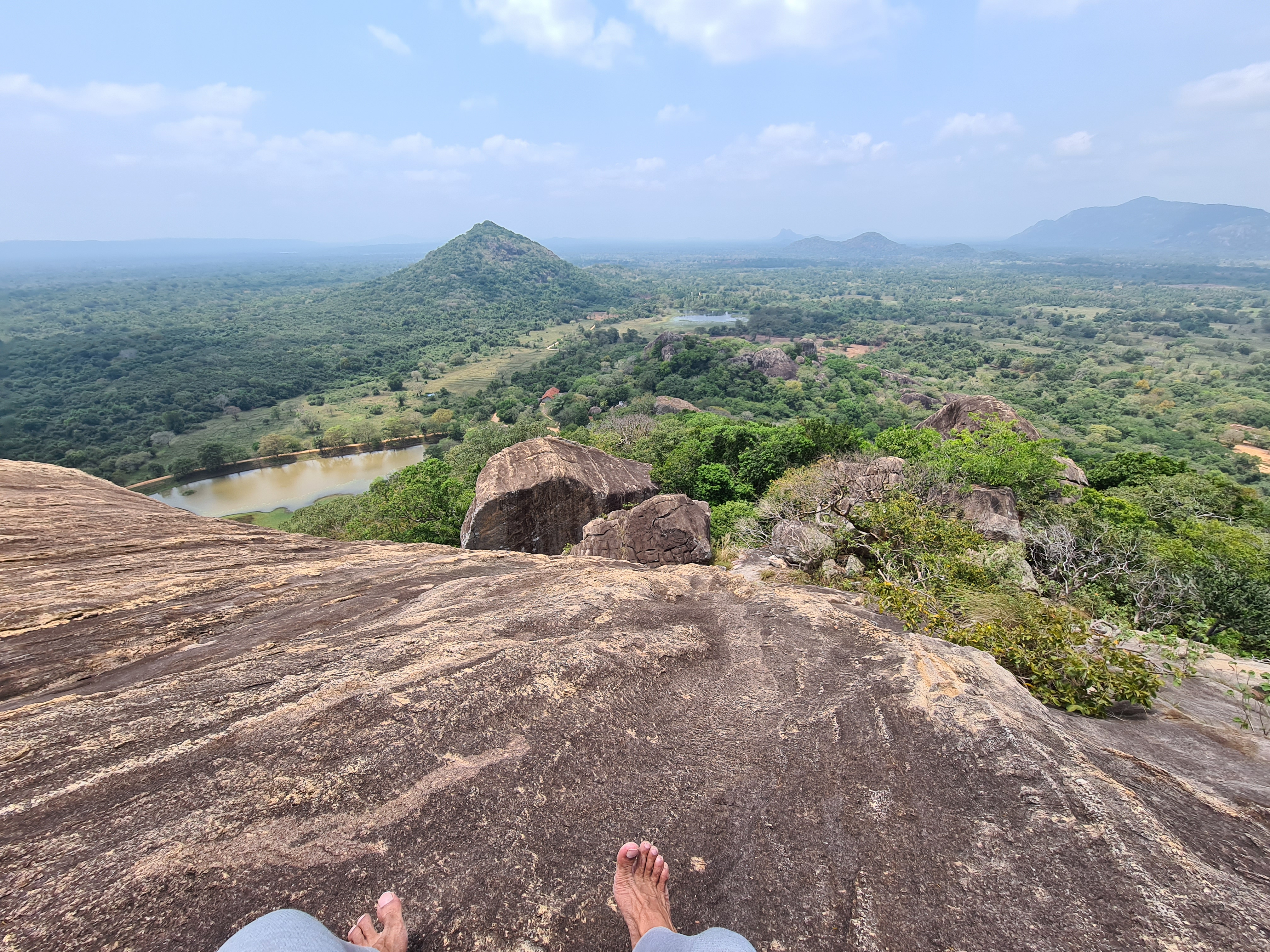
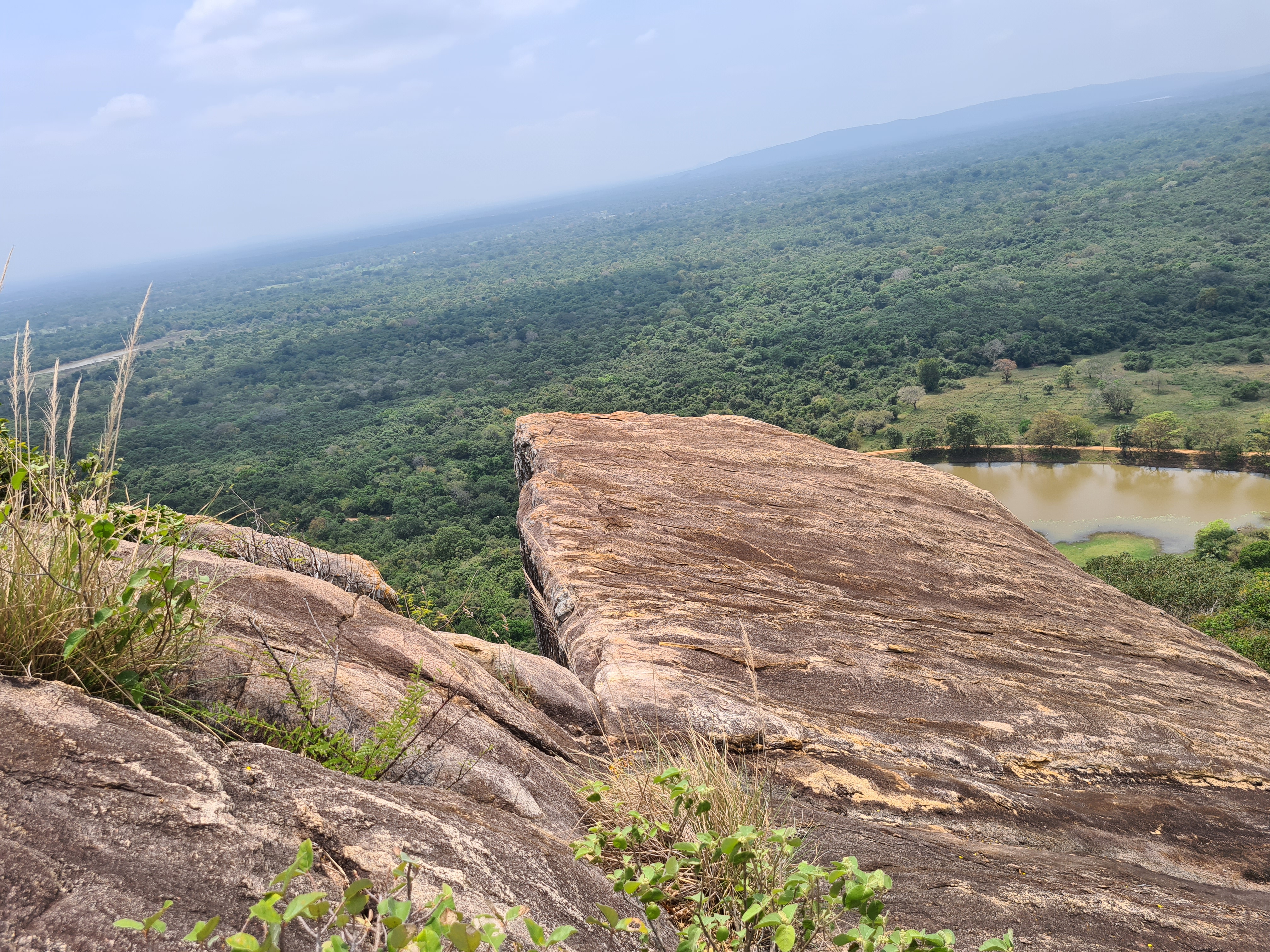
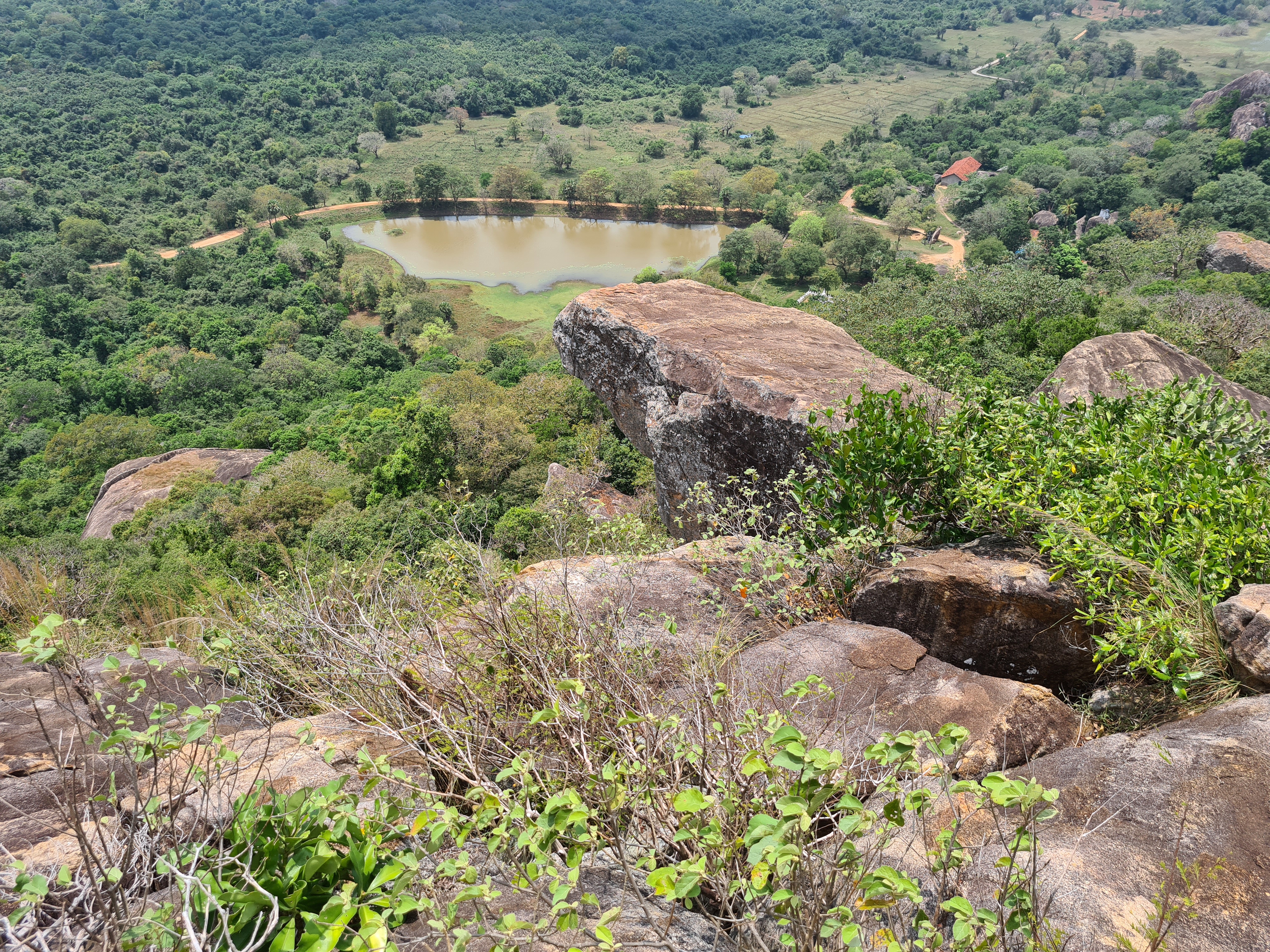
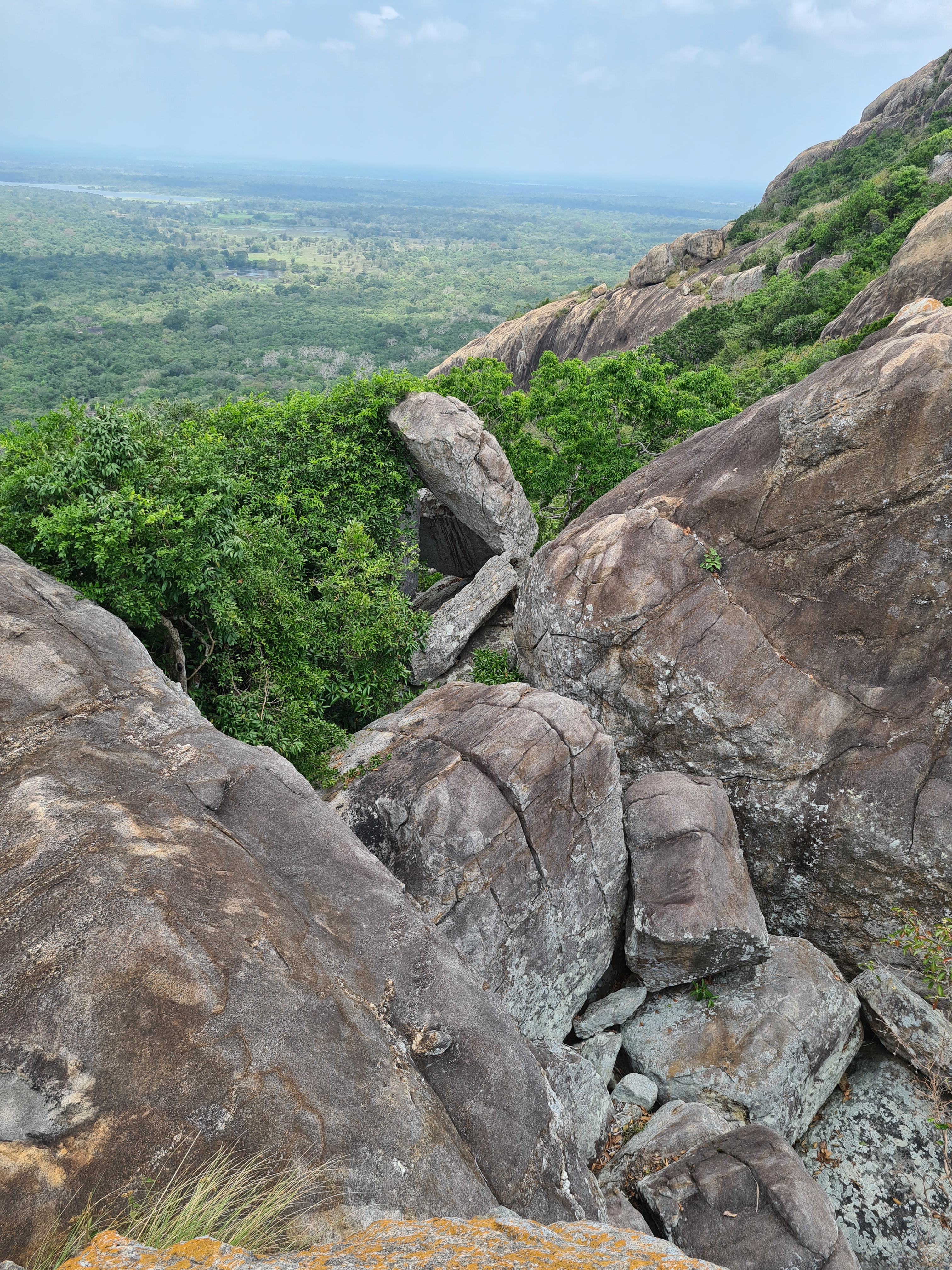
When Kuveni was caste out by King Vijaya in favour of a queen from India, Kuveni went to her tribe, the Yakkas. The Yakkas did not want anything to do with here. They believed she betrayed them to Vijaya in exchange for becoming the queen in his kingdom and they caste her out as well. It is said that she cursed the Yakka tribe from atop this rock, hence the name Yakdessgala.
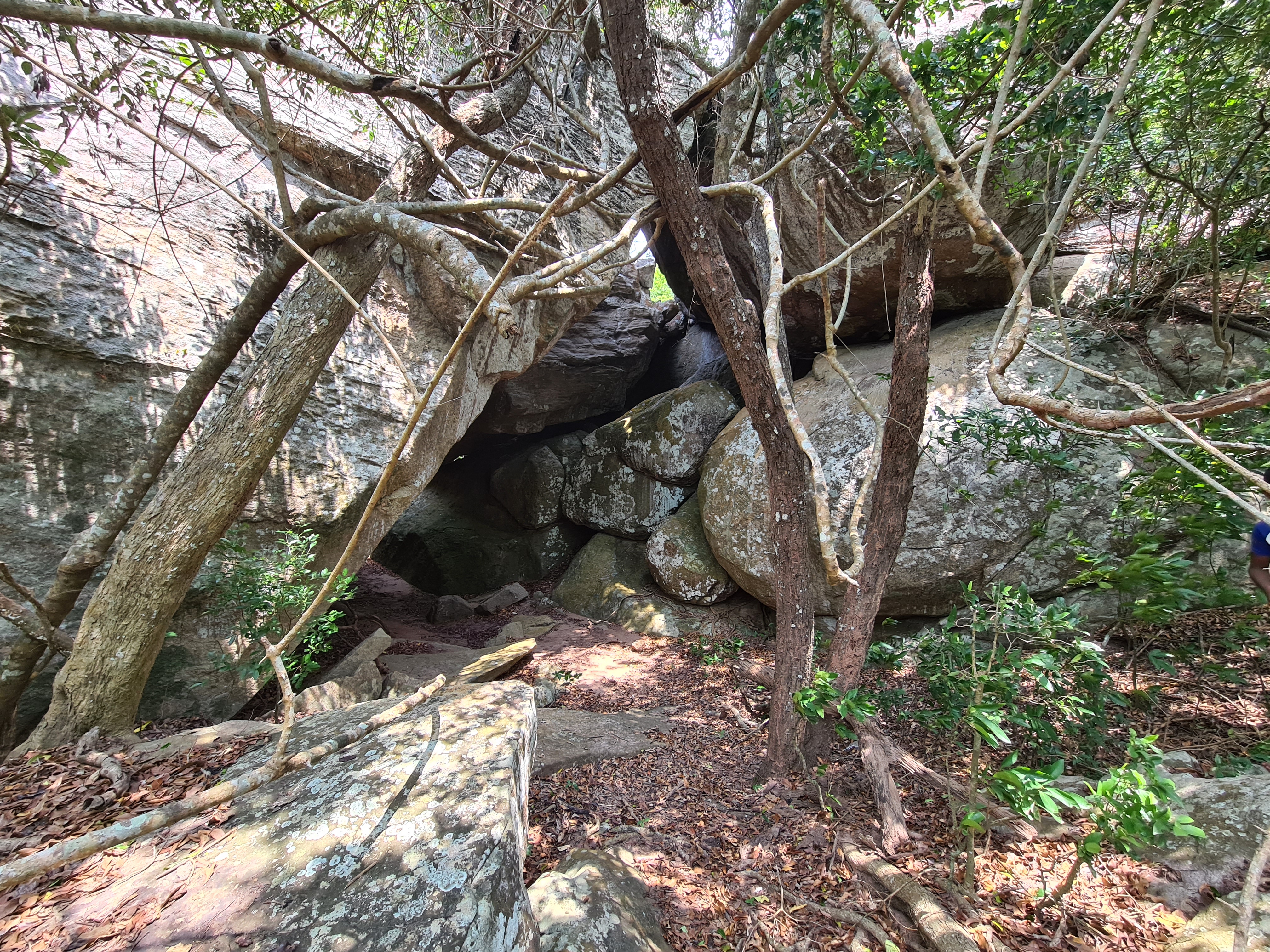
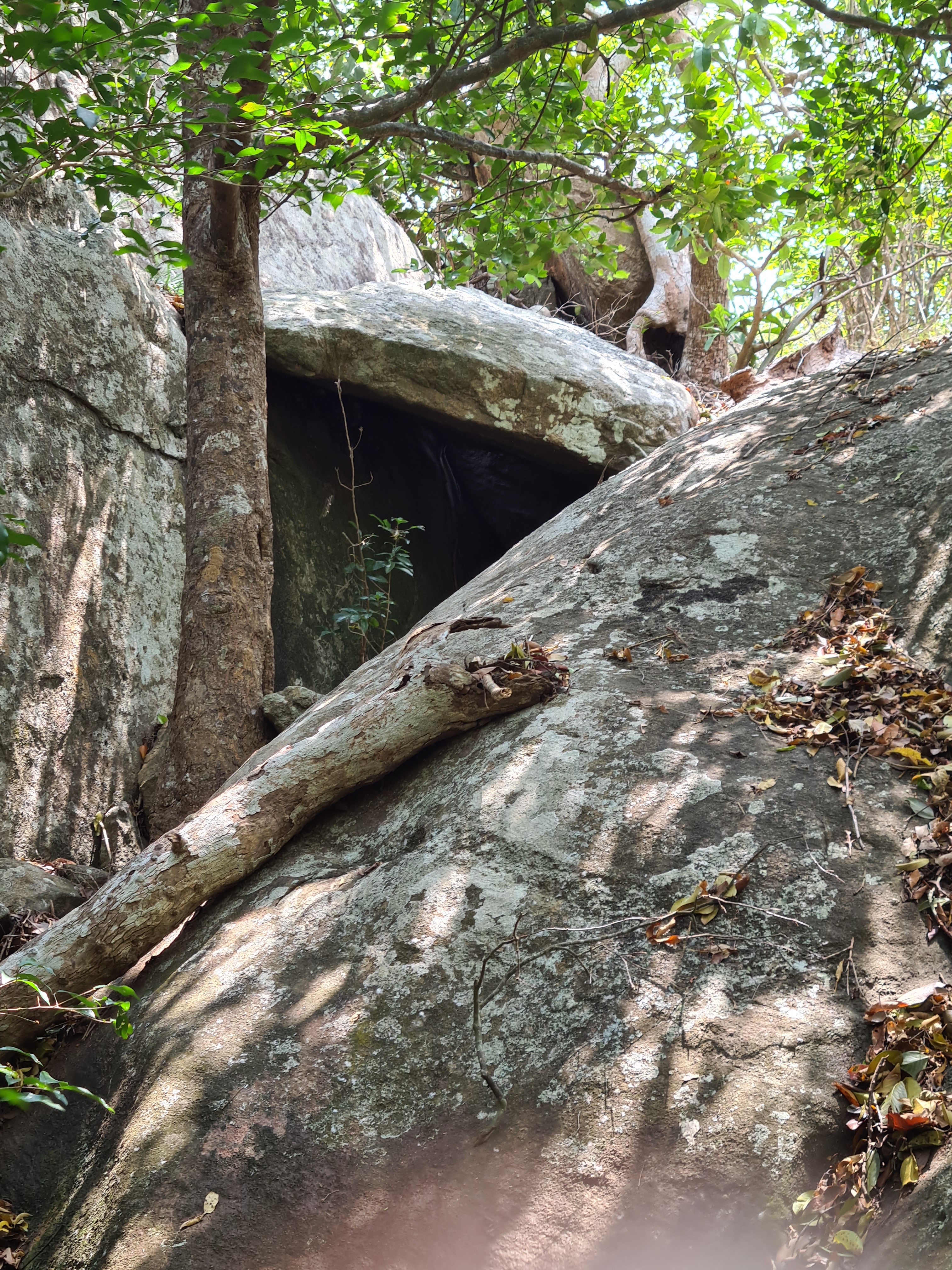
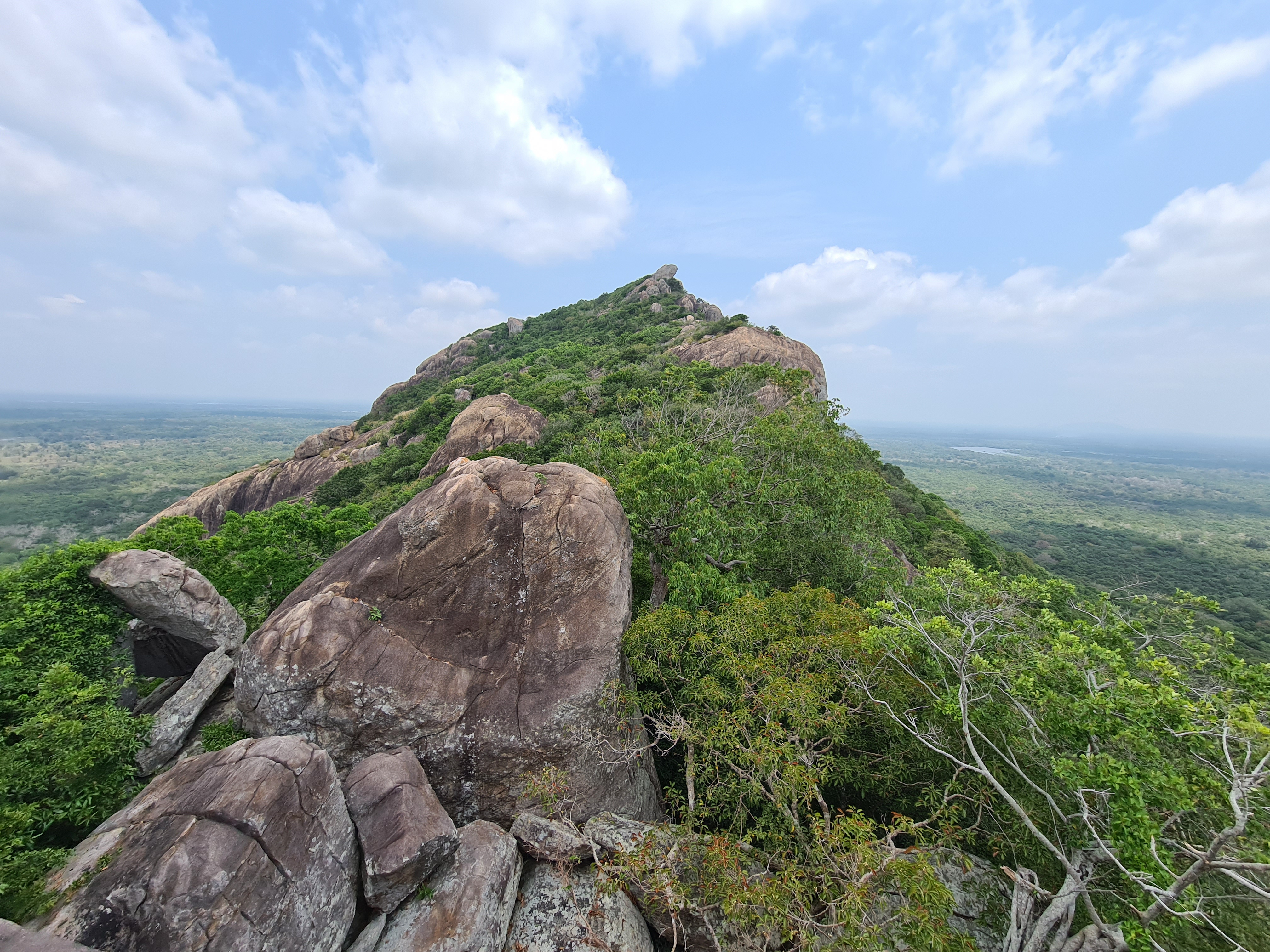
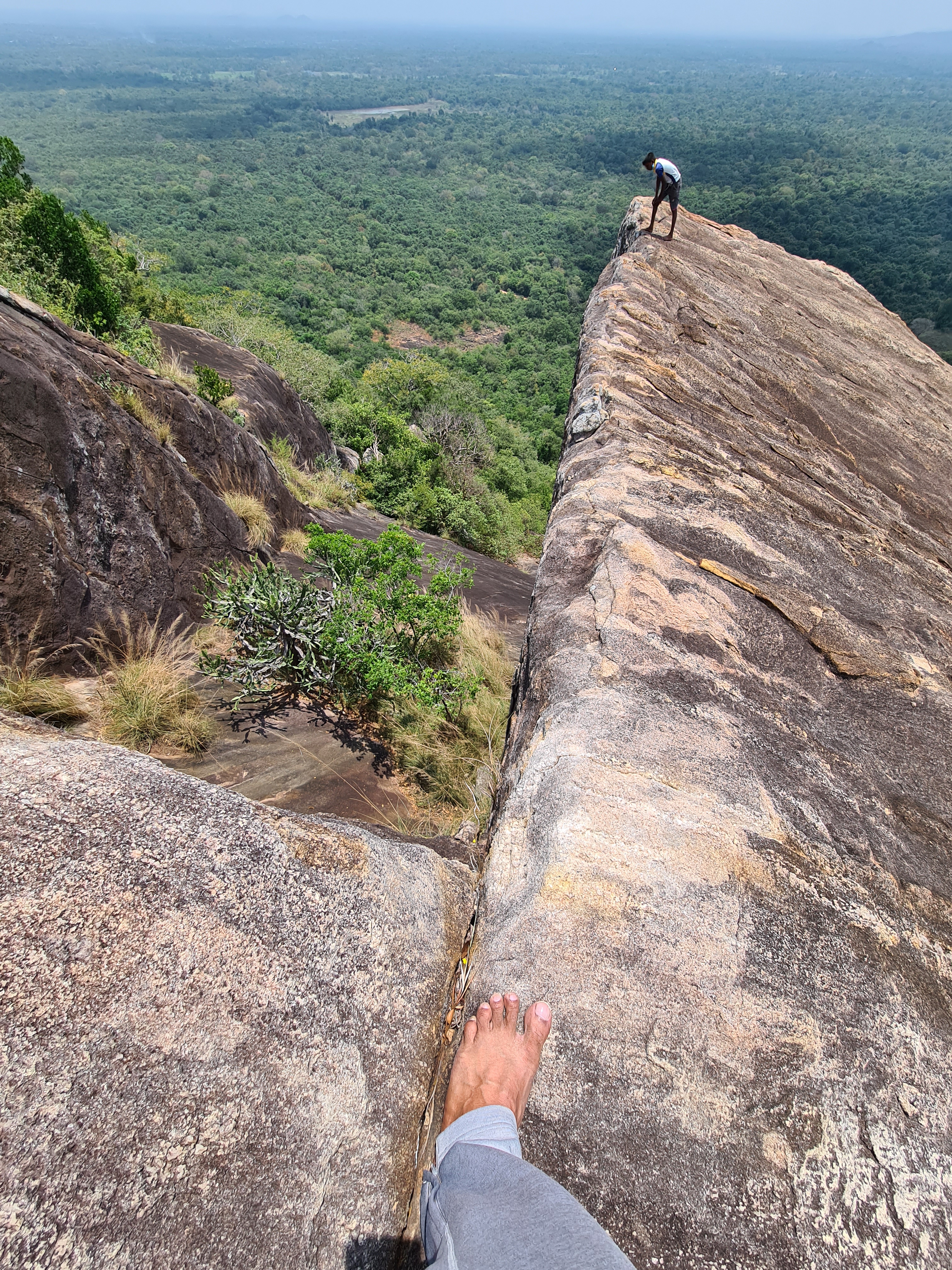
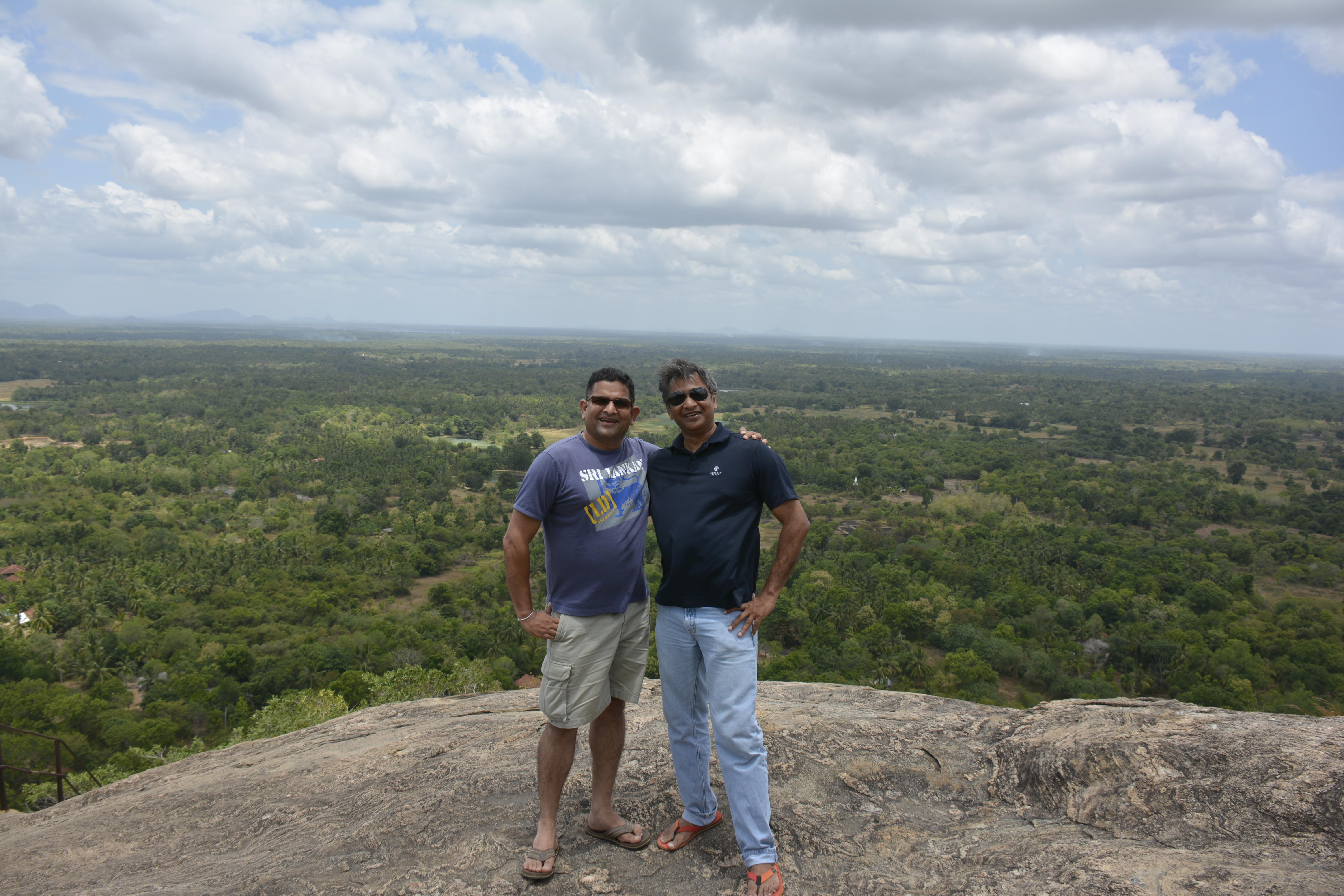
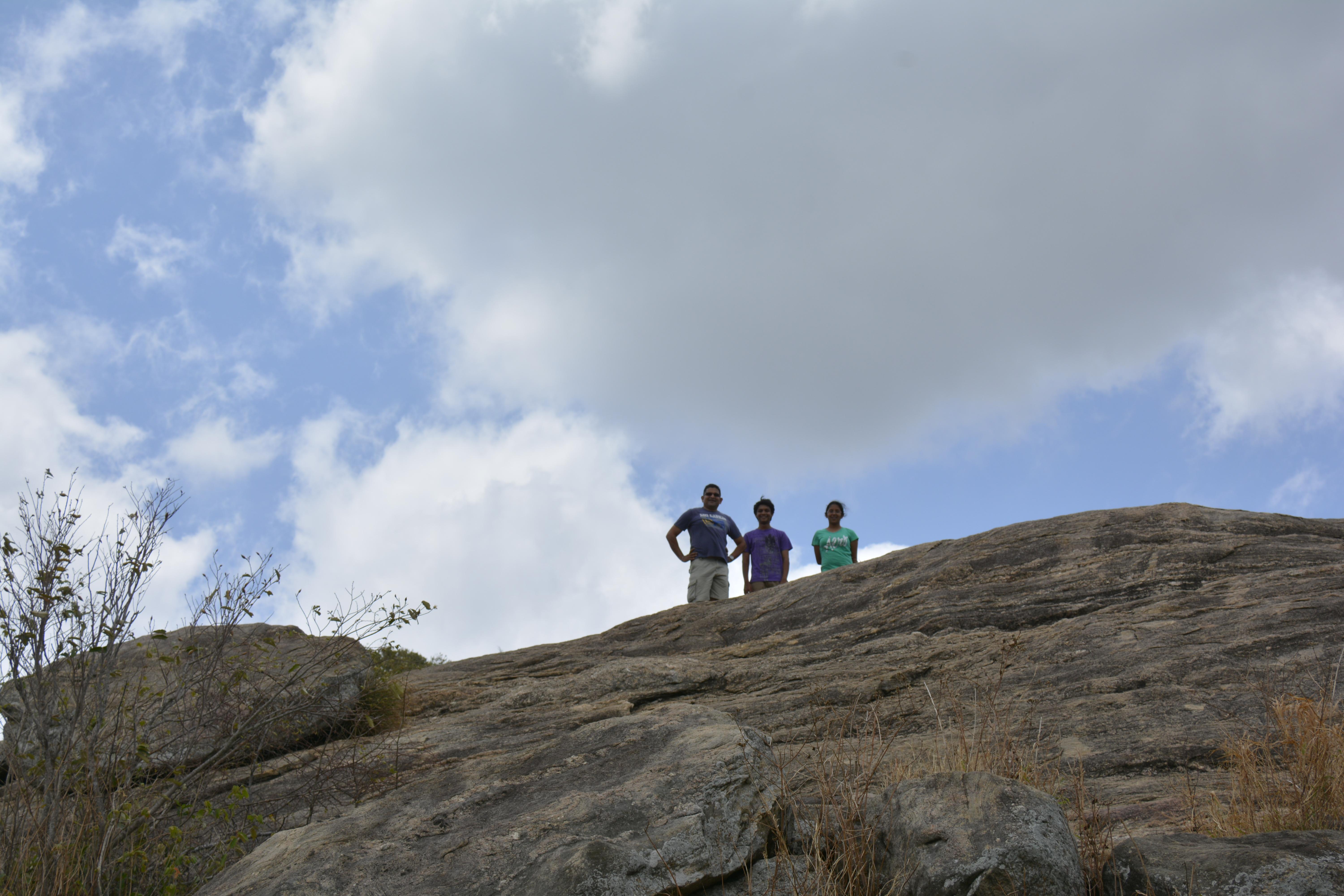
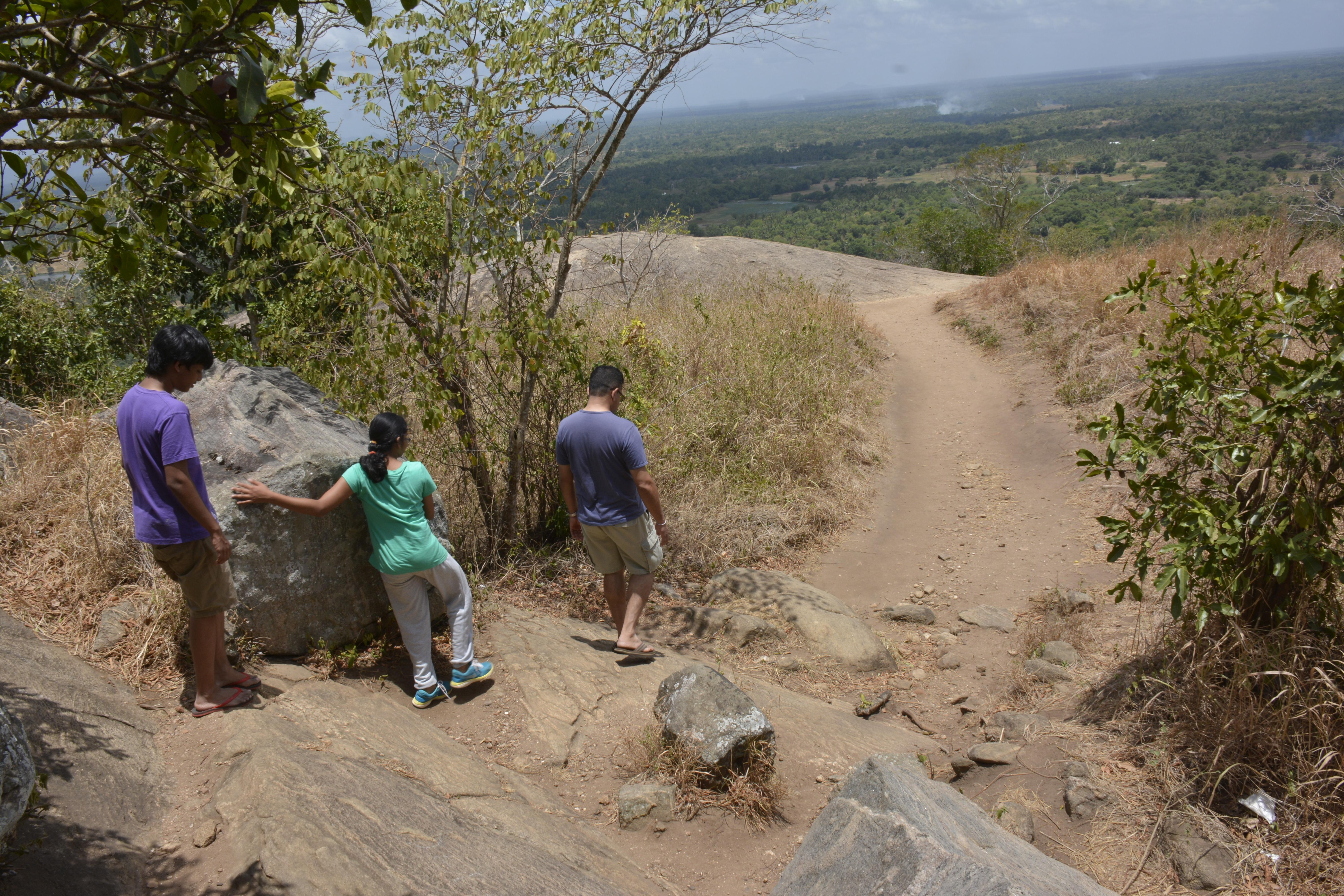
This is a moderately difficult climb. Not suitable for young children or older people. Carry plenty of water, as it can be hot and humid. There is no proper path way up, only pieces of cloth tied to trees intermittently and few arrow. Keep note of these especially when coming down as its easy to get lost. Inform the temple at the entrance of your intentions to climb the rock.
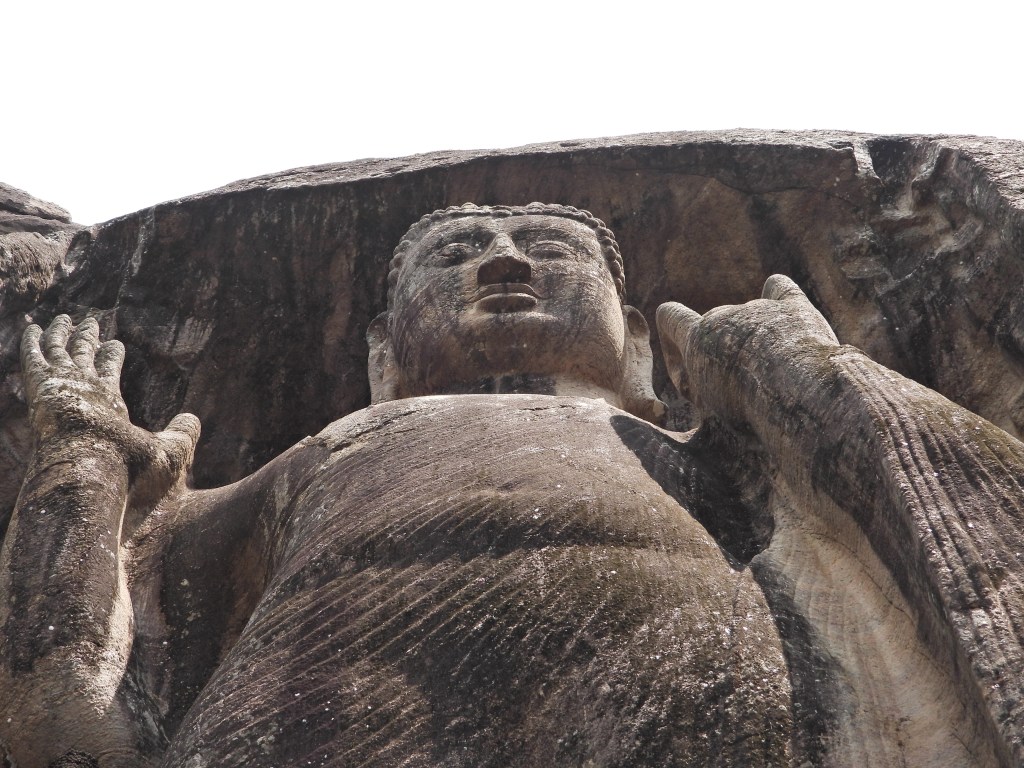
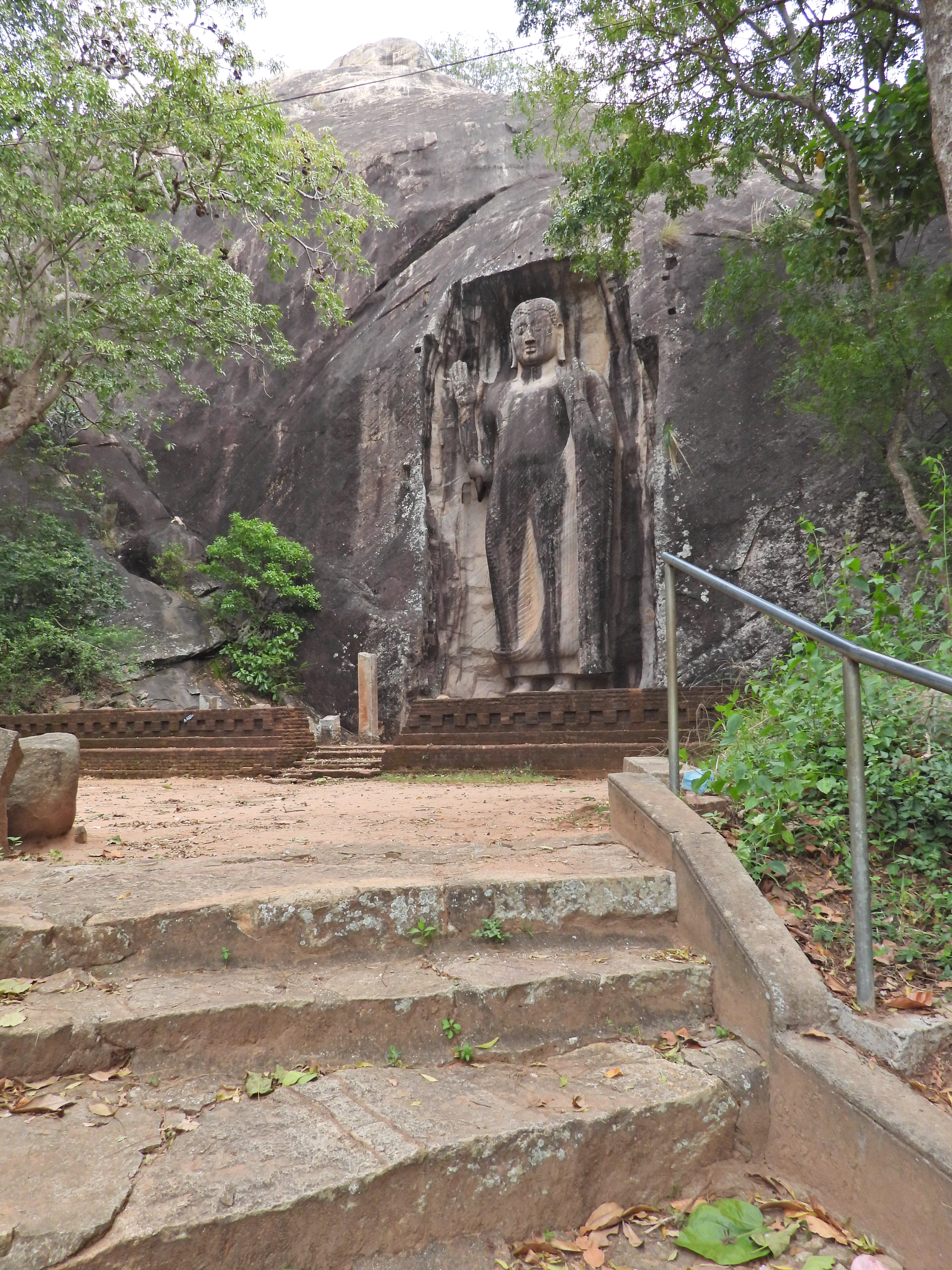
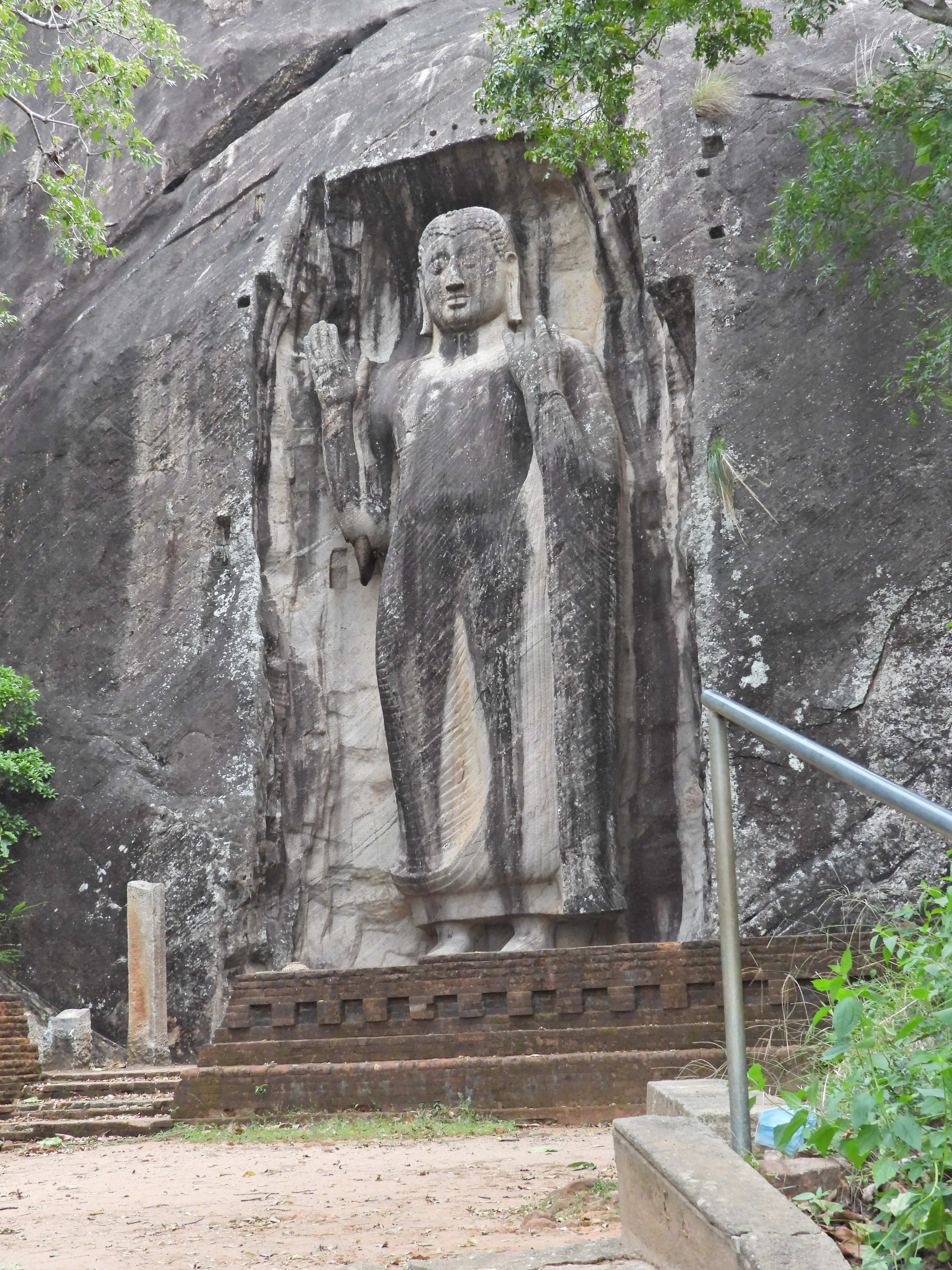
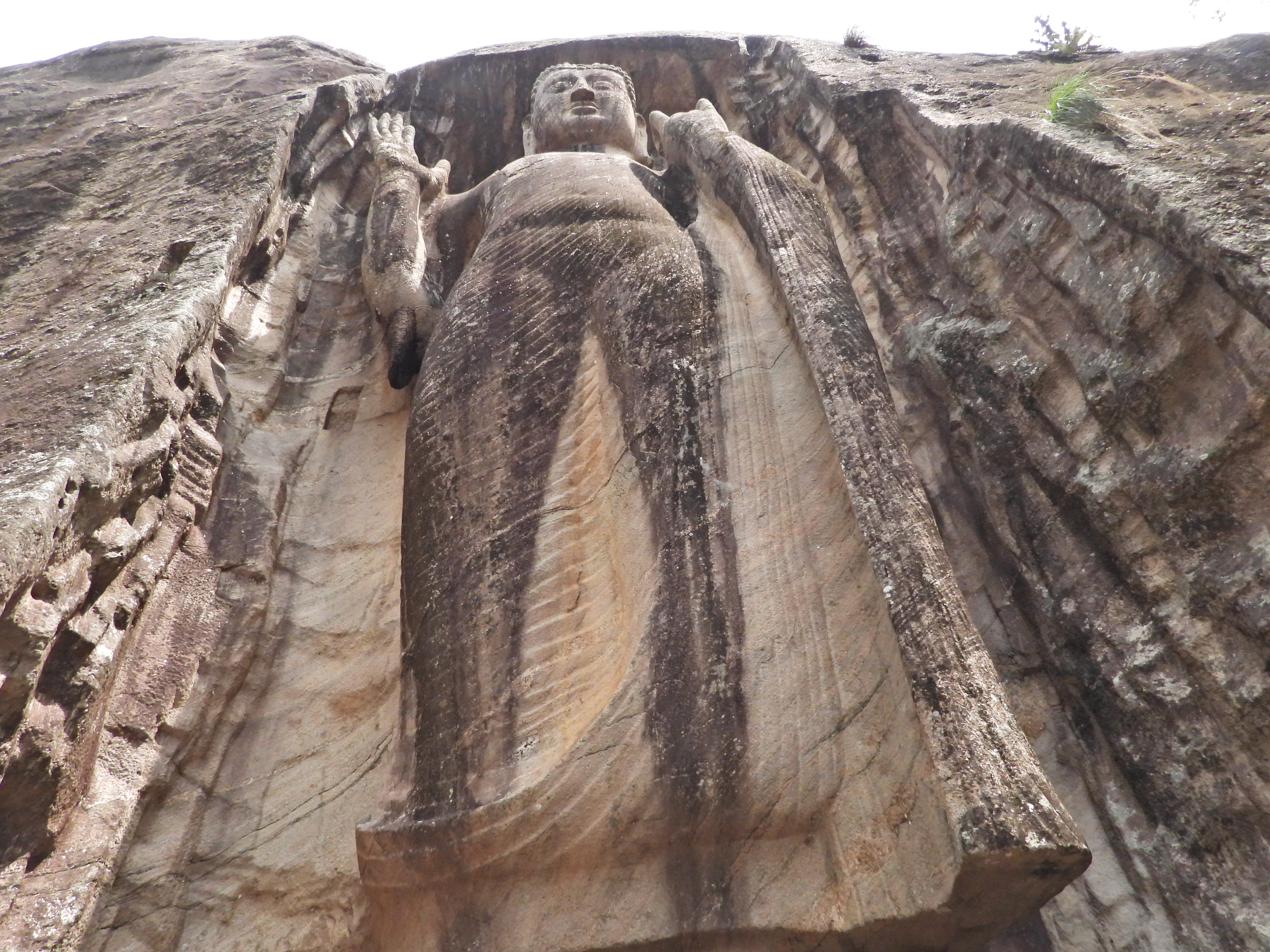
Ras Vehera or Sessuruwa has one of the largest standing buddha statues in the country. heaved out of a single granite boulder is a twin of a similar statue at Aukana. It is thought that the 2 statues were done by the teacher and the pupil contesting with one another. When the Aukana one was completed the completion of the one at Ras Wehera was stopped. Hence the statue is incomplete of the finer details. While the access to the statue is easy, the climb to the top of the rock is moderately difficult. There is no clear path to the the top, hence it is advisable to do so with a person from the village. The path way is through numerous caves which were inhabited by monks in the past. One particular cave called the “Hulan Gohawawe” or the Windy Cave, which always has a wind blowing through it.
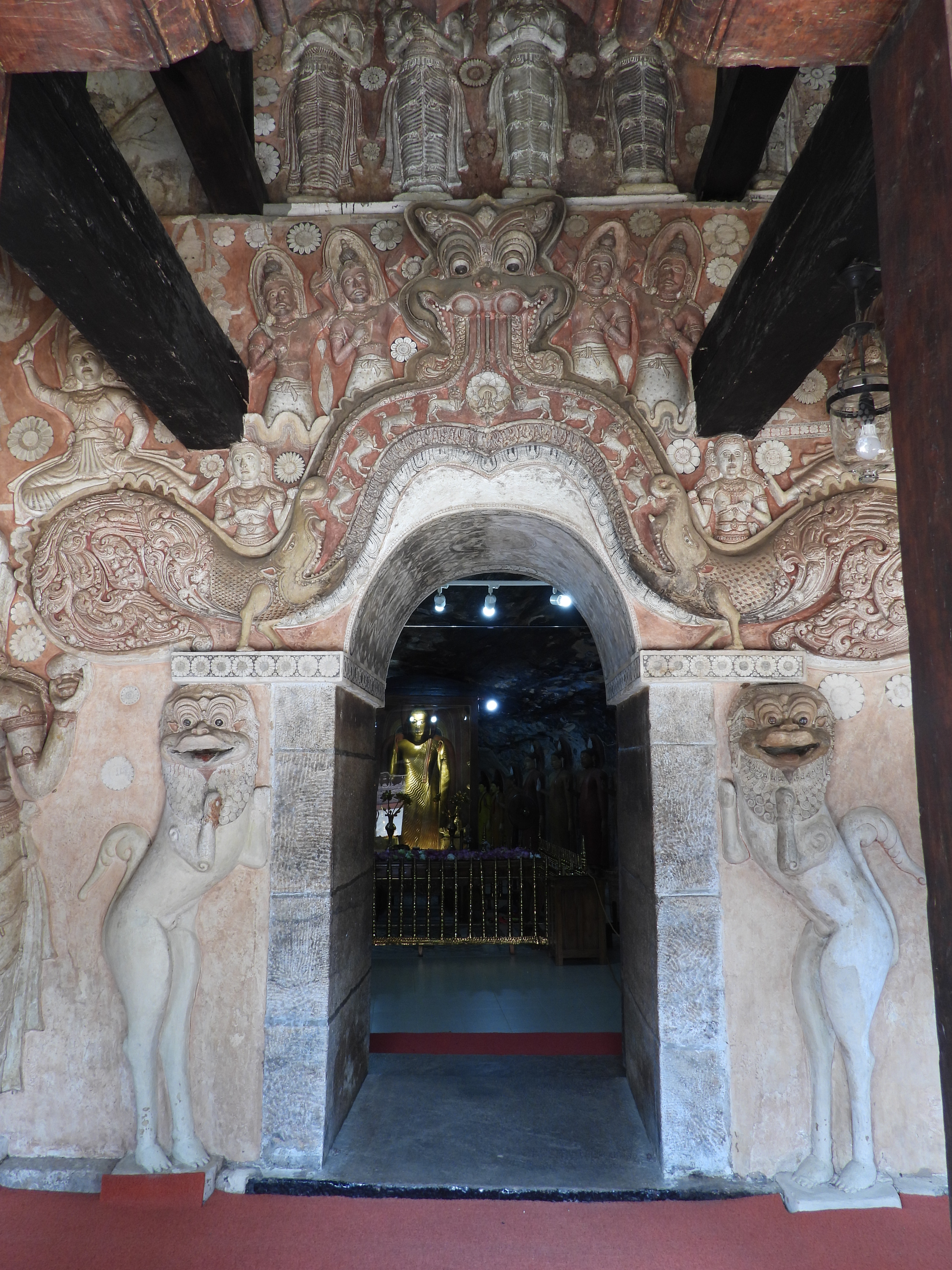
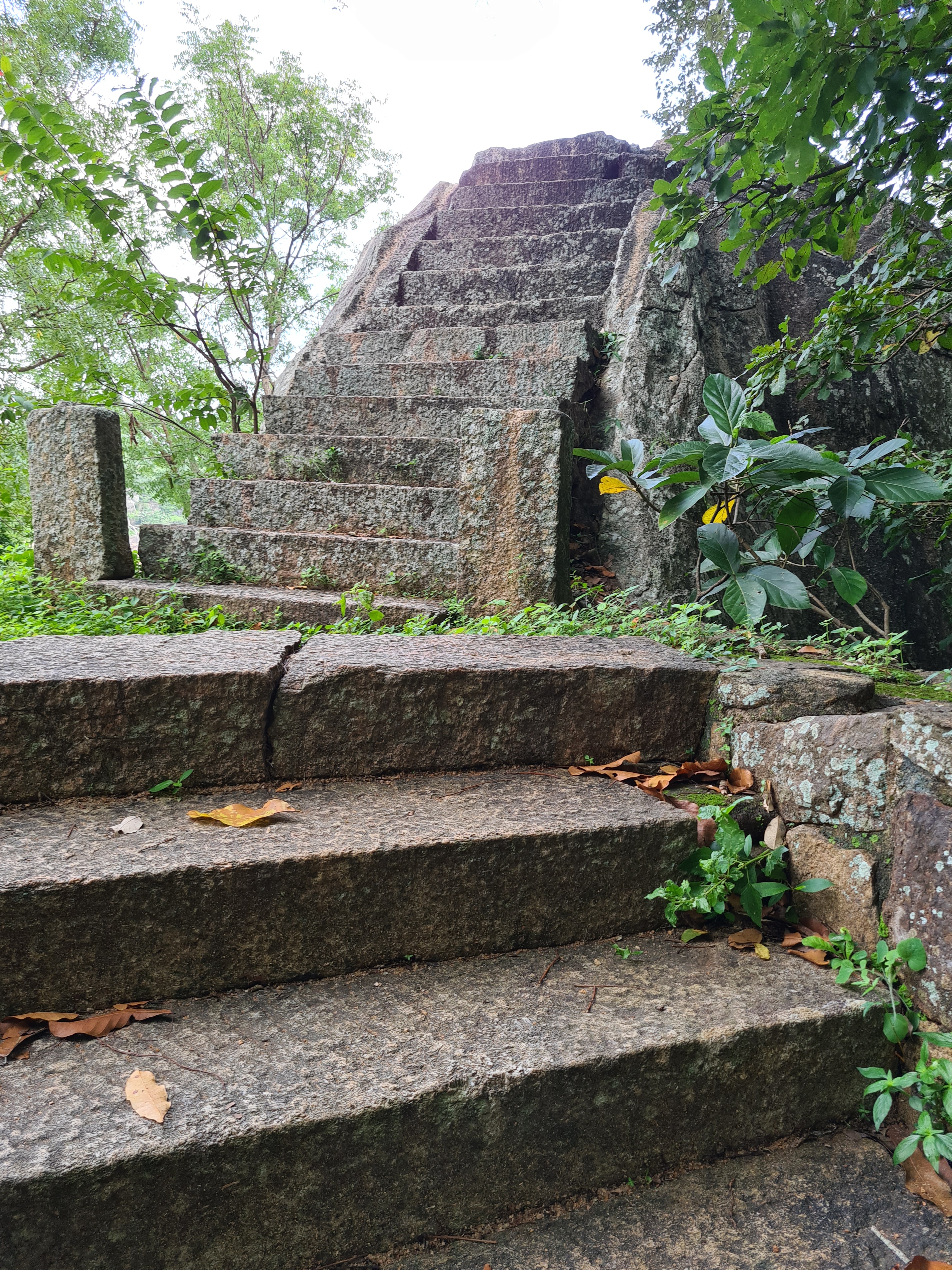
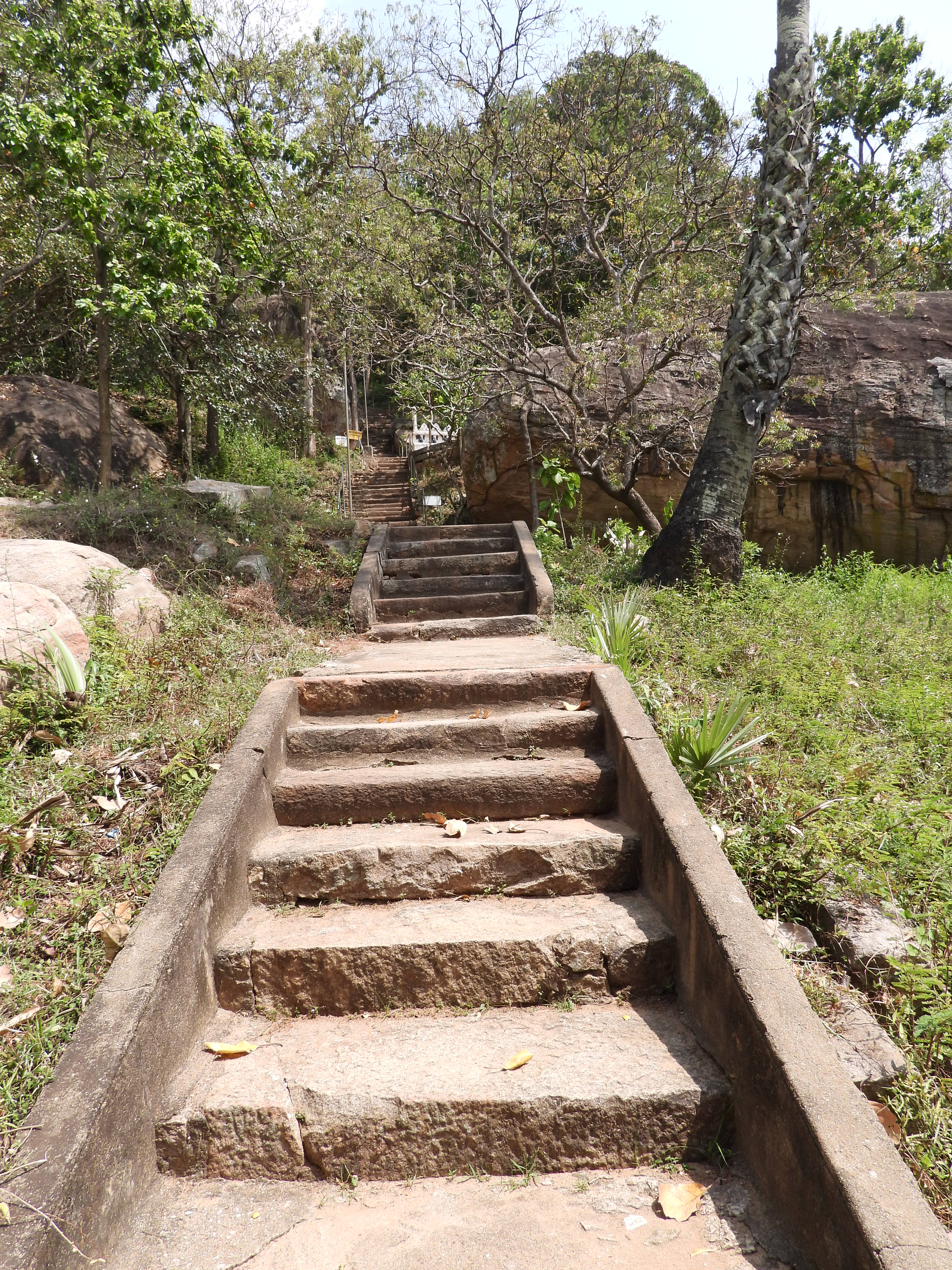
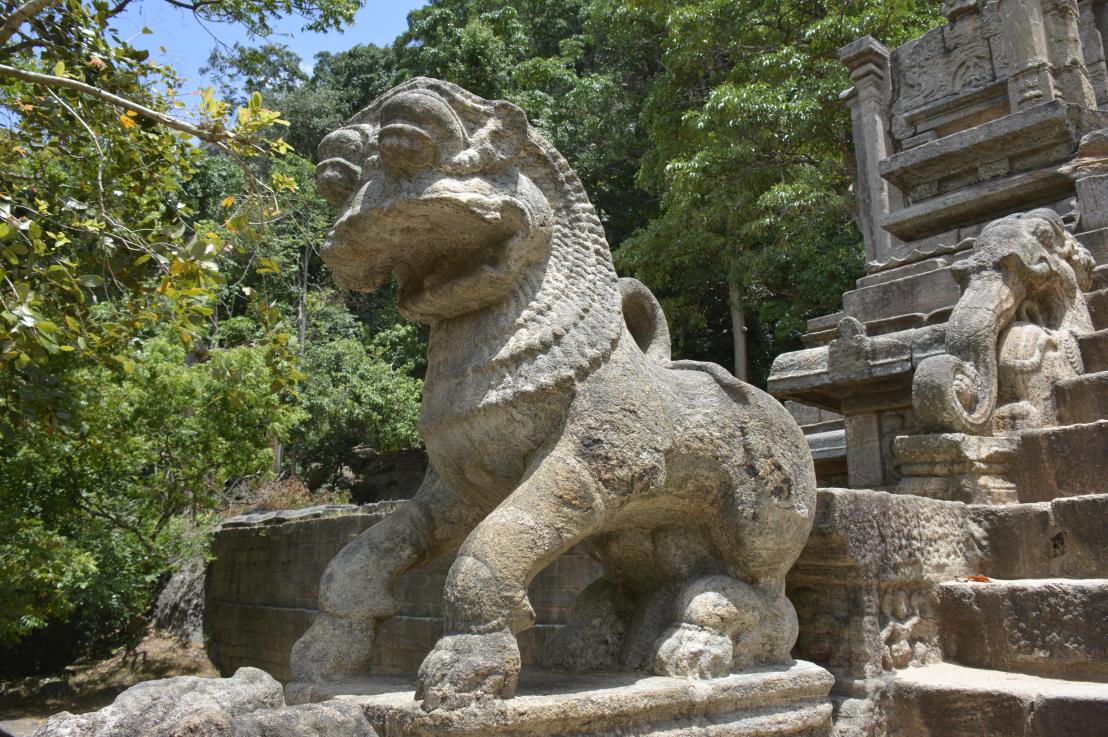
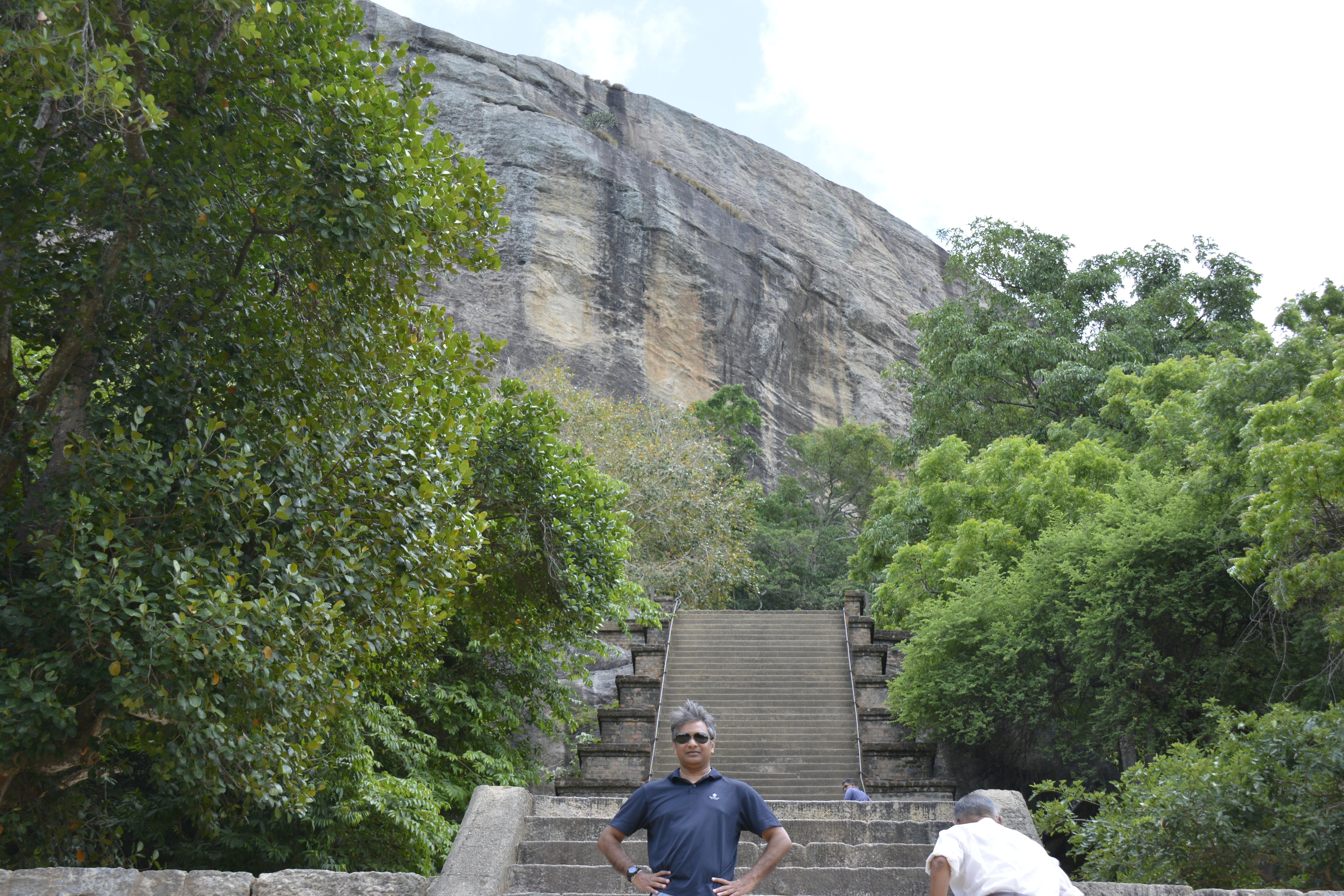
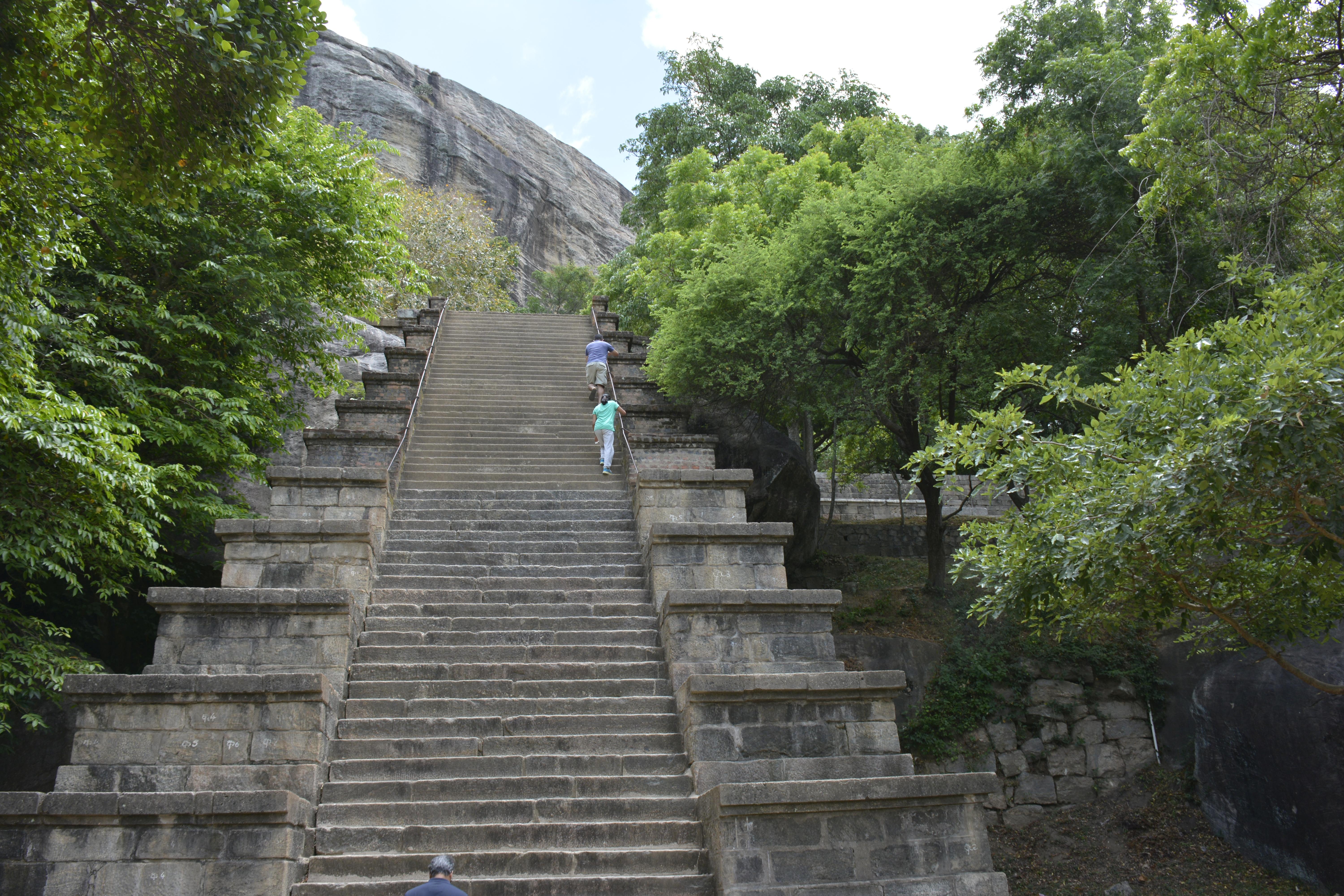
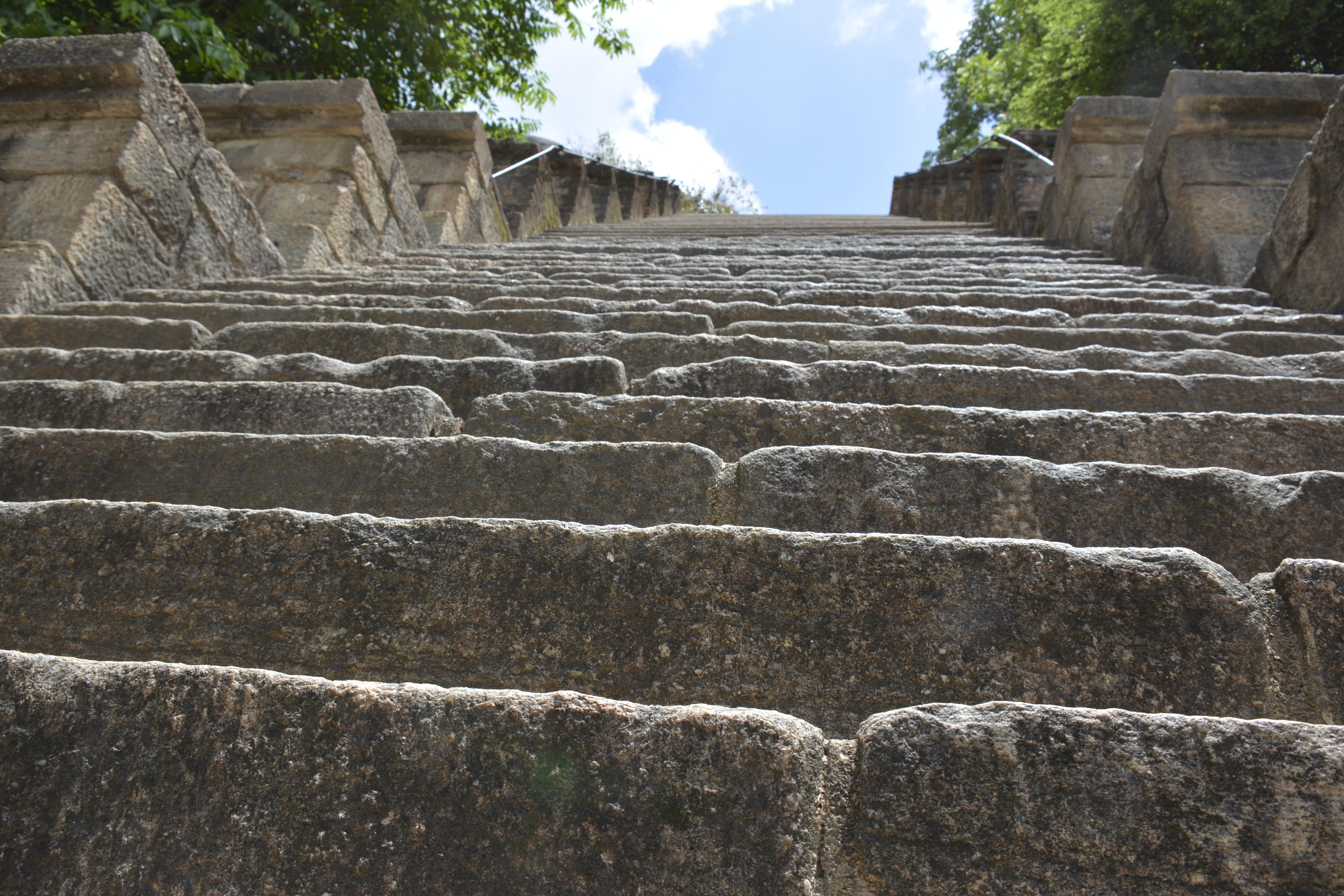
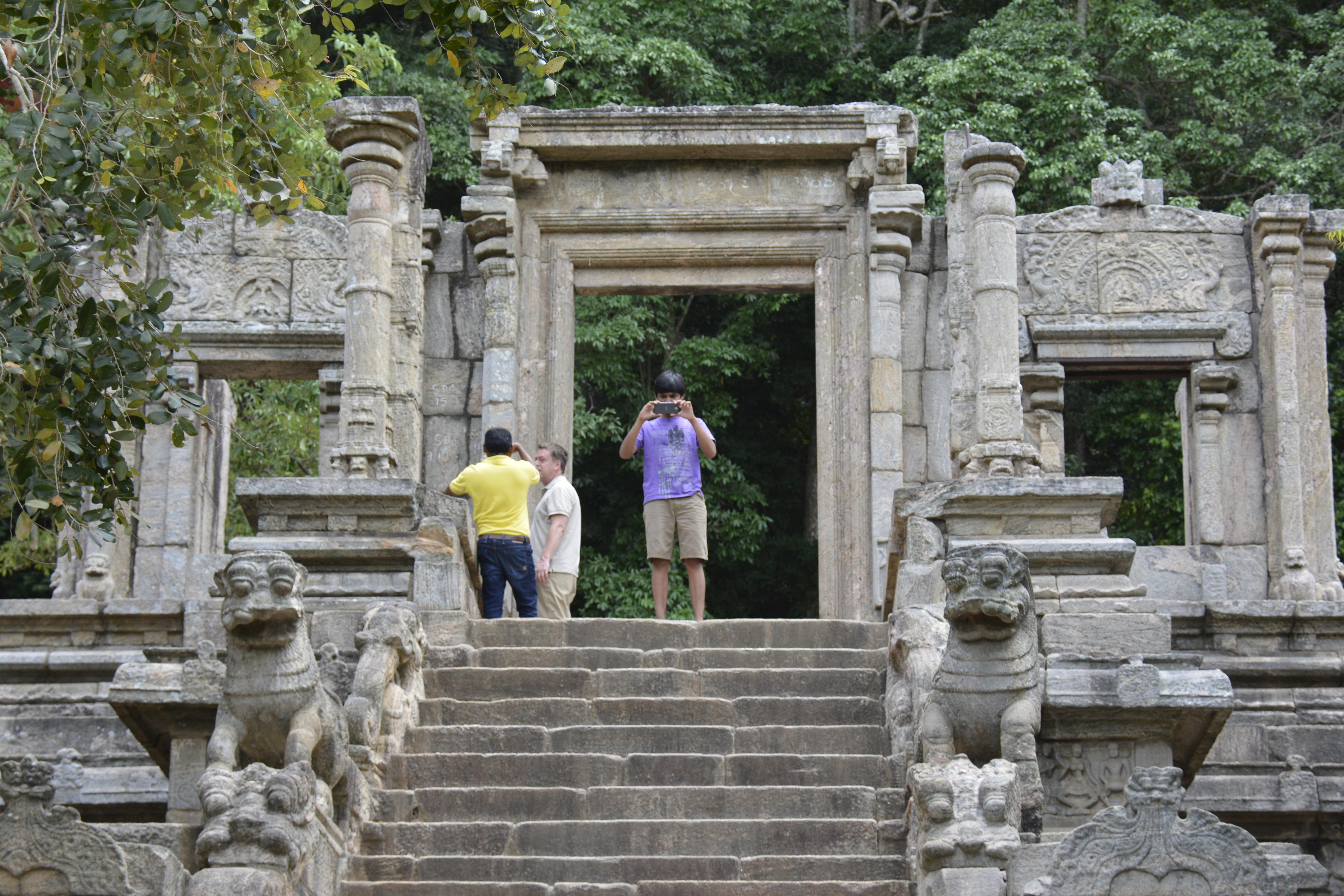
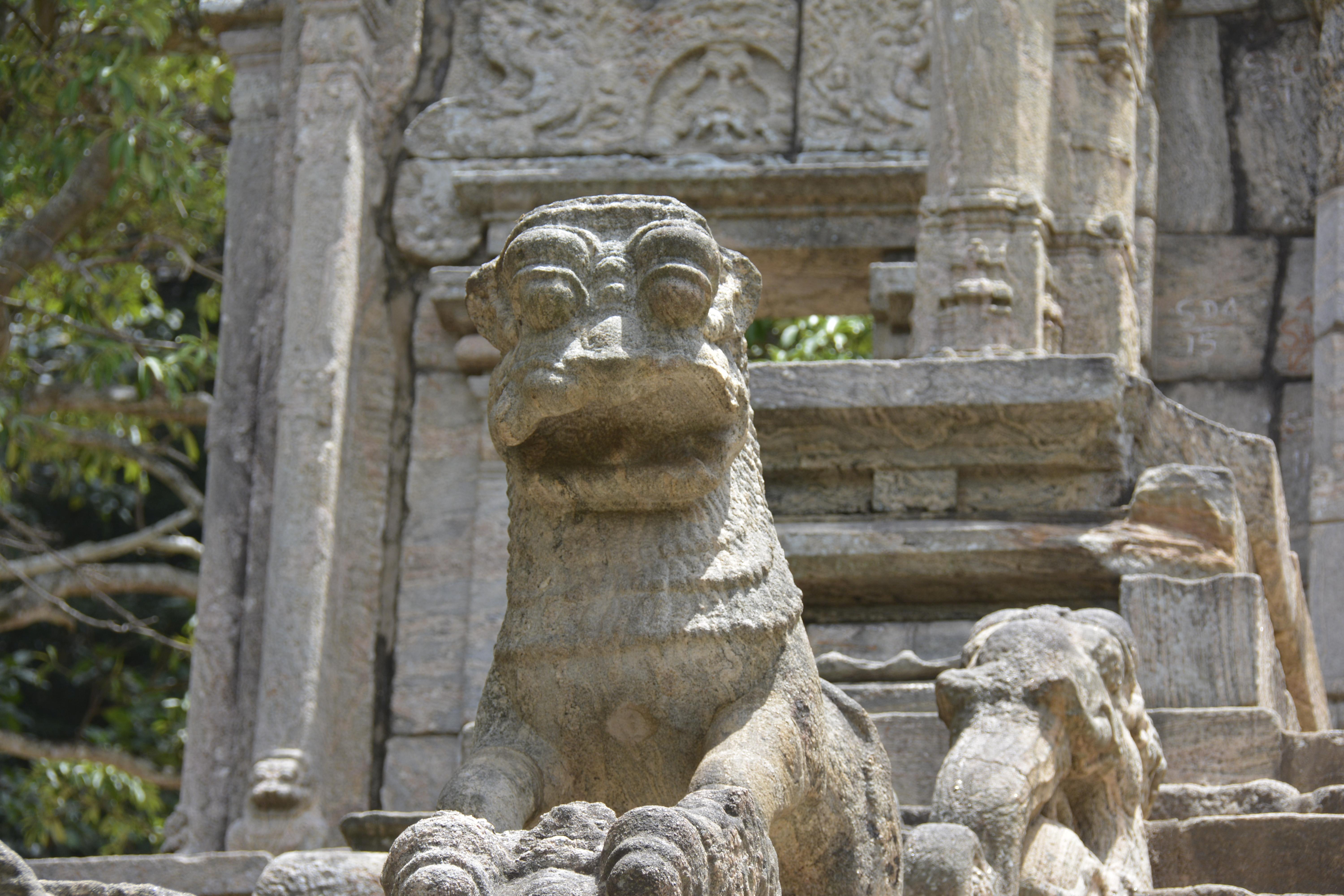
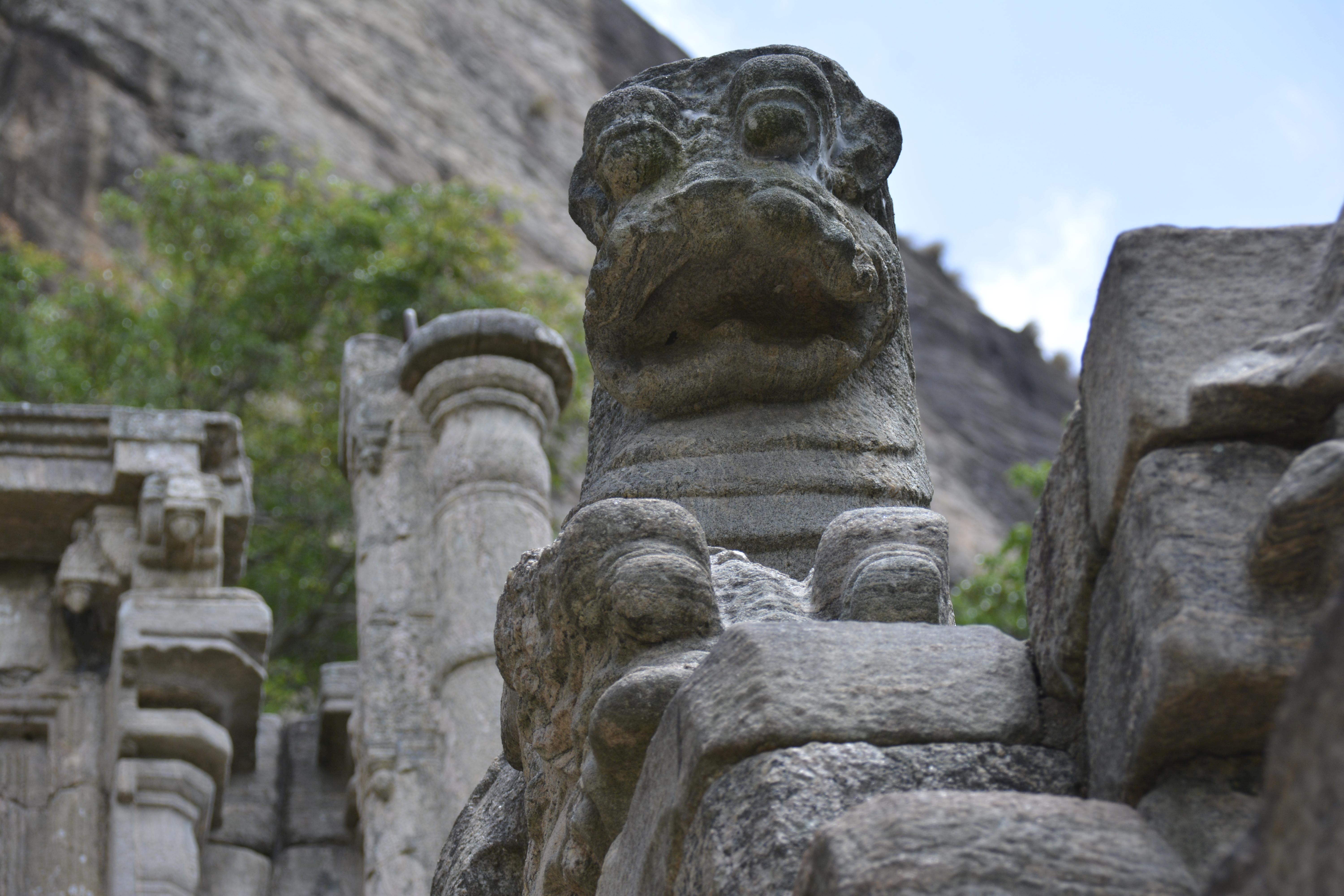
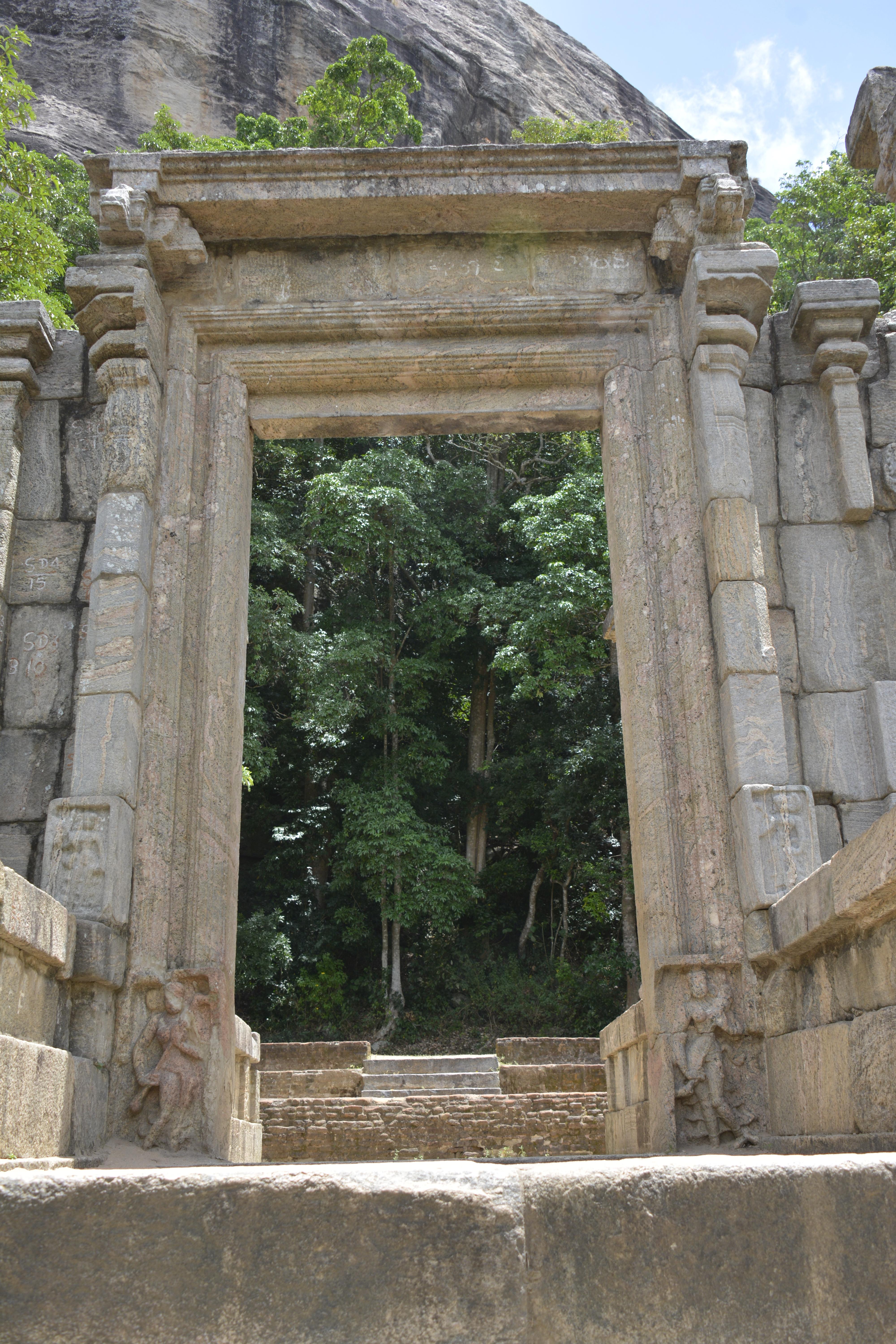
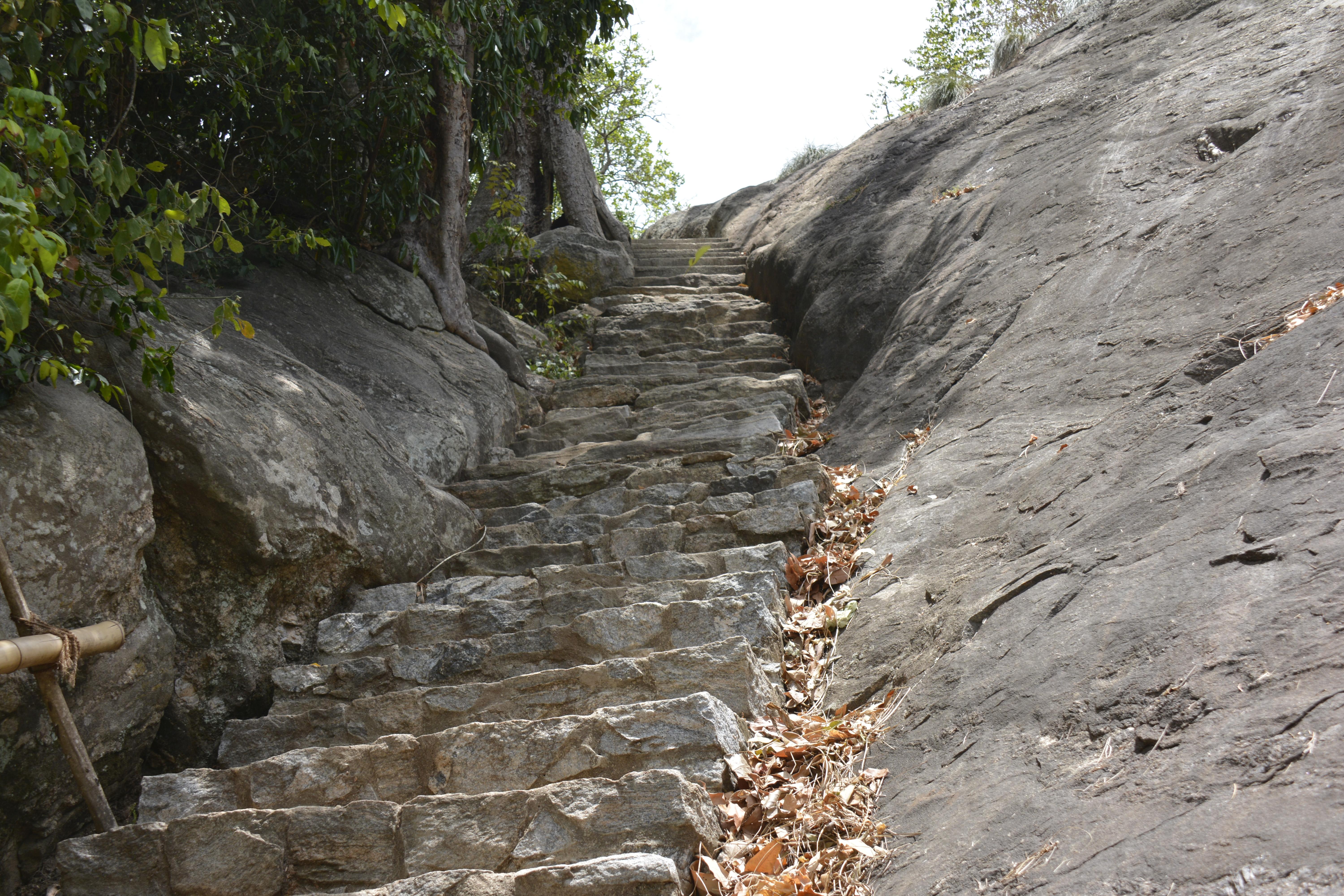
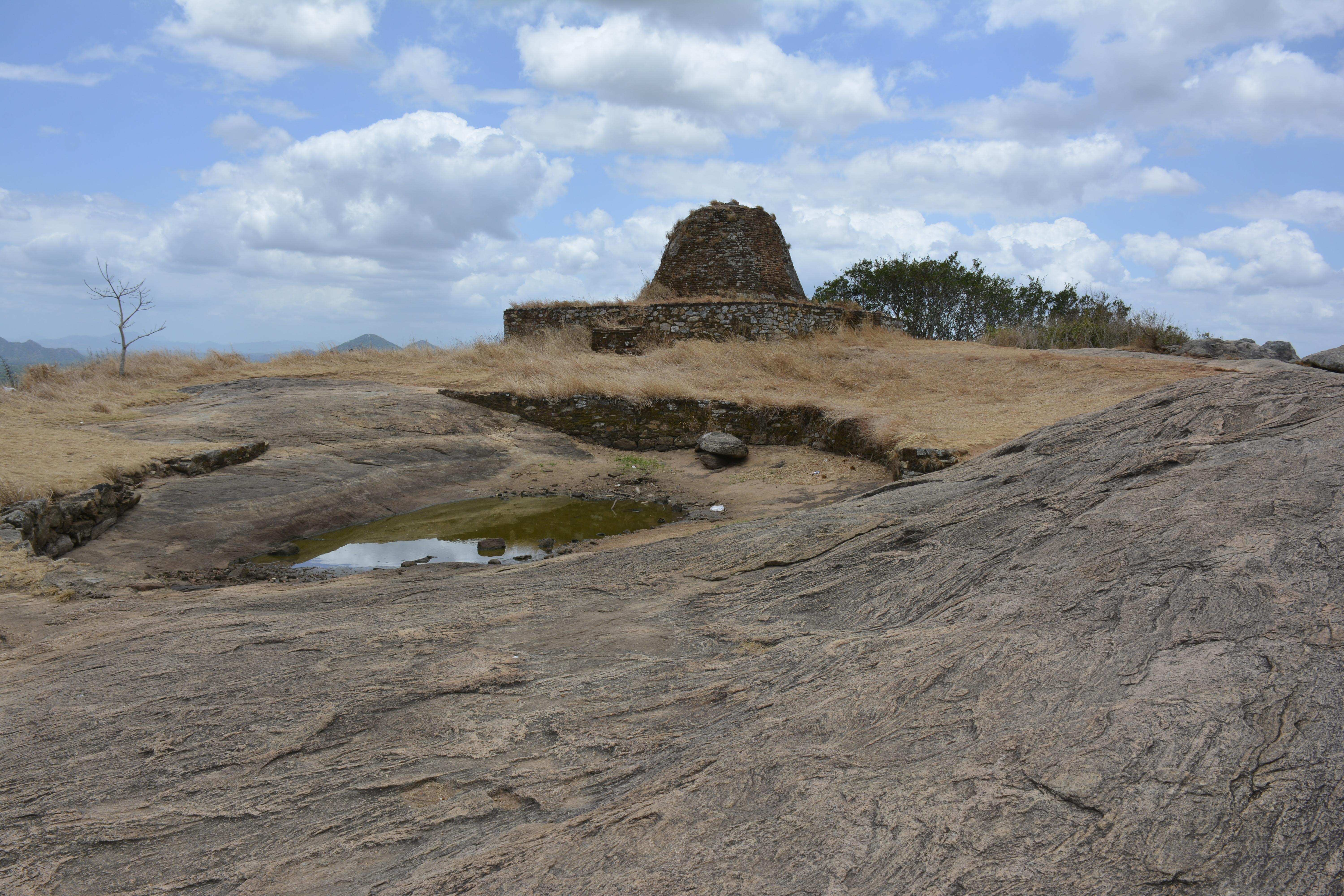
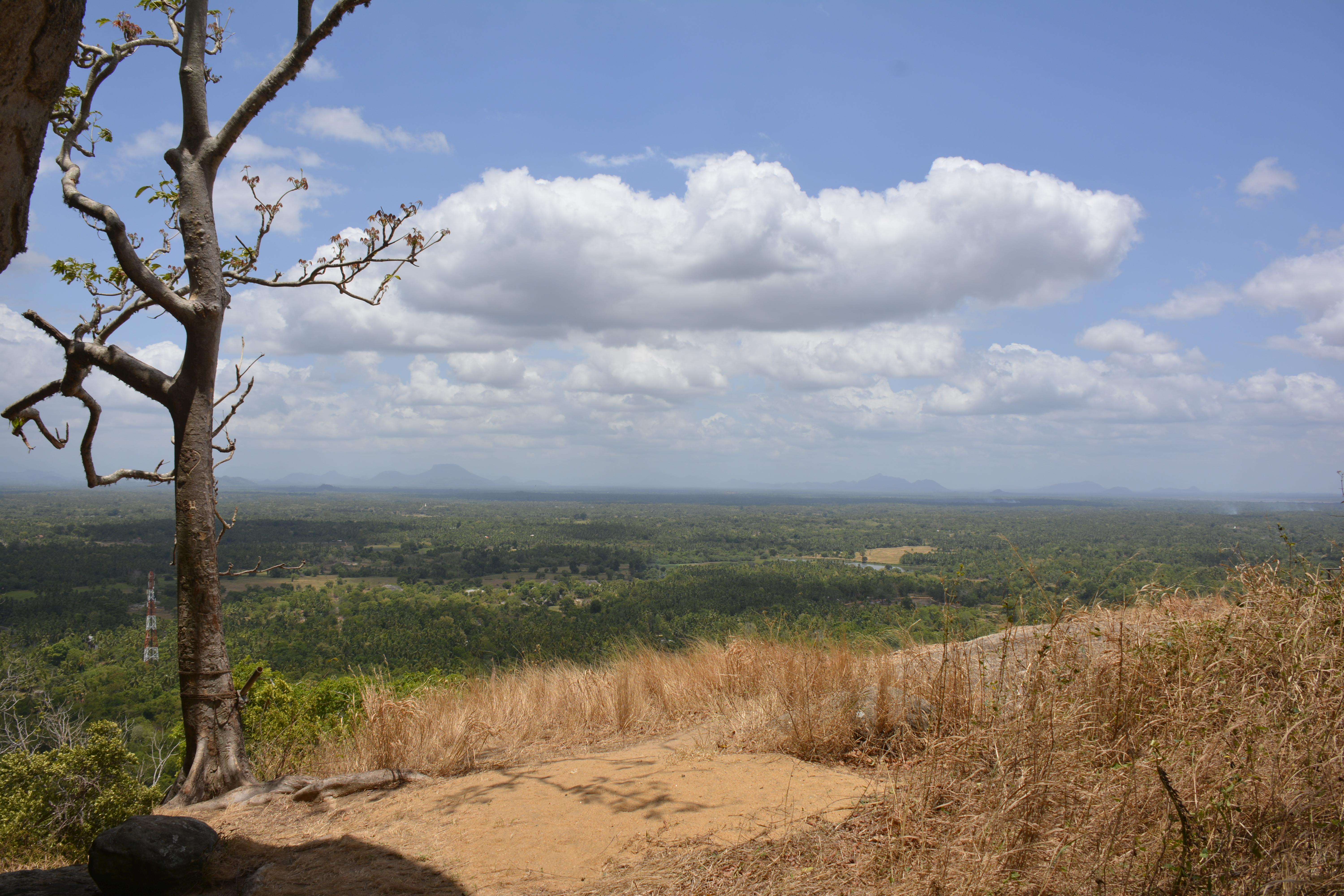
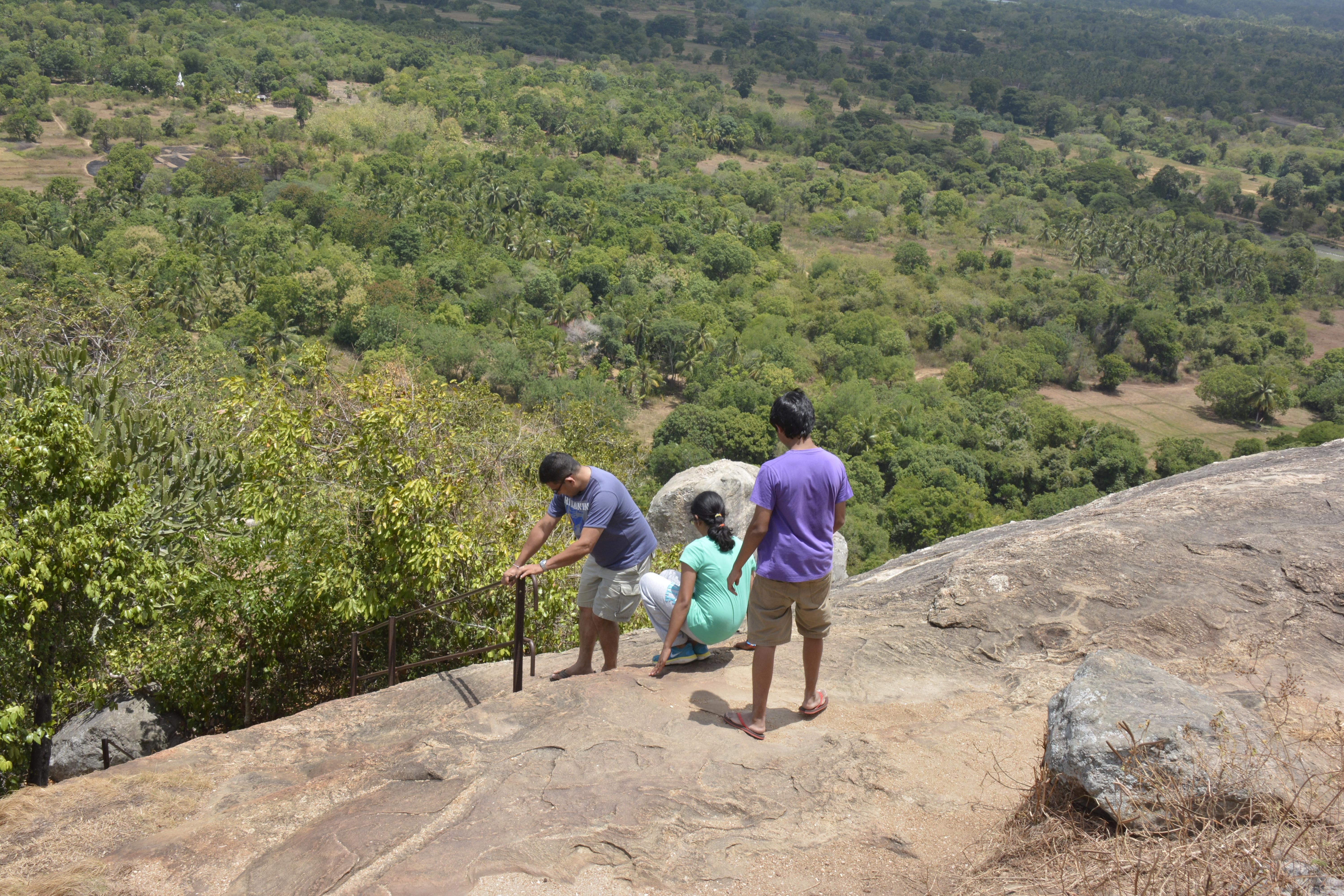
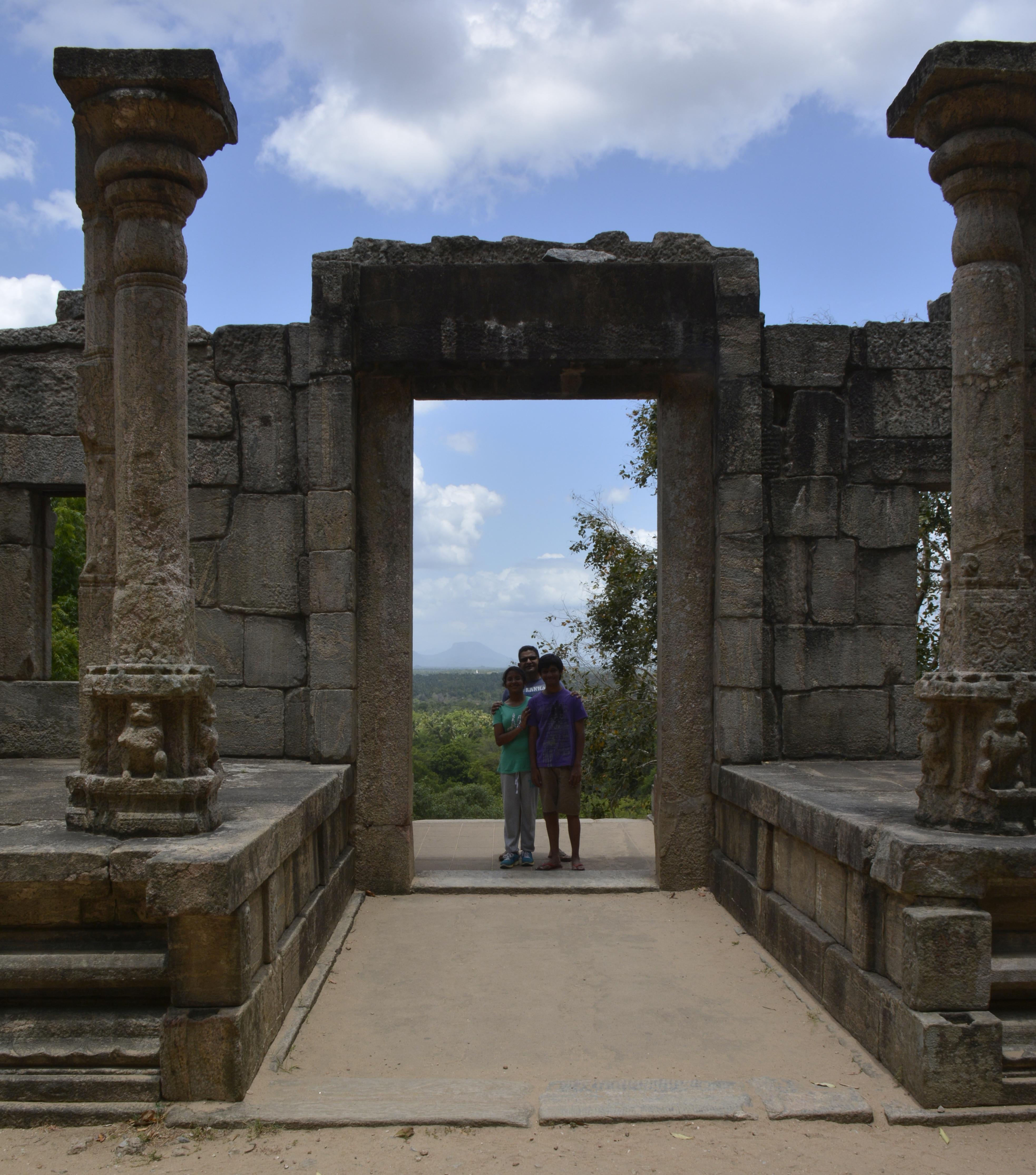
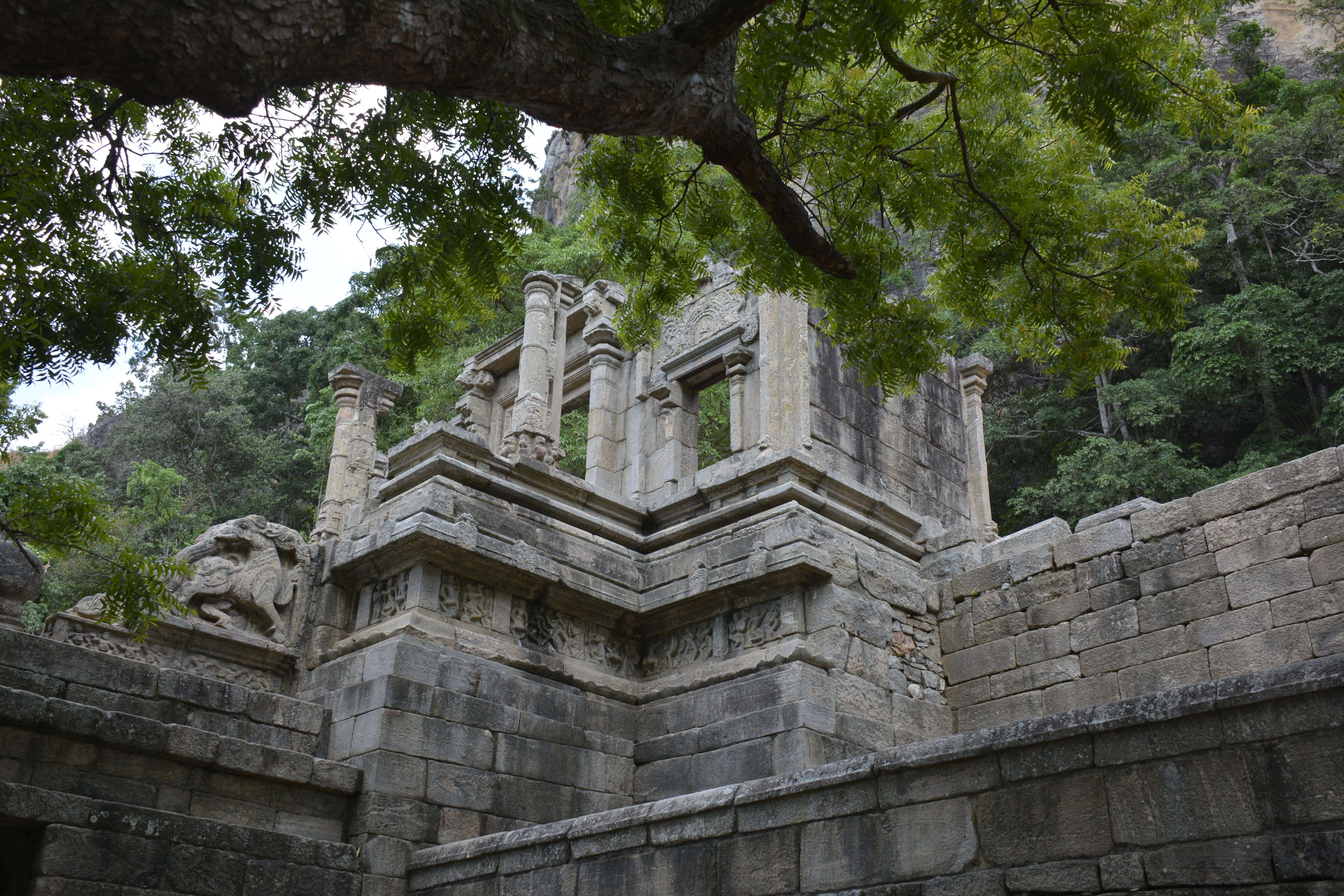
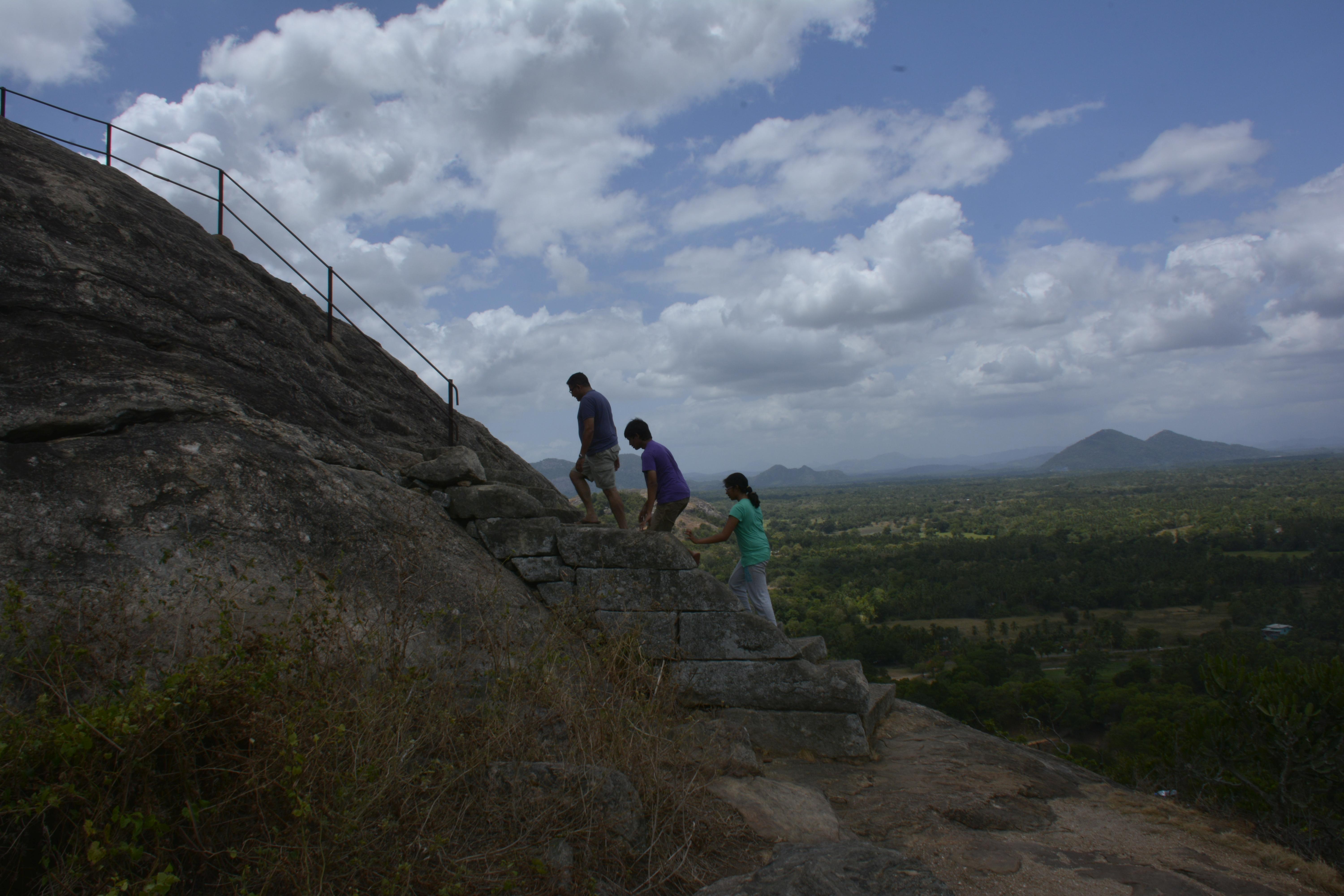
The Yapahuwa Rock Fortress was one of the places where the Sacred Tooth Relic was kept during times of invasion from South India. The steep stair way leading to the fortress is to prevent any storming of the place by enemies. The architecture and intricacies of the the sculpture is awesome. Beyond the fortress, its possible to climb to the top of the rock. If one can make it up the steep stairs, then the rest of the climb is also possible. At the top is a remains of a chaitya and small rock pools.
 Urban Gypsy Sri Lanka