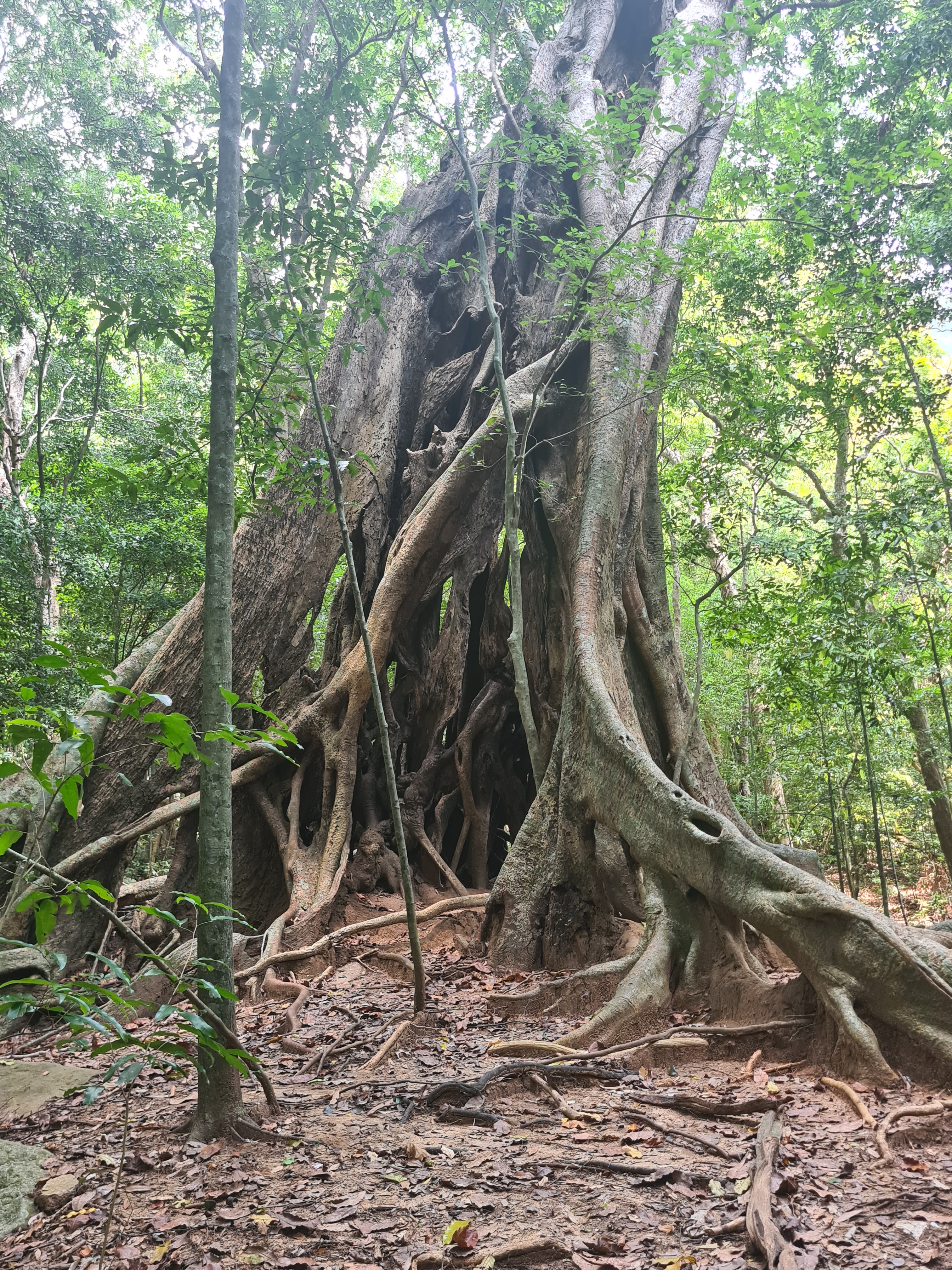
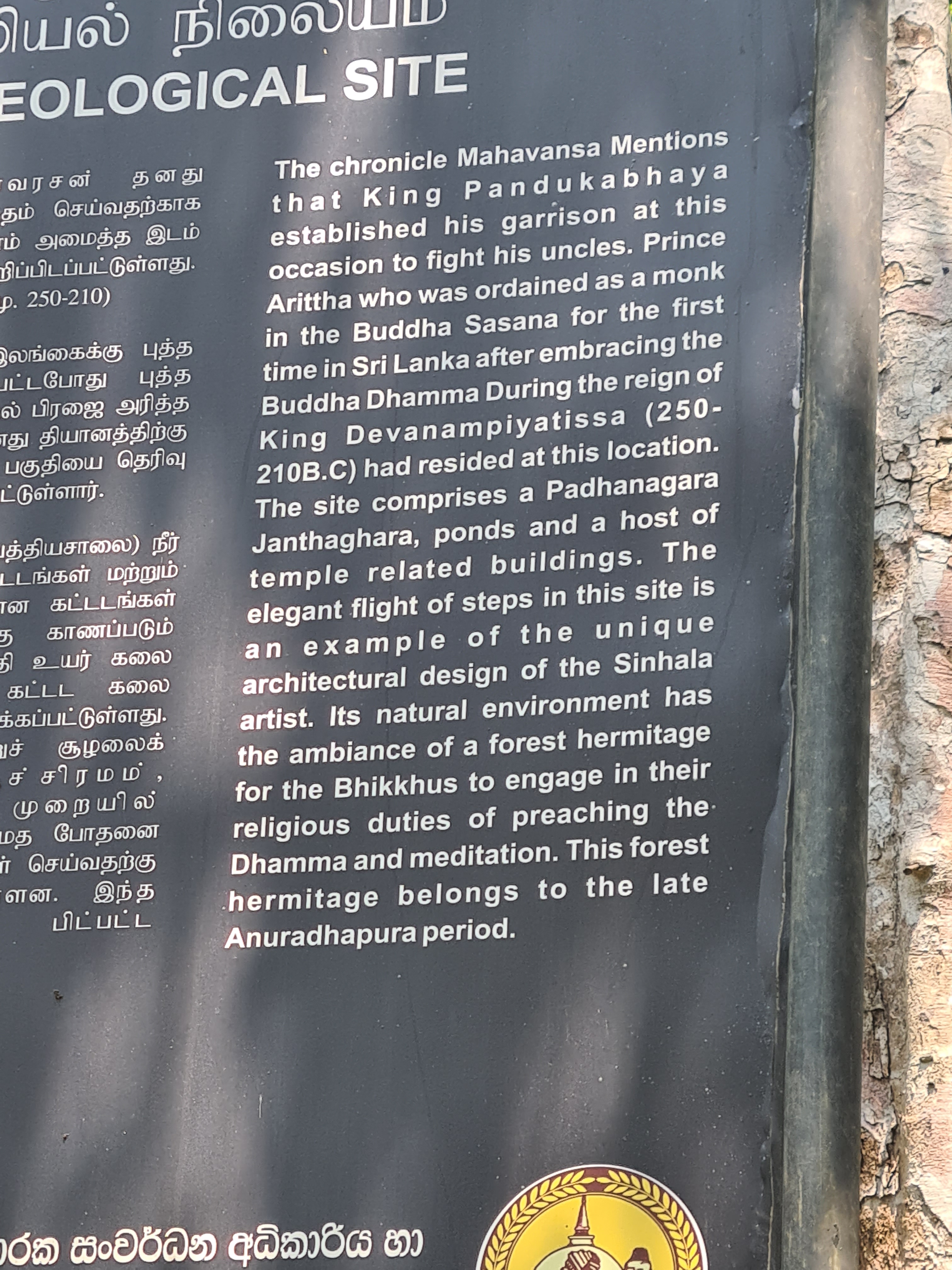
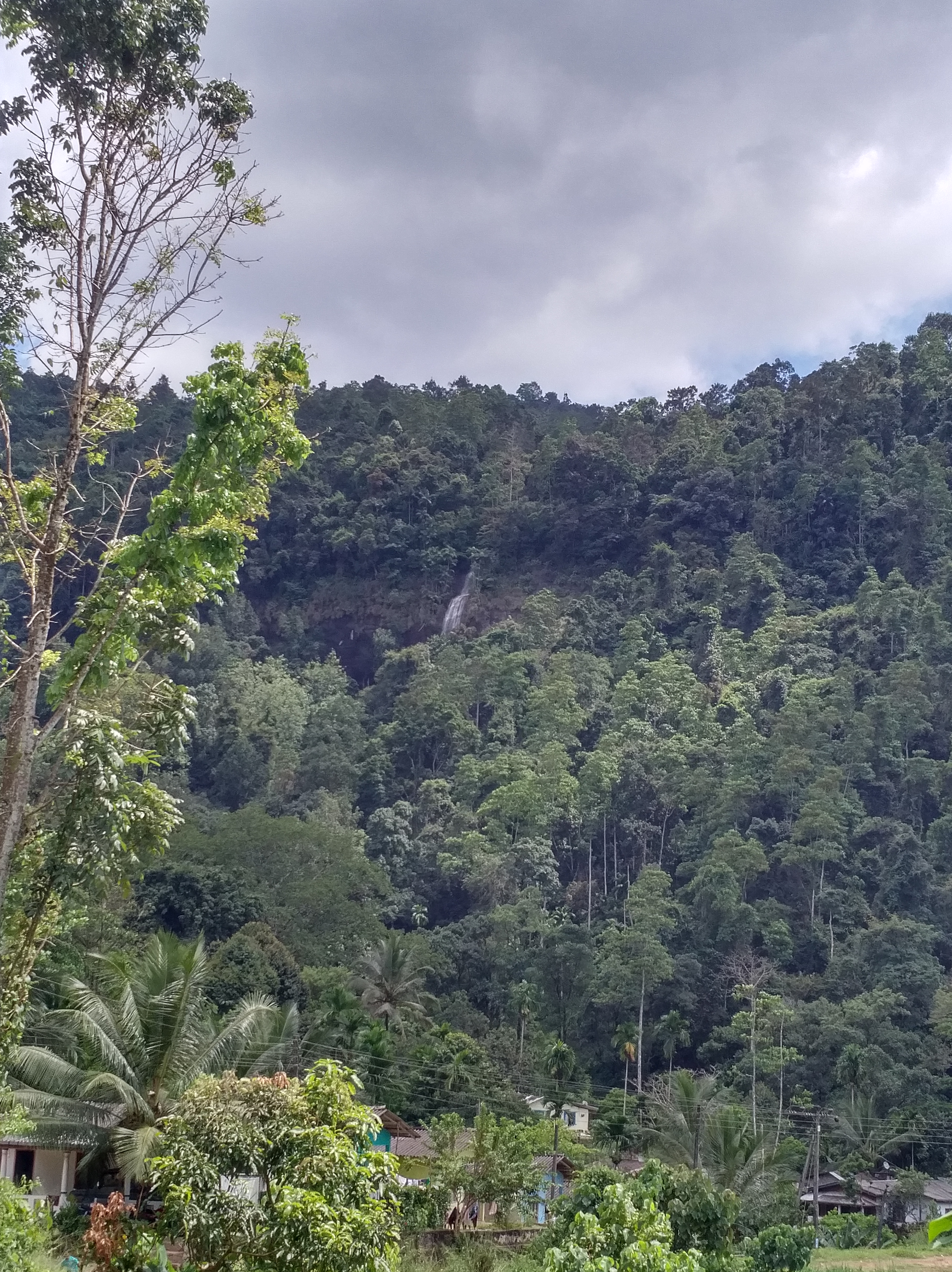
Dating back to the times prior to the arrival of King Vijaya in the country circa 500BC.shrouded in mystic lore, it is a mountain which has a strange appeal. It is one Iof the 3 Strict Nature Reserves in the country to protect its rich bio diversity. It has distinct climatic zones and vegetation that changes as one climbs up the hill. There is a noticeable change in climate with the higher levels vegetated with short shrubbery of the hill country laden with moss.
It is said to be fortress of one of the aboriginal clans of Sri Lanka, the Yakkas. This mountain is said to be the base of the first Sri Lankan born King Pandukabahaya who together with the Yaksha clan defeated his nine uncles to become King in Anuradhapura. This mountain is also said to be the place from which Hanuman, of the Ramayana tale, is said to have leaped back to South India some 3000 years BC. This is indeed the highest prominence between Sri Lanka and South India.
The mountain, which is about 765m tall is also called Arittha Pabbata, or Arritha rock in honor of the first Sri Lankan Arahant who is supposed to have made this his jungle retreat. The area is also home to the ancient Sri Lankan martial art Angampora.
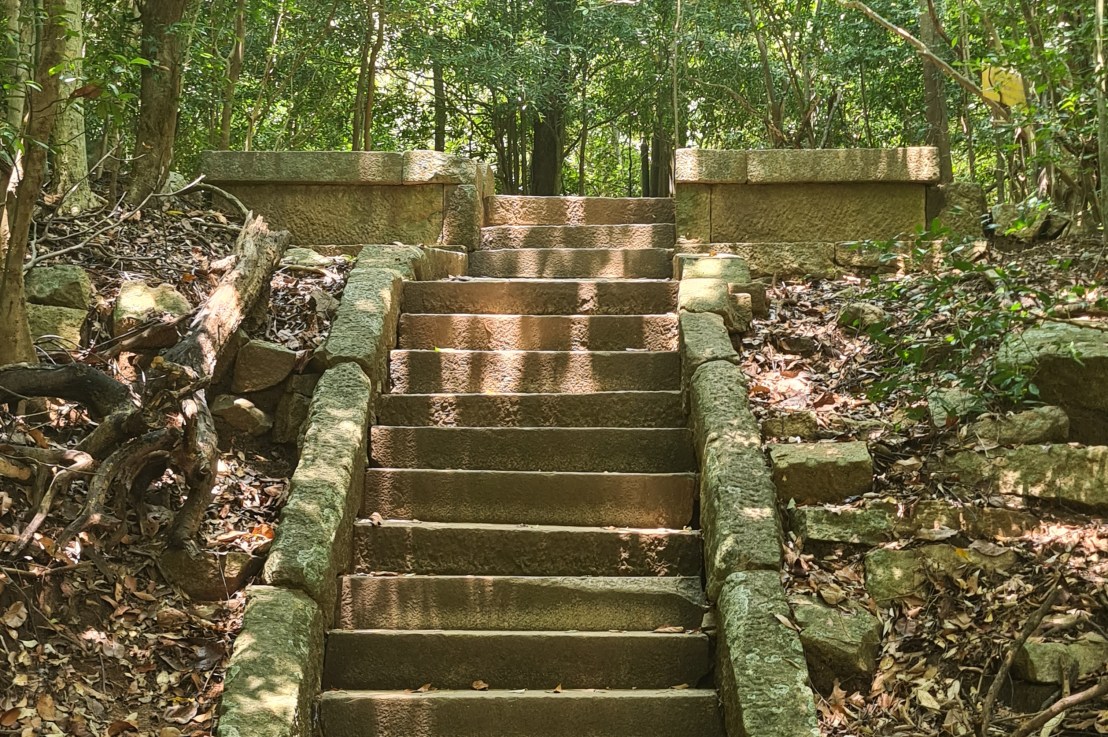
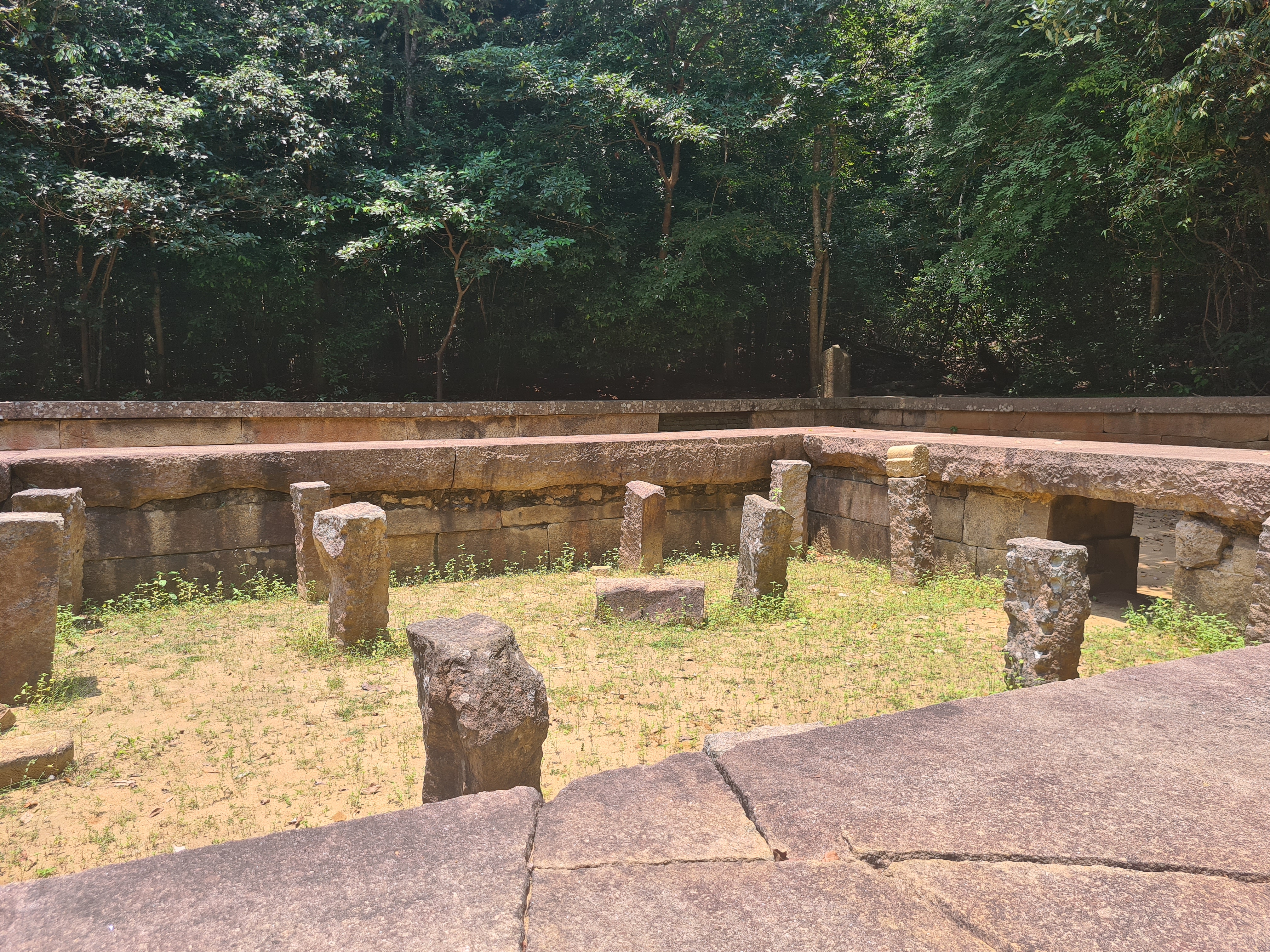
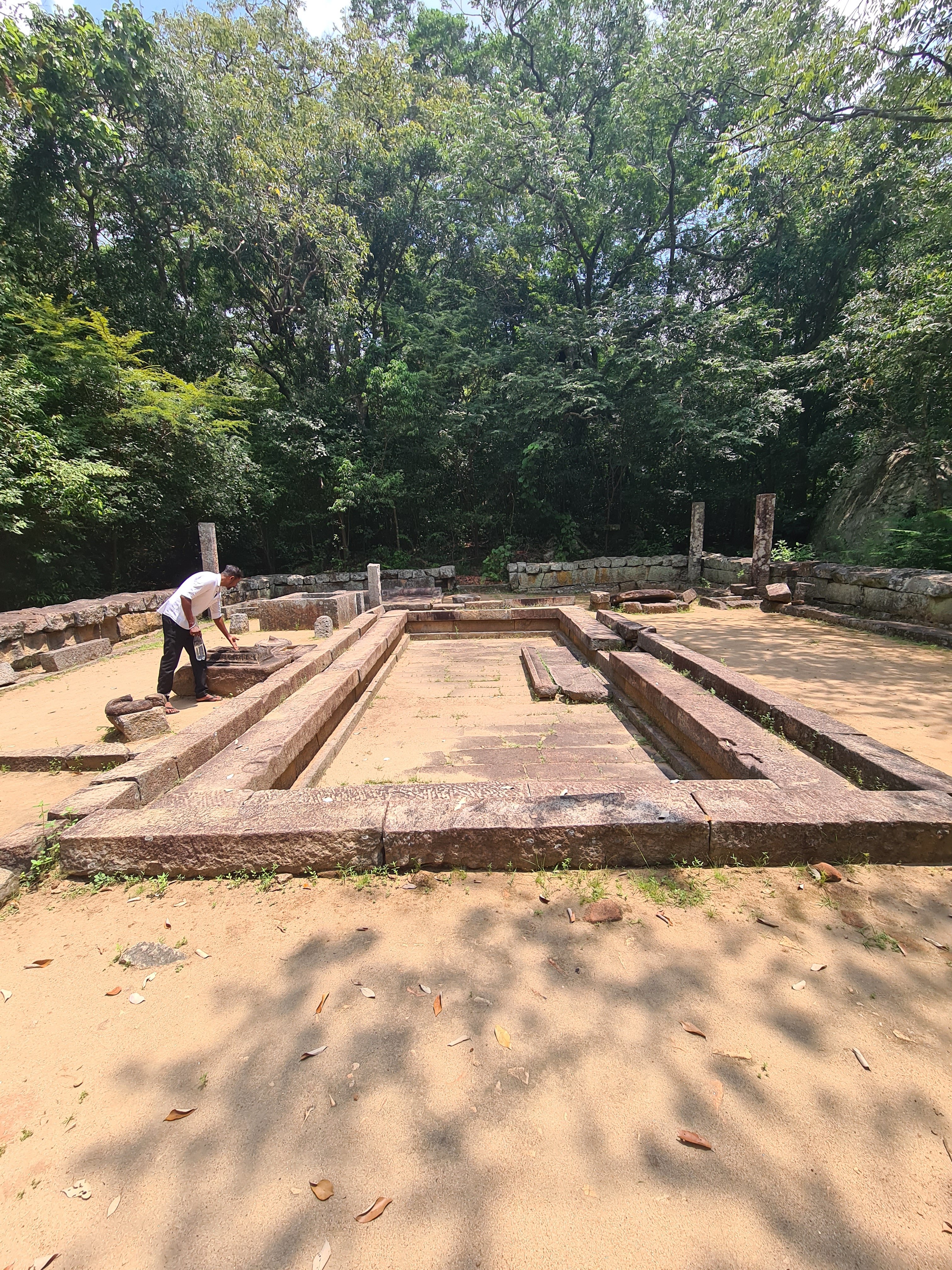
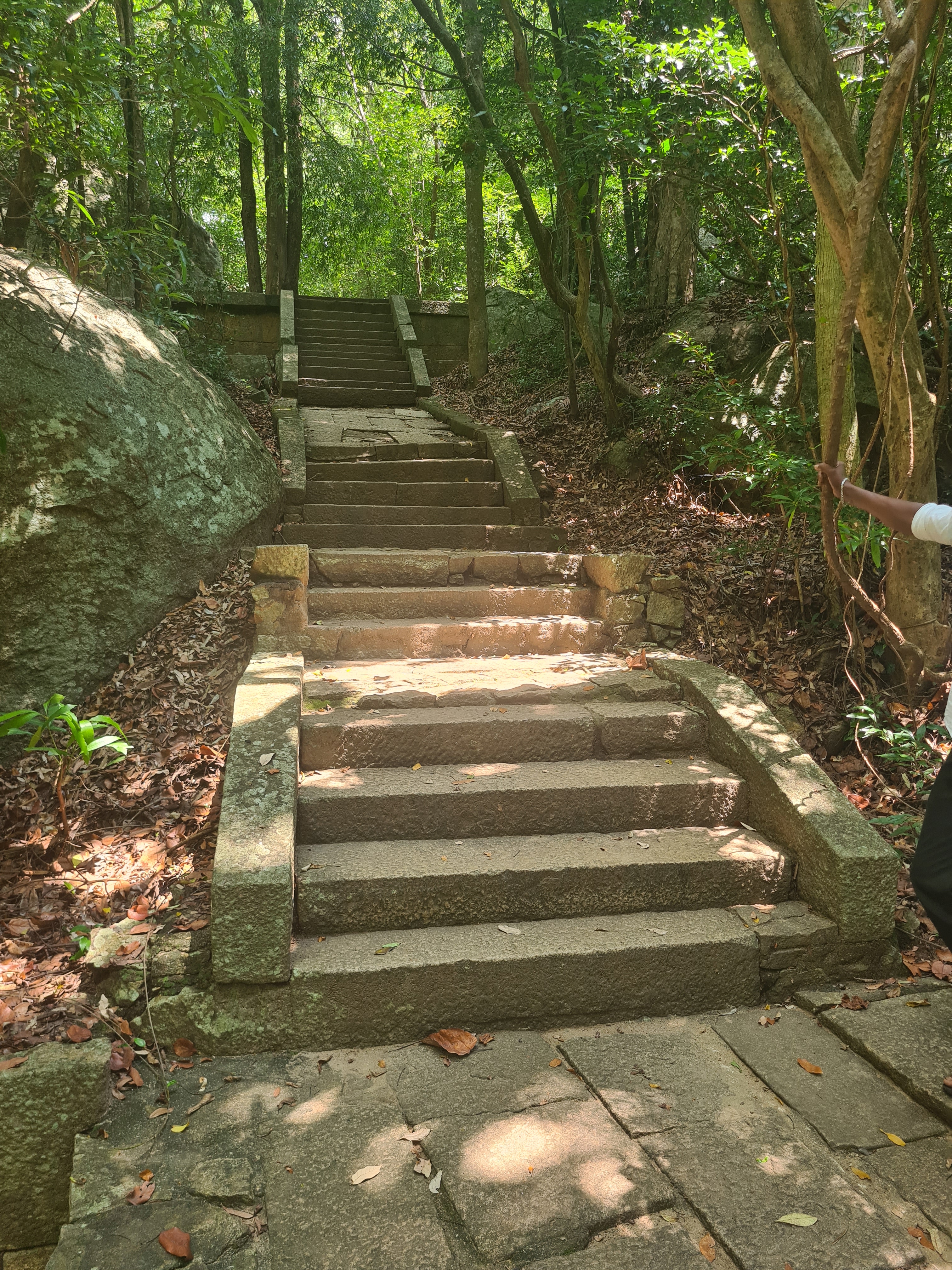
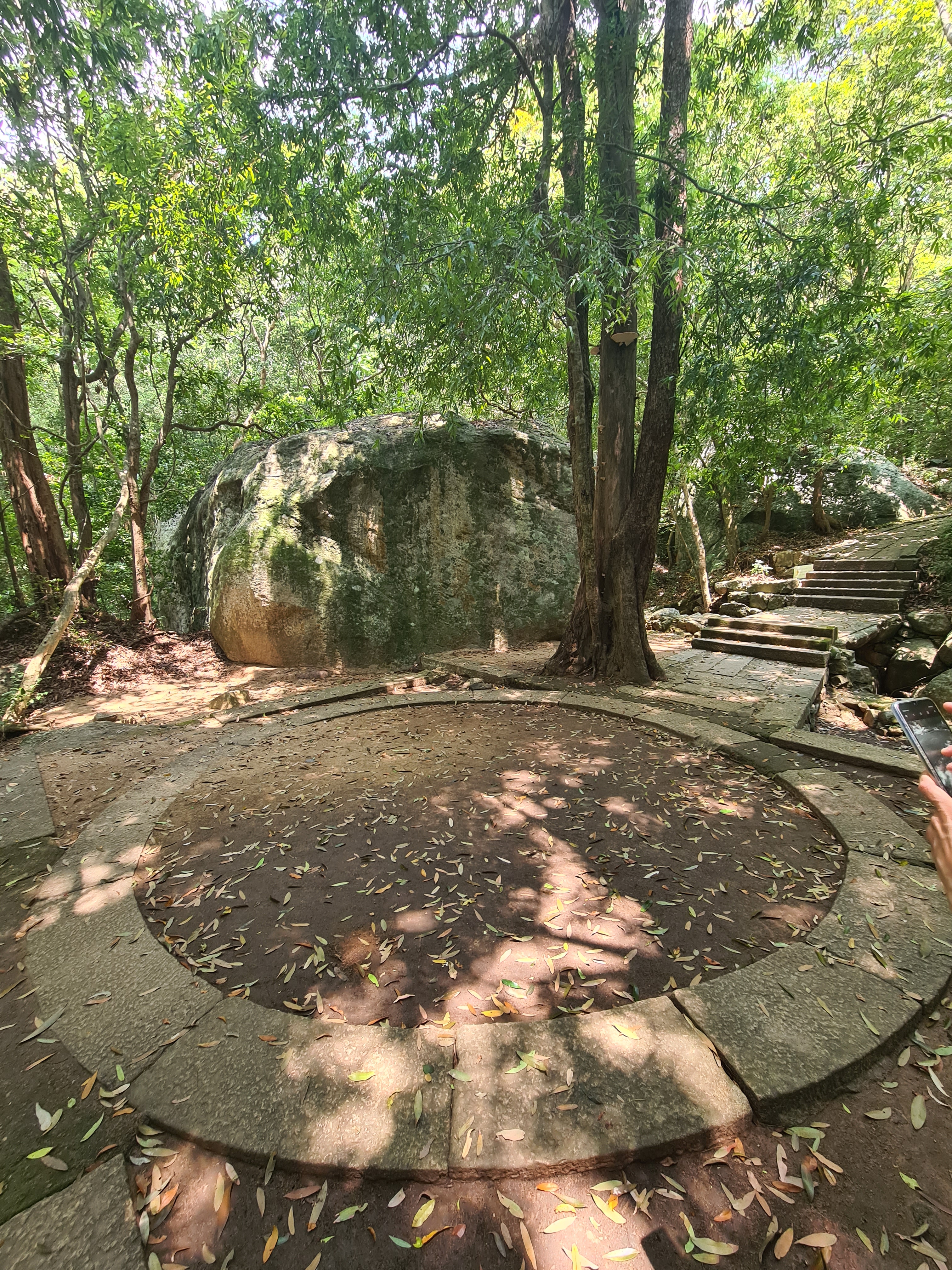
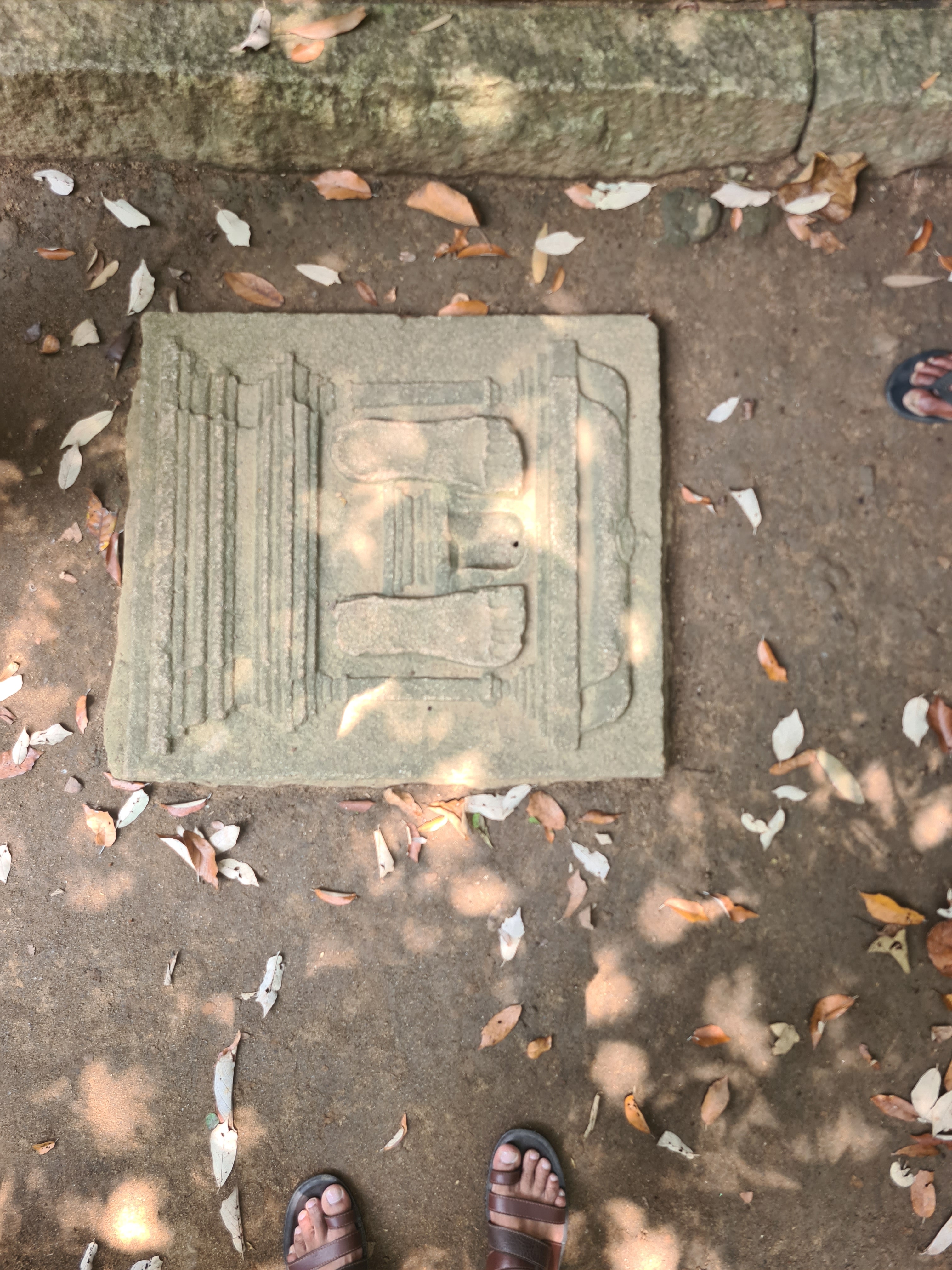
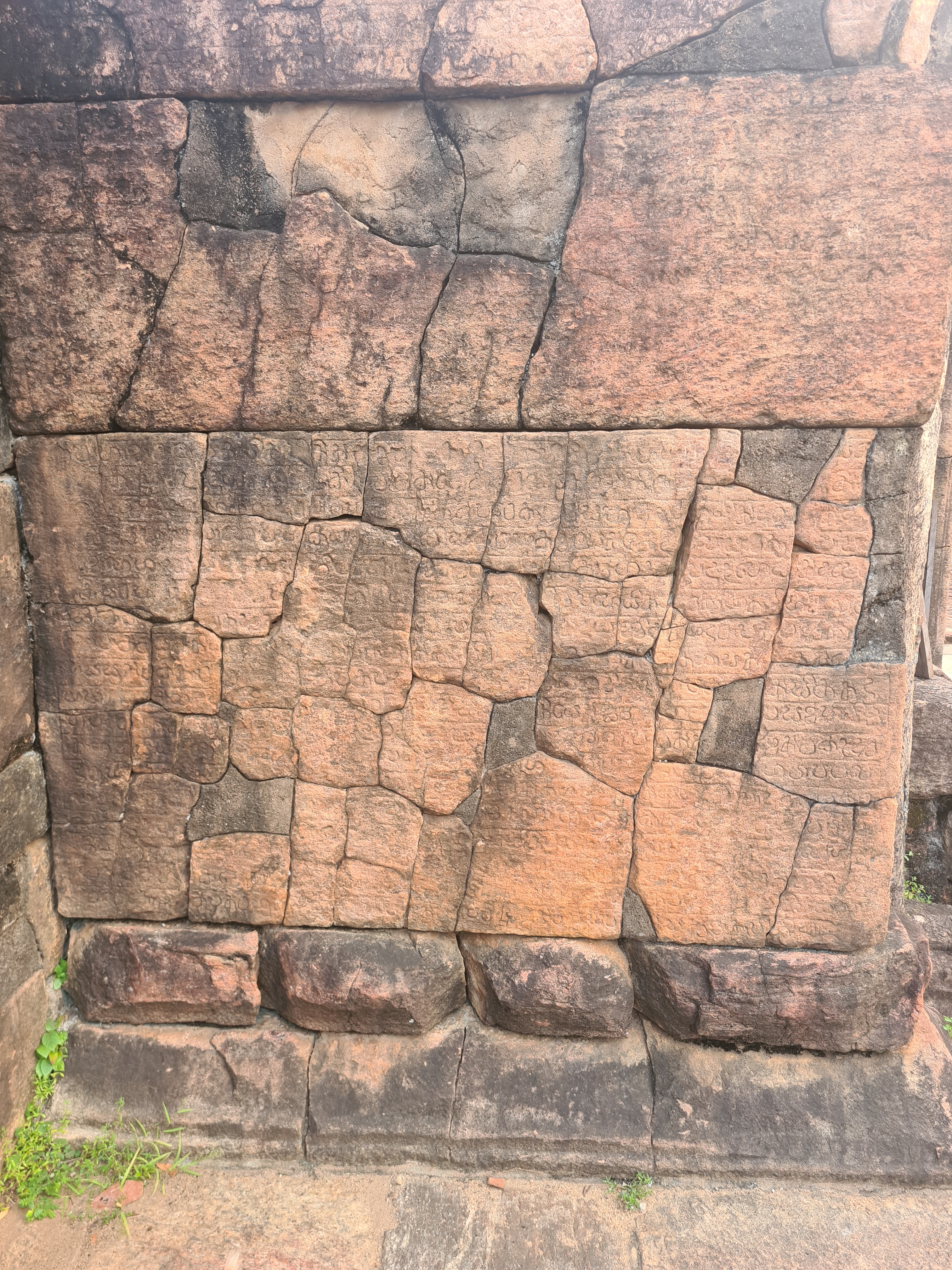
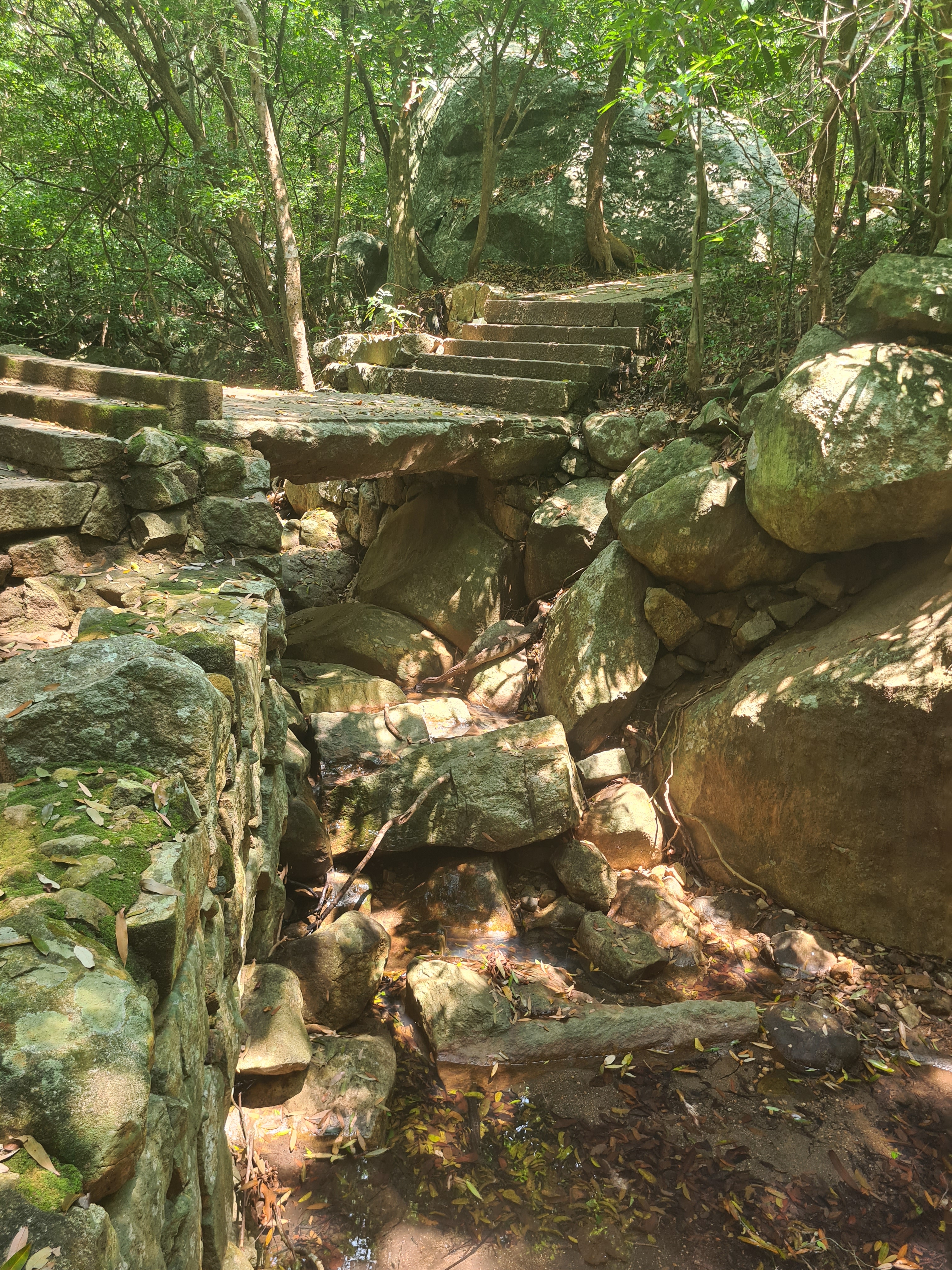
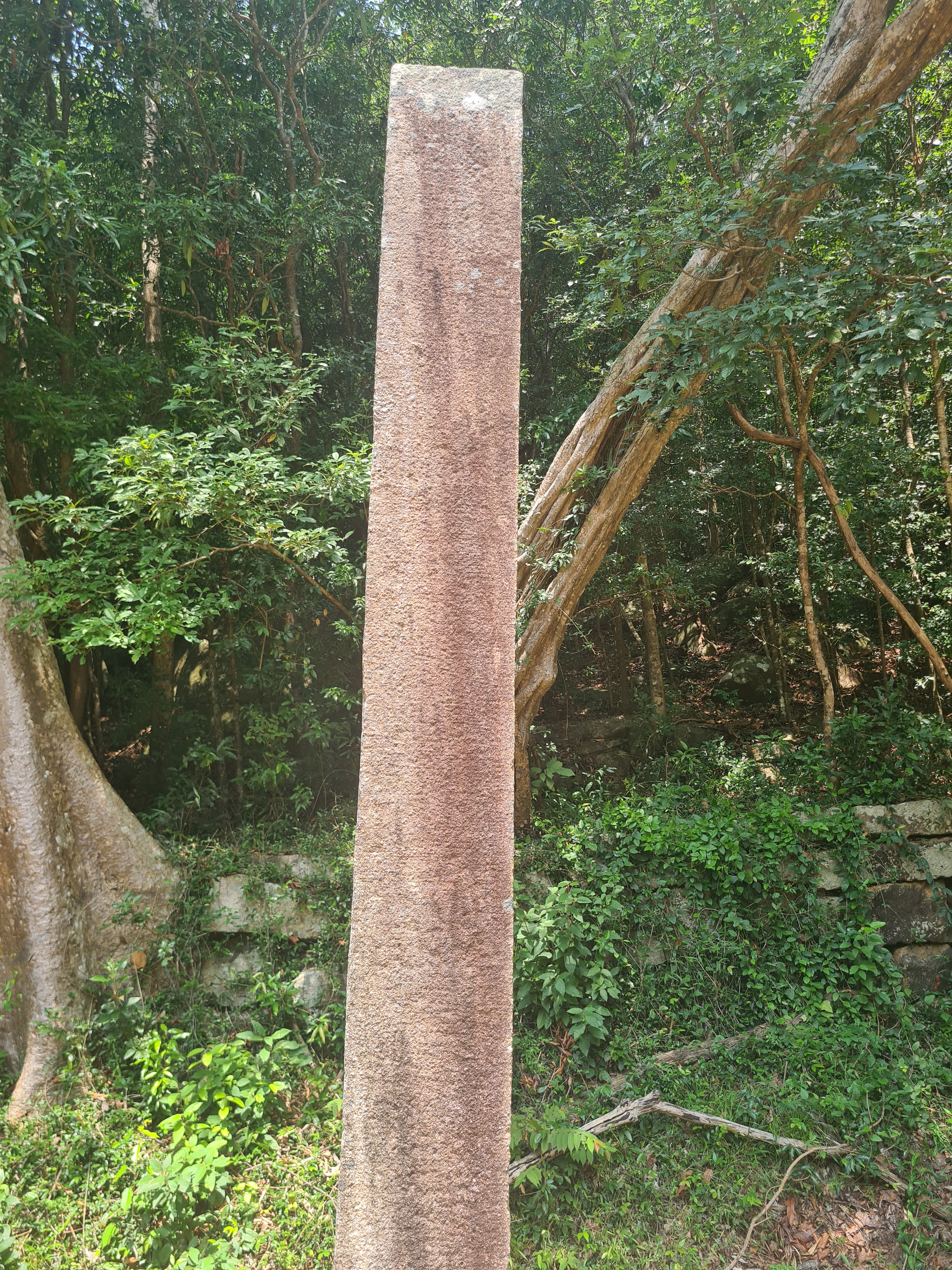
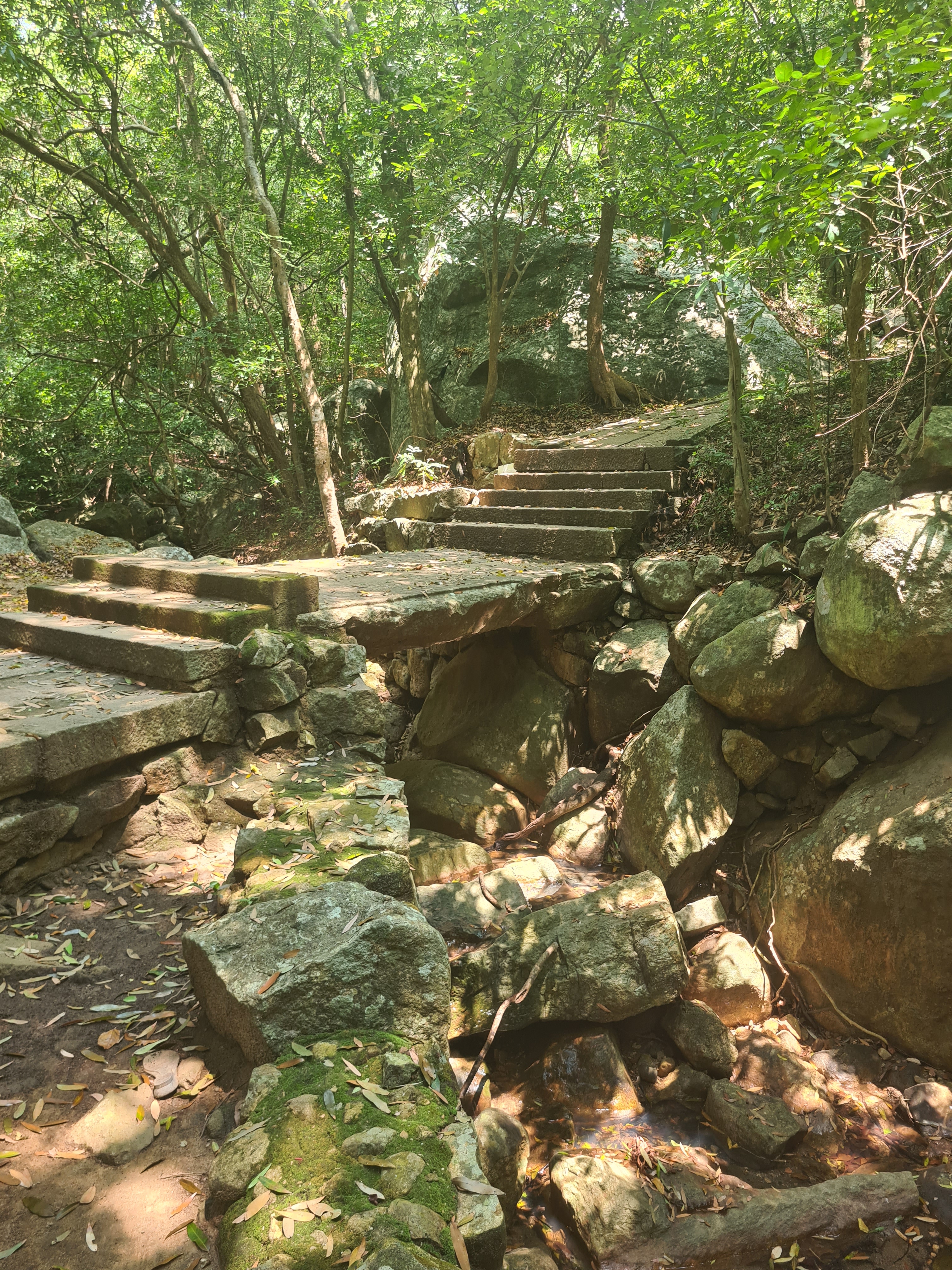
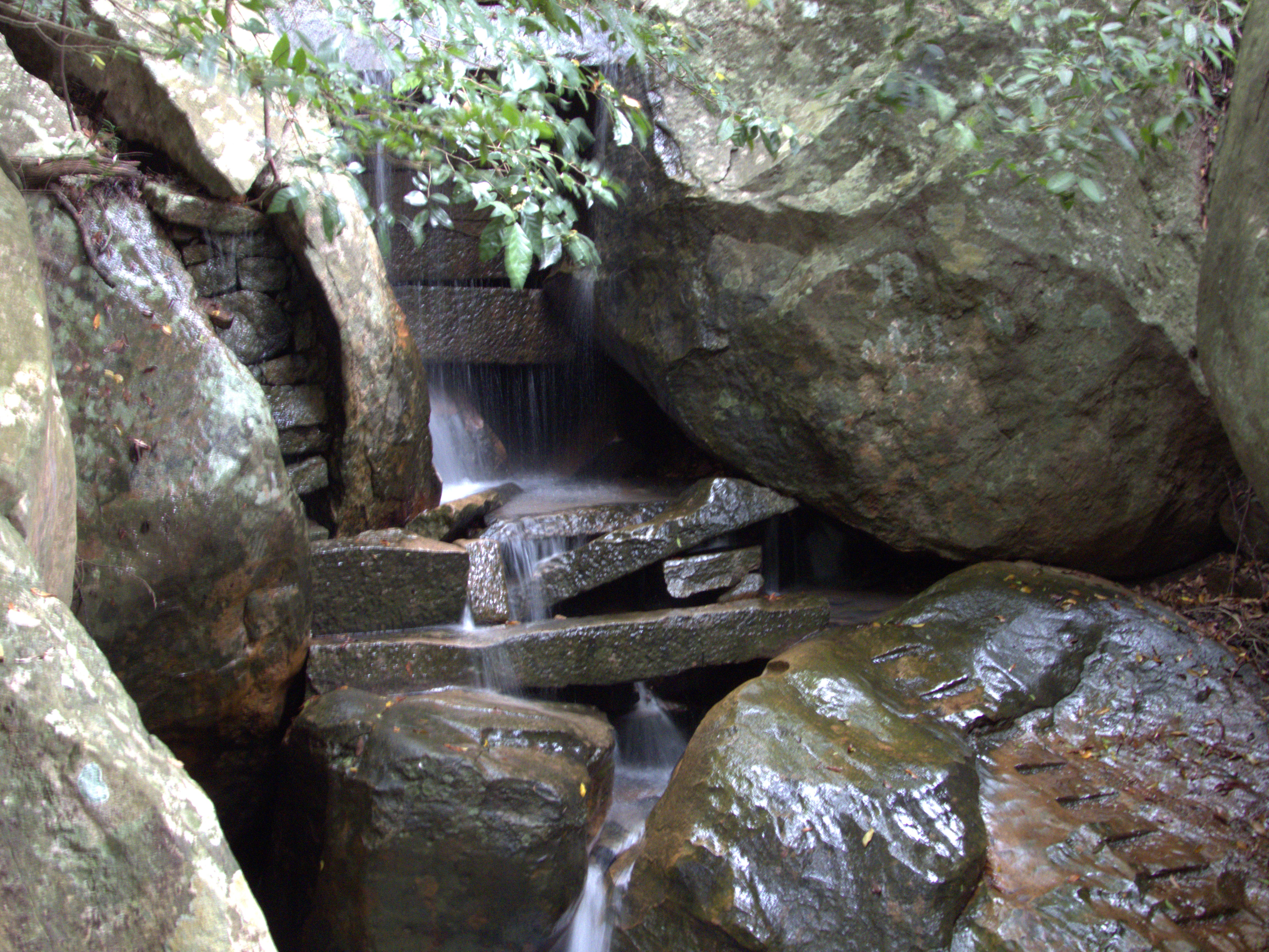
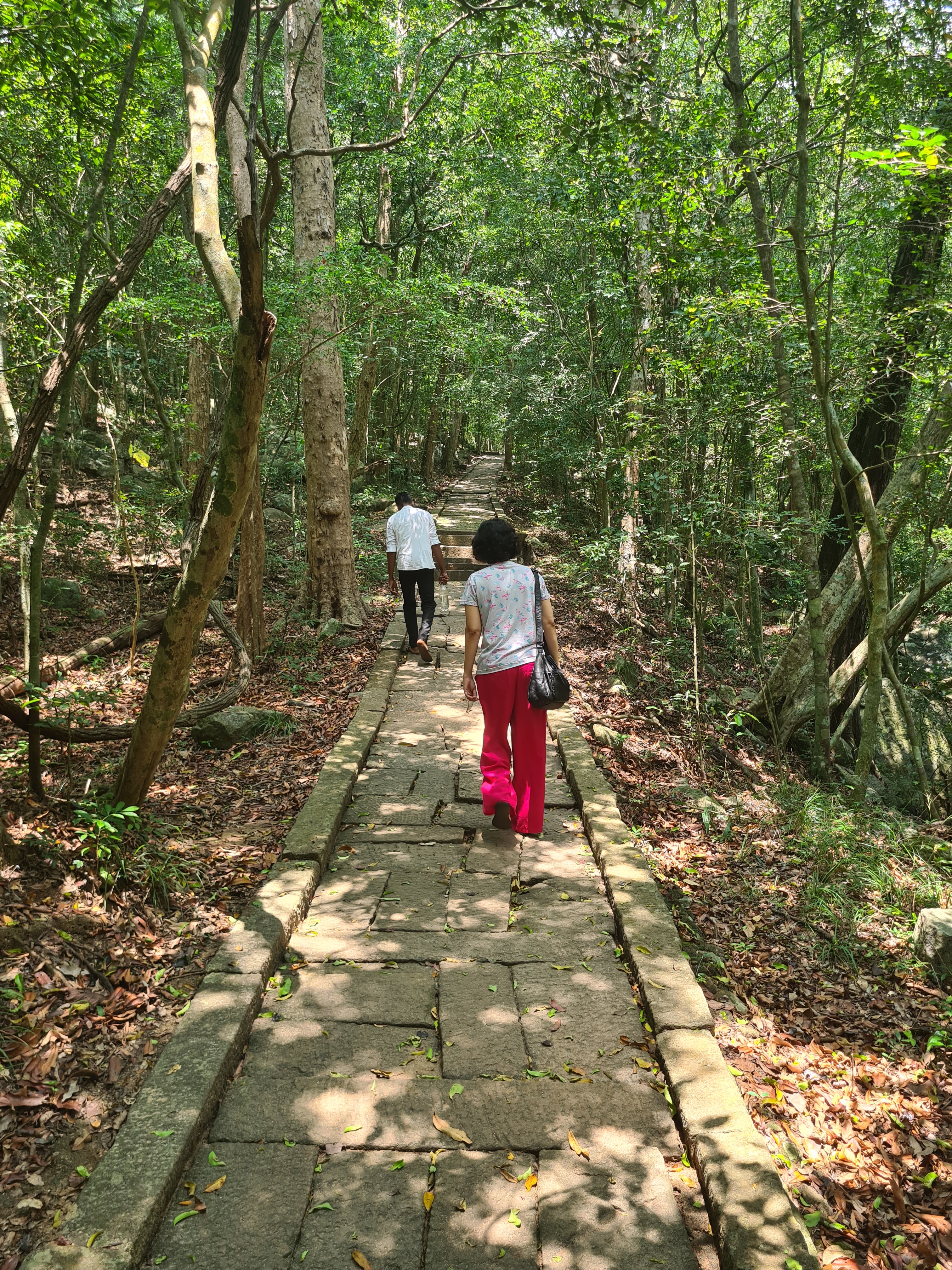
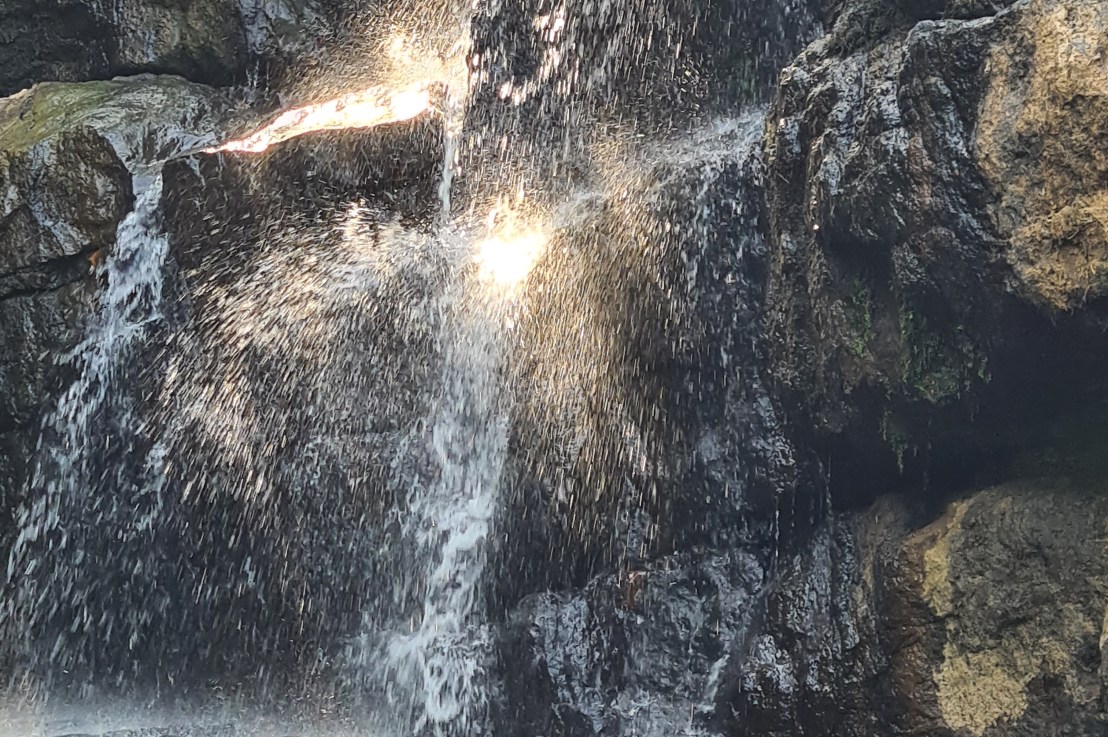
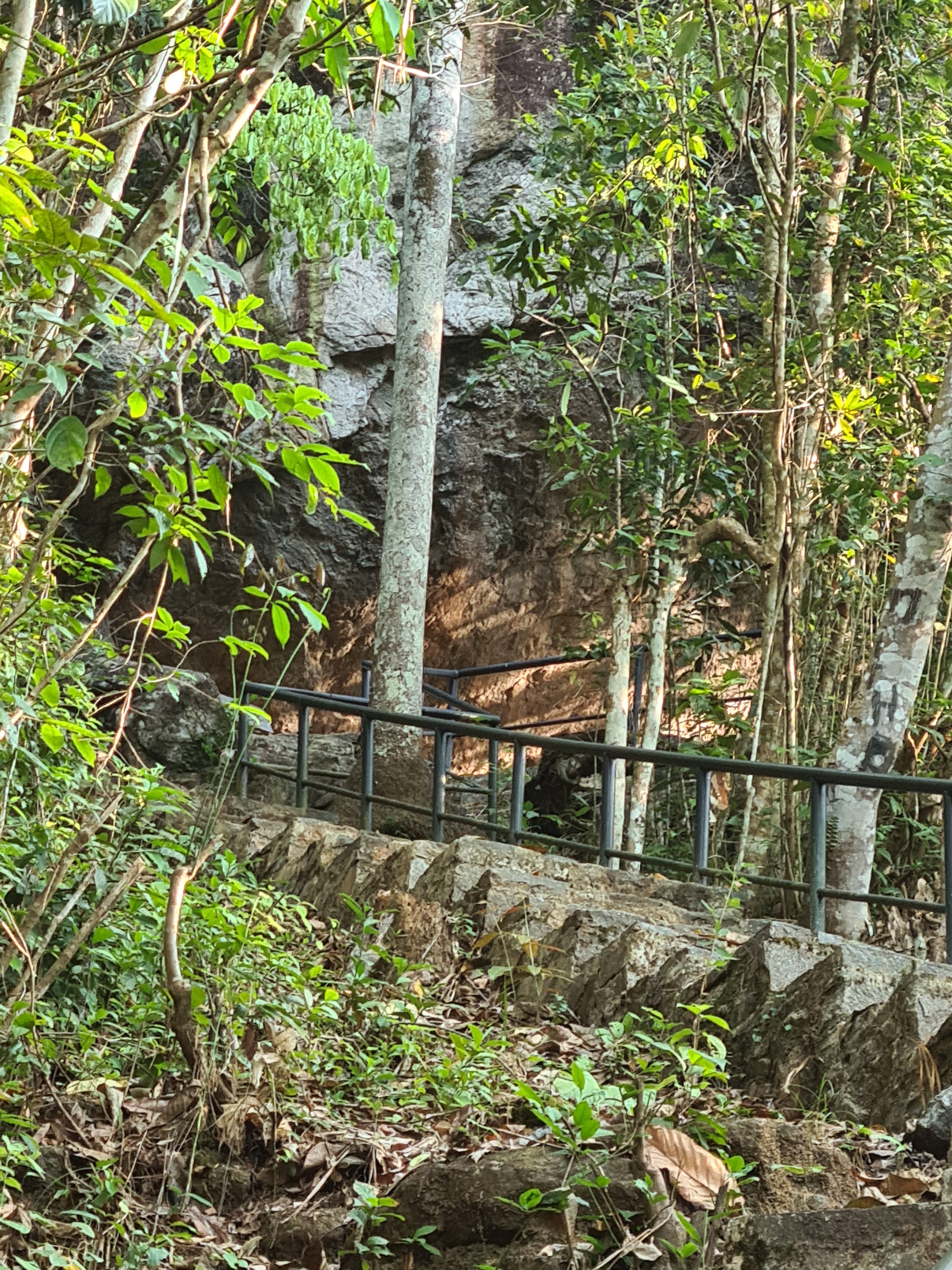
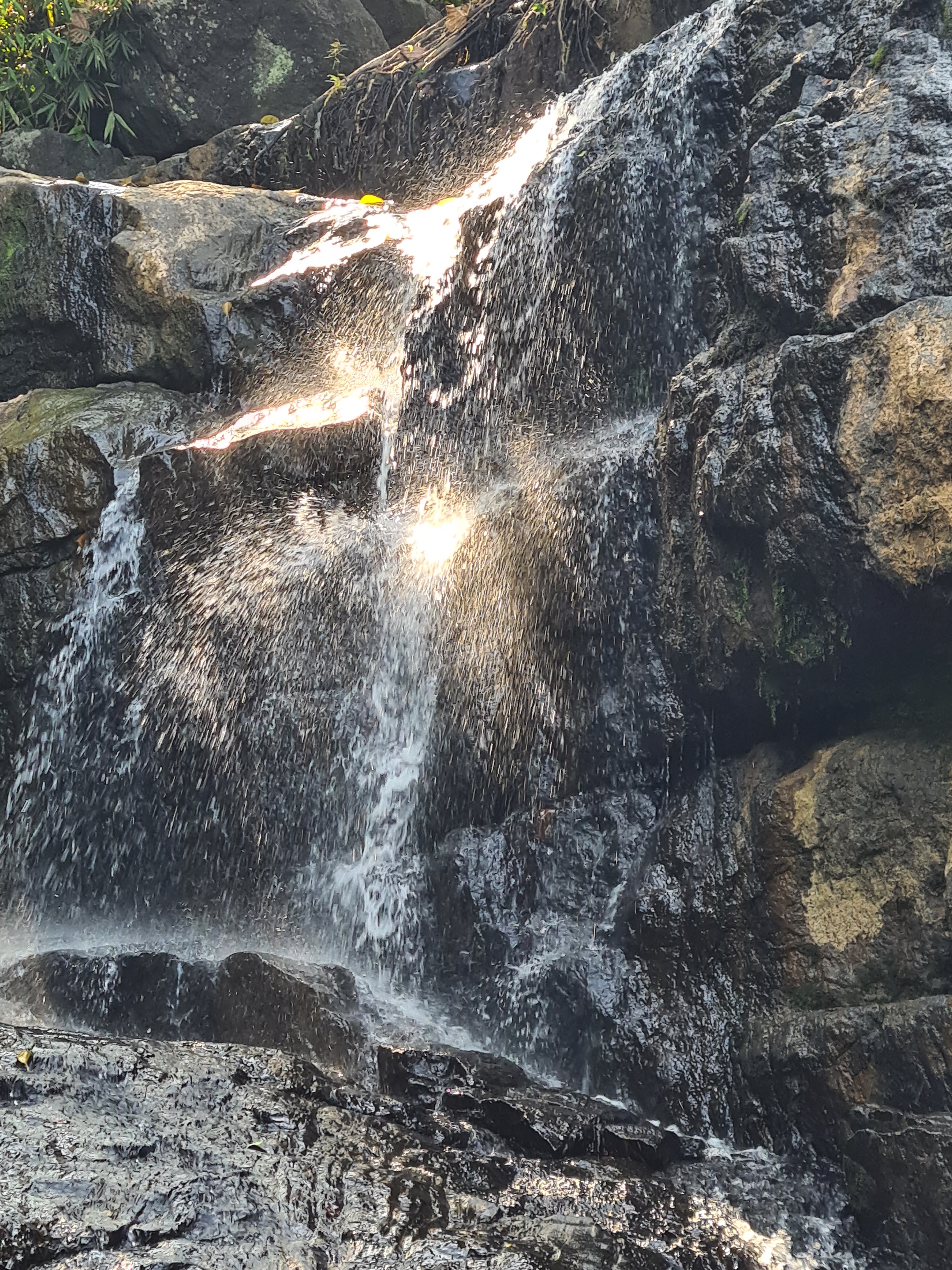
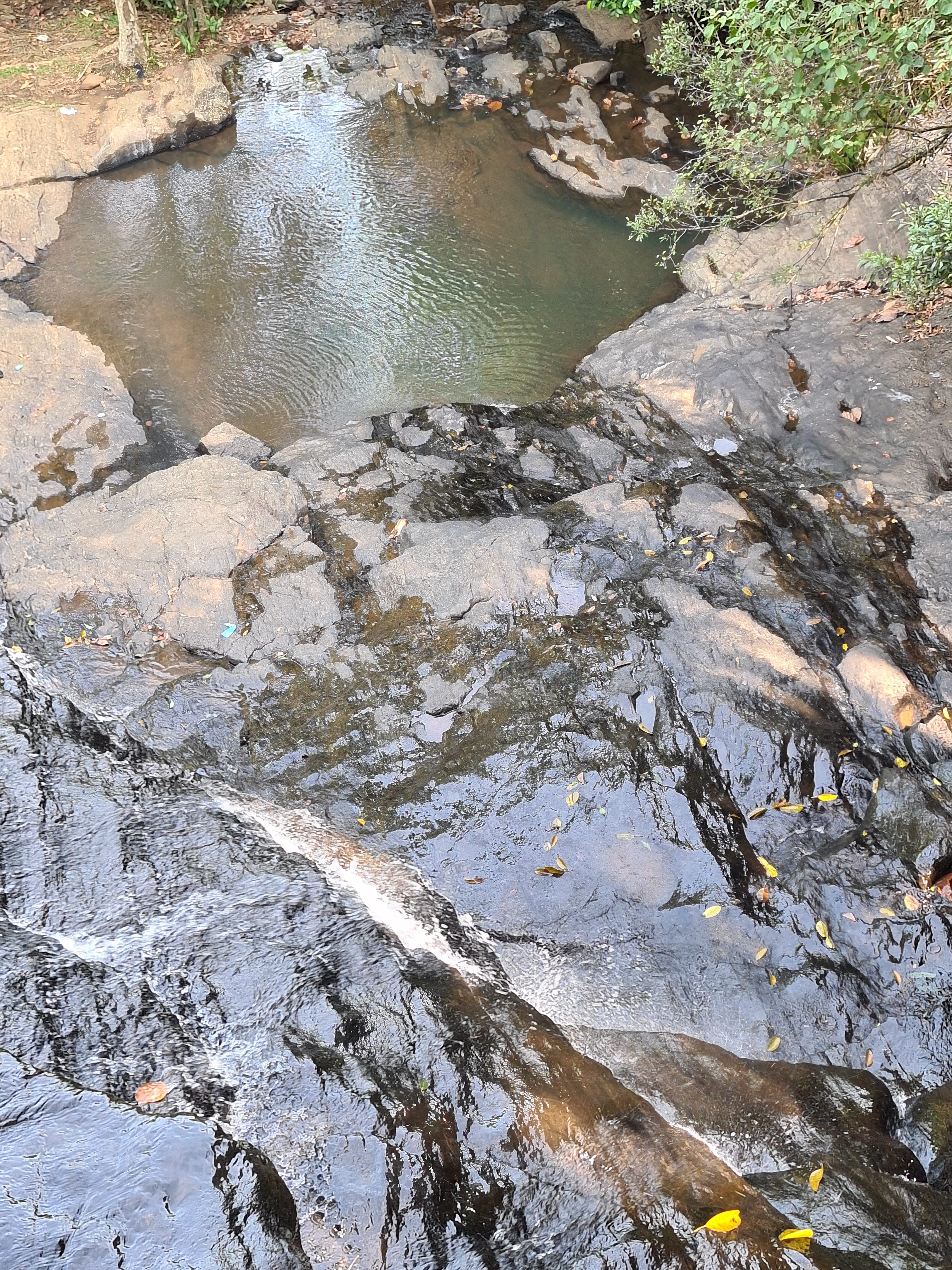
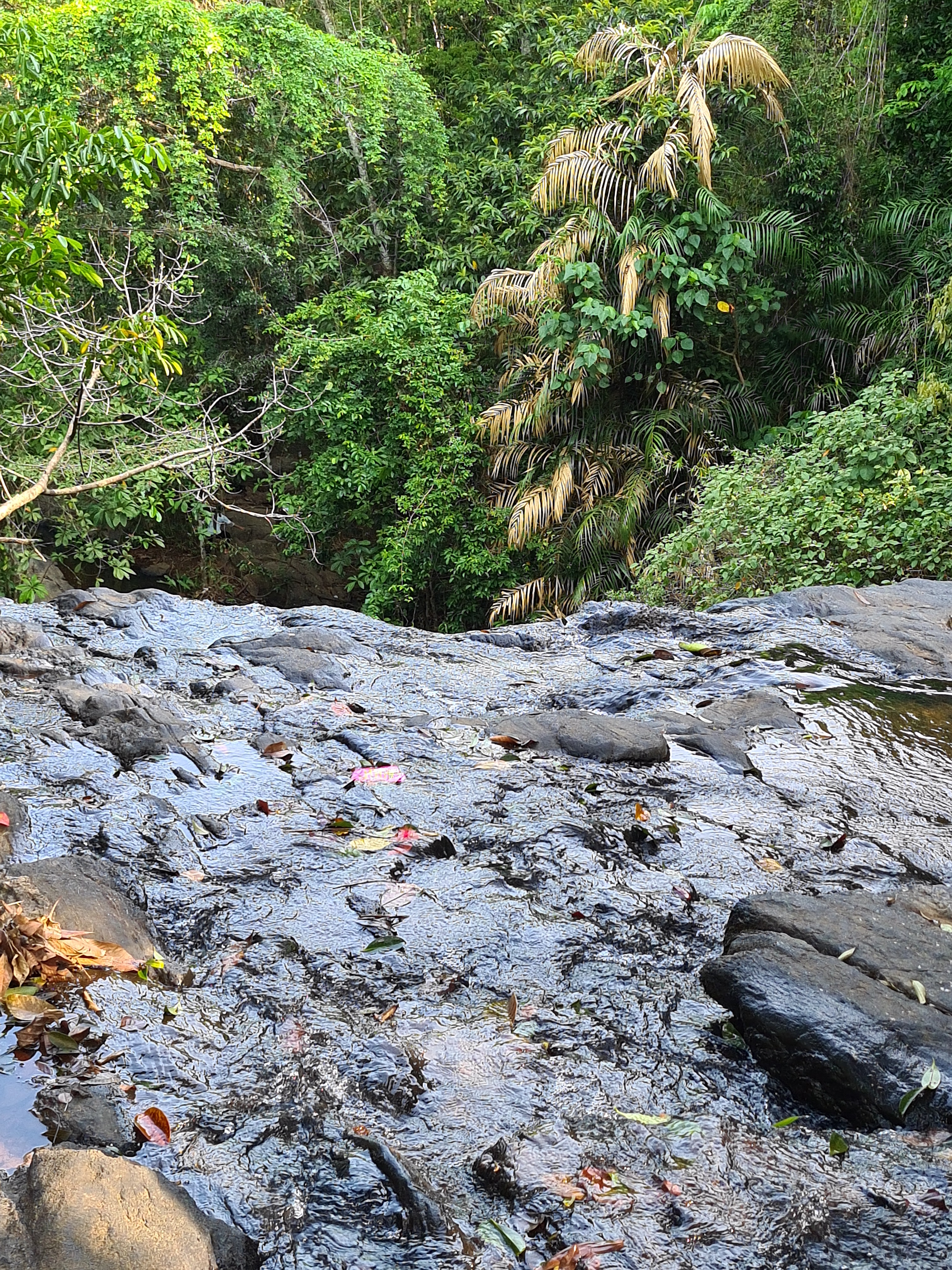
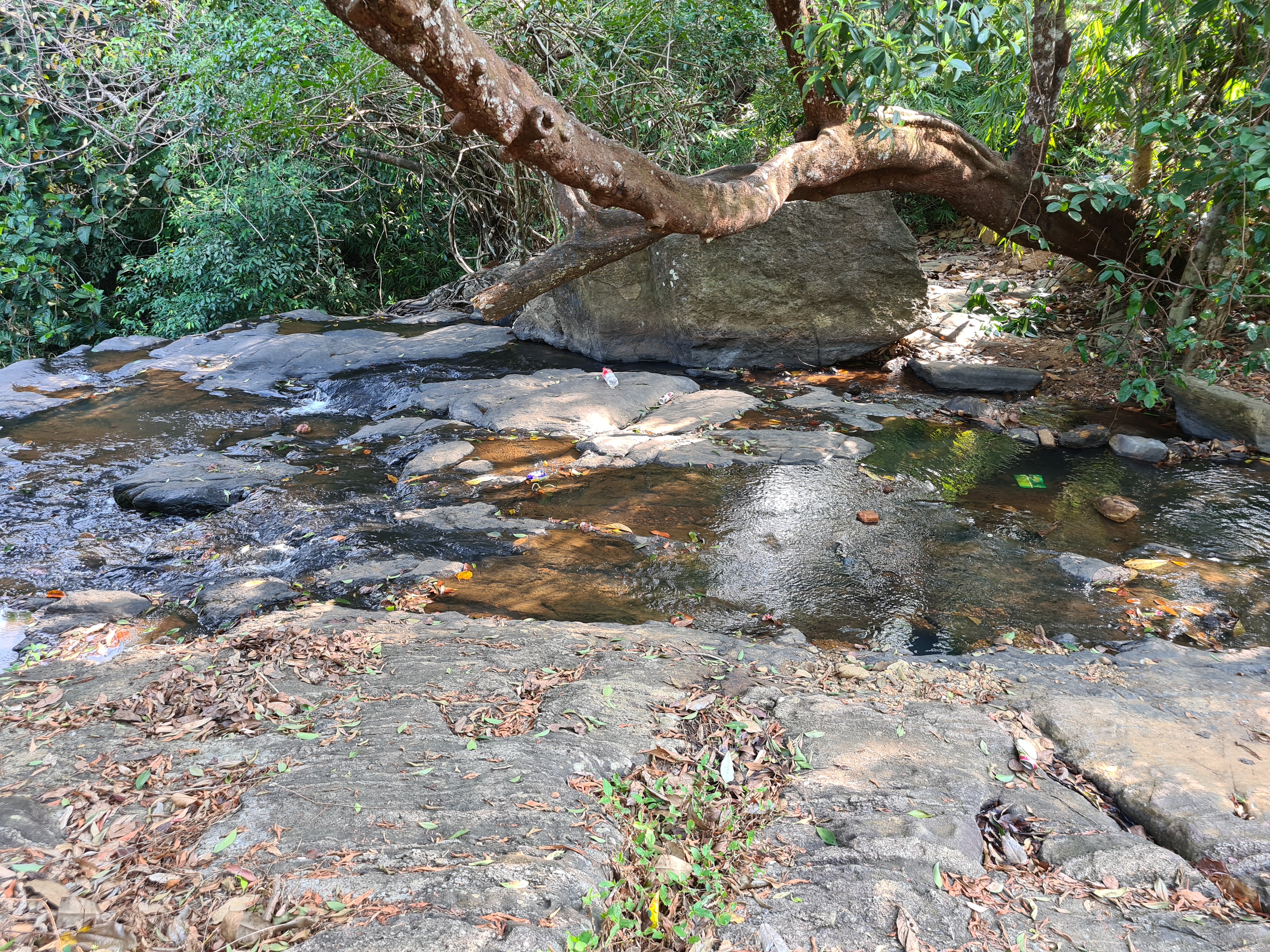
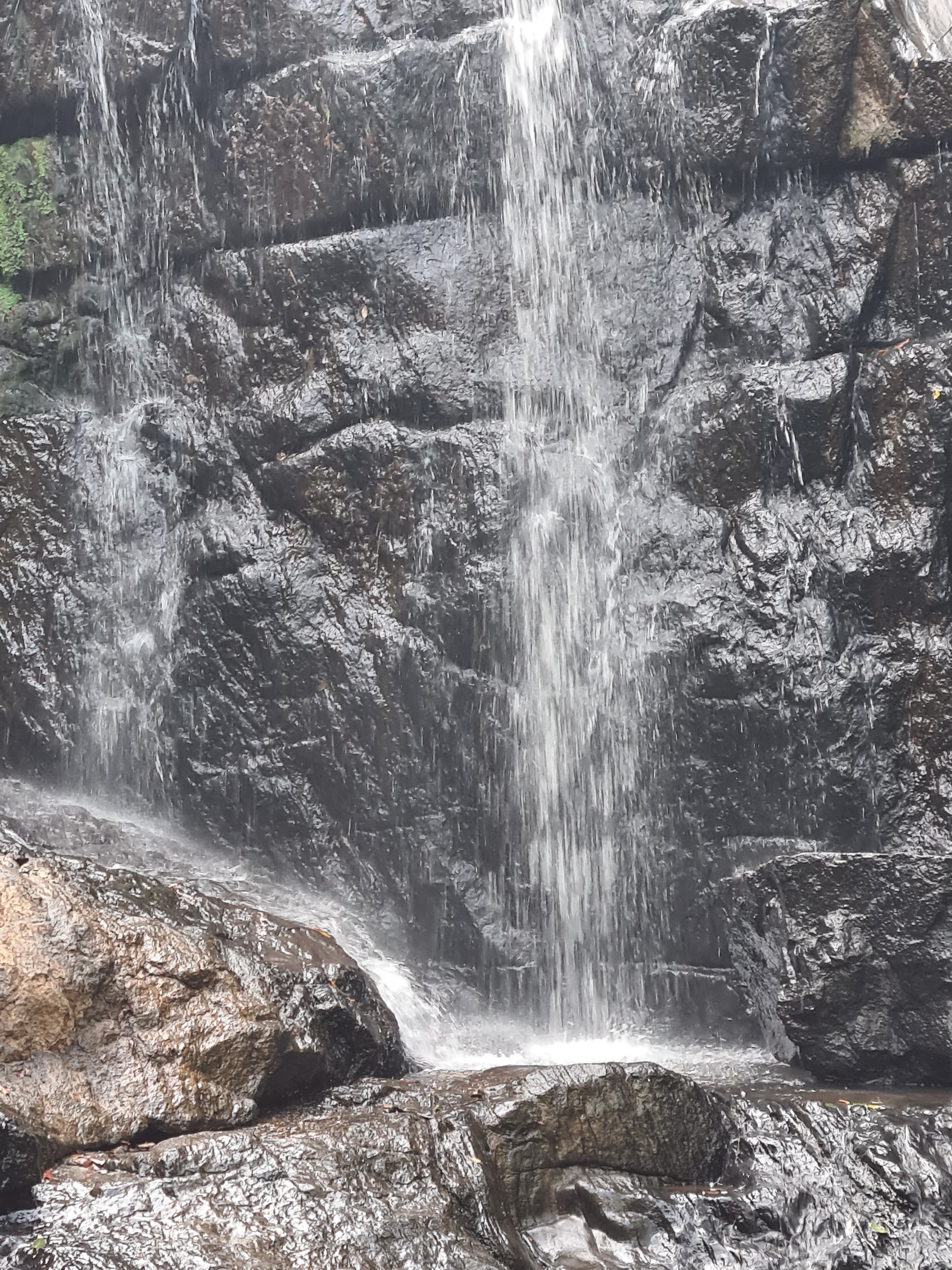
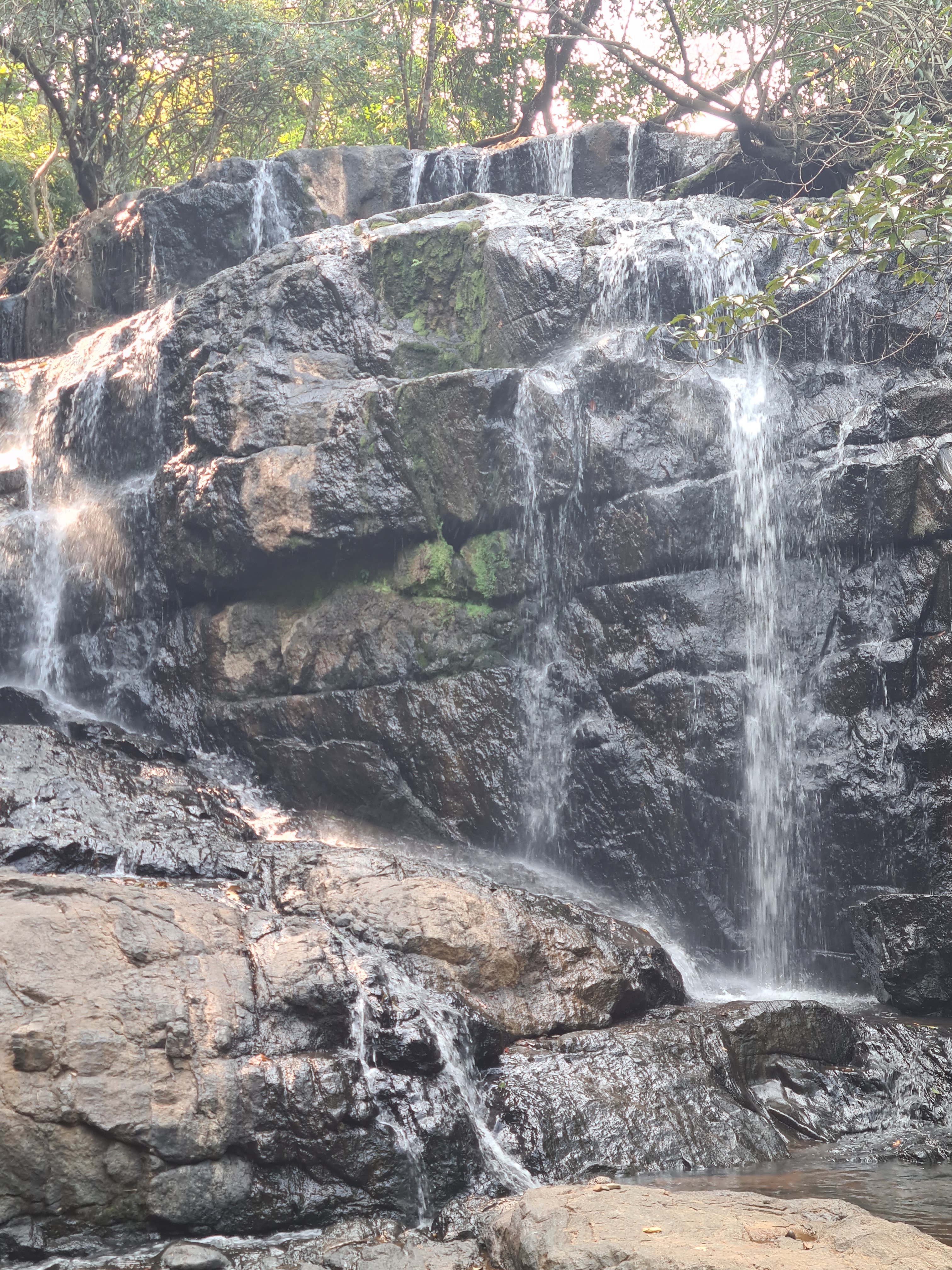
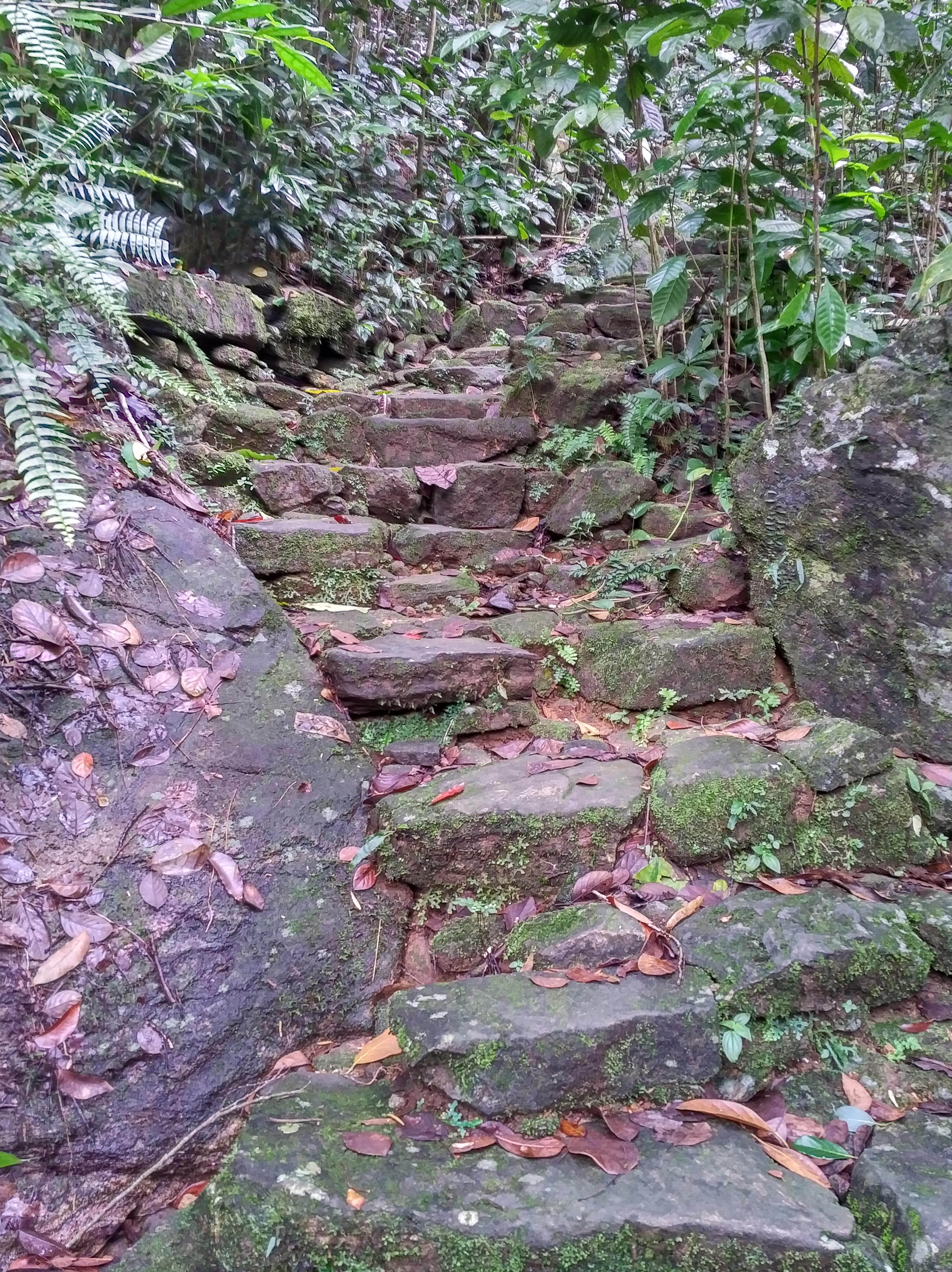
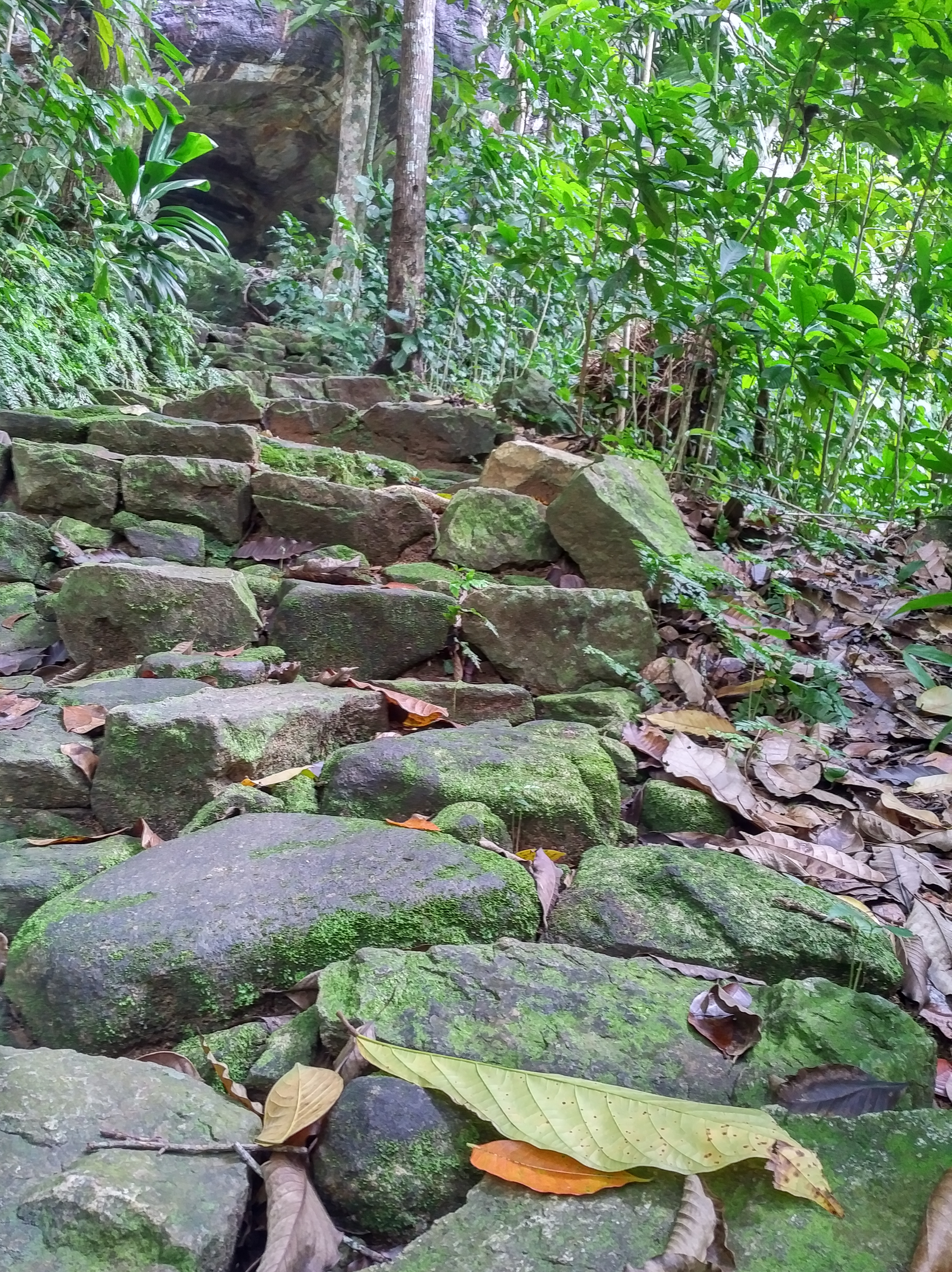
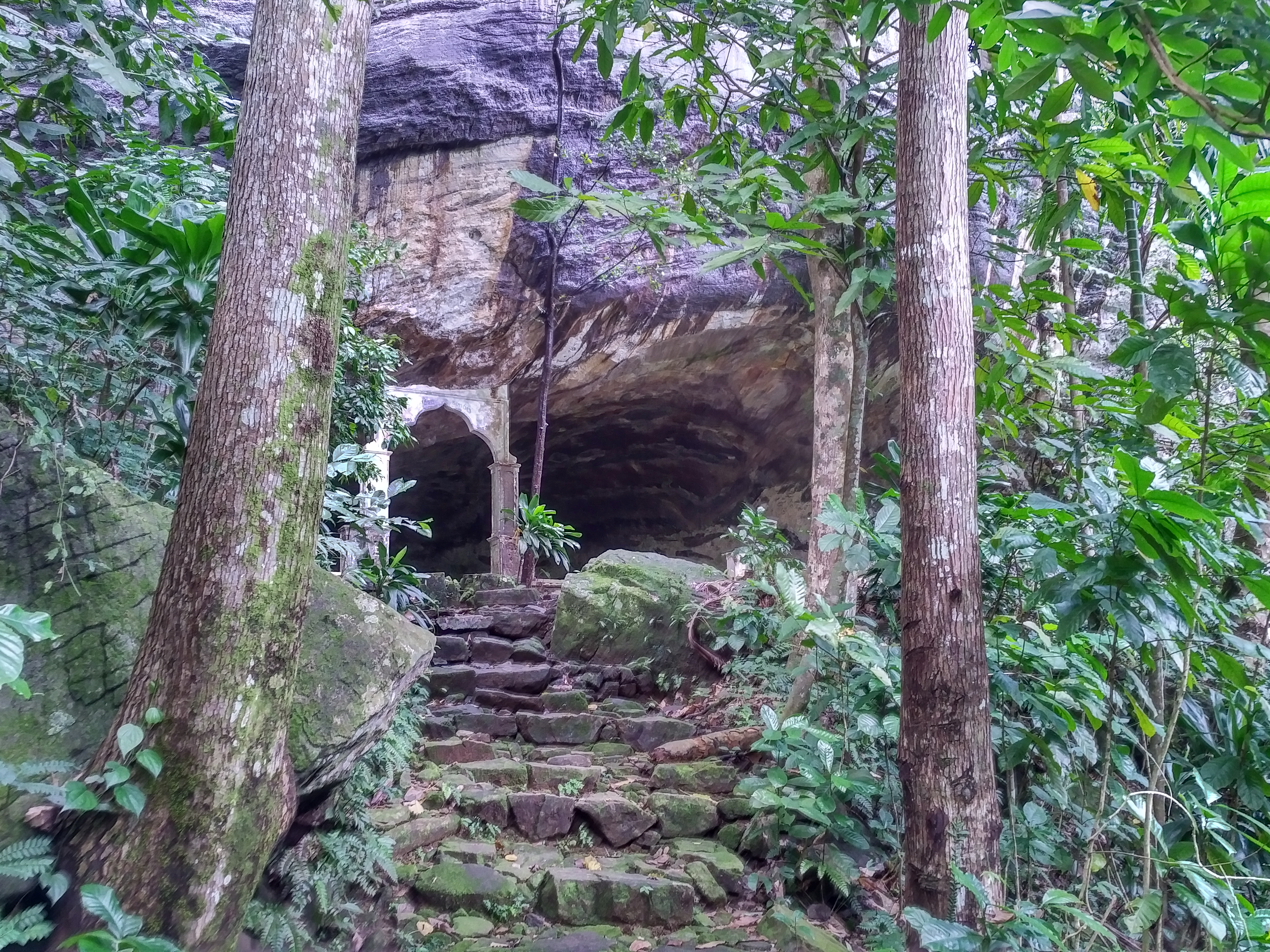
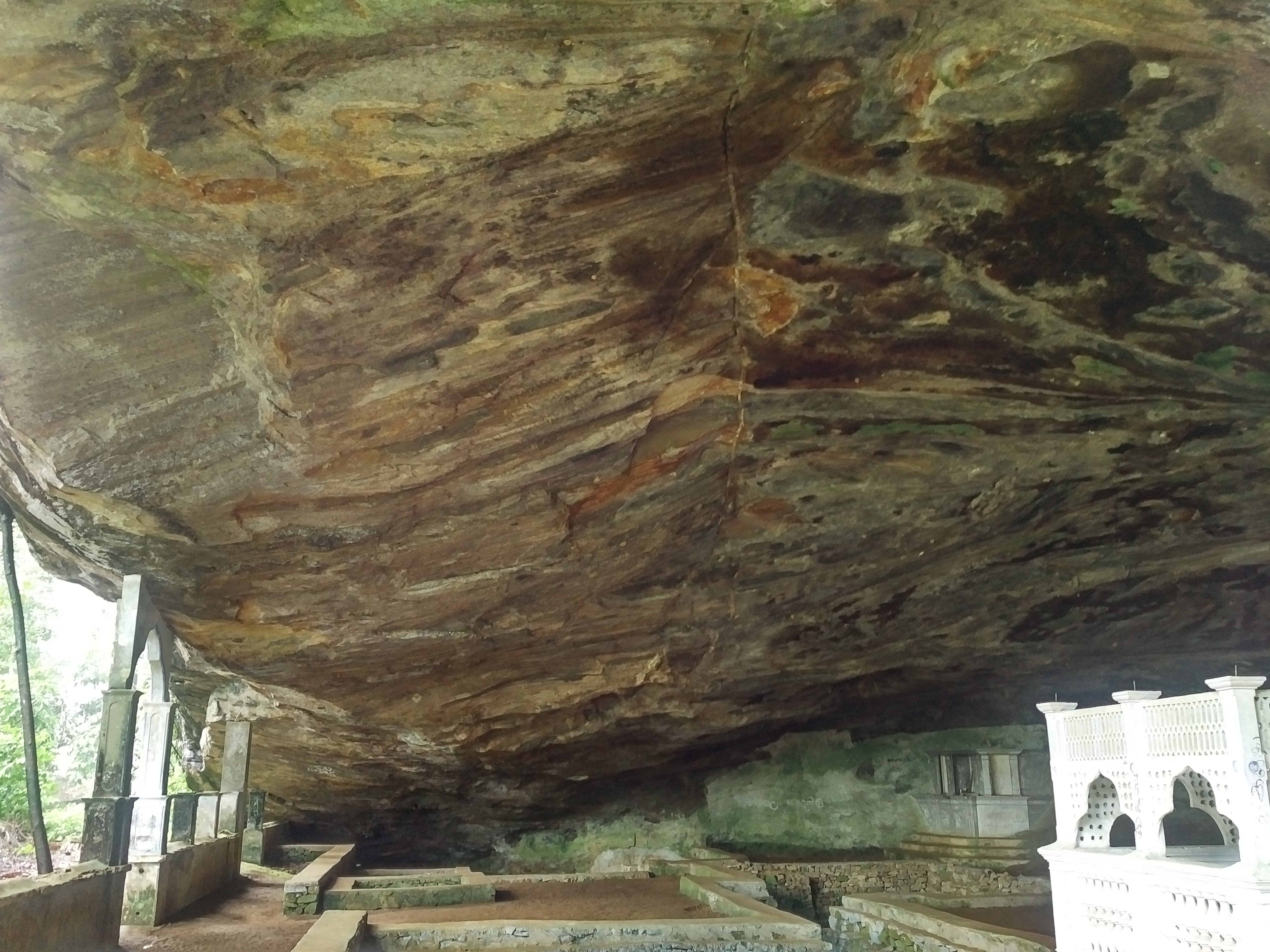
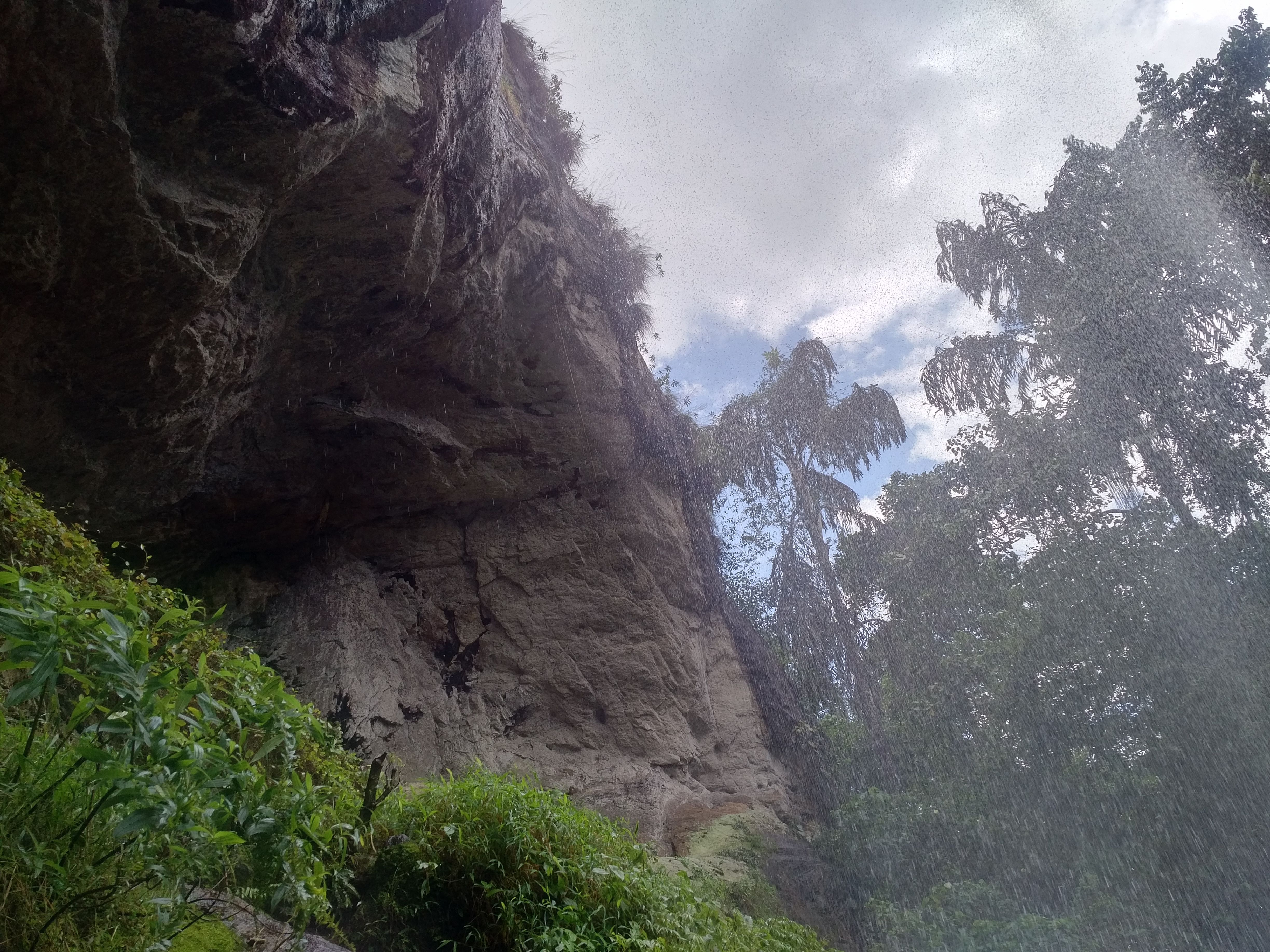
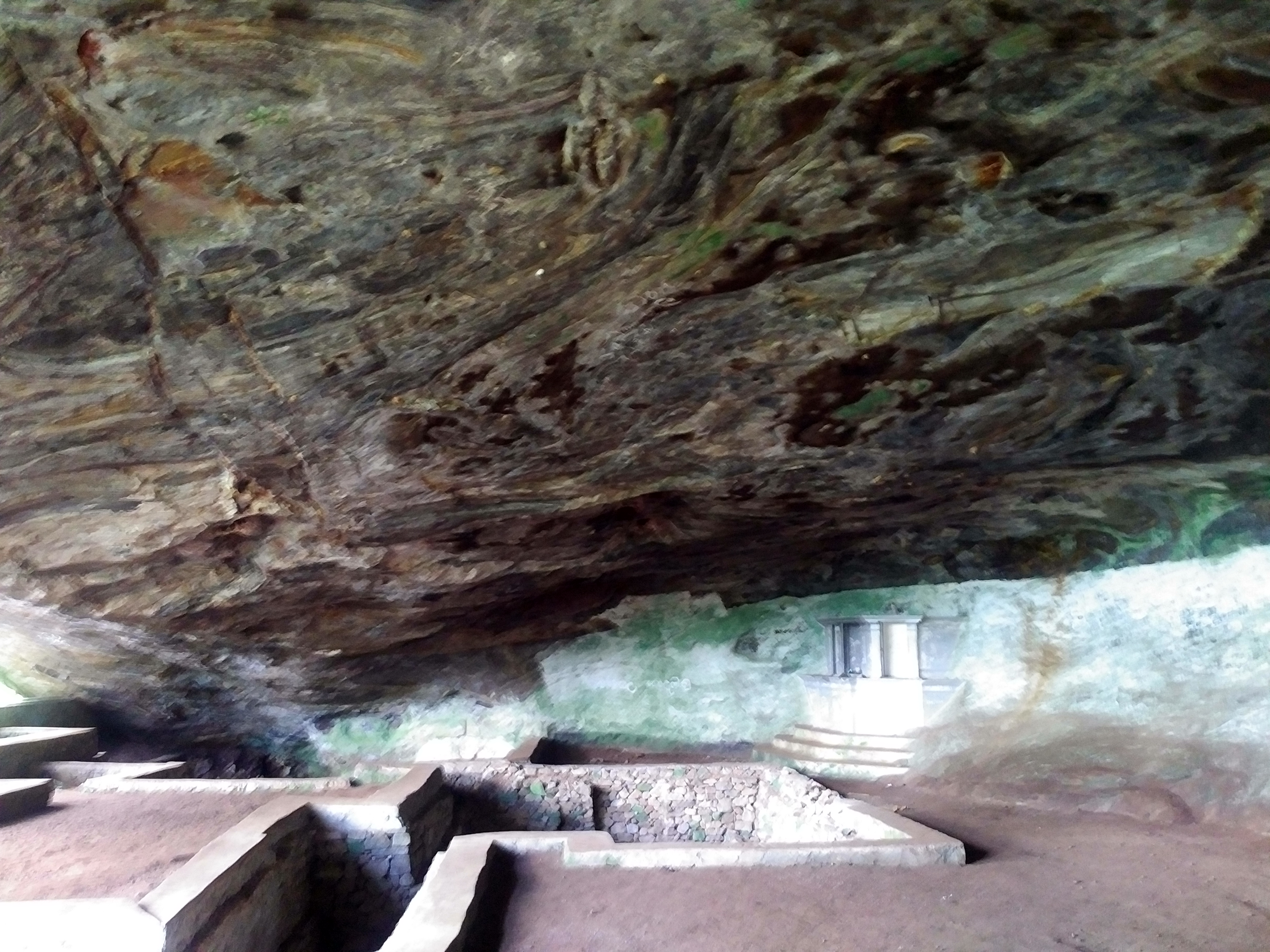
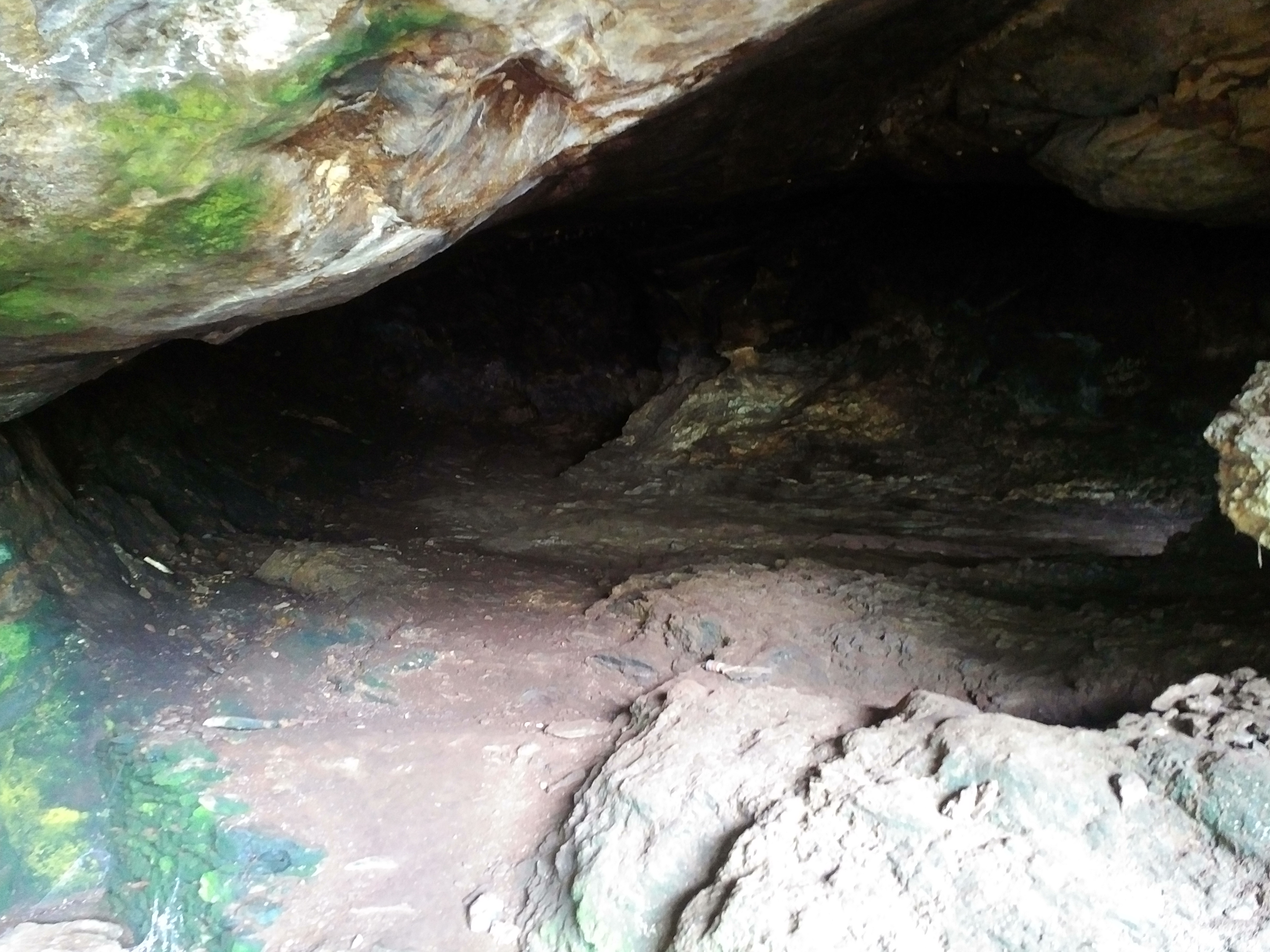
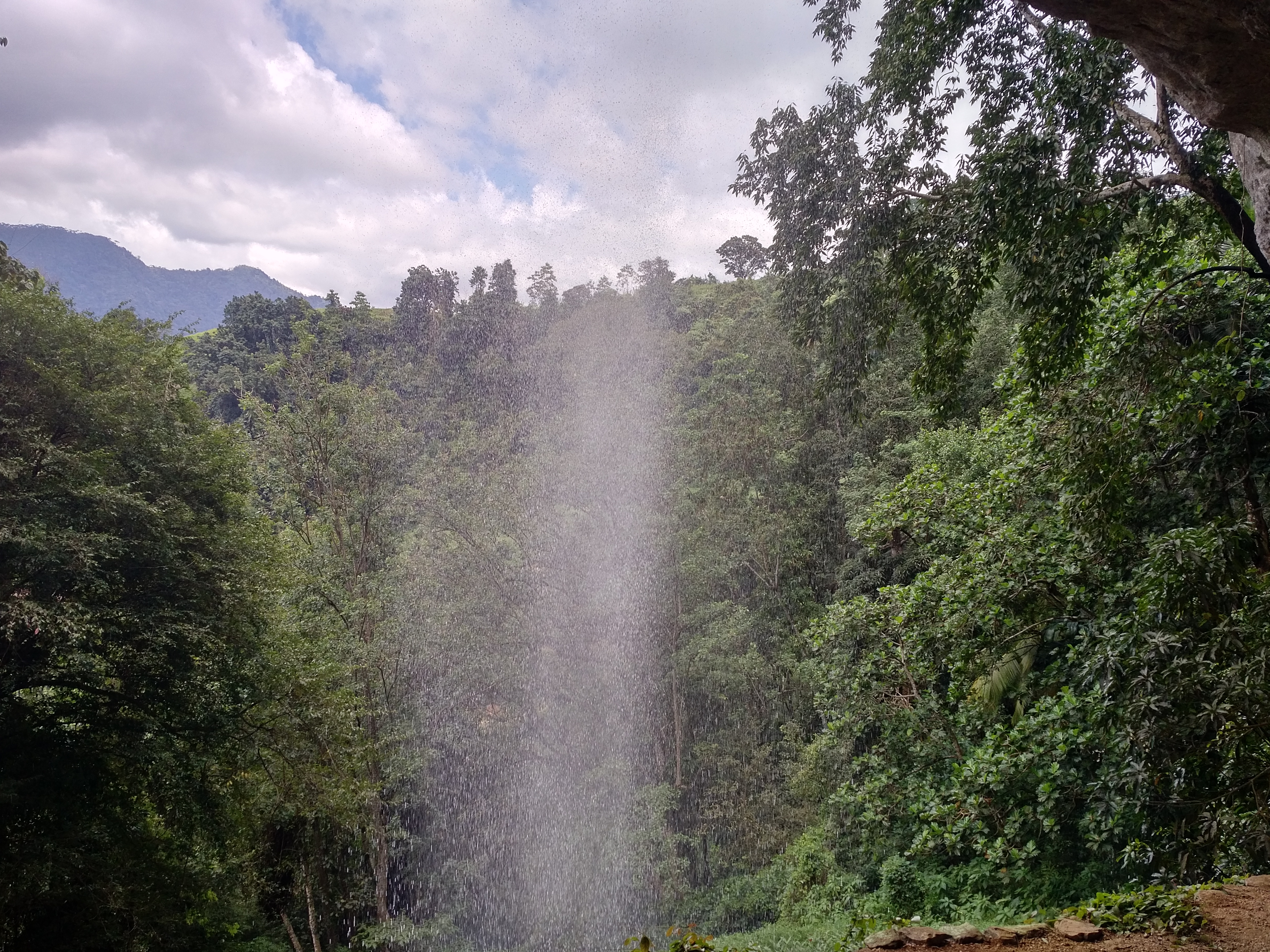
The ruins currently under restoration is thought to be that of a monastic retreat. At the start of the current trail is a gigantic man made pond thought to be the largest in Asia if not the world. Encompassing an area of 2.5 acres would have been a sight to see in its time. Currently this has been partly restored. Further down the trail, one is treated to exquisite stair ways the quality of pricision even todays technology would be hard pressed to deliver. The sharp edged stones and interlocking assembly speaks of a advanced technology lost to mankind now. The stone bridge which is to date sturdy as when it was set is engineering feat to behold. The Meandering stone laid path way up the hill is easy to climb due to gentle slope maintained. The path way has resting places at intervals to rest any weary feet. It is set in a circular fashion so that the monks can continue their walking meditation whilst resting and one such resting place has had water filled foot bath to soak ones feet. The carving of the stones in circular fashion is though provoking. The path leads to first of 2 buildings which is thought to have been surrounded by water with elevated floor boards. There are air inlets below the flow boards, which would have had a very cooling effect when air blows over the water. The area around these buildings and path way is littered with ruins of many other buildings. Off the path way is a man made waterfall, functioning even today. Made by blocking a water way with large carved stone slabs and the area below the water fall fashioned such that one could sit under the falling water or meditate. Stone steps carved in the rock enables one to climb to the sitting platform. The back of the waterfall and the surrounding is properly walled up to create a neat bathing pool.
The ruins of the library building gives a fine view far into the surroundings and is also where a 2nd stone bridge can be seen. The ruins includes the remains of a herbal spa with a oil bath, massage bed and plumbing which can is akin to what we use today.
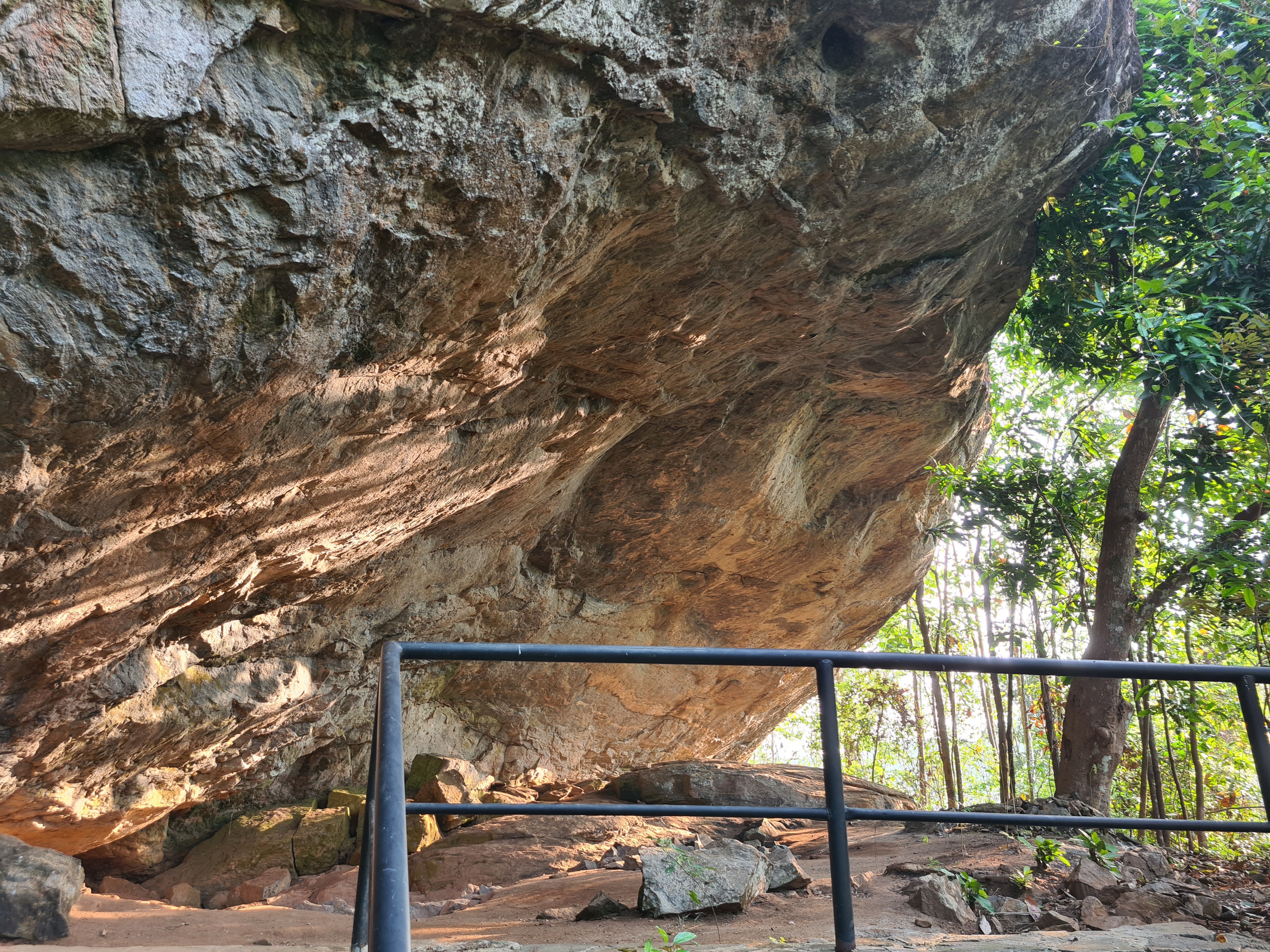
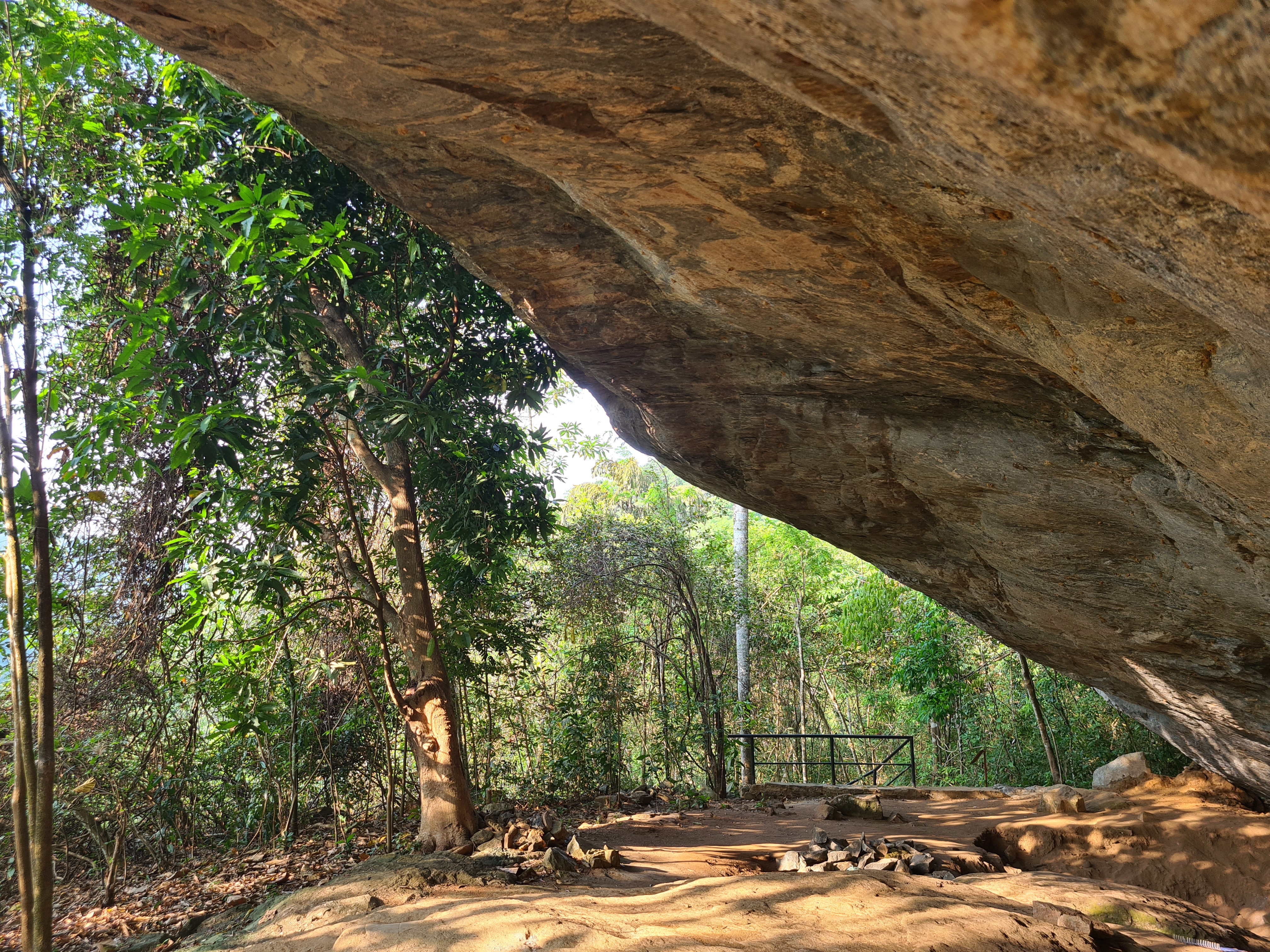
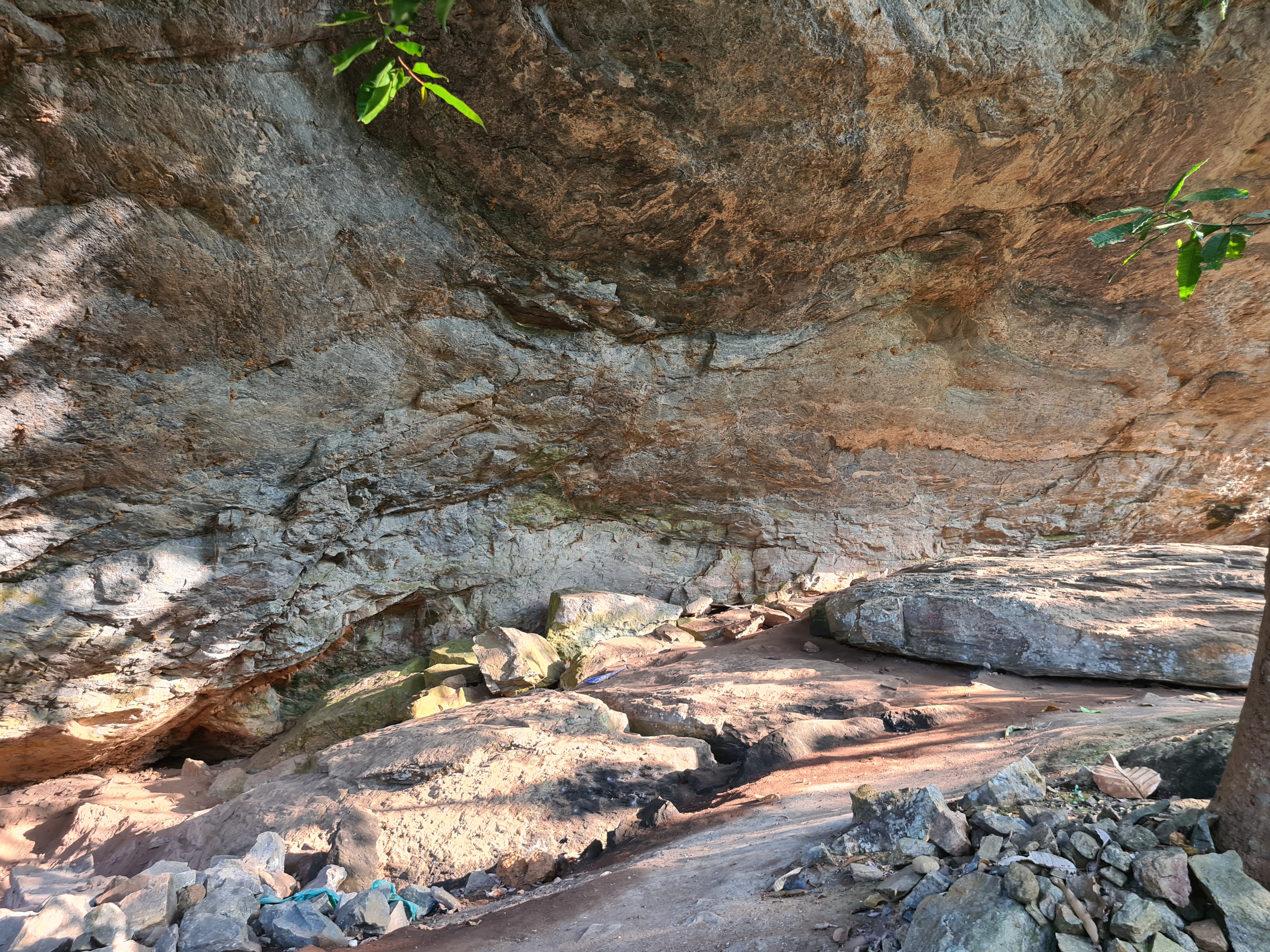
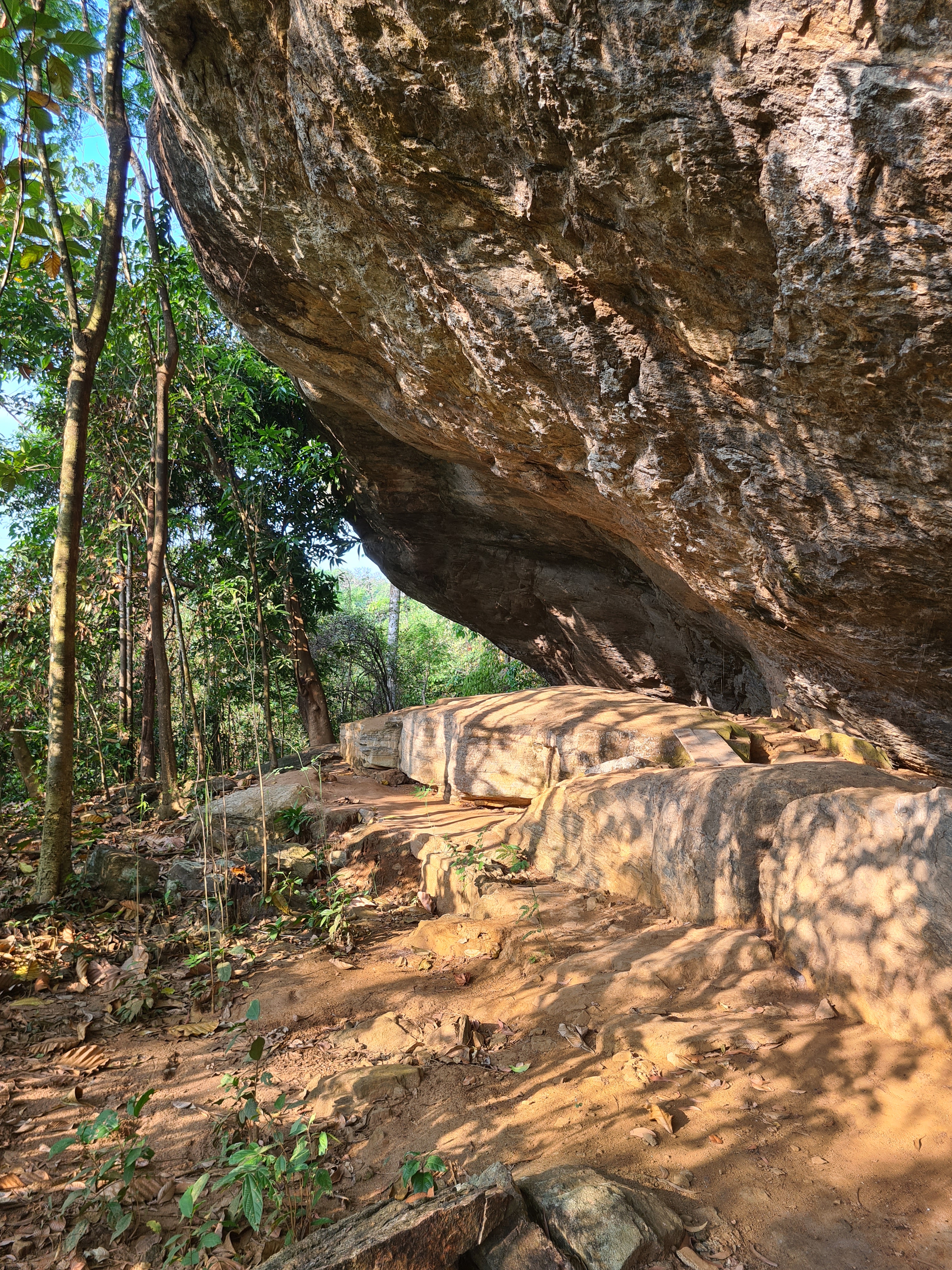
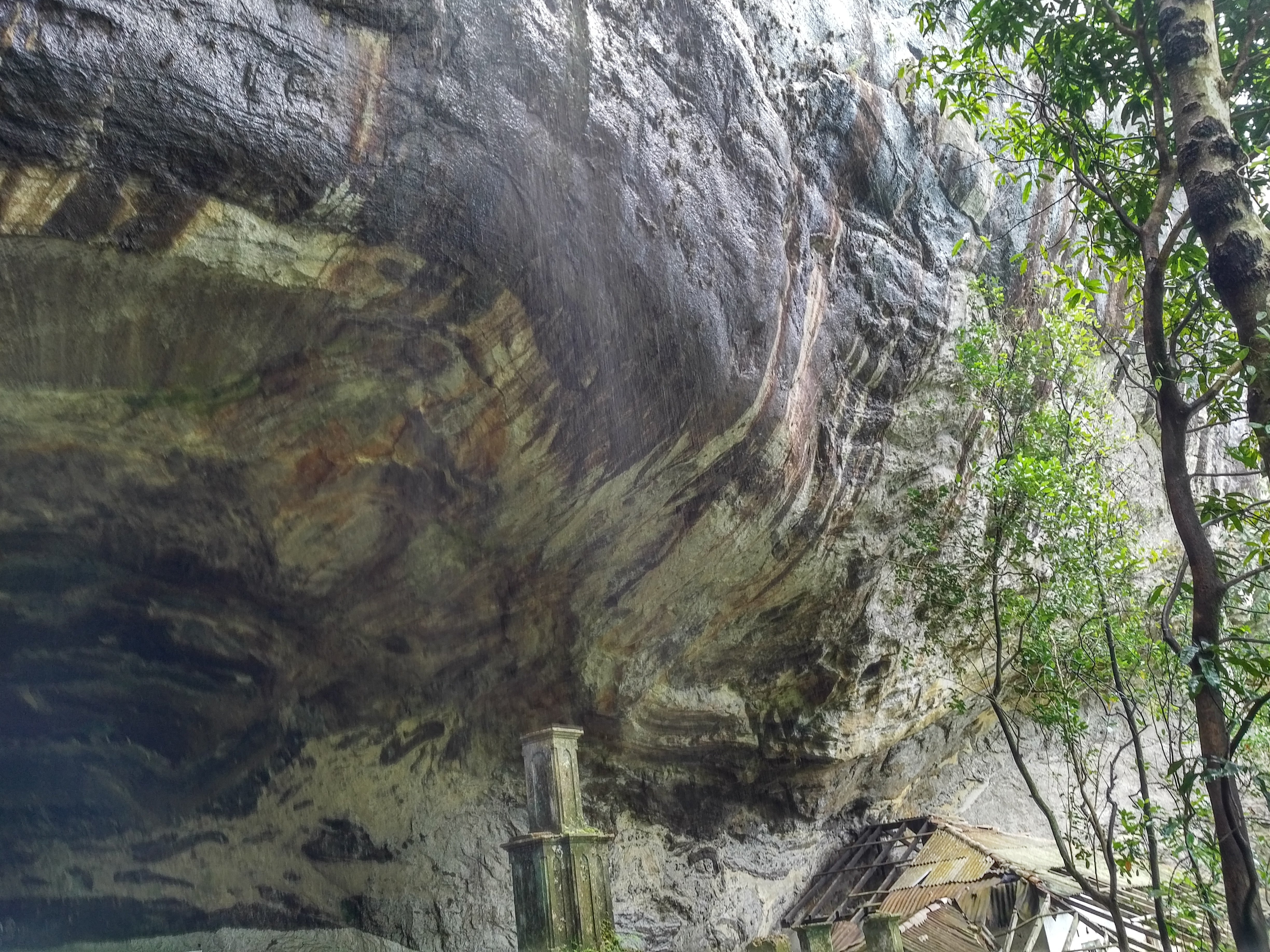
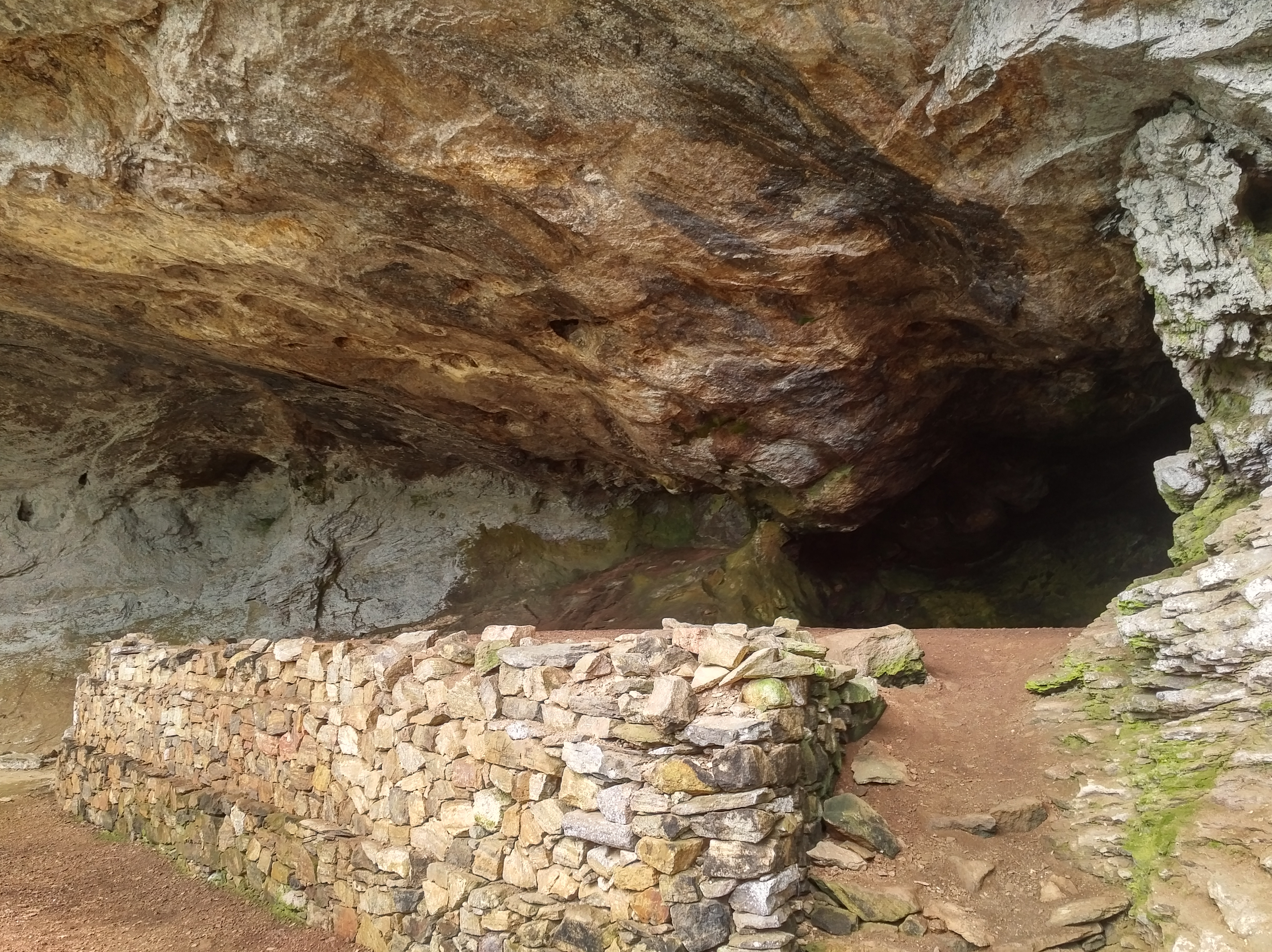
The mountain is littered with caves and a climb to the top, which requires special clearance, one can see remains of ancient stair ways carved into the rock. At the summit is a ruin of a structure, probably a look out point with a very sturdy foundation which is all that remains. The view from the top give a 360 degree view of the surrounding area including a view of Pidurangala, Sigiriya and the stupas at Anuradhapura.
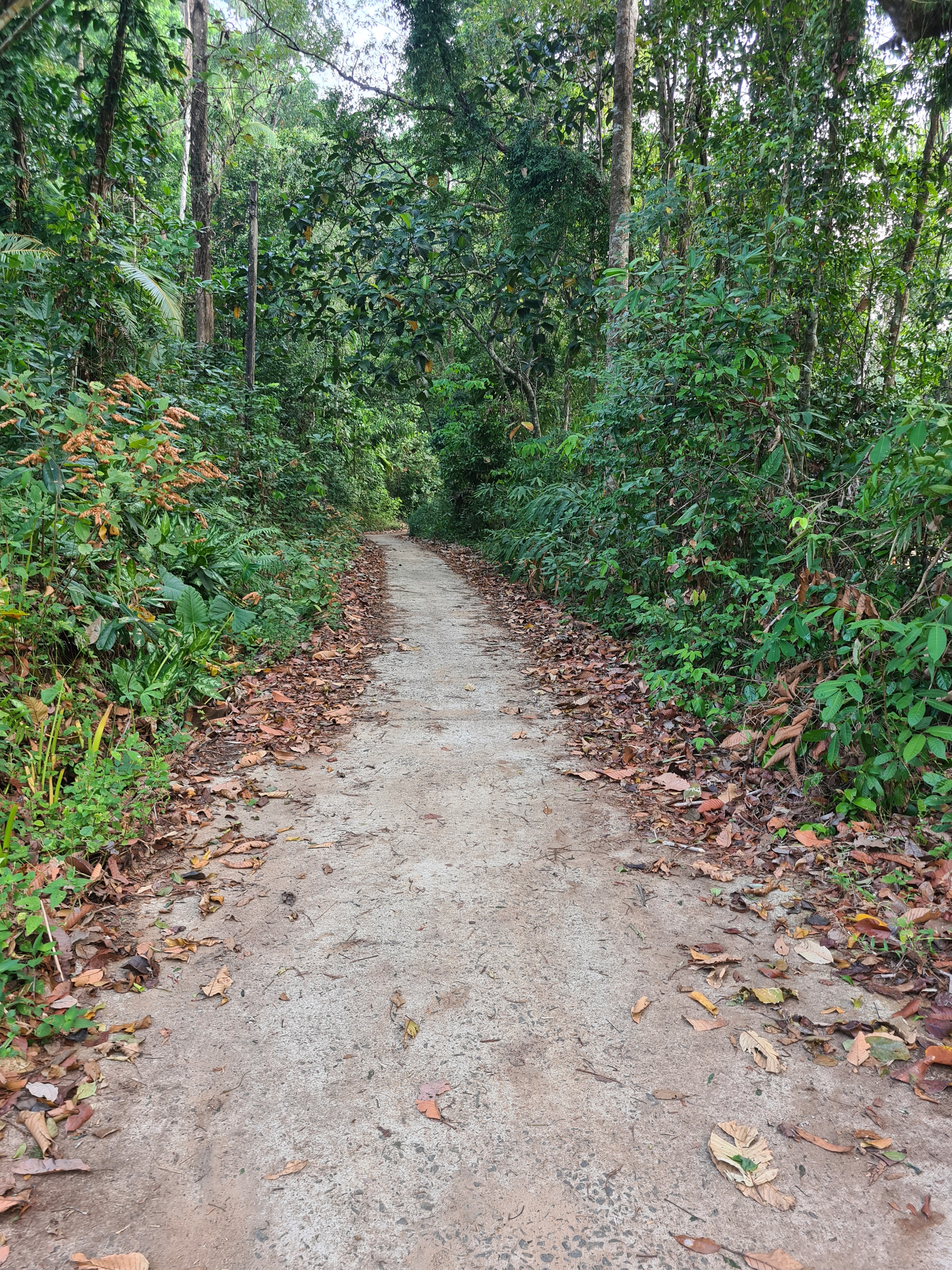
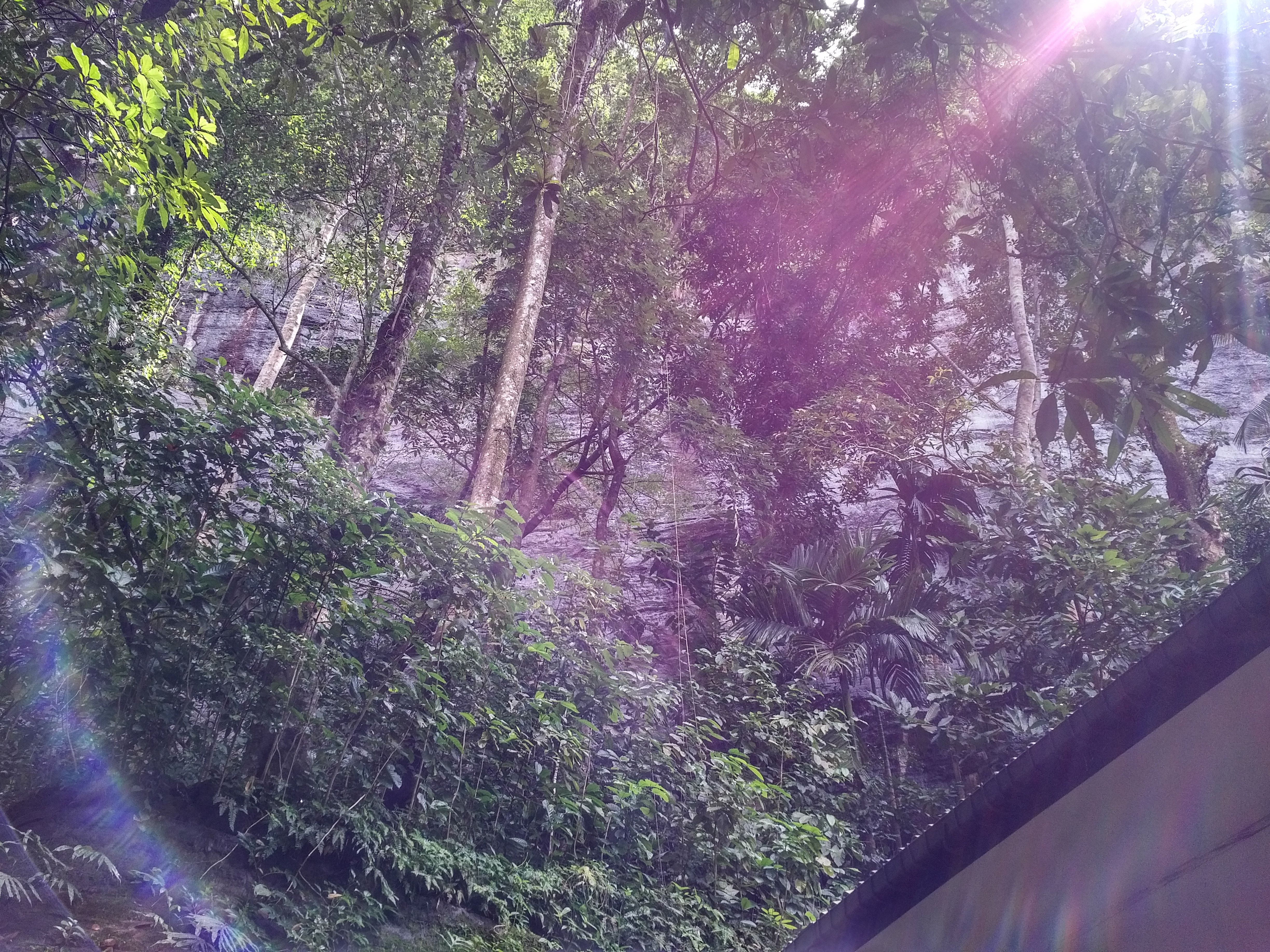
The area allowed for visitors extends to about 2 Km into the mountain and is an easy climb. The whole walk through the ruins is shrouded by jungle canopy which keeps even the noon sun out, making it a somewhat cool climb.
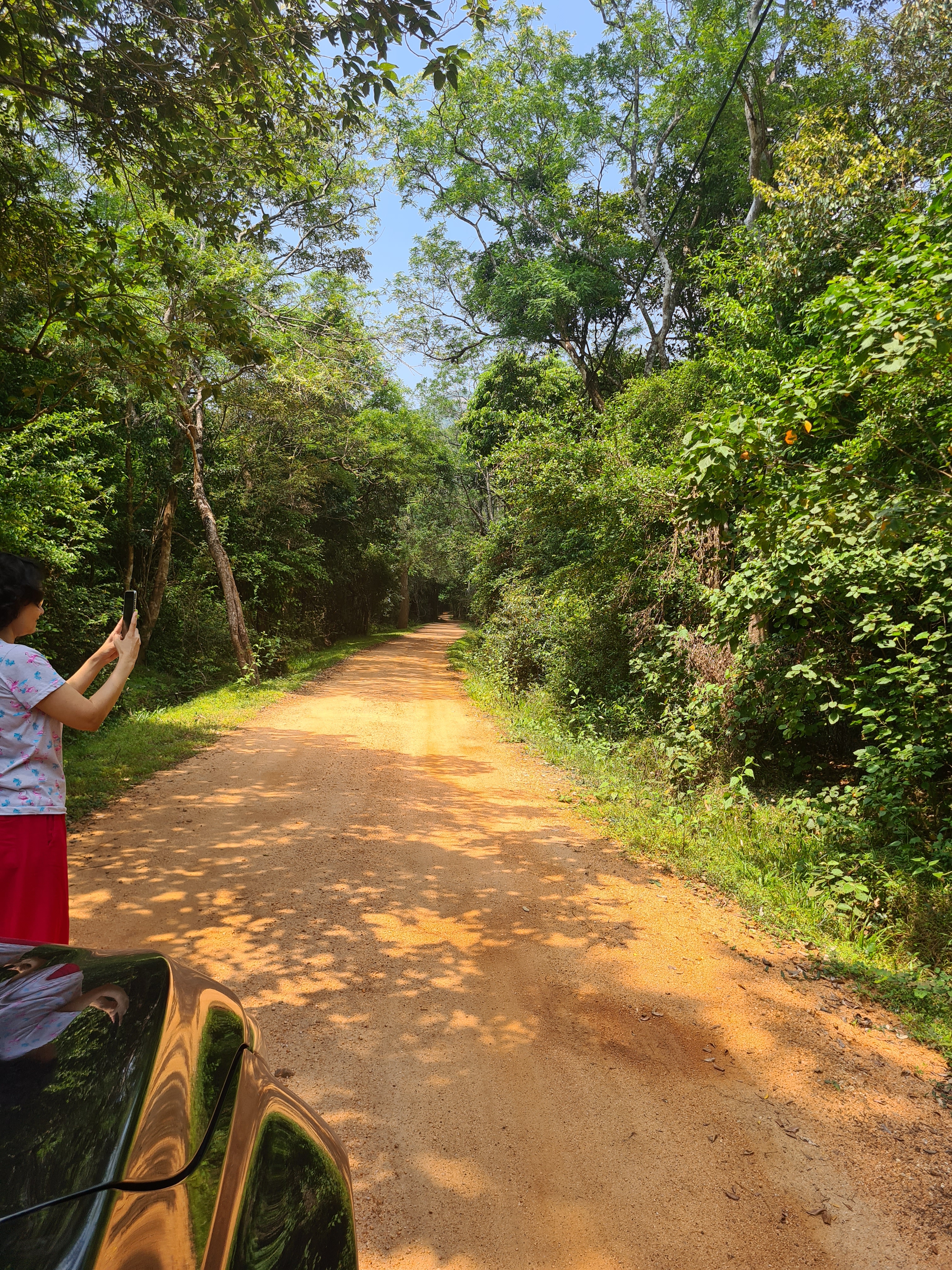
The Site is easily reached via the Habarana / Anuradhapura road. The turn of is marked by a small archaeological department sign board. This road is motorable by a normal saloon car, though the road is not very good. A further turn off to the right at a sign board which says Ritigal is the road to the entrance. A museum and office buildings have been erected here. The drive from this turn off is about 2 Km through a thick jungle which one should do with the shutters down to listen to the jungle sounds. At particular times of the years, the whole road is engulfed by butterflies.
 Urban Gypsy Sri Lanka