Category: Gamphaha

Alawala Prehistoric Cave and Dunumala Waterfall

Alawala Prehistoric Cave and Dunumala Waterfall

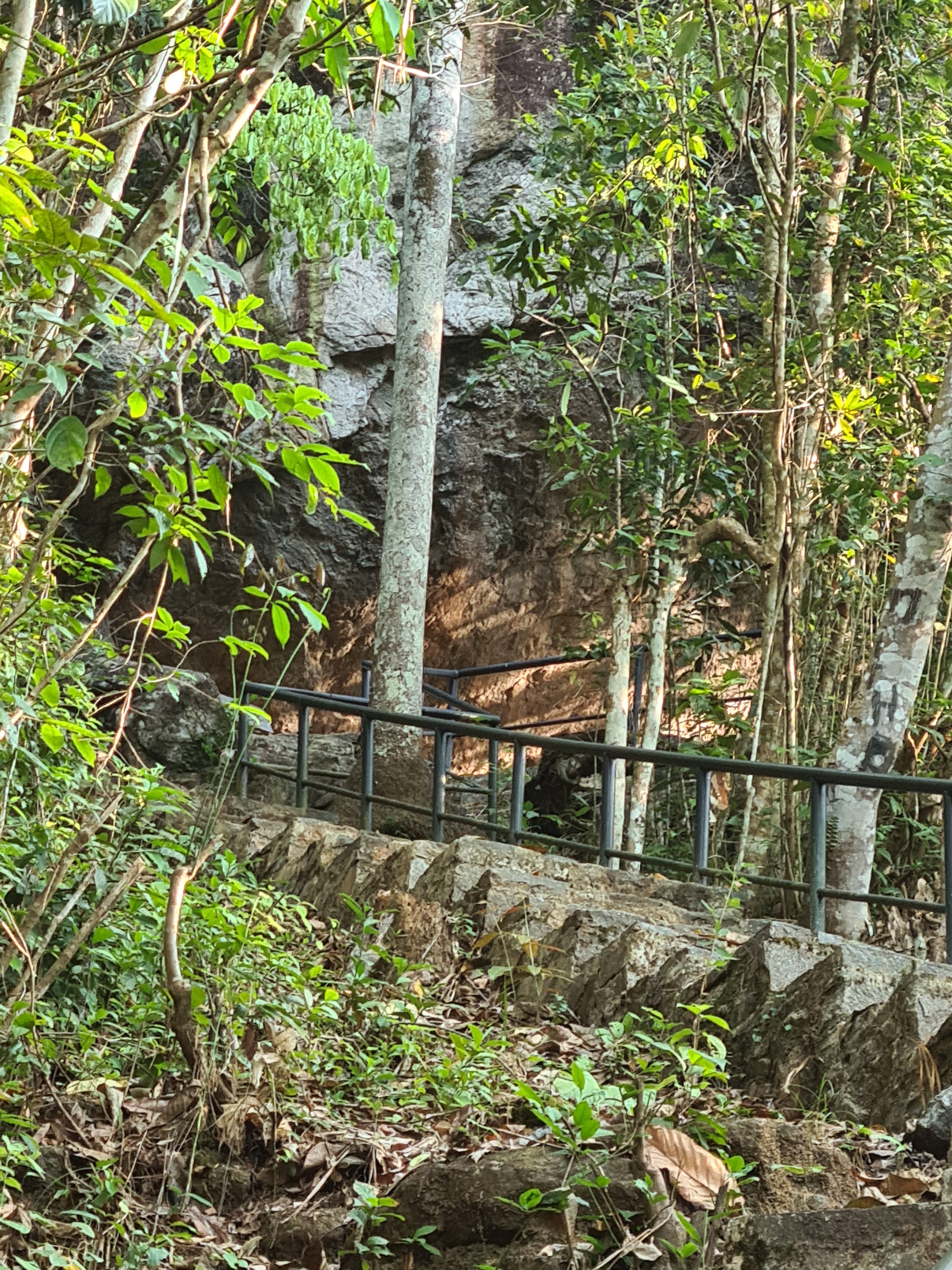
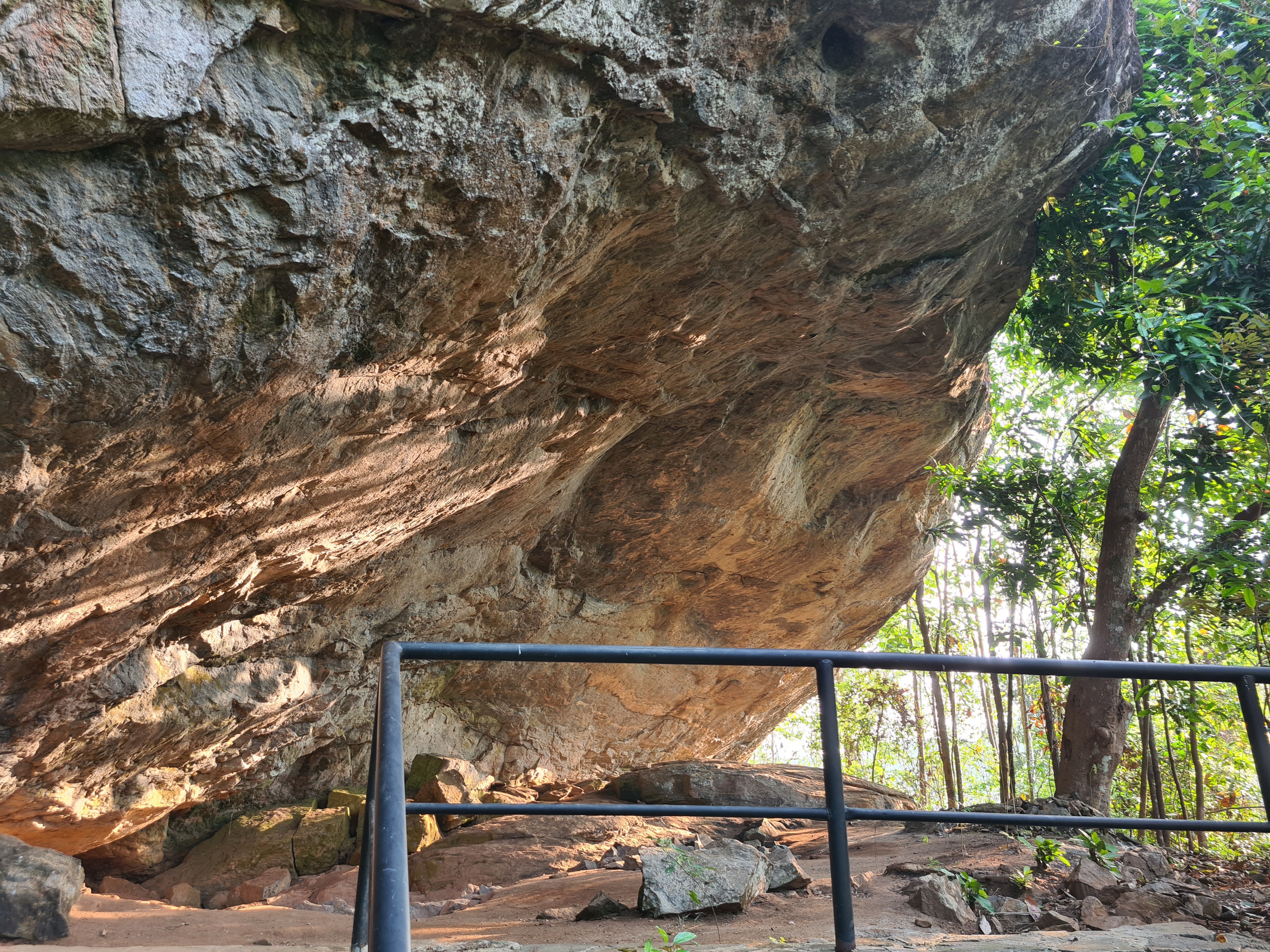
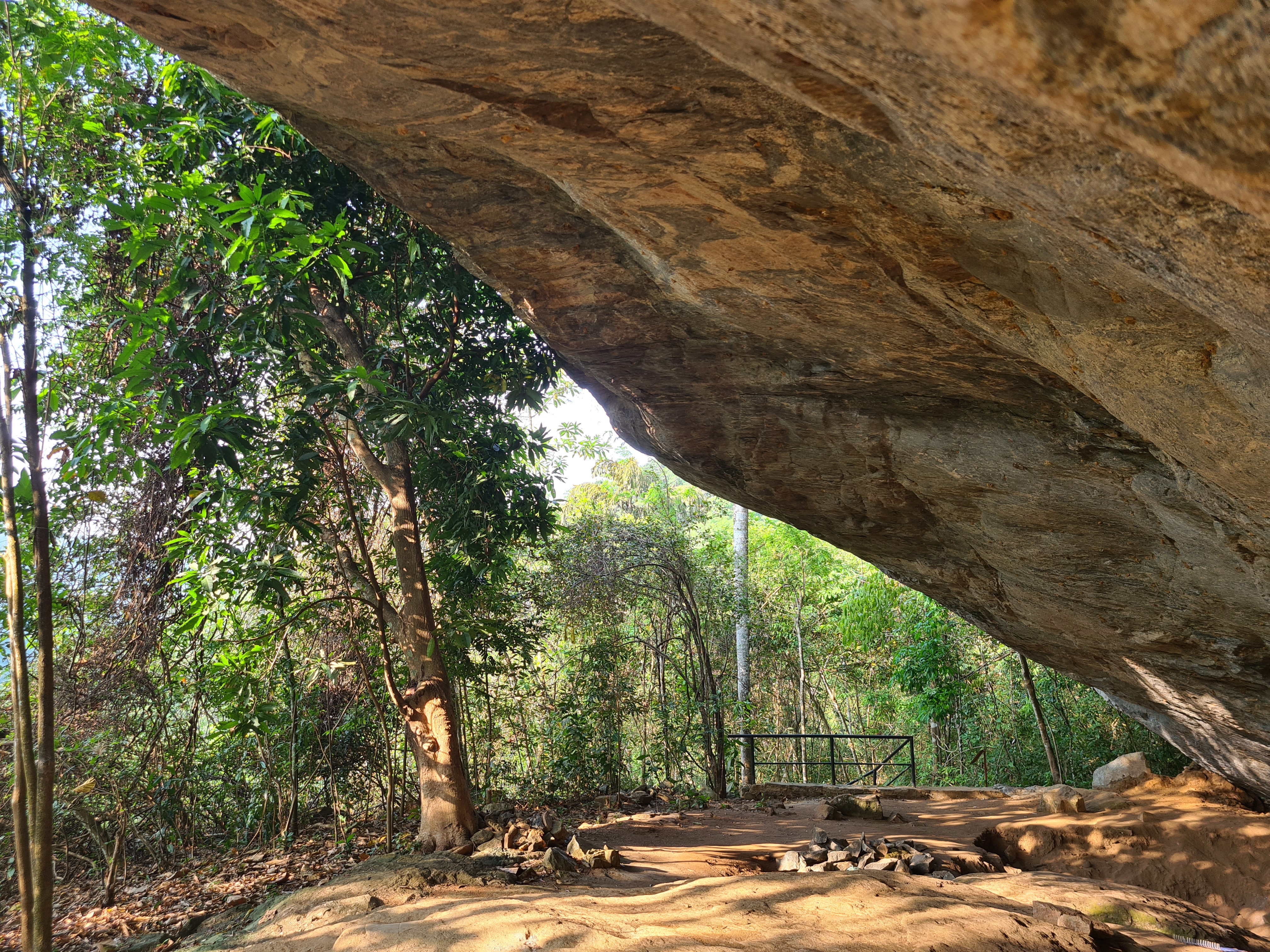
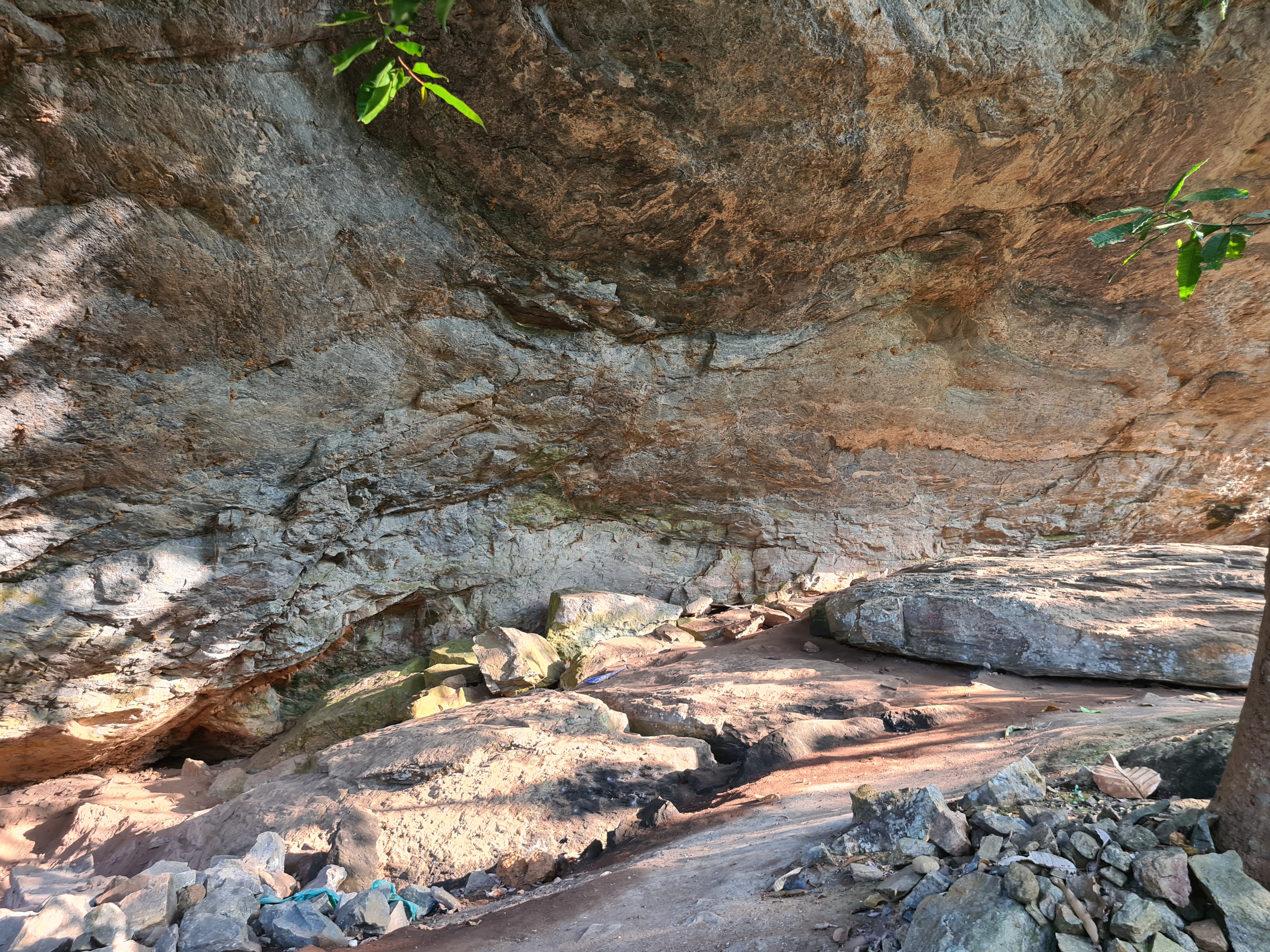
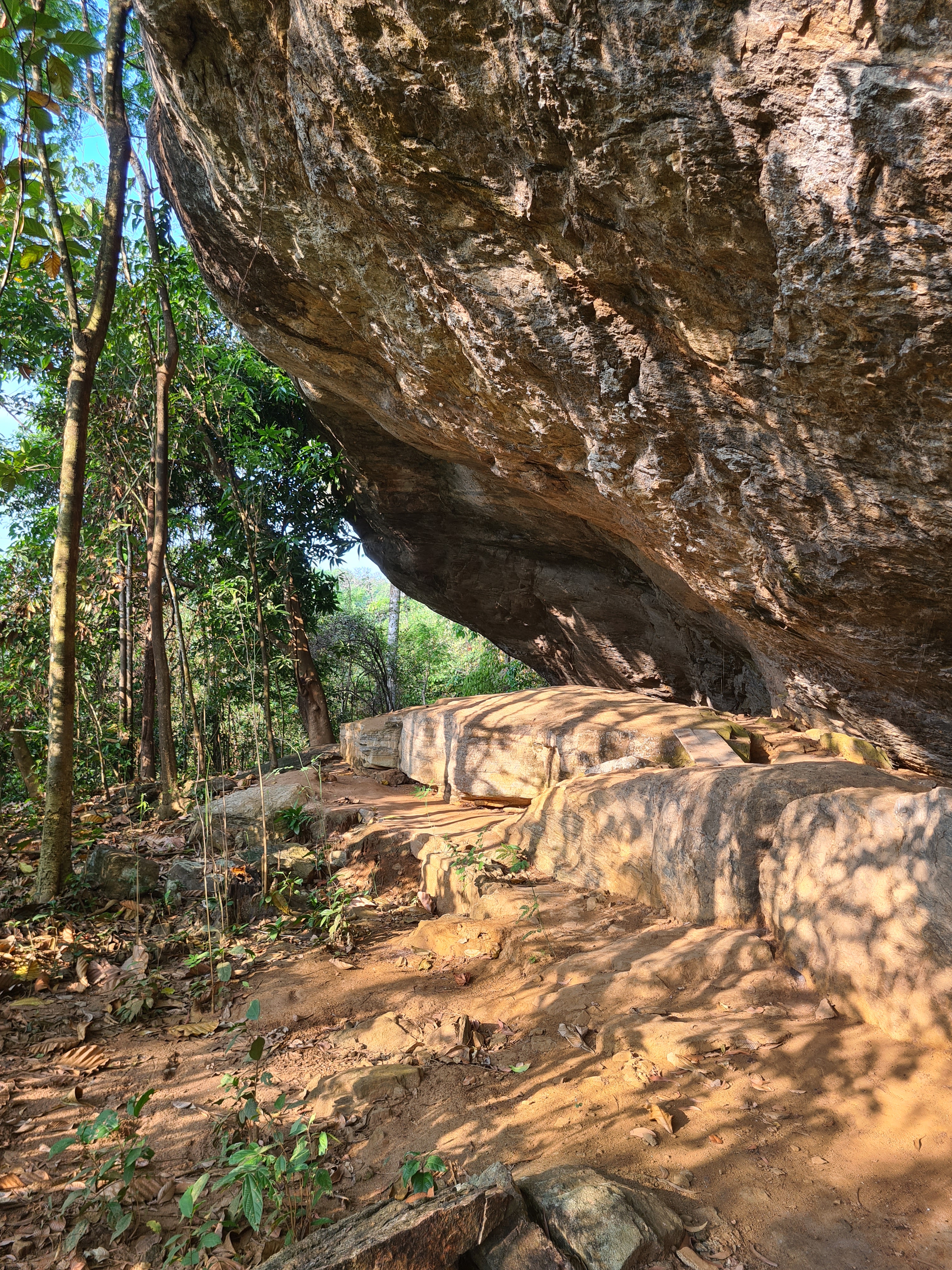
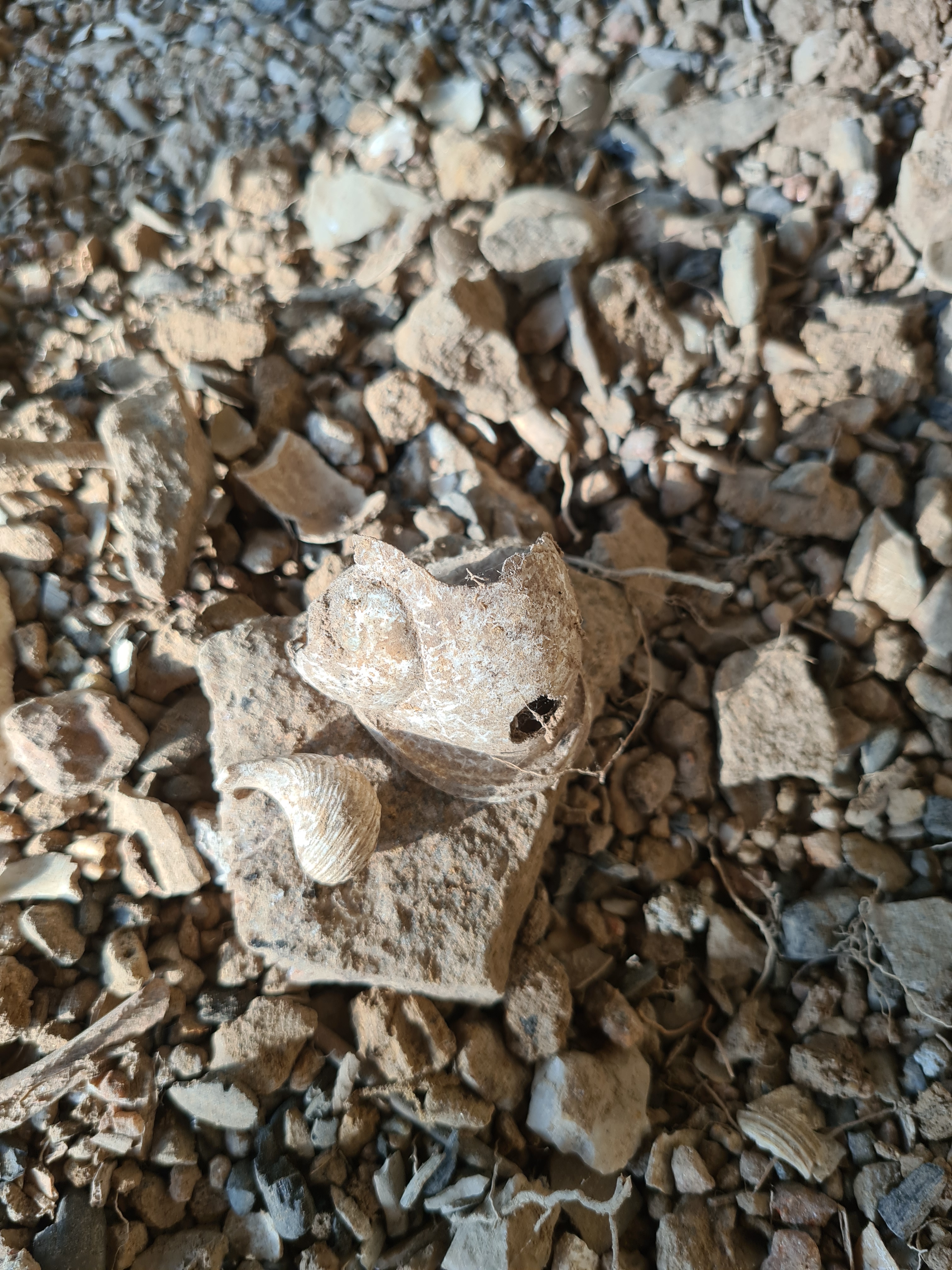
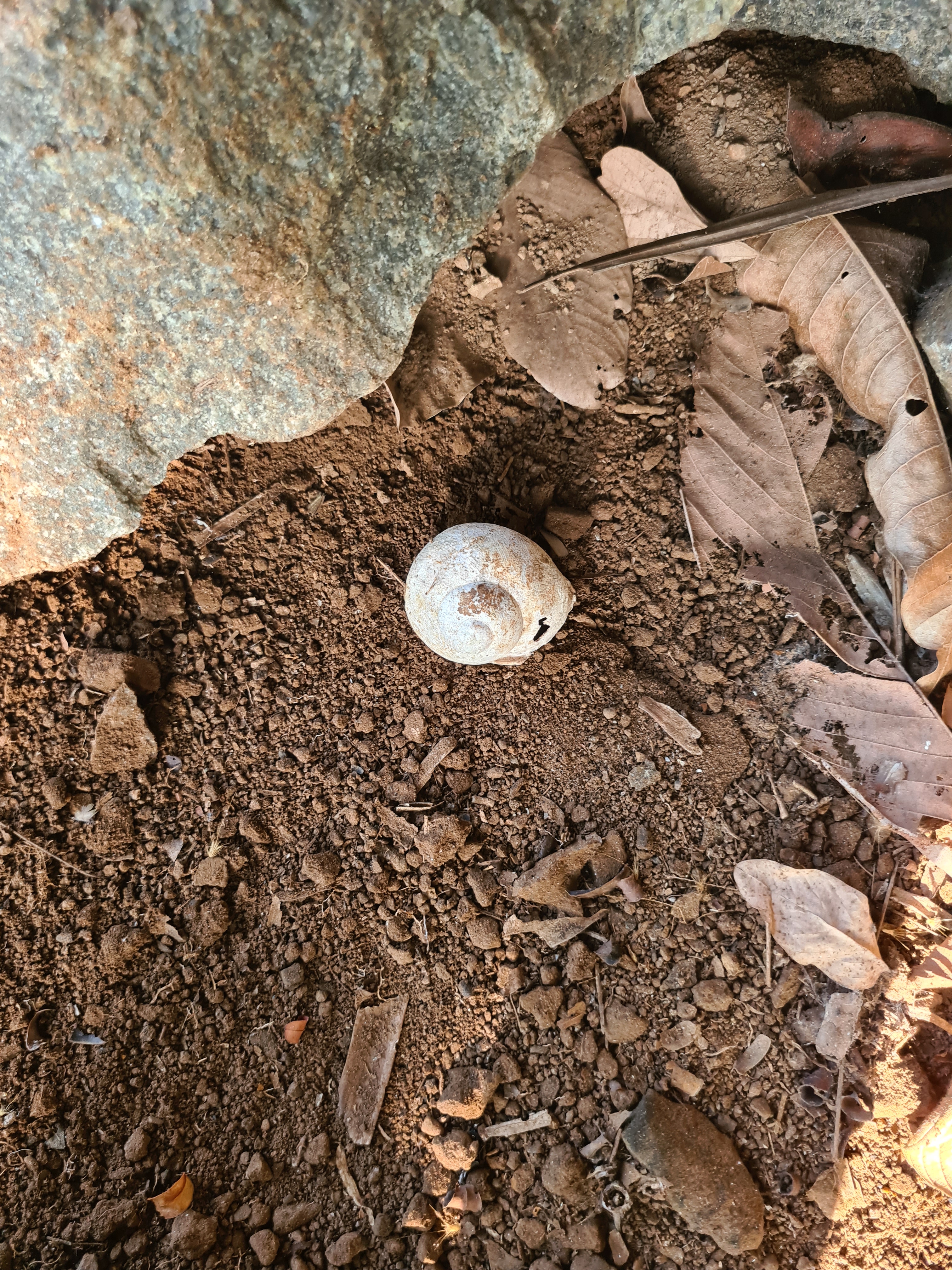
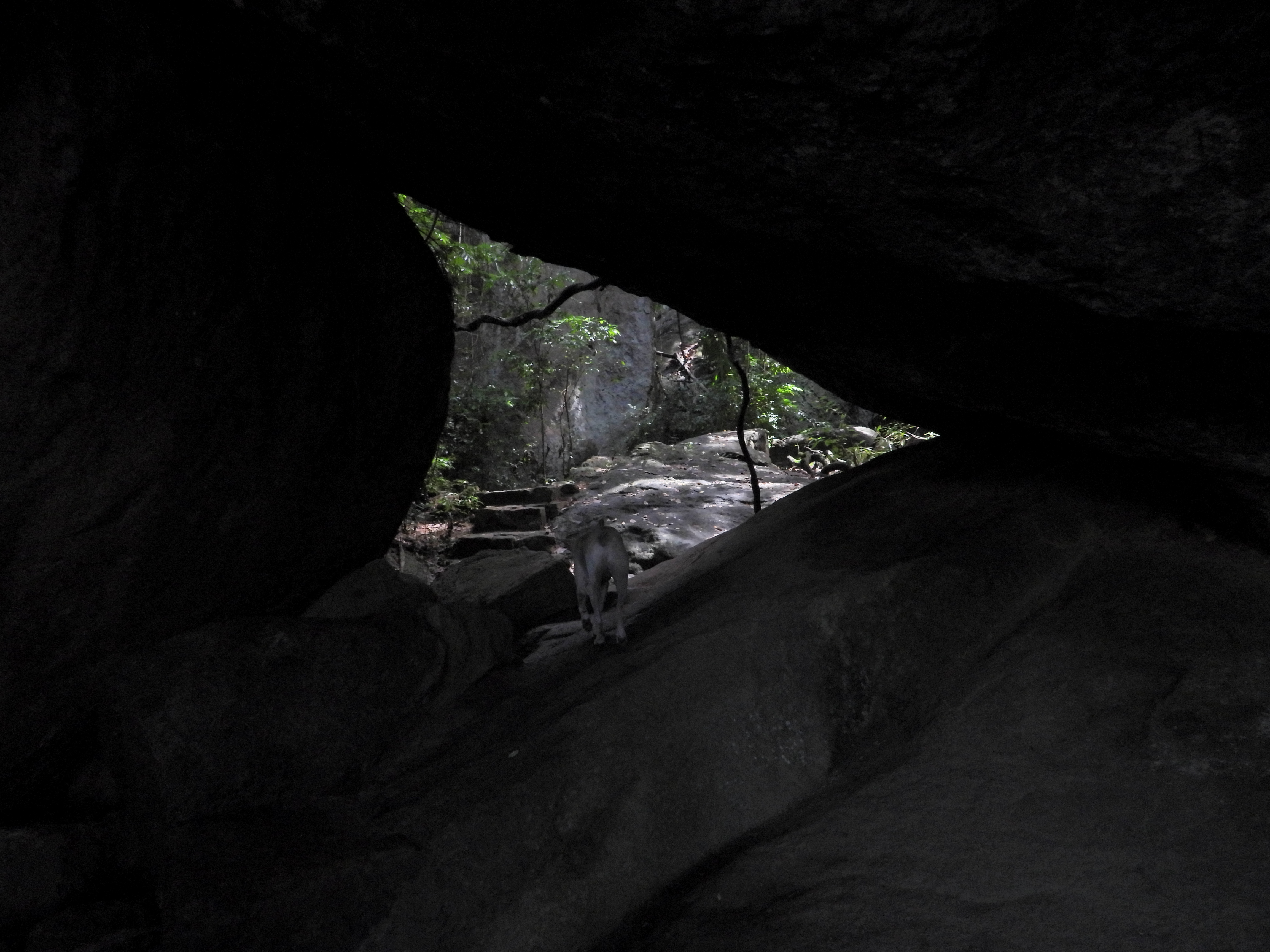
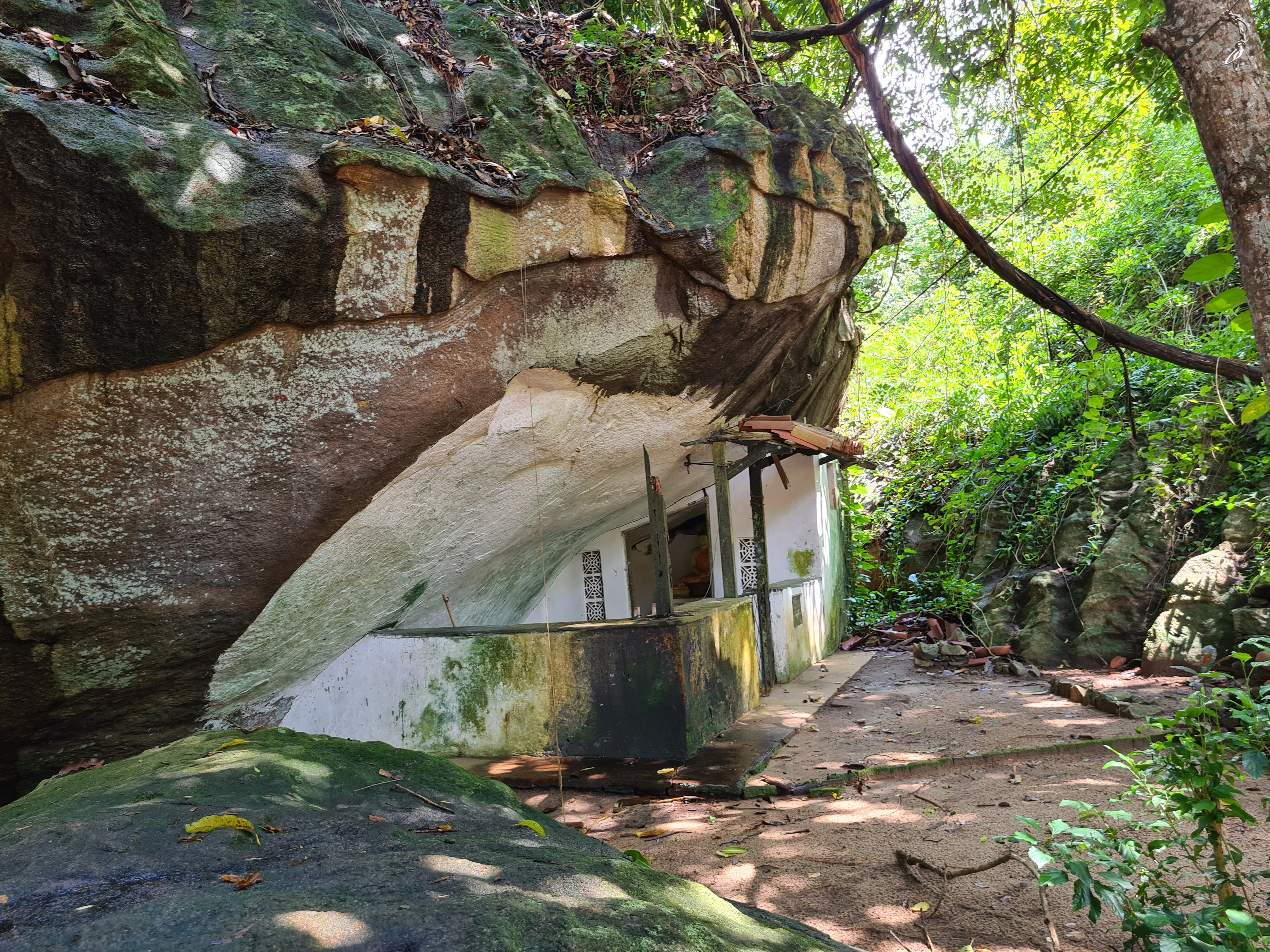
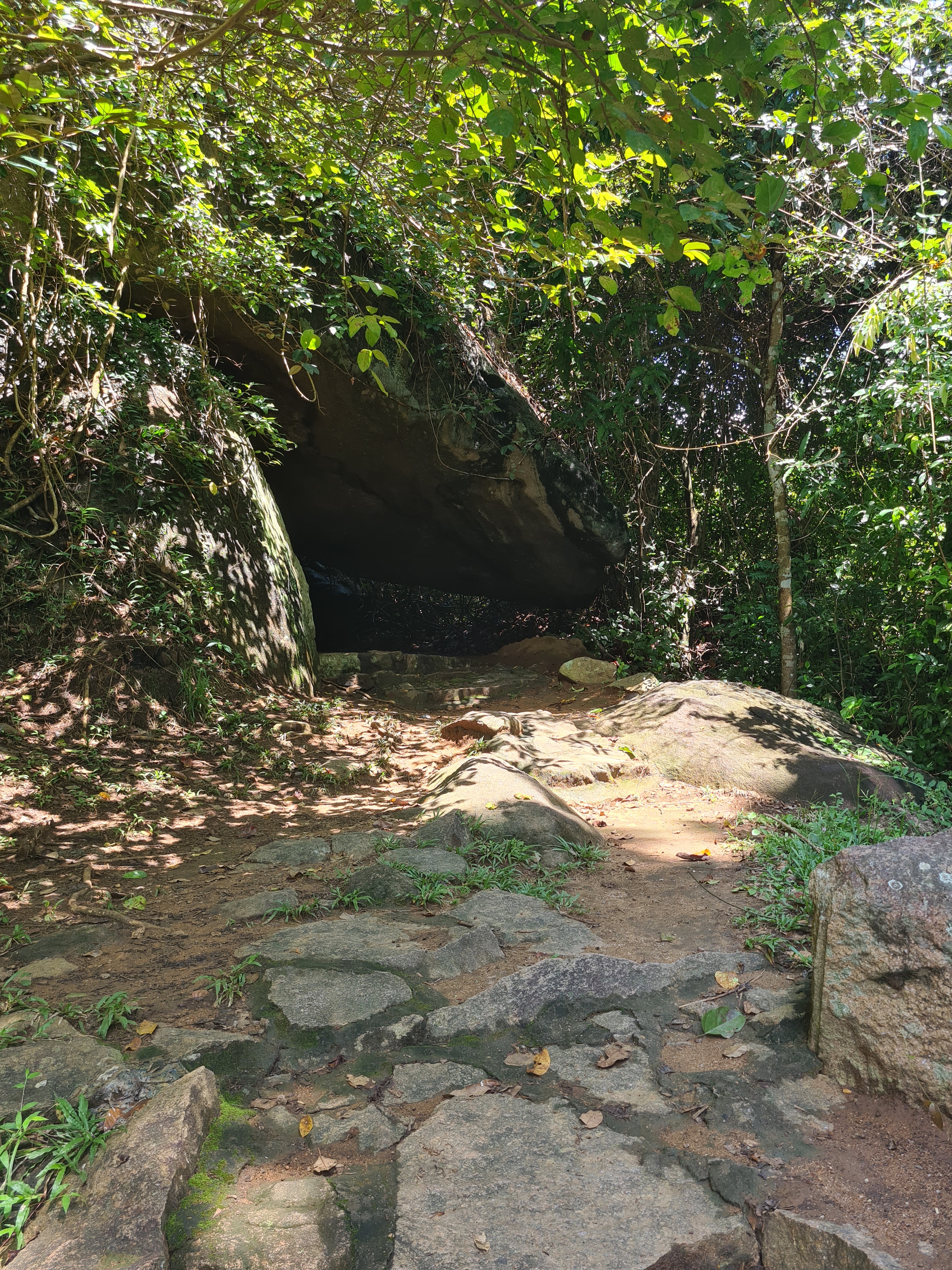
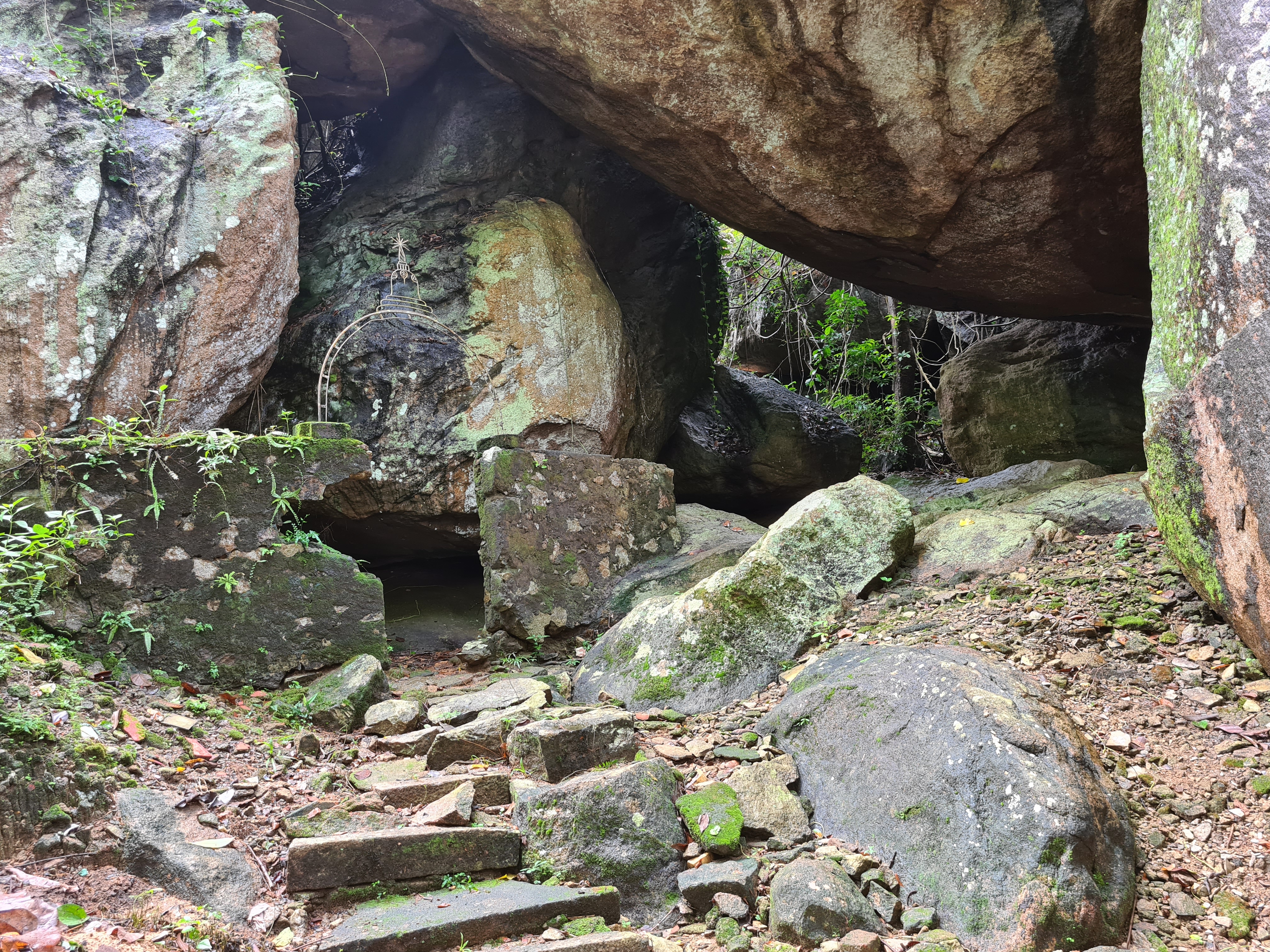
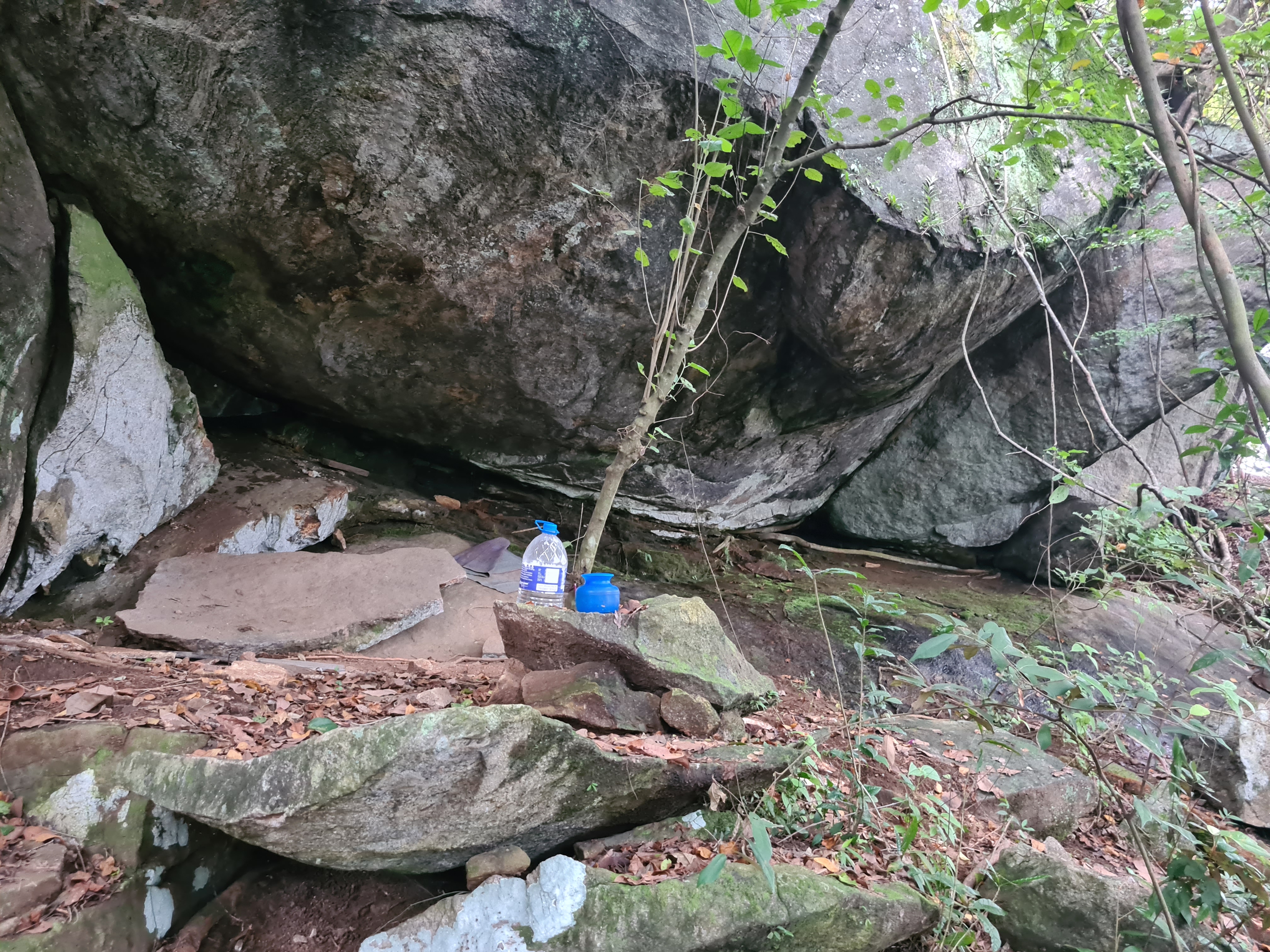
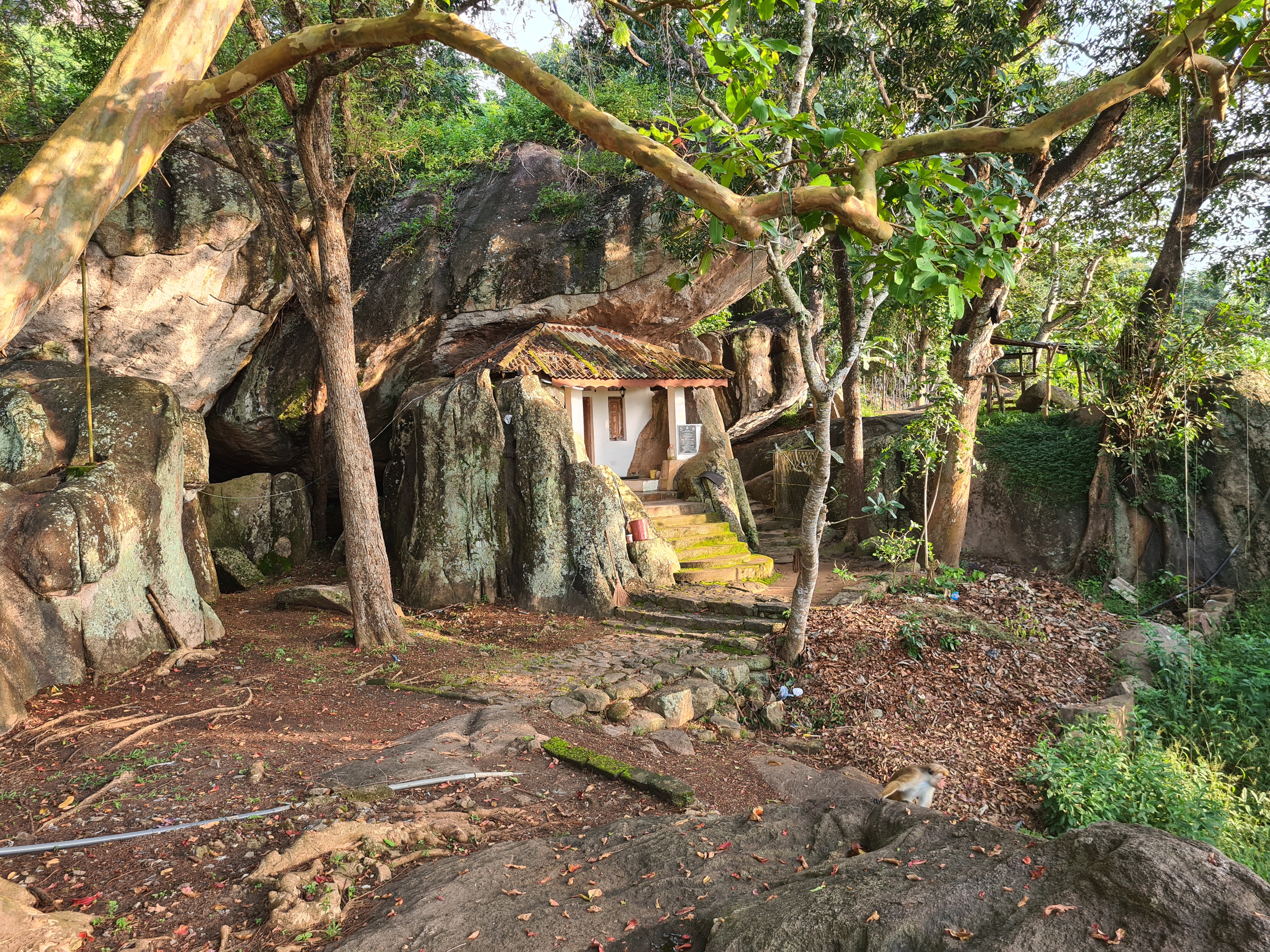
Alawala caves is a prehistoric cave near Atthanagalla in the Gampaha district. Recent archaeological findings of human remains indicates this cave has been inhabited as far back as 13,000 years ago. The place is littered with bones of small animals and sea shells. The finding of ornaments made of shark bones indicates interaction of inhabitants of this cave with others living near the cost pointing possible trade links.

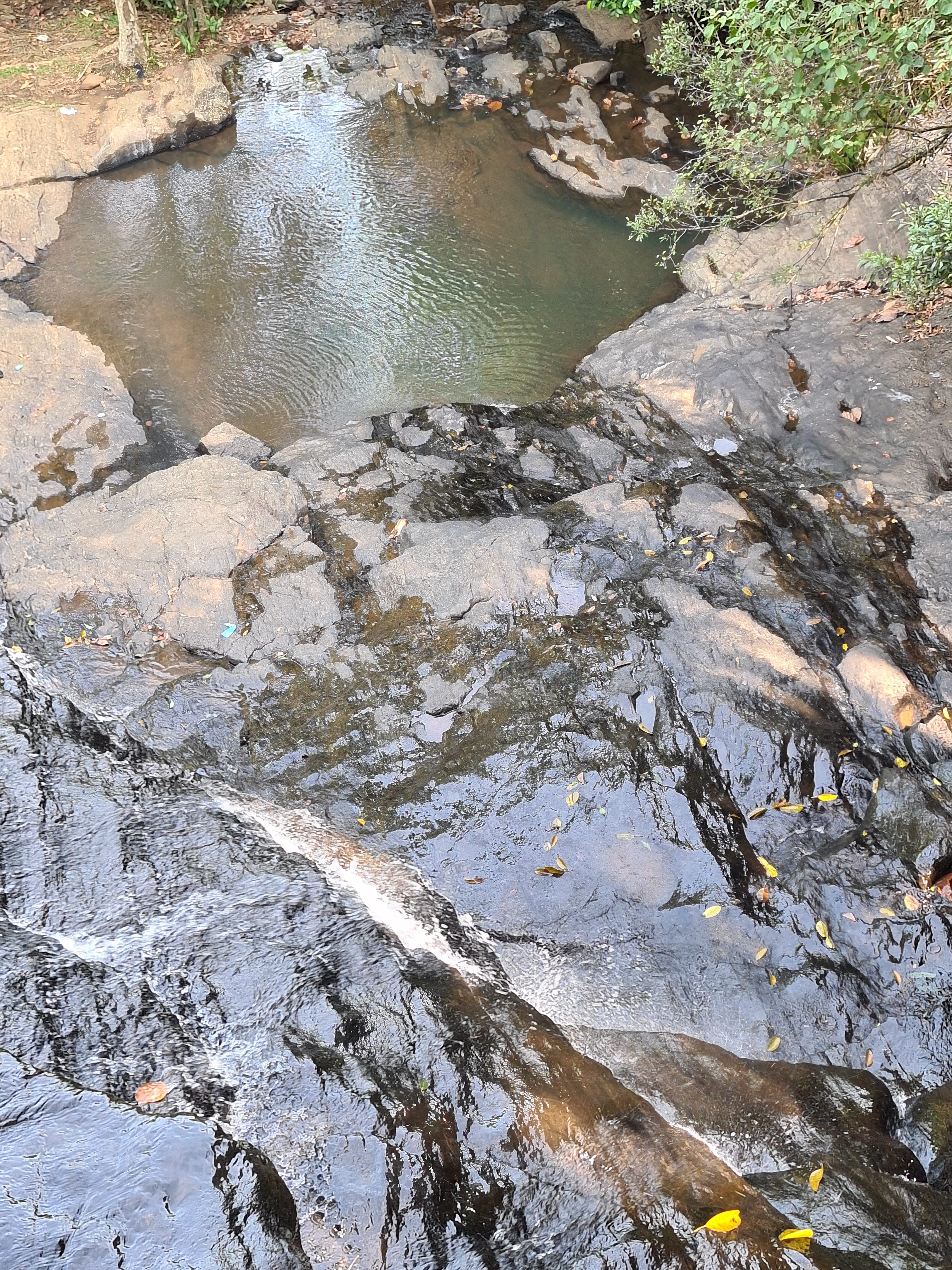
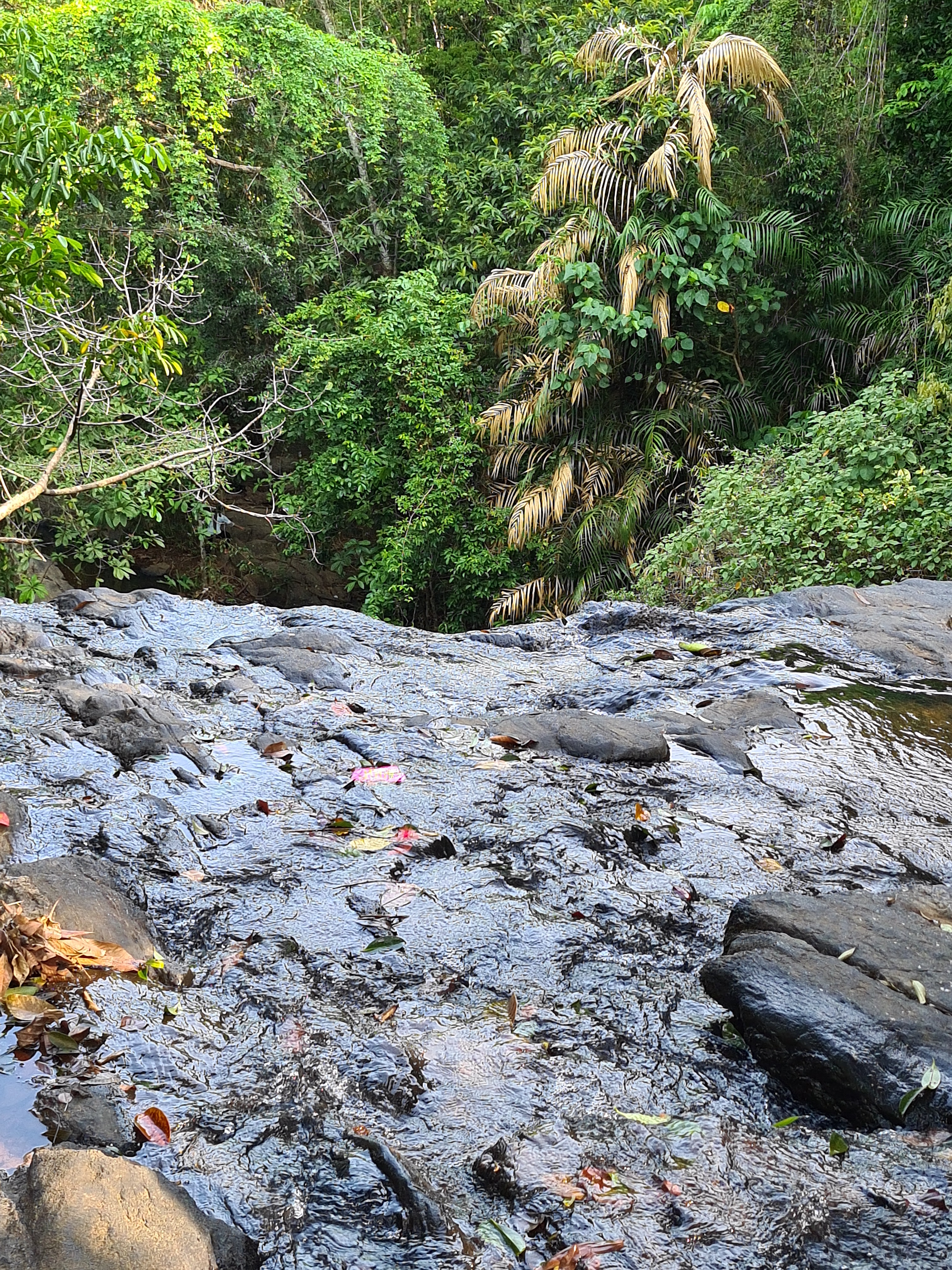
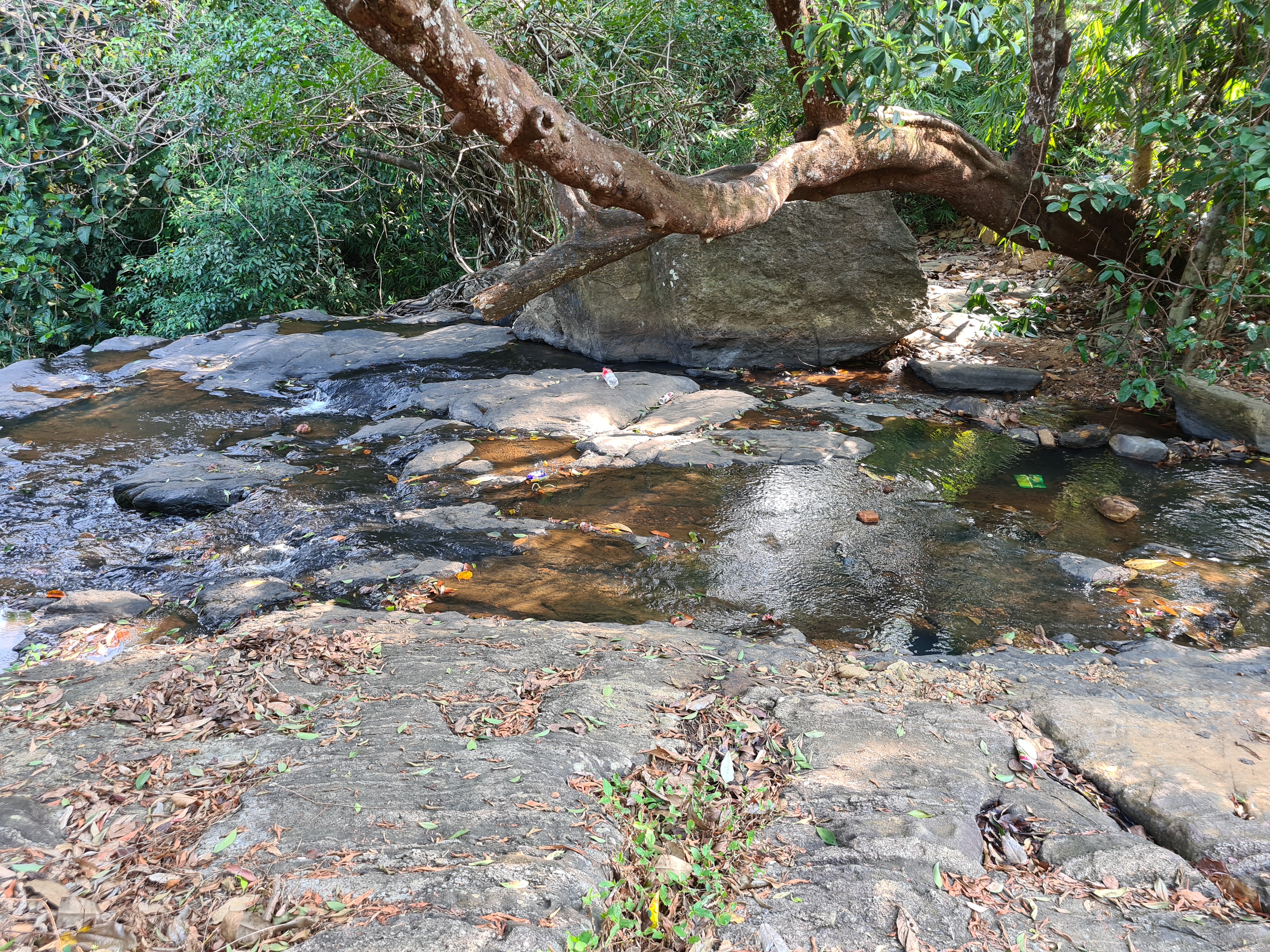
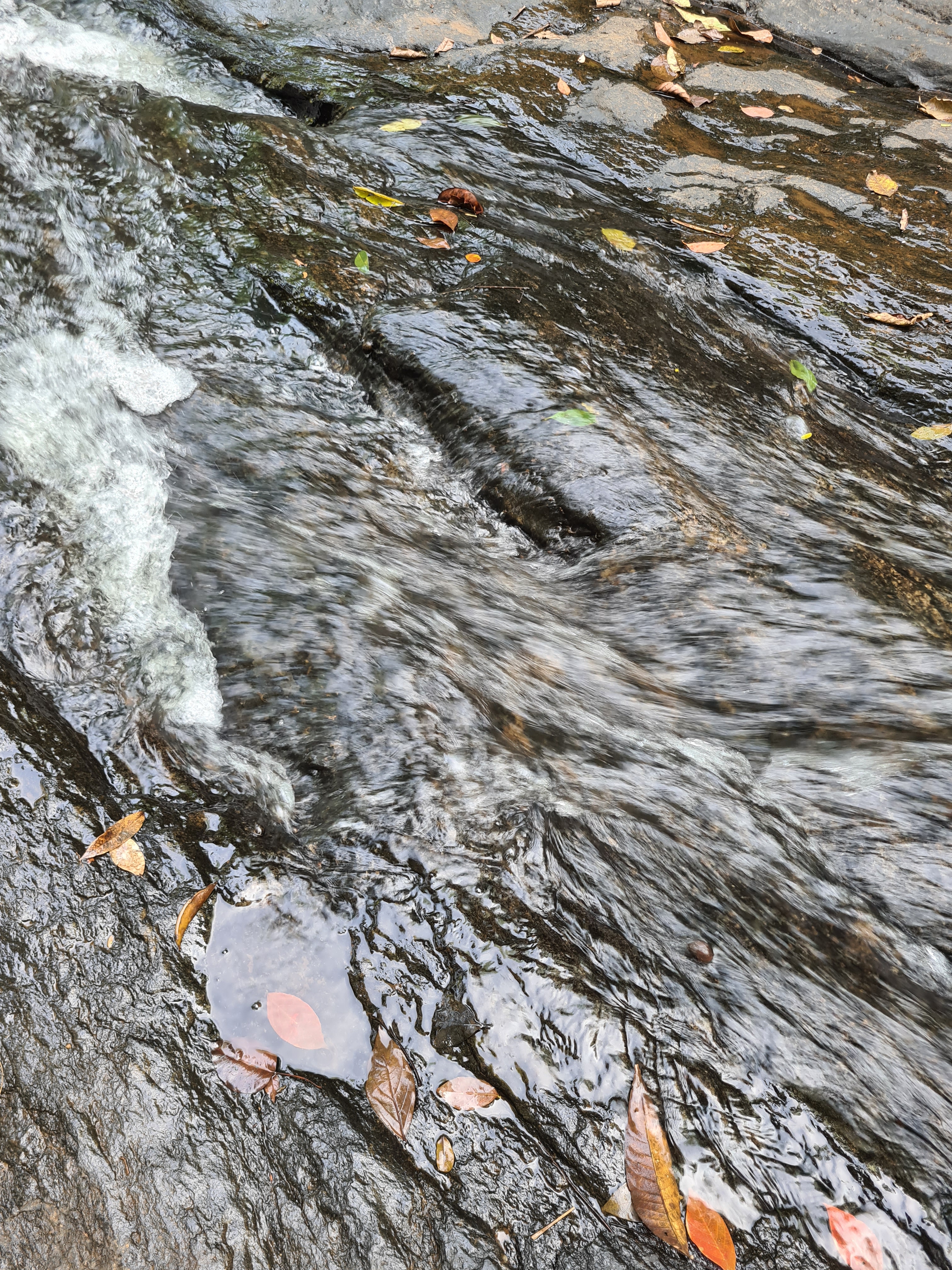
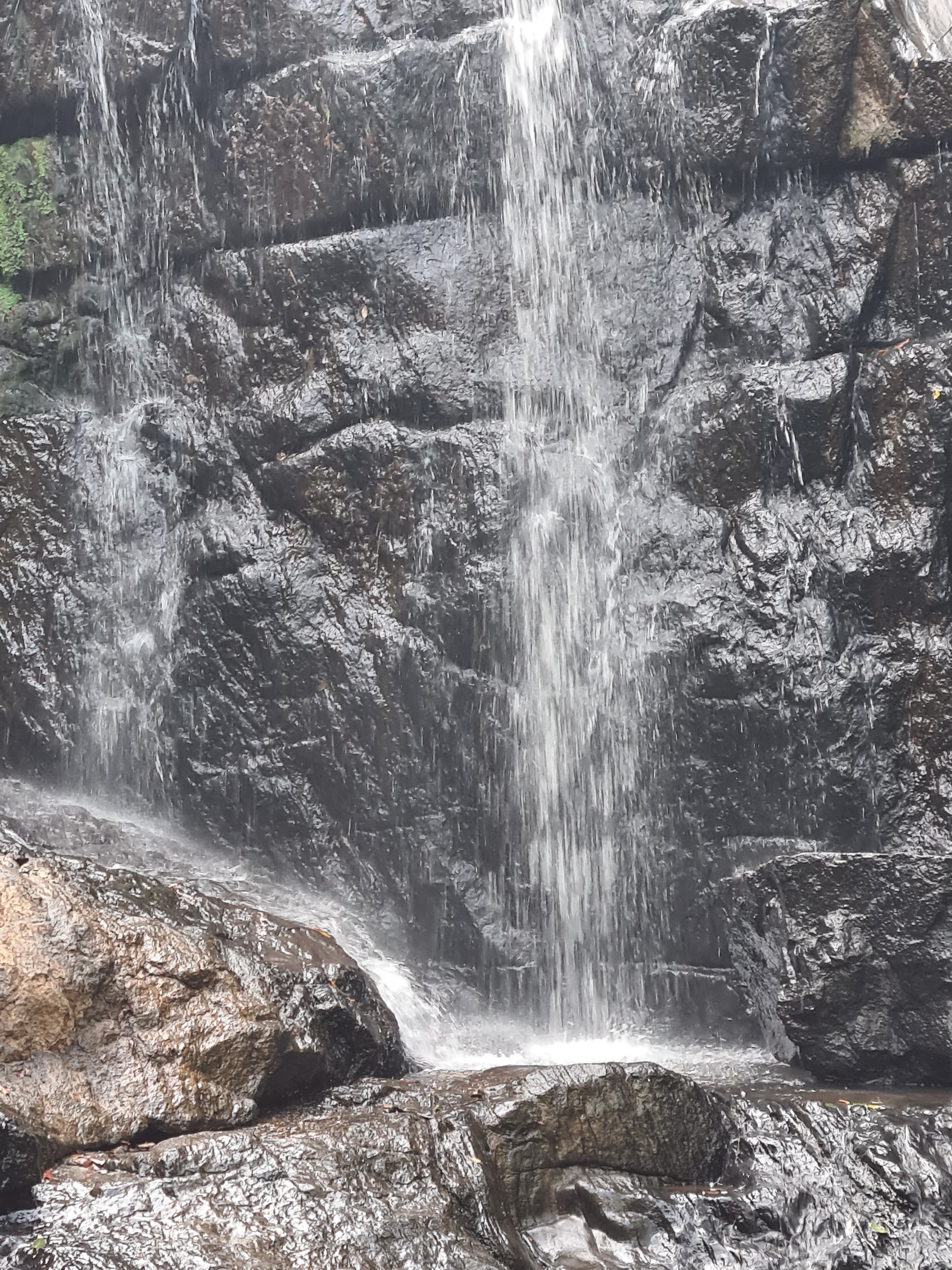
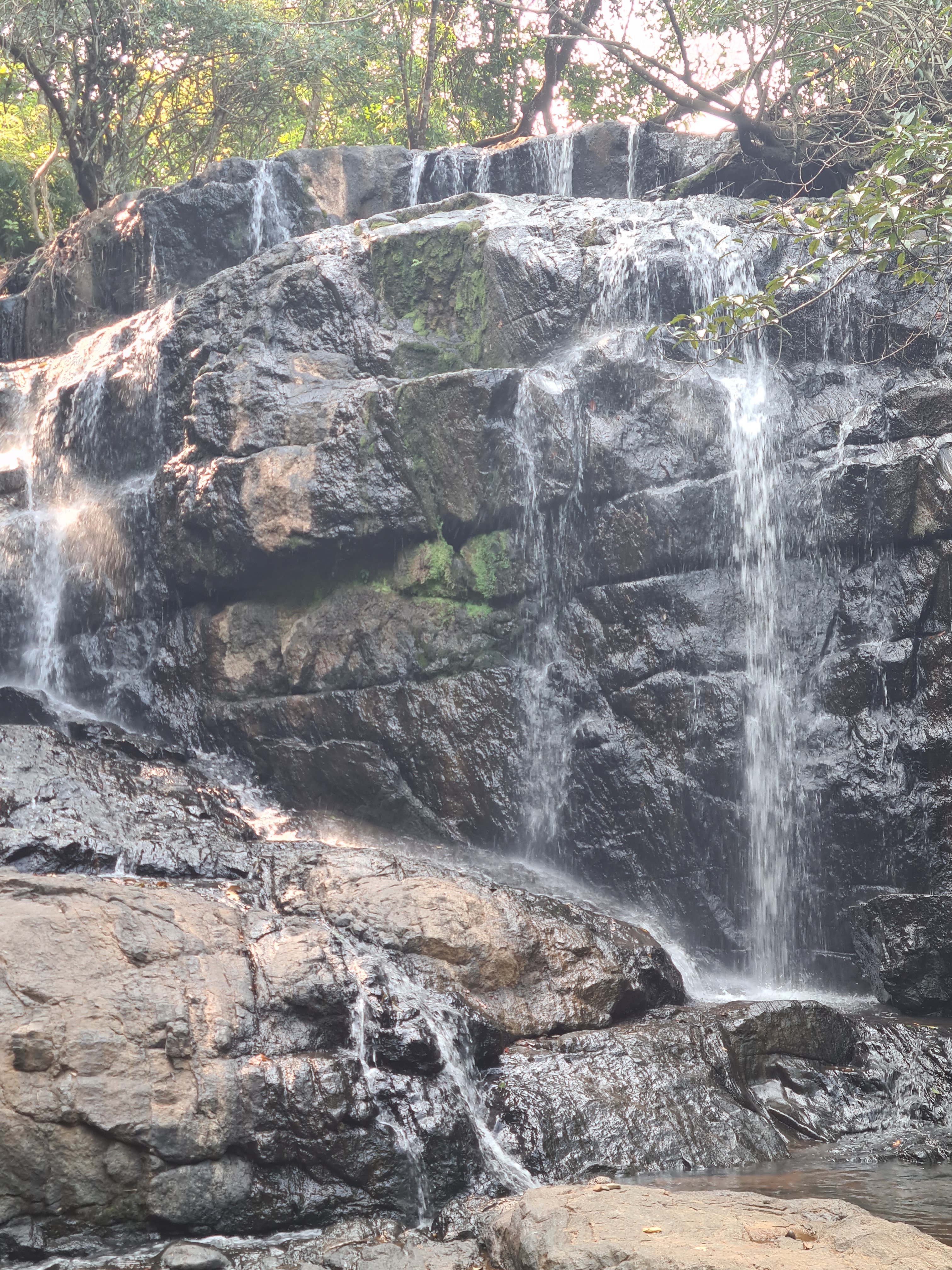
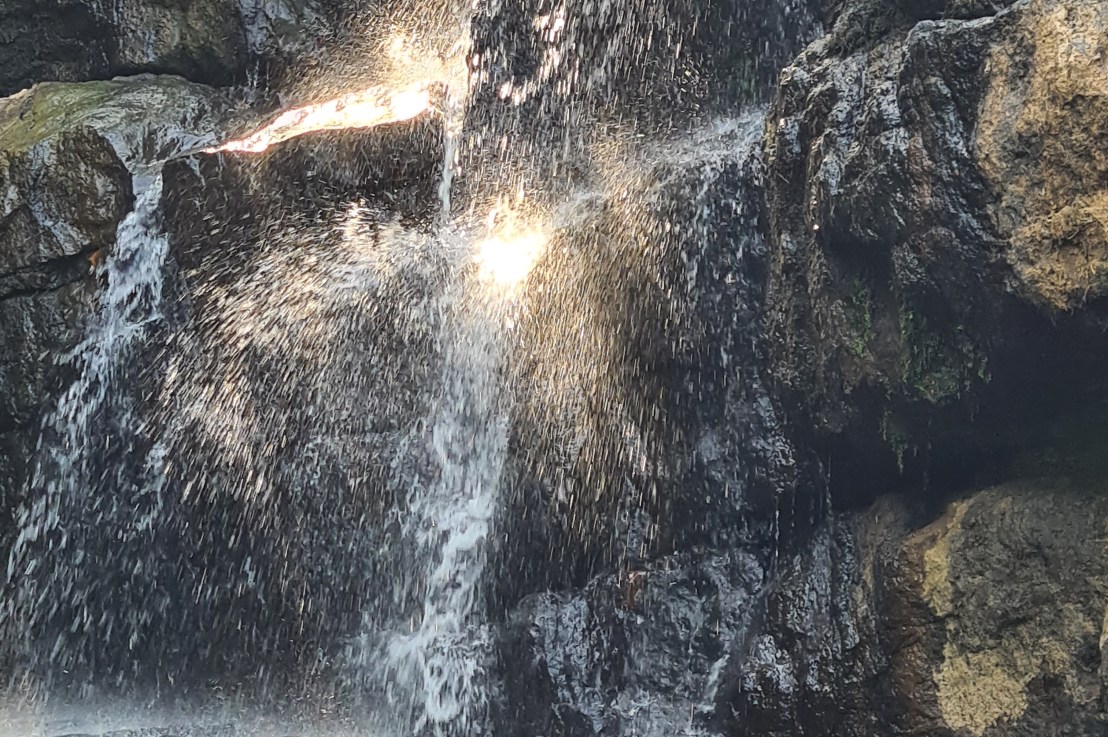
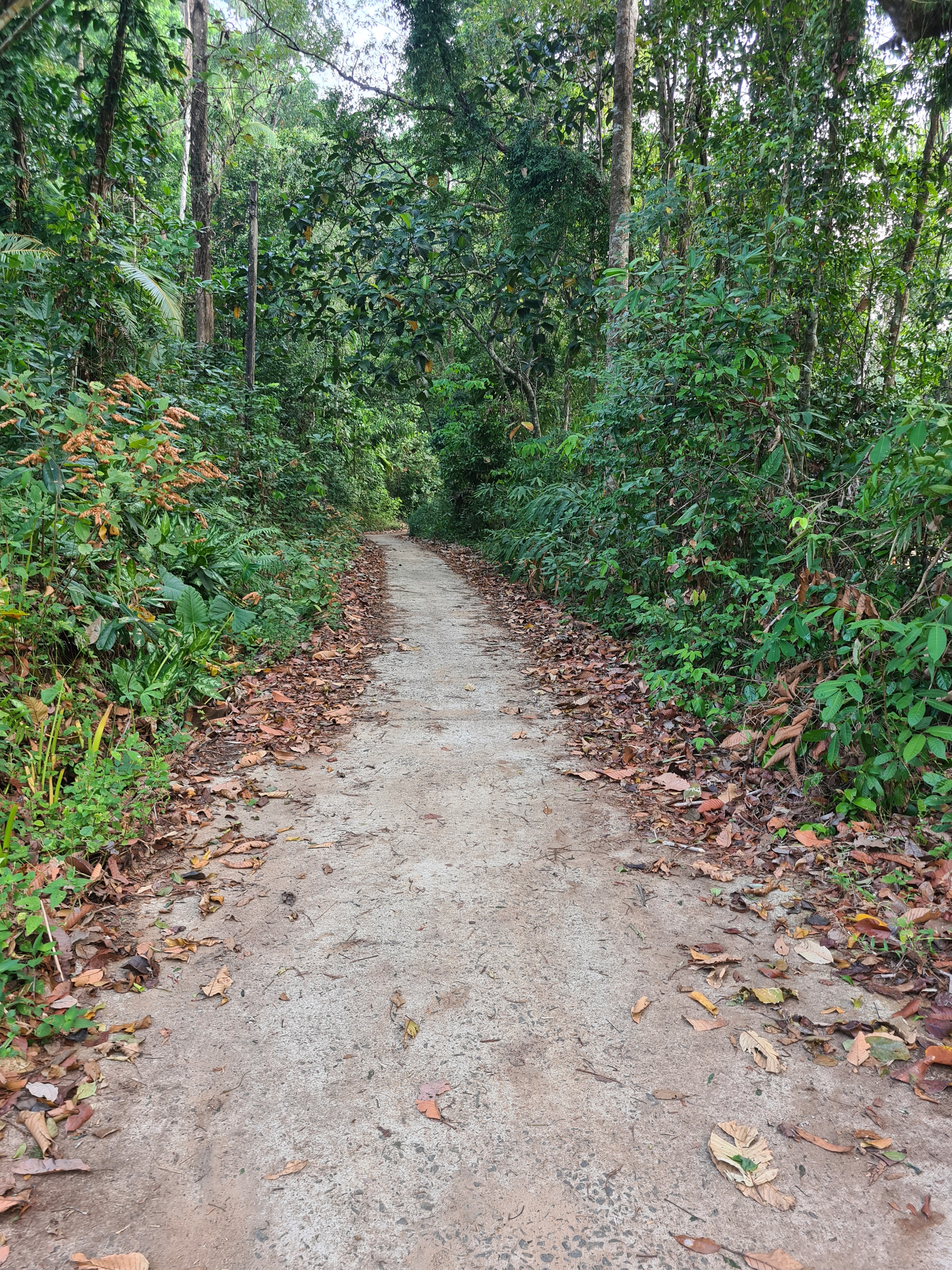
Just one and half hours from Colombo, its a nice easy access place to visit a prehistoric cave. One can also visit 2 waterfalls in the area, the Dunu Mala Ella and the Algama Ella. Dulu Mala Ella is sign posted, by the keeper of a private parking spot. Best to park the vehicle there, the approach is just 10 meters from there and its an easy climb down and up to get to the waterfall, there is a path way to get to the top of the water fall. Not to be missed. Another road is from the opposite side of the parking place, which takes you to the top of the water fall. Unfortunately the are has been spoilt by the selfish louts who consume alcohol there and litter the place with bottles, beer cans and plastic bottles, not to speak of the glass shards from broken bottles.

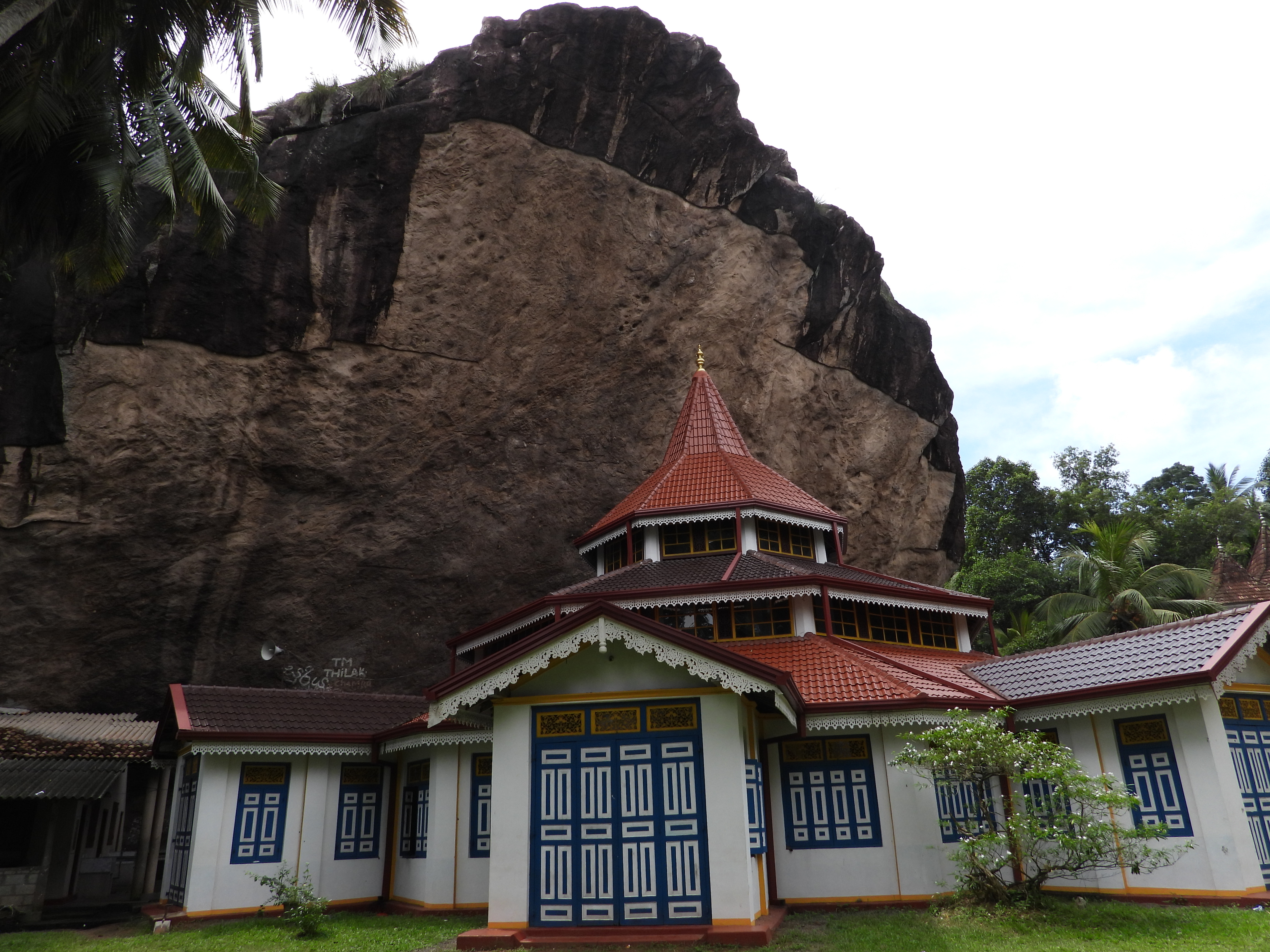
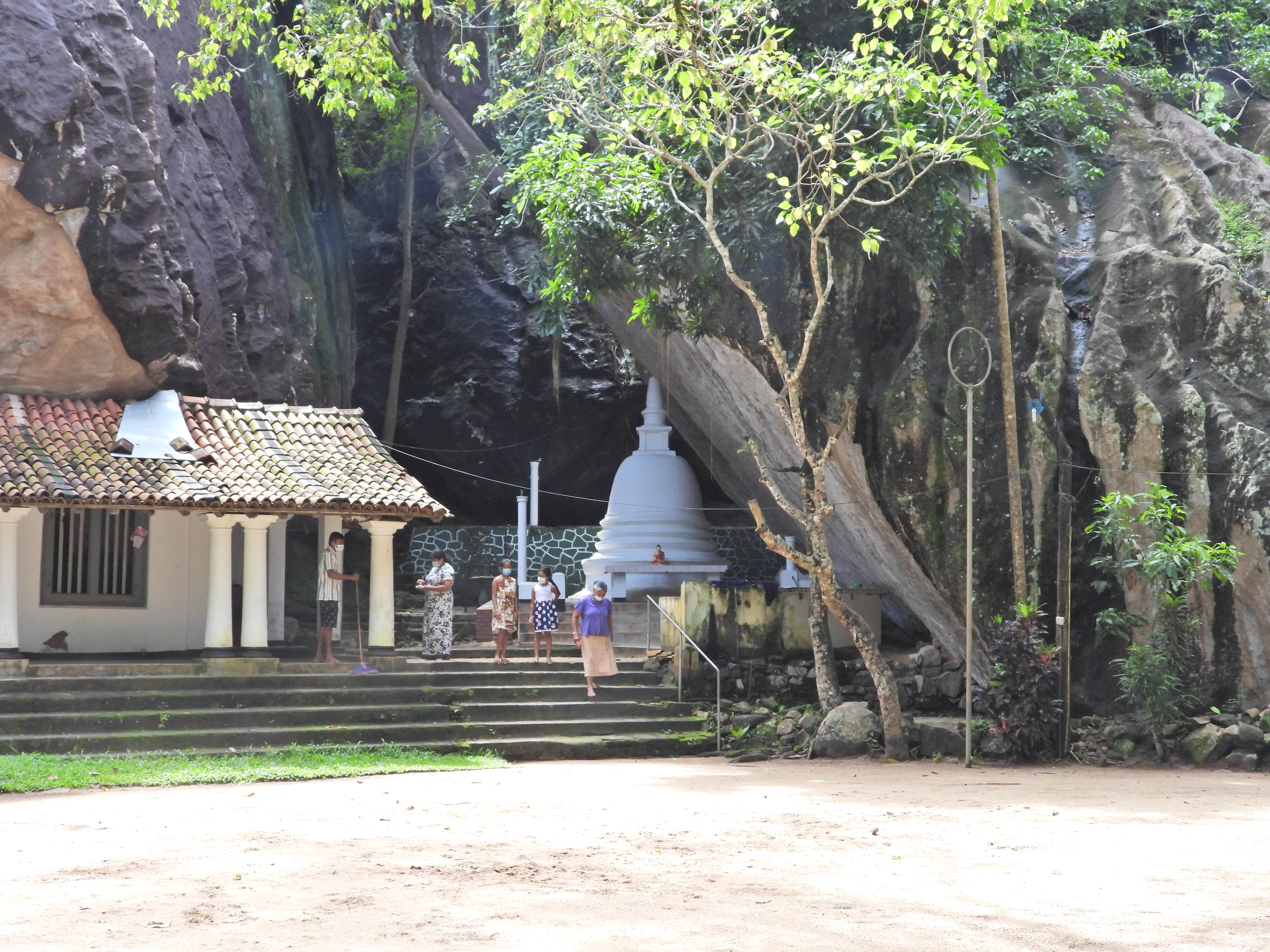
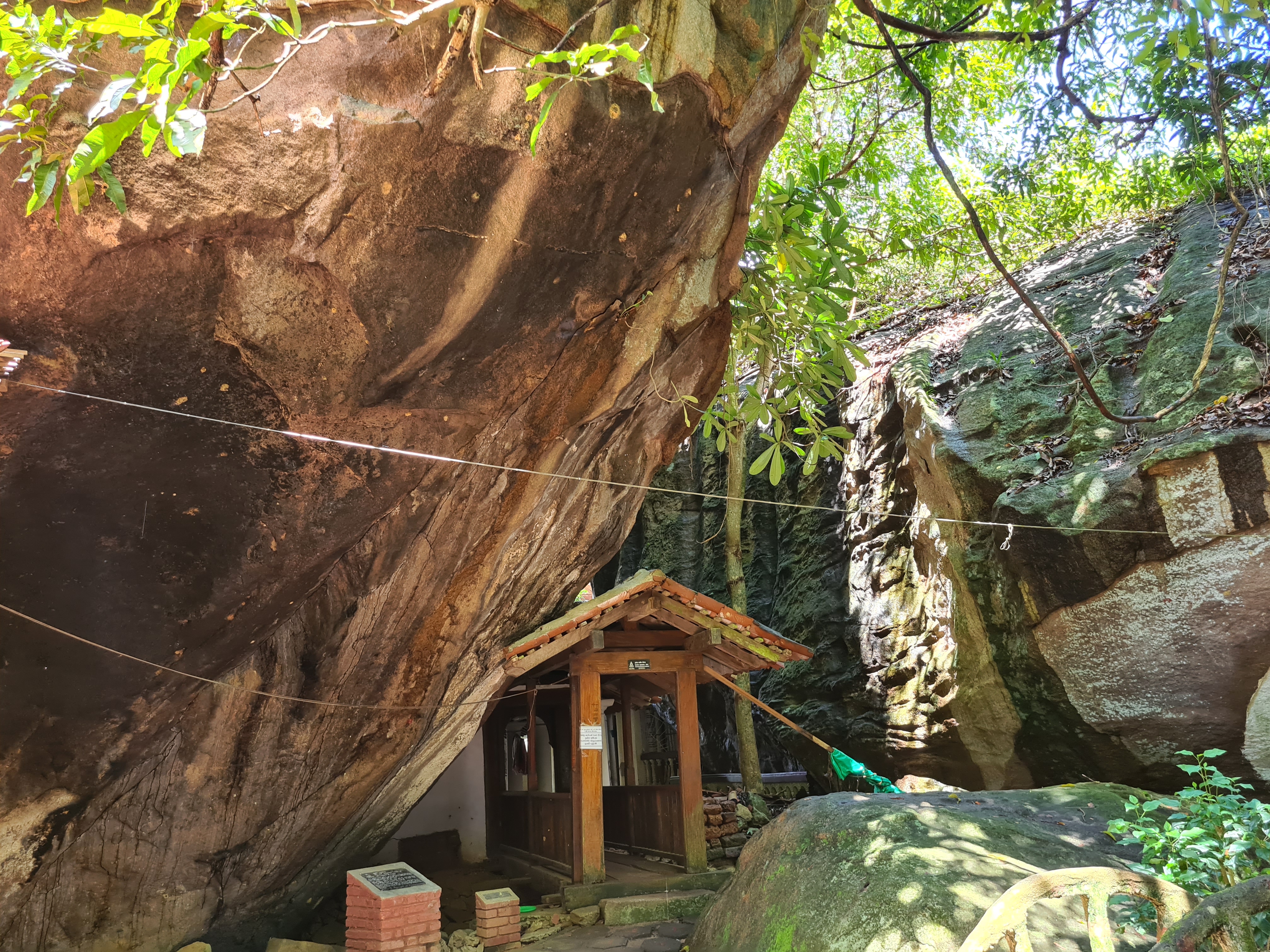
The place is on the mountain opposite the Alawala Pothgul Len Raja Maha Vehera, a quaint little cave temple. The road to the caves is the same as to the temple. The approach is motorable upto about 500m of the temple. The recently erected stairway leading to the caves is about 100ms past the sign post for the temple. There is no proper place to park, but one can leave the vehicle near the turn off to the temple. Its a easy climb upto the cave.

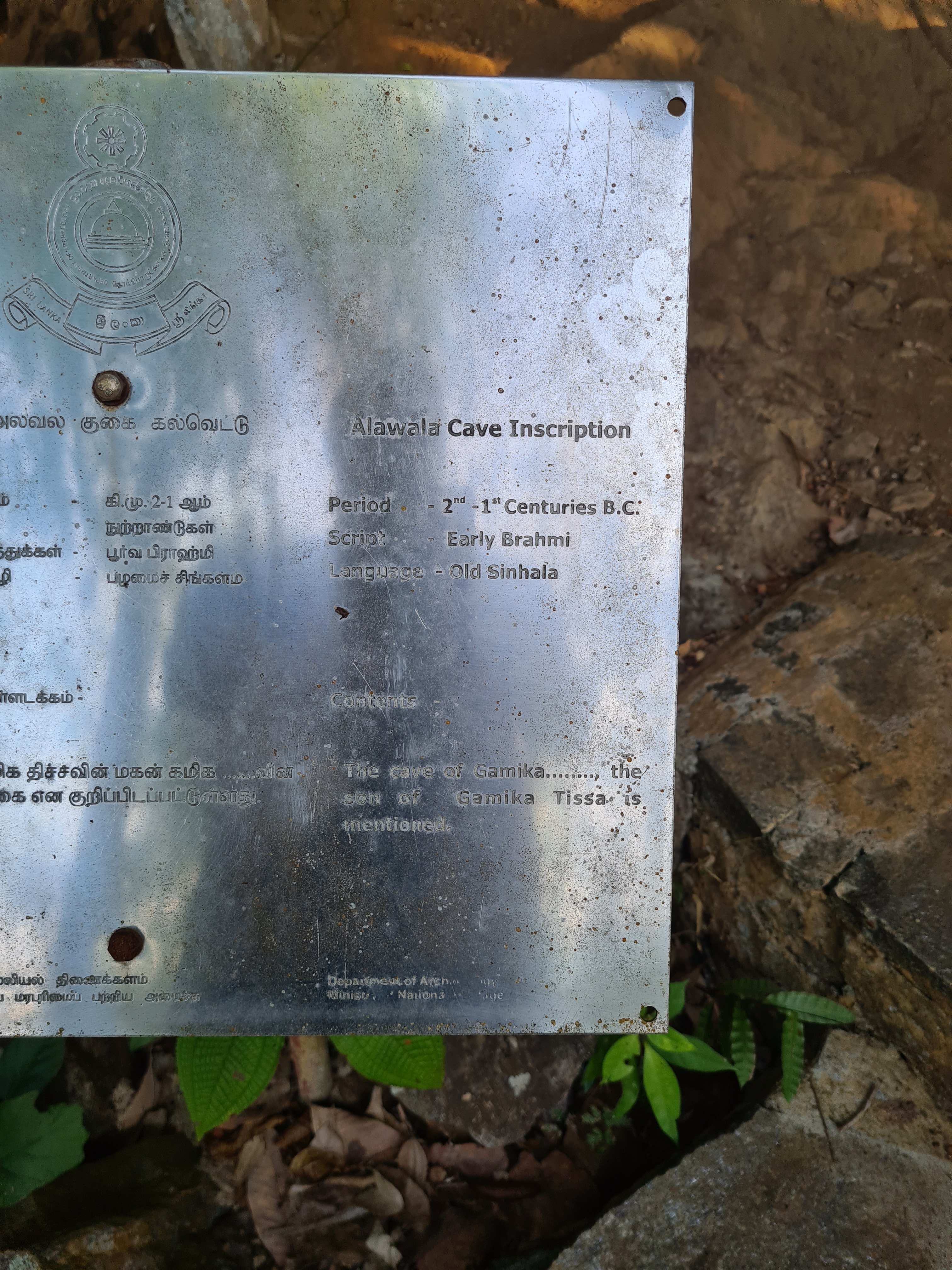
The cave has a drip ledge carved into part of the cave. Inscription from the 2-3rd century BC indicates that the cave belonged to one Gamini, son of Gamini Tissa.
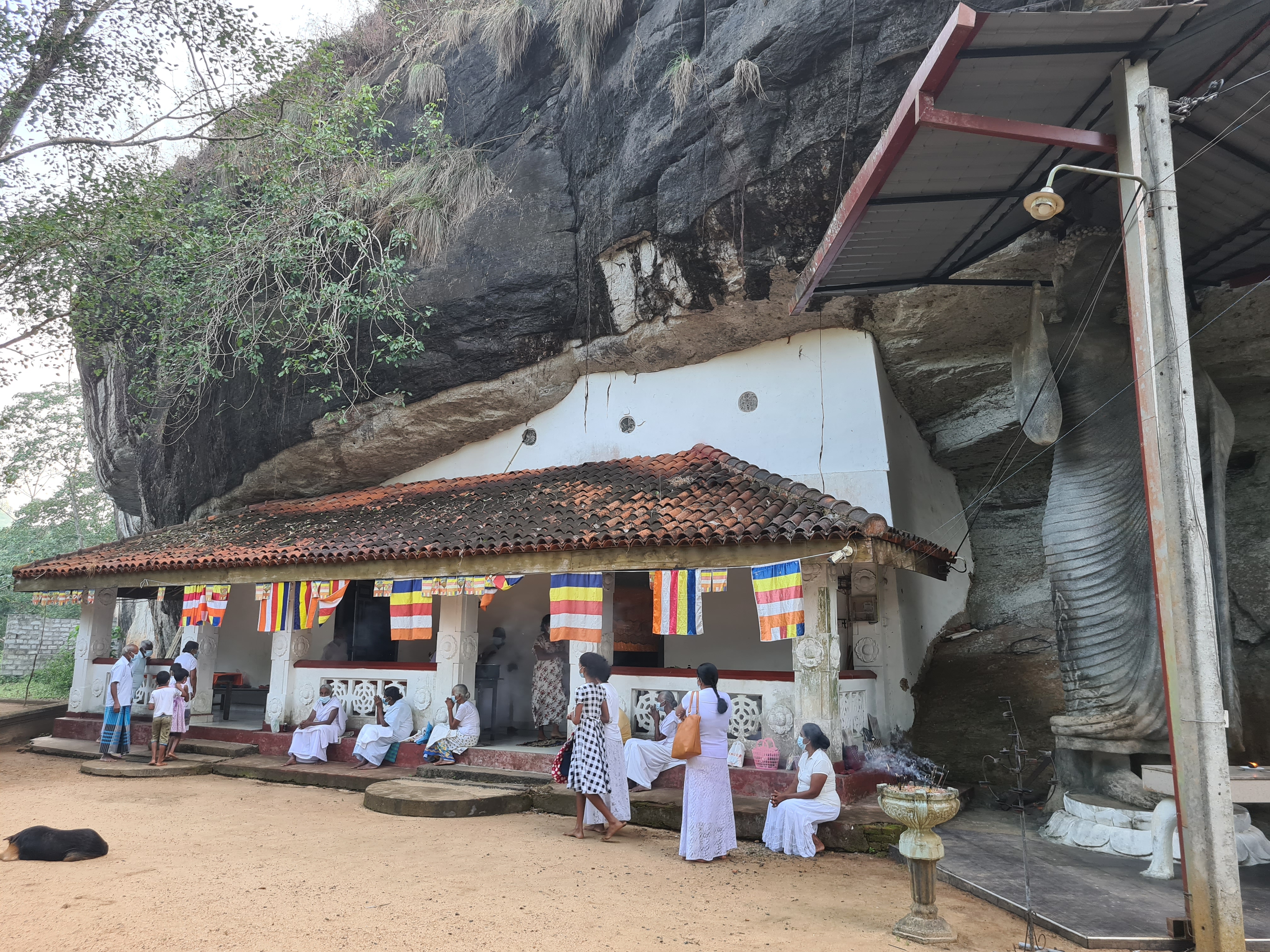
Dunu mala Ella
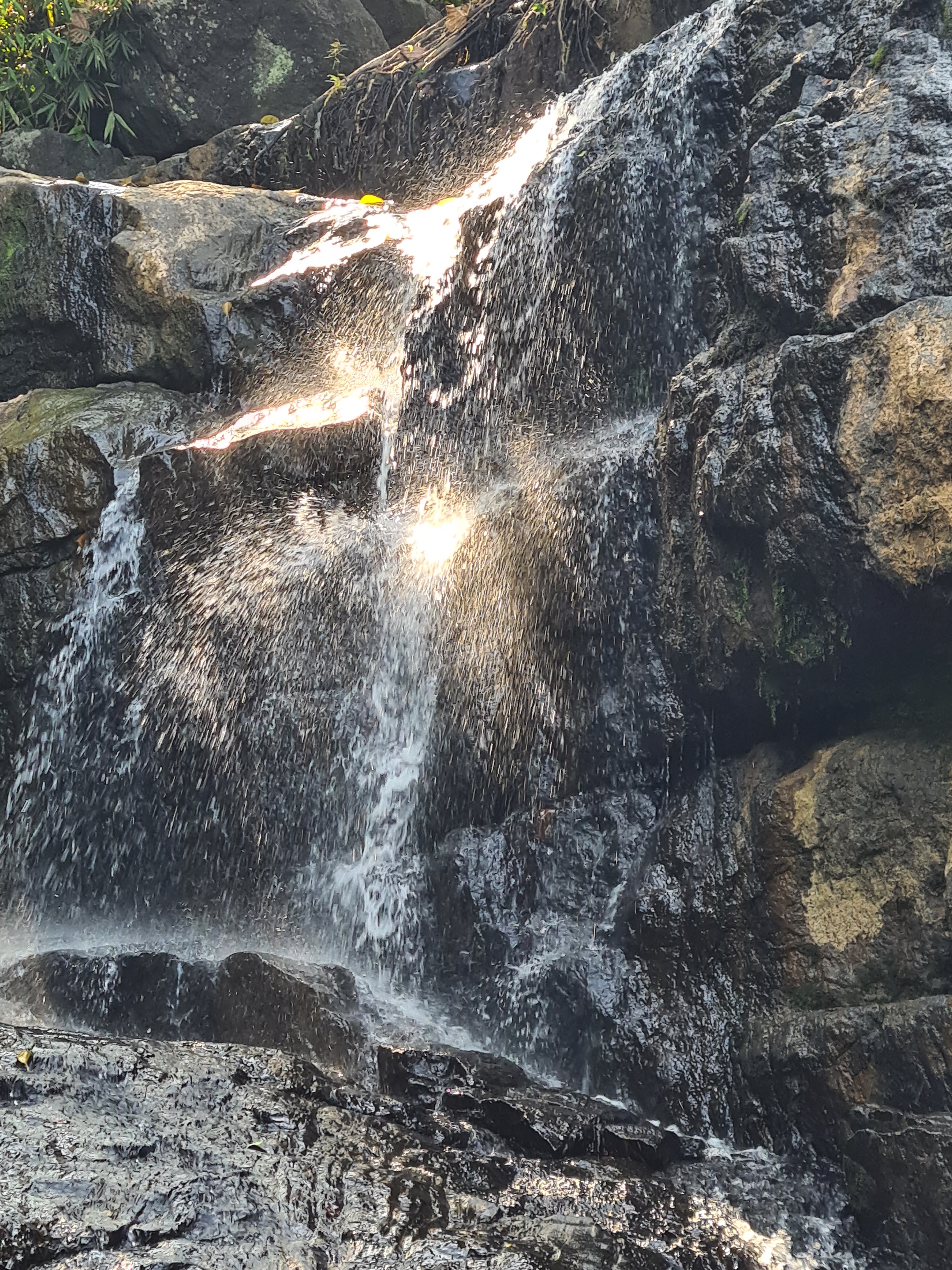
Warana Raja Maha Viharaya
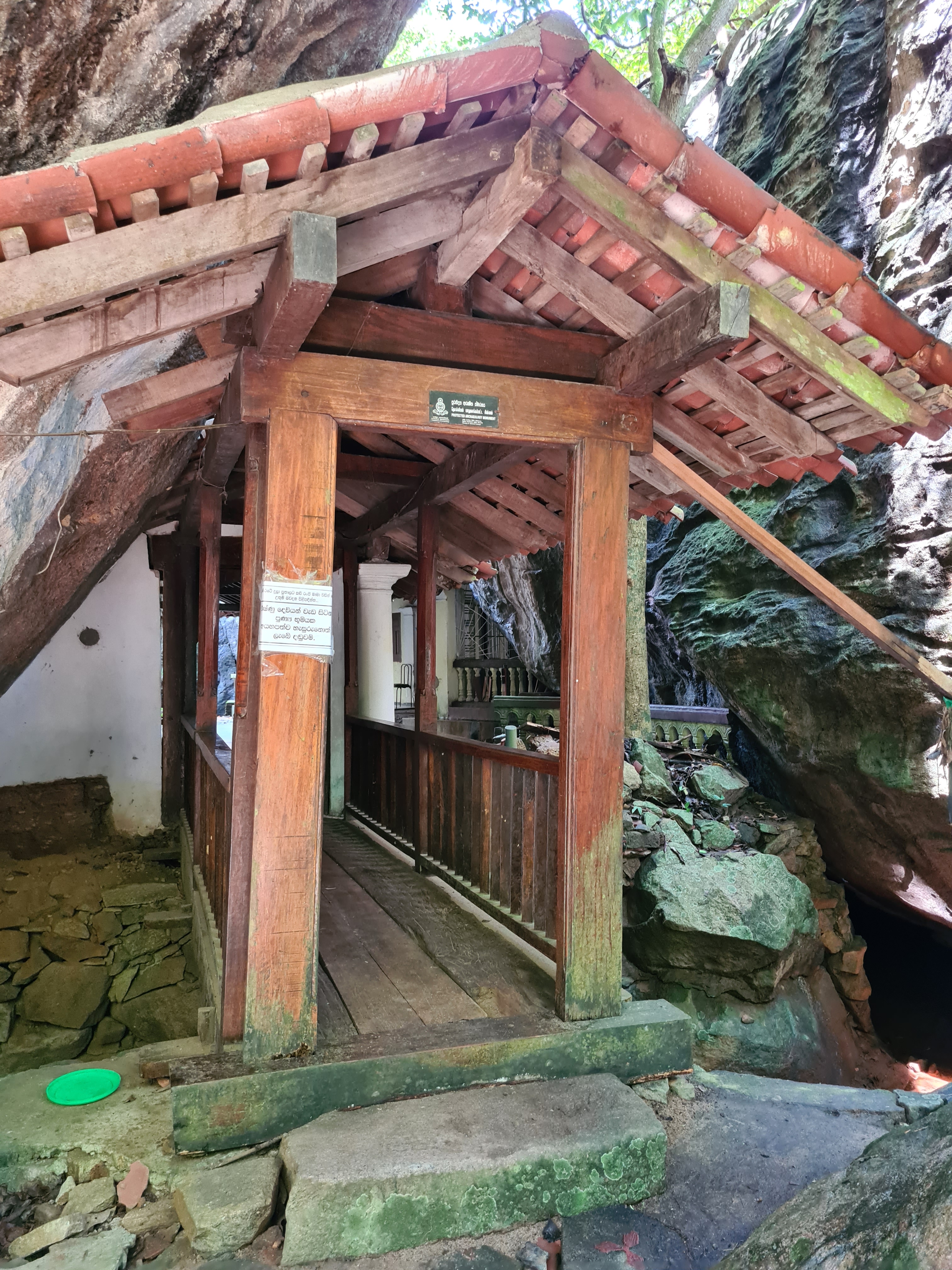
Warana Raja Maha Viharaya

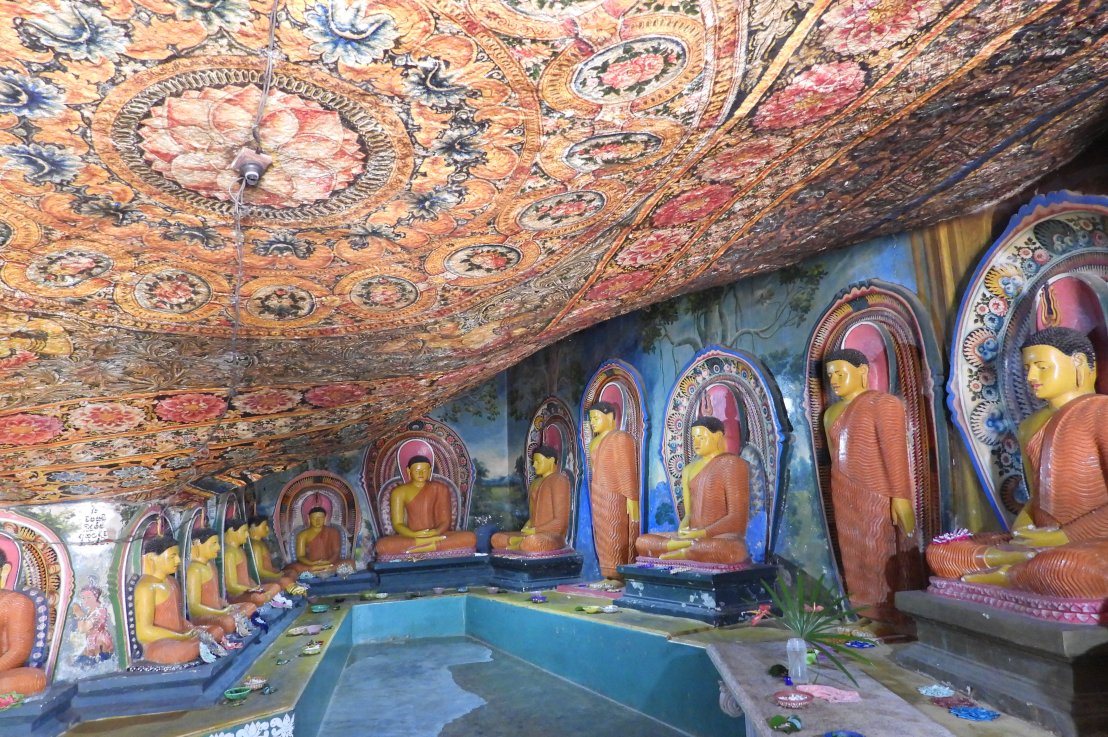
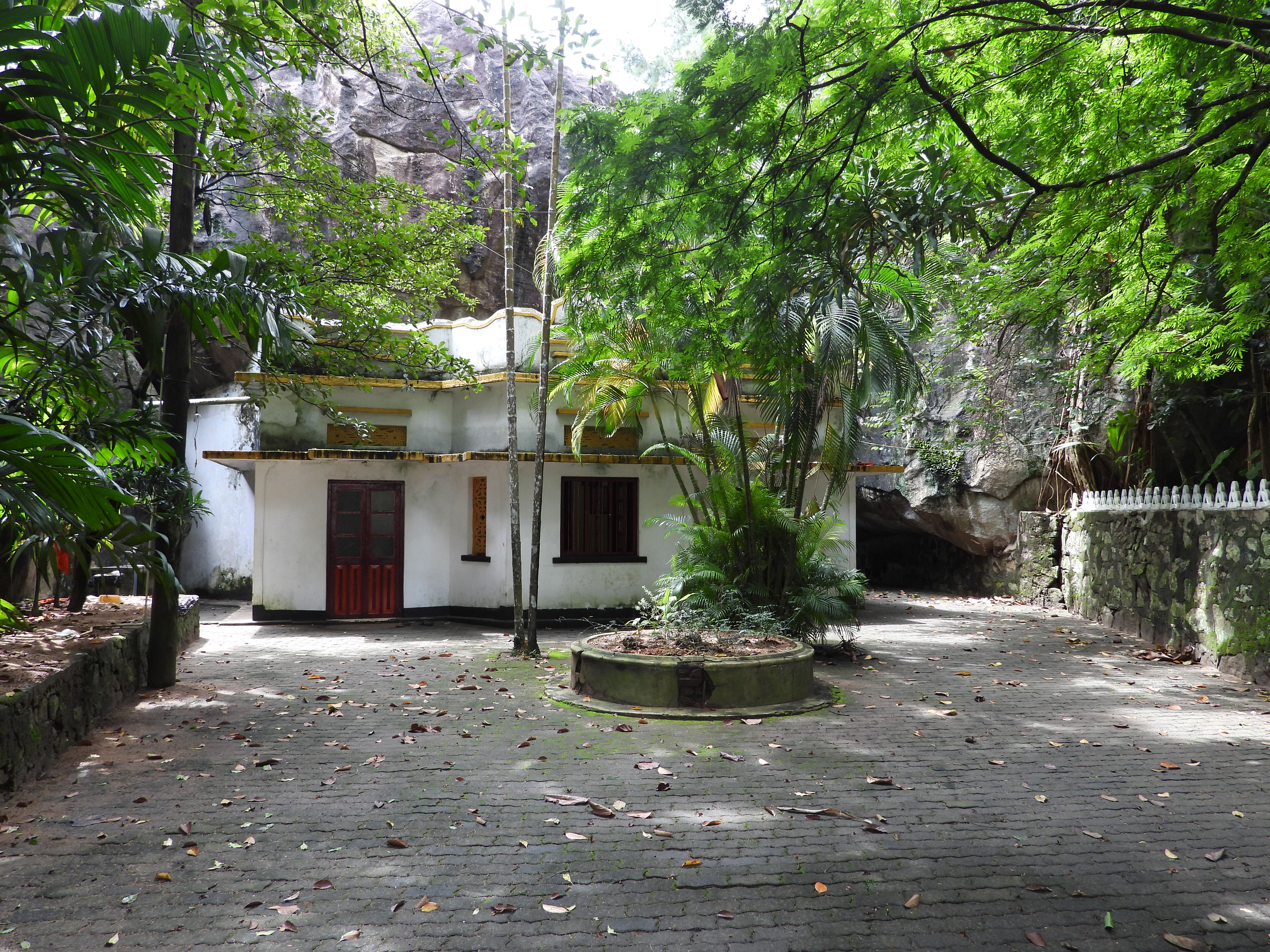
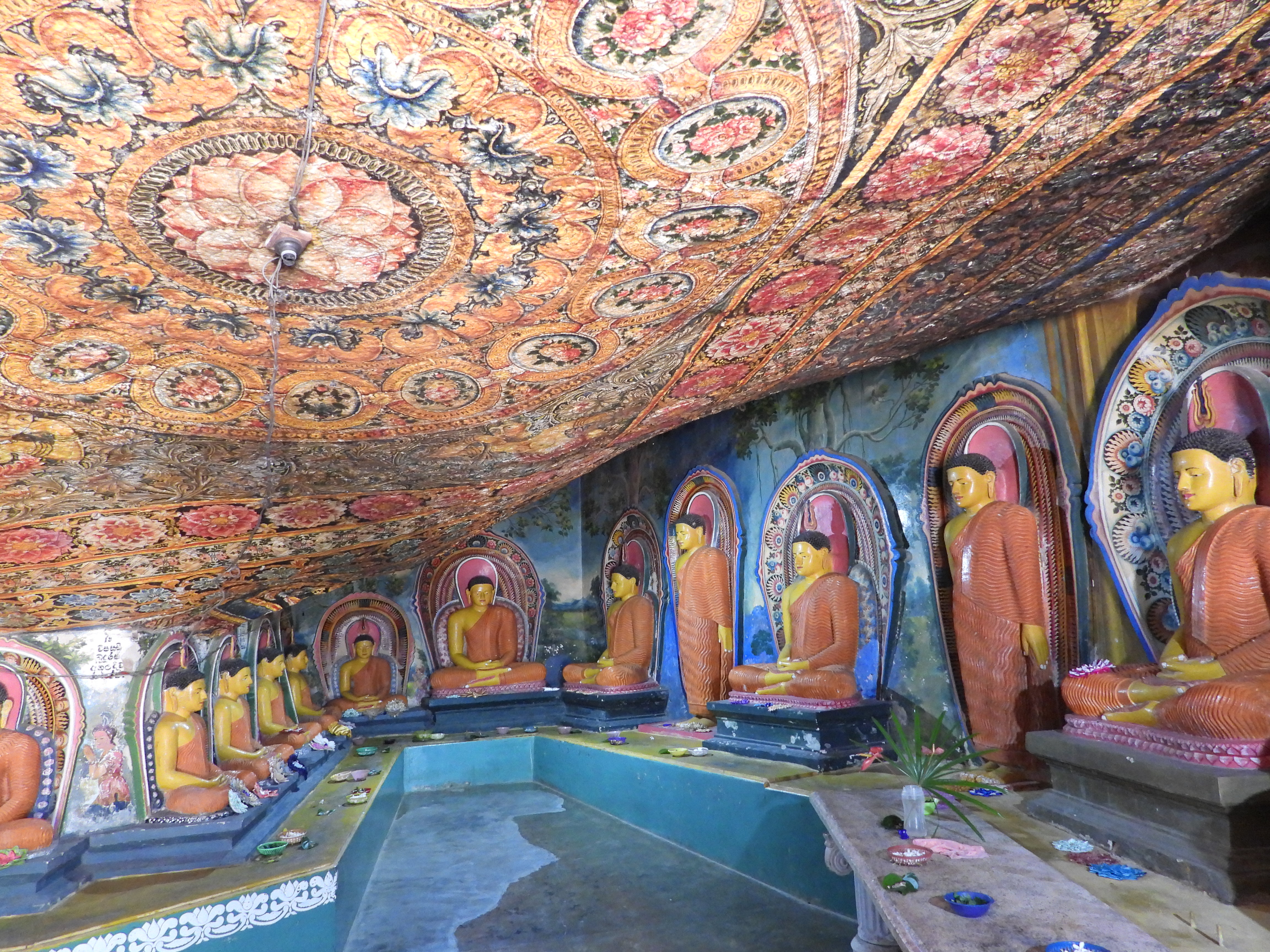
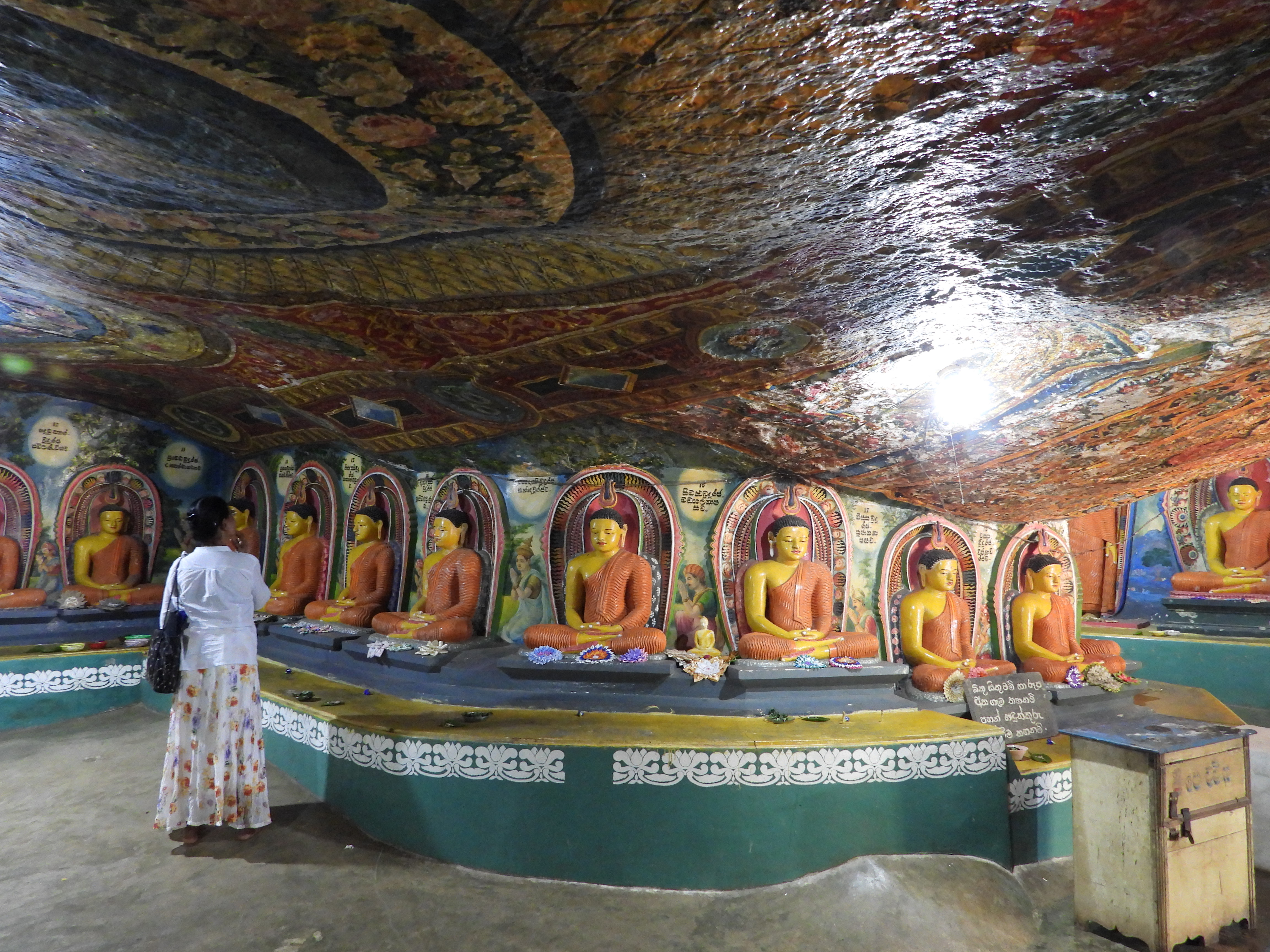
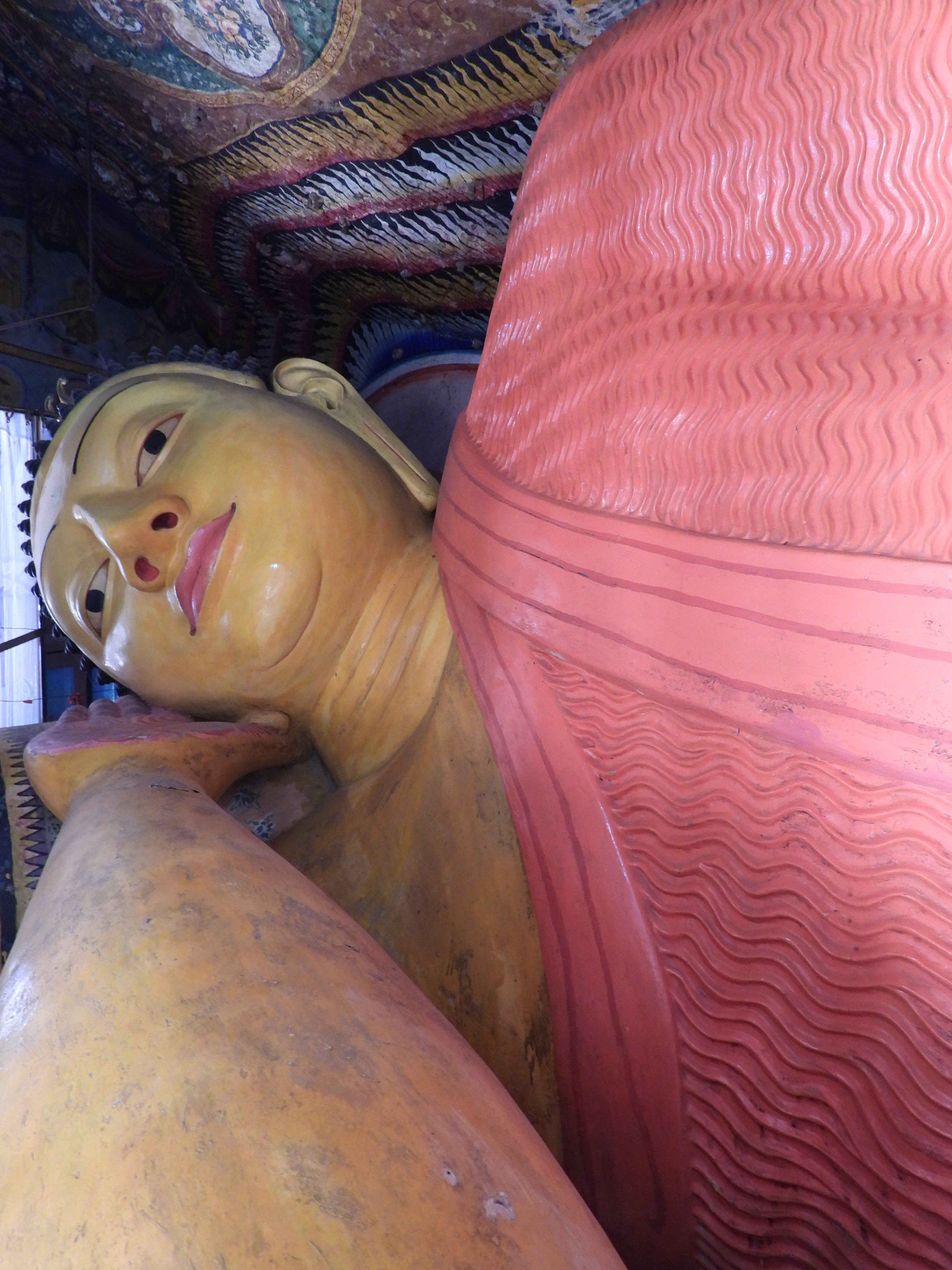
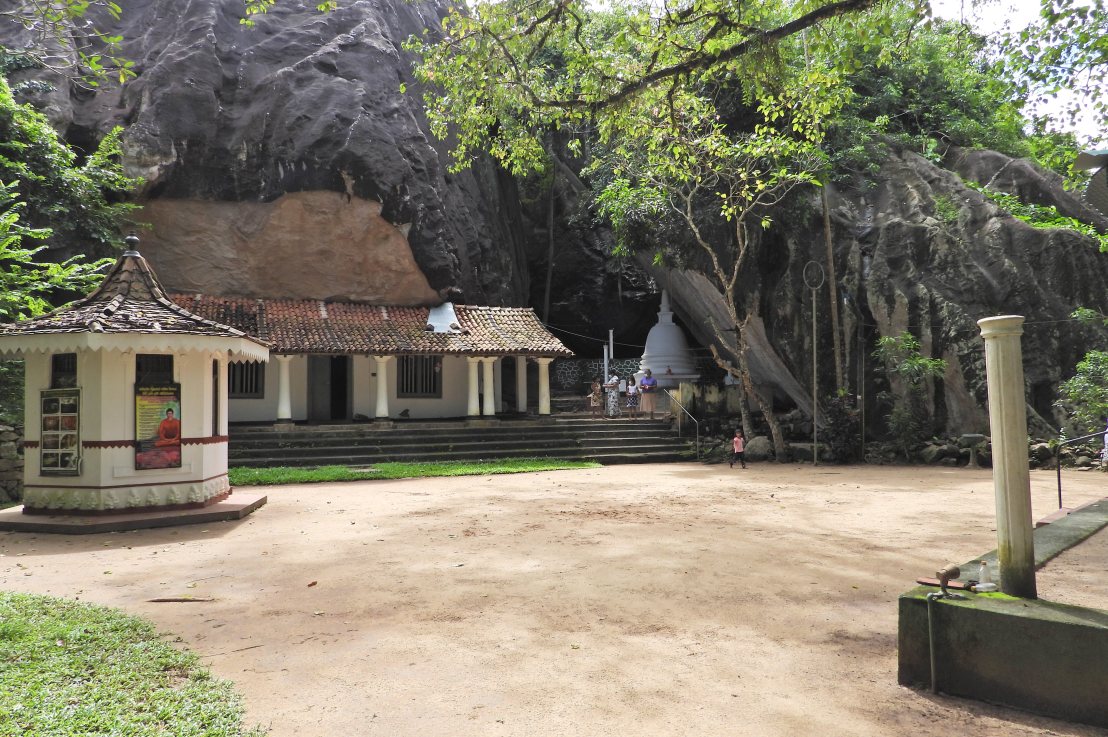
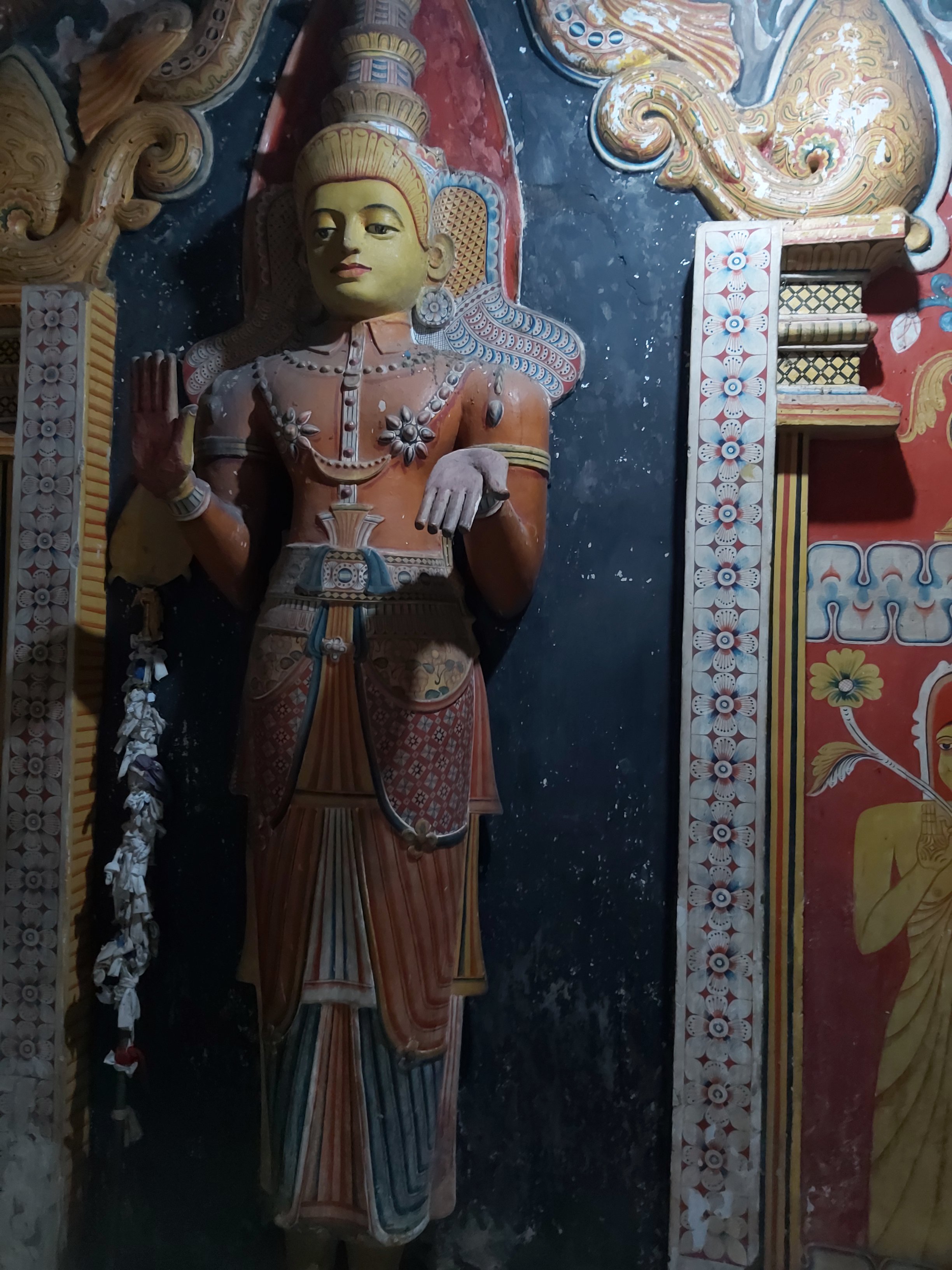
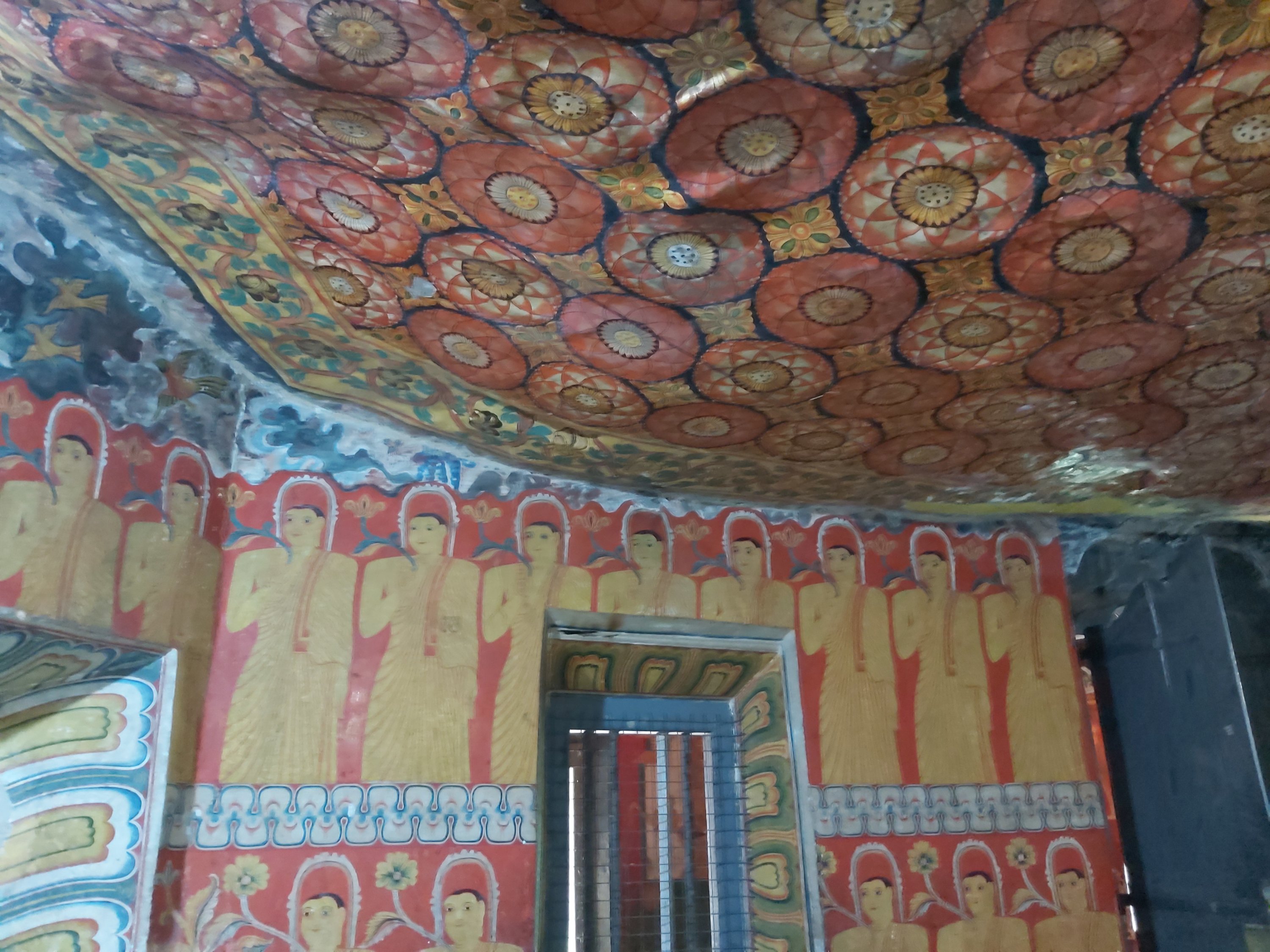
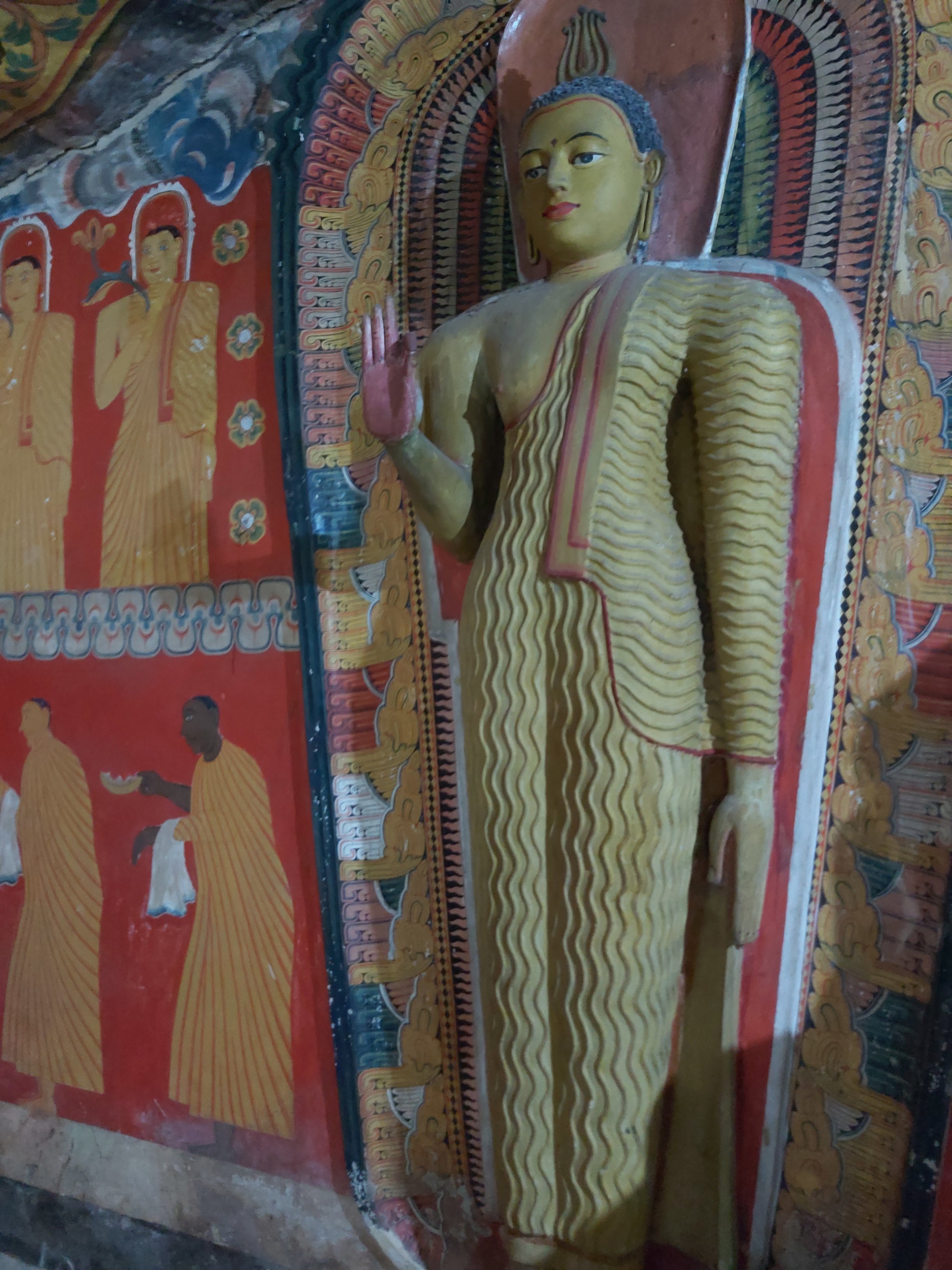
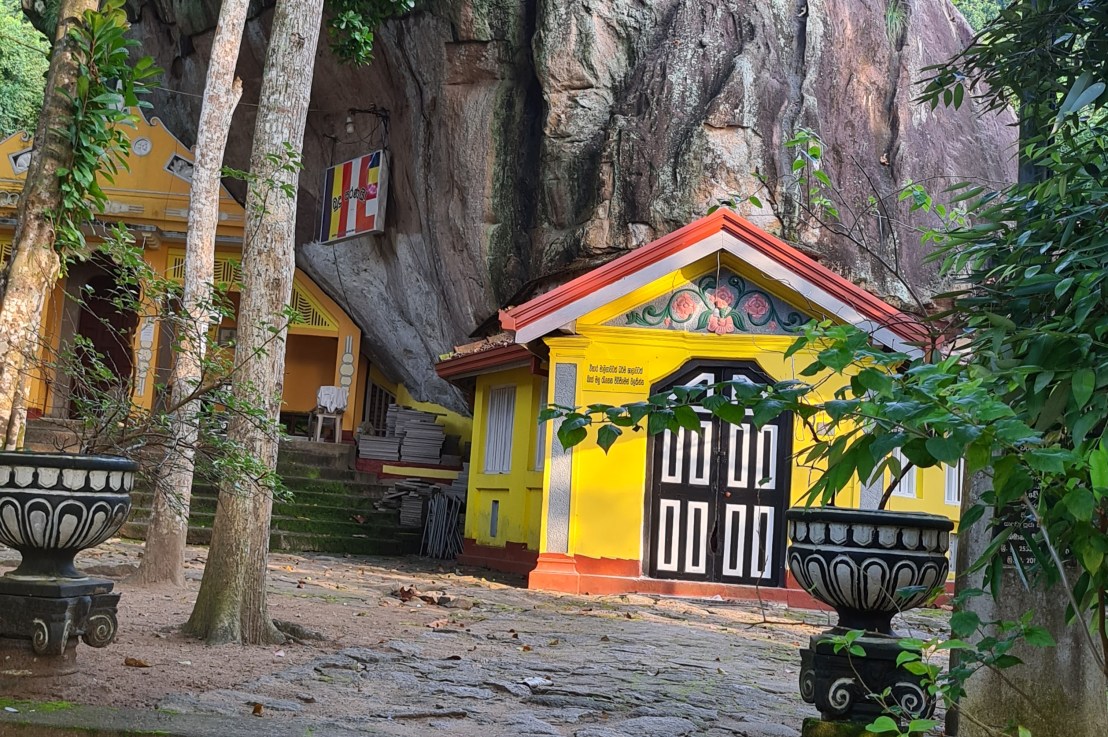
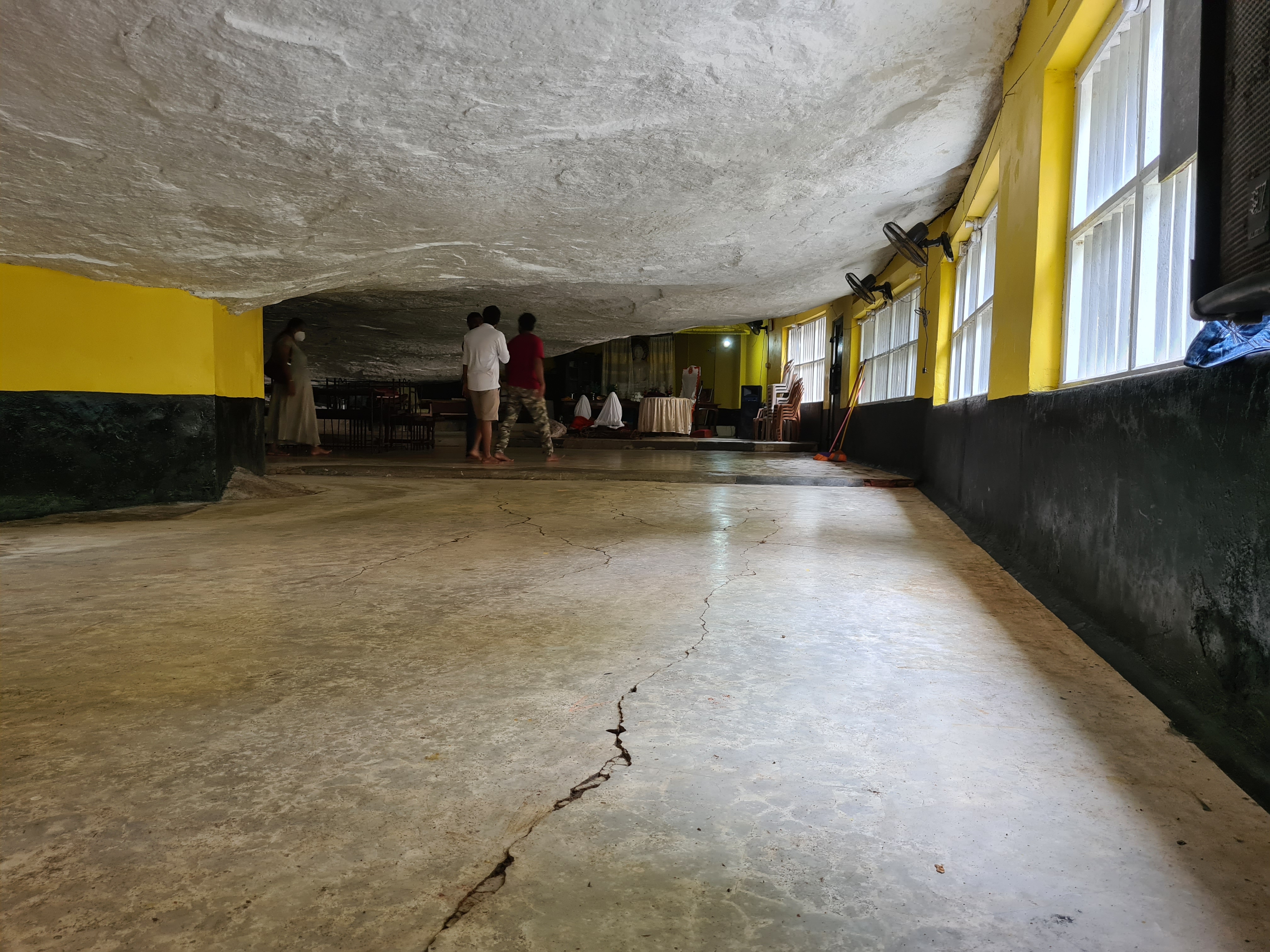
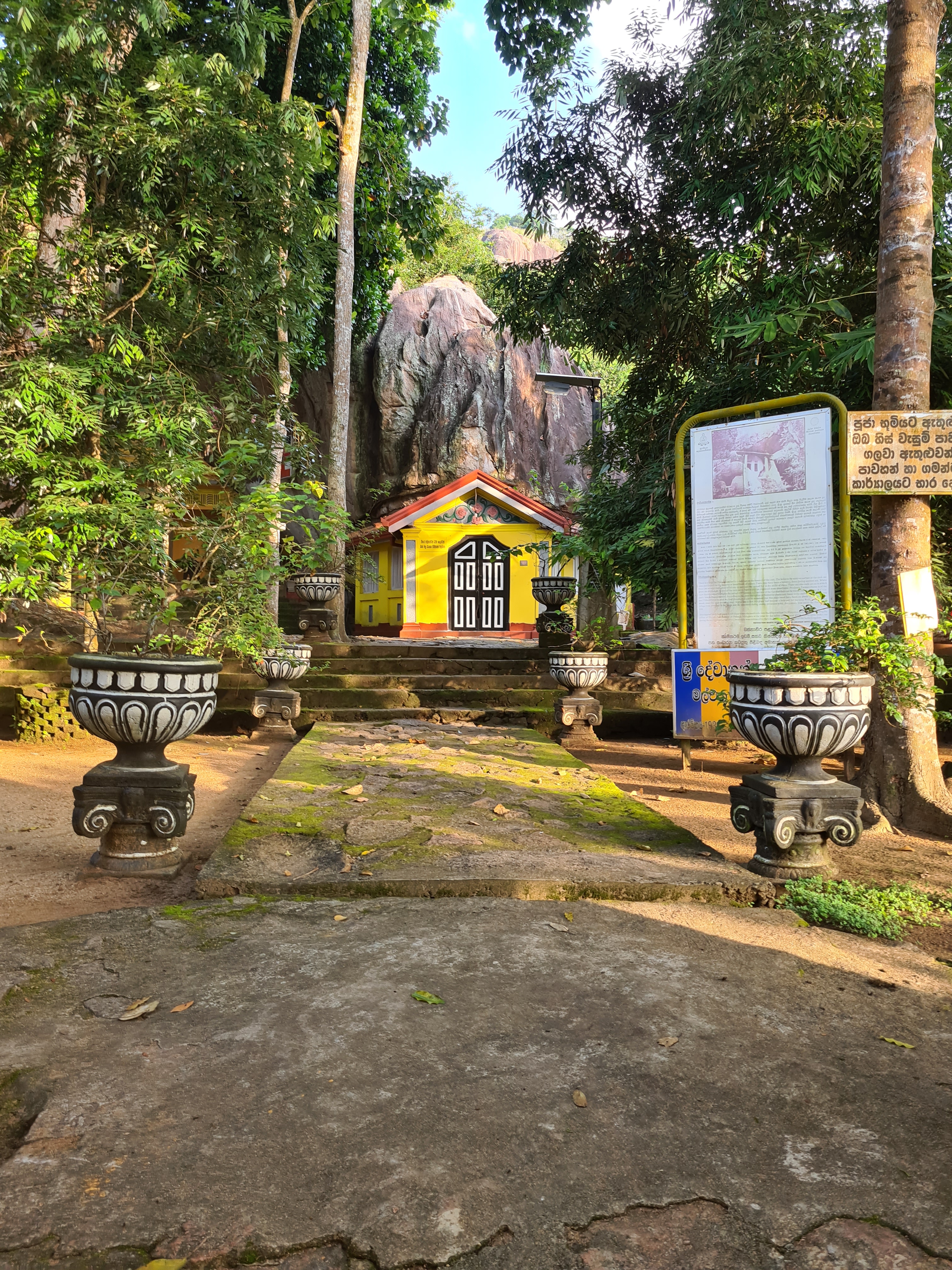
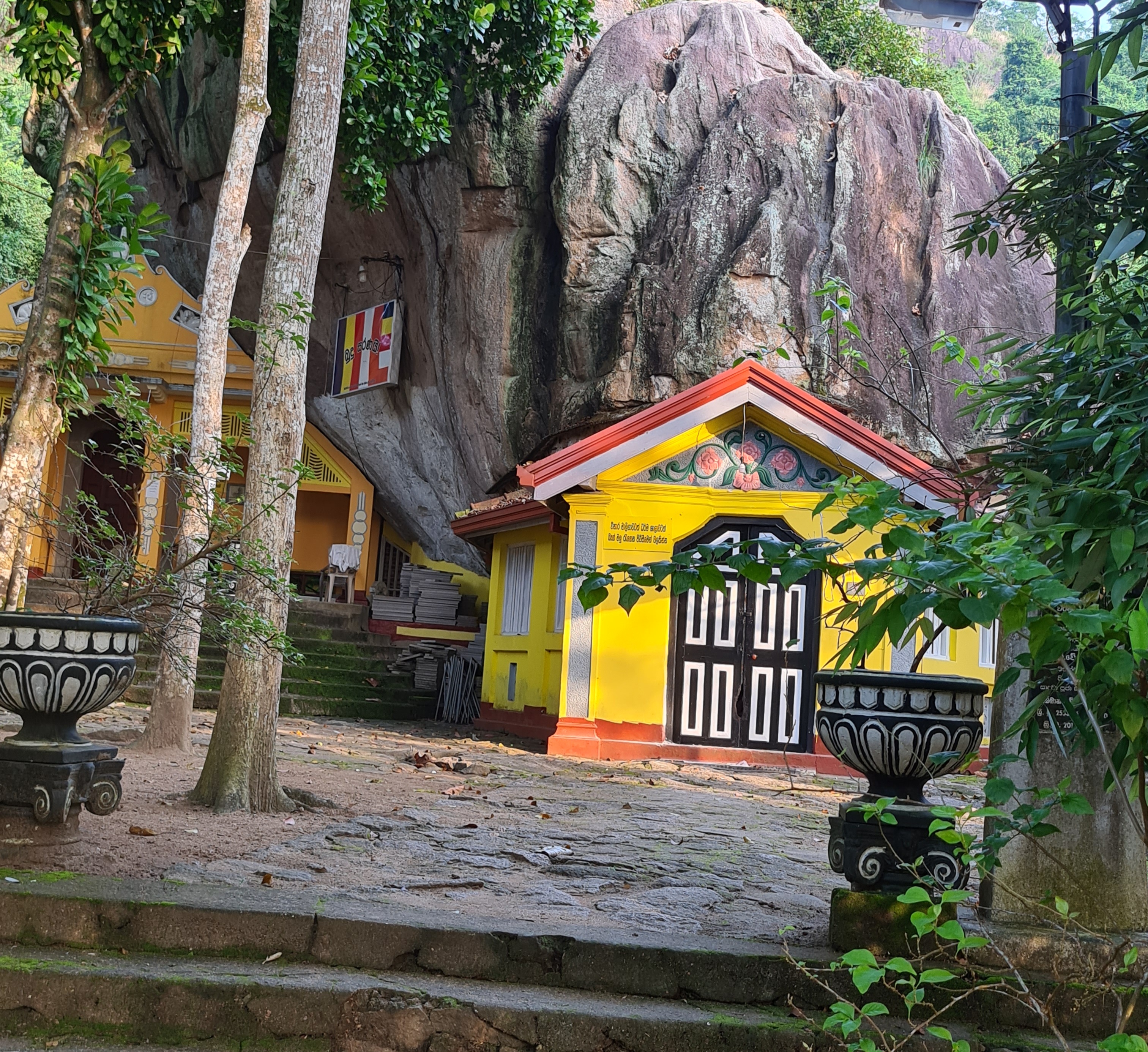
Warana Raja Maha viharaya situated in the Gampaha District is reputed to have been built by King Devampiyatissa and later renovations undertaken by King Vallagamba. The temple premises has inscription in asokan scrip on stone reading as Bata-Majhimasa batika bata-Tisadatasa dane. (In English: “The gift of Lord Tissadatta, brother of Lord Magjihima). The image house situated inside a cave has a reclining buddha statue with intricate painting on the roof of the cave similar to those found in Dambulla.

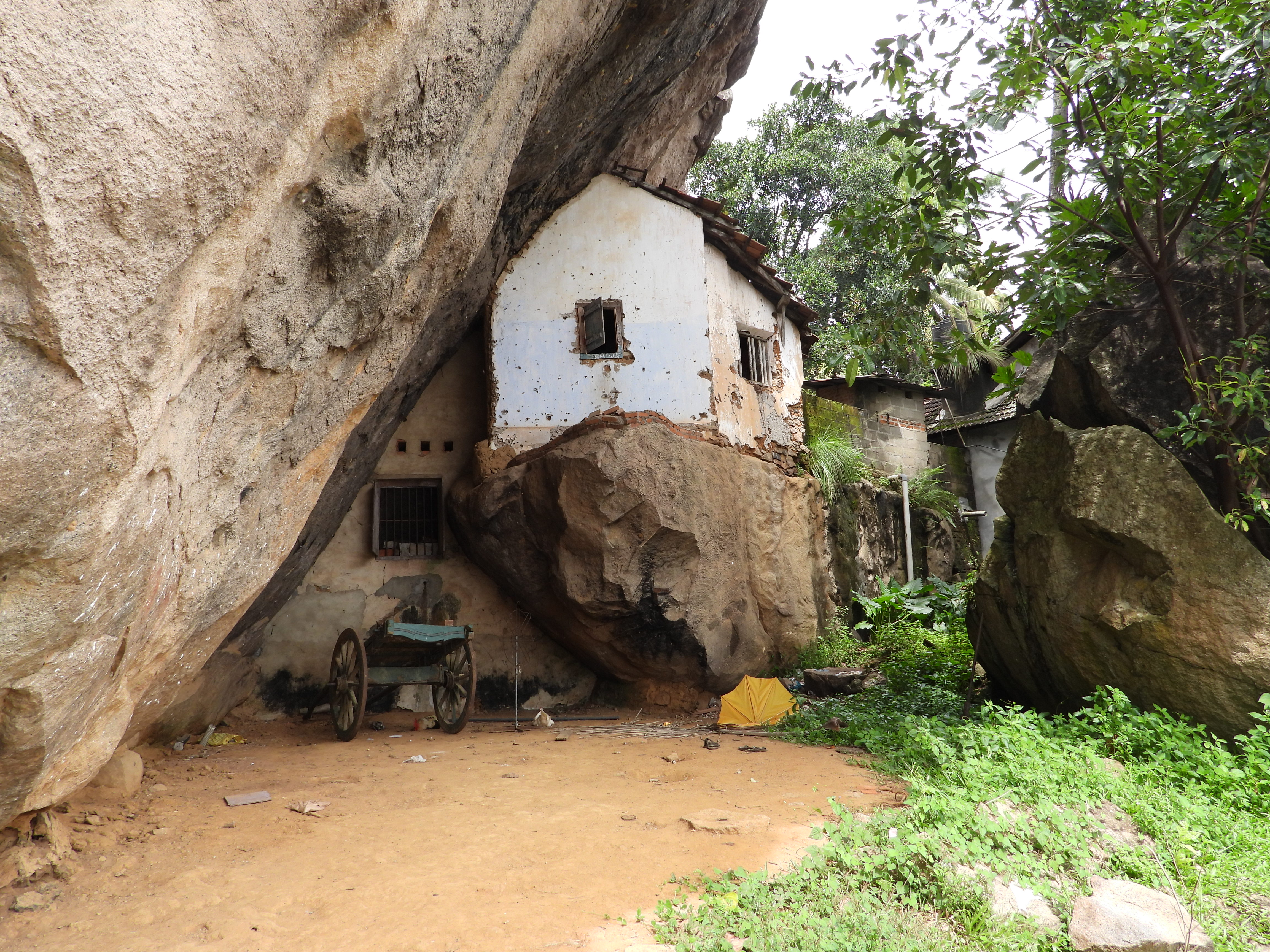
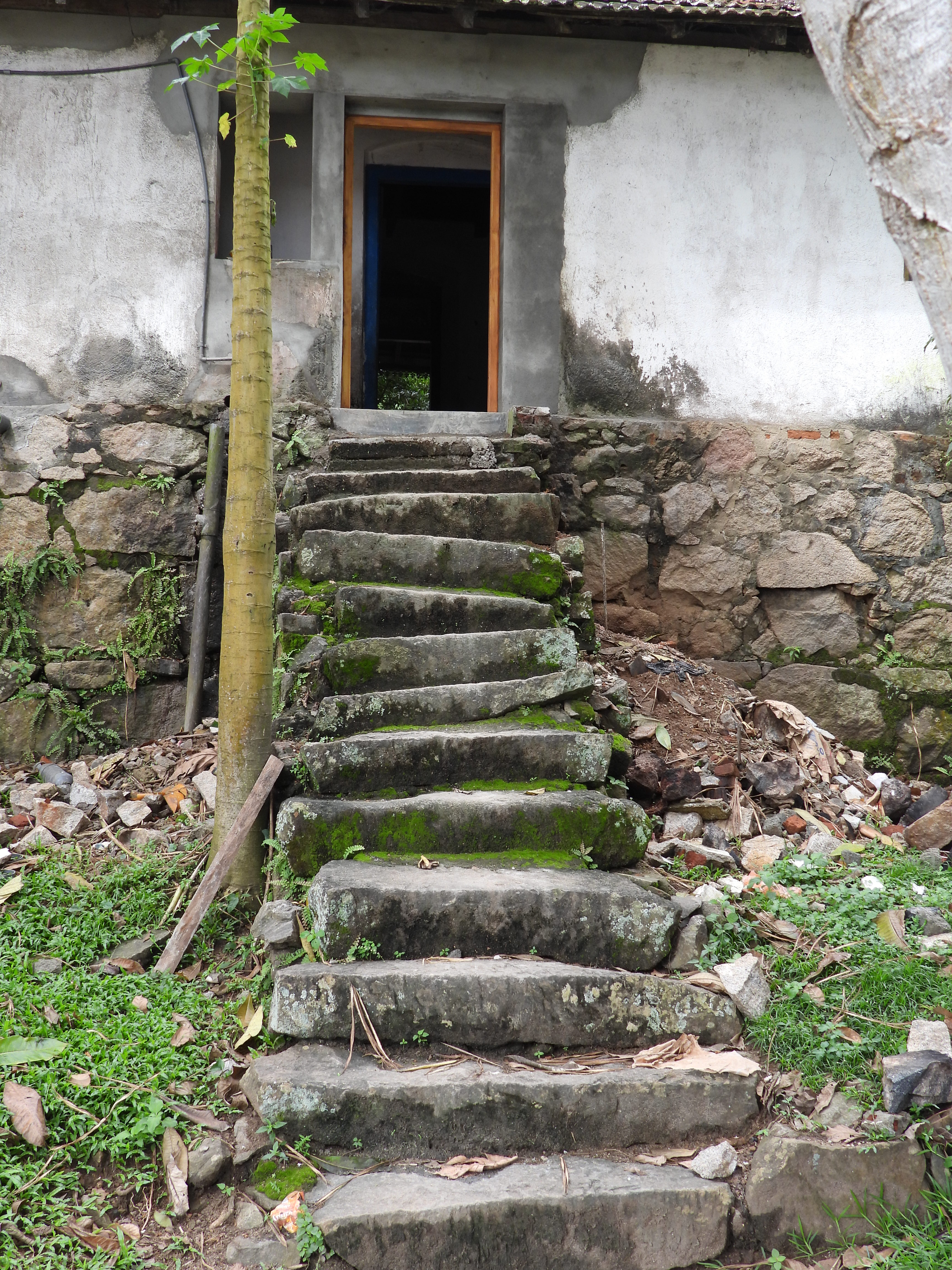
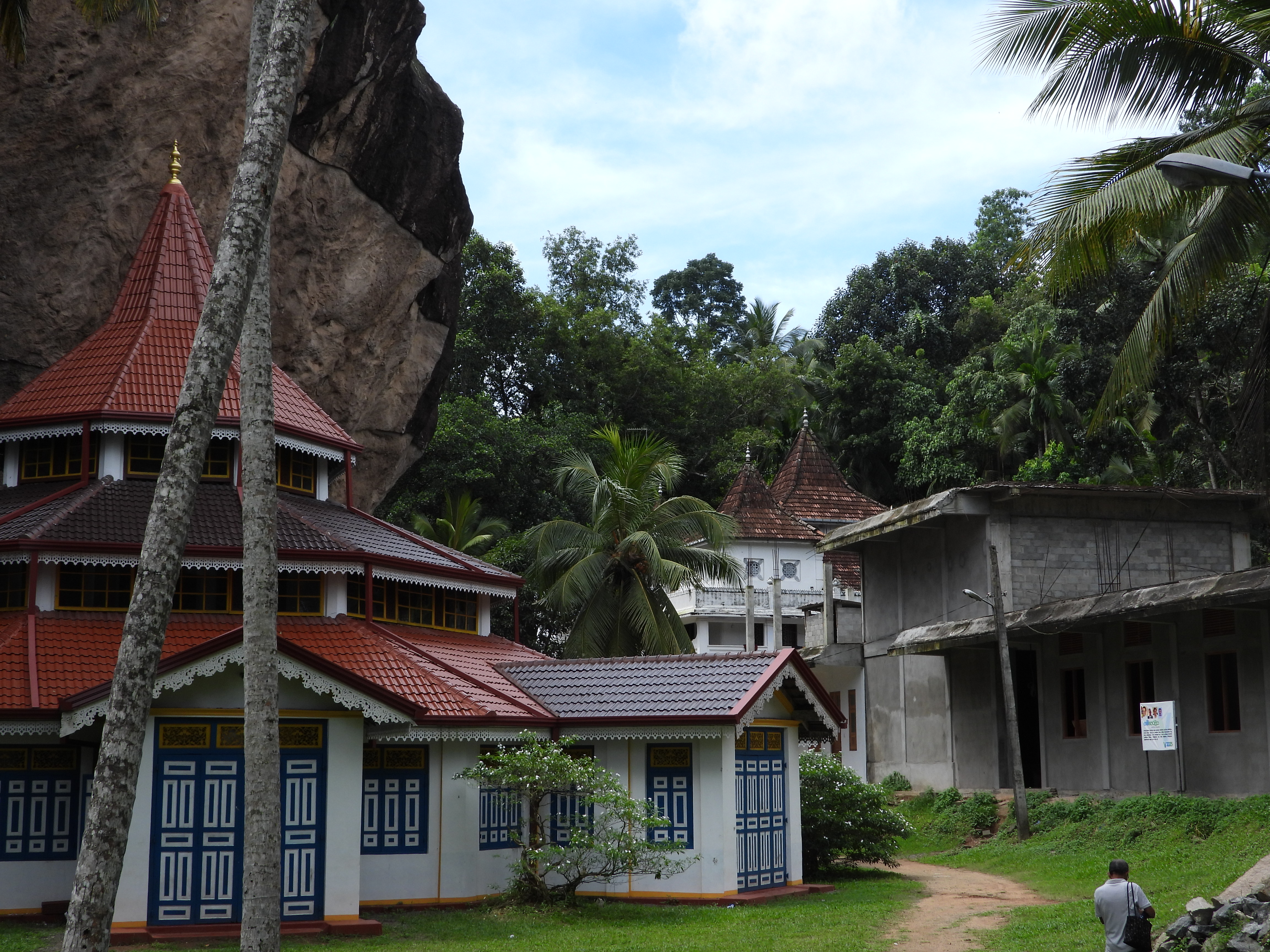
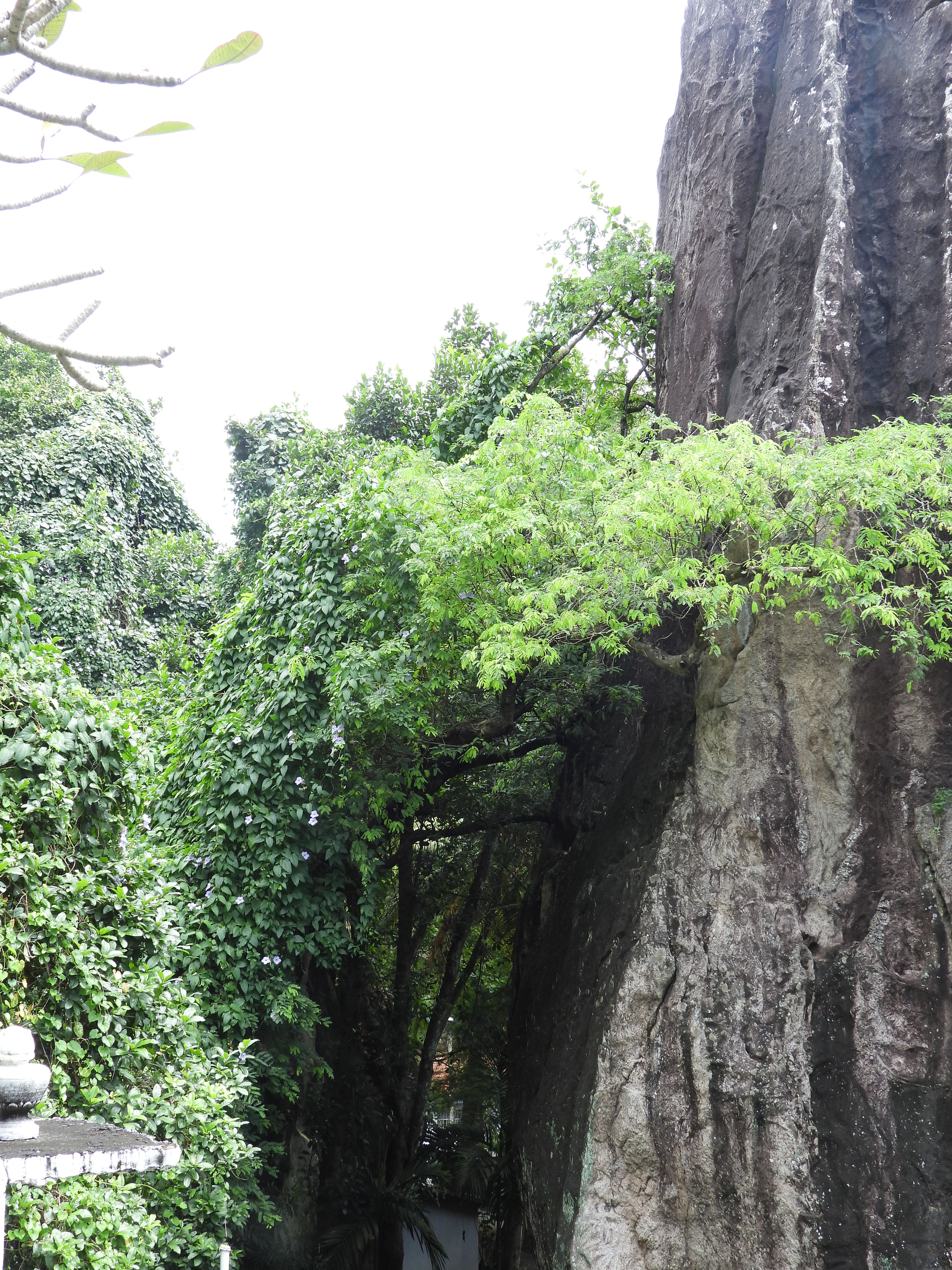
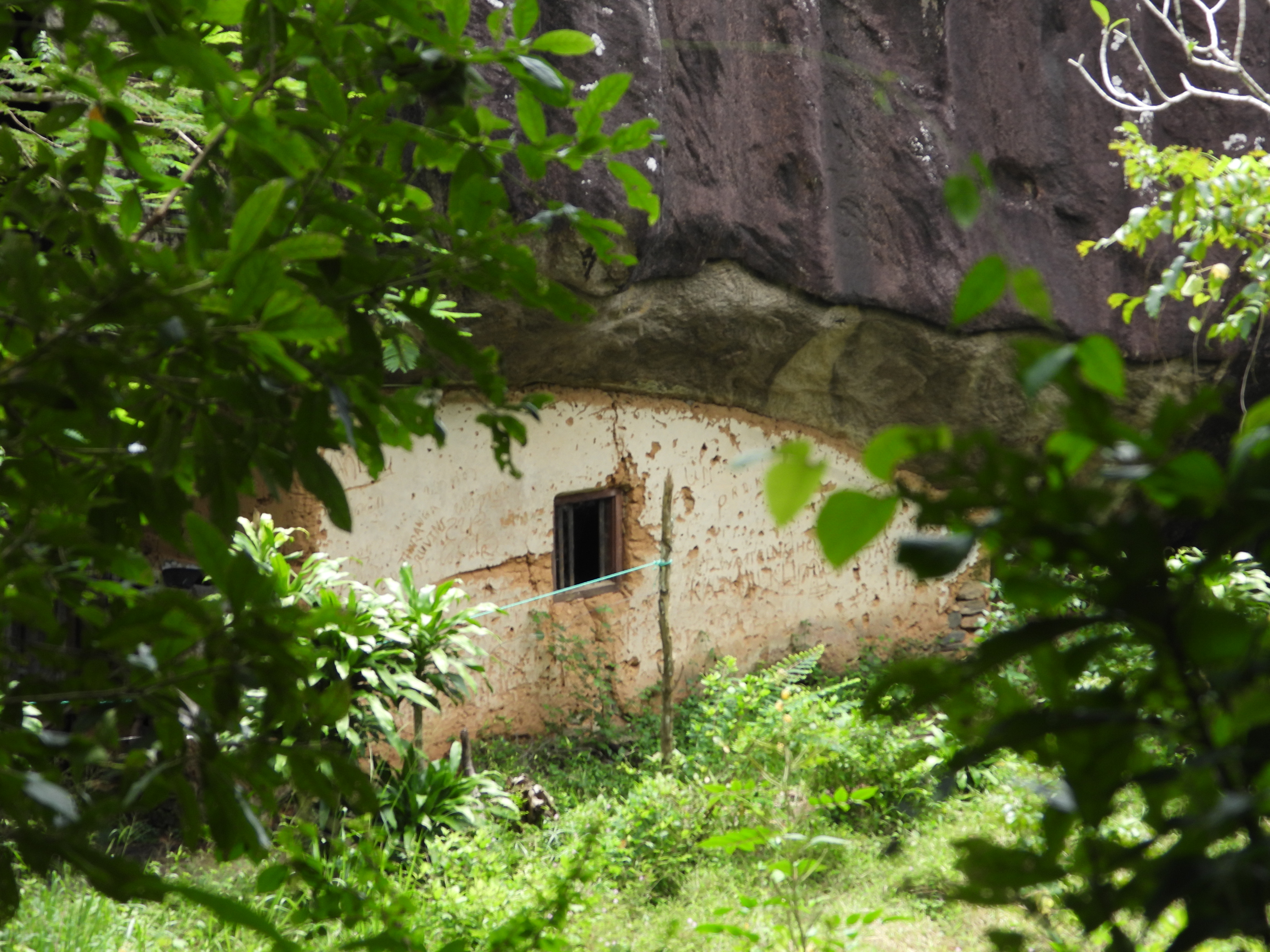
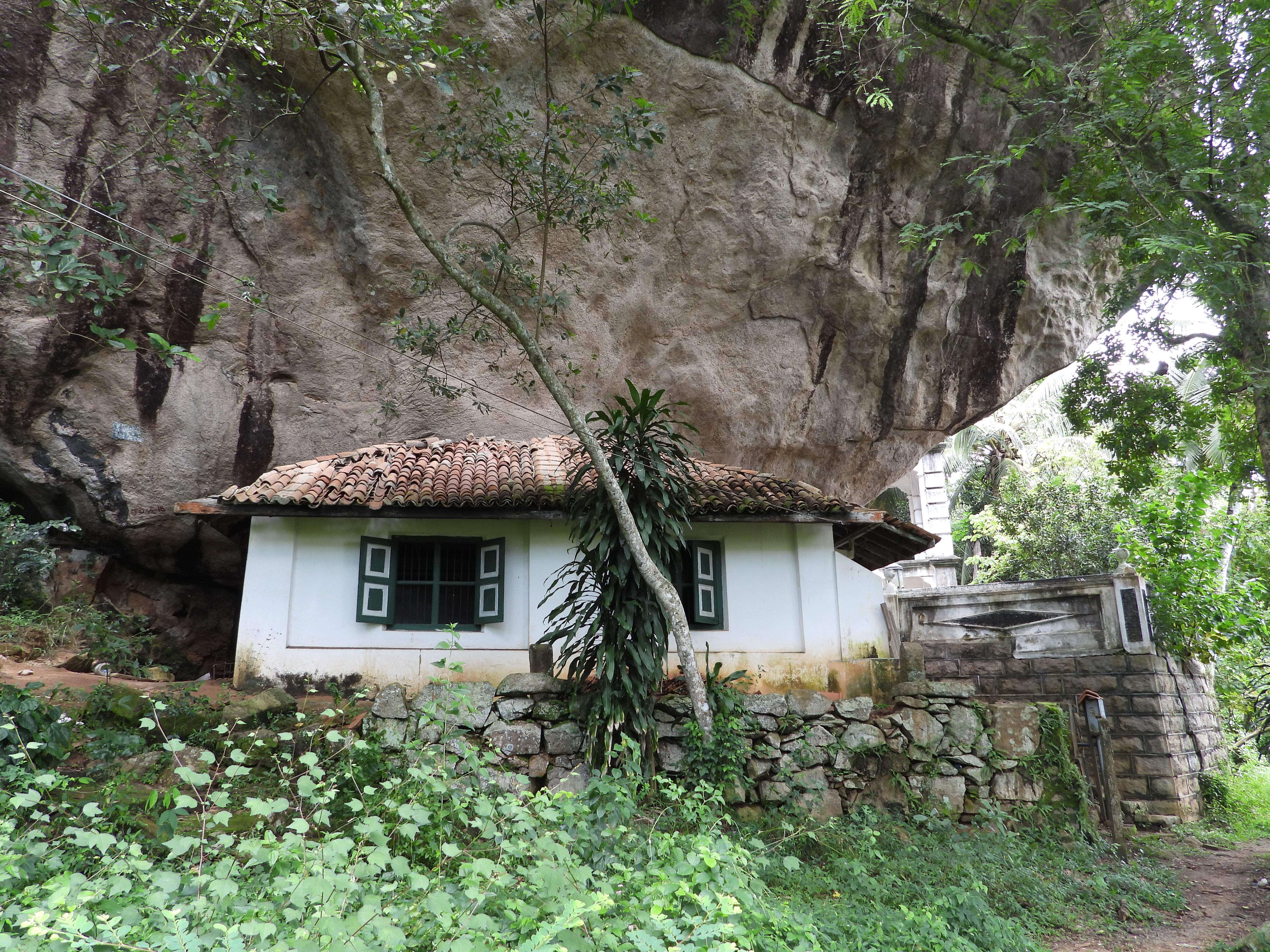
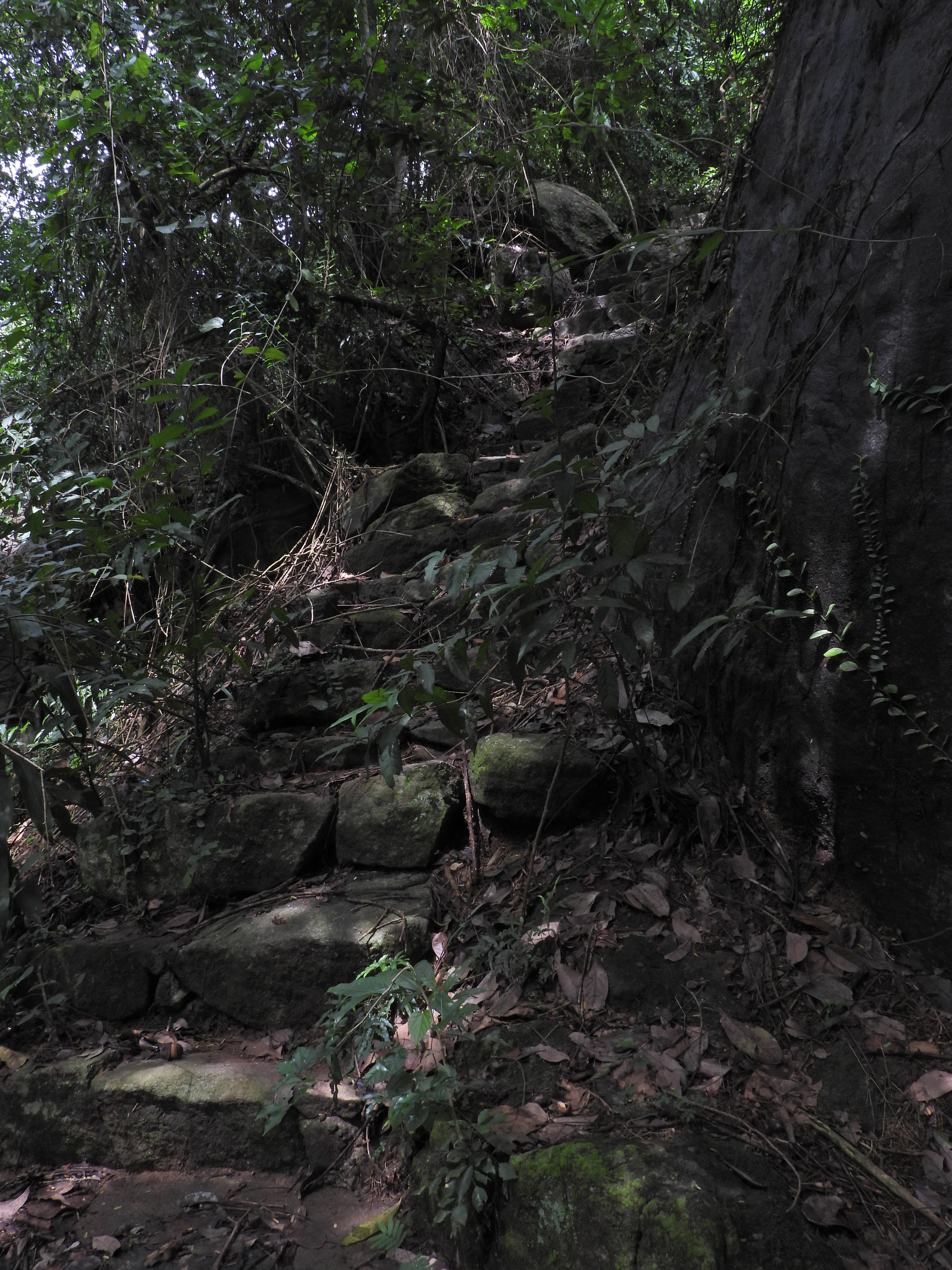
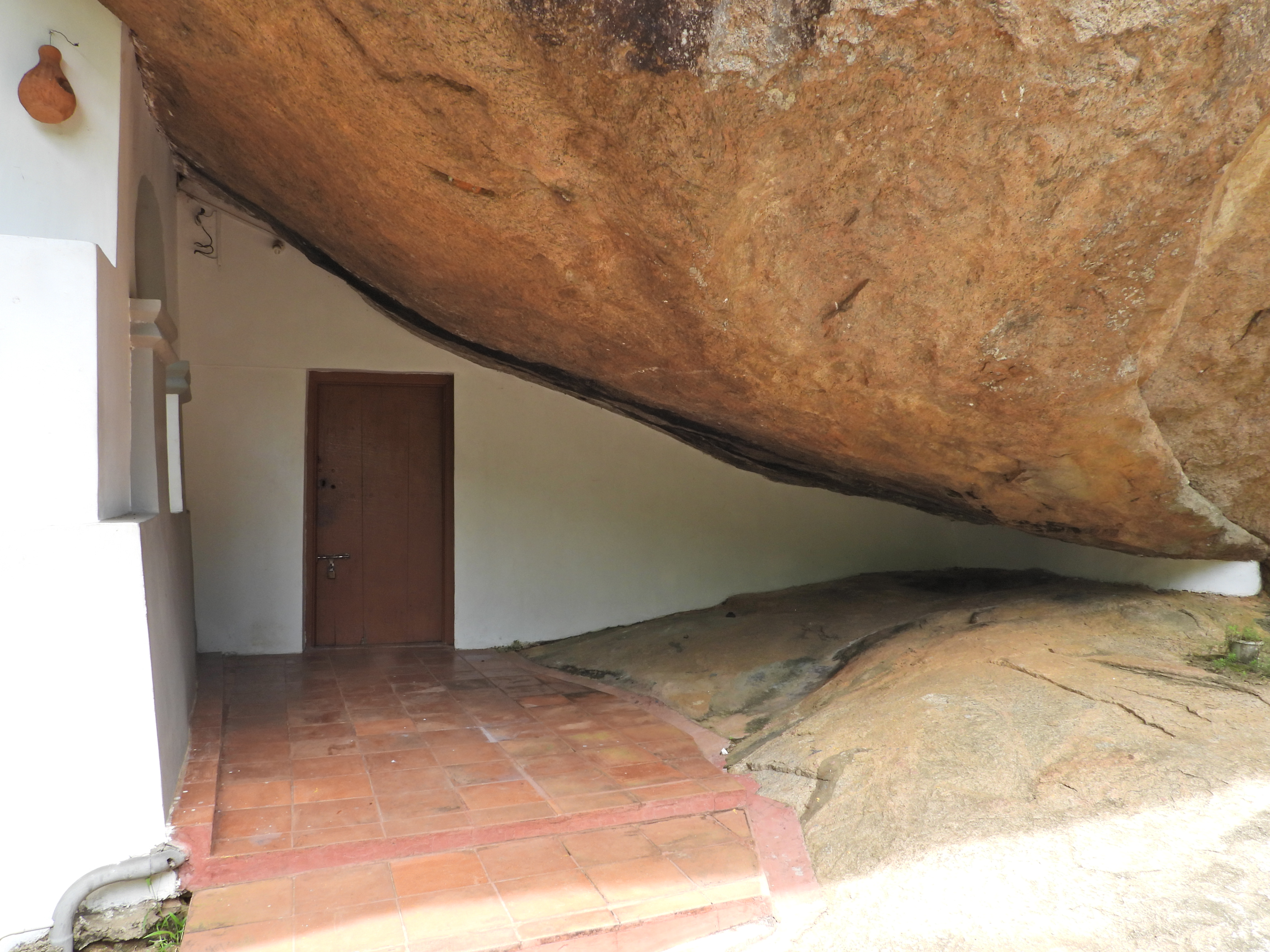
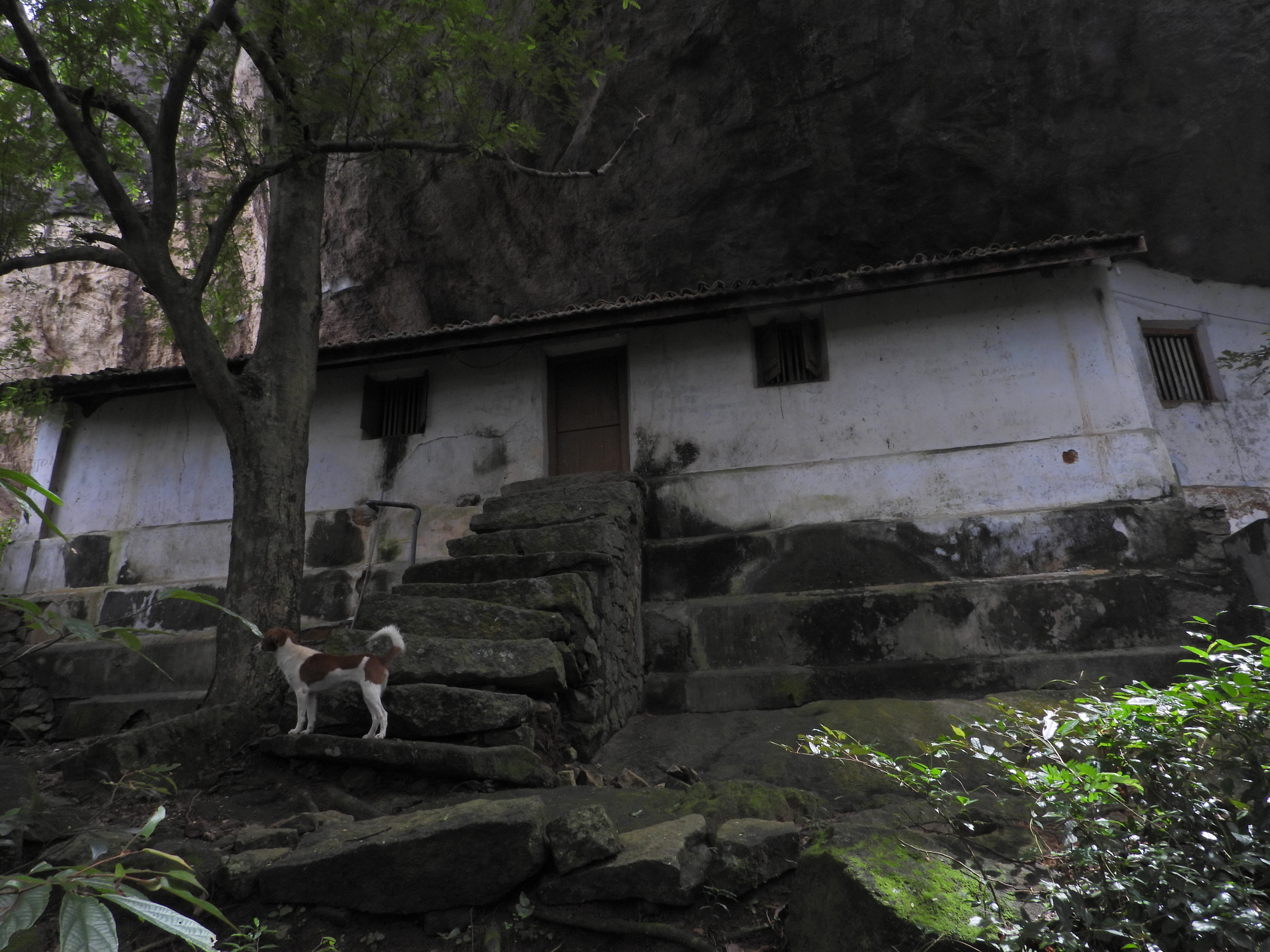
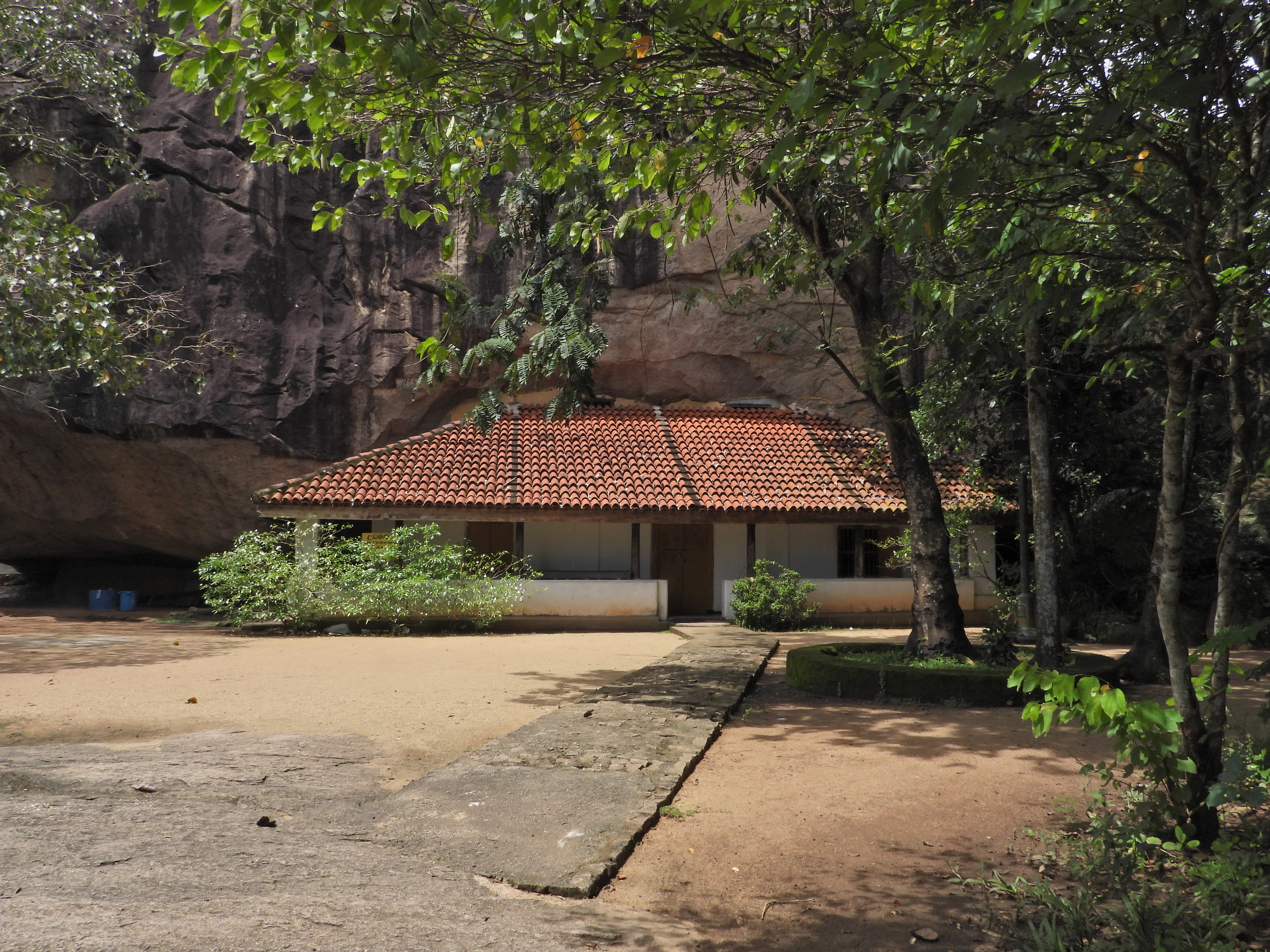
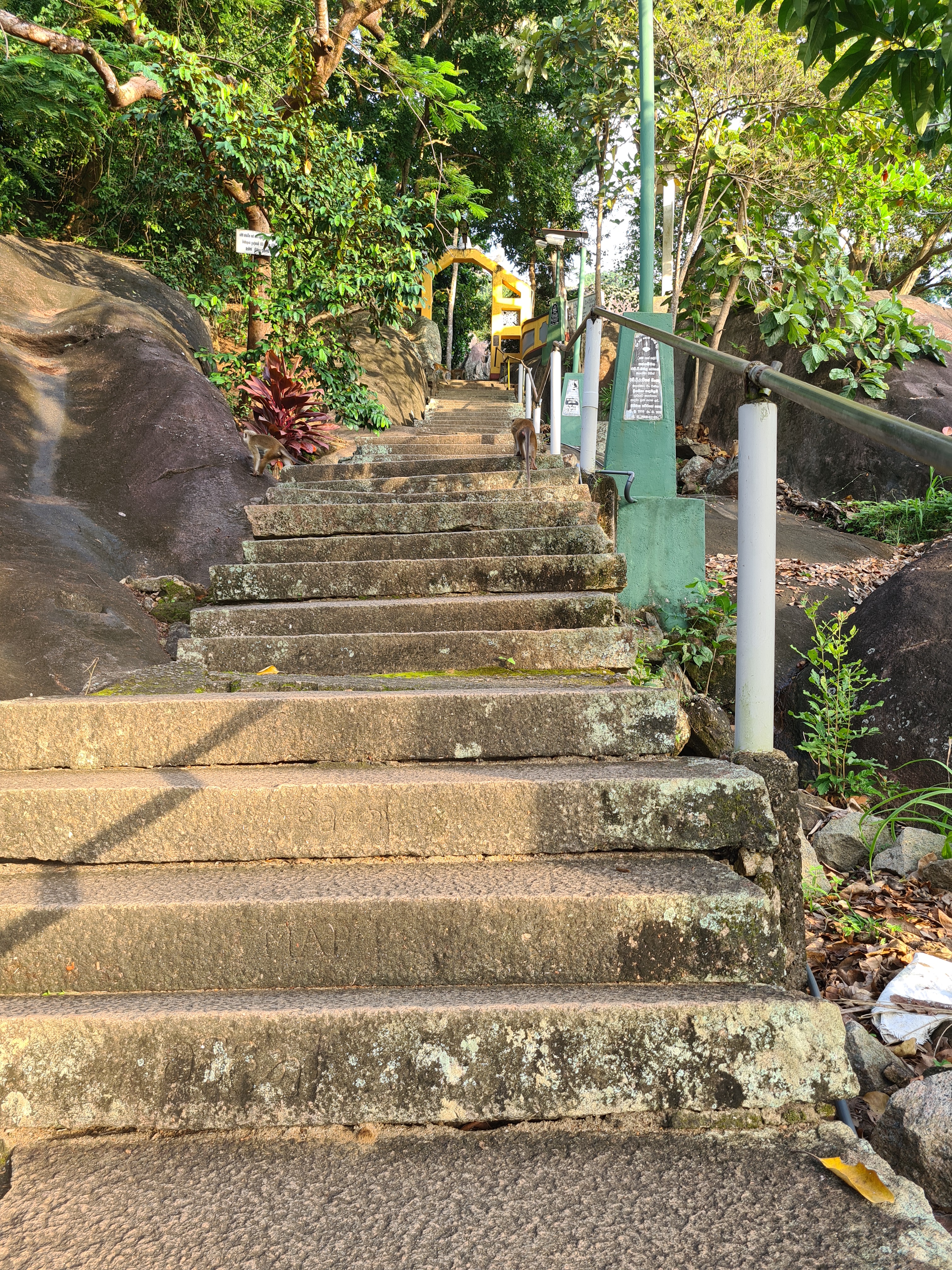
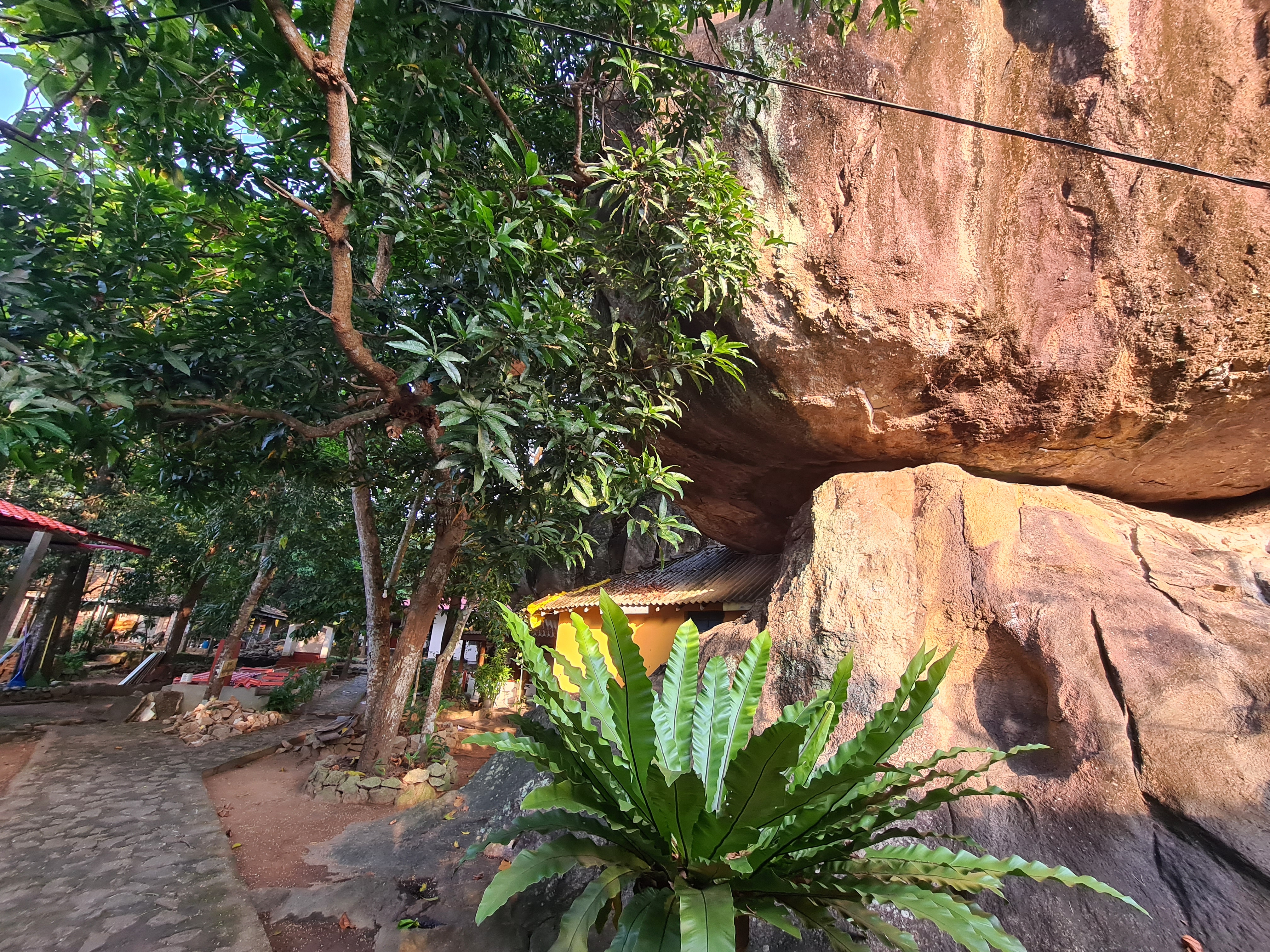
The temples has many caves with high drip ledges. Modern structures have now been built in this caves for the dwelling of monks. The stone steps carved in the stone at times runs parallel to the more modern steps making the climb easier.

Pilikutuwa Raja Maha Viharaya

Pilikutuwa Raja Maha Viharaya

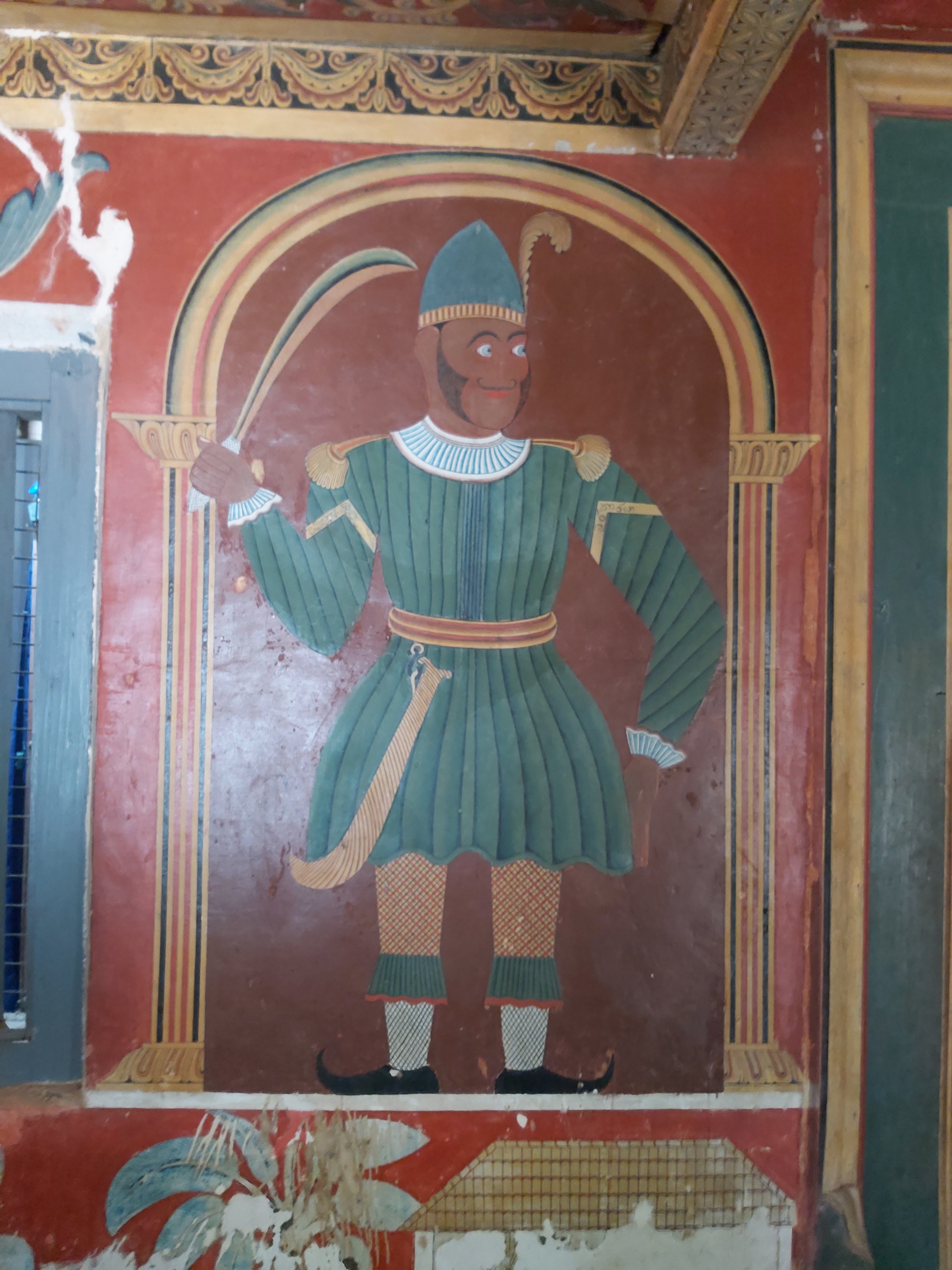
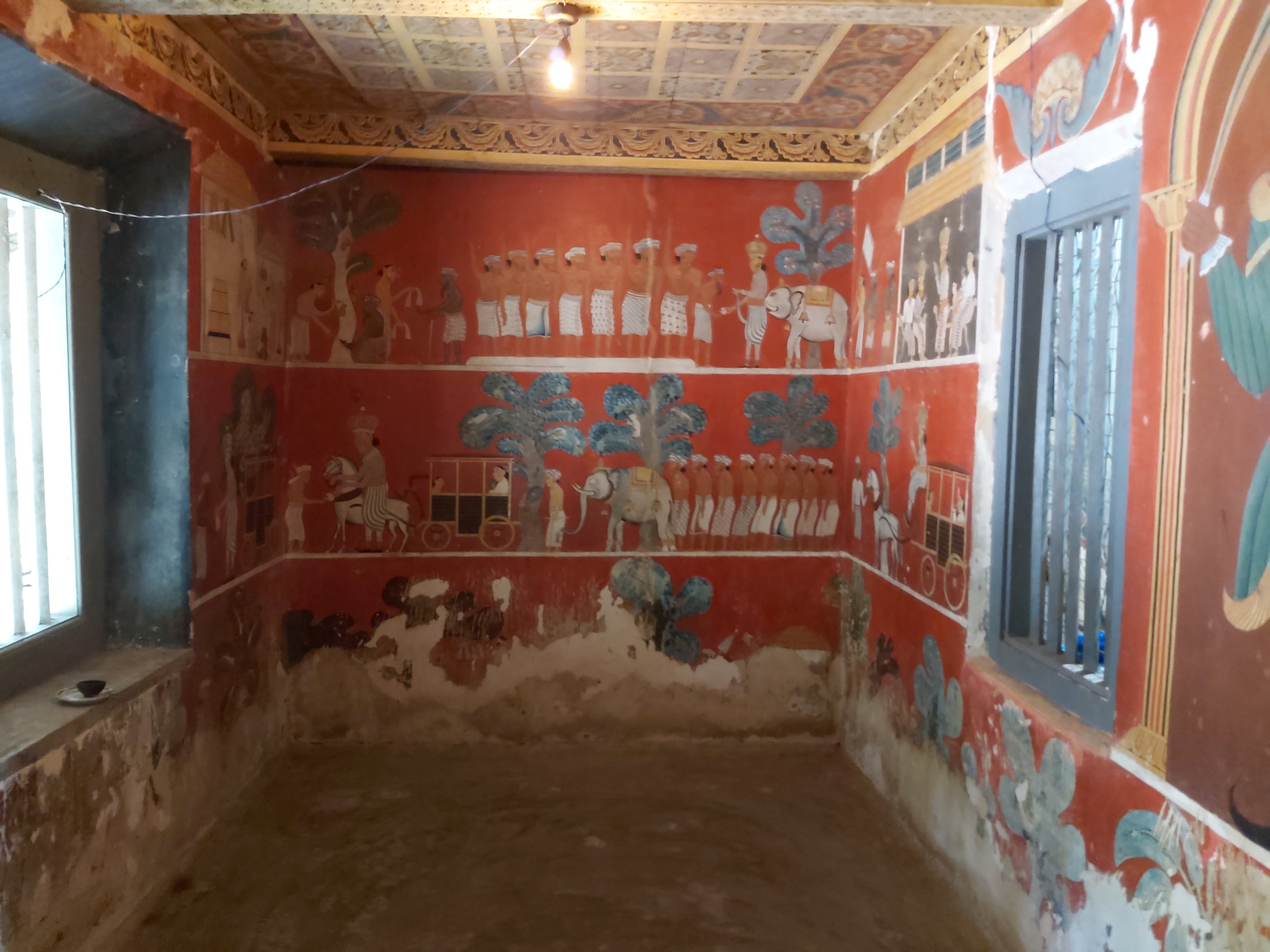
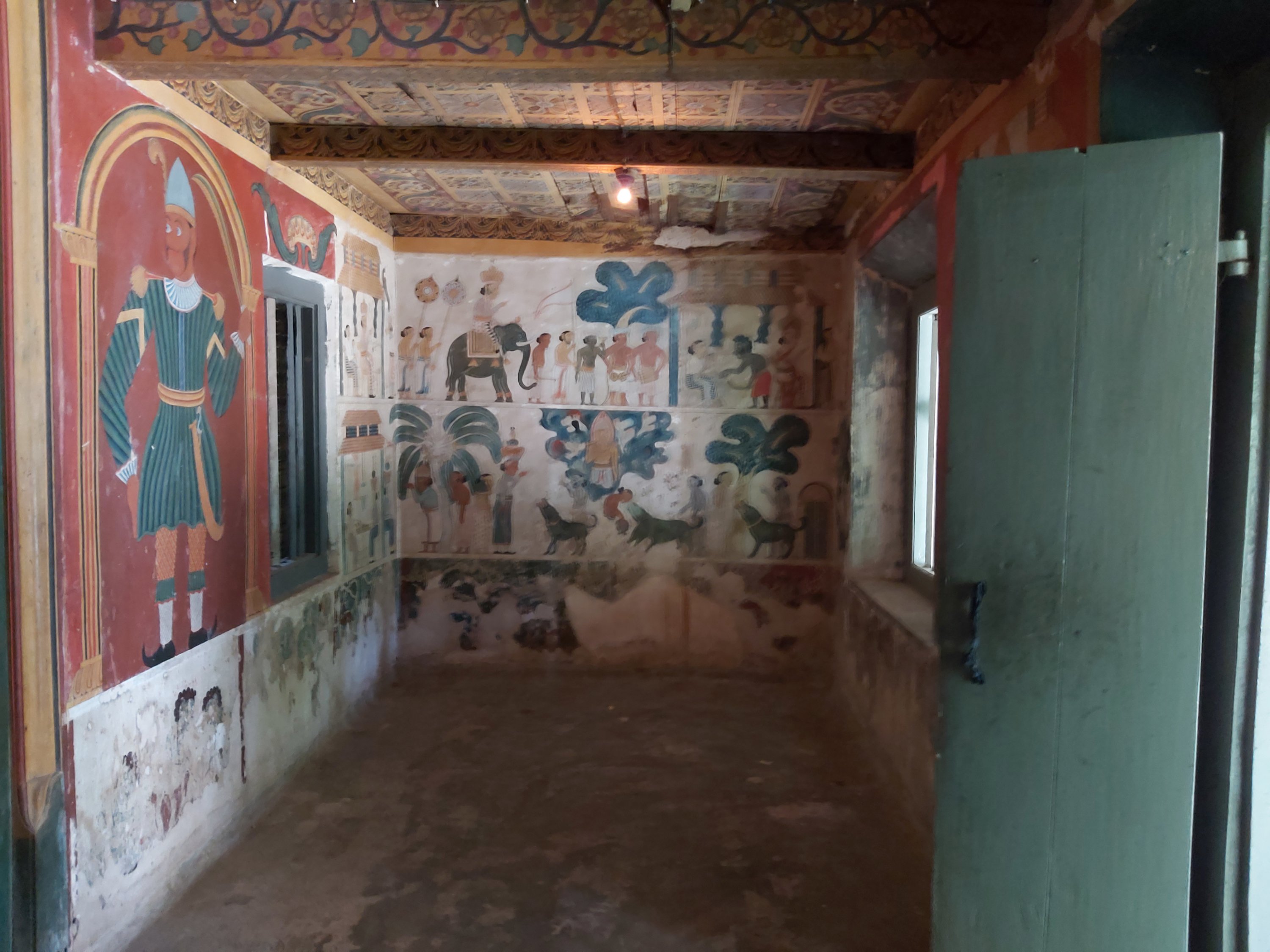
Pilikutuwa Raja Maha Viharaya is home to numerous caves. These caves are thought to have been at one time occupied by King Watagamini Abhaya also know as Valagamba. The surrounding cave temples are thought to have been his hideouts during the 14 years he was in exile till he regained the throne. Once he regained the throne, as mark of respect to those that helped him during his exile, he converted each cave that he stayed at into temple. This temple paintings is the rare instance where the guardians at the door are foreigners showing foreign patronage during the Dutch / Portuguese eras.

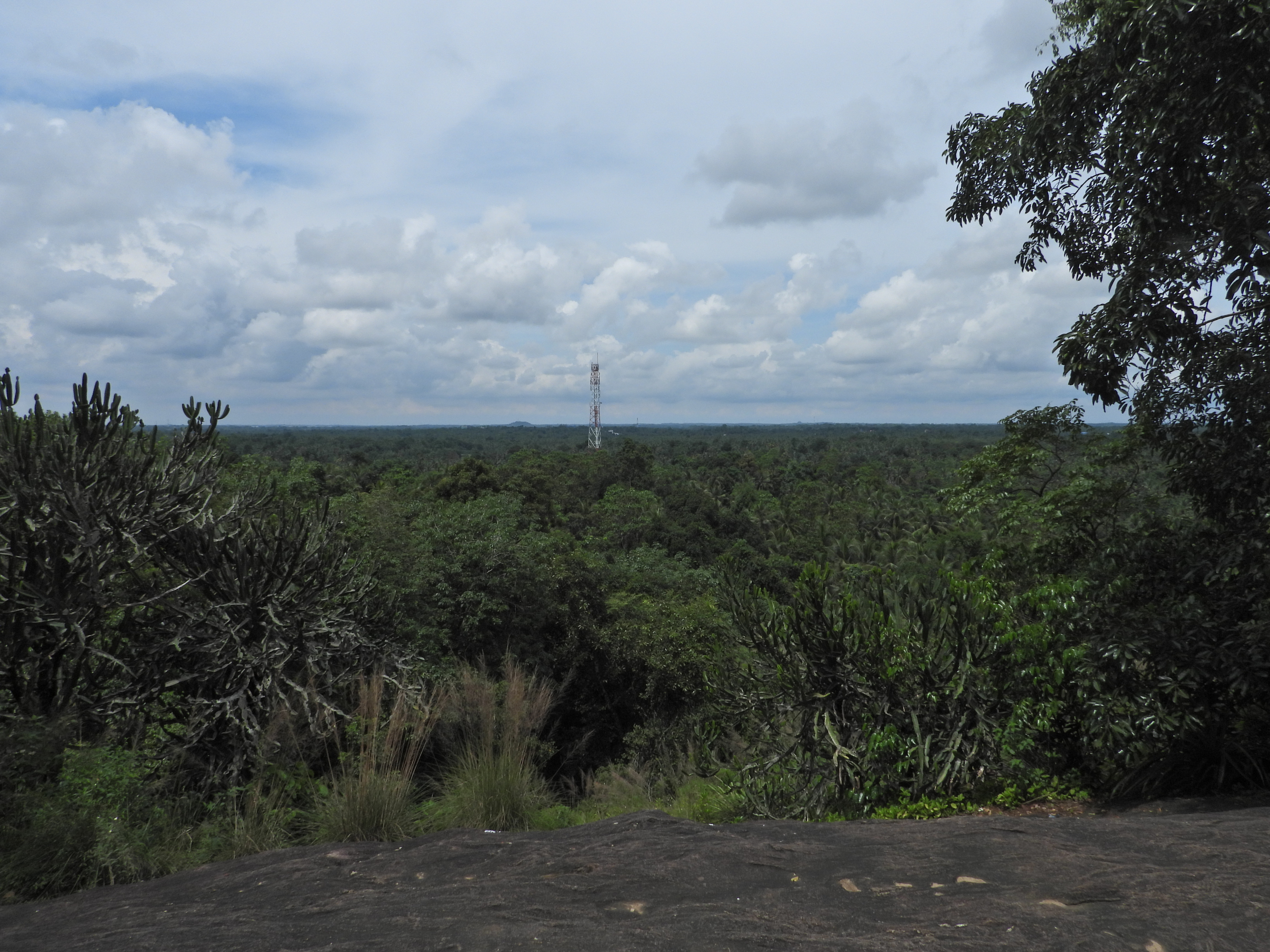
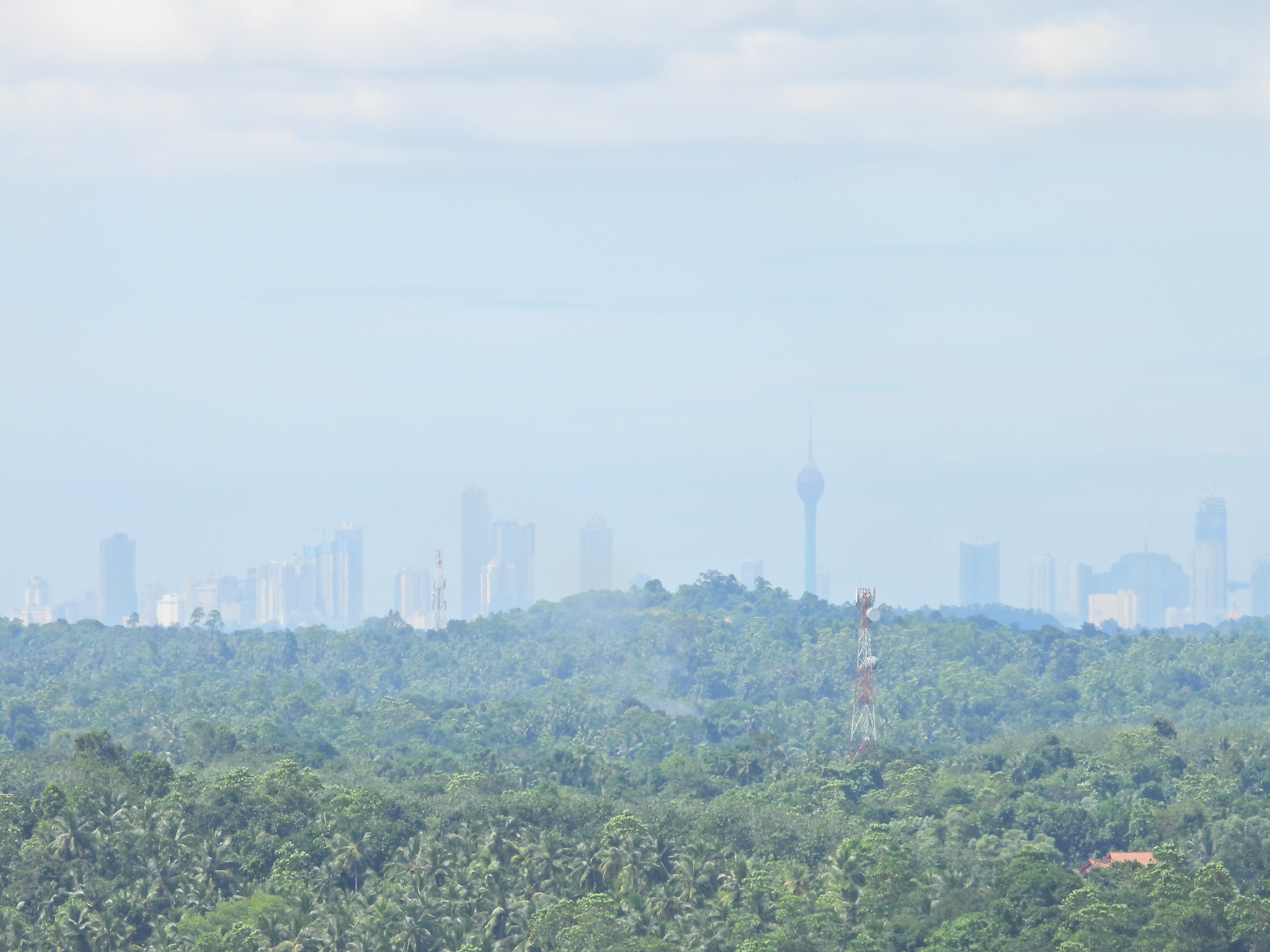
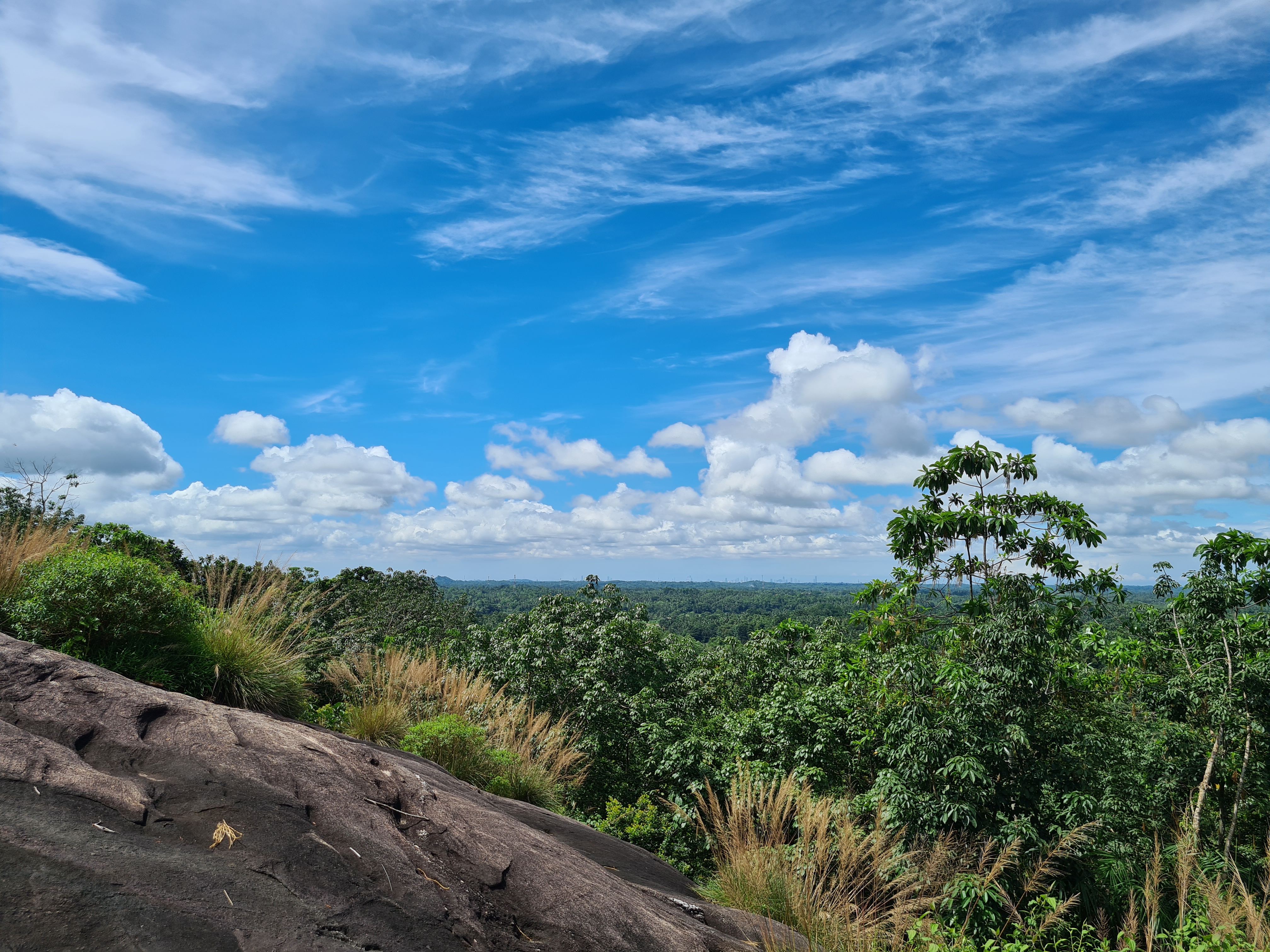
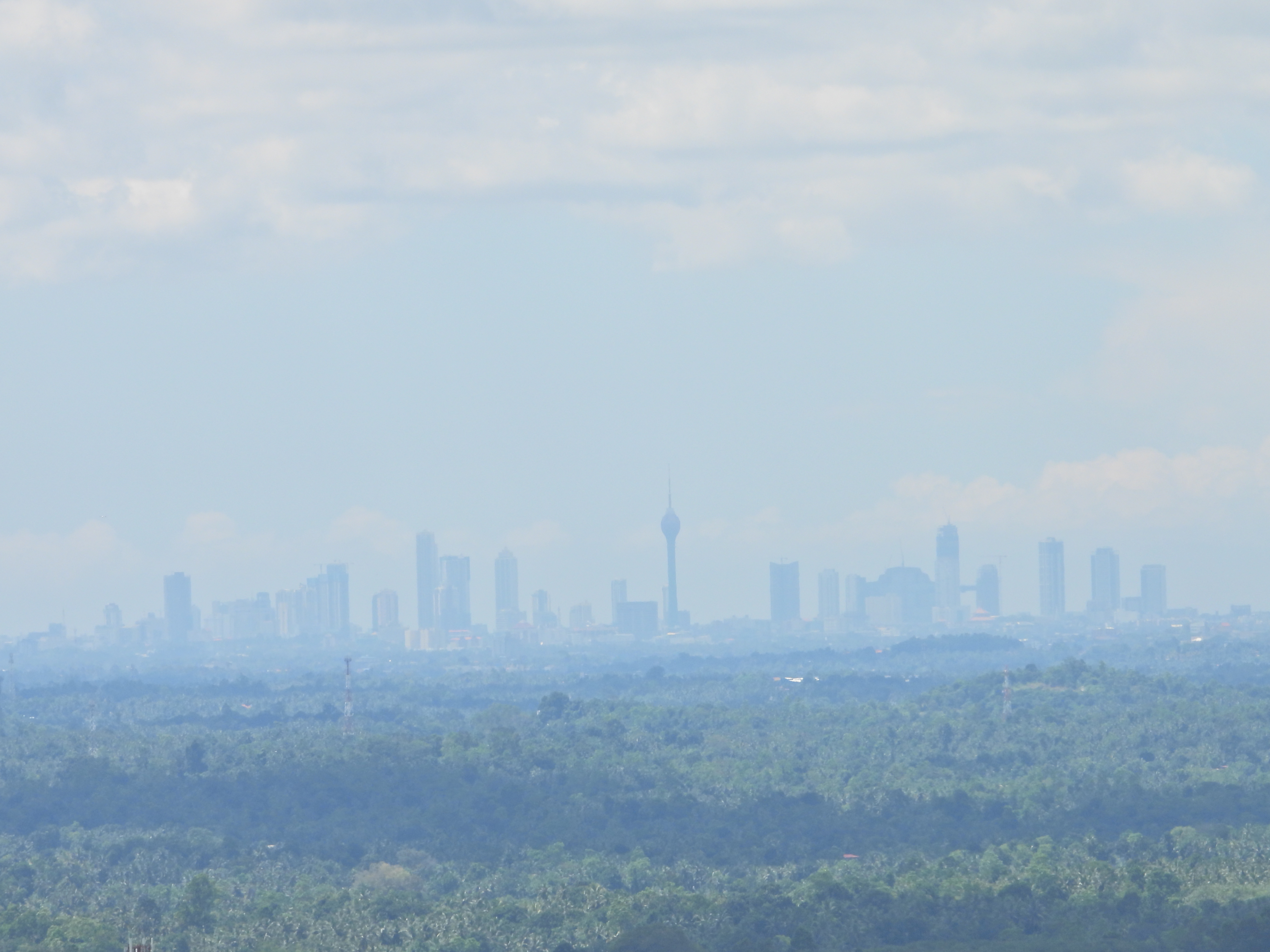
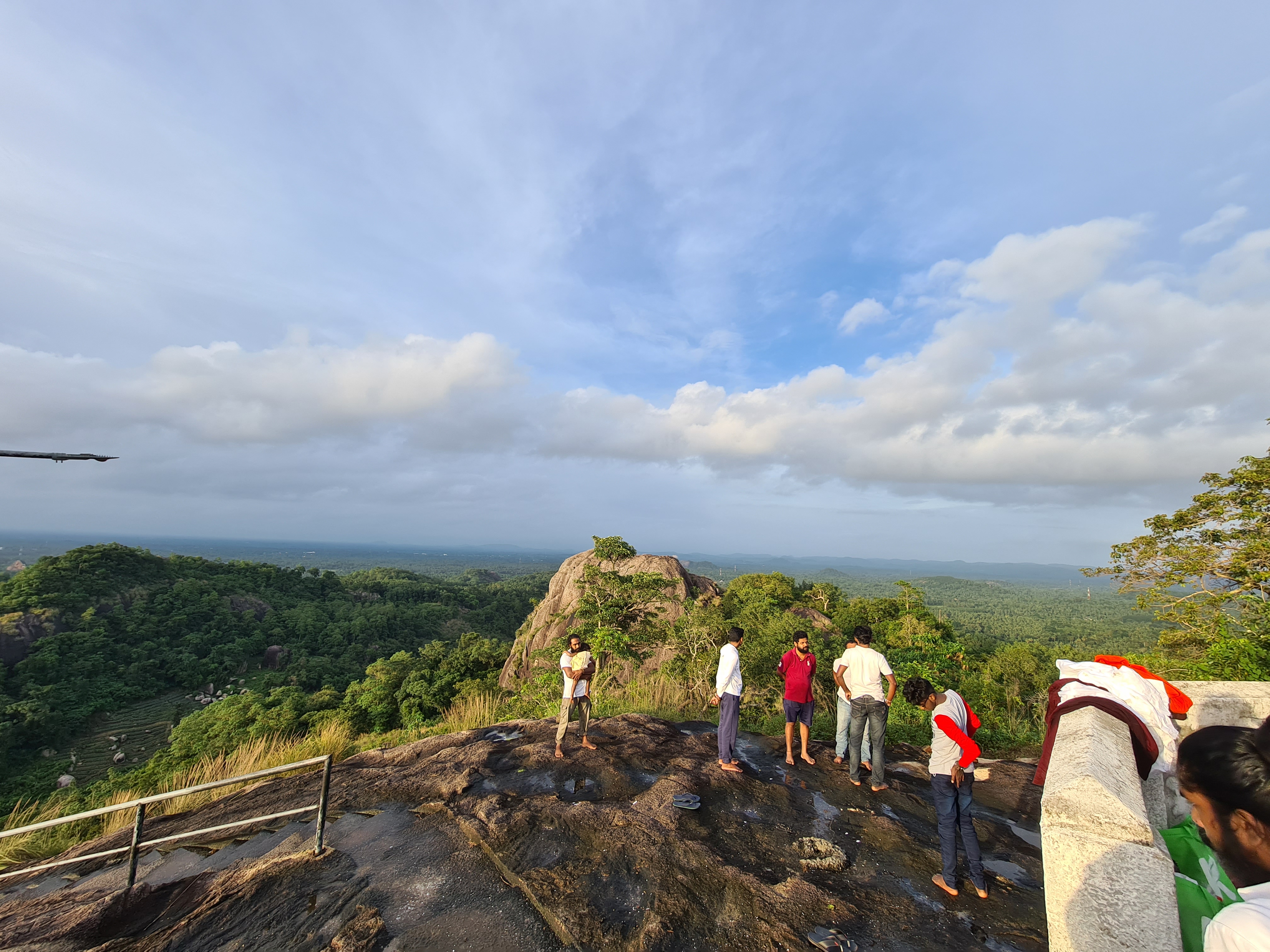
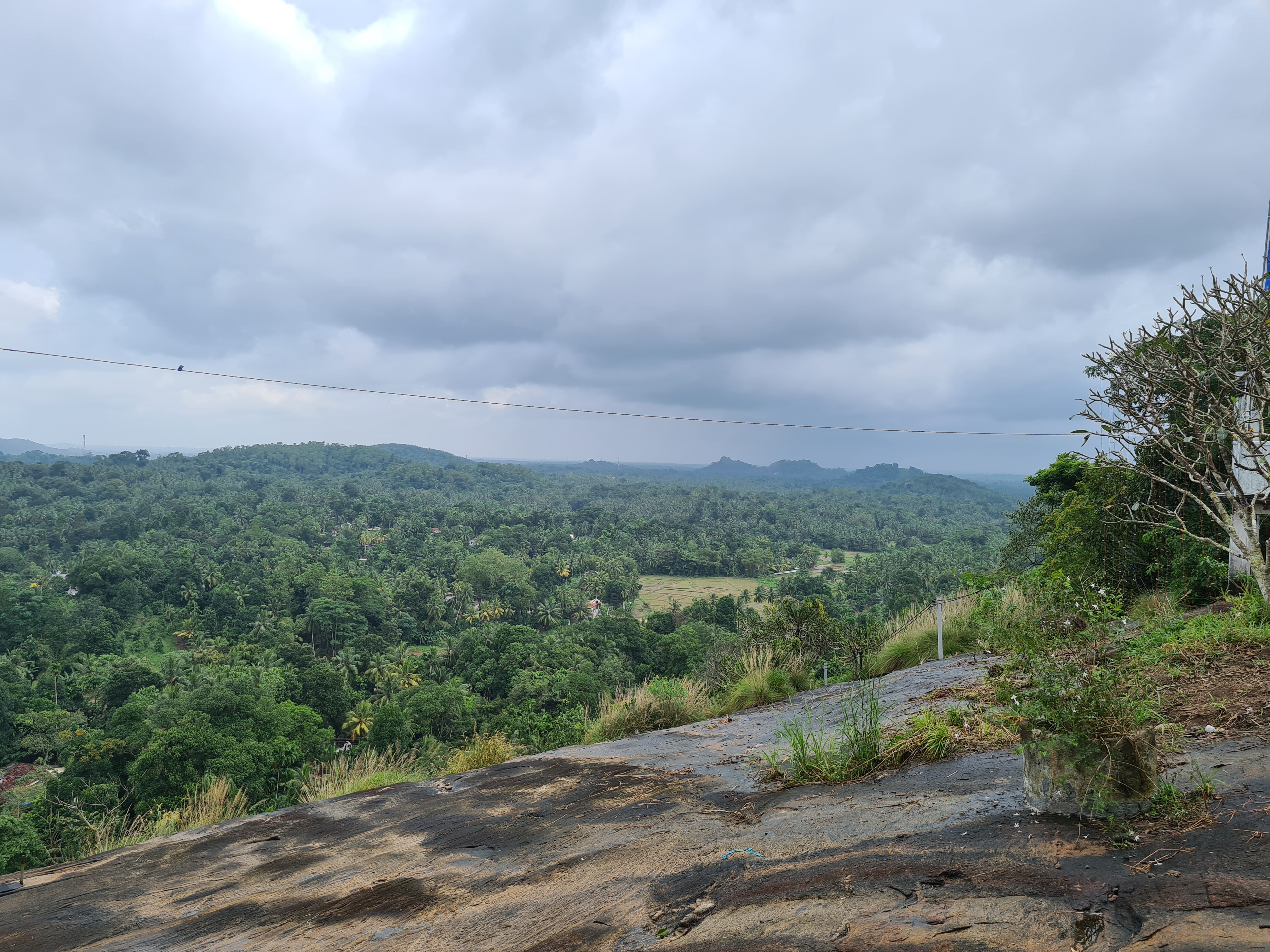
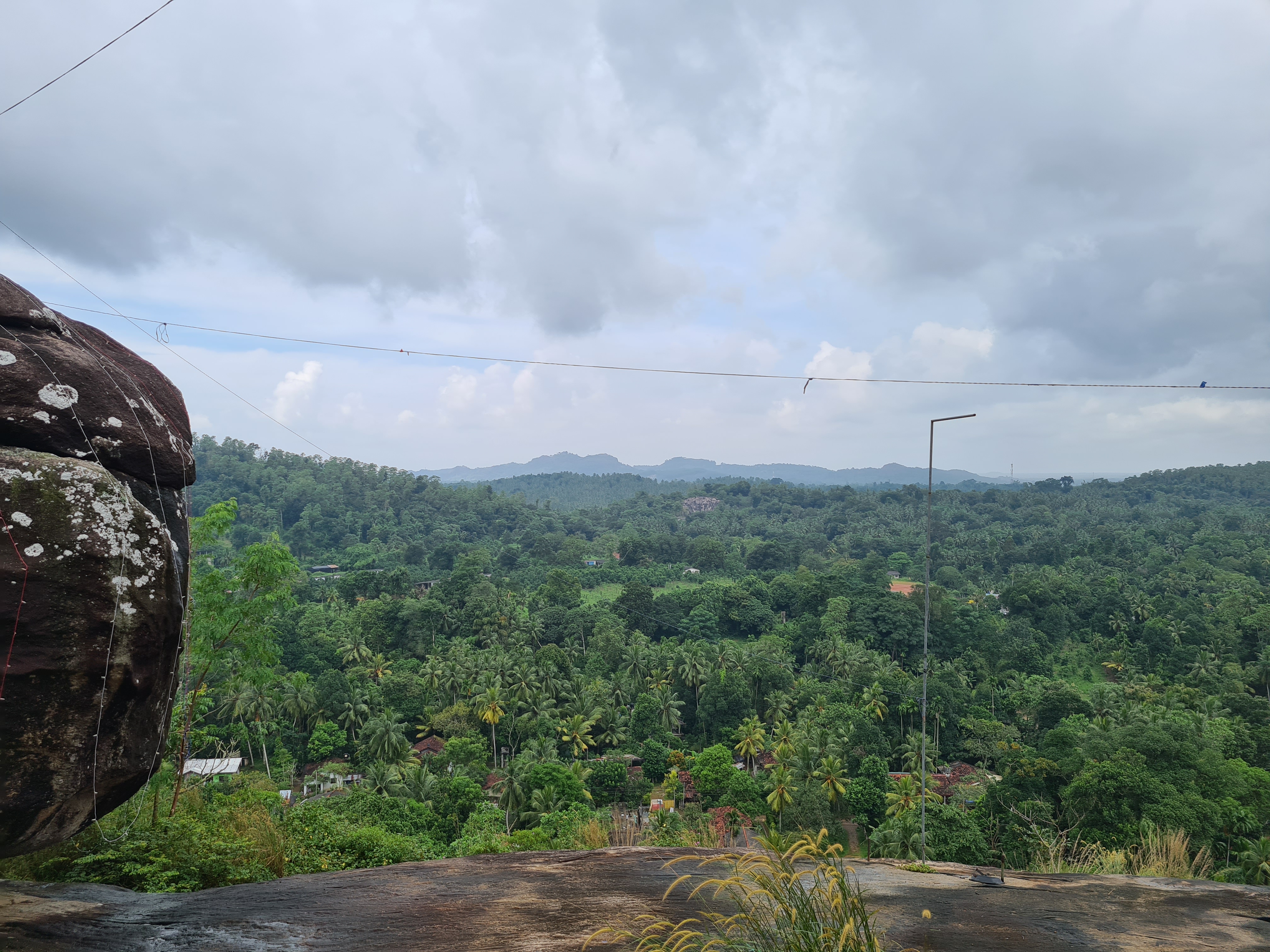
The climb to the top is very pleasant and easy. It can be easily handled by the young children as well. From the top one has a nice view of the Colombo Skyline and also the near by Maligatenne Raja Maha Viharaya, another cave complex occupied by Vallagamba

Maligatenna Raja Maha Viharaya

Maligatenna Raja Maha Viharaya

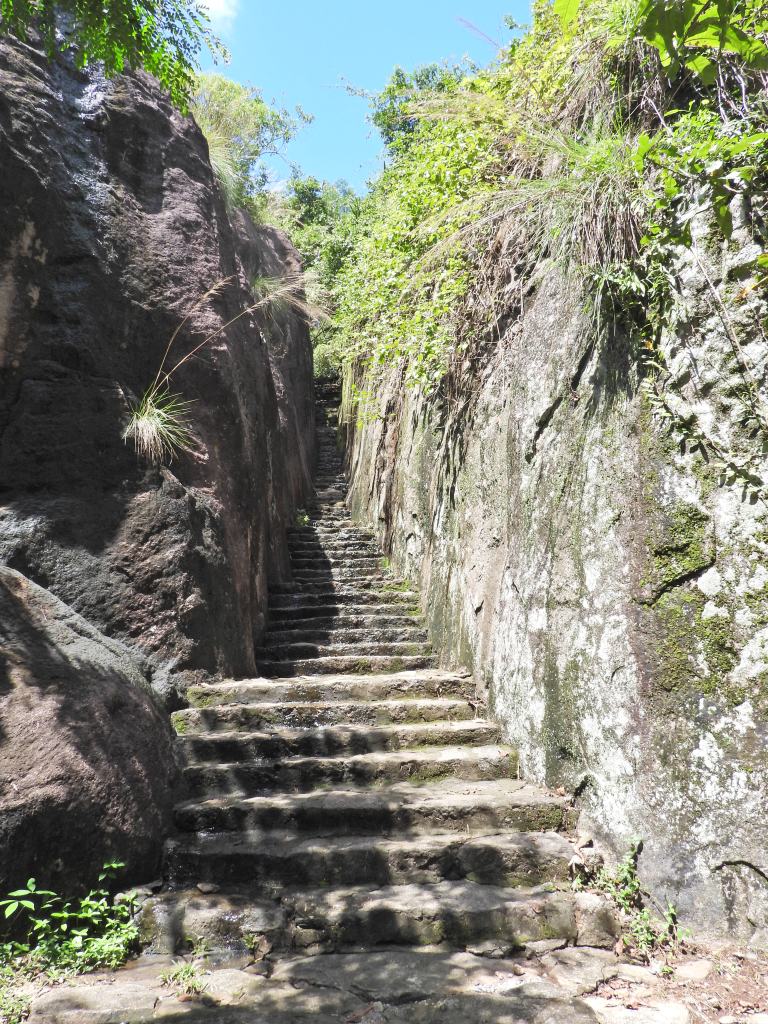
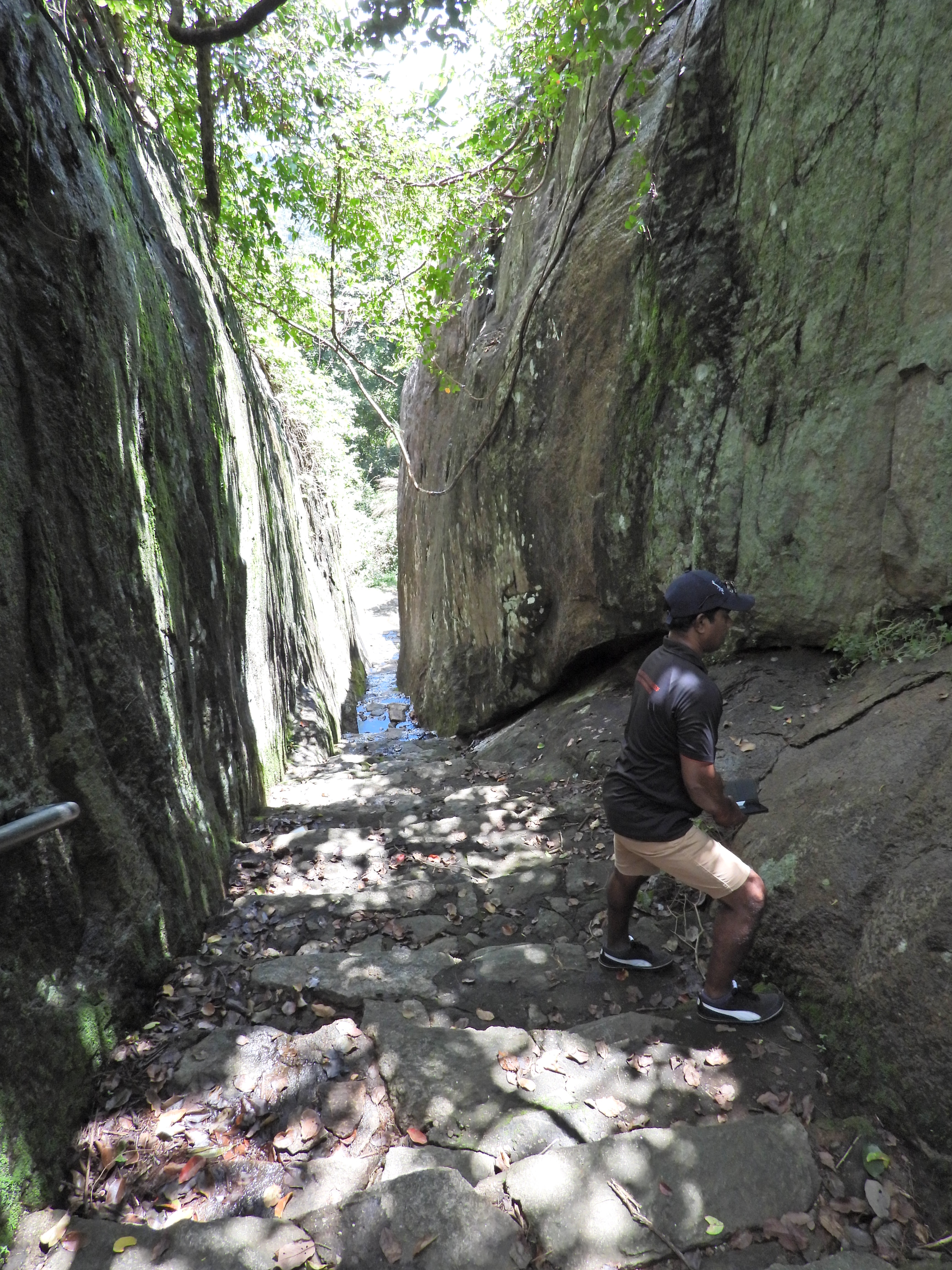
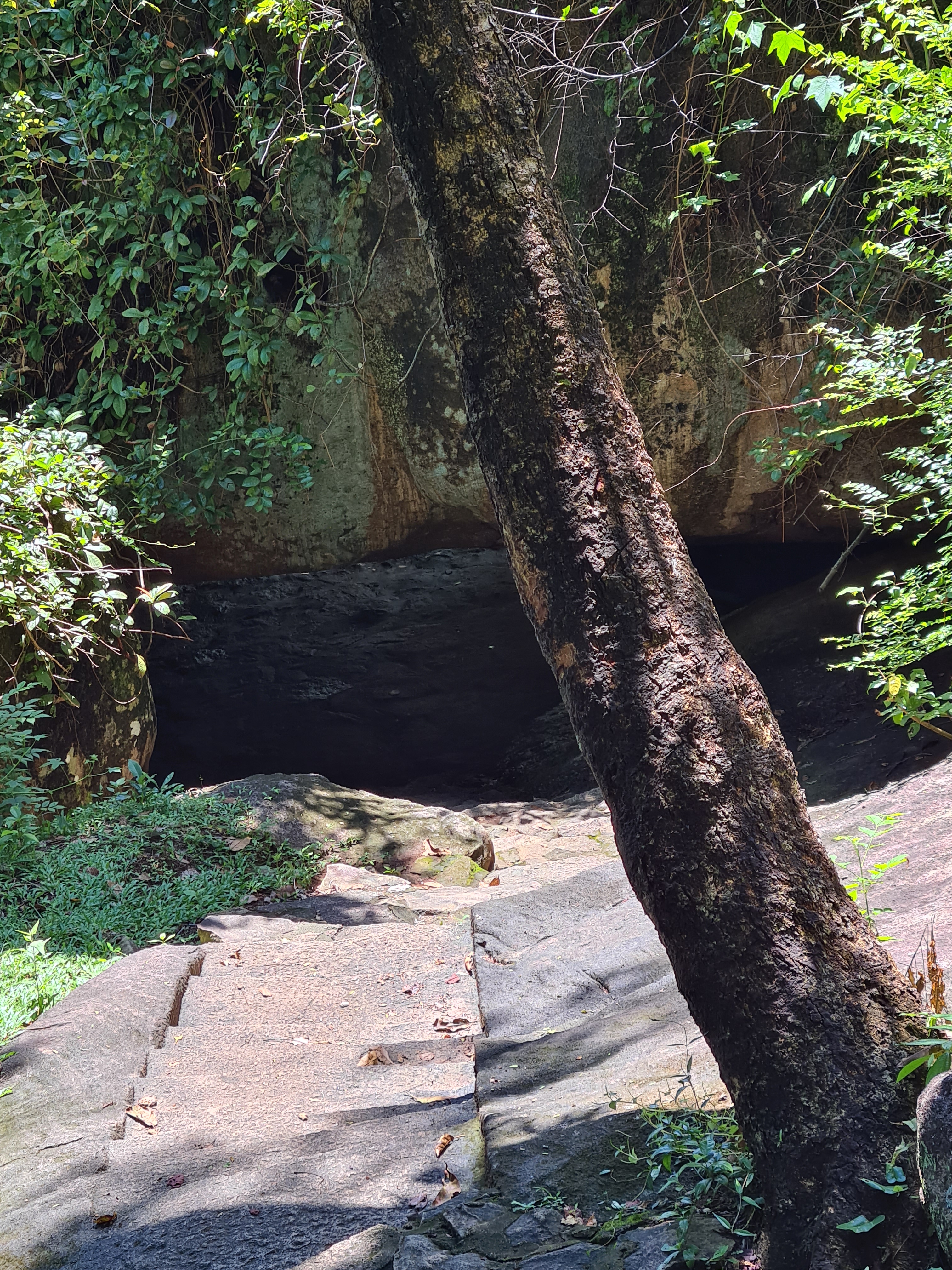
Granite Steps cut into a path between two rocks

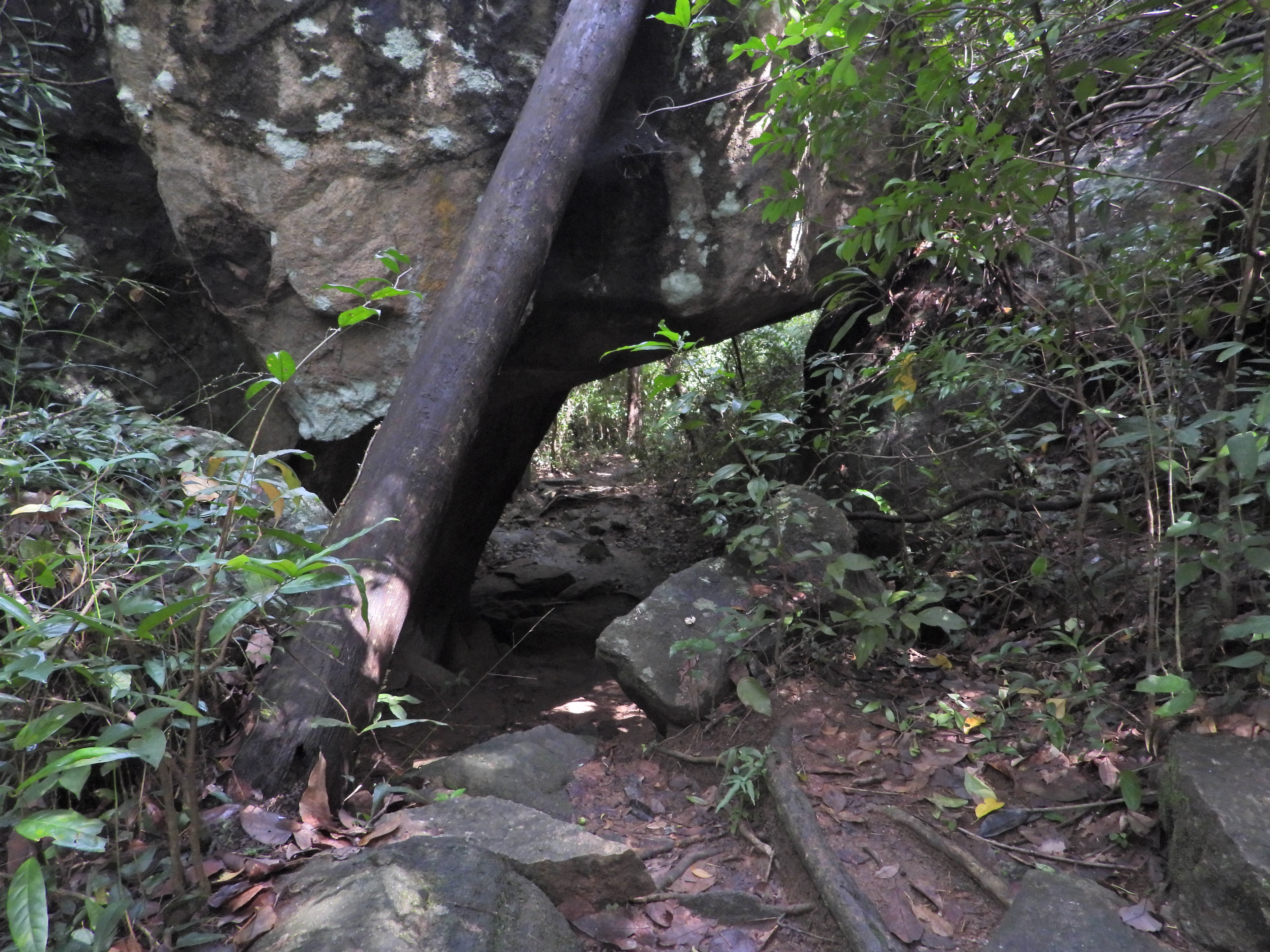
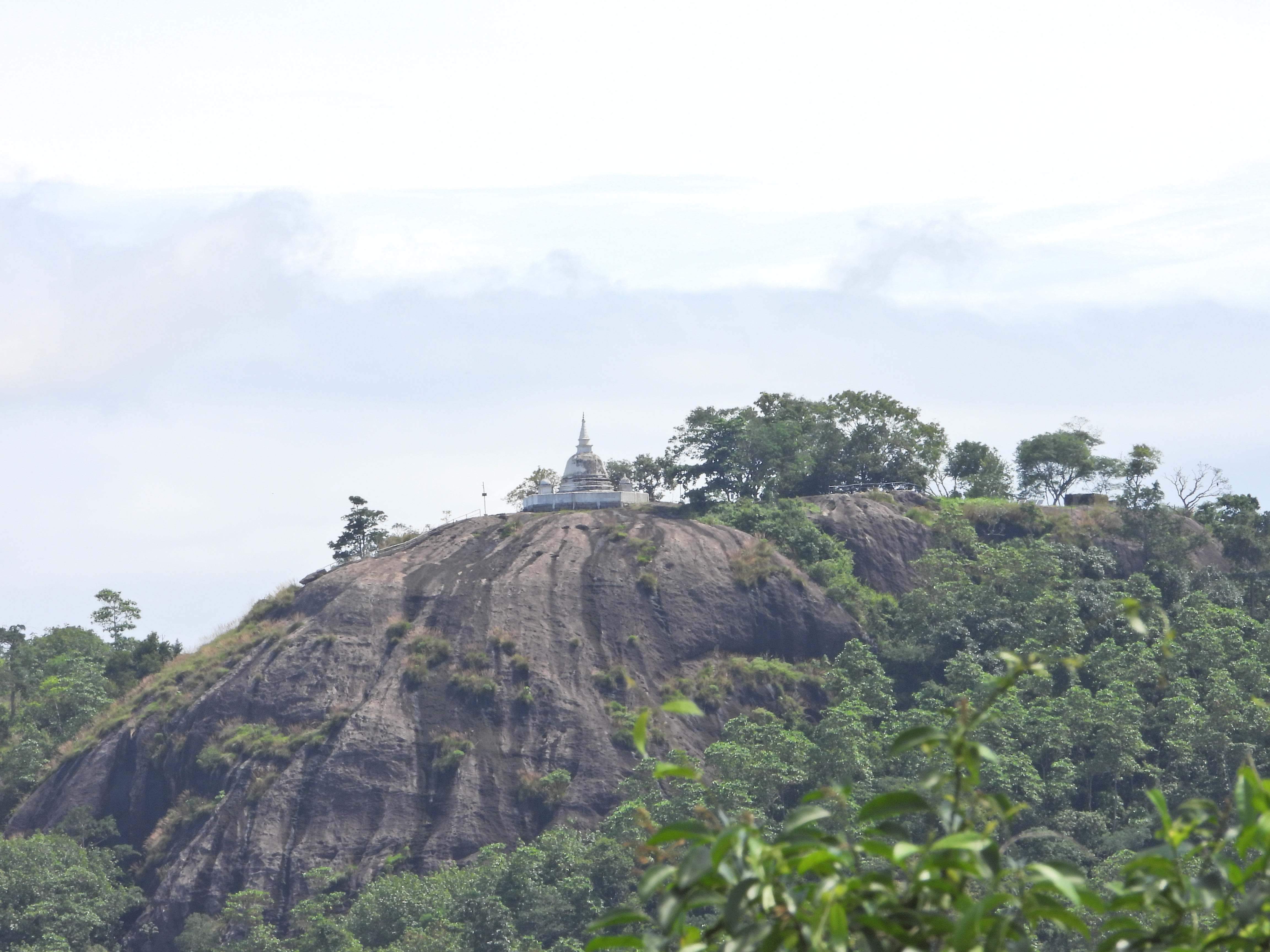
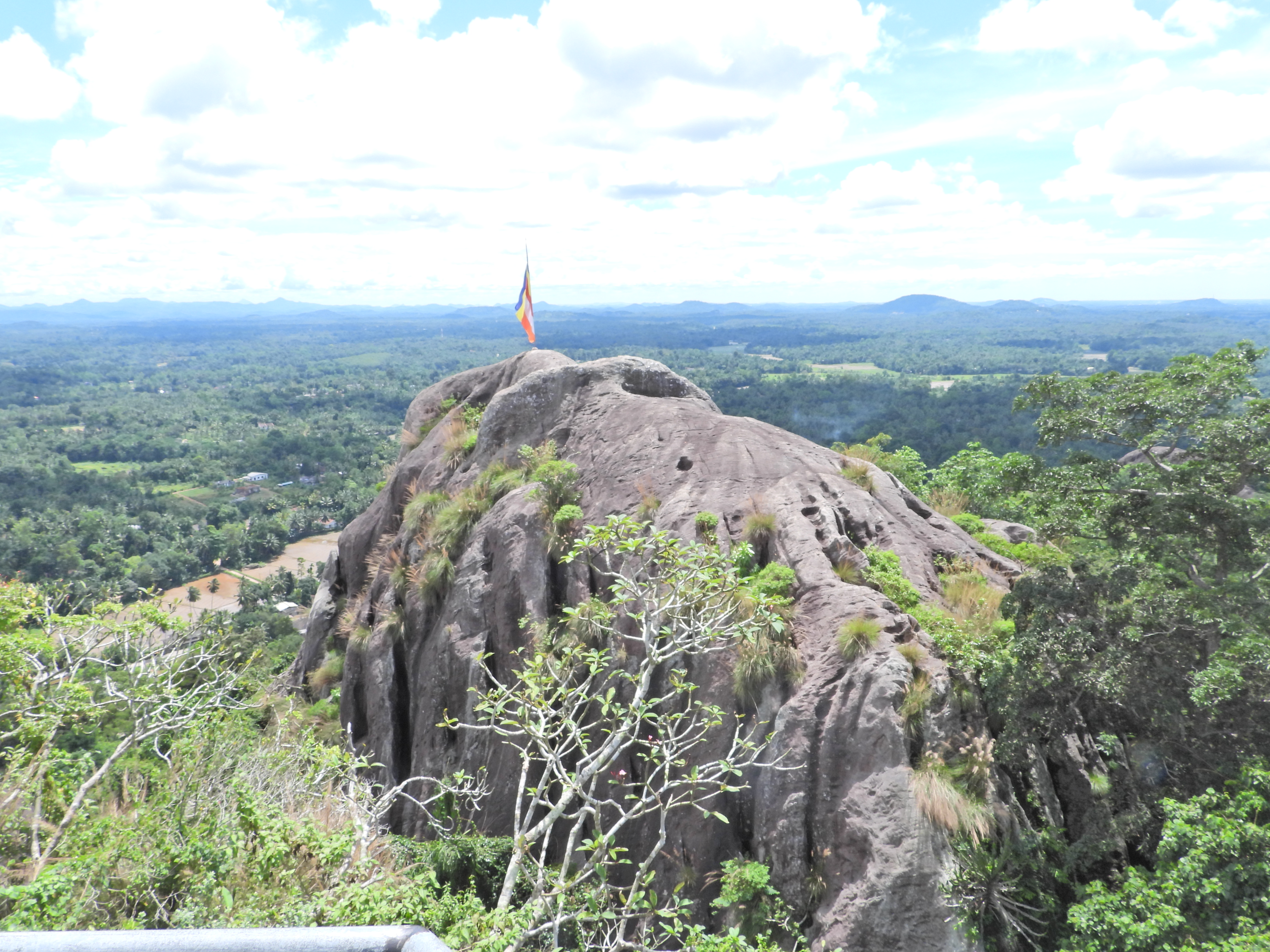
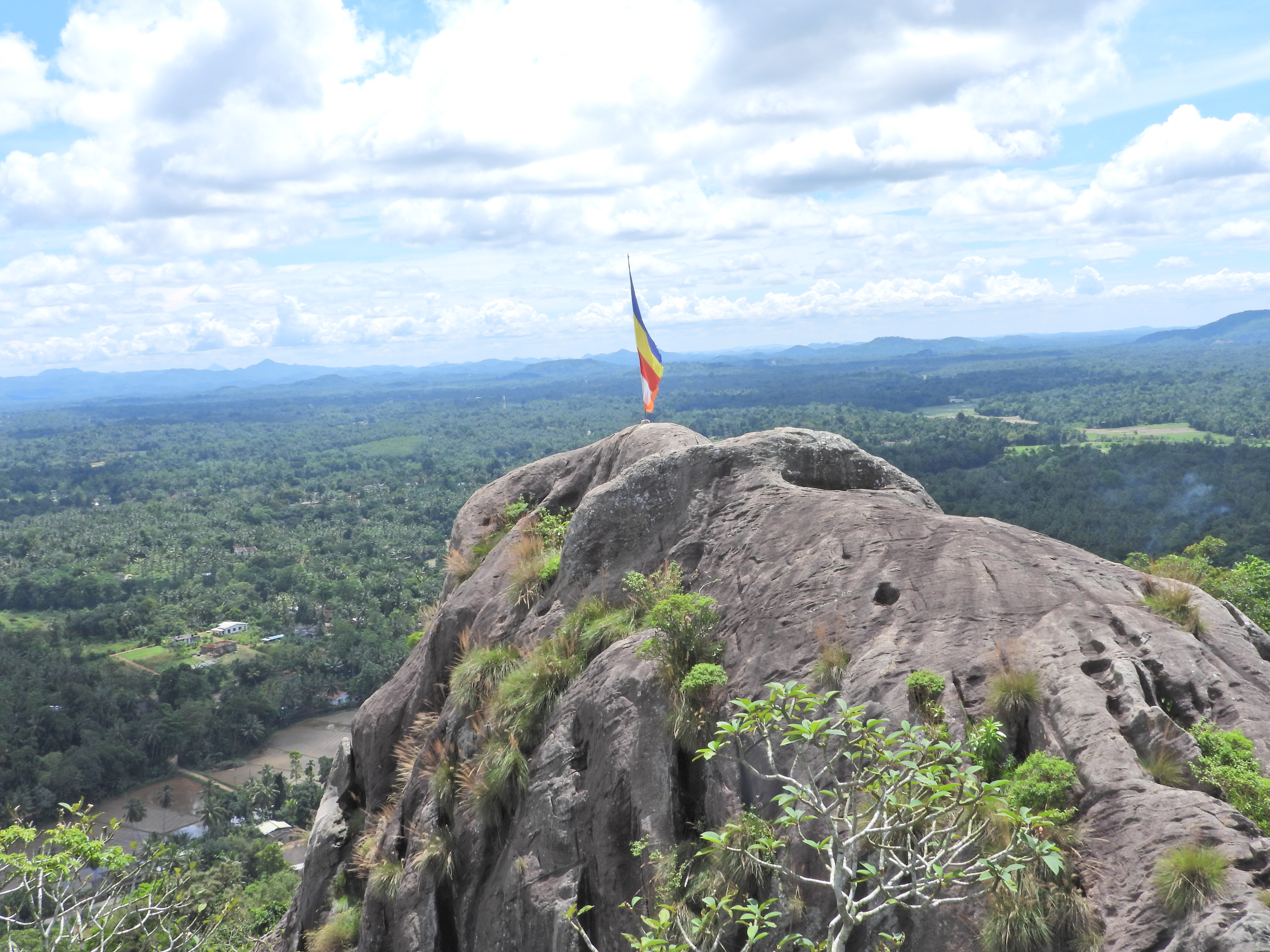
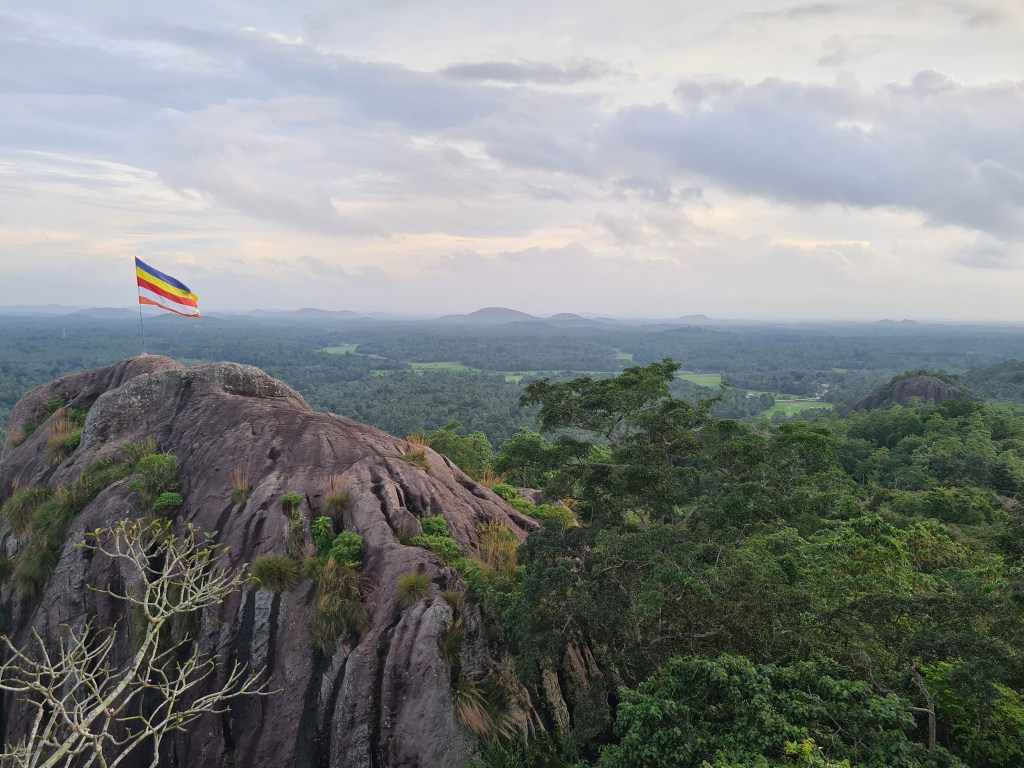
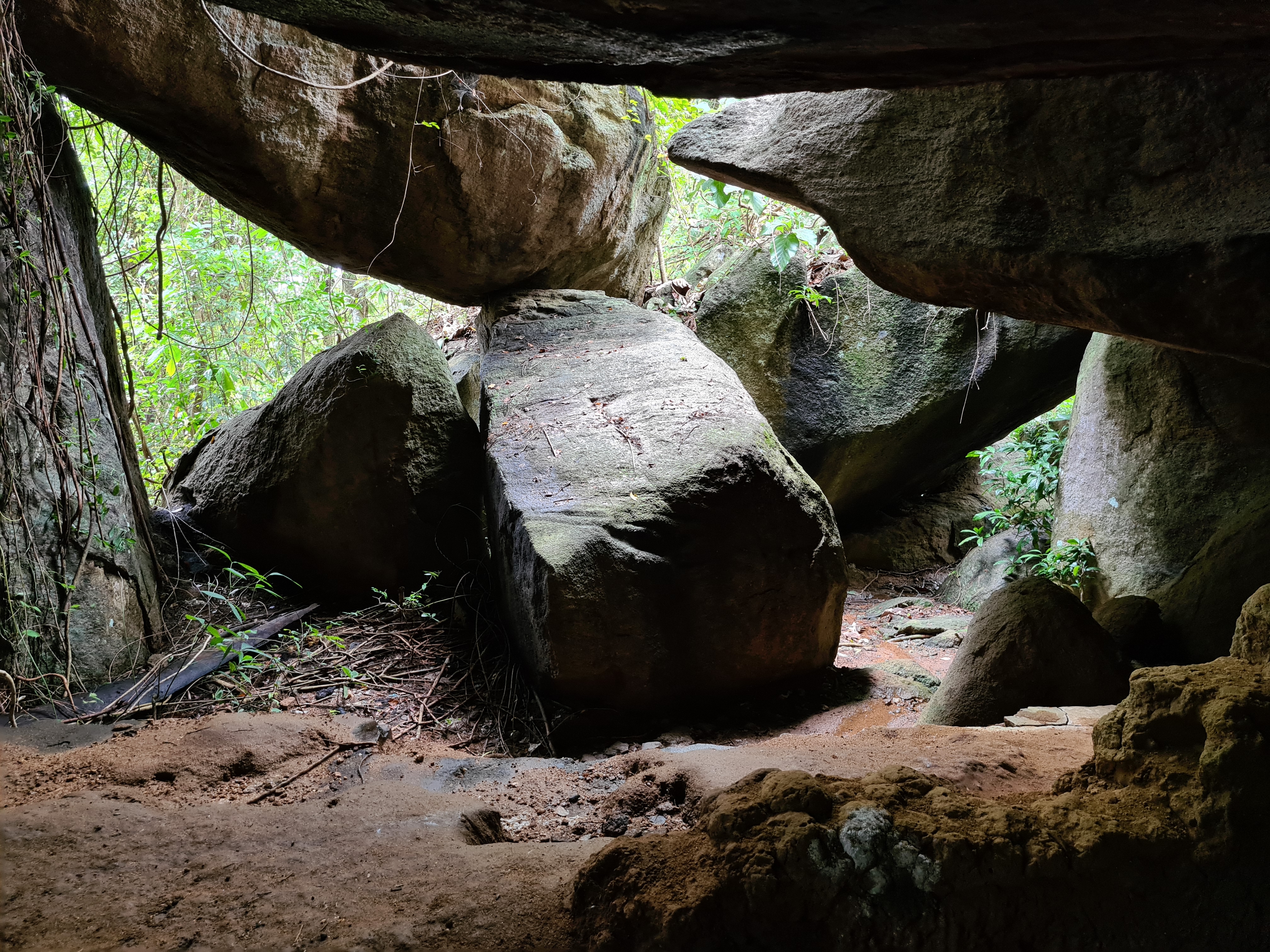
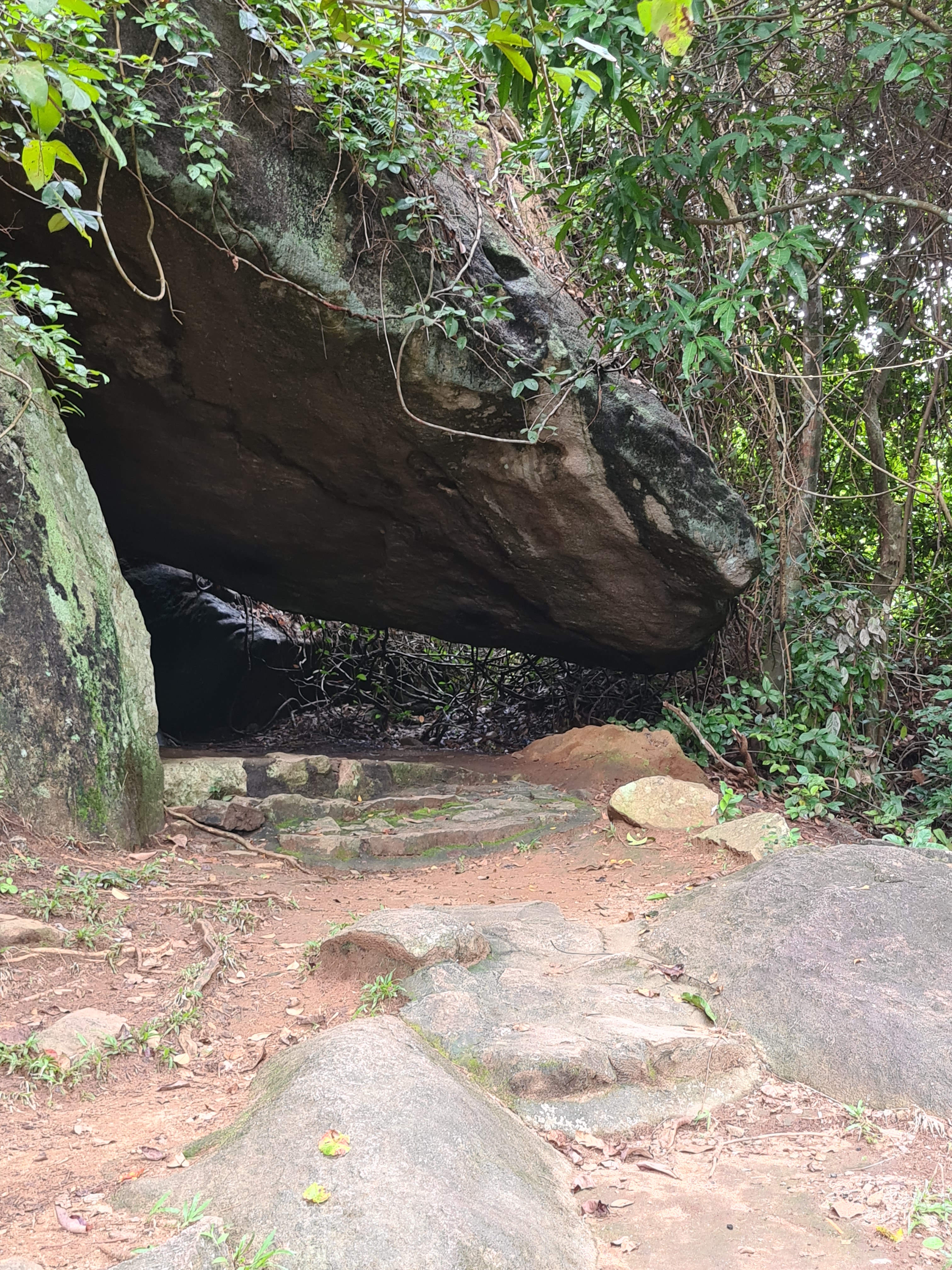
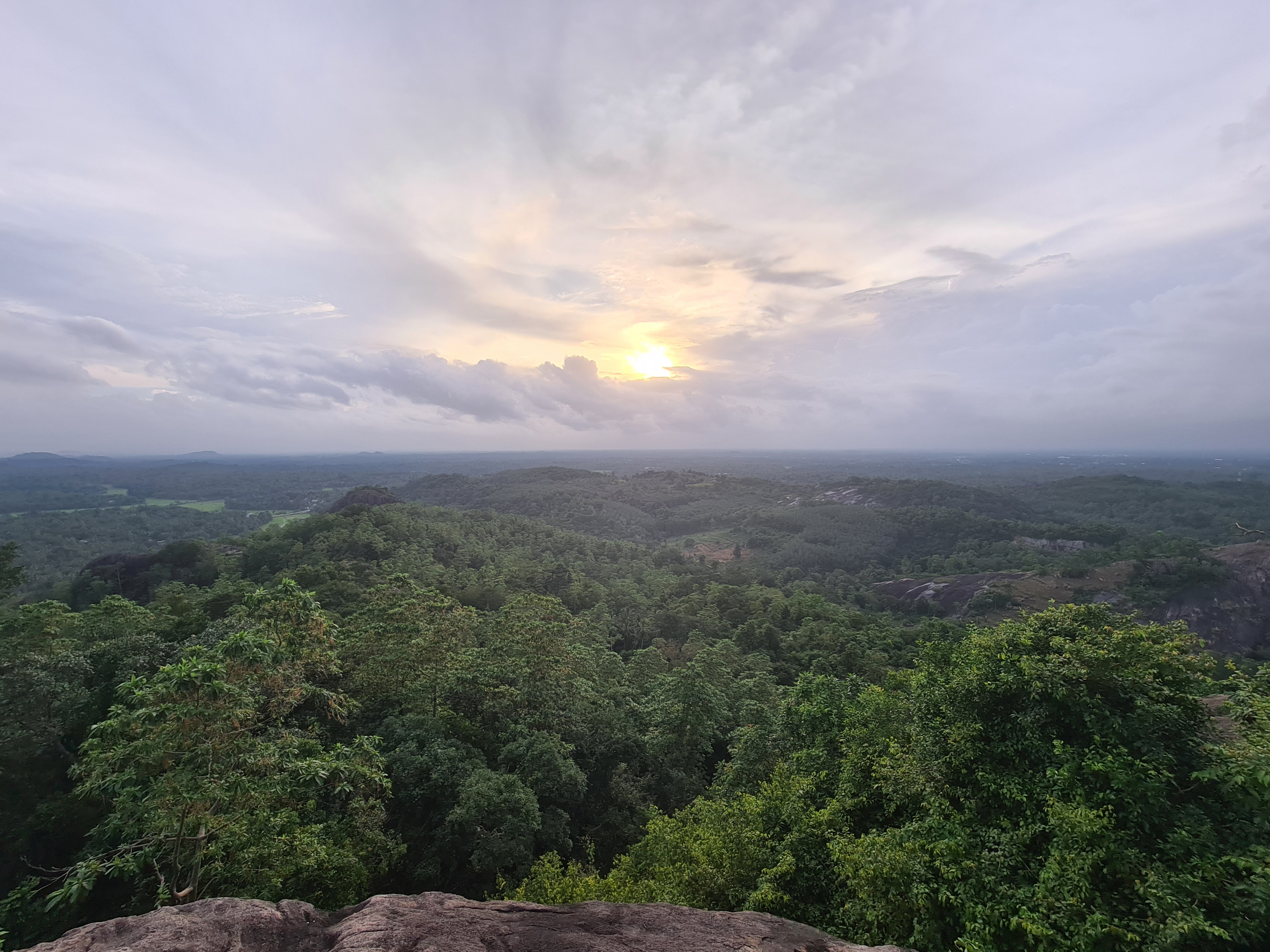
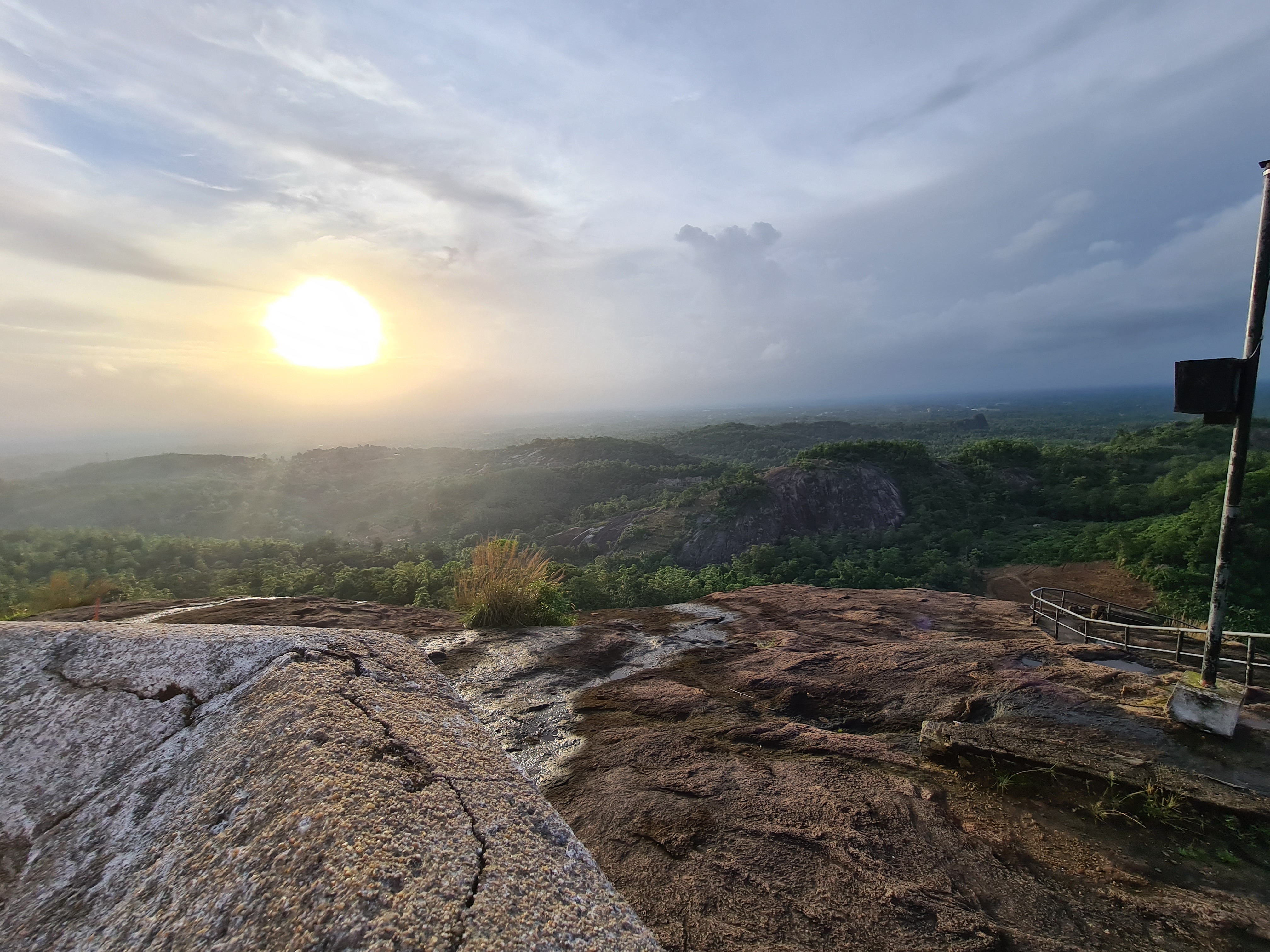
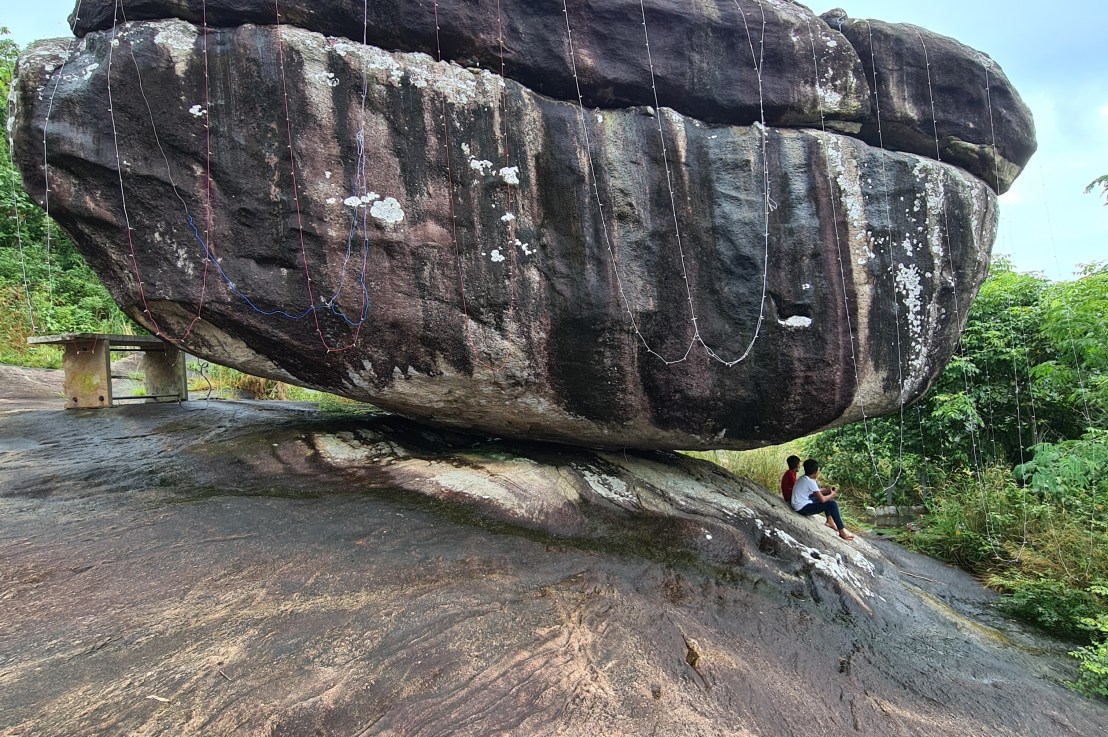
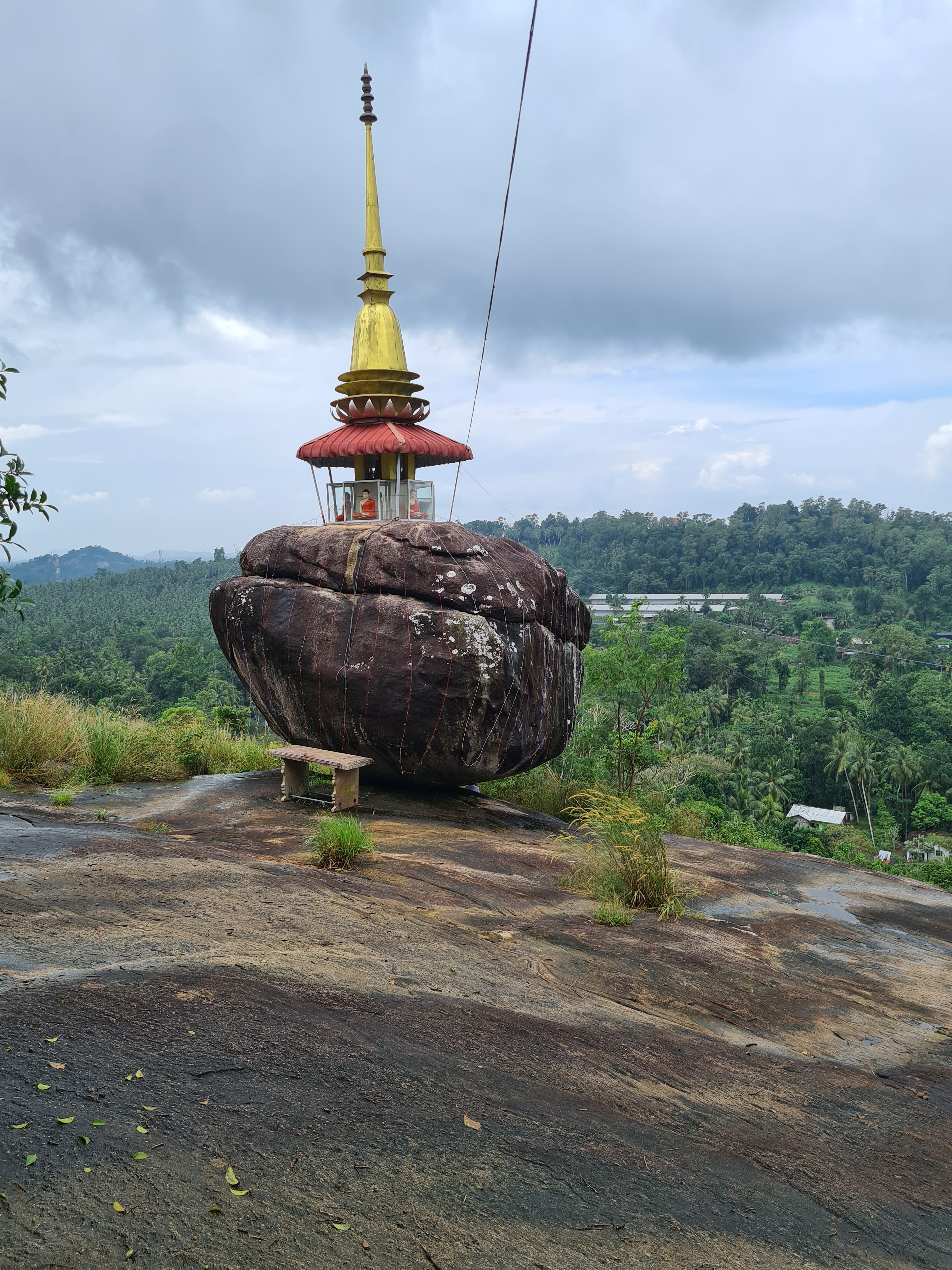
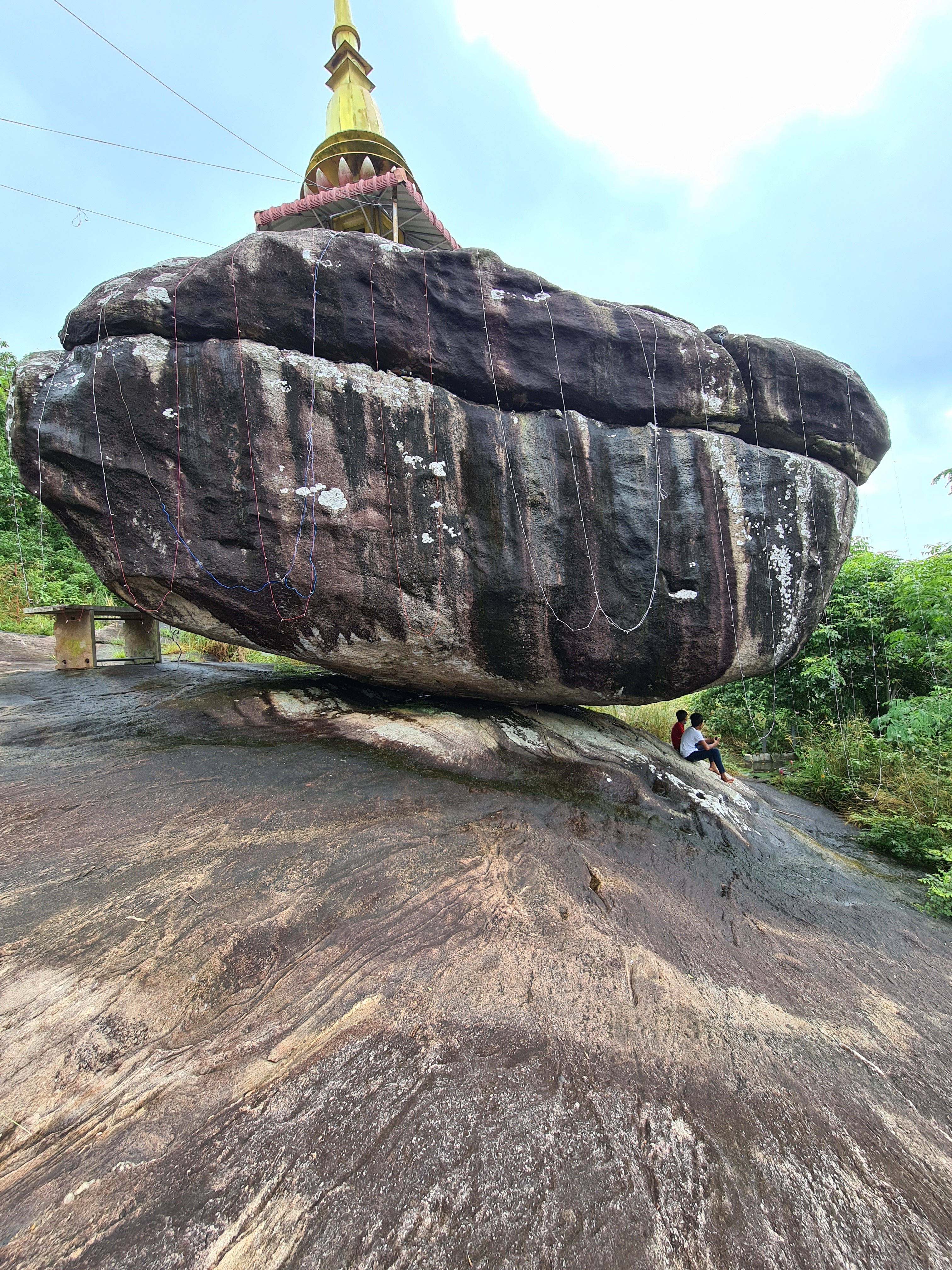
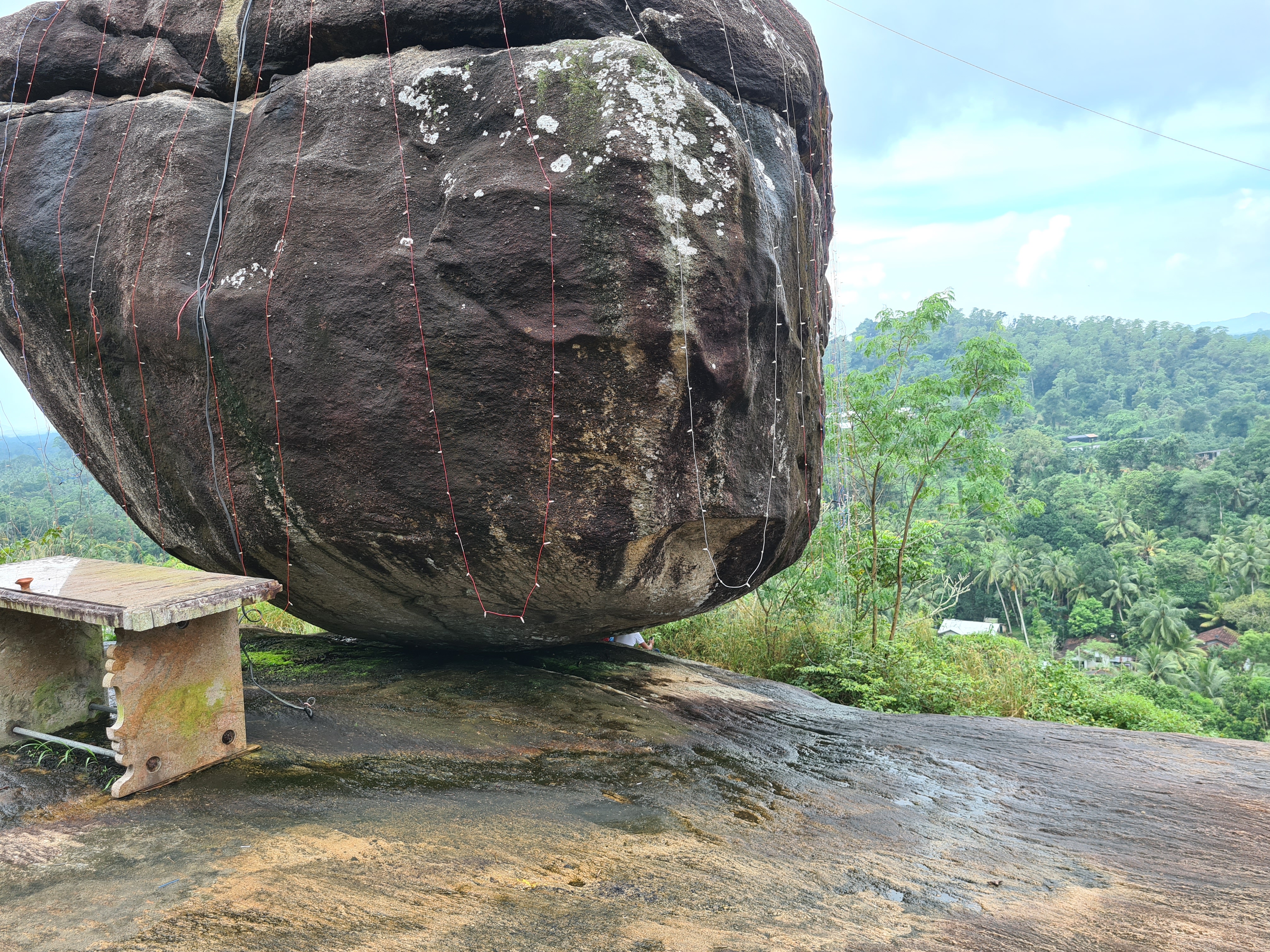
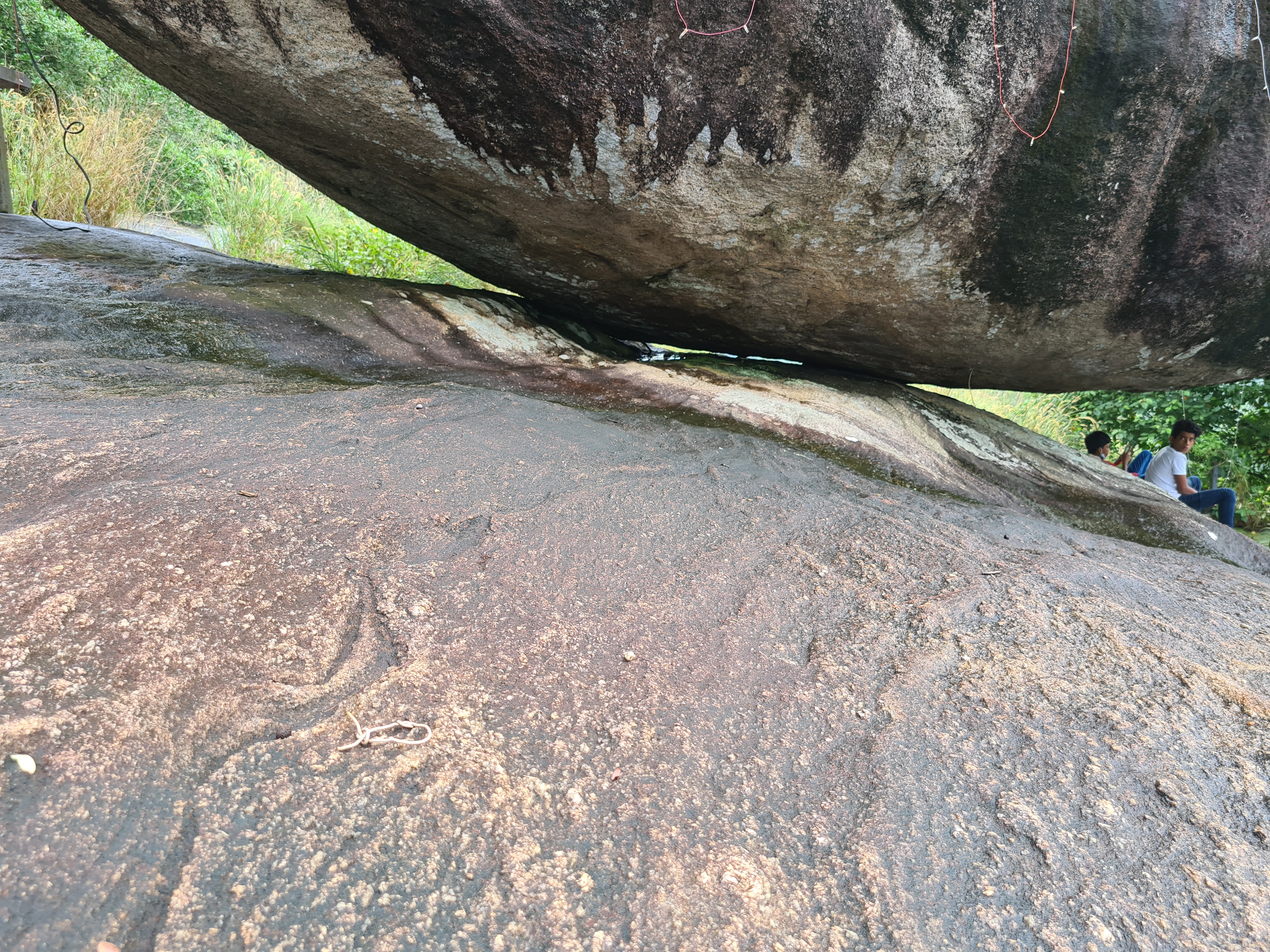
Maligatenna is reputed to be a hideout of King Valagamba, hence the name loosely translates to palace grounds. Reputed to be the highest point in the Gampaha district, gives an panoramic view of the Colombo skyline. The climb up to the top is through a path way on the right hand side of the temple. The climb is comfortable and takes about 10-20 mins. Passing through some interesting caves, one of which distinctly has 2 rooms and a veranda. The precariously placed boulders adds wonder to the site. Its twin site is Pilikutuwa Raja Maha Viharaya.